FOLLOW US

Last update: May 1, 2025 Reading time: 2 Minutes

With recent changes in the Google Chrome browser, even website owners who do not do business from their site are being encouraged to encrypt. Websites without data encryption can cause significant issues for site visitors and owners by putting their privacy at risk. As of July 1st, 2018 Google Chrome took steps to clearly show Internet users which websites are secure, and which are not.
If a website still uses Hypertext Transfer Protocol (HTTP), the security of user data is at a much higher risk than sites that have switched to Hypertext Transfer Protocol Secure (HTTPS).
So what is Google doing?
When perusing the Internet using Google’s Chrome browser, users see HTTP sites without a Secure Sockets Layer (SSL) certificate identified as ‘Not Secure.’ So even blog sites and simple brochure pages are affected. Website owners can appease both Google and their site visitors by getting an SSL for their domains, and upgrade to a fully encrypted HTTPS.
p>Google’s shunning of less secure websites is nothing new. The search engine has been ranking less secure HTTP websites lower than secure HTTPS websites in searches since 2014.
With each Chrome browser update, Google introduces a new layer of cyber accountability for website owners. When they released the Chrome 62 browser in 2017, Google initiated a labeling system that allowed visitors to see which websites were encrypting what data came through their domains.
Their address bar displayed a banner informing users of the encryption status of the website they were browsing. Once a user started typing anything into a given page, a message, “Not Secure” would appear.
Now with Chrome 68 just released in July of 2018, this banner is present in the address bar at all times, without the user having to type in any information at all.
We’re starting to use HTTPS as a ranking signal. <…> We’d like to encourage all website owners to switch from HTTP to HTTPS to keep everyone safe on the web. -Google Webmasters Blog, August 2014.

With the Chrome 68 update, users will see one of three status’s pop up in their address bar:
Indicates websites that are HTTPS websites with total SSL encryption.
Indicates simple websites without an SSL.
Indicates websites known for collecting user information and without an SSL.
Google’s top priority is security for its users. By arming them with information, individuals can make informed choices which sites they engage with, and are less likely to visit a webpage that could compromise their data.
For website owners, the choice is clear. Contact the 2Point team today and take the steps to fully encrypt your site, or be labeled as a potentially dangerous webpage.


Everyone loves to debate tools, hacks, and supposed “secret” SEO wins. In reality, rankings usually stall because the same simple errors keep repeating.

You open your content calendar and feel that familiar squeeze in your chest. There is a blog outline still blank, a LinkedIn post you meant to share, email slots waiting for something smart to say, and a video idea lost in your notes while your feeds start to go quiet.
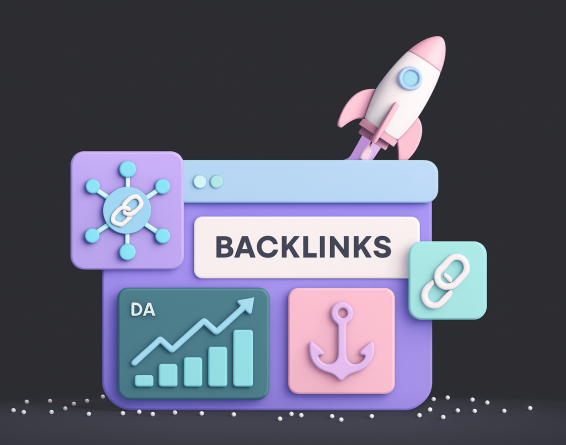
Your inbox fills with offers for “100 DA90 links in 30 days,” while your feed warns about link spam updates, site reputation abuse, and expired-domain schemes. One email promises authority, another hints at manual action, and you end up stuck between FOMO and paralysis

 let’s connect