

 let’s connect


The average Meta lead generation campaign converts at a click-through rate somewhere between 1% and 2%.
Most advertisers accept that as the ceiling.
It isn't.
One of our clients is running lead-gen campaigns at 4.9% to 6.5% CTR; consistently, across multiple campaigns, over 30 days and $12,500 in spend. Their lowest-cost campaign is generating qualified leads at $26 per lead on a $4,500 monthly budget.
That isn't an anomaly. It's a structure. And it's repeatable.
Here's what's driving it.
What the Data Shows
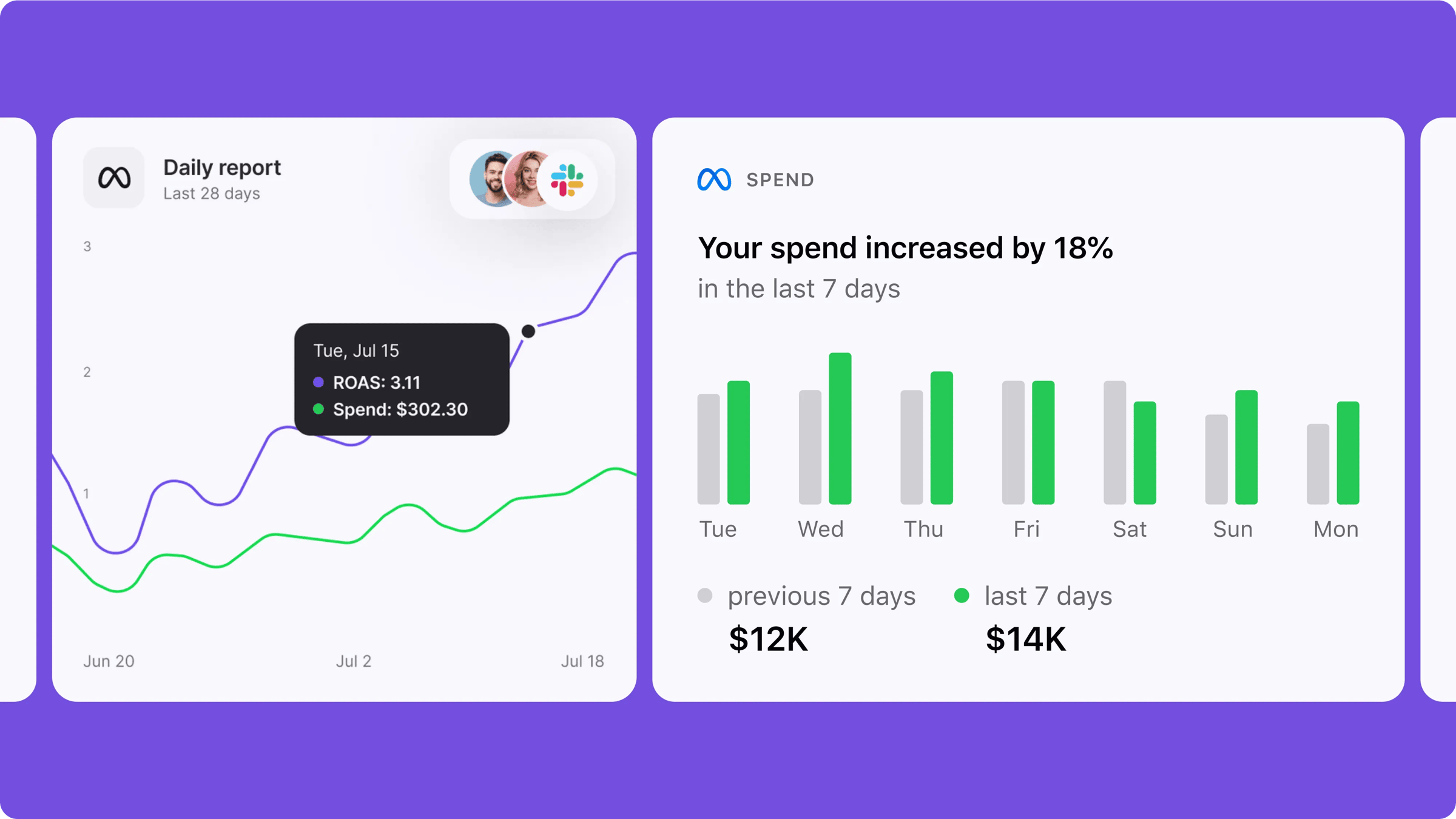
Over the past 30 days, this account generated 230 leads across five campaigns with a blended cost-per-lead of $54. The two highest-performing campaigns tell the real story:
Core lead-gen campaign:
- CTR: 4.94%
- CPC: $1.18
- Leads: 172
- CPL: $26
Event/offer-specific campaign:
- CTR: 6.55%
- CPC: $0.91
- Leads: 39
- CPL: $144
To put the CTR in context: the industry average for Meta lead-gen sits around 1-2%. This account is running at 3x to 5x that benchmark. And they're doing it at scale; not on $50/day test budgets.
The BOF retargeting layer is doing its job too. A small retargeting campaign running at 9.83% CTR confirms that warm audiences are highly engaged and converting efficiently when hit with the right message at the right time.
Why This Is Working
1. The offer is specific
Generic lead ads fail because they ask for something without giving a clear reason to say yes. "Get more information" is not an offer. "Get a free quote in 60 seconds" is.
The highest-performing campaigns in this account are built around a specific action tied to a specific moment, a limited-time offer, a consultation window, a scheduled event. The user knows exactly what they're signing up for, which dramatically reduces friction at the form stage.
Specificity also helps Meta's algorithm. When your offer is clear and your audience targeting is tight, the system can find the people most likely to convert instead of optimizing for broad reach.
2. The funnel has three layers, not one
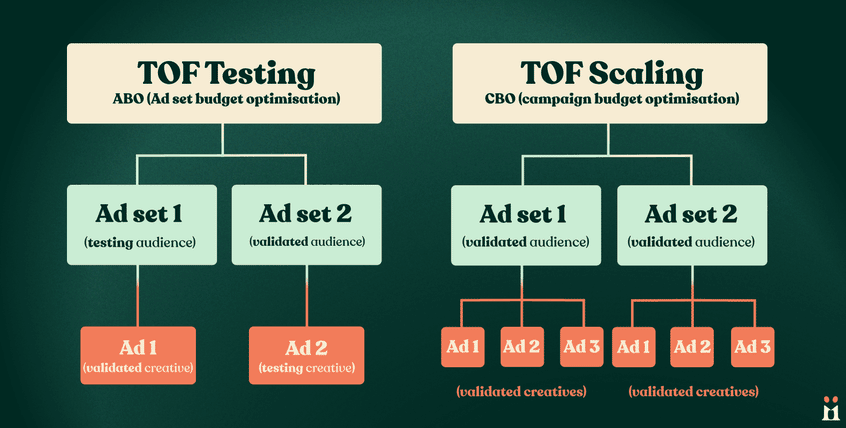
Most advertisers run one campaign and wonder why performance plateaus. This account runs a deliberate three-layer structure:
Top of funnel: broad lead generation. New audiences, cold traffic, volume-focused. This is where the majority of spend goes and where most leads originate.
Event-specific mid-funnel: campaigns tied to specific actions (event attendance, consultation booking, limited-time offers). These are narrower, higher-intent, and generate fewer leads at a higher CPL, but the quality is different.
Bottom of funnel retargeting: small budget, high CTR. People who have already engaged but haven't converted. This campaign runs lean (~$145/month) and punches above its weight at nearly 10% CTR.
Each layer serves a different purpose. The mistake most advertisers make is trying to get all three jobs done with one campaign.
3. Creative is being tested continuously
The account is launching new creative on a rolling basis, refreshing what's in market before fatigue sets in. Ad fatigue is one of the most overlooked performance killers on Meta.
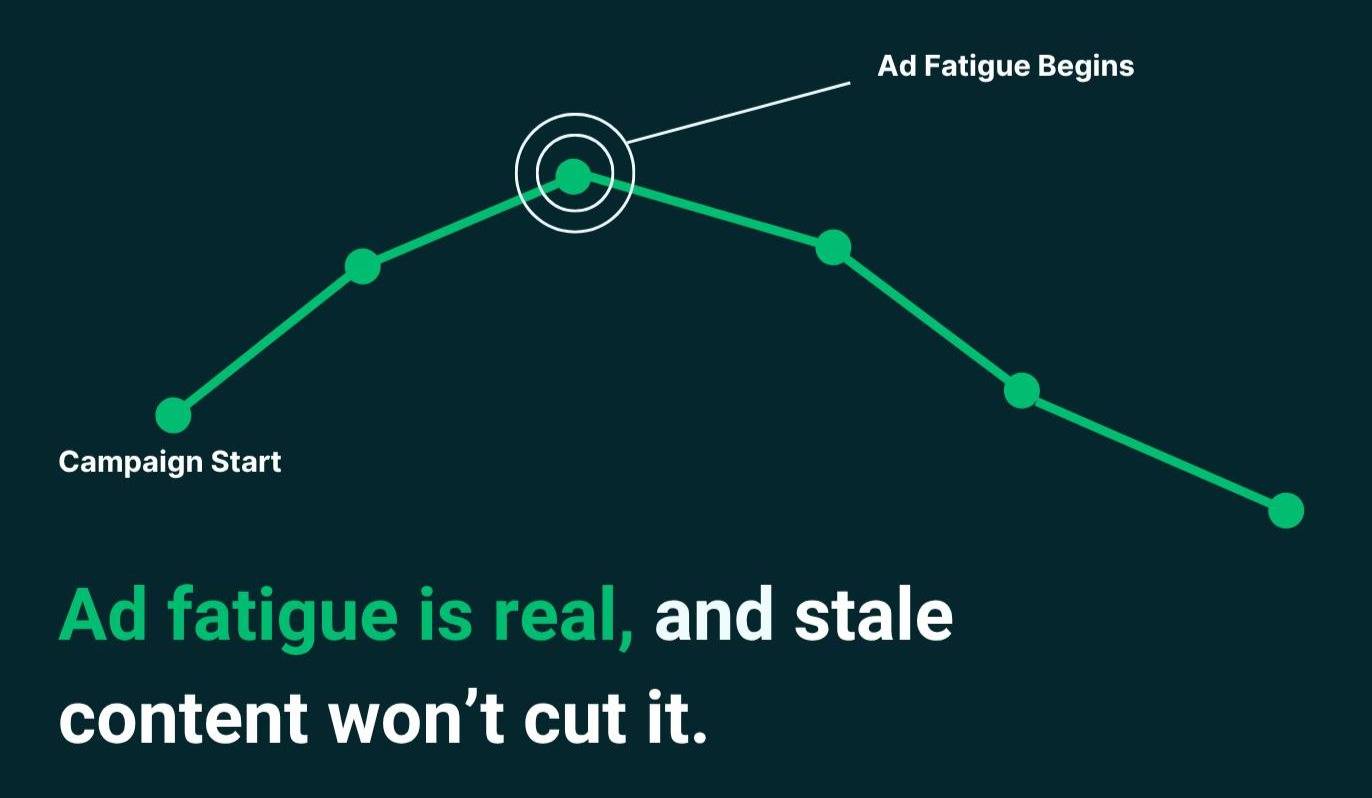
When the same creative runs too long against the same audience, CTR drops, CPCs rise, and CPL inflates. The fix is systematic creative rotation, not budget increases.
4. Campaign objectives match the goal
This sounds obvious, but many advertisers running lead campaigns are still optimizing for traffic or engagement because those metrics feel good in the dashboard.
Every campaign in this account is structured around lead conversion as the primary objective. Meta's algorithm needs signal to optimize. If you're telling it to optimize for clicks but you actually want leads, you're paying for the wrong behavior.
What You Should Do
Audit your current campaign objective. If you're running lead capture but your campaign objective is set to traffic, awareness, or engagement, you're leaving performance on the table. Rebuild the campaign around lead generation from the ground up.
Build a three-layer structure. If you have one campaign, you have one shot. A TOF volume campaign, a mid-funnel event or offer-specific campaign, and a small retargeting layer is a minimum viable funnel. Each one targets different intent and needs different creative.
Sharpen your offer. Before touching budget or targeting, ask: does my lead form communicate a specific, valuable outcome in under five seconds?
If you wouldn't fill out the form yourself, your audience won't either. Rewrite the headline and primary text around the exact thing someone gets when they submit.
Schedule creative refreshes. Don't wait for performance to drop before replacing creative. Build a calendar. Launch new creative every 3-4 weeks regardless of how the current version is performing.
Match your CPL expectations to funnel stage. A $26 CPL on a broad lead-gen campaign and a $144 CPL on a high-intent event-specific campaign are both wins, they're just different wins.
Judging both against the same CPL target will cause you to kill campaigns that are working.
Take This With You
High-converting Meta lead-gen isn't about finding a hack or spending more.
It's about funnel structure, offer clarity, and creative discipline. The accounts that sustain 4-6% CTRs aren't doing anything exotic. They're running specific offers to the right audiences, refreshing creative before fatigue hits, and letting Meta's algorithm optimize for the actual conversion event.
The data is there. The structure is repeatable.
The gap between a 1% CTR campaign and a 5% CTR campaign is almost never the budget (It's the way the account is built)
Are you running high performing Meta campaigns?
If you haven't been able to *crack* Meta advertising then you're likely missing something fundamental.
If you want help from experts who have been advertising for 20+ years, hit the button below.
