

 let’s connect


What Is Brand Management and Why Does It Matter?
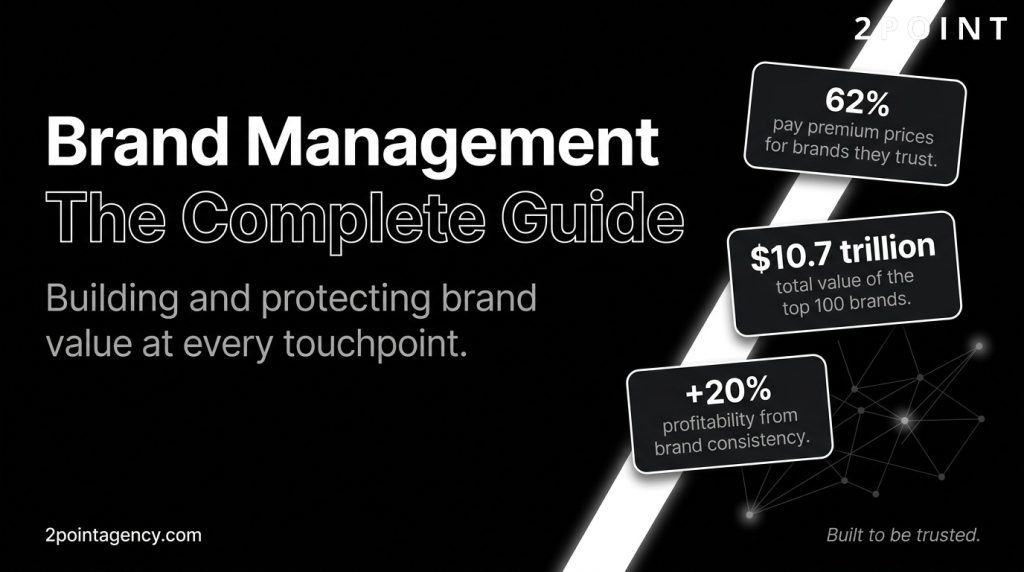
Brand management is the strategic practice of shaping how consumers perceive your company and maintaining the promises your brand makes across every customer interaction. Here’s what you need to know:
- Brand management focuses on managing consumer perception and delivering consistent value at every touchpoint.
- It plays a strategic role in maintaining and systematically improving your brand’s value over time.
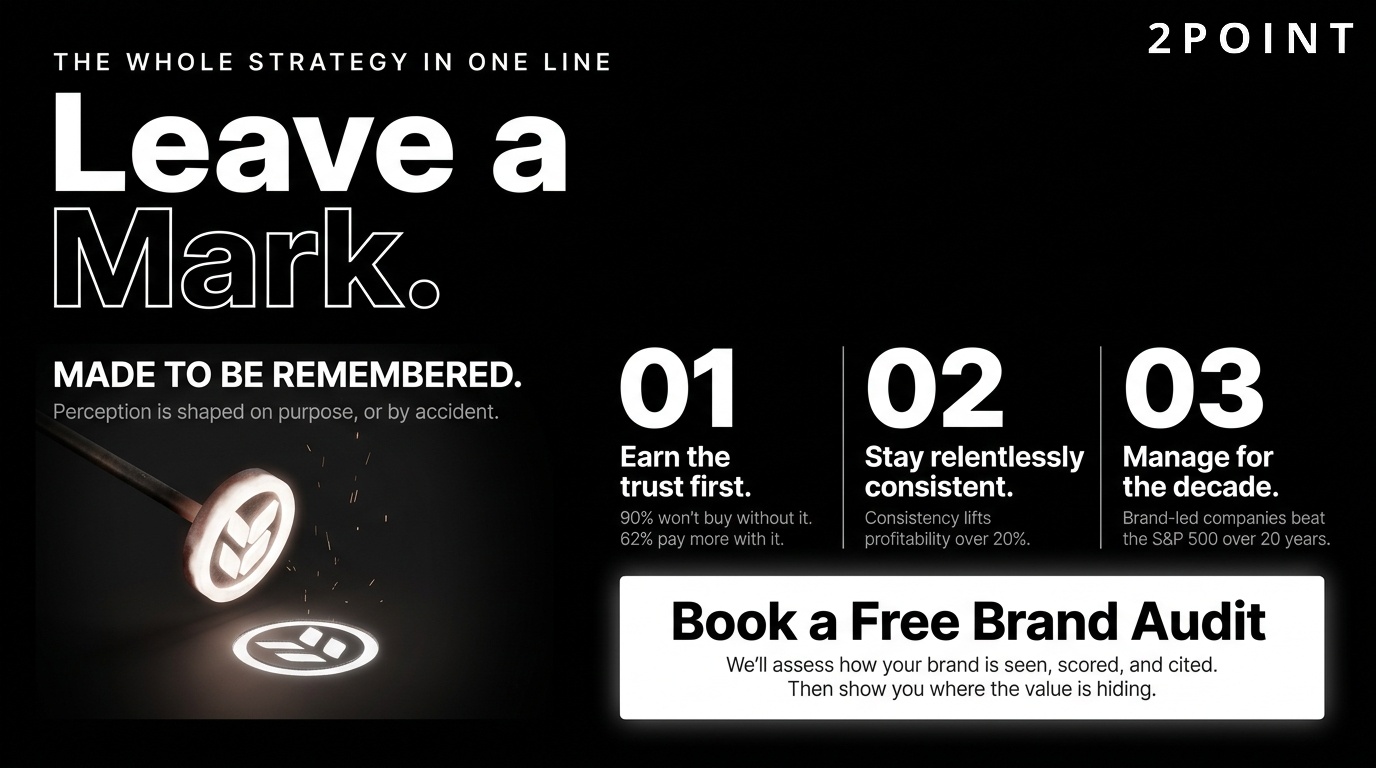
- 62% of consumers are willing to pay premium prices for brands they trust.
- The key outcomes include building brand equity, fostering customer loyalty, and creating competitive differentiation.
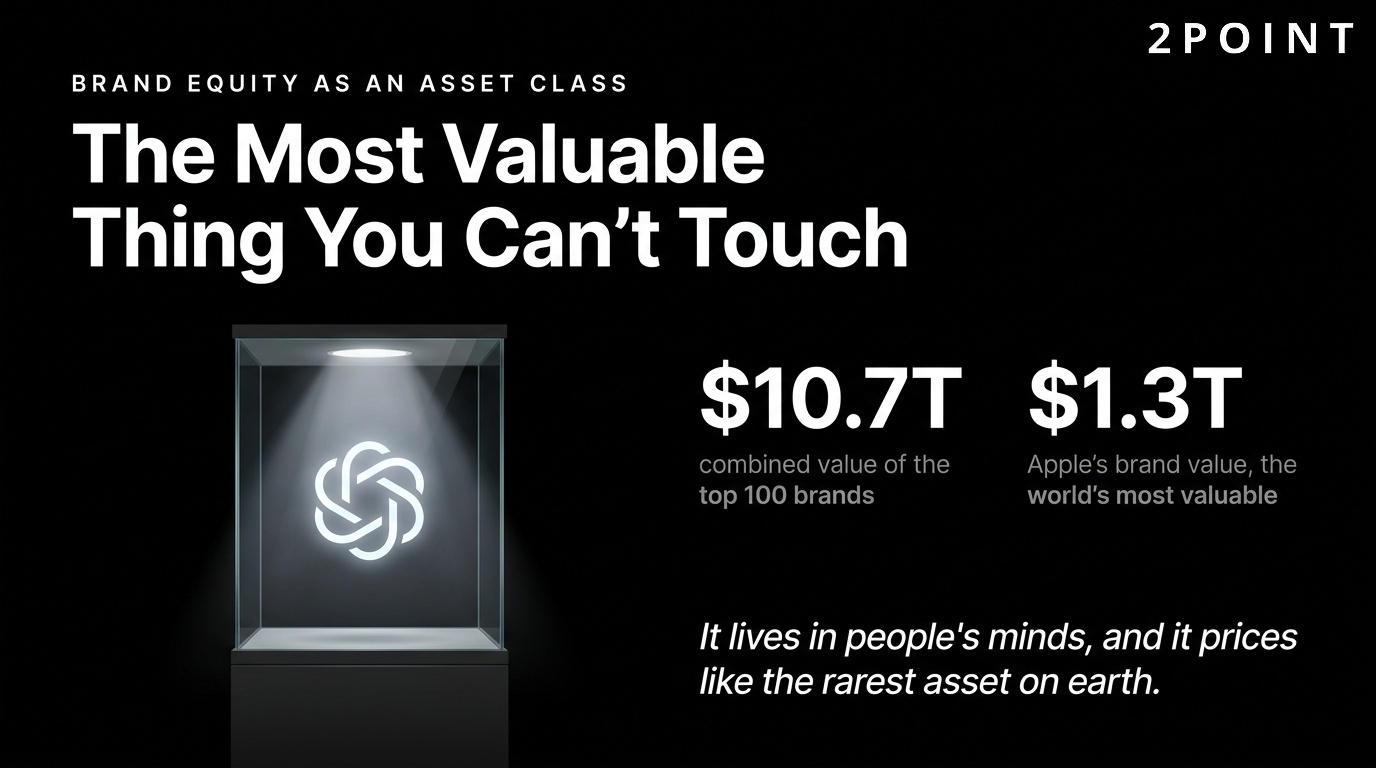
- The top 100 global brands reached $10.7 trillion in total value in 2025.
- Effective brand management translates directly to pricing power, customer retention, and market leadership.
This comprehensive guide explores the frameworks, strategies, and emerging technologies that define successful brand management in today’s dynamic marketplace.
The Four Pillars of Strategic Brand Management
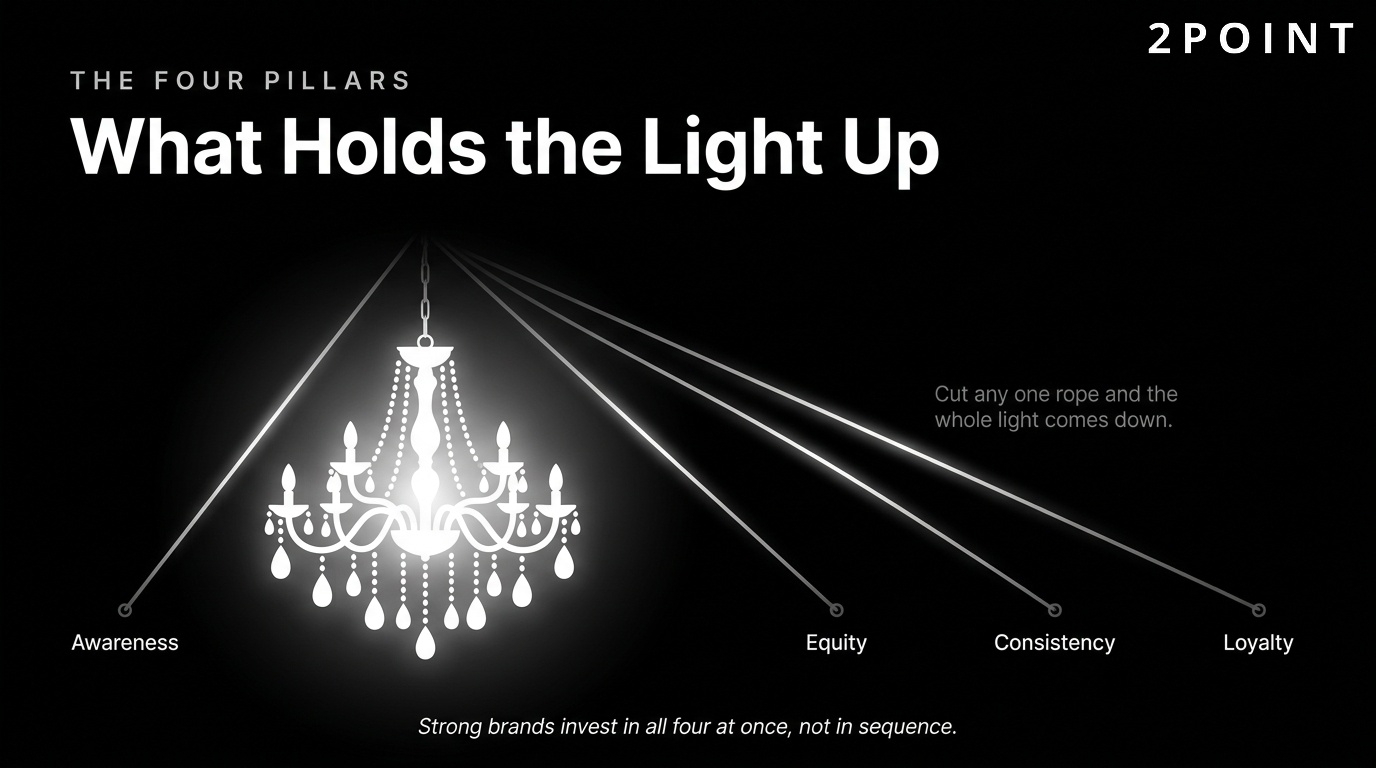
Successful brand management rests on four foundational pillars that work together to create lasting brand value. Each pillar requires dedicated attention and strategic execution to build a brand that resonates with customers and stands apart from competitors.
Building Brand Awareness Across Customer Touchpoints
Brand awareness represents the spectrum from basic name recognition to deep understanding of your brand’s values and offerings. It serves as the essential first step in converting prospects into customers, establishing the foundation for all subsequent brand interactions. Emerging channels like CTV advertising allow brands to build awareness through immersive video experiences on connected television devices.
Building awareness requires a multi-channel visibility strategy that reaches customers where they naturally spend time, including local SEO for businesses serving geographic markets. Knowing when to start a new SEO campaign for growth is critical for building sustainable brand awareness through organic search visibility. For businesses with physical locations, local search advertising provides direct visibility to nearby customers actively seeking products and services. Social media platforms, content marketing, paid advertising such as Facebook advertising, Search engine optimization plays a distinct role in increasing brand recognition by ensuring your brand appears when customers actively search for solutions. Paid advertising services play a distinct role in increasing brand recognition by reaching customers across multiple channels simultaneously.
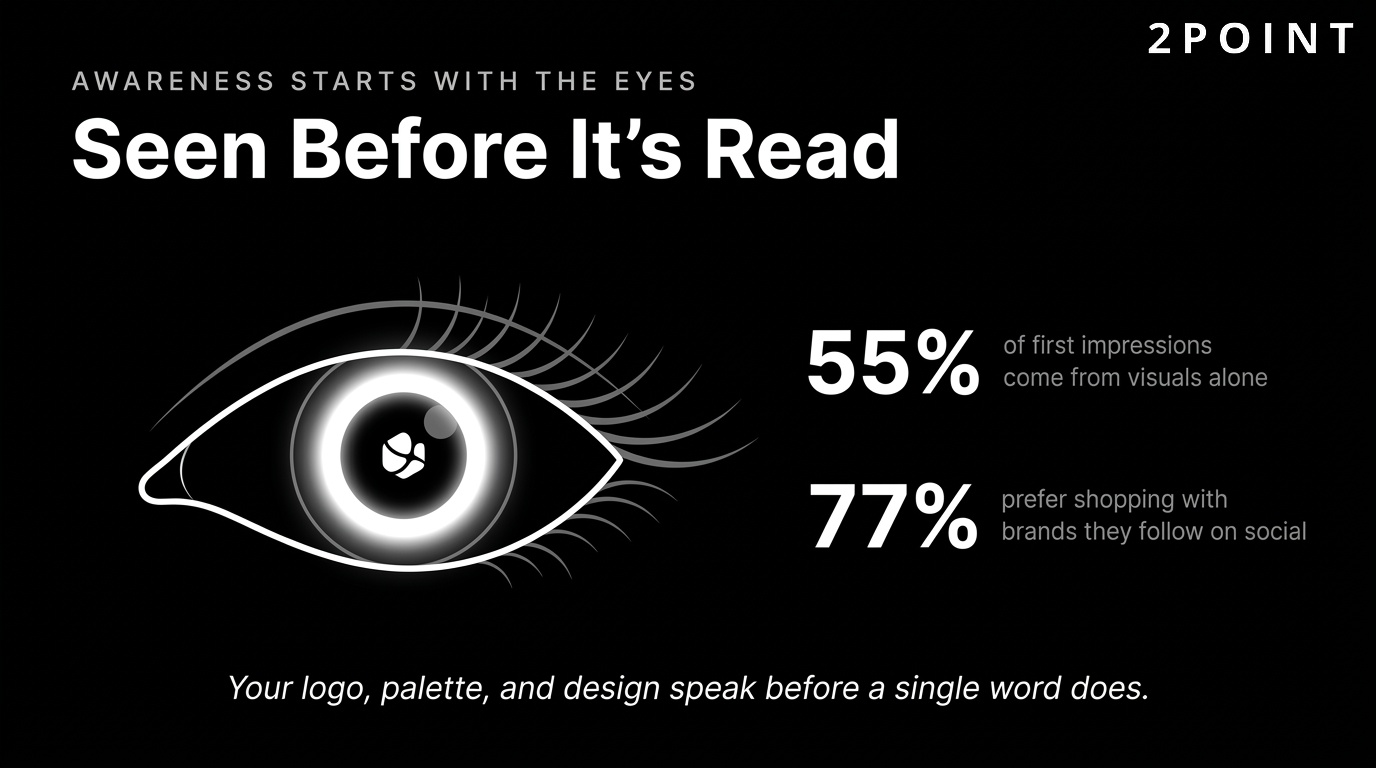
The visual impact of brand awareness cannot be overstated. 55% of first impressions come from visuals alone, meaning your logo, color palette, and design language carry enormous weight in establishing immediate recognition. This visual consistency becomes especially critical as customers encounter your brand across multiple platforms and formats.
77% of consumers prefer shopping with brands they follow on social media, highlighting how social platforms have become critical awareness and conversion channels. This statistic underscores the importance of maintaining an active, engaging social presence that builds familiarity before purchase consideration. Understanding the difference between a buyer persona and a target audience helps brands tailor awareness campaigns to specific customer segments.
Measuring brand awareness requires tracking specific KPIs including share of voice in your category, direct traffic to your website, branded search volume, and social media reach. Aided and unaided brand recall surveys provide qualitative insight into how deeply your brand has penetrated customer consciousness. Together, these metrics paint a comprehensive picture of where your awareness strategy succeeds and where it needs reinforcement.
Creating and Protecting Brand Equity
Brand equity represents the measurable value consumers assign to your brand based on their experiences, perceptions, and associations. Brands that invest in systematic equity building see measurable results, as demonstrated in real-world case studies of strategic brand management. Unlike physical assets, brand equity exists in the collective consciousness of your market, yet it translates into tangible business outcomes including pricing power, customer loyalty, and competitive resilience.
Strong brand equity requires clarity about your brand promise and value prop, ensuring customers understand both the emotional commitment and tangible benefits you deliver. When customers perceive significant value in your brand beyond functional product attributes, they become less price-sensitive and more likely to choose you over alternatives. This preference transforms into premium pricing ability, one of the most direct financial benefits of investment in brand building.
The world’s most valuable brands demonstrate the extraordinary financial impact of brand equity. Apple’s brand value reached $1.3 trillion in 2025, leading global rankings and representing more than just the company’s product portfolio. This valuation reflects customer loyalty, innovation perception, and the emotional connection millions feel toward the brand.
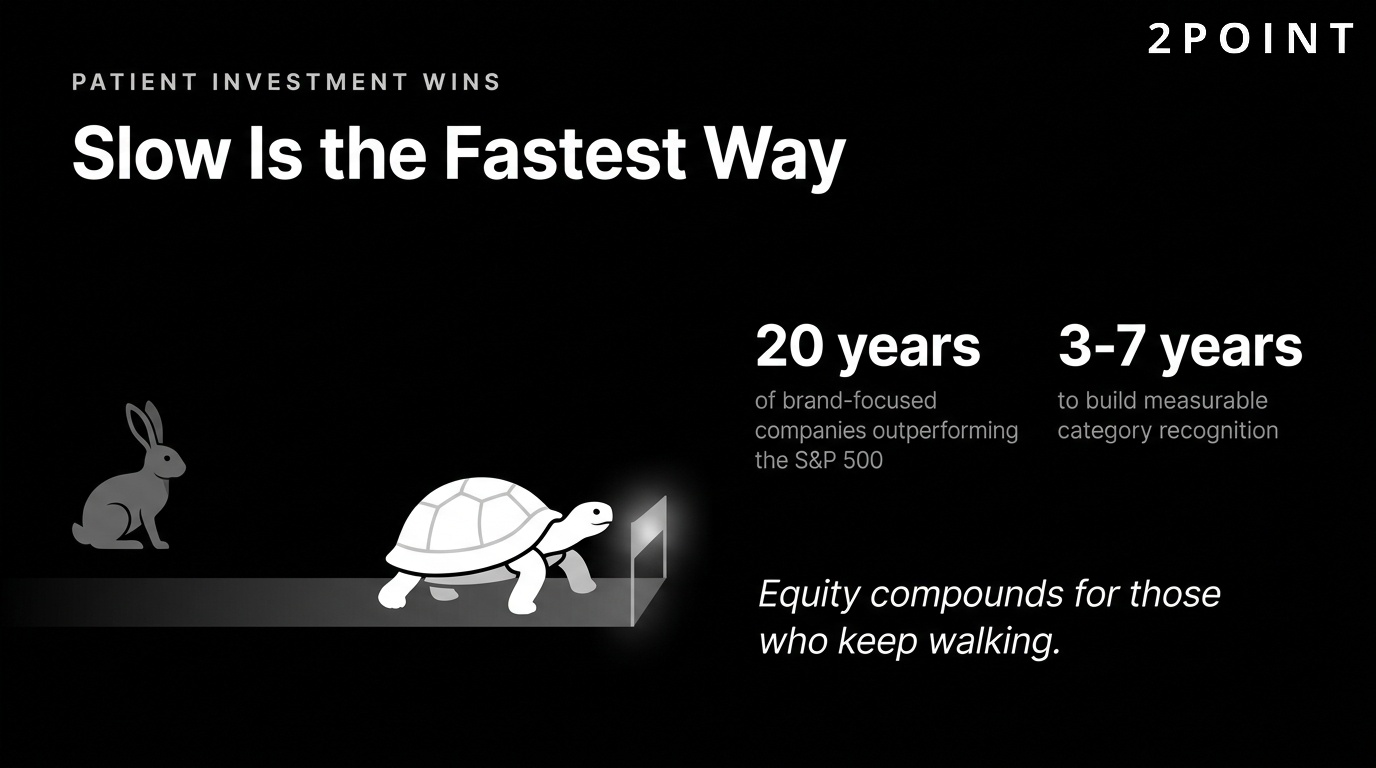
The top 100 global brands collectively reached $10.7 trillion in value, establishing brand equity as one of the world’s most significant asset classes. Even more compelling, strong brands outperformed both the S&P 500 and MSCI World Index over a 20-year period, proving that brand investment delivers measurable shareholder value.
Building brand equity requires consistent delivery on brand promises, strategic positioning, and expert premium brand creation services that resonate with target audiences., and patient long-term investment. You protect equity through vigilant brand monitoring, quality control, customer experience management, and rapid response to reputation threats. The process never ends, as equity can erode quickly through missteps but requires years to rebuild.
Maintaining Brand Consistency Across All Channels
Brand consistency builds trust by creating predictable, reliable experiences regardless of where customers encounter your brand. When your messaging, visual identity, tone, and values remain stable across touchpoints, customers develop confidence in what your brand represents and delivers.
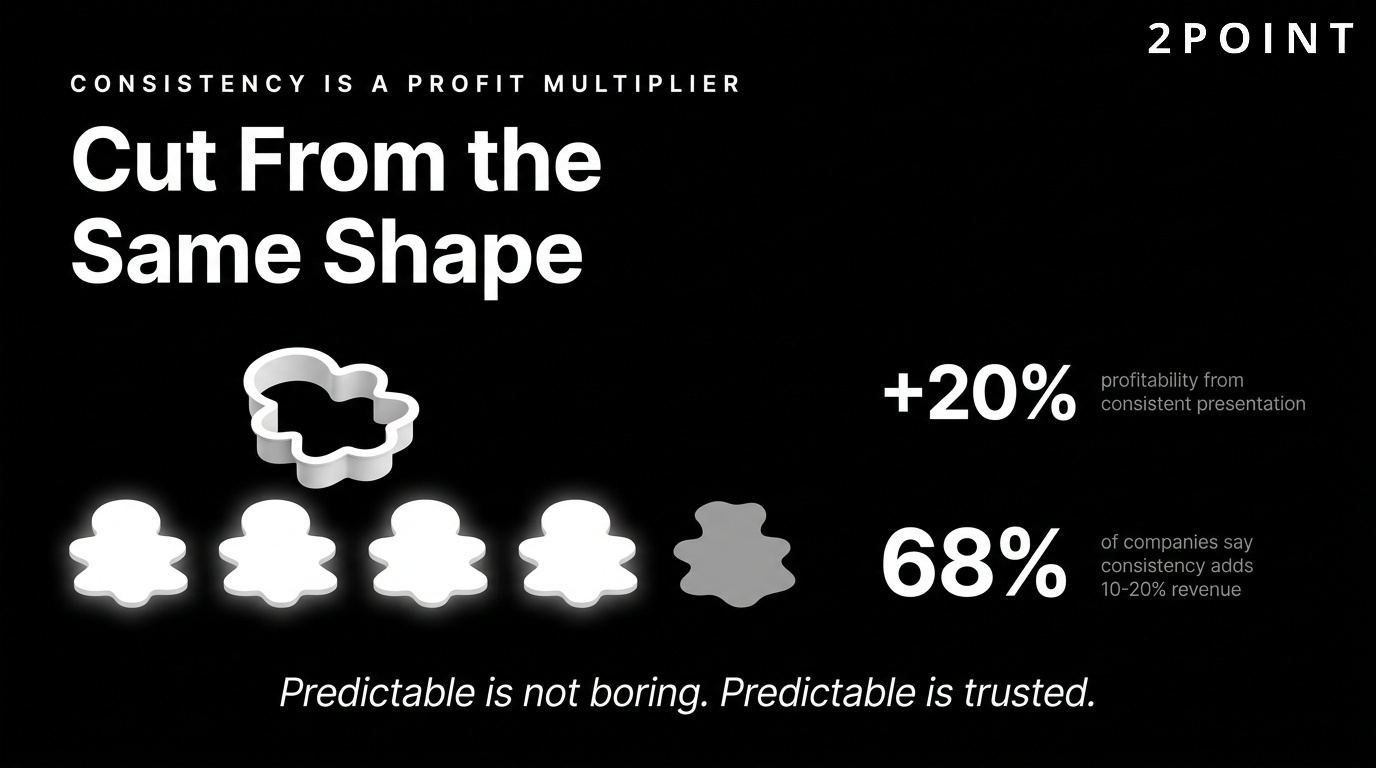
The financial impact of consistency is substantial. Maintaining brand consistency increases profitability by over 20%, and 68% of companies report that consistency adds 10-20% to revenue growth. These numbers reflect how consistency reduces customer confusion, strengthens recognition, and accelerates purchase decisions.
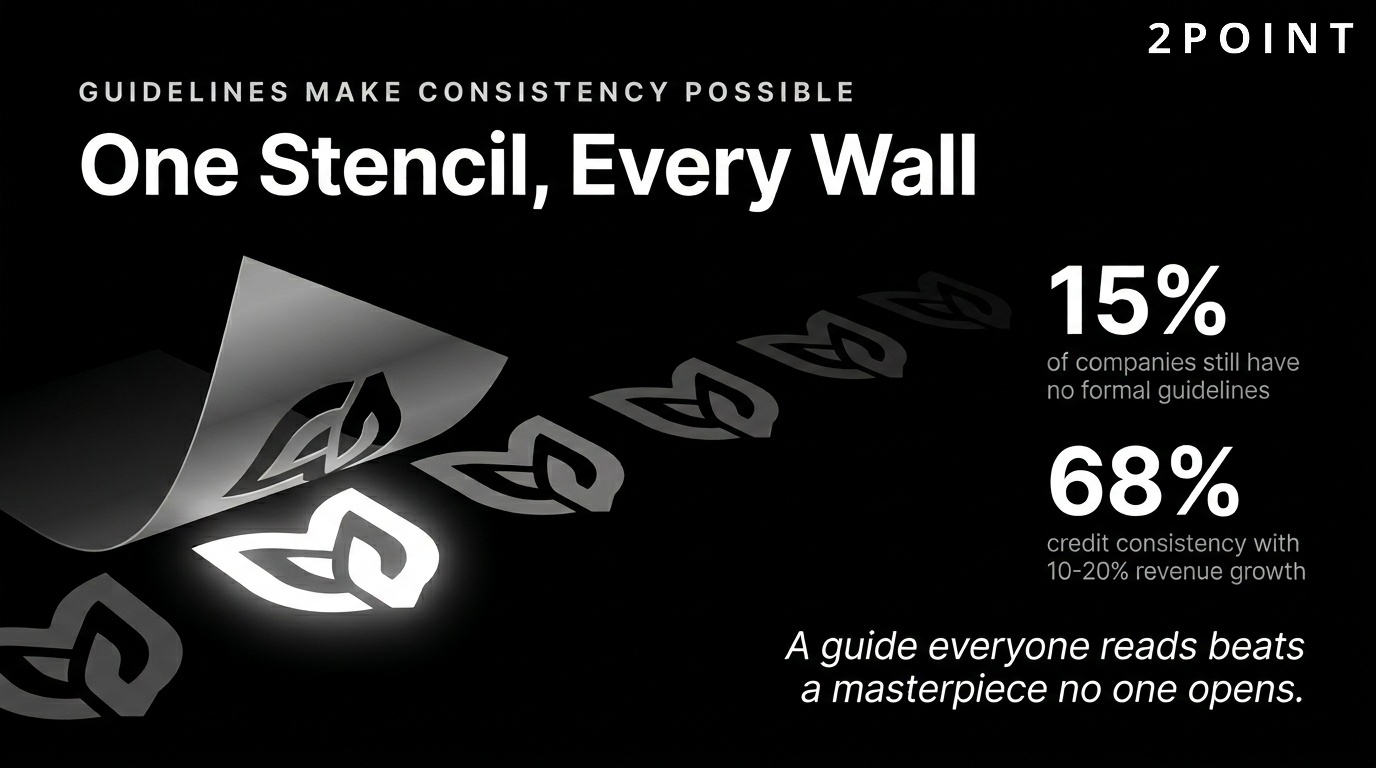
Brand guidelines serve as the operational framework for achieving consistency, documenting standards for logo usage, color specifications, typography, imagery style, brand voice, messaging themes, and values expression. Yet 15% of companies still lack formal brand guidelines, leaving their brand vulnerable to fragmentation and dilution.
Technology platforms and multi-channel marketing strategies enable consistency at scale through coordinated messaging across every customer touchpoint, brand management tools that offer compliant templates, and workflow systems that enforce approval processes. These platforms become especially critical for distributed teams, franchise systems, and organizations with frequent content production needs.
Cross-departmental coordination and a well-executed omnichannel marketing strategy remain the most challenging aspects of maintaining consistency across touchpoints. Consistent visual identity across all channels, as shown in our portfolio, builds trust by creating predictable, reliable brand experiences. Marketing, sales, customer service, product development, and executive teams all communicate on behalf of the brand. Establishing clear ownership, training programs, and approval workflows ensures every department reinforces rather than contradicts the brand foundation.
Cultivating Brand Loyalty Through Customer Experience
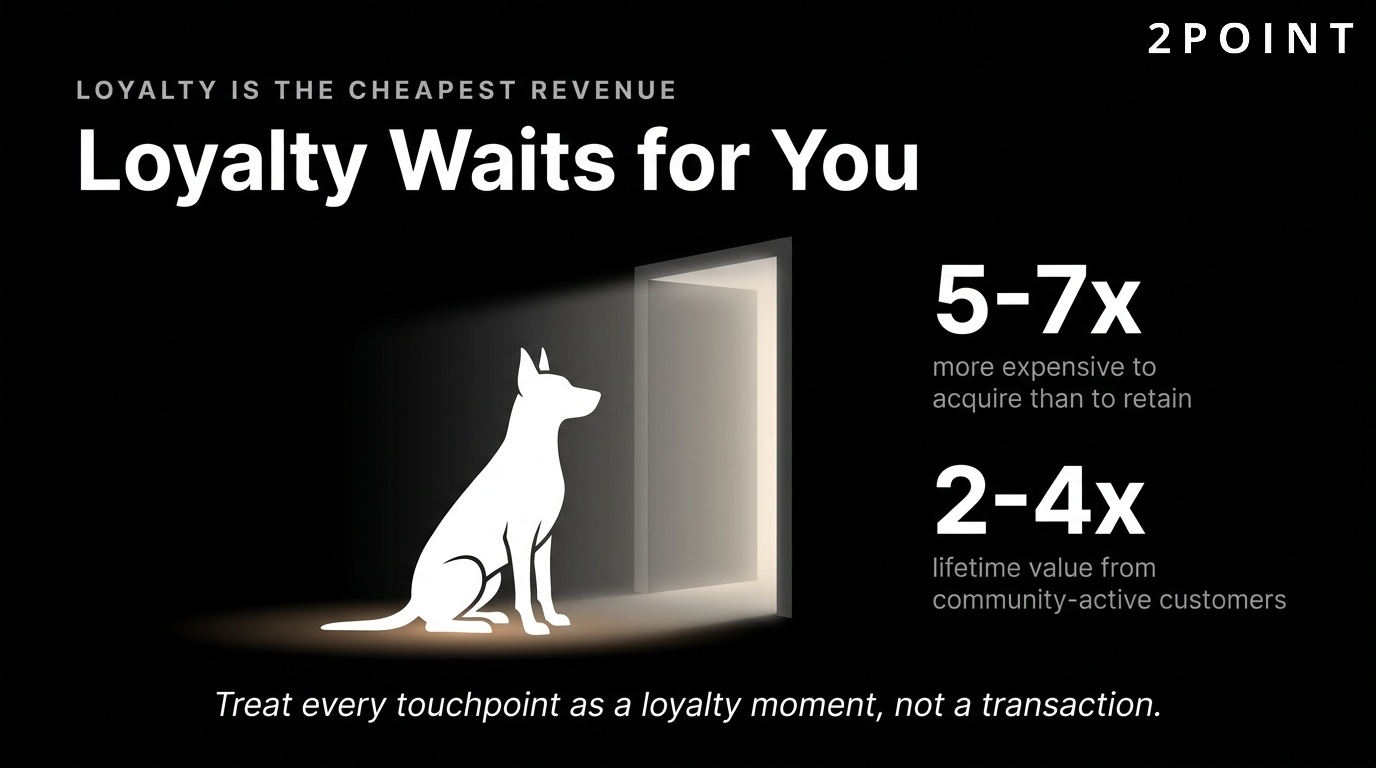
Effective social media marketing transforms satisfied customers into repeat buyers and vocal advocates who actively promote your brand to others. This loyalty emerges from consistently positive experiences that exceed expectations and create emotional connections beyond transactional relationships.
The trust foundation underlying loyalty has never been more critical. 90% of U.S. consumers want to trust brands before making purchases, and 84% say authenticity impacts their purchase decisions. Even direct channels like cold email outreach must reinforce brand values and maintain consistency to build trust with potential customers. These statistics reveal how loyalty programs alone cannot create loyalty without the underlying trust and authentic value delivery.
Effective loyalty programs strategically reward repeat engagement while gathering valuable customer data. Ulta Beauty’s tiered Ultimate Rewards program exemplifies best practices by offering status-based benefits, exclusive access, personalized offers, and birthday rewards that make customers feel recognized as individuals. Loyal customers become powerful advocates, and implementing a referral program can amplify this advocacy by rewarding repeat engagement while gathering valuable customer data.
Measuring loyalty requires tracking metrics beyond simple repeat purchase rates. Net Promoter Score captures willingness to recommend your brand, customer lifetime value quantifies the total relationship worth, churn rate reveals retention effectiveness, and engagement frequency shows relationship depth. Together, these metrics identify your most loyal segments and highlight opportunities to strengthen weaker relationships.
Building loyalty demands consistent investment in customer experience across the entire journey. Every interaction shapes perception, from first website visit through post-purchase support. Brands that view every touchpoint as a loyalty opportunity rather than a transaction create the emotional connections that drive long-term customer relationships and vocal advocacy.
AI and Technology’s Transformation of Brand Management in 2026
Artificial intelligence and emerging technologies are fundamentally reshaping how brands reach customers, maintain consistency, and build relationships. The broader impact of AI on digital advertising extends beyond brand management to transform how brands allocate budgets and optimize campaign performance.
How AI Agents Are Becoming the New Brand Gatekeepers
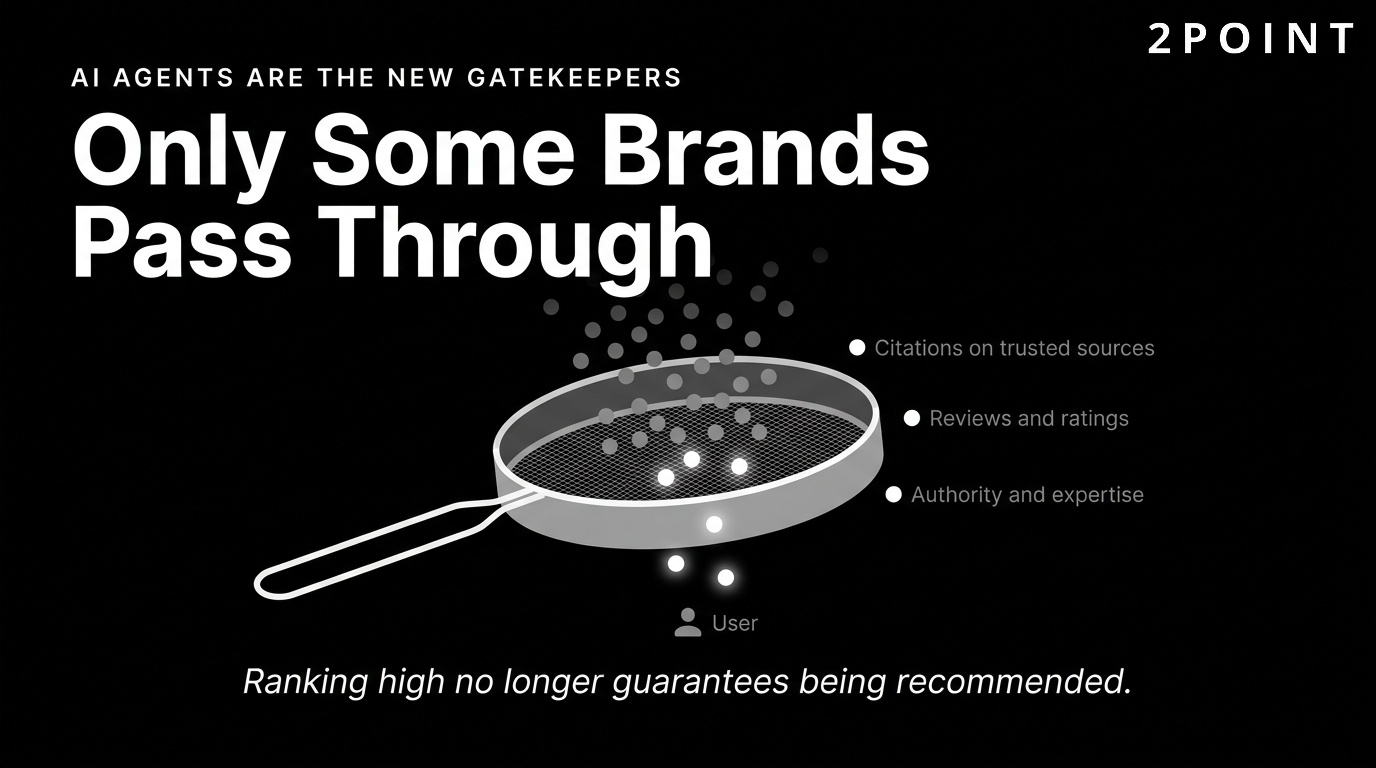
AI agents have emerged as powerful intermediaries between brands and consumers, and platforms like ChatGPT advertising now offer new ways for brands to reach users during AI-mediated conversations. This shift represents a fundamental change in brand discovery, moving from traditional search rankings to AI-mediated recommendations that prioritize relevance, credibility, and user history.
Simply ranking high in traditional search results no longer guarantees customer visibility when AI agents make recommendations. These systems evaluate brands through multiple credibility and authority signals including brand citations across trusted sources, user reviews and ratings, content quality and expertise, and mention frequency in authoritative contexts. Brands must now optimize for these AI evaluation criteria alongside traditional SEO.
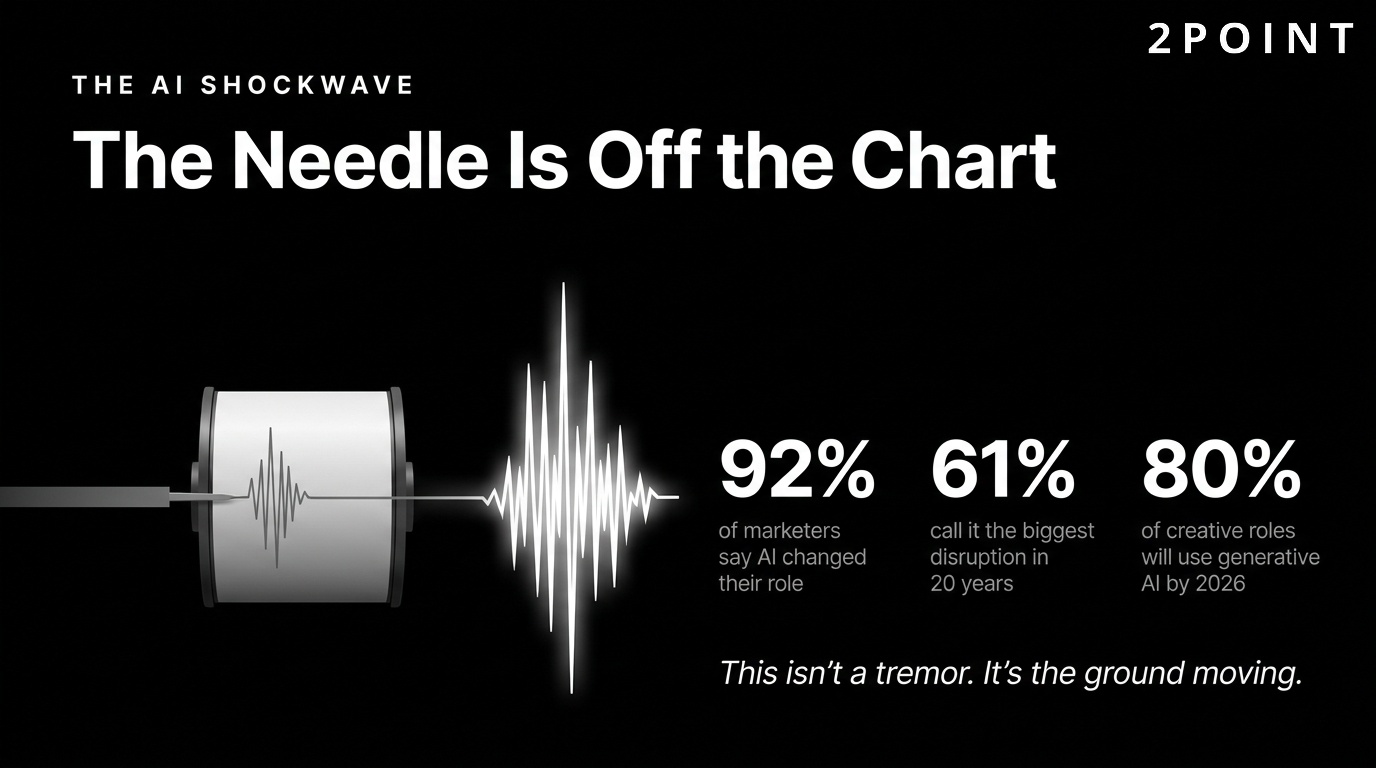
The marketing profession recognizes this disruption. 92% of marketers say AI has significantly impacted their role, while 61% of marketers believe marketing faces its biggest disruption in 20 years. These percentages reflect the seismic shift from controlling brand messages to earning algorithmic trust and visibility.
The adoption trajectory reinforces the urgency. 80% of advanced creative roles will regularly use generative AI by 2026, integrating these tools into standard workflows for content creation, campaign ideation, and customer personalization. Brands that master AI augmentation while maintaining authentic human connection will gain significant competitive advantages.
Strategic implications require rethinking content strategies, authority building, and customer touchpoint management. Building brand authority through thought leadership, earning quality backlinks and mentions, maintaining consistent positive reviews, and creating structured data that AI systems easily parse now rank among core brand management priorities.
Balancing AI Efficiency With Human Authenticity
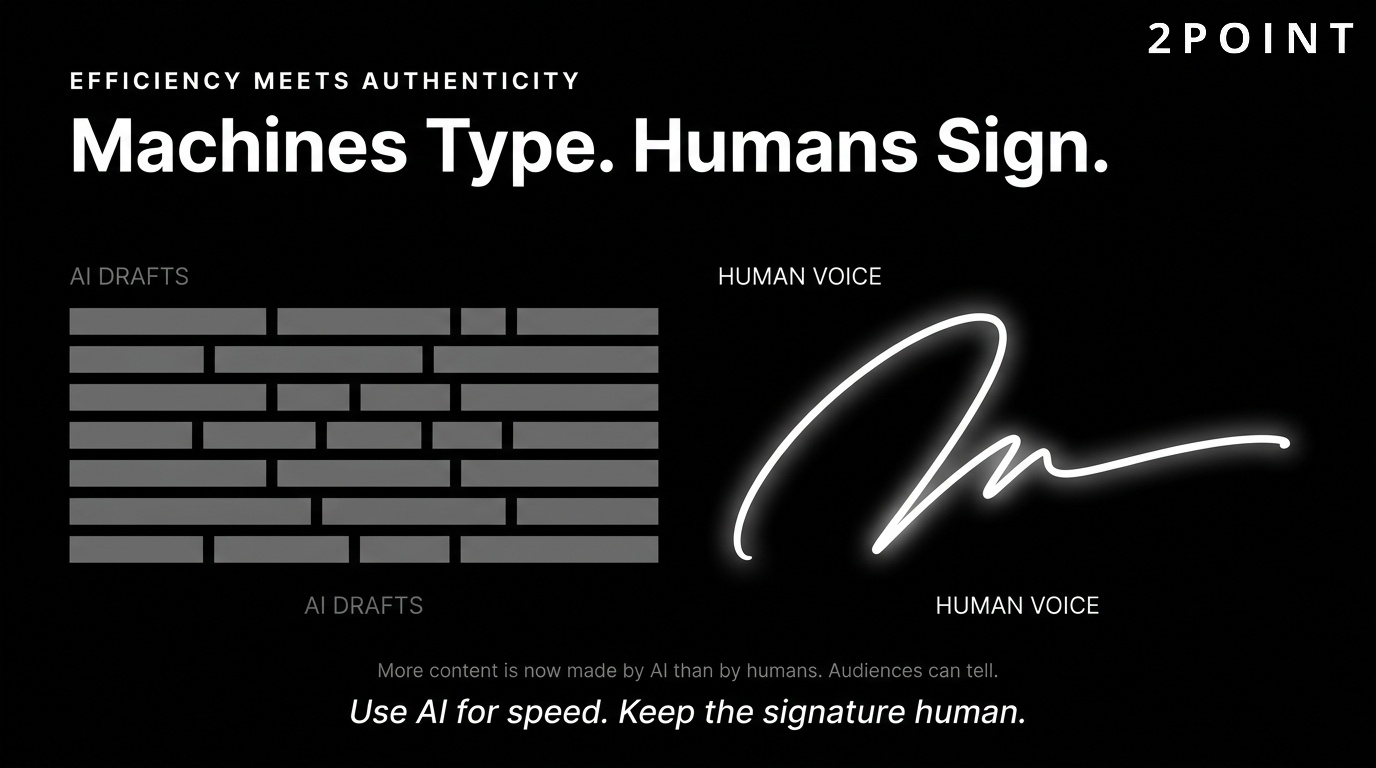
The proliferation of AI-generated content has created a new challenge for brand management. We’ve reached a tipping point where more content is produced by AI than by humans, flooding channels with similar-sounding, pattern-based messaging that consumers increasingly recognize and distrust.
Consumer preference strongly favors human-created, authentic content that reflects genuine experiences, perspectives, and creativity. 94% of users value brands with purpose beyond profit, seeking connections with organizations led by real people with authentic values rather than algorithmic content factories optimizing for engagement metrics.
The strategic solution lies in using AI for efficiency gains while preserving human voice and decision-making in brand expression. AI excels at data analysis, content optimization, initial draft creation, and repetitive task automation. Humans remain essential for strategic direction, emotional resonance, cultural sensitivity, and the authentic voice that builds trust.
1 in 5 marketers plan to use AI agents to automate strategies, recognizing opportunities to scale operations without proportional resource increases. The key lies in deploying AI where it adds genuine value, research synthesis, personalization at scale, and performance optimization, while keeping humans central to creative direction, brand messaging, and relationship building.
Transparency about AI usage builds trust rather than eroding it. Brands that openly acknowledge AI assistance while highlighting human creativity and decision-making demonstrate authenticity. Trying to pass off AI-generated content as entirely human-created risks reputation damage when audiences inevitably detect the difference, a detection skill that improves continuously as consumers gain exposure to AI patterns.
Dynamic Brand Identities and Personalization at Scale
Static brand identity systems are giving way to adaptive frameworks that adjust presentation based on context, platform, and individual user preferences. This evolution enables brands to maintain core consistency while optimizing relevance for specific audiences and environments.
Technology now enables real-time customization of brand elements including color variations that match user preferences or cultural contexts, dynamic logo adaptations for different screen sizes and applications, Programmatic advertising platforms enable real-time customization of brand elements including personalized messaging that reflects individual customer journey stages, and content formats optimized for specific platforms. These adaptations happen within defined parameters that preserve brand recognition.
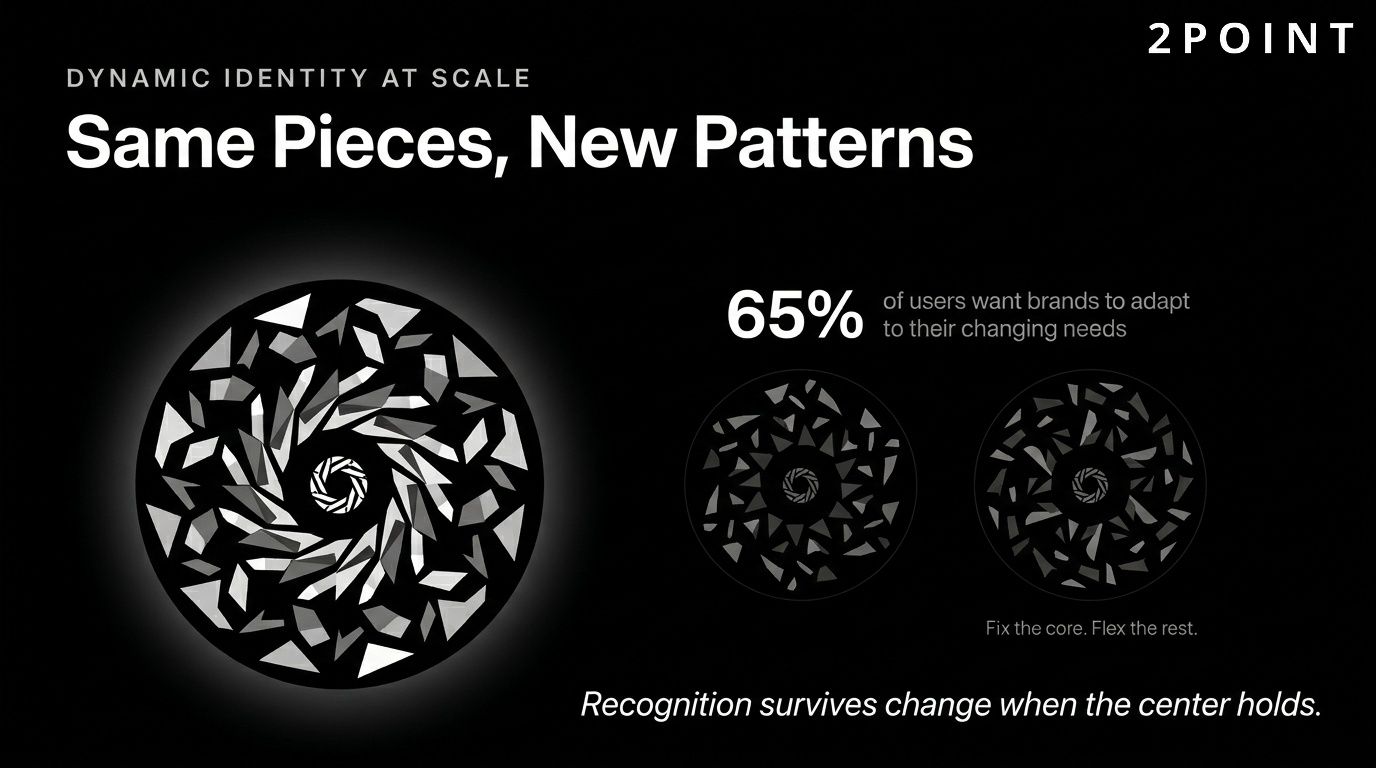
The demand for this adaptability is clear. 65% of users want companies to adapt to their changing needs, expecting brands to recognize their preferences, remember their history, and adjust experiences accordingly. Static, one-size-fits-all brand presentations increasingly feel impersonal in a world where Netflix, Spotify, and Amazon demonstrate the power of personalization.
Implementation requires sophisticated technology infrastructure including customer data platforms that unify user information, dynamic content management systems that serve personalized assets, testing frameworks that identify optimal variations, and governance systems that maintain brand integrity while enabling flexibility. The investment pays dividends through higher engagement and conversion rates.
The challenge lies in balancing personalization with consistency. While 34% of top brands use black in their logos, 30% blue, and 30% red, these foundational elements must remain stable even as surrounding context adapts. The solution involves defining which elements remain fixed (core logo, primary colors, fundamental values) and which can flex (supporting colors, imagery style, message emphasis).
AI-Powered Brand Monitoring and Reputation Management
Real-time brand monitoring has evolved from periodic reputation audits to continuous surveillance across digital channels. AI-powered tools track brand impressions, mentions, sentiment, and emerging issues, enabling rapid response to reputation threats and identification of advocacy opportunities.
Social listening tools aggregate mentions across social platforms, forums, review sites, and news sources, applying sentiment analysis to categorize feedback as positive, neutral, or negative. Media monitoring software tracks earned media coverage, analyzes share of voice versus competitors, and identifies trending topics related to your brand. Together, these systems create comprehensive visibility into brand perception.
The conversion of qualitative feedback into quantitative metrics enables data-driven reputation management. Sentiment scores track perception trends over time, mention volume indicates awareness levels, share of voice measures competitive position, and response time metrics evaluate engagement effectiveness. These measurements transform reputation management from reactive crisis response to proactive relationship building.
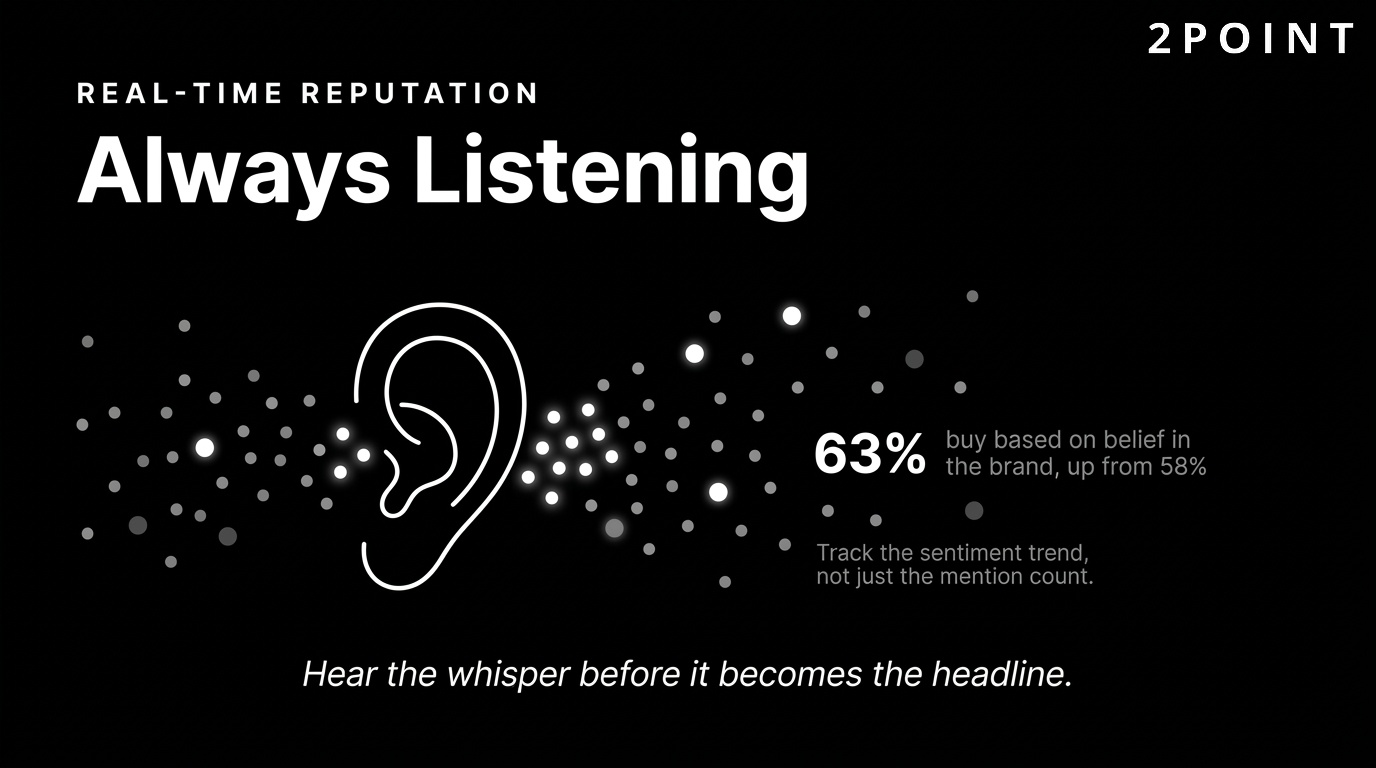
Trust has become the new currency, with 63% of buyers making purchases based on belief in the brand, up from 58% in 2022. This increasing emphasis on trust makes rapid response protocols essential when reputation issues emerge. Documented workflows for issue escalation, response approval, and stakeholder communication prevent slow, inconsistent reactions that amplify damage.
The most sophisticated brands use AI monitoring for opportunity identification, not just threat detection. Positive mentions become advocacy recruitment opportunities, customer questions reveal content gaps, competitor weaknesses suggest positioning opportunities, and trending topics offer relevant conversation entry points. This proactive stance transforms monitoring from defensive necessity to offensive advantage.
Building Trust and Authenticity in a Skeptical Marketplace
Consumer skepticism has reached unprecedented levels as audiences question brand claims, scrutinize corporate behavior, and demand proof of authentic values. Building trust requires moving beyond marketing messages to demonstrate genuine commitment through actions and transparency.
Why Trust Has Become the New Currency of Brand Growth
Trust has evolved from a brand benefit to a prerequisite for purchase consideration. In markets saturated with choices and claims, consumers increasingly filter options through a trust lens before evaluating features, prices, or convenience. Brands that fail this initial trust assessment never enter the consideration set regardless of product quality.
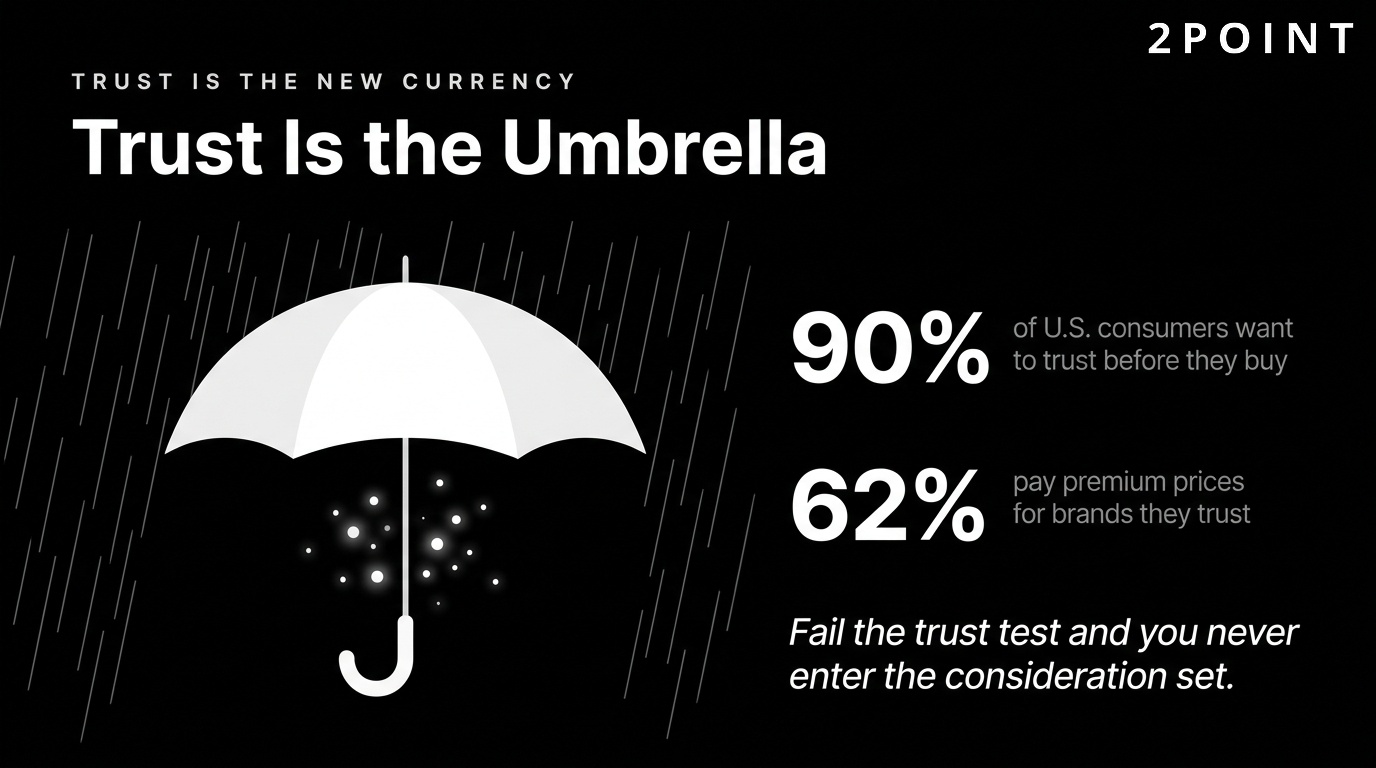
The statistics paint a clear picture of trust’s primacy. 90% of U.S. consumers want to trust brands before making purchases, establishing trust as the gateway to transactions. Furthermore, 62% are willing to pay premium prices for trusted brands, proving that trust translates directly to pricing power and profitability.
This trust imperative stems from transparency and accountability expectations that define modern consumer relationships. Customers expect brands to acknowledge mistakes quickly, provide clear information about sourcing and practices, protect customer data and privacy, and stand behind products with genuine guarantees. Failure on any dimension erodes trust that may take years to rebuild.
Digital detective consumers scrutinize every brand claim through online research, review reading, and social validation. Before making significant purchases, consumers investigate company backgrounds, compare offerings across multiple sources, verify claims through independent reviews, and seek recommendations from trusted networks. Brands cannot control these conversations but can influence them through consistent trustworthy behavior.
Trust also translates to customer loyalty and lifetime value. Trusted brands enjoy lower customer acquisition costs as satisfied customers recommend them, reduced price sensitivity enabling premium positioning, longer customer relationships generating higher lifetime value, and resilience during crises as loyal customers extend benefit of doubt.
Purpose-Driven Branding Beyond Marketing Rhetoric
Purpose-driven branding has evolved from a nice-to-have differentiator to an expected brand attribute, especially among younger consumers who increasingly make purchase decisions based on company values. However, the proliferation of purpose claims has created skepticism, making authentic commitment essential to standing out.
The gap between purpose-washing and authentic purpose centers on actions versus statements. Purpose-washing involves making bold claims without corresponding operational changes, supporting causes disconnected from business operations, abandoning commitments when convenient, and emphasizing minor initiatives while ignoring major impacts. Authentic purpose integrates values into strategy, measures and reports progress, maintains commitment during difficult periods, and aligns initiatives with core business.
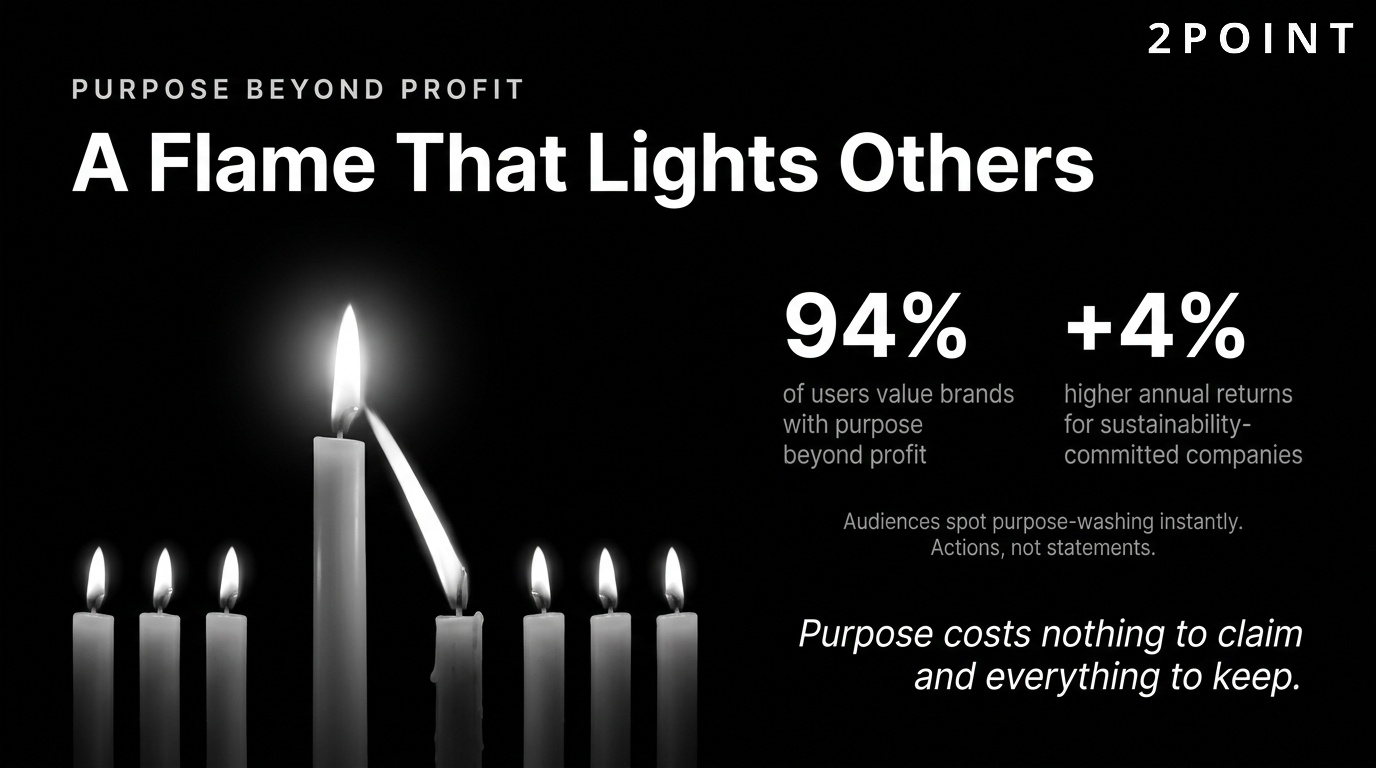
94% of users value brands with purpose beyond profit, seeking connections with organizations that contribute positively to society and environment. This preference extends across demographics but shows particular strength among Gen Z and Millennial consumers who increasingly dominate purchasing power.
The business case for authentic purpose extends beyond brand perception. Companies committed to sustainability saw 4% higher annual returns than counterparts, demonstrating how purpose drives financial performance through efficiency improvements, talent attraction, customer loyalty, and risk mitigation.
ESG integration into brand strategy frameworks requires identifying causes that authentically align with your brand, setting measurable goals with public accountability, reporting progress transparently including setbacks, and involving employees and customers in initiatives. The goal is demonstrating real progress on meaningful issues rather than superficial association with popular causes.
Cultural Sensitivity and Inclusive Brand Communication
Cultural awareness has become a fundamental brand management competency as brands operate in increasingly diverse markets and face heightened scrutiny of representation. Missteps can trigger severe reputation damage while authentic inclusivity strengthens connections with diverse customer segments.
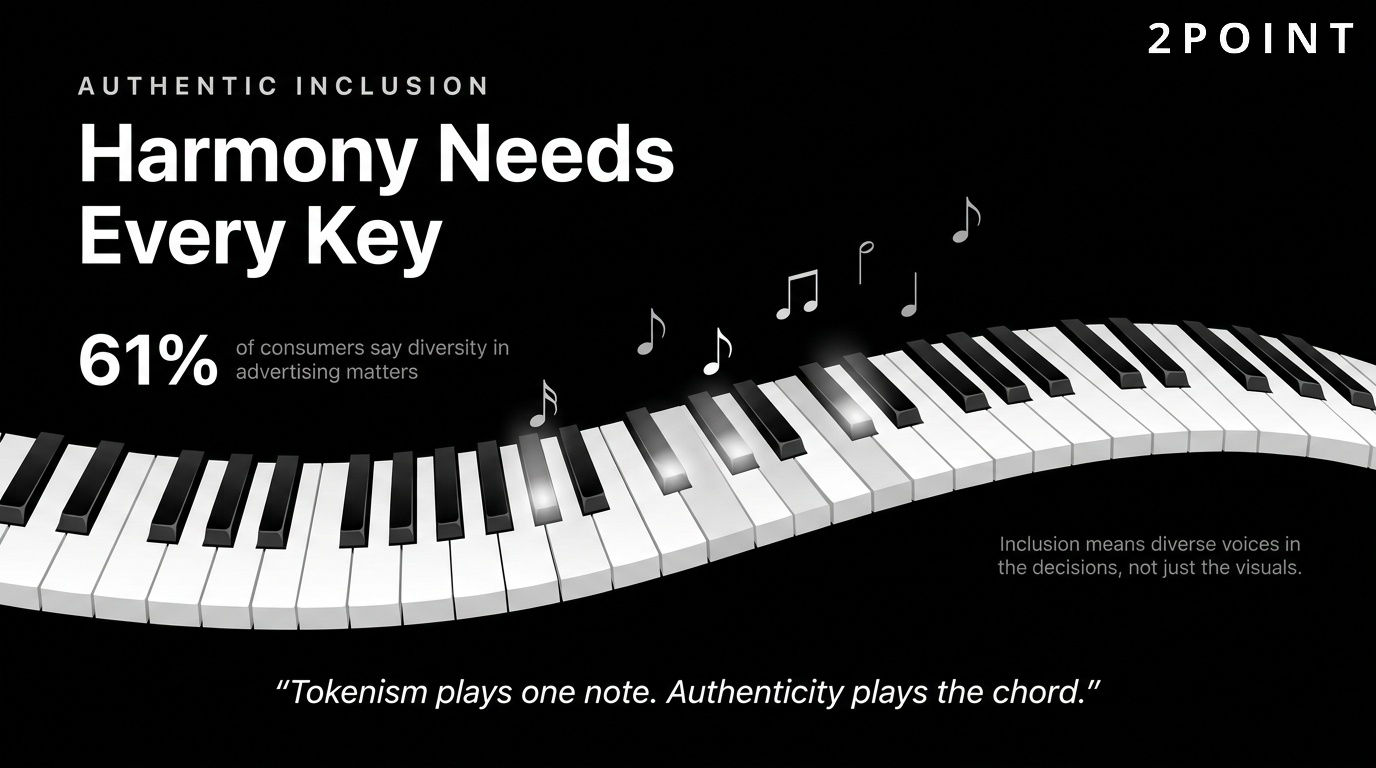
The importance of representation in marketing materials and campaigns reflects market demographics and social expectations. 61% of consumers believe diversity in advertising is important, with even higher percentages among younger demographics. Representation encompasses racial and ethnic diversity, gender and LGBTQ+ inclusion, disability representation, age diversity, and body type variety.
Avoiding tokenism while embracing diversity authentically requires moving beyond checking representation boxes to ensuring diverse perspectives inform brand decisions. Tokenism involves featuring diverse faces without diverse voices in decision-making, using diversity for marketing while maintaining homogeneous leadership, representing groups stereotypically rather than authentically, and treating diversity as a campaign rather than culture.
Advisory groups and cultural consultants help brands navigate sensitive territory by reviewing campaigns before launch, identifying potential issues invisible to homogeneous teams, suggesting authentic approaches to representation, and connecting brands with diverse communities. These investments prevent costly mistakes while strengthening brand relationships across customer segments.
The business benefits of cultural sensitivity extend beyond risk mitigation to include expanded market access, stronger connections with diverse segments, enhanced employer brand attracting diverse talent, and increased innovation from diverse perspectives. Brands that genuinely embrace diversity gain competitive advantages in increasingly diverse global markets.
The Evolution of Personal Branding for Business Leaders
Personal branding has shifted from performative self-promotion to intentional professional identity development grounded in authentic expertise and lived experience. This evolution reflects audience fatigue with curated perfection and hunger for genuine connection with real people.
The connection-over-influence paradigm prioritizes authentic voice and meaningful engagement over follower counts and viral content. Personal brands now succeed by sharing genuine expertise and experience, acknowledging limitations and learning journeys, engaging in substantive conversations, and building communities rather than audiences. This approach creates deeper loyalty than traditional influence metrics suggest.
CEO and leadership visibility has become a brand strategy component rather than optional enhancement. Humanizing corporations through leader voices builds trust, demonstrates expertise and thought leadership, provides authentic response channels during crises, and differentiates commoditized offerings through personal connection. Companies increasingly recognize that invisible leaders create brand distance.
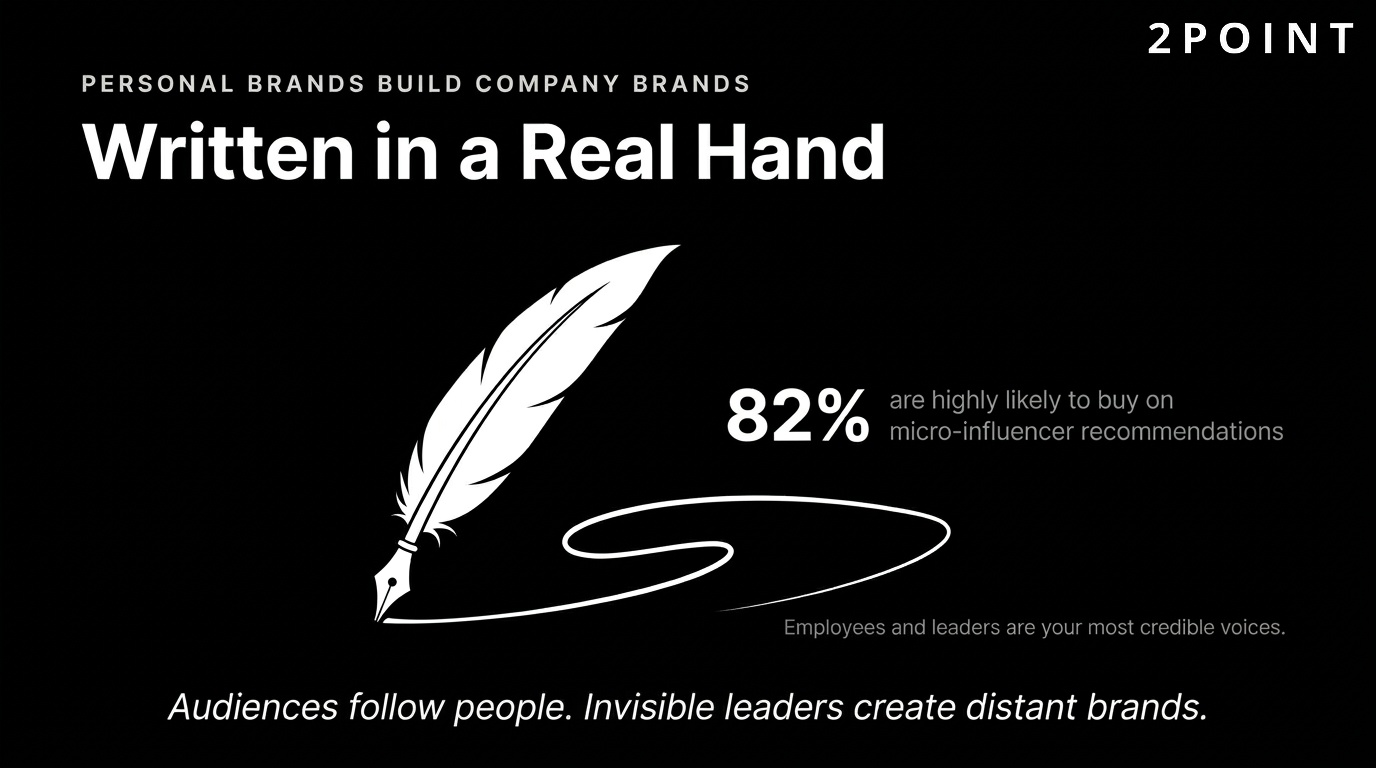
Brand ambassador programs extend personal branding beyond executives to frontline employees. 82% of consumers are highly likely to buy based on micro-influencer recommendations, and employees often serve as highly credible micro-influencers when sharing authentic workplace experiences and product knowledge.
Employee advocacy programs provide guidelines, training, and content resources that enable staff to share company stories authentically on personal channels. Benefits include extending brand reach through employee networks, adding credibility through employee endorsement, humanizing corporate communications, and supporting recruitment through authentic employer brand representation. The key is enabling rather than scripting, maintaining authenticity while providing support.
Strategic Partnerships and Influencer Relationships
Brand partnerships and influencer collaborations have evolved from tactical awareness plays to strategic relationship programs that drive engagement, credibility, and customer acquisition. Success requires moving beyond transactional arrangements to genuine alignment and long-term commitment.
The New Creator Economy and Influencer Partnership Models
The creator economy has matured beyond treating influencers as advertising inventory to recognizing them as media properties and strategic partners. Brands that approach creator relationships with the same rigor as vendor partnerships, focusing on mutual value creation rather than one-off sponsored posts, achieve substantially better results.
Treating creators like ad slots represents a failed approach that ignores the authentic audience relationships creators cultivate. Successful brands instead build creator loyalty infrastructure that mirrors customer relationship management: acquire creators through fair compensation and clear communication, service them with support, content resources, and creative freedom, and retain them through ongoing relationships and first-access opportunities.
Long-term partnerships outperform one-off sponsored posts across every meaningful metric. Ongoing relationships enable creators to authentically integrate brands into content, build genuine familiarity and preference with audiences, develop sophisticated understanding of brand and products, and create compound awareness effects through consistent mention. The investment in relationship development pays dividends through authentic advocacy.
The trust factor in creator recommendations is substantial. 82% of consumers are highly likely to buy based on micro-influencer recommendations, often exceeding trust in traditional advertising or even brand-owned content. This trust stems from perceived independence, authentic personal experience, and relationship between creator and audience.
Alignment of values and audience overlap serves as essential selection criteria beyond follower counts. Effective partnerships require shared values between brand and creator, audience demographics matching target customers, content style compatible with brand aesthetic, and category relevance that feels natural rather than forced. Authenticity cannot be manufactured through payment alone.
Strategic Brand Partnerships and Collaborations
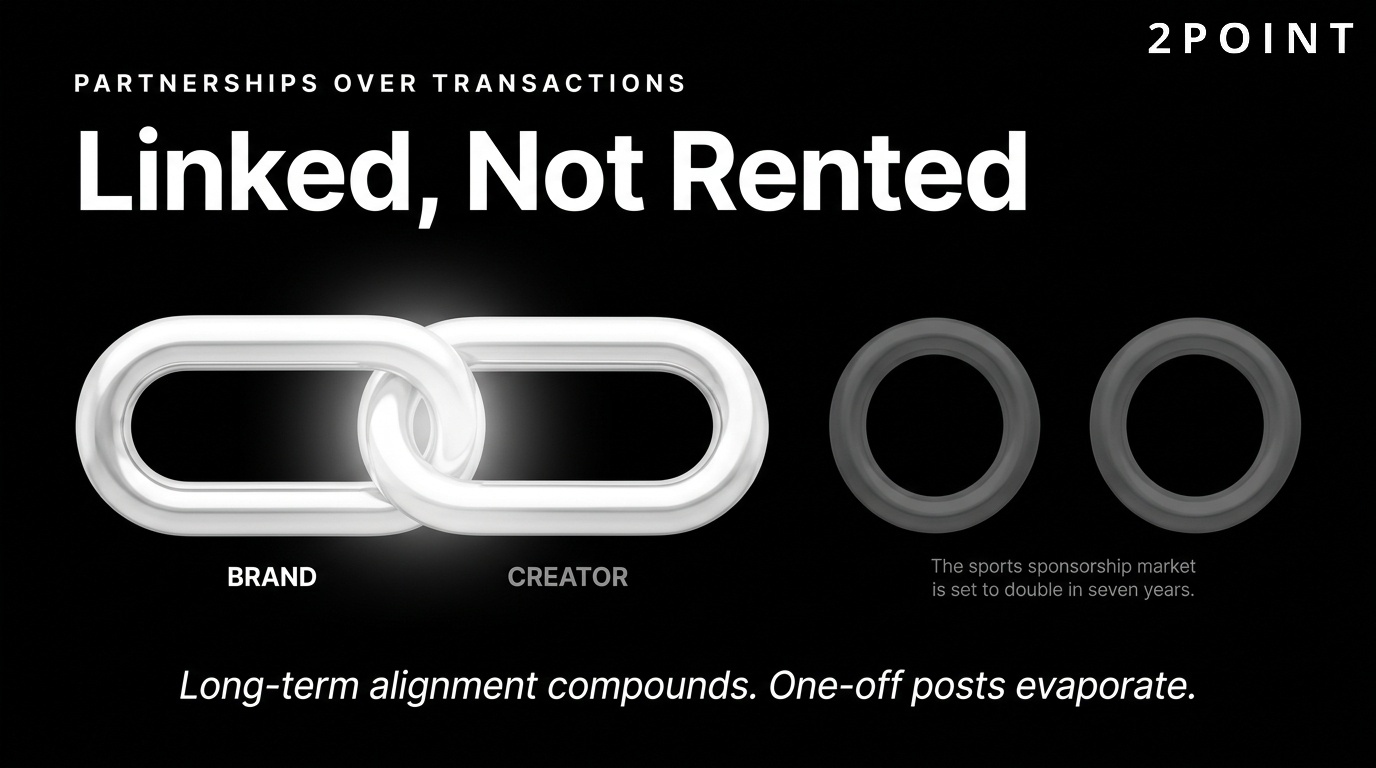
Brand partnerships have evolved from awareness tools to engagement drivers that create new value through combination. The most successful collaborations blend complementary strengths, access new audiences, and generate genuine excitement rather than simply cross-promoting.
Co-creation strategies and limited edition collaborations generate disproportionate attention by offering something unique available only through partnership. Fashion brands partnering with artists, food brands creating limited flavors with entertainment properties, and technology companies integrating with lifestyle brands demonstrate how collaboration creates value exceeding either brand independently.
Sports sponsorships represent massive and growing partnership investment. The global sports sponsorship market is projected to double in just seven years, reflecting sports’ unique ability to generate emotional connection, reach massive engaged audiences, create localized relevance, and provide year-round content opportunities. Smart brands integrate sponsorships into comprehensive strategies rather than treating them as isolated media buys.
Entertainment partnerships extend brand presence into cultural conversations through movie and television integrations, music festival sponsorships, gaming collaborations, and streaming content partnerships. These arrangements work best when integrated authentically into entertainment rather than interrupting it, creating positive associations through connection with enjoyable experiences.
Measuring partnership ROI requires tracking brand lift through awareness and perception studies, engagement metrics showing audience interaction, conversion tracking through partnership-specific promotions, and share of voice analysis comparing coverage to competitors. Clear success metrics established upfront enable optimization and inform future partnership decisions.
Content Strategy Across Emerging Platforms
Platform proliferation and declining organic reach on established channels have complicated content strategy decisions. Brands must balance platform diversification against depth of execution while adjusting to format preferences that vary dramatically across channels.
Platform challenges extend beyond algorithm changes to fundamental shifts in content consumption patterns. Declining reach on traditional channels like Facebook forces brands to work harder for visibility, platform fragmentation spreads audiences across many channels, format preferences differ dramatically by platform, and younger audiences migrate to emerging platforms before brands establish presence.
Short-form video has emerged as the highest-ROI content format. 21% of marketers say short-form video delivers the highest ROI of any format, driven by platform algorithm preferences, user consumption patterns, and conversion effectiveness. TikTok, YouTube Shorts, and Instagram Reels now represent essential channels rather than experimental ones.
Editorial content maintains value for thought leadership and organic visibility despite lower viral potential. 91% of marketers plan to maintain or increase investment in podcasts and audio content, recognizing these formats’ effectiveness for building authority, creating intimate audience connections, generating long-form content that demonstrates expertise, and reaching audiences during commutes and downtime.
The strategic choice between platform diversification and depth depends on resources, audience location, and content production capabilities. Smaller brands often succeed through deep platform mastery, while larger organizations can afford multi-platform presence. The wrong choice is being mediocre everywhere rather than excellent somewhere.
Developing Your Brand Management Strategy Framework
Effective brand management requires a documented strategic framework that guides decision-making, establishes standards, and enables measurement. Building this framework involves defining your foundation, creating operational guidelines, establishing processes, and implementing tracking systems.
Defining Your Brand Foundation and Positioning
Brand strategy begins with defining your foundation, the unchanging core that guides all expressions and decisions. This foundation precedes tactical execution and provides the reference point for evaluating opportunities, partnerships, and initiatives.
Brand definition encompasses your values (the principles you won’t compromise), mission (your purpose beyond profit), and core identity (what makes you distinctly you). These elements answer fundamental questions: Why do we exist? What do we stand for? What makes us different? The answers should feel authentic rather than aspirational, reflecting genuine organizational character rather than borrowed language.
The 3 C’s framework provides a simple test for effective brand strategy: clarity (everyone understands what you stand for), consistency (you deliver the same experience repeatedly), and constancy (you maintain position over time rather than chasing trends). Brands that score high on all three dimensions build stronger equity than those that sacrifice any element.
Competitive positioning establishes your distinct space in the market by identifying the specific value you deliver better than alternatives. The top 100 global brands reached $10.7 trillion in value by occupying unique positions that competitors cannot easily replicate. Effective positioning identifies target customer segments, acknowledges competitive alternatives, articulates key differentiators, and supports differentiation with proof points.
Target audience definition moves beyond demographics to psychographics and behaviors. The most useful audience definitions describe not just who customers are but what they value, what problems they face, how they make decisions, and where they spend time. This depth enables relevant positioning and effective channel selection.
Creating Comprehensive Brand Guidelines
Brand guidelines serve as the operational instruction manual that enables consistency across teams, geographies, and time. Comprehensive guidelines document standards while explaining the strategic thinking behind decisions, helping users make appropriate choices in novel situations.
Complete brand guidelines address visual identity (logo variations and usage, color specifications, typography standards, imagery style), brand voice and messaging (tone characteristics, vocabulary choices, message architecture), and values expression (how values show up in decisions and communications). The goal is providing clear direction while enabling appropriate flexibility.
The absence of guidelines creates vulnerability. 15% of companies still lack formal brand guidelines, leaving their brand exposed to fragmentation as different teams interpret the brand differently. The cost of this absence shows up in confused customers, diluted equity, and missed opportunities to reinforce positioning.
The business case for guidelines is compelling. 68% of companies say consistency adds 10-20% to revenue growth, directly attributing growth to the clarity and recognition that guidelines enable. This return far exceeds the investment in creating and maintaining comprehensive documentation.
Digital asset management systems enforce guidelines by providing pre-approved assets, templates that build in compliance, version control preventing outdated asset use, and permissions systems that control access. These platforms transform guidelines from reference documents into operational infrastructure that makes compliance easier than violation.
Update cycles and version control require regular reviews to keep guidelines current as the brand evolves. Most brands review guidelines annually, with more frequent updates when entering new markets, launching major initiatives, or responding to strategic shifts. Version control prevents confusion by clearly marking the current standard while archiving historical versions.
Cross-Functional Brand Management Processes
Brand management succeeds or fails based on organizational processes that coordinate activities across departments. Without clear workflows and responsibilities, even excellent strategy and guidelines fail to translate into consistent execution.
The brand manager role serves as strategic shepherd with responsibilities spanning monitoring brand performance and health, coordinating cross-functional brand activities, enforcing guidelines and standards, managing external agencies and partners, and advocating for brand considerations in business decisions. The role requires influence without always having direct authority over brand touchpoints.
Stakeholder management across marketing, sales, product, and customer service requires establishing brand champions in each function, creating regular communication cadences, involving stakeholders in guideline development, and demonstrating how brand strength supports departmental goals. The brand manager succeeds by making others’ jobs easier through clear guidance rather than creating obstacles.
Approval workflows for brand asset creation balance quality control against speed needs. Effective workflows define which assets require approval based on visibility and risk, specify approval authorities at different levels, establish timeline expectations and expedite processes, and provide feedback that builds capability rather than just rejecting work. The goal is protecting the brand while enabling rather than blocking execution.
Training programs educate teams on brand standards through onboarding that establishes foundation, role-specific training addressing departmental needs, refresher programs when guidelines update, and certification for high-visibility roles. Investment in education reduces errors and empowers teams to make brand-appropriate decisions independently.
Measuring Brand Performance and Optimizing Strategy
Data-driven brand management requires measuring the right metrics, tracking trends over time, and adjusting strategy based on what the data reveals. Without measurement, brand management becomes opinion-driven rather than evidence-based.
Key brand metrics span the customer journey from awareness to advocacy. Awareness metrics (aided and unaided recall, search volume) show how many people know you exist. Consideration metrics (preference, purchase intent) reveal how many would choose you. Preference metrics (NPS, brand love) indicate emotional connection strength. Loyalty metrics (repeat rate, lifetime value) quantify relationship durability.
Brand health tracking methodologies create longitudinal data that shows whether brand equity strengthens or weakens over time. Regular surveys of target audiences measure perception across key dimensions, competitive position benchmarks show relative standing, social listening reveals unprompted sentiment, and performance metrics track business outcomes connected to brand strength.
The correlation between brand focus and business performance is well-documented. Brand-focused companies outperformed both the S&P 500 and MSCI World Index over 20 years, demonstrating how patient investment in brand building generates superior shareholder returns compared to short-term optimization.
A/B testing brand elements and messaging provides experimental evidence about what resonates with audiences. Digital channels enable testing message variations, visual treatments, value proposition emphasis, and call-to-action approaches at scale. The key is testing elements that genuinely matter rather than insignificant details, and implementing learnings systematically rather than treating tests as isolated experiments.
Feedback loops and strategy adjustment cycles prevent rigid adherence to outdated approaches. Quarterly reviews examine performance data and adjust tactics, annual strategic reviews reassess positioning and goals, and continuous monitoring identifies emerging issues requiring immediate response. The discipline lies in changing based on evidence while maintaining strategic consistency rather than chasing every trend.
Brand Management in Action: Case Studies and Examples
Examining how successful brands manage their identity, equity, and customer relationships provides concrete insights into effective brand management principles. These examples demonstrate different approaches unified by consistency, authenticity, and strategic discipline.
Apple’s Brand Management Mastery
Apple represents the gold standard for brand management, maintaining consistent identity across decades while remaining culturally relevant. The company’s brand discipline enables premium pricing that generates industry-leading margins despite intense competition.
The minimalist design aesthetic serves as Apple’s most recognizable brand signature, extending from product design through packaging, retail environments, and marketing communications. This consistency creates immediate recognition while conveying sophistication and user-centricity. The aesthetic is so distinctive that consumers identify Apple products instantly even without visible logos.
Focus on innovation and user experience positions Apple as a premium choice justified by superior design rather than technical specifications alone. Every product launch emphasizes how technology serves user needs rather than technology for its own sake. This positioning creates emotional connection beyond functional evaluation.
The premium pricing strategy enabled by brand strength demonstrates the financial value of brand equity. Apple’s $1.3 trillion brand value leads the 2025 global rankings, representing the world’s most valuable brand. This valuation reflects not just current sales but the confidence that customers will continue choosing Apple despite lower-priced alternatives.
Customer loyalty metrics consistently place Apple among the highest-rated brands. Apple represents $880 billion in brand equity, measured through price premiums customers willingly pay, retention rates exceeding competitors, and Net Promoter Scores indicating strong advocacy. This loyalty creates resilience that enables Apple to weather product missteps that might devastate brands with weaker customer relationships.
The brand community Apple cultivates extends beyond transactions to identity. Many customers consider Apple products expressions of personal values around creativity, innovation, and design sensibility. This identity connection creates switching costs beyond the practical, making brand defection psychologically difficult even when alternatives offer comparable features.
Nike’s Mission-Driven Brand Strategy
Nike demonstrates how purpose can serve as the foundation for all brand decisions, creating coherence across products, marketing, and corporate behavior. The company’s mission-driven approach generates strong emotional connections that transcend product categories.
The “Bring inspiration and innovation to every athlete” mission provides clear direction while defining “athlete” broadly enough to include everyone. This mission statement guides product development priorities, marketing message themes, partnership selection, and corporate responsibility initiatives. Decisions that advance the mission receive green lights while those that don’t get reconsidered.
Purpose drives product development as Nike innovates to remove barriers athletes face, whether professional competitors or casual exercisers. From sustainable materials reducing environmental impact to adaptive designs serving athletes with disabilities, product innovation advances the mission beyond simply selling more shoes.
Athlete partnerships and endorsement strategy exemplify mission alignment by partnering with athletes who embody determination and excellence, supporting athletes from underrepresented communities, maintaining relationships during controversy, and celebrating athletic achievement broadly defined. These partnerships feel authentic because they advance Nike’s mission rather than simply borrowing celebrity attention.
Social stance and brand activism approach demonstrates values-driven decision-making even when controversial. Nike’s support of Colin Kaepernick risked alienating some customers but strengthened bonds with core audiences who value the stand. The company recognizes that standing for something inevitably means standing against something else, accepting that universal appeal is impossible in divided times.
Technology Disruptors and Brand Value Growth
The technology sector demonstrates how innovation and category disruption create extraordinary brand value in compressed timeframes. The speed of brand value growth in tech exceeds traditional categories while illustrating both opportunities and risks of disruption-focused strategies.
NVIDIA’s brand value reached $509 billion in 2025, propelling the company into the top five global brands from relative obscurity just years earlier. This meteoric rise stems from AI infrastructure dominance that positioned NVIDIA as essential infrastructure for the AI revolution. The brand value reflects not just current revenue but market expectations of future dominance.
Microsoft added $120.6 billion in brand value through strategic AI tool integration across its product portfolio. By embedding AI capabilities in Windows, Office, and Azure, Microsoft transformed from legacy software provider to AI platform leader. The brand value increase demonstrates how innovation revitalizes mature brands.
The broader pattern is striking: technology disruptors created 71% of incremental brand value since 2006, far exceeding their market share. This concentration reflects how disruption commands attention, creates new value categories, and generates winner-take-most dynamics where leading brands capture disproportionate value.
Lessons from technology brand success include investing in genuine innovation rather than incremental improvement, disrupting categories rather than optimizing within them, communicating vision that captures imagination, and moving quickly to establish leadership before competition catches up. The risk is that disruption advantage proves temporary as competitors copy innovations and customers reevaluate based on execution rather than novelty.
Loyalty Programs That Build Lasting Relationships
Effective loyalty programs transcend points and discounts to create genuine relationship value that increases engagement and lifetime value. The best programs combine tangible rewards with status recognition and personalized experiences that make customers feel valued.
Ulta Beauty’s Ultimate Rewards program exemplifies loyalty best practices through tiered program structure that creates status hierarchy from basic membership through Platinum and Diamond levels. This structure motivates increased spending to reach higher tiers while making top customers feel recognized for loyalty.
Exclusive perks and status-driven engagement include early access to new products, birthday rewards with personalized offerings, bonus point events for members only, and Diamond-only services creating genuine differentiation. These benefits cost Ulta relatively little but create substantial perceived value for members.
Personalization in rewards and communications uses purchase history to recommend relevant products, sends tailored offers based on preferences, celebrates personal milestones beyond purchases, and adjusts communication frequency to individual preferences. This personalization makes the program feel responsive rather than generic.
The ROI of loyalty programs comes from retention improvement more than transaction increase. Acquiring new customers costs five to seven times more than retaining existing ones, making even modest retention improvements highly valuable. Loyalty programs increase retention by creating switching costs (losing points and status), increasing engagement through gamification, and strengthening emotional connection through recognition.
Success measurement extends beyond enrollment to active participation rate, redemption velocity indicating perceived value, incremental spend from members versus non-members, and retention rate improvement compared to pre-program baselines. Programs that score well across these metrics justify investment through measurable lifetime value improvement.
Essential Skills and Tools for Brand Managers
Brand management success requires mastering diverse competencies and leveraging technology platforms that enable consistency at scale. The role demands both strategic thinking and operational excellence.
Core Competencies for Modern Brand Managers
The brand manager role combines strategic vision with tactical execution, requiring skills that span creative sensibility and analytical rigor. The most successful brand managers develop proficiency across multiple domains rather than specializing narrowly.
Strategic thinking and long-term planning enable brand managers to resist short-term pressure that undermines brand equity. This competency involves identifying multi-year trends shaping your market, defining positioning that remains relevant across shifts, balancing consistency with necessary evolution, and defending brand investments against quarterly pressure. Strategic thinking prevents reactive lurching between trends.
Communication skills for stakeholder alignment may be the most critical brand manager competency because the role requires influencing without authority. Effective brand managers translate brand strategy into terms that resonate with different functions, build consensus around brand standards, communicate guidelines clearly and persuasively, and advocate for brand considerations in business decisions. Poor communicators struggle to gain adoption regardless of strategy quality.
Project management for multi-campaign coordination keeps complex initiatives on track across teams and timelines. Brand managers typically shepherd multiple simultaneous efforts including campaign development, guideline updates, partnership management, and brand research. Without strong project management, initiatives stall or conflict rather than building on each other.
Adaptability to respond to market shifts balances consistency with necessary evolution. Markets change, competitors innovate, and customer preferences shift. Brand managers must recognize when consistency becomes rigidity, identify which brand elements can flex without losing identity, test adaptations before full commitment, and adjust based on results rather than assumptions.
Analytical capabilities for data-driven decisions separate opinion from evidence. Effective brand managers design measurement frameworks that track what matters, interpret data to identify meaningful patterns, test hypotheses rather than assuming, and communicate findings that drive action. Brands managed through data outperform those guided by intuition alone.
Technology Platforms for Brand Management
Technology infrastructure enables brand consistency at scale by providing approved assets, enforcing standards, coordinating workflows, and tracking performance. Investment in the right platforms multiplies brand manager effectiveness.
Digital Asset Management systems serve as central repositories for approved brand assets. DAM platforms organize logos, images, videos, and templates, control versions ensuring outdated assets aren’t used, manage permissions limiting access appropriately, and track usage showing where assets get deployed. For distributed organizations, DAM systems prevent the chaos of assets scattered across individual computers and drives.
Brand management platforms for template creation enable non-designers to create compliant materials. These platforms provide pre-approved templates for common needs including presentations, social media posts, and email headers, build in brand guidelines preventing violations, offer customization within defined parameters, and reduce dependence on design resources. The goal is empowering teams while maintaining standards.
Social media management and listening tools track conversations about your brand. Monitoring platforms aggregate mentions across platforms, analyze sentiment to identify positive and negative trends, benchmark performance against competitors, and alert managers to reputation issues requiring response. These tools transform social media from one-way broadcasting to two-way conversation.
Analytics platforms for brand performance tracking measure awareness, perception, and business impact. Platforms combine survey data measuring brand health, web analytics tracking digital engagement, media monitoring measuring share of voice, and sales data connecting brand activities to outcomes. Integration across data sources provides comprehensive performance visibility.
Collaboration tools for cross-functional teams coordinate activities across departments and geographies. Project management platforms track initiative status, communication tools facilitate discussion, file sharing ensures everyone accesses current materials, and workflow systems route approvals efficiently. These tools are especially critical for remote and distributed teams.
Brand vs. Marketing: Understanding the Strategic Distinction
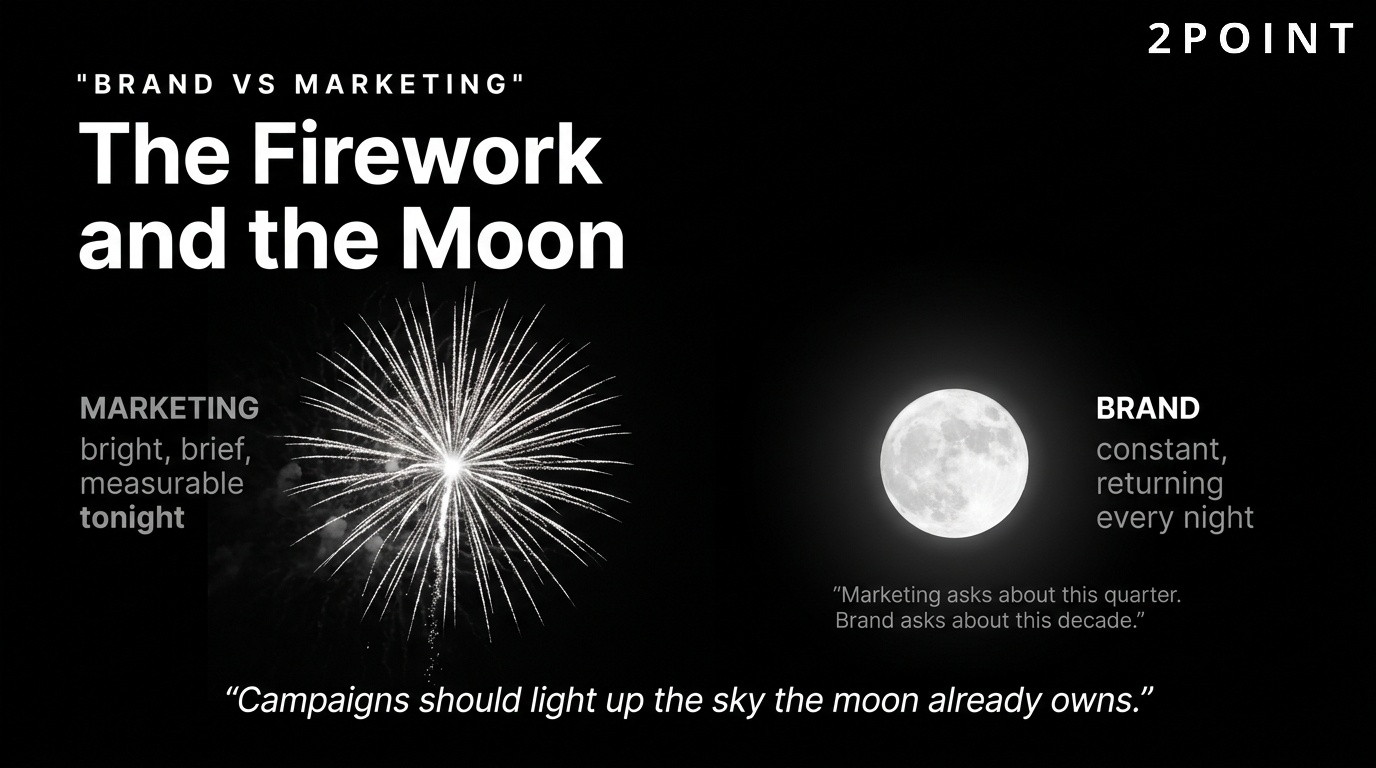
Brand management and marketing are related but distinct disciplines that operate on different timeframes and optimize for different outcomes. Understanding the distinction prevents confusion about responsibilities and metrics.
Marketing encompasses tactical, campaign-driven activities with short-term sales focus. Marketing initiatives promote specific products or offers, run in defined time periods with clear start and end dates, optimize for immediate response and conversion, and measure success through direct sales attribution. Marketing asks “how do we drive this quarter’s results?”
Brand management takes a strategic, long-term focus on reputation and perception. Brand initiatives build equity that compounds over years, establish positioning that guides all activities, create consistency that builds recognition and trust, and measure success through awareness, preference, and lifetime value. Brand management asks “how do we build enduring value?”
The relationship between brand strategy and marketing execution is hierarchical. Strong brand strategy guides marketing by defining target audiences and positioning, establishing message frameworks and tone, identifying appropriate channels and partnerships, and setting standards for execution. Marketing tactics should advance brand strategy rather than contradicting it for short-term gain.
Integration ensures marketing reinforces brand rather than undermining it. Each campaign should strengthen brand associations, maintain consistency with established guidelines, balance immediate promotion with long-term positioning, and contribute to brand equity accumulation. Marketing that achieves short-term sales while damaging long-term brand ultimately destroys value.
Challenges Every Brand Manager Faces
Brand management involves navigating predictable obstacles that test strategy, resourcefulness, and resilience. Understanding common challenges enables proactive mitigation rather than reactive crisis management.
Maintaining consistency across distributed teams becomes exponentially harder as organizations grow. Challenges include geographic dispersion creating coordination difficulty, departmental silos pursuing different priorities, rapid team turnover requiring constant training, and external partners unfamiliar with brand standards. Solutions involve comprehensive guidelines, centralized asset systems, regular training, and clear accountability.
Platform algorithm changes reducing organic reach force constant strategy adaptation. Social platforms prioritize paid content over organic posts, change ranking algorithms without notice, introduce new formats requiring content adaptation, and reduce brand reach to encourage advertising spending. Brands must diversify across platforms, invest in owned media, and accept paid promotion as necessary rather than optional.
Budget constraints versus comprehensive brand building create prioritization challenges. Building brand equity requires patient, consistent investment that may not show immediate ROI. Brand managers must make cases for long-term investment, demonstrate connections between brand strength and business outcomes, identify efficient tactics that maximize impact, and resist pressure for exclusively short-term optimization.
Measuring intangible brand value for executives remains an ongoing communication challenge. While brand value is real, it’s harder to quantify than quarterly sales. Successful brand managers translate brand metrics into business language, show correlation between brand health and financial performance, benchmark against competitors to demonstrate relative strength, and celebrate brand wins that contribute to business goals.
Balancing innovation with consistency tests judgment continuously. Brands must evolve to remain relevant while maintaining recognition. The solution involves defining which elements remain fixed versus flexible, testing innovations before full implementation, gathering feedback before committing to changes, and adjusting gradually rather than through wholesale reinvention.
The Future of Brand Management: 2026 and Beyond
Brand management is entering a period of fundamental transformation driven by technology, social change, and evolving consumer expectations. Success will require embracing new approaches while maintaining the foundational principles that have always driven strong brands.
The Intentionality Imperative
The defining characteristic of brand management in 2026 and beyond is intentionality, strategic consciousness replacing reactive tactics and trend-chasing. This shift reflects market maturity and consumer sophistication that rewards thoughtful consistency over performative innovation.
Intentional brand management means making conscious decisions grounded in strategy rather than following passing trends, maintaining commitments during difficult periods rather than abandoning when convenient, aligning every touchpoint with defined brand positioning, and measuring progress toward long-term goals rather than just short-term metrics. This discipline becomes increasingly valuable as market noise intensifies.
Technology, sustainability, and inclusivity serve as foundations for intentional brand strategy rather than add-on initiatives. Brands must integrate these considerations into core operations through technology that enhances rather than replaces human connection, environmental responsibility that goes beyond superficial claims, authentic representation that reflects genuine organizational diversity, and accessible design serving customers across abilities.
The “brand as citizen” concept positions companies as active participants in societal discourse rather than neutral commercial entities. Consumers increasingly expect brands to take stances on social issues, contribute to community wellbeing, operate transparently and ethically, and acknowledge broader responsibility beyond shareholders. Brands that recognize this citizenship role navigate social expectations more successfully than those clinging to purely commercial positioning.
Long-term thinking in an instant-gratification world creates competitive advantage. While competitors chase viral moments and quarterly results, brands that maintain strategic discipline build compounding equity advantages. The challenge is resisting pressure for immediate results while demonstrating that patient brand investment delivers superior long-term returns.
Ambient Brand Discovery Through Connected Devices
The proliferation of connected devices and ambient computing is transforming how consumers discover and interact with brands. Traditional touchpoints like websites and apps are giving way to voice interfaces, smart home devices, connected vehicles, and augmented reality that integrate brands into daily environments.
Voice search and smart speakers change discovery dynamics as consumers ask questions rather than typing keywords. Brands must optimize for conversational queries, provide direct answers that voice assistants can relay, earn featured snippet positions that voice results pull from, and develop voice-specific content strategies. Brand representation in voice results requires different optimization than traditional search.
Connected vehicle infotainment systems create new brand discovery opportunities as automotive brands control access to services, entertainment options, and commerce. Brand visibility in vehicle systems depends on partnerships with automotive manufacturers, voice optimization for hands-free interaction, and location-aware content that responds to driving context.
Smart home device integration enables brands to participate in domestic routines through connected appliances providing product recommendations, voice assistants answering product questions, smart displays showing visual content, and automated reordering systems maintaining product supply. Brands that integrate smoothly into home environments gain privileged access to purchase decisions.
Augmented reality overlay transforms physical environments by enabling virtual product try-ons, providing contextual information about physical products, creating immersive brand storytelling experiences, and offering navigation assistance in retail environments. AR technology makes brand experiences more immediate and tangible than traditional digital marketing.
The Creator Collaboration Ecosystem
Creator partnerships are evolving from one-off sponsorships to ongoing collaborative relationships that generate continuous value. The future involves treating creators as strategic partners whose success directly connects to brand success.
Long-term creator retainers replace project-based arrangements as brands recognize the value of ongoing relationships. Retainer models provide creators predictable income enabling focus on quality, give brands consistent presence in creator content, allow authentic integration that feels natural rather than forced, and build genuine partnerships based on mutual success.
Co-development of products and content involves creators in meaningful ways including creator input on product features and design, collaborative content series with shared creative control, exclusive product lines bearing creator names, and transparent revenue sharing arrangements. These collaborations feel authentic because creators genuinely influence outcomes rather than simply promoting finished products.
Creator communities managed by brands create networks that generate value beyond individual relationships. Community platforms enable creators to connect with each other, share best practices and content ideas, provide feedback on brand initiatives, and access exclusive brand resources. These communities build loyalty that extends beyond financial arrangements.
Performance-based compensation aligns incentives by tying creator payment to measurable outcomes. Models include commission on attributed sales, bonus payments for engagement thresholds, tiered compensation rising with performance, and equity grants for major partnerships. While base compensation ensures fairness, performance bonuses align creator success with brand success.
Brand Communities as Strategic Assets
Customer communities have evolved from nice-to-have engagement tools to strategic assets that drive product development, provide customer support, and generate authentic marketing content. Forward-thinking brands invest in community infrastructure and management as core brand functions.
Community platforms owned by brands provide gathering spaces for customers including discussion forums for product questions and tips, user-generated content galleries showcasing customer creativity, event calendars for virtual and in-person gatherings, and exclusive content rewarding community participation. Owned platforms give brands control and data access that third-party social platforms don’t provide.
Member-generated content creation reduces brand content production burden while increasing authenticity. Community members create product reviews and testimonials, how-to guides and tutorials, user photos and videos, and peer support responding to questions. This content often resonates more than brand-created alternatives because it comes from genuine experience rather than marketing objectives.
Community feedback loops improve products and experiences by soliciting input on product development priorities, beta testing new features with engaged users, gathering improvement suggestions from active customers, and identifying bugs and issues before wide release. Community members feel invested in brand success when their feedback influences actual decisions.
Advocacy recruitment from community members generates authentic promotion through ambassador programs offering exclusive perks, user-generated content campaigns encouraging sharing, referral programs rewarding customer recommendations, and case study participation highlighting customer success. Community members become vocal brand advocates when they feel genuinely connected to brand success.
Frequently Asked Questions About Brand Management
What is brand management and why is it important?
Brand management is the strategic process of building, maintaining, and improving how consumers perceive your brand across all touchpoints. It’s important because strong brand management creates equity that enables premium pricing, builds customer loyalty that reduces acquisition costs, differentiates you from competitors, and increases business value measured through brand valuation.
How is brand management different from marketing?
Brand management focuses on long-term reputation and equity building through consistent positioning and experience, while marketing executes short-term campaigns aimed at immediate sales results. Brand management provides the strategic foundation that guides all marketing activities, ensuring tactical campaigns reinforce rather than contradict your brand positioning.
What are the key components of a brand management strategy?
A comprehensive brand management strategy includes brand positioning that defines your unique market space, brand identity encompassing visual and verbal expression, brand guidelines documenting standards for consistency, measurement frameworks tracking brand health and equity, and governance processes coordinating brand activities across departments. These components work together to build and protect brand value systematically.
How do you measure brand management success?
Brand management success is measured through awareness metrics showing how many people recognize your brand, consideration metrics revealing preference in purchase decisions, perception metrics tracking associations and sentiment, loyalty metrics quantifying repeat purchase and advocacy, and financial metrics connecting brand strength to business outcomes including premium pricing and customer lifetime value. Comprehensive measurement combines qualitative perception with quantitative business impact.
What role does AI play in modern brand management?
AI transforms brand management by monitoring brand mentions and sentiment in real-time, personalizing brand experiences at scale, optimizing content for performance, predicting brand health trends, and serving as a discovery gatekeeper through AI agent recommendations. The key is using AI to enhance efficiency while maintaining the human authenticity and strategic thinking that build genuine brand connections.
How much does brand consistency actually impact revenue?
Brand consistency significantly impacts financial performance, with studies showing consistency increases profitability by over 20% and 68% of companies reporting that consistency adds 10-20% to revenue growth. This impact stems from consistency building recognition faster, reducing customer confusion, enabling premium pricing through trust, and creating efficiency through standardized processes.
What are the biggest challenges facing brand managers in 2026?
The biggest brand management challenges include optimizing for AI discovery as AI agents become brand gatekeepers, maintaining authenticity as AI-generated content proliferates, balancing personalization with consistency across dynamic brand expressions, building trust in increasingly skeptical markets, and demonstrating long-term brand value to executives focused on short-term results. Success requires adapting to technology changes while maintaining strategic discipline.
How do brand partnerships and influencer collaborations fit into brand management?
Strategic partnerships and influencer collaborations extend brand reach and credibility when aligned with brand values and audience. They fit into brand management as tools for building awareness, demonstrating values through partner selection, accessing new audiences through collaboration, and creating content that reinforces positioning. The key is treating partnerships strategically rather than transactionally, selecting partners based on authentic alignment rather than just reach.
What’s the difference between brand equity and brand value?
Brand equity refers to the intangible value consumers associate with your brand based on experiences and perceptions, while brand value typically refers to the financial valuation of the brand as a business asset. Brand equity encompasses customer perceptions, loyalty, and associations, while brand value translates these perceptions into measurable financial worth for business valuation and investment purposes.
How often should brand guidelines be updated?
Brand guidelines should be reviewed annually and updated when entering new markets, launching major initiatives, responding to significant strategic shifts, or when existing guidelines no longer reflect current brand expression. Minor updates addressing edge cases can happen quarterly, while major revisions involving positioning or visual identity changes should occur rarely and only with strong strategic justification.
What skills are most important for brand managers?
Essential brand management skills include strategic thinking to develop long-term positioning, communication abilities to build stakeholder alignment, analytical capabilities for data-driven decisions, project management to coordinate complex initiatives, adaptability to respond to market changes, and creative sensibility to evaluate brand expression. The most effective brand managers combine strategic vision with operational excellence and interpersonal influence.
Can small businesses benefit from formal brand management?
Small businesses absolutely benefit from brand management, often more than large enterprises because their brand differentiation creates competitive advantage against larger competitors. Formal brand management helps small businesses establish clear positioning, create consistency that builds recognition faster, make strategic decisions aligned with brand goals, and build equity that increases business value. The principles scale regardless of company size.
What are the four pillars of brand management?
The four pillars of brand management are brand awareness, brand equity, brand consistency, and brand loyalty. Together they cover how a brand becomes recognized, accumulates value, behaves predictably across channels, and converts customers into advocates.
Brand awareness covers the touchpoints, content, and media that make people aware your brand exists. Brand equity is the financial and perceptual value of those associations. Brand consistency keeps the look, voice, and behavior aligned across every channel and customer interaction. Brand loyalty turns one-time buyers into repeat customers and referrers, and is the cheapest revenue a brand can earn. Strong brand programs invest in all four simultaneously rather than treating them in sequence.
What does a brand manager actually do day-to-day?
A brand manager owns the strategic direction of a brand and the execution of its identity across products, marketing, and customer experience. Day to day, they oversee brand guidelines, approve creative work, monitor brand health metrics, manage agency partners, and align cross-functional teams around brand decisions.
Specific tasks vary by company size. At an enterprise, brand managers focus on positioning, governance, and reputation. At a startup, they often double as marketing leaders and run campaigns directly. Universal responsibilities include defending brand consistency in launches, partnerships, and crisis moments, and proving brand impact to leadership through tracking studies, share-of-voice data, and revenue attribution.
What is brand positioning and how do I do it?
Brand positioning is the deliberate place your brand occupies in the customer’s mind relative to competitors. It defines who your brand is for, what category it competes in, what unique value it delivers, and why customers should believe it.
Build a positioning statement using the standard four-part framework: target audience (who), category frame of reference (what), point of differentiation (why this not the others), and reason to believe (proof). Test the positioning against three filters: is it true, is it unique, and is it defensible. The best positioning statements are short enough to fit on one line and clear enough for any team member to recite from memory.
What is the difference between brand identity and brand image?
Brand identity is what you control, the deliberate visual, verbal, and behavioral system you create to represent your brand. Brand image is what your customers actually perceive, which is shaped by their experiences, others’ opinions, and the cultural context around your brand.
Identity is the input; image is the output. The two are rarely identical, especially for new brands or brands undergoing change. Closing the gap requires consistent identity execution at every touchpoint, qualitative and quantitative perception research, and proactive management of public moments that influence customer impression. When identity and image diverge significantly, it signals a brand health problem worth investigating.
How do I build brand awareness from scratch?
Build brand awareness from scratch by defining a clear positioning, picking the two or three channels where your audience already spends attention, producing distinctive content that stands out in those channels, and sustaining the effort for at least 12 to 18 months before expecting meaningful recognition.
The fastest awareness lifts come from earned media (PR, podcasts, expert commentary), partnerships with established brands or creators, and consistent organic social presence with a recognizable visual style. Paid awareness campaigns work but only after positioning and creative are validated. Track unaided brand recall in your category as the gold-standard measure of awareness; aided recall and impressions are weaker proxies.
How do I create brand guidelines that teams actually follow?
Create brand guidelines that teams follow by keeping them practical, visual, and accessible rather than long and abstract. Cover logo usage, typography, color palette, photography style, voice and tone, and example applications, plus the underlying brand strategy in a single navigable document.
Modern brand guidelines live in tools like Frontify, Brandfolder, or Notion rather than buried PDFs. They include downloadable assets, real-world examples of correct usage, common mistakes, and decision-making questions for ambiguous cases. Review and update guidelines every 12 to 18 months. Internal adoption matters more than completeness; a 30-page guide that everyone reads beats a 200-page guide that no one opens.
What is brand voice and how do I define it?
Brand voice is the consistent personality, tone, and language your brand uses across every written and spoken communication. A clear brand voice makes your content recognizable even with the logo removed, and helps every team member write or speak in a way that sounds like the brand.
Define brand voice using a simple framework: pick three to five attributes (for example confident, irreverent, empathetic, expert), document what each attribute does and does not sound like with concrete examples, and provide a tone matrix showing how voice flexes across contexts (apology emails versus product launches versus social comments). Test new copy against the framework and refine the framework based on what your best work has in common.
How are AI agents becoming the new brand gatekeepers?
AI agents are becoming the new brand gatekeepers because consumers increasingly delegate research, comparison, and purchase decisions to ChatGPT, Perplexity, Google AI Overviews, and shopping agents. The agent decides which brands to surface, in what order, and with what framing, often before a human ever visits a brand’s website.
Brands that get cited consistently inside AI answers see compounding visibility benefits, while brands missing from those answers slowly disappear from consideration. The defense is Answer Engine Optimization (AEO), structured data, third-party citation building (Reddit, Wikipedia, news), and keeping accurate first-party content on every channel an agent might pull from. Treat AI agent visibility as a new core brand metric in 2026, alongside brand awareness and reputation.
How do I optimize my brand for AI Overviews and ChatGPT citations?
Optimize your brand for AI Overviews and ChatGPT citations by publishing original content with FAQ and Article schema, leading paragraphs with direct one-sentence answers, earning third-party mentions on Reddit, Wikipedia, and reputable news outlets, and ensuring consistent entity data across your About page, LinkedIn, Crunchbase, and Wikipedia.
AI systems prefer sources that are authoritative, structurally extractable, and frequently cited elsewhere. Write content around questions rather than topics, use clear named entities (your brand name, product names, founder names) consistently across the web, and add sameAs schema linking your brand entity across platforms. Brands cited in 2026 AI Overviews achieve 2 to 4x higher unaided brand recall than those relying solely on traditional SEO.
How do I monitor my brand reputation online?
Monitor your brand reputation online by combining a real-time mention-monitoring tool (Brand24, Mention, Talkwalker, or Meltwater), Google Alerts for brand and executive names, social listening on each major platform, AI-citation tracking via Profound or Otterly, and a quarterly customer perception survey.
Set up daily alerts for sentiment spikes, competitor mentions, and unauthorized brand usage. Review aggregate data weekly, looking for trend shifts rather than individual mentions. The single most important metric is sentiment trend over time, not absolute mention volume. Pair monitoring with a documented response playbook so the team can react quickly to negative spikes, viral moments, or PR crises without improvising.
What is purpose-driven branding?
Purpose-driven branding is the practice of building a brand around a clearly defined social, environmental, or cultural purpose that goes beyond making a profit. The purpose informs product decisions, marketing, partnerships, and internal culture, and is treated as a long-term commitment rather than a campaign.
Effective purpose-driven brands like Patagonia, Ben and Jerry’s, and Tony’s Chocolonely demonstrate purpose through measurable action (donations, supply-chain reform, advocacy), not just messaging. Audiences punish brands that perform purpose without backing it up; surveys show 65 to 75% of consumers see through performative purpose claims. Pick a purpose that’s authentic to your founders’ history or your category, and publicly commit to specific milestones with deadlines.
How do I build a personal brand as a CEO or founder?
Build a personal brand as a CEO or founder by picking one to two platforms where your audience already spends time (LinkedIn for B2B, X for tech, Instagram for consumer brands), publishing original perspective content weekly, engaging with industry peers in public, and tying your personal brand themes to your company’s positioning without over-merging the two.
The most effective founder personal brands focus on a narrow area of expertise (industry trends, leadership lessons, technical depth) rather than broad lifestyle content. Sustained presence beats viral hits; founders who post consistently for 12 to 24 months see compounding follower growth and inbound deal flow. Avoid letting personal-brand momentum become hostage to one platform; export your audience to email or owned channels.
How long does it take to build a strong brand?
Building a strong brand typically takes 3 to 7 years for measurable category recognition and 7 to 15 years for top-of-mind brand status, depending on category competition, marketing budget, and the brand’s distinctiveness. New direct-to-consumer brands can shortcut some of this timeline through paid social and influencer-led launches.
Early indicators of brand strength appear within 6 to 18 months: branded search volume, organic press mentions, and unprompted social mentions. Mid-stage indicators (months 18 to 60) include unaided brand recall in your category, willingness to pay a premium, and customer-led advocacy. Mature brand strength (5+ years) shows in defensibility, talent attraction, and the ability to launch adjacent products without losing trust.
What is the difference between rebranding and a brand refresh?
A rebrand is a comprehensive overhaul of a brand’s identity, positioning, name, or strategy, while a brand refresh updates the visual or verbal elements without changing the underlying strategy or positioning. Rebrands signal transformation; refreshes signal evolution.
Choose a rebrand when the company has fundamentally changed (new business model, new ownership, repositioning into a new category, recovering from reputation damage). Choose a refresh when the strategy is still working, but the visual or verbal expression feels dated or inconsistent. Rebrands cost 2 to 5x more than refreshes, take 6 to 18 months end-to-end, and carry meaningful risk if existing brand equity is strong. Refreshes typically take 8 to 16 weeks.
How do brand communities create competitive advantage?
Brand communities create competitive advantage by turning customers into a defensible asset that compounds over time. Active community members buy more often, refer more new customers, generate more user-generated content, and provide direct feedback that improves products, all at a fraction of the cost of paid acquisition.
The strongest brand communities (Harley-Davidson HOG, Salesforce Trailblazers, Glossier Into the Gloss) are built around shared identity and shared utility, not just product fandom. Invest in dedicated community managers, recurring rituals (events, content series, recognition), and member-only access (early access to products, behind-the-scenes content, peer connections). Community-active customers in 2026 deliver 2 to 4x the lifetime value of one-time buyers, making community arguably the highest-ROI brand investment of the decade.