FOLLOW US

Join 1000+ business owners and marketing managers getting digital marketing tips.
Last update: Jan 12, 2026
Reading time:
4 Minutes
A few simple equations is all it takes to know if your advertising is profitable… or not.
We use these every day in our work with clients & when we consult new businesses.
They help us determine when to scale up, scale down, update ad creative, change our offer, or stop a channel entirely.
Now you can use them too.

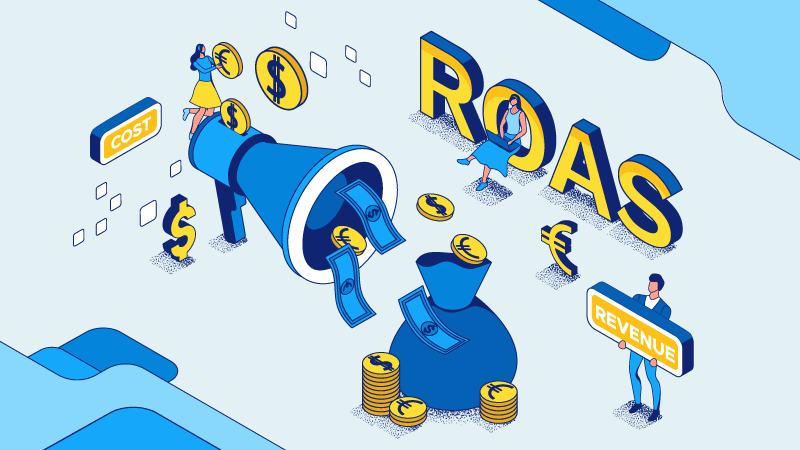
Ad Income / Ad Spend = ROAS
This is arguably the simplest calculation you can run but it’s a quick and easy rubric for measuring ad performance. The higher your ROAS the more profitable your ads will be.
You should be constantly optimizing for the highest ROAS you can.
A low ROAS could be caused by many things (including but not limited to):
Example Calculation: $100 Income / $50 Ad Spend = 2X ROAS
But wait, if ROAS seems too low, you might still be ok…
Ad Income From New Customers / Ad Spend = NC-ROAS
This is slightly more complicated than ROAS but is incredibly important for companies that are trying to scale.
There’s a big difference between your ads generating repeat customers vs generating NEW customers. A new customer means your total customer base is expanding.
In some cases you may have a low ROAS but a high NC-ROAS because a channel is efficient at acquiring new customers while poor at reconverting old ones.
Example Calculation: $75 New Customer Income / $50 Ad Spend = 1.5X NC-ROAS
But lets say hypothetically both of these numbers are low..
You still might be ok…
All Income From New (Ad-Sourced) Customers Within First 90-Days / Ad Spend = NC90LTV-ROAS
Now this calculation up’s the difficulty a bit but these numbers are incredibly important for you to understand. It may feel difficult to calculate these but do it anyways.
It will save you a huge headache and a fortune in missed opportunities.
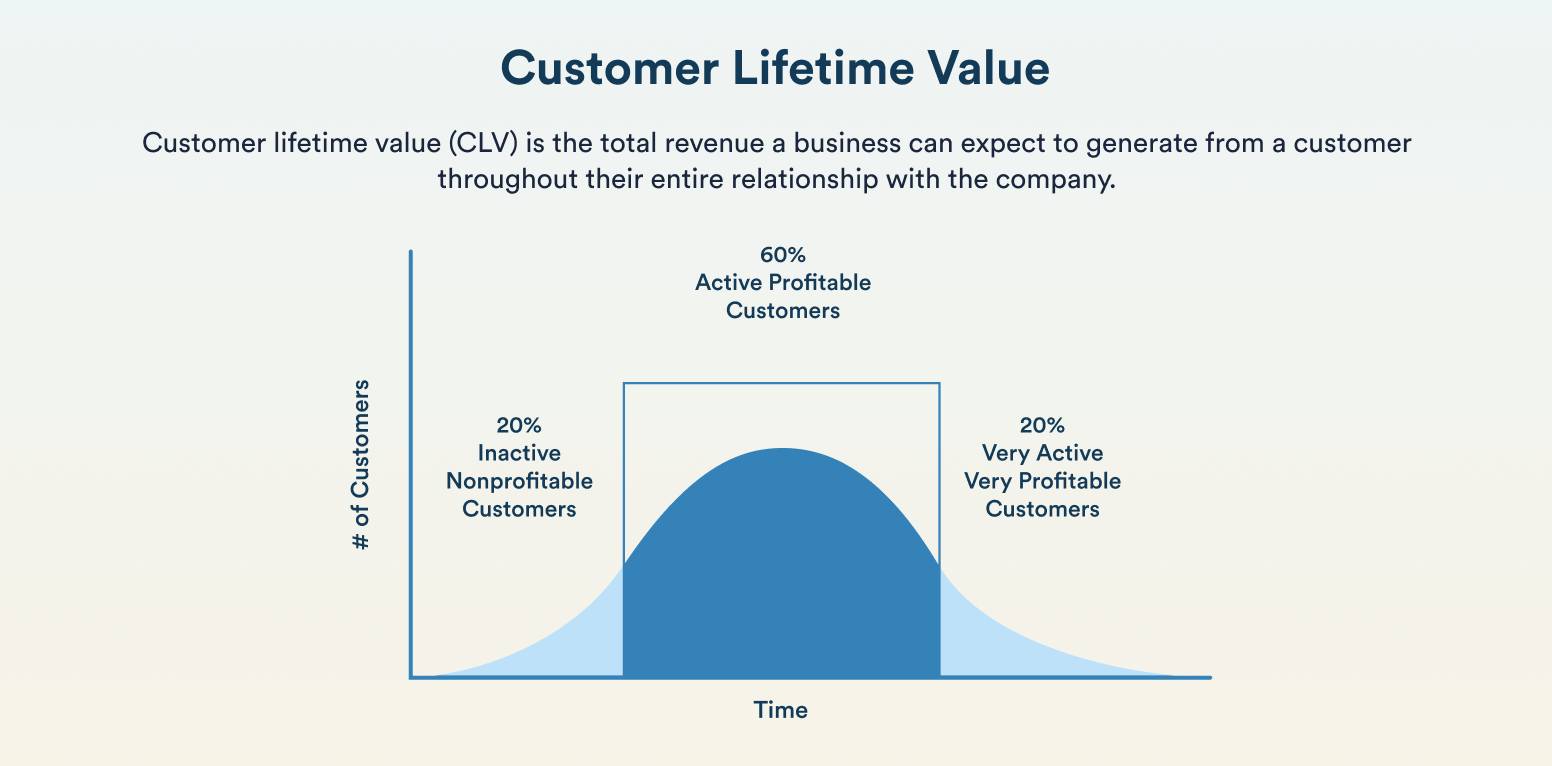
NC90LTV-ROAS exists so you can understand how much a new customer (acquired through advertising) generates in revenue in their first 90 days as a customer.
It’s incredibly common for a customer to have more than one transaction in their first 90 days of buying from you. Yet your ad account can only natively report on the first transaction.
This means your ROAS and even your NC-ROAS may seem low, but your NC90LTV-ROAS is really high.
Example Calculation: $225 Income From New Customers (First 90-Days) / $50 Ad Spend = 4.5X NC90LTV-ROAS
Now to tie it all together there’s one more simple equation to figure out how much ROAS (of any type) you need to be profitable.
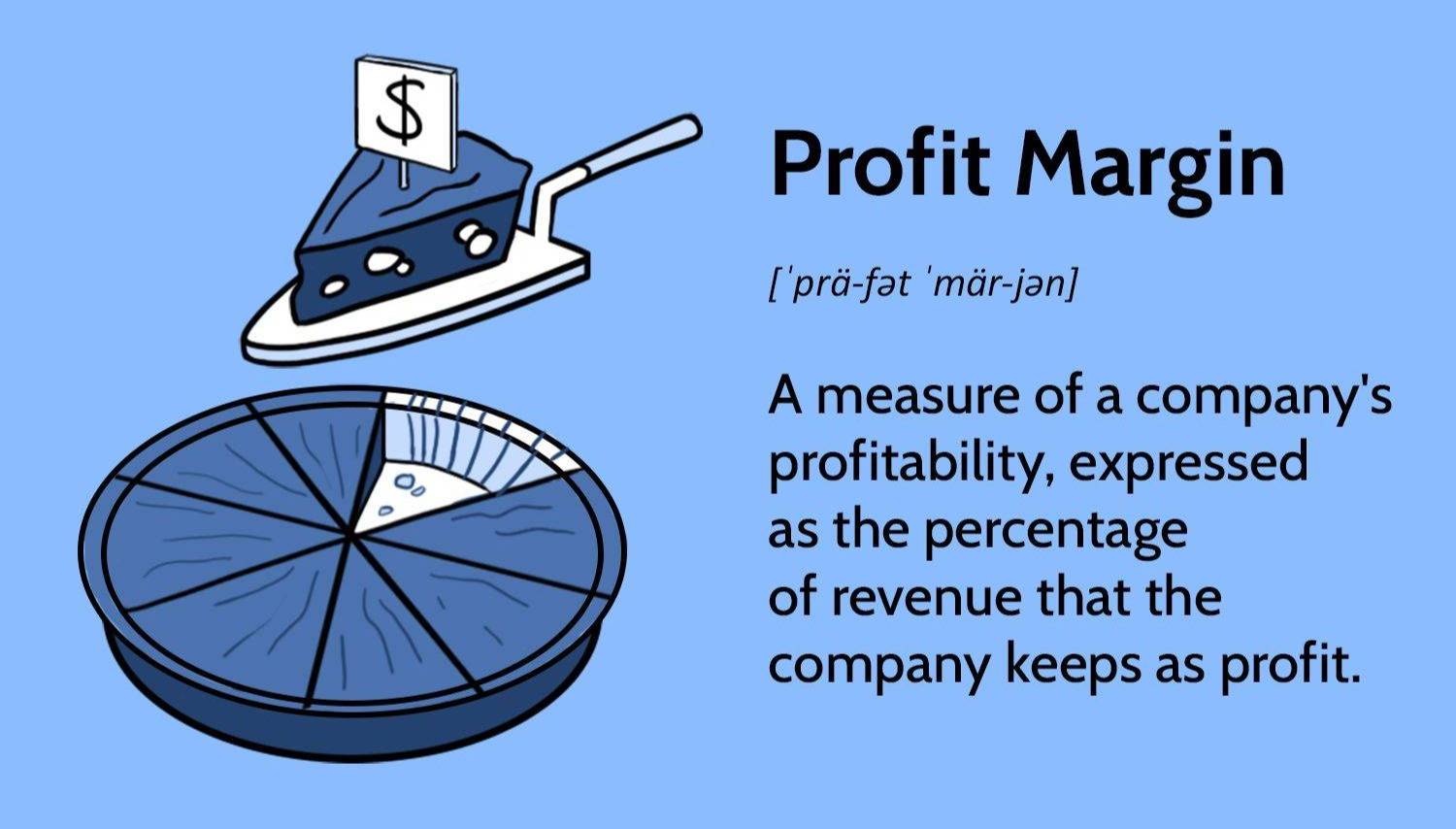
100 / Gross Margin % = MM
You MM will tell you what ROAS is acceptable for generating profit.
For example, let’s say you’re selling $25 tee shirts and your margin is 50%.
100 / 50 = 2 (MM)
So to break even selling your shirts through advertising you have to have at least a 2X ROAS.
If you look back at our first example of the ROAS calculation: $100 Income / $50 Ad Spend = 2X ROAS
You achieve breakeven on a mix of new customer and repeat customer sales.
If you look back at our second example in the NC-ROAS calculation: $75 New Customer Income / $50 Ad Spend = 1.5X NC-ROAS
You lose money when focusing only on the first-order a new customer makes.
If you look back at our third example in the NC90LTV-ROAS calculation: $225 Income From New Customers (First 90-Days) / $50 Ad Spend = 4.5X NC90LTV-ROAS
You make substantial profits in the first 90 days of sales.
Looking at these examples it’s fairly obvious to see that you can make a lot of money selling these shirts!
But most people never look further than ROAS. This is why companies all around the globe can’t seem to scale their advertising campaigns. They’re doing the math wrong.
Use these calculations. Turn your advertising around.
Not sure if your ads are winning or losing?
We’ve been helping companies scale their advertising campaigns for 20 years. Hit the button below and we’ll connect you with an expert who can help.
A few simple equations is all it takes to know…
There's a thousand ways to make money in business... But…

First of all, if you have not been closely watching…

There's lots of buzz about "Agentic AI" but very few…

Hi there, As the CEO of a digital agency since…


 let’s connect


 view our work