FOLLOW US


Join 1000+ business owners and marketing managers getting digital marketing tips.
Last update: Nov 24, 2025
Reading time:
7 Minutes
Everyone overcomplicates SEO…
That’s not to say that it is easy, but it doesn’t have to be complicated.
Let me explain.
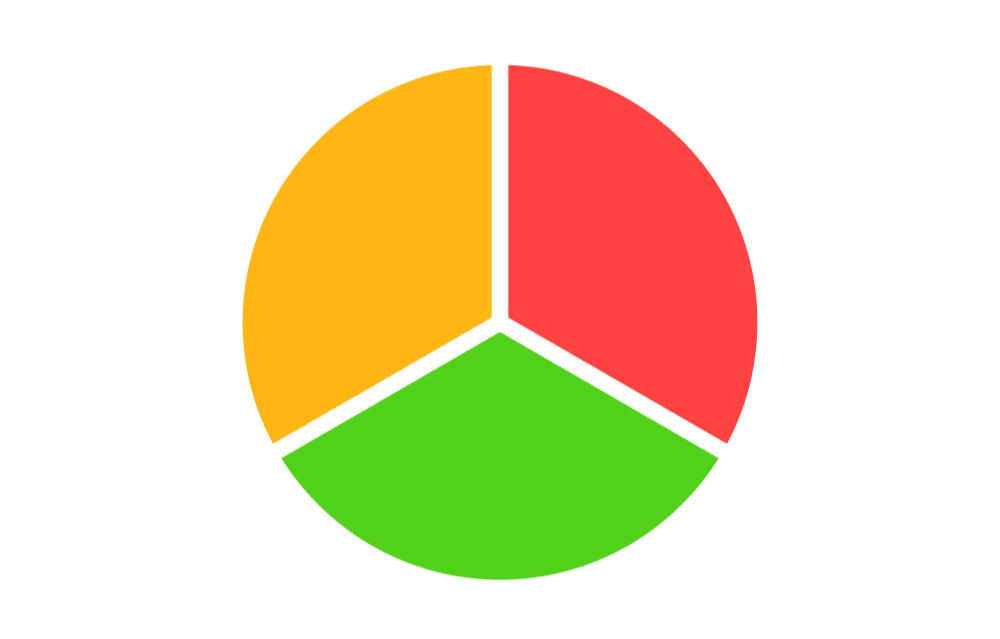
If you do these three things your websites presence in Google and AI platforms will steadily grow.
How well you do them and at what pace will determine how quickly you grow.
I’m going to break down each one, the fundamentals, how you can get started, what requires ongoing work vs one-time, etc.
Side Note: You may think what you do is “fast-pace” but if your competitors are pushing harder than you are, you will still not grow. Sometimes marketers fail just because they aren’t doing enough.
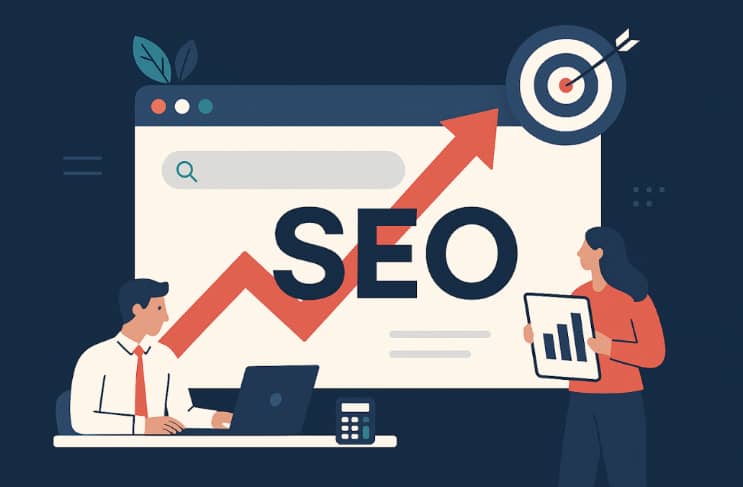
When most people think of SEO, this is what comes to mind.
Articles, blogs, service pages, product pages, meta-titles, meta-descriptions, keyword optimization, keyword research, and so on.
In simple terms; Content Optimization is the strategic selection of the language used on your website to better communicate to customers in their own language.
For example; a boutique accounting firm might be tempted to say that their flagship service is “account tracking & alignment” because it sounds cooler than “bookkeeping”.
An SEO professional would quickly correct them to focus on using the “bookkeeping” term and more supporting phrases to help customers better find and associate their company with the service.
When a user places a search in Google like “best bookkeeping service near me” Google is working to try and show that user the most relevant answer.
By using the same language that the customer uses, you increase the likelihood that Google identifies you as a match.
This is the most basic form of SEO every website should do.
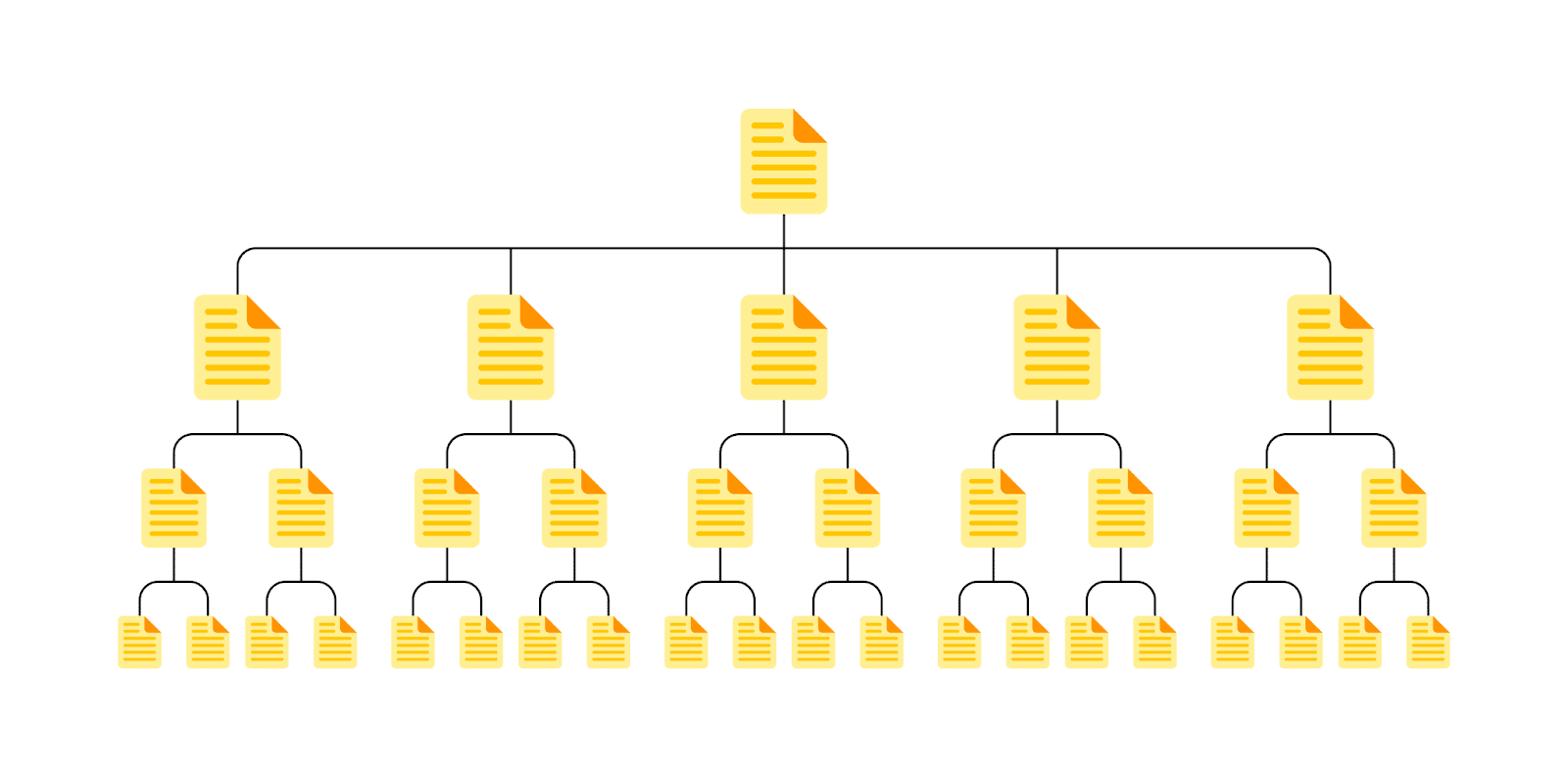
Aside from this there are many more aspects of importance like:
And much, much more.
The best way to start content optimizing your site is to:
Optional: hire professionals who do this in a fraction of the time & effort.
This is an equally buzzy part of SEO.
Depending on who you ask, many might describe this as the most important part of ranking in Google.
While this can be a huge growth lever for a well established site, smaller sites often struggle to grow when focusing on this alone.
So note, this is best invested in when the other 2 areas of SEO are already in good shape.
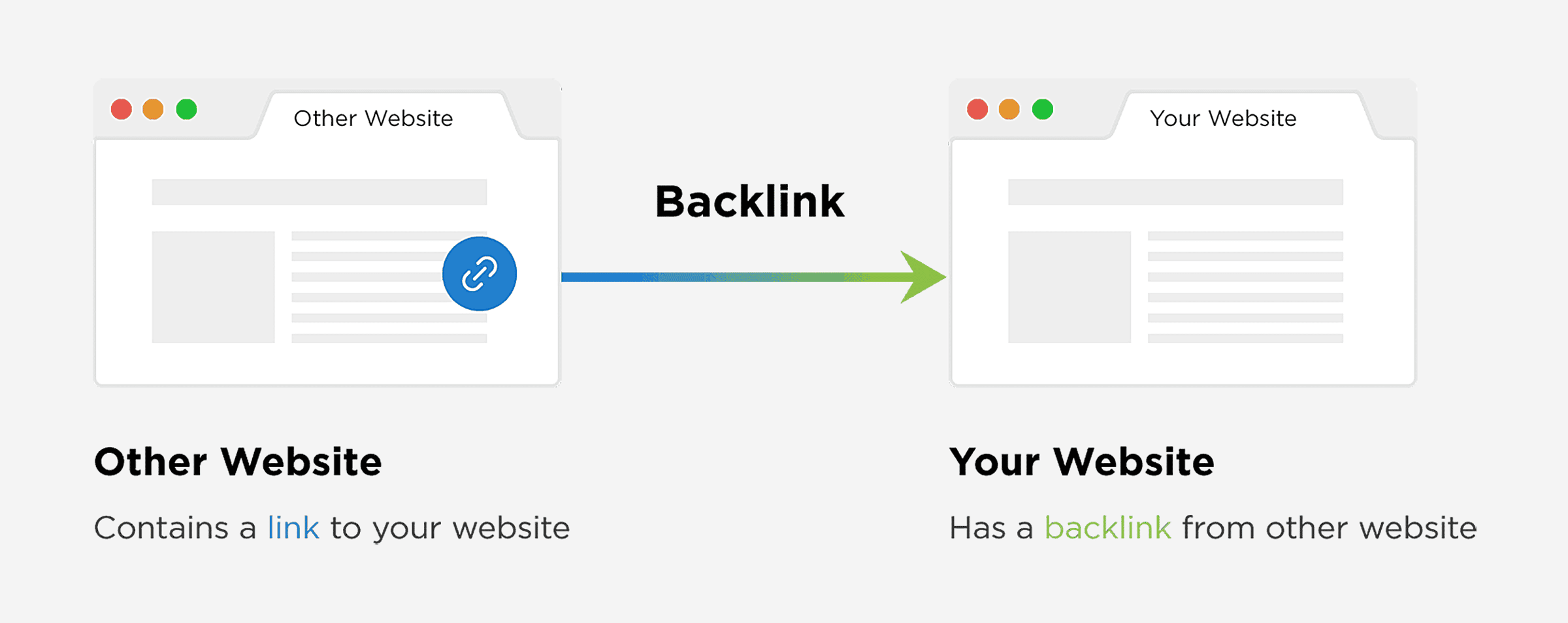
“Backlinks” are fundamentally links from other websites that point to your website.
This could be things like:
Or a dozen other ways of getting mentioned.
Google see’s these links as a signal of relevance and authority.
“Well if ____ thinks this page is relevant then it must be worth showing people.”
A growing number of backlinks indicates that your website (and what you have to say) is popular.
But, it’s not only about the number of links, it also matters who is sharing them.
Higher authority websites are worth more in reputation than lower authority sites.
For example, Medium.com (a popular blogging site) doesn’t provide links as impactful as Forbes.com.
This is because Google holds the content on Forbes in much higher esteem than Medium.
So if you are linked to from Forbes, Google will associate that with a high degree of importance.
More links = good
More good links = exceptional

The best way to start building backlinks is to:
Optional: hire a team of link builders or pay per publication in bulk for a shortcut

This is the concrete that the rest of your metaphorical house is built on.
Without a good site structure and page speed performance, no amount of links or content will help you escape SEO mediocrity.
The technical performance of your websites determines the basic truths like:
All of these things are a basic (yes / no) checkbox for Google.
If it thinks that sending people to your website would be a bad idea for any of the reasons stated above, then it simply wont.
It doesn’t matter how well your content is written or how many times you were mentioned in the New York Times.
This is the part of SEO that gets a bit technical.
I tend to see the non-devs in the room taking a step back or nodding along (even if they don’t get it).
I’ll try to break this down into basic parts that anyone can understand with some step-by-step processes to make improvements.
The parts of technical SEO that matter most are:
Here’s how you can start to address them today:
Optional: hire a professional dev team to implement all necessary changes. (30 days for a good team)
Want to start generating sales from Google in 2026?
Our team has been helping companies build their digital presence for 20 years. We’ve generated millions in organic traffic, ranked hundreds of thousands of keywords, for thousands of businesses over the years.
Hit the button below and we’ll audit your website for free.

On February 5th, Google released its first-ever core update targeting…

Most business advice sounds like this: "Build a content strategy…

Let me guess. You're already planning your Super Bowl Sunday.…

For years, we’ve built social strategies around a single assumption:…

There are a thousand ways to grow a business. But…


 let’s connect


 view our work



