FOLLOW US

Join 1000+ business owners and marketing managers getting digital marketing tips.
Last update: Feb 23, 2026
Reading time:
3 Minutes
On February 5th, Google released its first-ever core update targeting Google Discover exclusively.
Every previous core update affected Discover as a side effect.
This one was built for it alone.
That distinction matters. Google now treats Discover as a separate product with its own quality criteria, independent from traditional search.
If you rely on organic content traffic, you need to understand what changed.
Discover is the personalized content feed built into the Google app and Android devices. No search required. No query.
Content comes to the user based on their interests, location, and behavior.
It’s the closest thing Google has to a “social media platform”.
It reaches over 800 million users monthly, generates over 5 billion daily impressions, and for top publishers it already drives 30 to 50% of total referral traffic.
The catch: most Discover URLs only receive traffic for 3 to 4 days after publishing.
That means posting frequently is the name of the game.
It is high-volume, fast-moving, and now subject to an entirely new rulebook.
Google’s official announcement outlines three priorities:
Local relevance. Content from websites based in the same country as the reader will be preferred. Non-US publishers targeting US audiences should expect reduced Discover traffic. This is Google’s most direct geographic filter to date.
Less clickbait. Sensational, misleading, or curiosity-gap headlines are being actively down-weighted. Google updated its Discover guidelines to be explicit about this. Headlines need to reflect what the article actually delivers.
Topic-level expertise. Google evaluates expertise on a subject-by-subject basis, not by domain authority overall. A local news site with a strong gardening section can rank for gardening content. A movie review site that published one gardening article cannot. Depth and consistency on a topic is what earns placement.
Audit your headlines first. If they promise more than the article delivers, update them now.
Then open Google Search Console and check your Discover performance report separately from your search traffic.
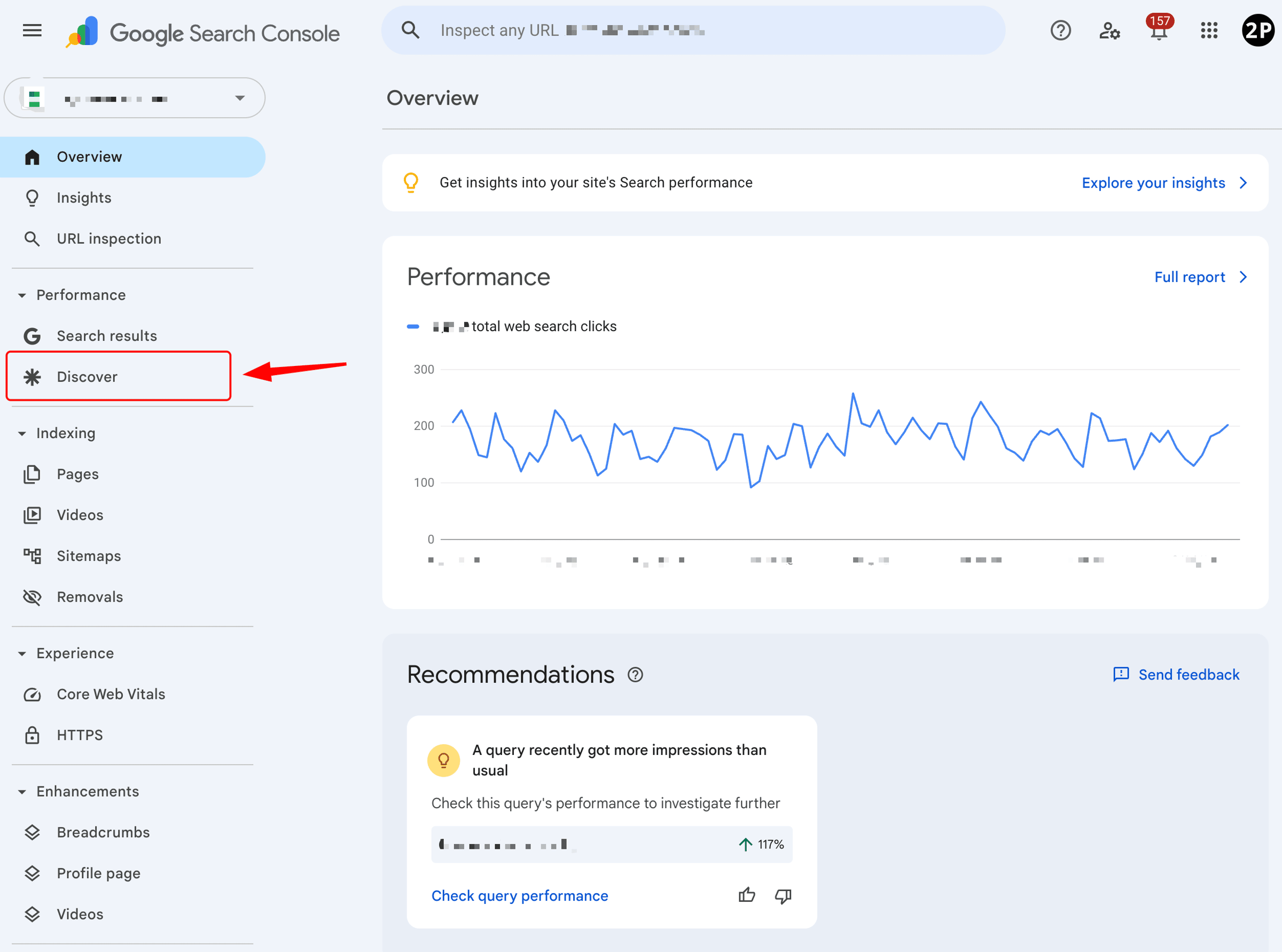
The two are now governed by different systems, and they need to be tracked that way.
The rollout is currently live for English-language US users.
Google will expand it to all countries and languages in the months ahead.
Give it at least 30 days before drawing firm conclusions about how this impacts your traffic.
Are you keeping up with Google’s updates?
Our team monitors Google (and every other major marketing platform) like a hawk. To make sure we can bring you (and our clients) the absolute best strategies, tactics, and opportunities to transform your business.
On February 5th, Google released its first-ever core update targeting…
Most business advice sounds like this: "Build a content strategy…
Let me guess. You're already planning your Super Bowl Sunday.…

For years, we’ve built social strategies around a single assumption:…
There are a thousand ways to grow a business. But…


 let’s connect


 view our work