


 let’s connect



You're ready to invest in digital advertising to grow your business. You've heard about Google Ads driving immediate results and Facebook Ads building brand awareness. But you're not sure which approach will work best for your goals.
This confusion is completely understandable. The digital advertising landscape offers dozens of platforms and targeting options, each promising to deliver your ideal customers. Without a clear understanding of how different channels work, it's easy to waste budget on the wrong approach.
The good news is that understanding the core differences between paid search and paid social advertising will clarify your entire digital marketing strategy. These two channels represent fundamentally different ways of reaching customers, and knowing when to use each one can dramatically improve your advertising results.
In this guide, 2POINT will break down the difference between paid search and paid social advertising, explore the different types of digital advertising available, and show you how to choose the right approach for your business goals.
Key Takeaways
- Paid search is intent-driven, showing ads to users actively searching for solutions. Paid social targets users based on demographics, behaviors, and interests—even if they aren't actively looking for your product.
- Paid search ads are primarily text-based and appear in search engine results, while paid social ads are visually engaging and integrated into users' social media feeds, stories, or carousels.
- Paid search performs best at the bottom of the funnel (BOFU)—driving direct conversions. Paid social is effective at the top and middle of the funnel (TOFU/MOFU), where it builds brand awareness and nurtures leads.
- Integrating paid search and paid social can drive a full-funnel marketing strategy—using social to build interest and search to capture intent when users are ready to act.
- B2B companies often favor paid search and LinkedIn, while B2C brands may thrive on visual platforms like Instagram or TikTok. Understanding your business objectives will help determine the best mix.
Overview of Digital Advertising Channels
Digital advertising encompasses any paid promotional content delivered through online channels. Unlike traditional advertising, digital ads can be precisely targeted, tracked, and optimized in real-time.
The main different types of digital advertising include:
- Display ads: Banner advertisements on websites and apps
- Video ads: Promotional content on YouTube, streaming platforms, or social media
- Paid search: Text-based ads on search engine results pages
- Paid social: Sponsored content on social media platforms
- Programmatic advertising: Automated ad buying across multiple platforms
Among these options, paid search and paid social represent two of the most effective, and sometimes most misunderstood, channels. They work in completely different ways and serve different purposes in your marketing funnel.
What is Paid Search Advertising?
Paid search advertising, also known as search engine marketing (SEM) or pay-per-click (PPC), involves placing ads on search engine results pages when users search for specific keywords.
Common platforms include:
- Google Ads (which dominates with 92% market share)
- Microsoft Advertising (formerly Bing Ads)
- Yahoo Advertising (much smaller market share)
How paid search works:
Paid search is intent-based advertising. When someone searches for "best accounting software" or "plumber near me," they're actively looking for solutions. Your ads appear at the moment of highest buying intent.
You bid on keywords related to your products or services. When someone searches for those terms, your ad may appear above or below the organic search results. You only pay when someone clicks on your ad.
Examples of paid search ads:
- Text ads with headlines, descriptions, and site links
- Shopping ads showing product images and prices
- Local service ads for location-based businesses
Key benefits:
- High intent traffic: Users are actively searching for solutions
- Direct response: Immediate clicks and conversions possible
- Easy tracking and measurement: Clear connection between searches and results
If you already run paid ads, then this information may not be helpful for you; our essential PPC advertising tips might prove more useful.
What is Paid Social Advertising?

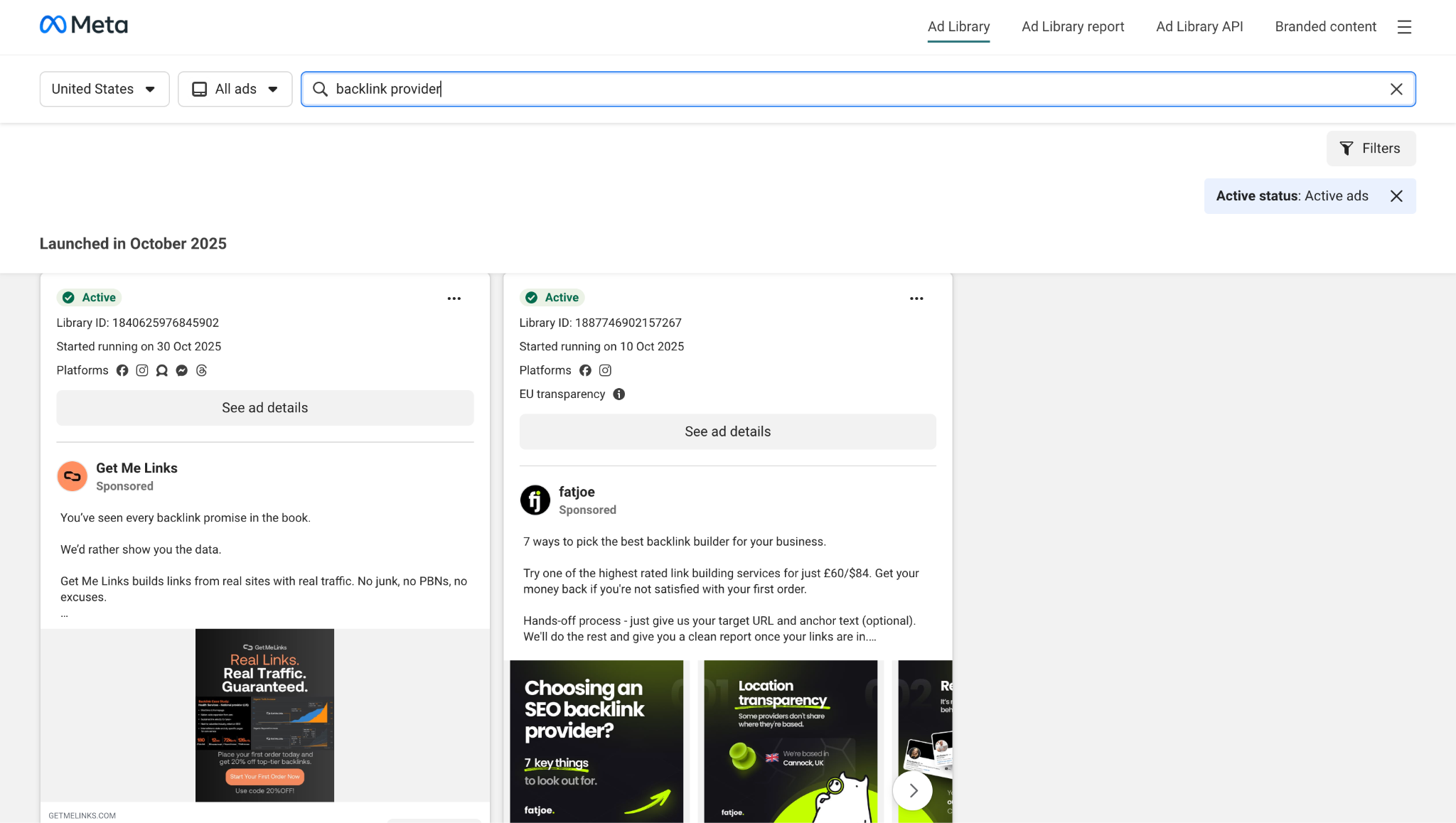
Paid social advertising involves promoting content through social media platforms to reach users based on their interests, behaviors, and demographics rather than their search queries.
Common platforms include:
- Facebook and Instagram (Meta)
- LinkedIn (especially for B2B)
- TikTok (growing rapidly for younger audiences)
- Twitter (good for news and trending topics)
- Pinterest (strong for lifestyle and e-commerce)
How paid social works:
Instead of targeting keywords, paid social uses audience targeting. You can reach people based on their age, location, interests, online behaviors, or similarity to your existing customers.
Your ads appear directly in users' social media feeds, stories, or as sponsored content between organic posts from friends and followed accounts.
Examples of paid social ads:
- Image and video ads in news feeds
- Story ads that appear between user-generated content
- Carousel ads showcasing multiple products
- Video ads designed for engagement and shares
Key benefits:
- Broad reach and engagement: Access to billions of active users
- Good for awareness and branding: Visual storytelling builds emotional connections
- Visual storytelling: Rich media formats that capture attention
Key Differences Between Paid Search and Paid Social Advertising
Understanding the difference between paid search and paid social advertising comes down to several fundamental distinctions:
User Intent
Paid search targets active intent. Users are actively searching for solutions, products, or information. They have a specific problem or need and are looking for answers right now.
Paid social targets passive audiences. Users are browsing social media for entertainment, connection, or news. They're not necessarily looking to buy anything, but they might be interested in learning about relevant products or services.
Targeting Methods
Paid search uses keyword-based targeting. You bid on specific search terms and phrases. Advanced options include match types (exact, phrase, broad) and audience modifiers based on previous website visitors or customer lists.
Paid social uses demographic and behavioral targeting. You can target based on age, location, interests, job titles, purchasing behaviors, or create lookalike audiences similar to your best customers.
Ad Formats
Paid search relies on text-based ads with headlines, descriptions, and extensions. While you can include some visual elements through shopping ads or ad extensions, the primary format is text.
Paid social emphasizes visual content with images, videos, carousels, and interactive elements. The ads need to look native to the platform and capture attention quickly.
Where and How Ads Appear
Paid search ads appear on search engine results pages (SERPs), clearly marked as advertisements but integrated with organic search results.
Paid social ads appear within social media platforms—in feeds, stories, sidebars, or as sponsored content mixed with organic posts from friends and followed accounts.
Cost Models and CPCs
Paid search typically uses pay-per-click (PPC) pricing, where you pay each time someone clicks your ad. Costs vary widely by industry and competition, ranging from $1-50+ per click.
Paid social offers multiple pricing models including cost-per-click (CPC), cost-per-thousand-impressions (CPM), or cost-per-engagement. Social media ads often cost less per click but may require more clicks to generate conversions.
Conversion Paths and Buyer Journey
Paid search excels at bottom-of-funnel conversions. Users are ready to take action, whether that's making a purchase, requesting a quote, or signing up for a service.
Paid social works best for top and middle-of-funnel engagement. It's ideal for building awareness, educating prospects, and nurturing relationships over time before users are ready to convert.
When to Use Paid Search vs. Paid Social Advertising

Business Goals
Choose paid search when:
- You need immediate sales or leads
- Your audience actively searches for your solution
- You have a limited budget and need high-intent traffic
- You're promoting time-sensitive offers or events
Choose paid social when:
- You're building brand awareness for a new product
- Your audience doesn't know they need your solution yet
- You have compelling visual content to showcase
- You want to build a community around your brand
Advertising in some form is an important part of any effective lead generation funnel, but efforts need to be carefully timed and weighed up against your budget and other focus areas within the business.
Budget Considerations
Paid search often requires higher per-click costs but delivers more immediate results. Paid social typically costs less per interaction but may require larger overall budgets to build awareness and nurture prospects through longer sales cycles.
Consider your total budget and timeline. If you need results this month, paid search might be more effective. If you're building long-term brand recognition, paid social could provide better value.
B2B vs B2C Approaches
B2B companies often benefit from:
- Google Ads for high-intent searches like "CRM software" or "marketing agency"
- LinkedIn Ads for targeting specific job titles and industries
- Longer sales cycles that benefit from nurturing campaigns
B2C brands typically succeed with:
- Facebook and Instagram for broad consumer reach
- TikTok for younger demographics
- Visual products that showcase well in social feeds
Device usage also matters. B2B searches often happen on desktop computers during business hours, while social media usage skews heavily mobile and spans throughout the day.
How Paid Search and Paid Social Can Complement Each Other
The most effective digital advertising strategies integrate both paid search and paid social rather than choosing one or the other.
Integrated marketing strategy example:
- Use paid social to introduce your brand to new audiences
- Retarget social media visitors with search ads when they later search for solutions
- Use search query data to inform social media creative and messaging
- Create lookalike audiences based on your best search campaign converters
Retargeting across platforms:
Someone who visits your website from a Facebook ad but doesn't convert becomes a perfect candidate for search retargeting. When they later search for solutions, your search ads can recapture their attention at the moment of highest intent.
Cross-channel attribution:
Modern customers interact with multiple touchpoints before converting. They might discover your brand on Instagram, research your competitors on Google, and finally convert after clicking a retargeting ad. Understanding this journey helps optimize both channels.
Performance Metrics: What to Track
Paid Search Metrics:
- Click-through rate (CTR): Measures ad relevance and appeal
- Quality Score: Google's rating of your ad relevance and landing page experience
- Conversion rate: Percentage of clicks that result in desired actions
Paid Social Metrics:
- Engagement rate: Likes, comments, shares, and other interactions
- Video views: Completion rates for video content
- CPM and relevance score: Cost efficiency and platform-specific quality ratings
If you run paid social ads, you might find our effective social media marketing strategies helpful.
Universal Metrics for Both:
- ROAS (Return on Ad Spend): Revenue generated per dollar spent
- CPA (Cost per Acquisition): Total cost to acquire one customer
- Lifetime value: Long-term revenue from acquired customers
Focus on metrics that tie directly to business outcomes rather than vanity metrics like impressions or reach.
Real-World Examples
Case Study 1: SaaS Startup
A project management software startup used paid social (LinkedIn and Facebook) to build awareness among small business owners. After three months of social campaigns, they launched Google Ads targeting searches like "project management software" and "team collaboration tools."
Result: The combination delivered 40% lower cost-per-acquisition than using search ads alone, because social media campaigns had already introduced the brand to prospects.
Case Study 2: Local Service Business
A roofing company focused heavily on Google Ads targeting searches like "roof repair near me" and "emergency roofing services." They added Facebook ads showcasing before/after photos of completed projects and customer testimonials.
Result: Search ads drove immediate leads, while social ads built trust and credibility, increasing the conversion rate of search traffic by 25%.
Common Mistakes to Avoid
Using the same strategy and creatives on both platforms. Search users want solutions to specific problems. Social users want engaging, entertaining content. Tailor your approach to each platform's unique environment.
Ignoring mobile optimization. Over 60% of searches and 90% of social media usage happens on mobile devices. Ensure your ads and landing pages work perfectly on smartphones.
Setting "set-and-forget" campaigns. Digital advertising requires ongoing optimization. Monitor performance weekly and adjust targeting, creative, and budgets based on results.
Forgetting conversion tracking and attribution modeling. Without proper tracking, you can't determine which channels drive the best results. Set up conversion tracking and use attribution models that reflect your actual customer journey.
Summary
The difference between paid search and paid social advertising comes down to intent and timing. Paid search captures existing demand from users actively searching for solutions. Paid social creates demand by introducing your brand to users who aren't actively searching yet.
Both channels serve different purposes in a complete digital advertising strategy. Paid search excels at driving immediate conversions from high-intent traffic. Paid social builds awareness, nurtures prospects, and expands your reach to new audiences.
Choose your approach based on your business goals, target audience, and budget. Most successful companies eventually use both channels to create a full-funnel marketing strategy that captures customers at every stage of their journey.
Conclusion
Start by analyzing your current advertising efforts and identifying gaps in your customer acquisition funnel. If you're only using one channel, consider testing the other to reach prospects at different stages of their buying journey.
The most important step is getting started with proper tracking and measurement. Once you understand how different channels perform for your specific business, you can optimize your budget allocation and creative strategy accordingly.
Work with us on your digital advertising.
FAQ – Difference Between Paid Search and Paid Social
Is paid search better than paid social?
Neither paid search nor paid social is universally "better", they serve different purposes. Paid search is better for capturing existing demand and driving immediate conversions. Paid social is better for building awareness and reaching new audiences. The most effective strategies combine both approaches to cover the entire customer journey.
Can I run both paid search and paid social at the same time?
Yes, running both paid search and paid social simultaneously often produces better results than using either channel alone. They complement each other by reaching prospects at different stages of the buying process. Many businesses see improved performance when integrating both channels with consistent messaging and cross-platform retargeting.
What types of companies benefit most from each?
B2B companies and service-based businesses often see stronger results from paid search, especially on Google and LinkedIn. E-commerce brands and consumer products typically perform well on paid social platforms like Facebook, Instagram, and TikTok. However, the difference between paid search and paid social advertising success depends more on your customer behavior and buying process than your industry.
Which platform has the best conversion rate?
Conversion rates vary dramatically by industry, target audience, and campaign quality. Generally, paid search delivers higher immediate conversion rates because users have active intent. Paid social may have lower direct conversion rates but can drive higher lifetime value through brand building and relationship nurturing. Focus on cost-per-acquisition and return on ad spend rather than conversion rate alone.
Are paid search and pay-per-click the same thing?
Paid search is the broader category, while pay-per-click (PPC) refers to the pricing model where you pay each time someone clicks your ad. Most paid search advertising uses PPC pricing, but you can also find CPM (cost-per-thousand-impressions) options on some search platforms. The terms are often used interchangeably in different types of digital advertising discussions.