

 let’s connect


Google Marketing Live 2026 landed four changes that will directly affect how your campaigns are built, how your ads are written, and where your customers check out.
- AI Max moved out of beta.
- Shoppers can now complete a purchase without leaving Google.
- YouTube ads finally have a clean attribution argument.
Here is everything that changed and what to do about it before your competitors do:
AI is Writing Your Ads
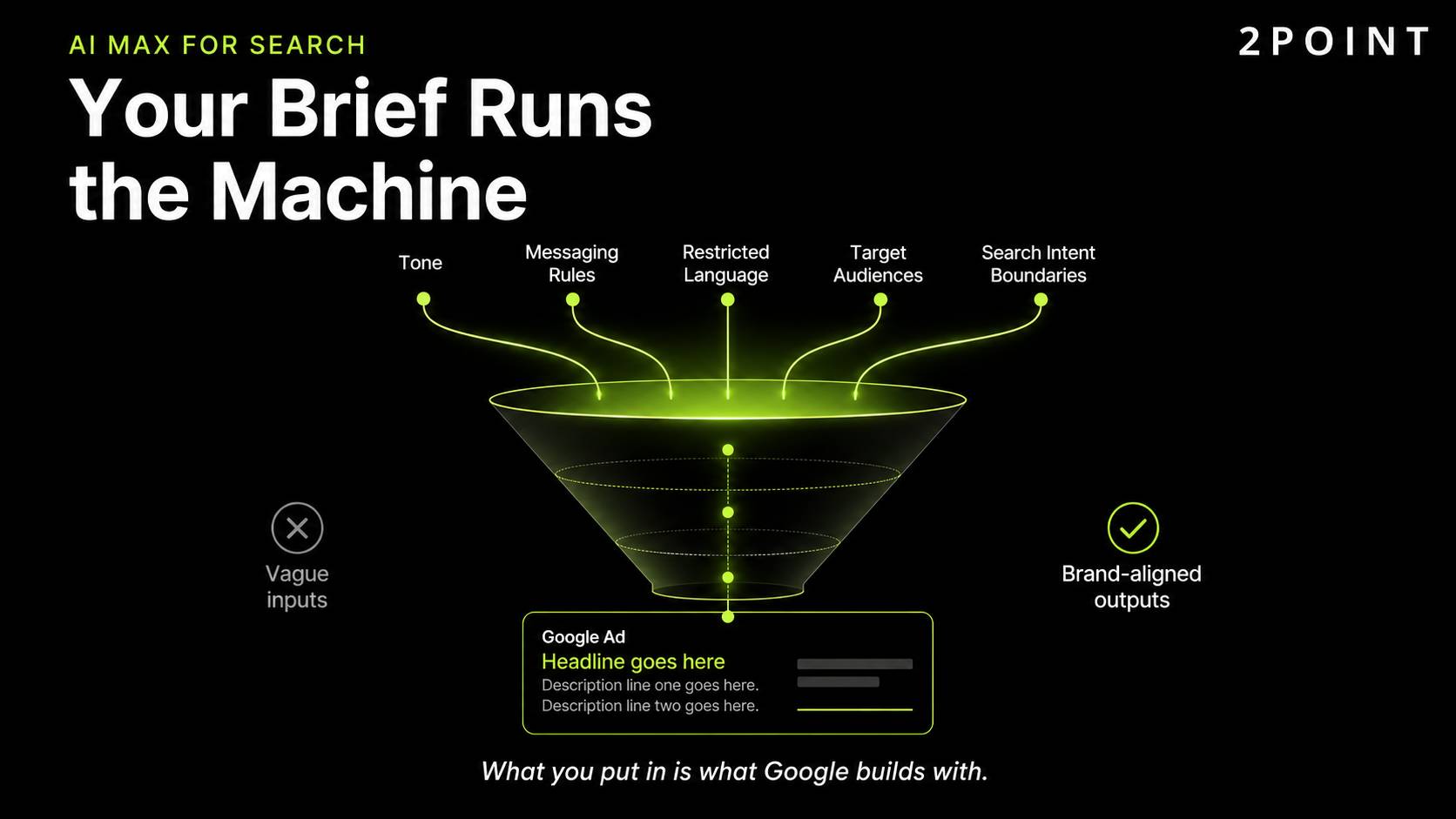
AI Max for Search is out of beta, which means Google's AI is generating copy, expanding keyword reach, and selecting which searches trigger your ads with significantly more autonomy than before.
Google introduced AI Brief alongside the launch, a natural-language interface that lets you give the AI direct instructions about your brand:
- Tone
- What to never say
- Messaging priorities
- Which audiences matter
- What search intent is off-limits
The quality of what goes in determines the quality of what comes out. Advertisers who treat AI Brief like a real brand document, with actual messaging rules and strategic boundaries, will get campaigns that sound like their business.
Advertisers who leave it vague will get generic outputs.
This is the first time Google has given advertisers a structured way to steer AI-generated assets across a full search campaign.
Rollout starts in English for AI Max for Search, with Performance Max and Shopping to follow.
Checkout Happens Inside Google
Google's Direct Offers format expanded at Marketing Live.
Advertisers upload their promotions and campaign guardrails.
Gemini assembles contextual offers, bundles, coupons, discounts, based on a shopper's query and browsing behavior.
A native checkout inside Google Pay completes the transaction without the shopper ever leaving Google. Affirm and Klarna are embedded in that checkout flow as buy-now-pay-later options.
The Universal Cart extends this further:
A persistent cart that follows a shopper across Search, YouTube, Gmail, and the Gemini app. A user adds a product from a YouTube ad and checks out from a Search result 20 minutes later.
Friction between the ad and the purchase is being compressed.
For brands in the Direct Offers pilot, conversion rates on those placements are going to look meaningfully different from everything else in the account. Direct Offers is currently in pilot for U.S. advertisers.
YouTube Finally Has a Measurement Argument
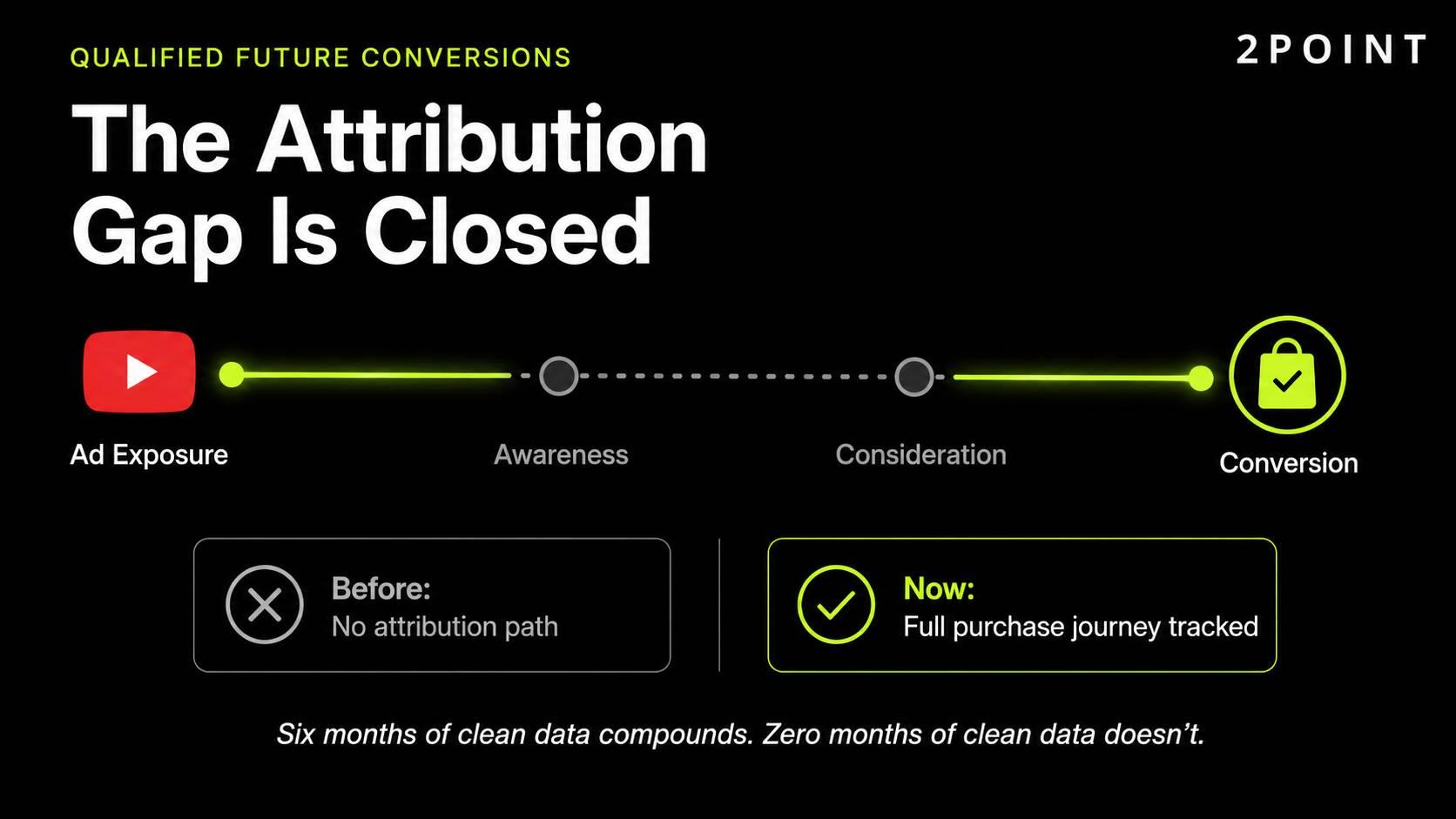
Proving that YouTube ads drive purchases has always been challenging due to the attribution structure of these campaigns.
Google addressed it directly with Qualified Future Conversions, a tool that traces the path from a YouTube exposure through to a completed purchase, providing attribution data that previously did not exist.
For advertisers who kept YouTube off the media plan because the attribution story was not there, that case just got much harder to make.
Measurement is now a competitive variable.
Advertisers who build clean conversion tracking now will have data to optimize against in six months. Those who do not will be making budget decisions without a foundation.
What To Do This Month
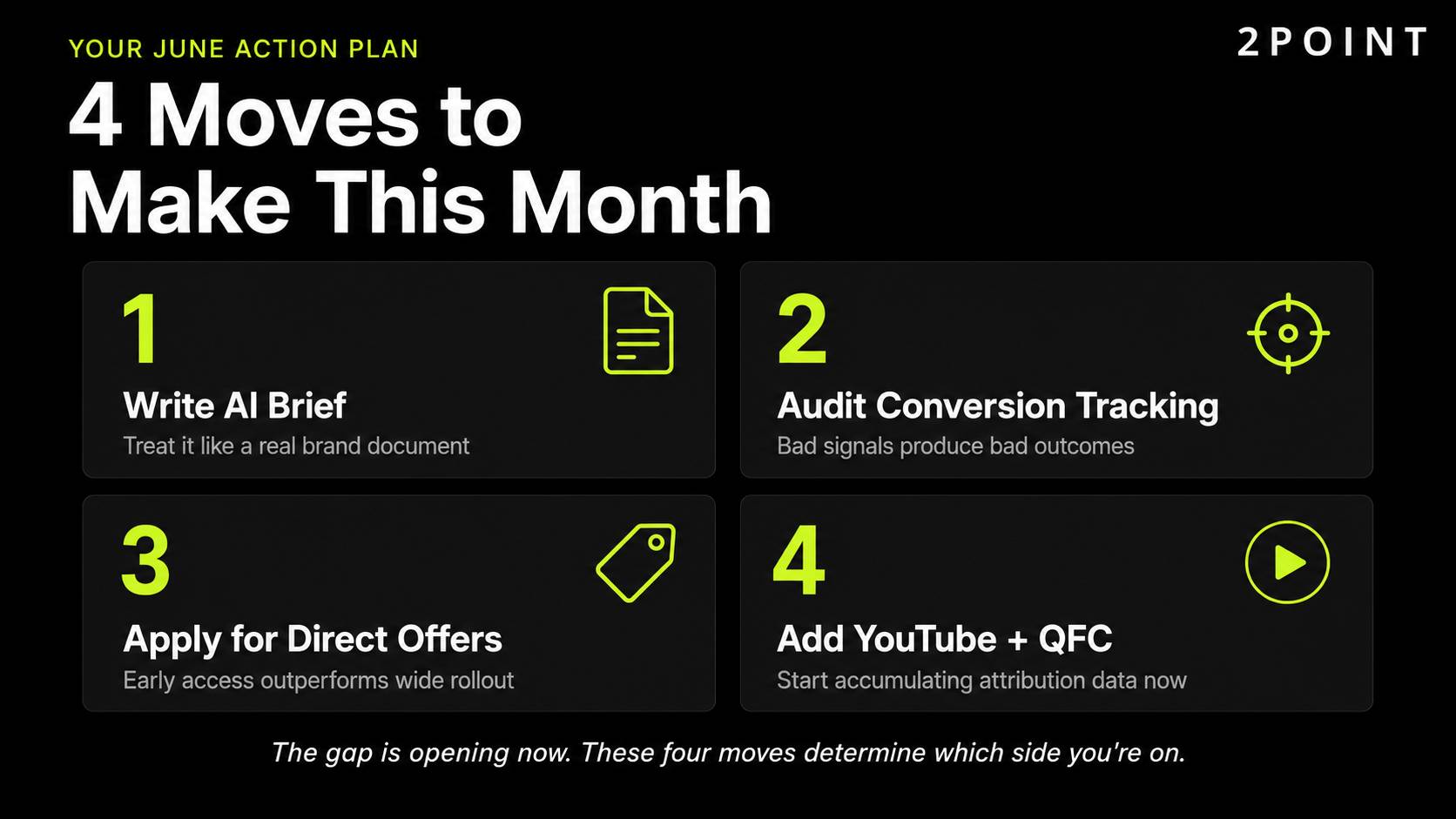
- Write AI Brief like it is a real brand document
Tone, messaging rules, restricted language, priority audiences. Vague inputs produce vague ads at scale. - Audit your conversion tracking before AI Max scales
Smart bidding optimizes toward the signals you give it. Bad signals produce bad outcomes regardless of budget. - Apply for Direct Offers if you are a U.S. advertiser with an eligible product catalog
Early access to new Google formats consistently outperforms the same formats after wide rollout. - Add YouTube to at least one campaign and configure Qualified Future Conversions
You need the attribution data accumulating now before you can make decisions with it later.
Advertisers who understand what Google's AI needs from them are widening a gap right now that will be very difficult to close in 12 months.
AI Max, AI Brief, Direct Offers, and Universal Cart are not features to monitor from a distance.
Build your campaigns for where the platform is today.
Are your Google campaigns structured for where the platform is heading?
If you are not sure, that is worth a conversation.
