FOLLOW US

Last update: Sep 25, 2025 Reading time: 9 Minutes
Last quarter, a B2B software team noticed something off. Traffic held steady while demo requests slipped. A small layout change made pages jump around, the Q&A box vanished, and Google’s AI summaries started quoting a competitor instead. Sales felt it first.
An SEO agency stepped in and listened. Pages were reorganized to match the questions buyers actually ask, the jumpiness was fixed, and the Q&A section returned with clear sources as well.
So, what is an SEO agency exactly, and why does having one matter in 2025?
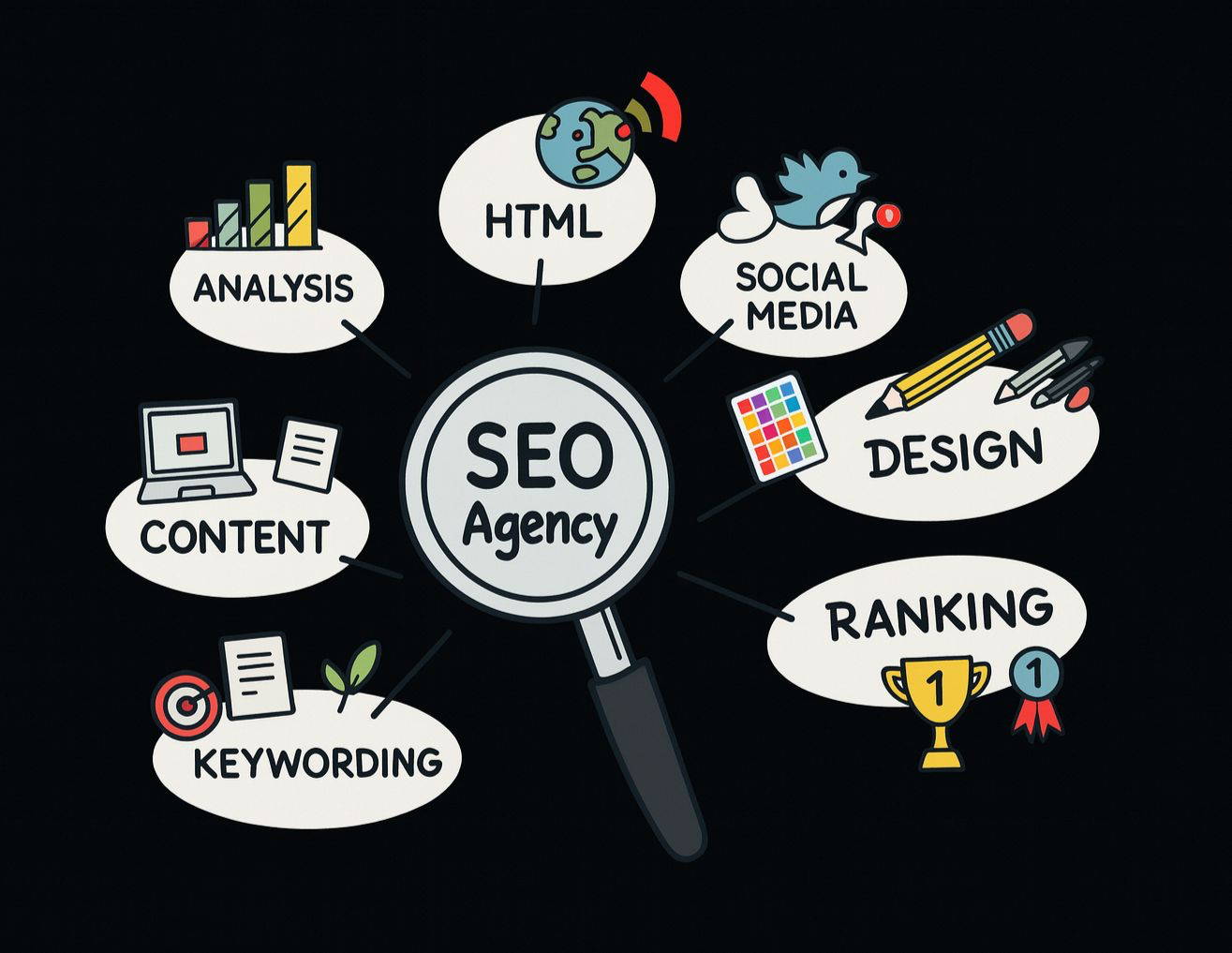
SEO agencies grow organic visibility by combining strategy, on-page structure, technical reliability, content, digital PR, and local signals, then tying the work to qualified traffic and revenue.
In 2025, you need a partner that connects strategy to delivery and proves impact in plain numbers. Let’s learn more about how an SEO agency like 2POINT can help your business.
An SEO agency improves search visibility and turns attention into measurable outcomes.
Agencies like these help businesses align on-page SEO, technical standards, Experience, Expertise, Authoritativeness, and Trustworthiness (E-E-A-T) signals, and credible promotion so pages answer real queries cleanly and earn trust.
That playbook carries into AI Overviews, where concise, cited answers surface when pages lead with a plain-language definition, clean H2/H3s, and up-to-date facts. Schema and responsive performance strengthen the foundation.
How an agency differs in practice comes down to scale, specialization, and accountability:
| Aspect | Agency Strength | Why it matters |
| Integrated expertise | Strategy leads, technical specialists, editors, and digital PR collaborate on one roadmap tied to outcomes. | Coordinated work removes gaps between audits, on-page SEO changes, and promotion, which accelerates impact on qualified traffic and conversions. |
| Elastic capacity | Teams expand or contract sprints to match seasonality, launches, or migrations without hiring delays. | Work happens when it matters most, so gains are captured during peak demand instead of slipping to later quarters. |
| Tooling and process | Premium crawlers, performance monitors, entity analysis, and QA workflows run on repeatable playbooks. | Faster feedback loops surface issues early, and entity-rich content lands with cleaner internal links, schema, and clearer E-E-A-T cues. |
| Accountability | Dashboards track visibility, user signals, leads, and assisted revenue against a shared plan. | Leadership sees what moves KPIs, which answers the practical question, What do SEO agencies do that advances pipeline and ROI. |
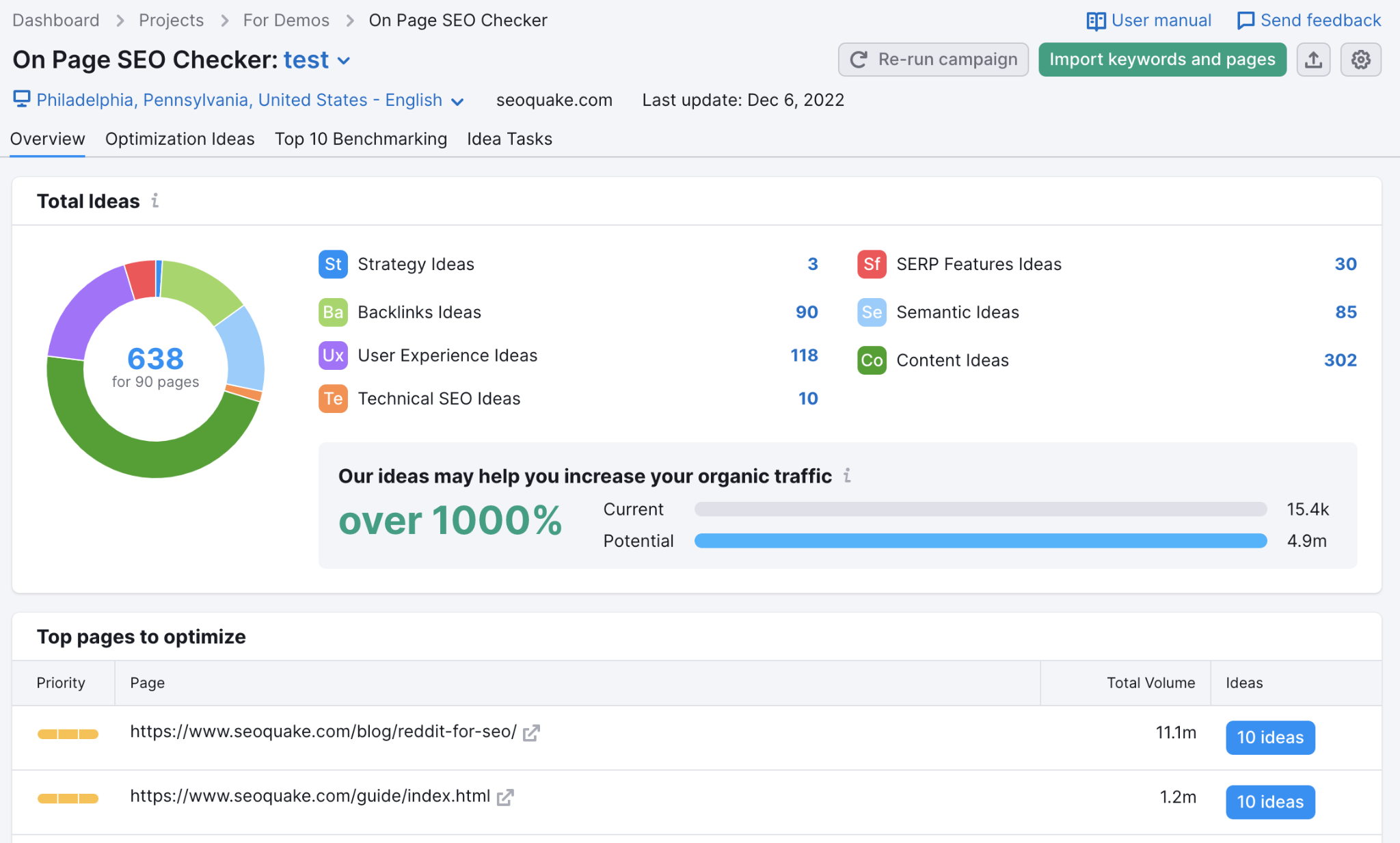
You hire an SEO agency to plan, execute, and measure growth. Strategy turns into sprints, sprints into fixes and content, fixes into revenue. The work clusters into three tracks that reinforce each other.
An SEO agency lays the foundation. The team clarifies titles, headings, internal links, and FAQs so pages answer queries cleanly, and search intent is unmistakable.
On the technical side, the agency improves speed, responsiveness, and crawl efficiency, then adds structured data to explain purpose and entities. AI-assisted audits run routinely to catch regressions early.
For measurable impact, the agency links work to Core Web Vitals and conversions and reports what moved and why.
Once the technical base is solid, a good SEO agency turns to the story your content tells, and how fast a skimmer can learn, trust, and act.
It starts with intent modeling. The team defines the job to be done, maps a topic cluster to each decision step, and uses entity-rich language that names products, standards, places, and tools.
That puts each page inside a clear topic graph, which shortens the time to answer and reduces pogo-sticking.
Content stays current. Facts, examples, and dates get refreshed, then an updated timestamp appears after meaningful edits. Visible authorship, clear reviewer bios, and other E-E-A-T cues signal credibility to users and crawlers.
To sustain those signals at scale, AI handles first-pass work while people make sure standards are being kept. Models sketch outlines and flag gaps, while editors confirm details, smooth tone, and align each page to objectives.
For structure that lifts clean summaries and headings, work with the LLM optimization playbook.
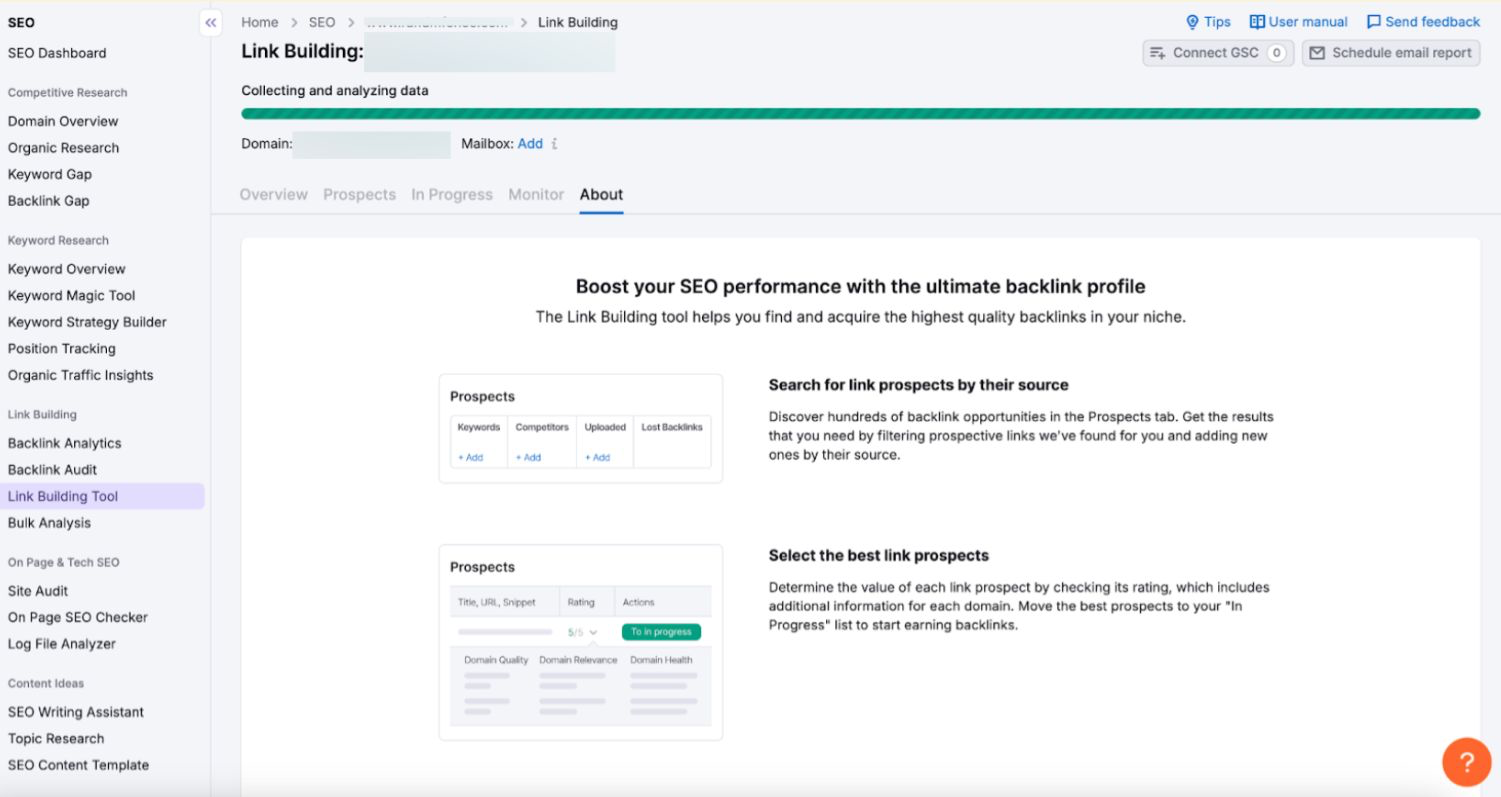
With content and technical work in place, an SEO agency turns authority into outcomes while keeping work useful, credible, and easy to verify.
Expert teams, faster execution, and reliable reporting turn visibility into a pipeline. Here is how that value shows up in day-to-day work:
| Benefit | What it looks like | Why it matters |
| Access to expertise and tools | Specialists handle on-page SEO, technical audits, content editing, digital PR, and analytics with premium crawlers and dashboards | Coordinated work reduces rework, speeds fixes, and raises content quality |
| Time savings | Clear sprint plans, repeatable briefs, and proactive QA so your team focuses on product and sales. | Less context switching, faster cycles, and fewer blocked launches |
| Scalability | Capacity flexes with seasonality, site migrations, and campaigns without hiring delays | Work lands when demand peaks, so gains translate into leads and revenue |
Choose with intent. The right partner makes SEO services feel organized and accountable, while the wrong one drains time.
Anchor choices to measurement and fit. Here are clear pointers that can help you choose the right agency for your business:
If answers stay vague or heavy on slogans, keep looking. Strong partners share plain language, reproducible playbooks, and references you can call.
Beware of guaranteed rankings. Markets move, competitors react, and algorithms shift. No credible partner can promise positions on a schedule.
Watch for outdated tactics. Keyword stuffing, doorway pages, and automated link blasts create short spikes, then long-term risk. They dilute relevance and invite manual reviews.
Demand transparent reporting. You should see the plan, the work shipped, and the impact on qualified traffic and conversions.
If you cannot link effort to outcomes, pause the spend and reset the plan. Real SEO shows cause and effect.
An SEO agency defines the strategy, executes the optimization, and measures the results. That is the job. Clear plan. Clean delivery. Honest reporting.
Choose a partner with real case studies, current practice, and AI-aware workflows that speed research while people keep standards tight.
You should know what will ship, when it lands, and how success will be measured as well.
If you want a roadmap tied to outcomes, explore 2POINT’s SEO services or see our SEO guide
An SEO agency plans, executes, and measures strategies that earn qualified traffic. It starts with discovery. Then it prioritizes fixes and content that align with demand. On-page SEO clarifies structure, internal links, and summaries so pages answer intent cleanly.
Technical work improves speed and stability. Content teams publish entity-rich guides with clear authorship. Because trust matters, E-E-A-T signals remain visible and current.
They ship work you can track. First, teams audit crawl health and performance.
Next, they refresh key pages, add structured data, and tighten internal links. Editors publish new pieces and FAQs. Digital PR earns coverage.
Local SEO maintains listings, reviews, and NAP consistency so nearby buyers can find you.
Throughout, analysts watch query shifts, Core Web Vitals, and conversions. Then they adjust sprints. The goal is steady improvement, not one-off wins. You get momentum that compounds.
Begin with outcomes. Ask for three examples in your category, the actions taken, and the business results.
Then inspect the process. How do audits become briefs, on-page changes, and PR? Because accuracy builds trust, confirm visible authorship, clear citations, and ongoing updates that reflect E-E-A-T.
Finally, check the measurement. You should see KPIs that leaders use, a reporting cadence you can plan around, and access to the same data. If answers feel vague, keep looking.
Timelines depend on competition, site health, and resources. Foundation comes first.
On-page SEO and technical fixes often lift early signals such as index coverage and interaction metrics. Content and digital PR build mid-term gains as pages start winning more queries.
Local improvements can move faster in service areas with clear demand. Expect leading indicators in weeks. Expect material growth over the months. Sustained effort turns small wins into durable traffic and conversions.
Scope differs. A digital marketing agency runs paid ads, email, and social, and most also offer SEO as part of the mix. An SEO agency focuses on organic visibility only. It specializes in audits, content strategy, technical reliability, and authority building. That focus matters.
Expect sharper briefs, tighter feedback loops, and SEO work mapped directly to growth. Both models can work. Choose the option that fits your goals, team capacity, and timeline.


Jon Dubensky has built 2POINT from the ground up, and along the way he has developed a set of convictions about business, leadership, and marketing that cut against a lot of the noise.
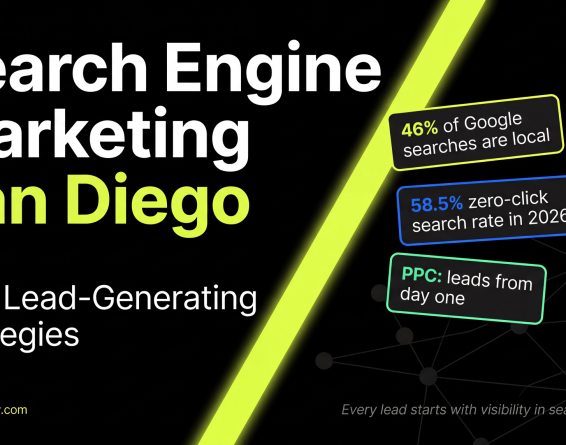
Every lead your San Diego business generates starts with visibility in search results. Without it, competitors capture the demand you should be converting.
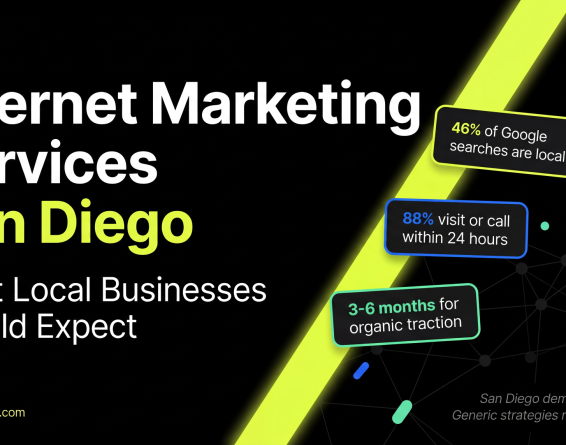
Search for San Diego internet marketing services and you'll find dozens of agencies claiming to grow your business. Some promise page-one rankings in 30 days. Others pitch packages with no tie to revenue.

© 2POINT, INC 2026
(c) 2POINT, INC 2026

 let’s connect



