

 let’s connect


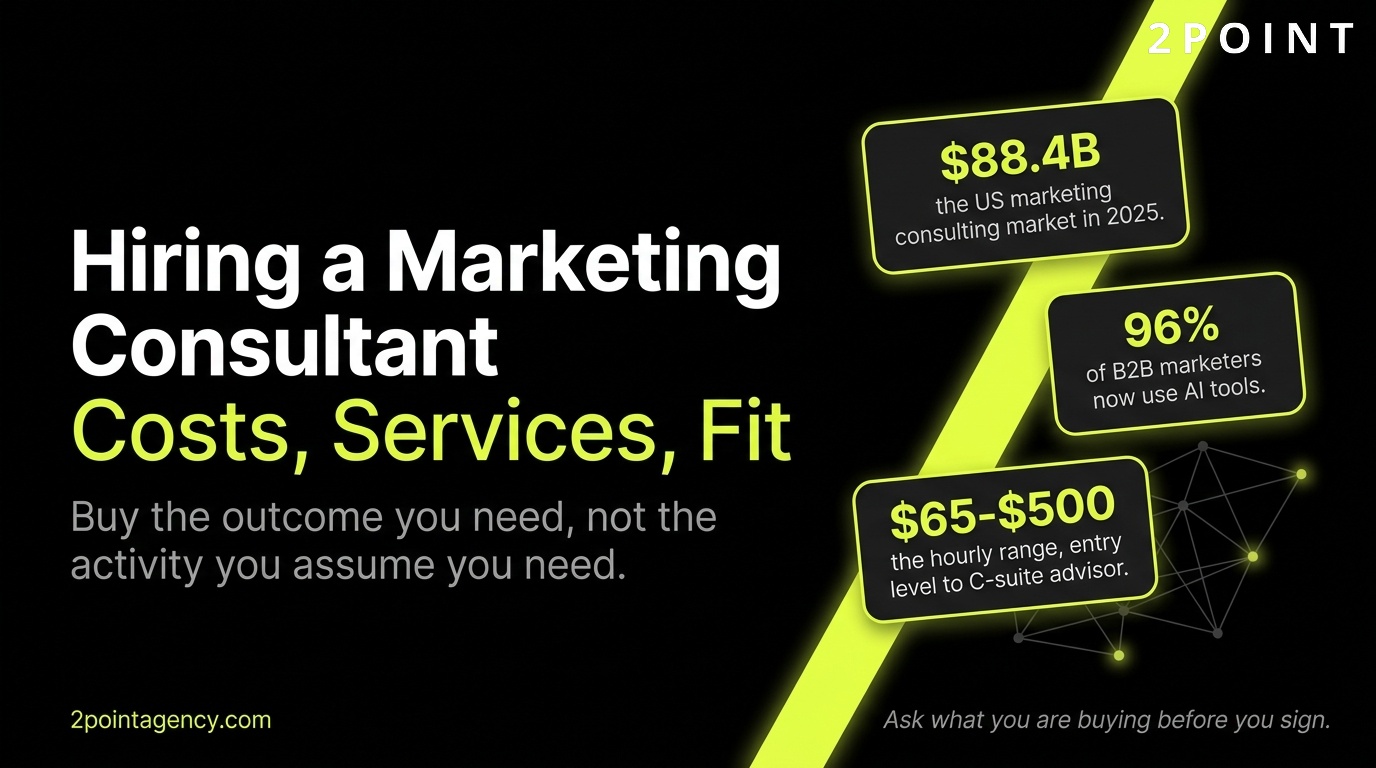
- A marketing consultant is a strategic advisor who helps businesses develop marketing objectives, growth strategies, and measurable campaigns.
- Hourly rates range from $65 to $500 per hour depending on experience and specialization.
- Monthly retainers typically run $3,000 to $15,000, while project fees range from $2,000 to $50,000 or more.
- The US marketing consulting market reached $88.4 billion in 2025, reflecting strong and sustained demand.
- Top reasons to hire a consultant include digital transformation, AI integration, market entry, and filling specialized skill gaps.
- Businesses benefit most during growth phases, rebranding, new product launches, or when in-house teams lack strategic depth.
- Freelance consultants, consulting firms, and fractional CMOs each offer distinct advantages depending on your budget and scope.
- AI expertise is now a baseline expectation: 96% of B2B marketers use AI tools, and consultants must know how to deploy them.
The Marketing Consulting Industry in 2026: Market Size, Growth, and Future Outlook
Marketing consulting has evolved from a niche advisory service into one of the most robust segments of the global professional services economy. Businesses of every size are spending more than ever on outside expertise to navigate digital complexity, shifting consumer behavior, and an increasingly competitive landscape. Understanding the scale of this industry helps explain why finding the right marketing consultant has become both more important and more challenging.
Whether you are a startup founder trying to build brand awareness from scratch or a mid-market executive looking to sharpen your competitive positioning, the consulting market offers a wide range of specialists designed to meet your specific needs. The numbers behind this market tell a compelling story about where business priorities are heading.
Global Market Valuation and Growth Trajectory
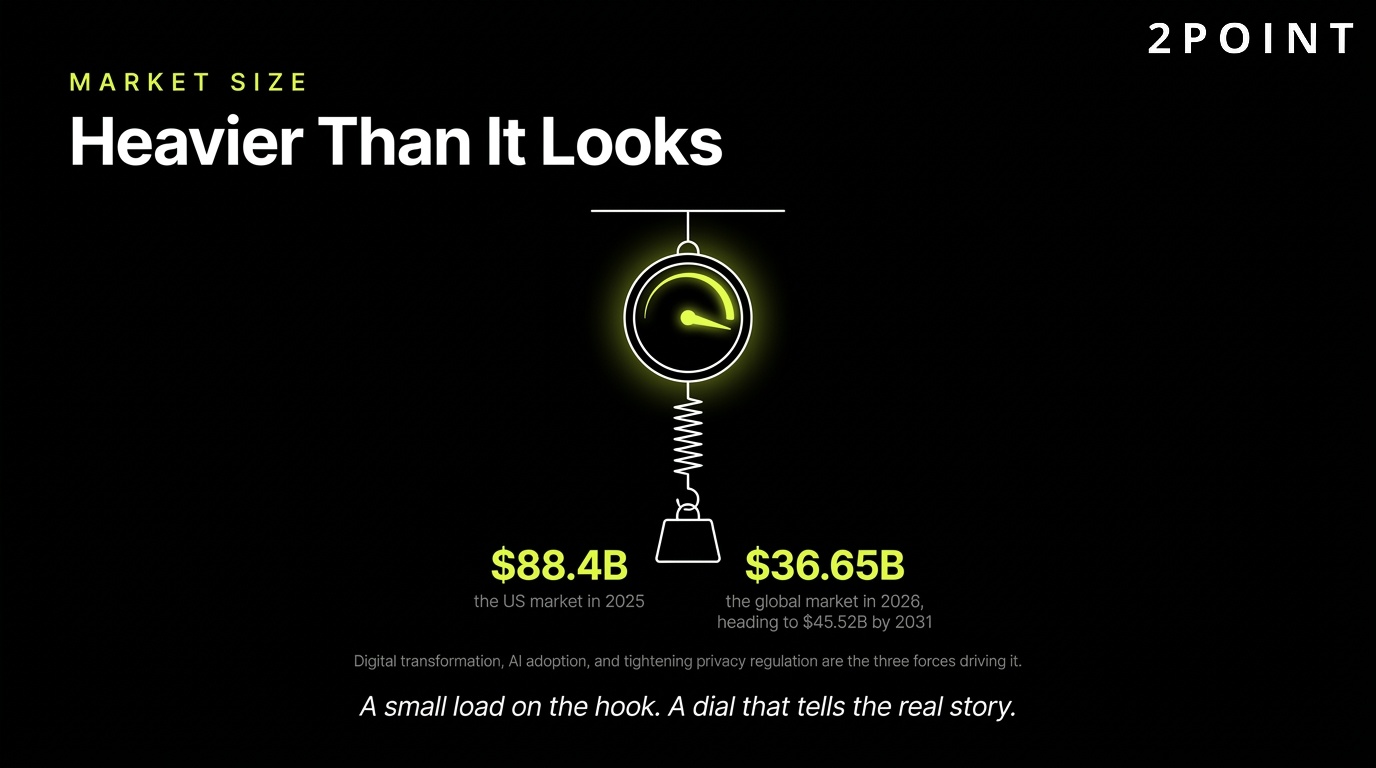
The global marketing consulting market is valued at USD 36.65 billion in 2026, with projections pointing toward USD 45.52 billion by 2031 at a compound annual growth rate of 4.42%. Some alternative methodologies place the figure closer to USD 27 billion, reflecting differences in how digital-native consulting services are categorized, but the directional trend is consistent across all credible sources: the industry is growing steadily and shows no signs of contraction.
In the United States alone, the market commands an impressive footprint. The US marketing consulting market reached $88.4 billion in 2025, growing at approximately 1.9% annually. This figure encompasses a broad range of service providers, from solo freelance marketing consultants to global strategy firms with thousands of employees.
Three primary forces are driving this sustained growth. First, digital transformation is accelerating across every sector, and most leadership teams lack the internal expertise to manage that transition without outside guidance. Second, AI adoption is creating both opportunity and uncertainty, and companies are paying premium rates for consultants who can translate emerging tools into practical business outcomes. Third, tightening privacy regulations are forcing organizations to rethink their data strategies from the ground up, a complex challenge that typically requires specialized consulting support.
Regional Distribution and High-Growth Markets
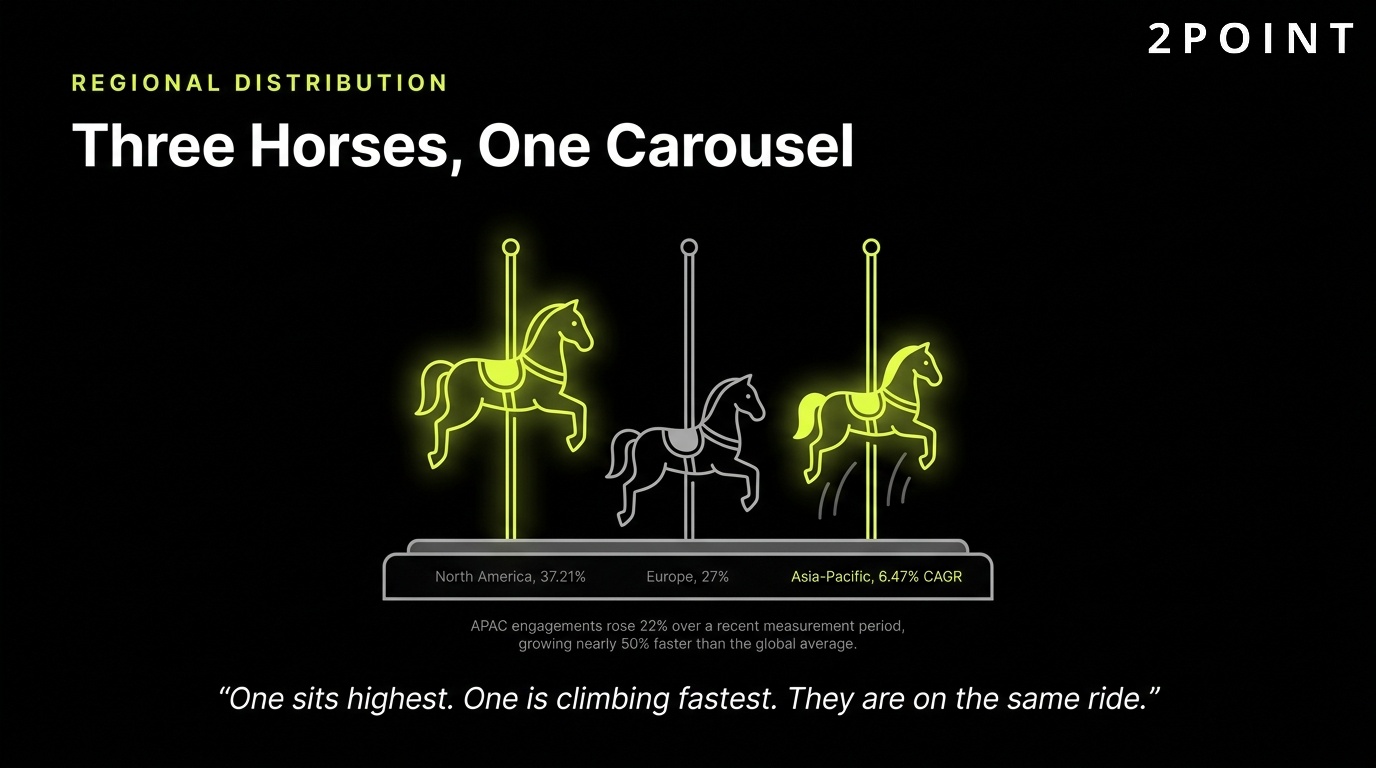
Marketing consulting demand is distributed unevenly across global regions, with North America maintaining a commanding lead. North America accounted for 37.21% of global marketing consulting revenue in 2025, driven by high corporate spending, mature digital infrastructure, and a deeply embedded consulting culture. Europe holds a stable 27% share, supported by large enterprise clients across the UK, Germany, France, and the Nordics.
The most exciting growth story belongs to Asia-Pacific. The APAC region is growing at 6.47% CAGR through 2031, nearly 50% faster than the global average. A rapidly expanding middle class, aggressive digital infrastructure investment from governments and private sectors alike, and the rise of homegrown technology platforms are combining to create enormous demand for both local and international marketing expertise. North America holds a 38% adoption share, Europe 27%, and APAC has seen a 22% increase in consulting engagements over a recent measurement period.
For businesses evaluating marketing consultants, regional dynamics matter. A consultant with deep APAC market knowledge commands different value than one specializing in North American enterprise sales. Matching consultant expertise to the geographic scope of your marketing challenge is a foundational hiring criterion that many businesses overlook.
Workforce Size and Employment Patterns
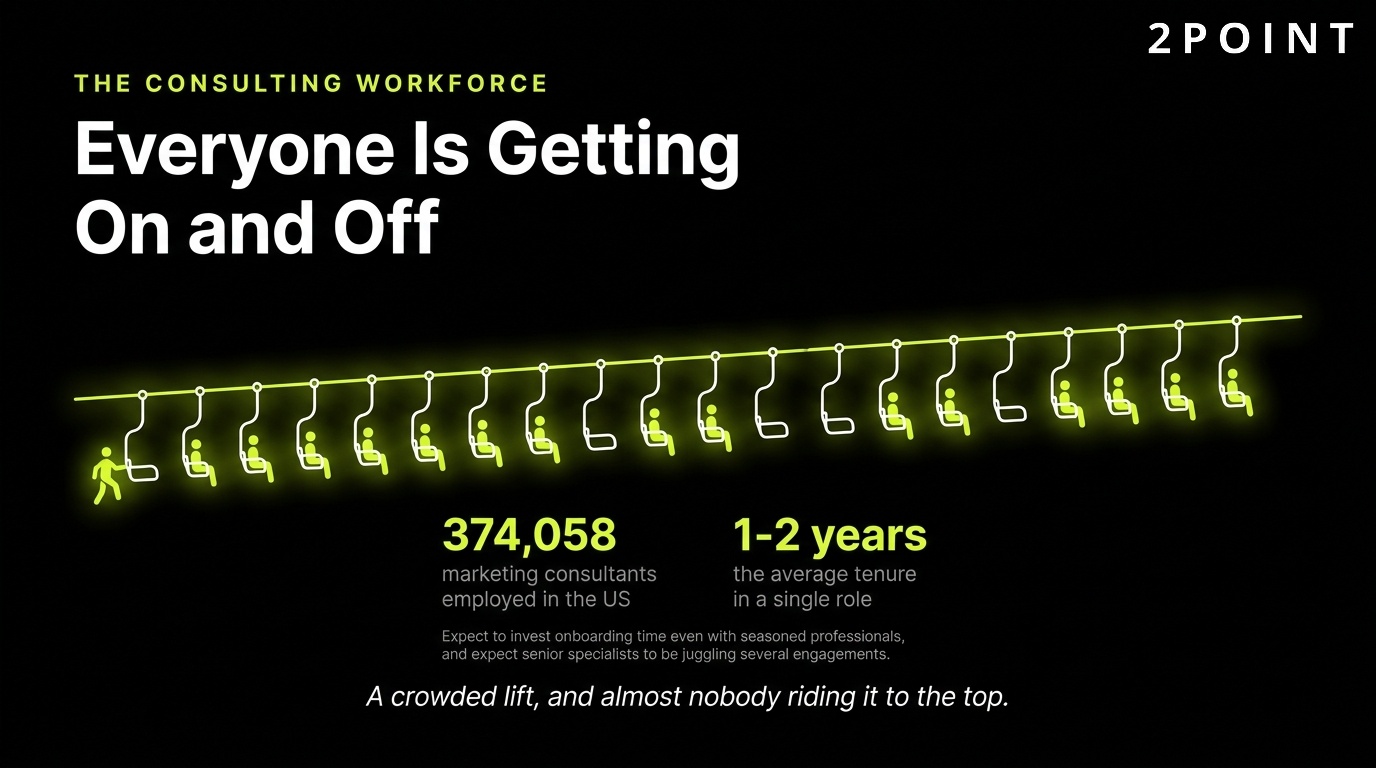
The marketing consulting workforce in the United States is substantial. There are approximately 374,058 marketing consultants currently employed in the US, making it one of the larger professional service workforces in the country. This figure includes those working at agencies, embedded within consulting firms, and operating as independent freelance marketing consultants.
One characteristic that shapes this workforce profoundly is tenure. The average marketing consultant stays in a role for just one to two years, a reflection of the project-driven, outcome-oriented nature of consulting work. This high mobility means that experienced talent frequently moves between engagements, and businesses hiring consultants should expect to invest time in onboarding even seasoned professionals.
From a hiring standpoint, this creates a competitive talent market. The most experienced consultants, particularly those with AI fluency or deep industry specialization, often have multiple engagements in progress simultaneously. Job outlook data projects that marketing consultant roles will grow faster than the average occupation over the next decade, which means demand will continue to outpace supply at the senior end of the market. Businesses that wait too long to engage quality consultants often find themselves competing for attention with larger, better-resourced clients.
Service Segmentation: What Clients Actually Buy
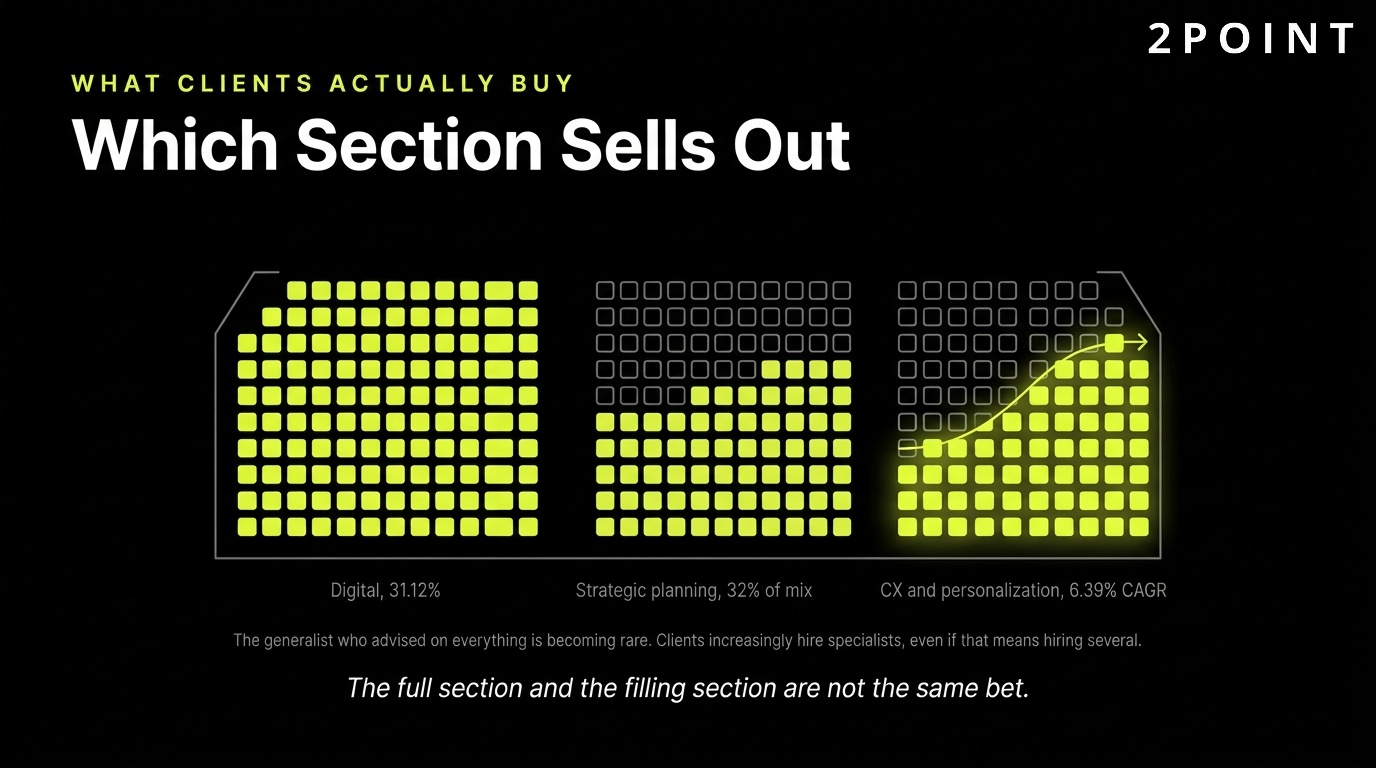
Not all marketing consulting engagements are created equal. The market has segmented significantly over the past decade, with clear leaders in terms of what clients are actually purchasing. Digital marketing consulting holds the largest service segment at 31.12% market share, reflecting how thoroughly the profession has shifted toward digital channels, platforms, and measurement frameworks.
Customer experience and personalization consulting is the fastest-growing segment, expanding at a 6.39% CAGR as of 2026. Clients are investing heavily in understanding their customers at a granular level and delivering experiences that feel tailored rather than generic. Looking at the broader service distribution, 55% of consulting engagements are service-based delivery, 32% focus on strategic planning, and 28% center on digital transformation initiatives.
This breakdown reflects a broader shift in the industry. The generalist marketing consultant who could credibly advise on everything from trade show planning to digital advertising is becoming rarer. Clients are increasingly seeking specialists who bring proven frameworks and deep expertise in a specific domain, even if that means hiring multiple consultants to cover different aspects of a comprehensive marketing program.
How Much Does a Marketing Consultant Cost? Complete 2026 Pricing Breakdown
Pricing is often the first question business owners ask when considering a marketing consultant, and for good reason. Marketing consulting spans an enormous range of price points, from accessible freelance engagements to premium C-suite advisory arrangements that cost more than a full-time executive salary. Understanding the variables that drive cost helps you budget accurately and evaluate proposals with confidence.
The three primary pricing structures you will encounter are hourly rates, monthly retainers, and project-based fees. Each serves a different type of engagement, and the right choice depends on your goals, timeline, and internal capabilities.
Hourly Rate Ranges by Experience Level
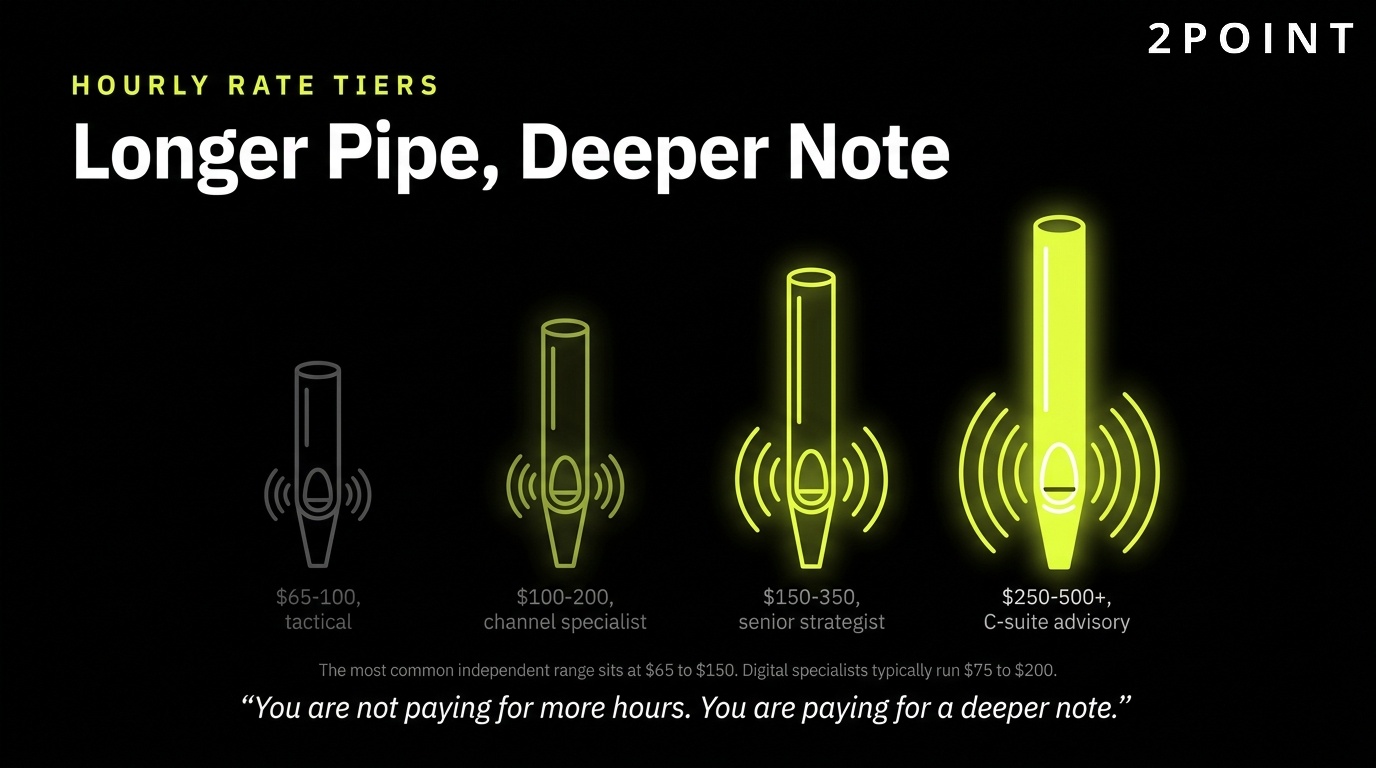
Hourly billing remains common for advisory engagements, strategy sessions, and situations where the scope is difficult to define in advance. Rates vary dramatically based on the consultant's experience, specialization, and the complexity of the work being requested.
| Marketing Consultant Experience Level | Typical Hourly Rate Range | Best Suited For |
|---|---|---|
| Entry-Level / Junior Consultant | $65 to $100/hour | Tactical execution, content support, research |
| Mid-Level Specialist | $100 to $200/hour | Channel-specific campaigns, SEO, paid media |
| Senior Strategist | $150 to $350/hour | Brand strategy, market positioning, lead generation |
| C-Suite Advisor / Industry Expert | $250 to $500+/hour | Executive advisory, organizational transformation |
Senior consultants who command the highest rates typically justify their fees through a combination of demonstrated track record, deep industry knowledge, and their ability to connect strategic decisions to measurable business outcomes rather than just marketing activity.
The most common range for independent marketing consultants sits between $65 and $150 per hour. Independent advisors with substantial experience typically charge $75 to $250 per hour, while senior consultants with proven executive-level results command $150 to $500 per hour. Digital marketing specialists specifically tend to range from $75 to $200 per hour, depending on their platform expertise and campaign management experience.
Monthly Retainer Models and What They Include
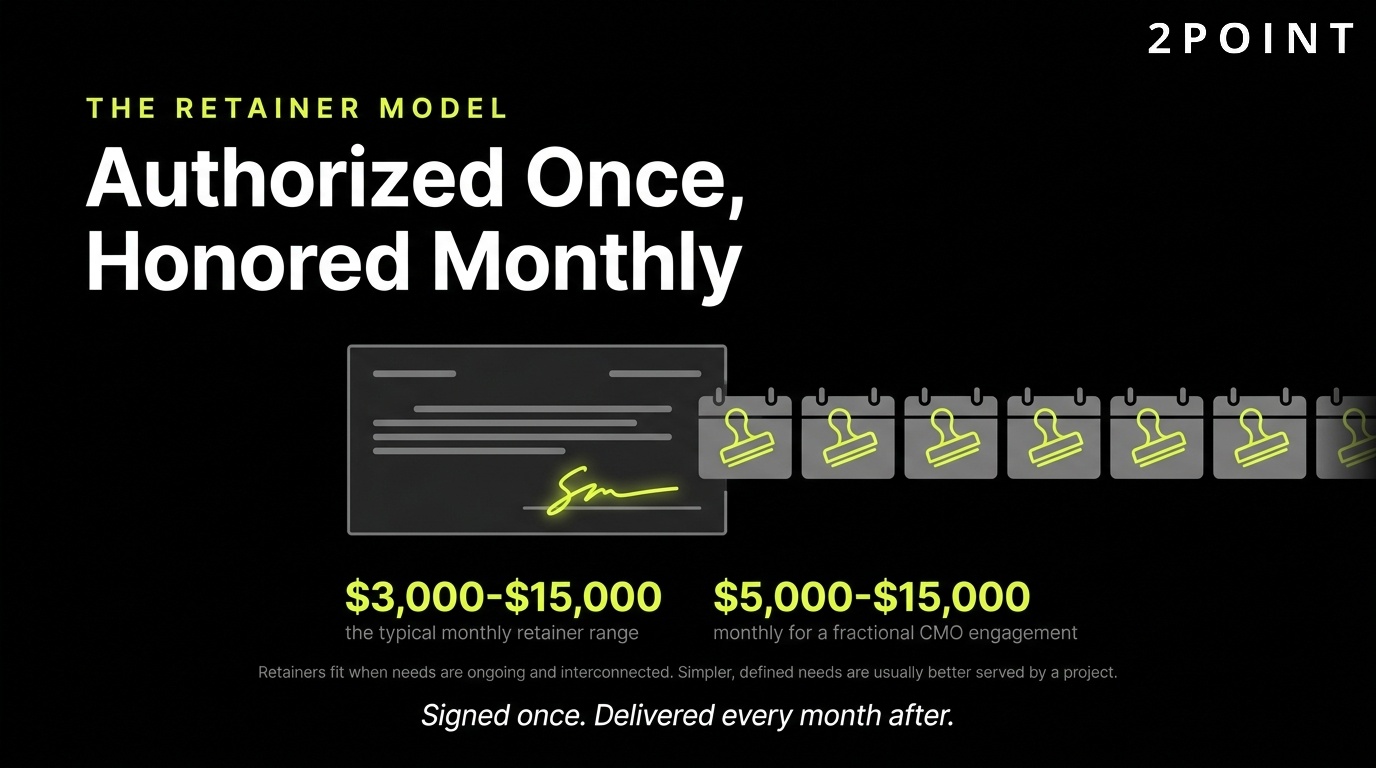
Retainer arrangements are the preferred model for businesses that need ongoing strategic guidance rather than a one-time deliverable. Under a retainer agreement, a marketing consultant commits a defined number of hours or delivers a specific set of outputs each month in exchange for a predictable monthly fee.
Monthly retainers for marketing consultants typically range from $3,000 to $15,000. At the lower end, you might expect a part-time strategic advisor providing monthly planning sessions, campaign reviews, and guidance to an internal team. At the upper end, retainers often include hands-on leadership of marketing operations, team management, and comprehensive reporting.
Fractional CMO engagements represent a specific and increasingly popular form of retainer. A fractional CMO functions as a part-time Chief Marketing Officer, providing C-level strategic leadership without the cost of a full-time executive hire. Fractional CMO services typically cost between $5,000 and $15,000 per month, making them an attractive option for growth-stage companies that need senior marketing leadership but cannot yet justify a full-time CMO salary and benefits package.
Retainers make the most sense when your marketing needs are ongoing and interconnected, when you are navigating a sustained growth phase, or when your leadership team lacks the marketing expertise to independently prioritize and execute a complex strategy. For businesses with simpler, more defined needs, project-based pricing often offers better value.
Project-Based Pricing for Specific Deliverables
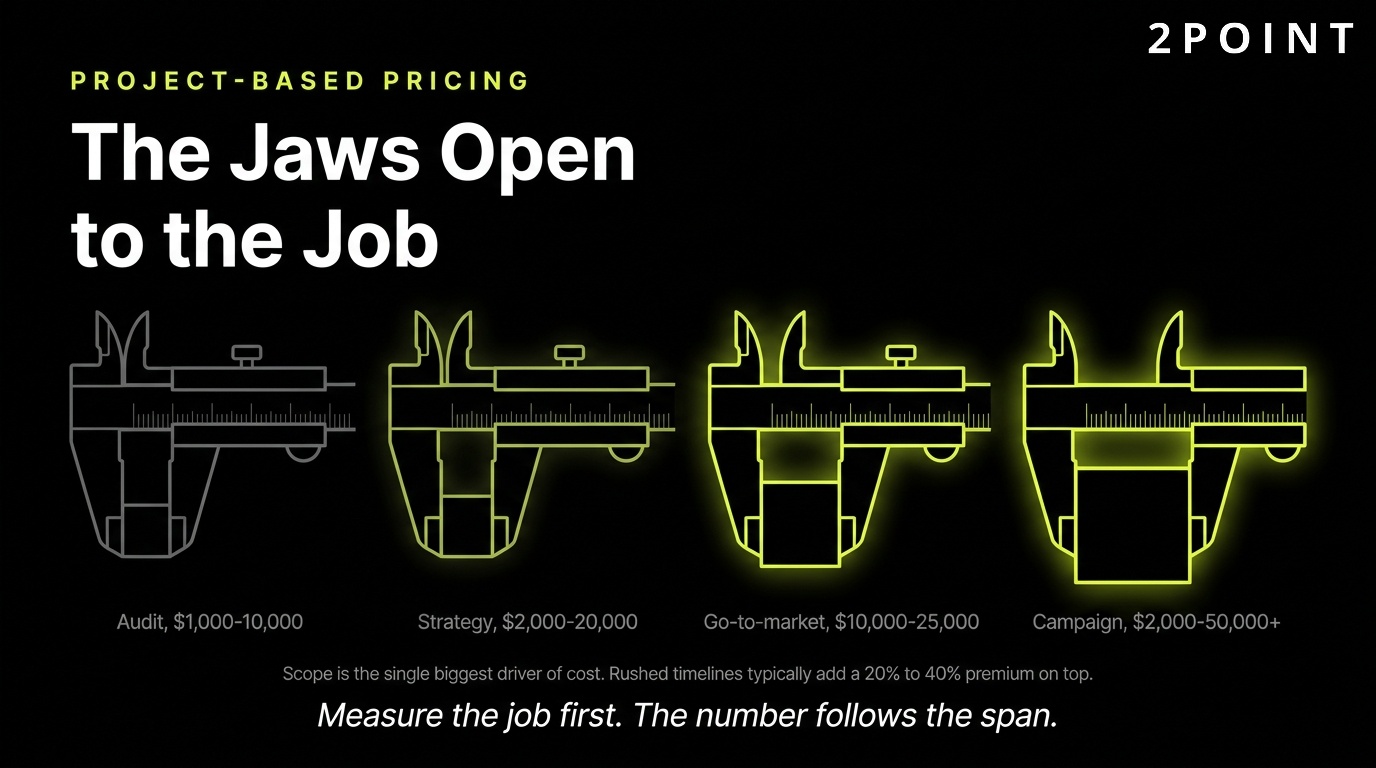
Project-based fees are negotiated upfront and tied to specific deliverables rather than time spent. This model appeals to clients who want cost certainty and consultants who want to be compensated for the value of their output rather than the hours invested.
| Marketing Consulting Project Type | Typical Price Range | Key Deliverables |
|---|---|---|
| Marketing Audit | $1,000 to $10,000 | Channel analysis, gap identification, recommendations |
| Comprehensive Marketing Strategy | $2,000 to $20,000 | Target audience, positioning, channel mix, KPIs |
| Go-to-Market Strategy (Startup) | $10,000 to $25,000 | Launch plan, messaging, distribution, metrics |
| Campaign Development and Execution | $2,000 to $50,000+ | Creative brief, media plan, production, reporting |
Project scope is the single biggest driver of cost variation. A small business needing a basic brand audit will pay very differently from a mid-market company launching into a new geographic region. Timeline pressure also affects pricing: rushed projects typically carry a premium of 20% to 40% above standard rates.
Marketing audits range from $1,000 to $10,000, while comprehensive marketing strategies typically cost between $2,000 and $20,000. Go-to-market strategies for startups or new product launches generally run $10,000 to $25,000, and full campaign development can range from $2,000 to more than $50,000 depending on the channels involved, the duration of the campaign, and the complexity of the creative requirements.
Specialized Premium Pricing: Industry and Niche Expertise
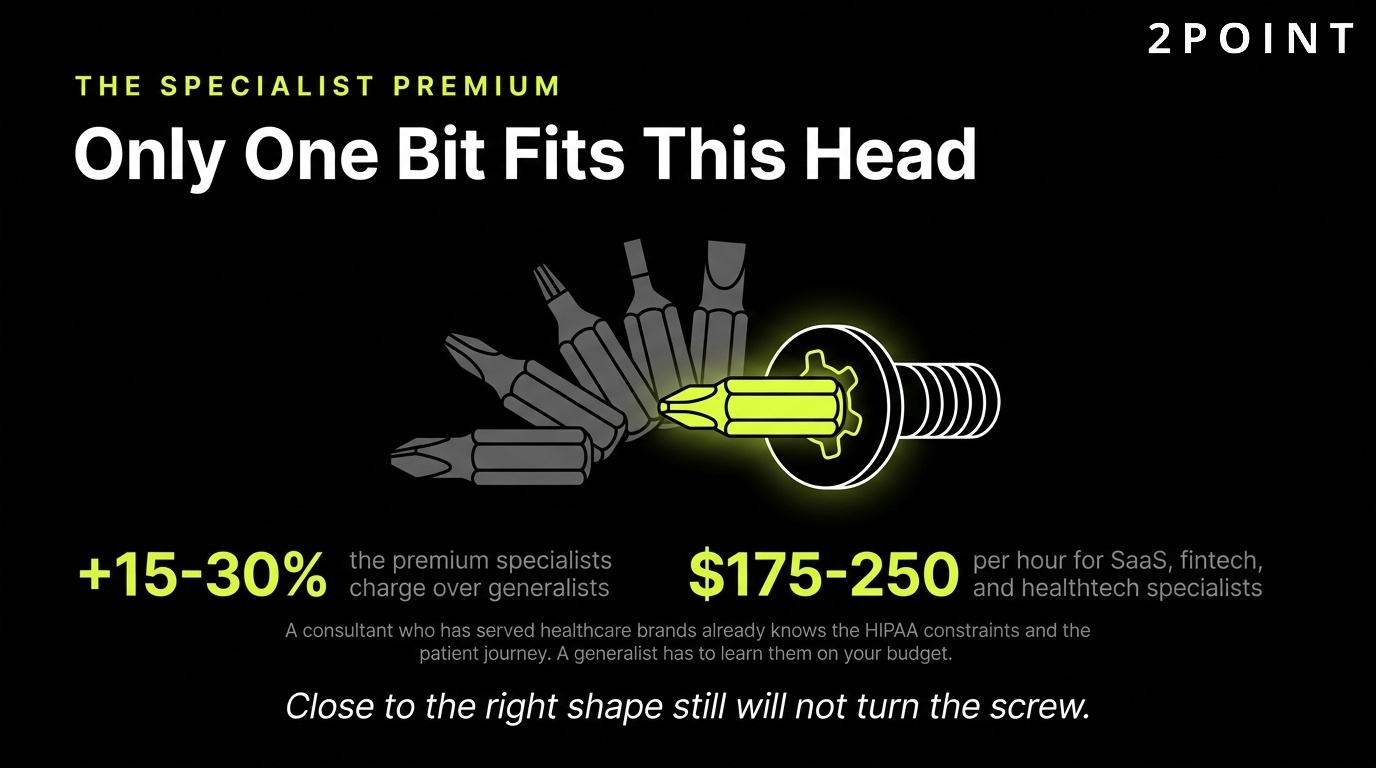
One of the most consistent patterns in marketing consulting pricing is the premium that industry specialists command over generalists. A consultant who has spent years serving healthcare brands understands HIPAA constraints, patient journey nuances, and healthcare marketing regulations in ways that a generalist simply cannot replicate without significant ramp-up time.
Industry specialists typically charge 15% to 30% more than generalists at the same experience level. The sectors commanding the highest rates reflect where marketing complexity is greatest: SaaS, fintech, and healthtech consultants commonly charge $175 to $250 per hour, reflecting both the technical sophistication required and the high stakes associated with customer acquisition in these categories.
Performance-based pricing models also exist, though they are less common. In these arrangements, a consultant takes a lower base fee in exchange for a percentage of the revenue or savings their work generates. Performance-based fees typically represent 10% to 15% of campaign earnings. These models work well when both parties can agree on clear attribution, but they are most common in direct-response marketing contexts where revenue is directly traceable to campaign activity.
AI Integration: How Artificial Intelligence Is Transforming Marketing Consulting in 2026
Artificial intelligence has moved from a marketing buzzword to a foundational operational requirement. In 2026, no credible marketing consultant can operate without a working understanding of AI tools, their applications, and their limitations. The consultants who have embraced this shift are delivering measurably better outcomes for their clients, while those who have not are finding themselves increasingly irrelevant in a market that rewards data-driven precision over intuition alone.
For businesses evaluating potential consultants, AI fluency has become a non-negotiable qualifier. The question is no longer whether a consultant uses AI tools but which specific applications they deploy, how they integrate them into strategic workflows, and how they maintain the human judgment that separates excellent outcomes from algorithmically adequate ones.
AI Adoption Rates and Budget Allocation
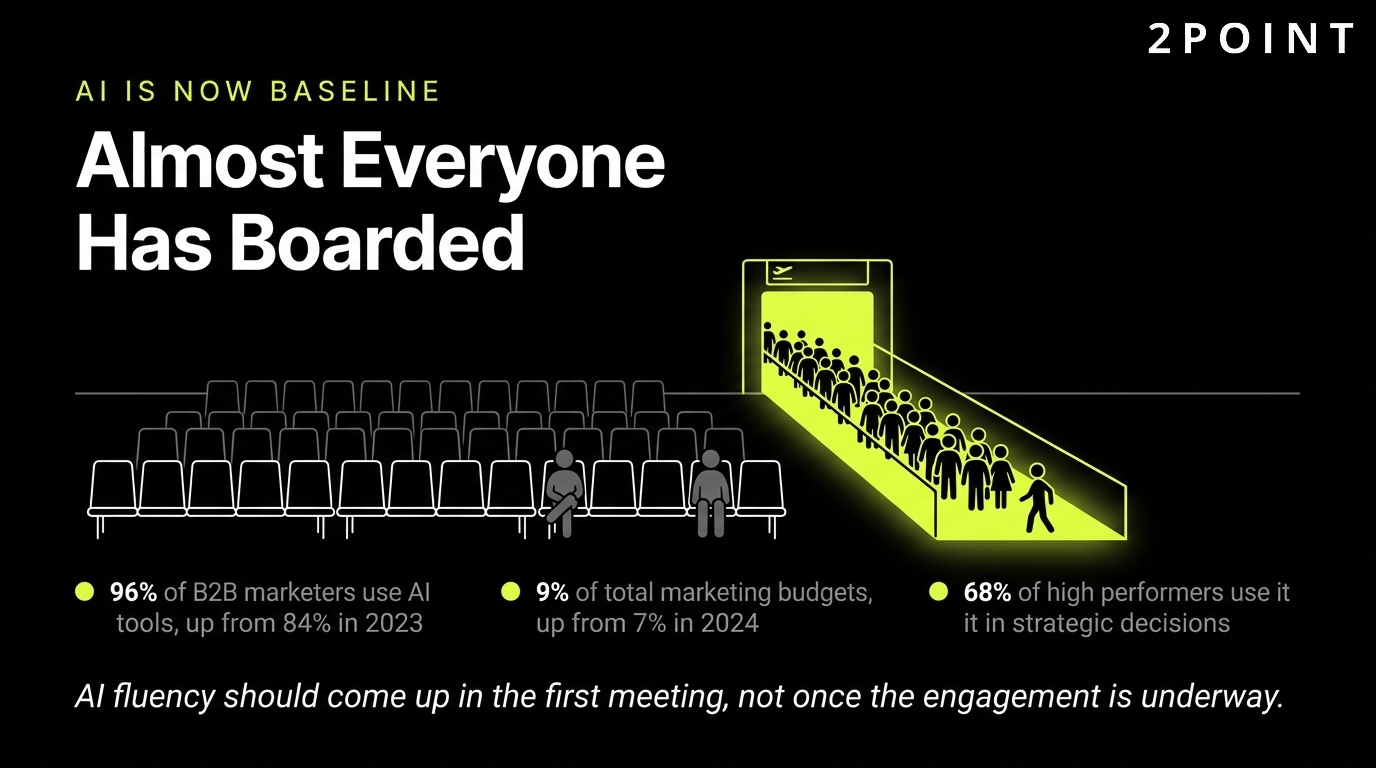
The adoption of AI tools among marketing professionals has reached near-universal levels at the practitioner tier. 96% of B2B marketers now use AI tools, a significant jump from 84% in 2023. This two-year shift represents one of the fastest technology adoption curves in the history of professional marketing.
Budget allocations are following adoption rates. AI spending now accounts for 9% of total marketing budgets in 2026, up from 7% in 2024. While that may sound modest, it represents a meaningful reallocation away from traditional spending categories and toward tools that promise both efficiency gains and competitive advantage. Among high-performing marketing teams, 68% have integrated AI into strategic decision-making processes, not just content production or media buying.
47% of B2B marketers cite AI as the top trend shaping their strategies. For companies hiring a digital marketing consultant or broader marketing strategy consultant in 2026, this means the conversation about AI should happen in the first meeting, not as an afterthought once the engagement is already underway.
Practical AI Applications Consultants Deliver
Understanding that AI matters is easy. Understanding specifically what a skilled marketing consultant can do with AI tools is where the real value becomes clear. The most impactful AI applications in current consulting practice fall into four primary categories: content strategy acceleration, personalization at scale, campaign optimization, and predictive analytics.
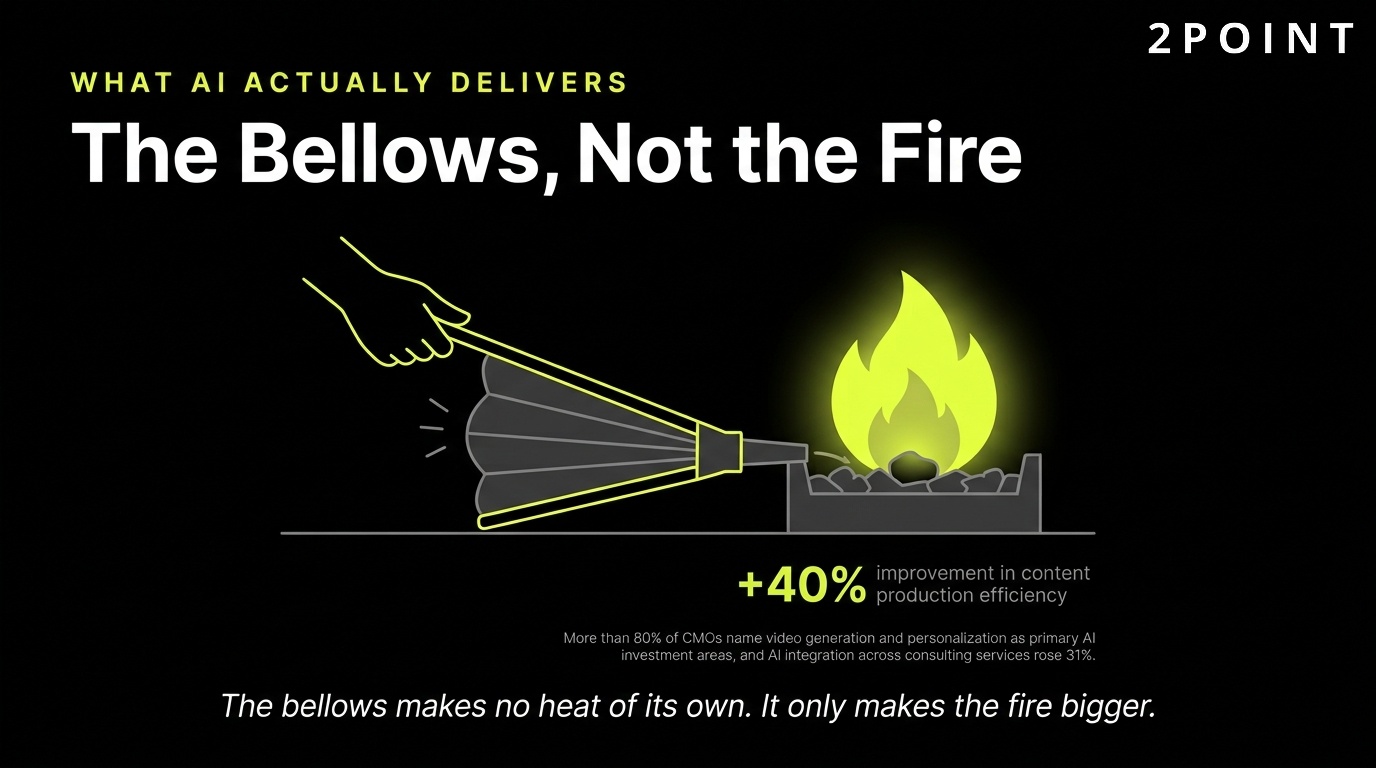
Generative AI for content strategy has produced a 40% improvement in content production efficiency for teams that deploy it thoughtfully. This does not mean AI is replacing strategic content thinking; it means consultants can test more messaging variants, produce more campaign assets, and iterate faster than was previously possible. The time savings are redirected toward analysis and refinement rather than raw production.
Video generation and advanced customer personalization have emerged as top priorities. More than 80% of CMOs identify video generation and personalization as primary AI investment areas. A skilled consultant can help businesses implement personalization engines that dynamically adjust messaging, offers, and creative based on behavioral signals, dramatically improving conversion rates without increasing media spend. AI integration across marketing consulting services has surged by 31% in recent measurement periods, confirming that this is not a niche capability but a mainstream expectation.
How AI Is Changing Marketing Consultant Pricing Models
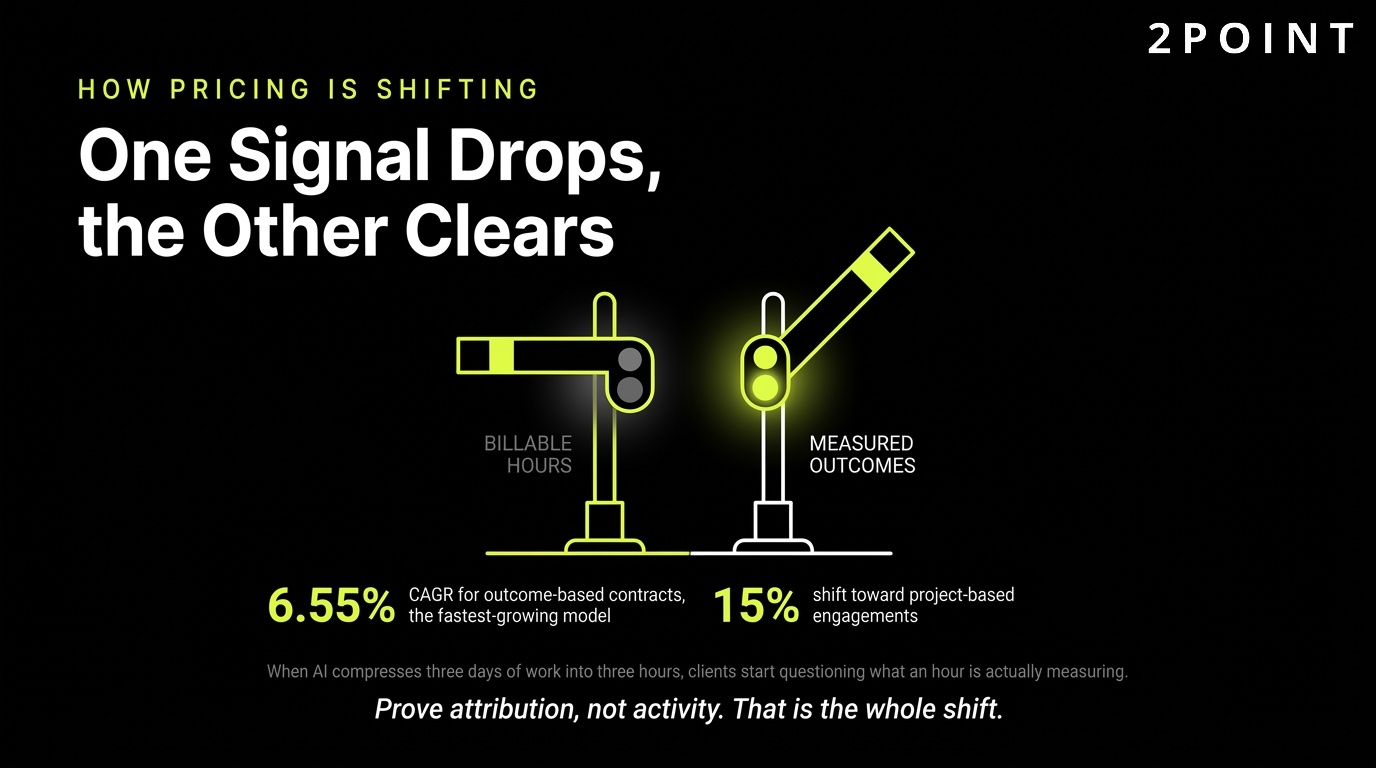
AI is not only changing what consultants do but how they are being paid. When AI tools can compress a task that once took three days into three hours, clients naturally begin questioning whether traditional hourly billing reflects the value being delivered. This tension is accelerating the shift toward outcome-based and project-based pricing across the industry.
Outcome-based consulting contracts are growing at a 6.55% CAGR, representing the fastest-growing pricing model segment in the industry. Clients are increasingly willing to pay more for guaranteed results than for billable hours, and consultants who can credibly commit to measurable outcomes are finding they can command higher total fees even as the time required to deliver shrinks. There has been a 15% shift toward project-based engagements, driven by clients who want cost certainty and clear deliverable definitions rather than open-ended hourly arrangements.
The consultants winning in this environment are those who can prove attribution, not just activity. Being able to demonstrate that a specific campaign drove a specific number of leads, at a specific cost per acquisition, which converted at a specific rate, is what separates premium consultants from average ones in 2026. AI-powered analytics platforms make this level of attribution more achievable than ever, and skilled consultants are using them to make the case for their own value with data rather than anecdotes.
The Human-AI Collaboration Advantage
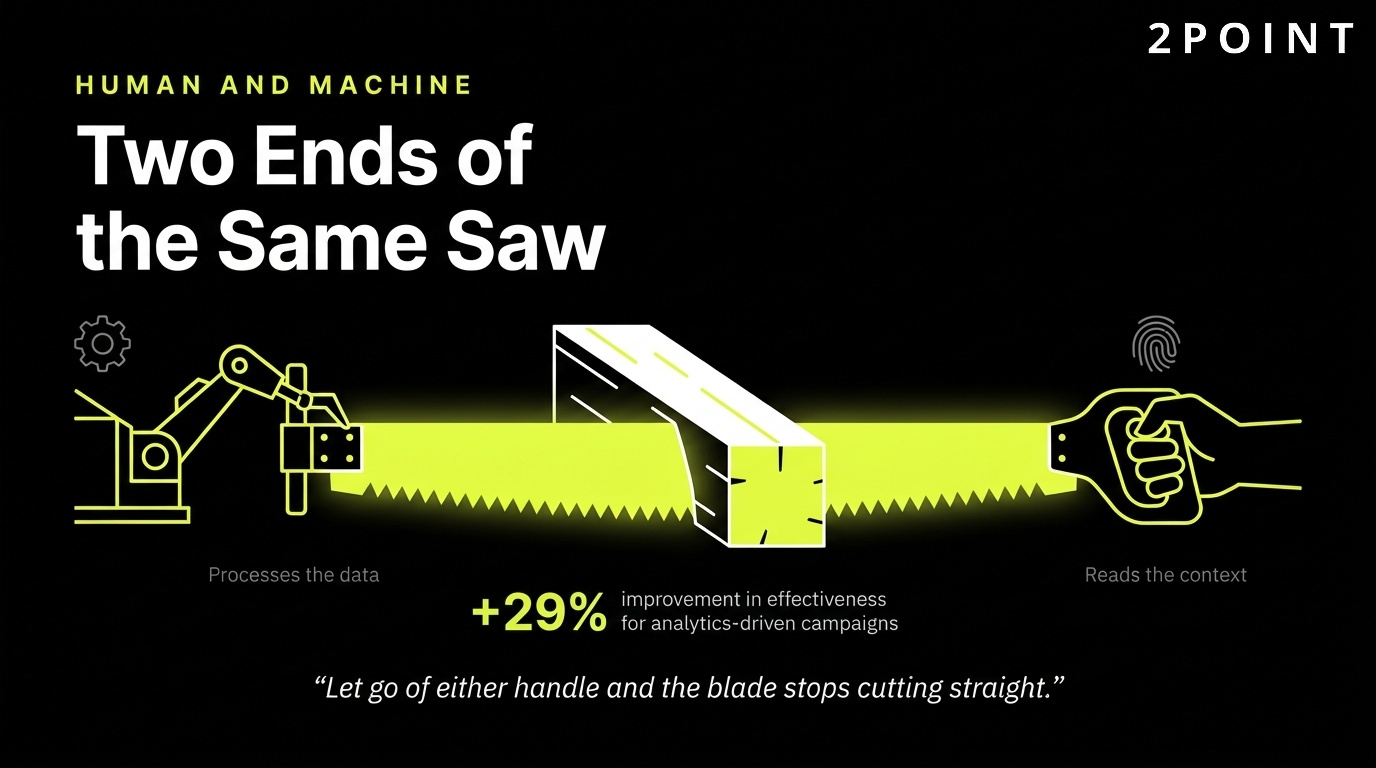
Despite the rapid advancement of AI capabilities, the most effective marketing consultants in 2026 are those who understand both the power and the limits of these tools. AI excels at data processing, pattern recognition across large datasets, content variant generation, and real-time campaign monitoring. What it cannot replicate is the strategic judgment, creative intuition, and interpersonal trust that define the most valuable consulting relationships.
Analytics-driven campaigns show a 29% improvement in effectiveness compared to those managed without sophisticated data frameworks. This number reflects the combined output of human strategy guided by AI-powered insight, not AI working autonomously. The consultant's role is to ask the right questions, interpret the answers in business context, and translate data signals into decisions that account for competitive dynamics, brand considerations, and stakeholder realities that no algorithm yet captures reliably.
There is also a trust dimension that is increasingly important. As consumers become more aware of AI-generated content, brands that invest in authentic human storytelling and genuine relationship-building are differentiating themselves meaningfully. A marketing consultant who can navigate the intersection of AI efficiency and human authenticity is offering something genuinely rare and valuable in 2026.
Core Services Marketing Consultants Provide: From Strategy to Execution
The scope of what a marketing consultant can deliver spans an enormous range, from high-level corporate strategy to hands-on campaign management. Understanding the full service landscape helps businesses identify exactly what kind of help they need and ensures they hire a consultant whose expertise matches their most pressing challenges rather than simply their most visible ones.
The best marketing consulting engagements begin with a clear diagnosis of the gap between current performance and desired outcomes. From that diagnosis, the right mix of services becomes obvious. The following categories represent the core service areas where marketing consultants add the most consistent value.
Strategic Marketing Planning and Positioning
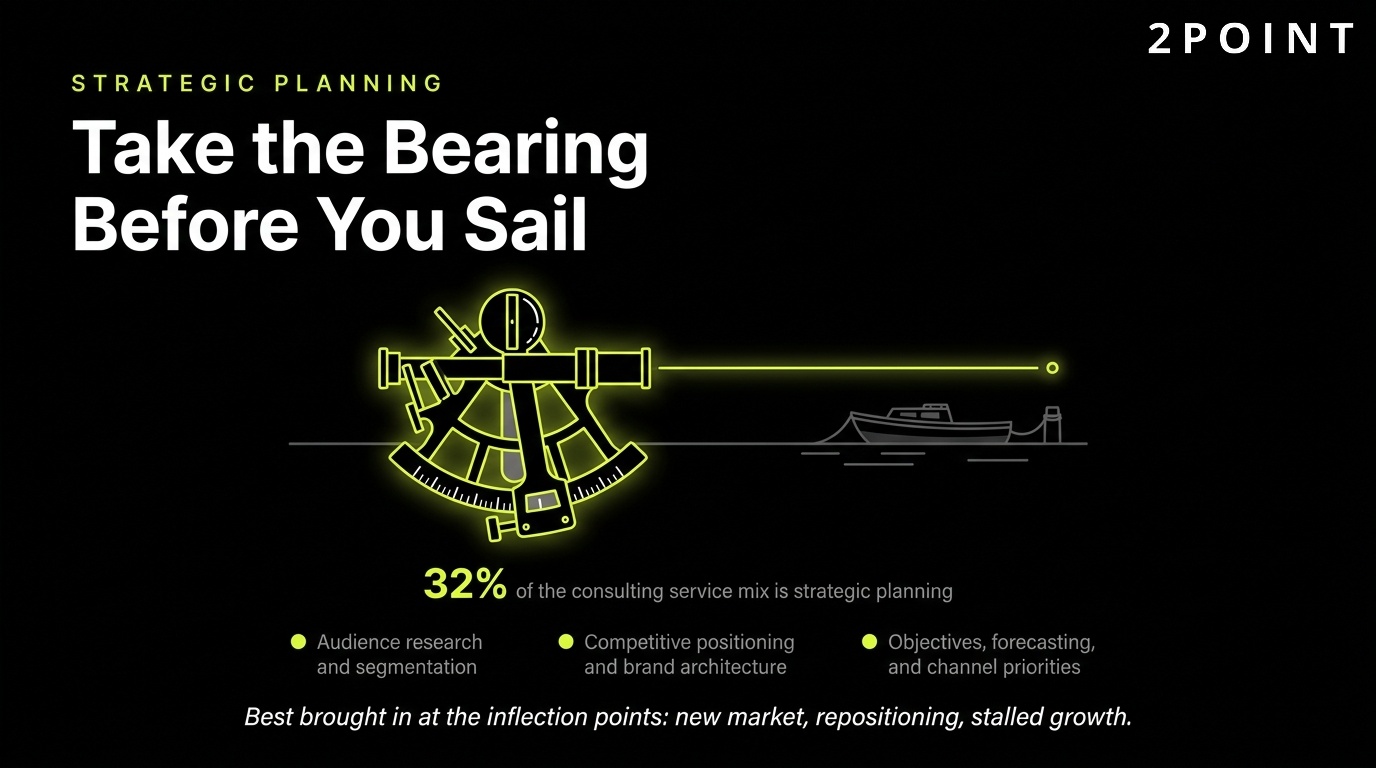
Strategic marketing planning is the foundation of everything else a consultant delivers. Without a clearly defined strategy, even the most technically excellent execution will fail to produce coherent results. This service category covers the development of marketing objectives and policies, sales forecasting, market analysis, competitive positioning, and brand architecture.
Target audience research and segmentation are core components of this work. A marketing strategy consultant conducts primary and secondary research to build detailed pictures of the customers most likely to drive business growth, then develops messaging frameworks and channel priorities that speak directly to those audiences' motivations and pain points. Strategic planning accounts for 32% of the marketing consulting service mix, making it the second-largest service category behind digital marketing execution.
The best time to bring in a strategy-focused consultant is during moments of significant transition: entering a new market, repositioning an existing brand, responding to a major competitive shift, or recovering from a period of stagnant growth. These inflection points require clear thinking and external perspective that internal teams, too close to the day-to-day reality, often struggle to provide objectively. A well-constructed personalized marketing strategy developed with consultant support can dramatically accelerate the time it takes to see meaningful results from a repositioning effort.
Digital Marketing Execution and Optimization
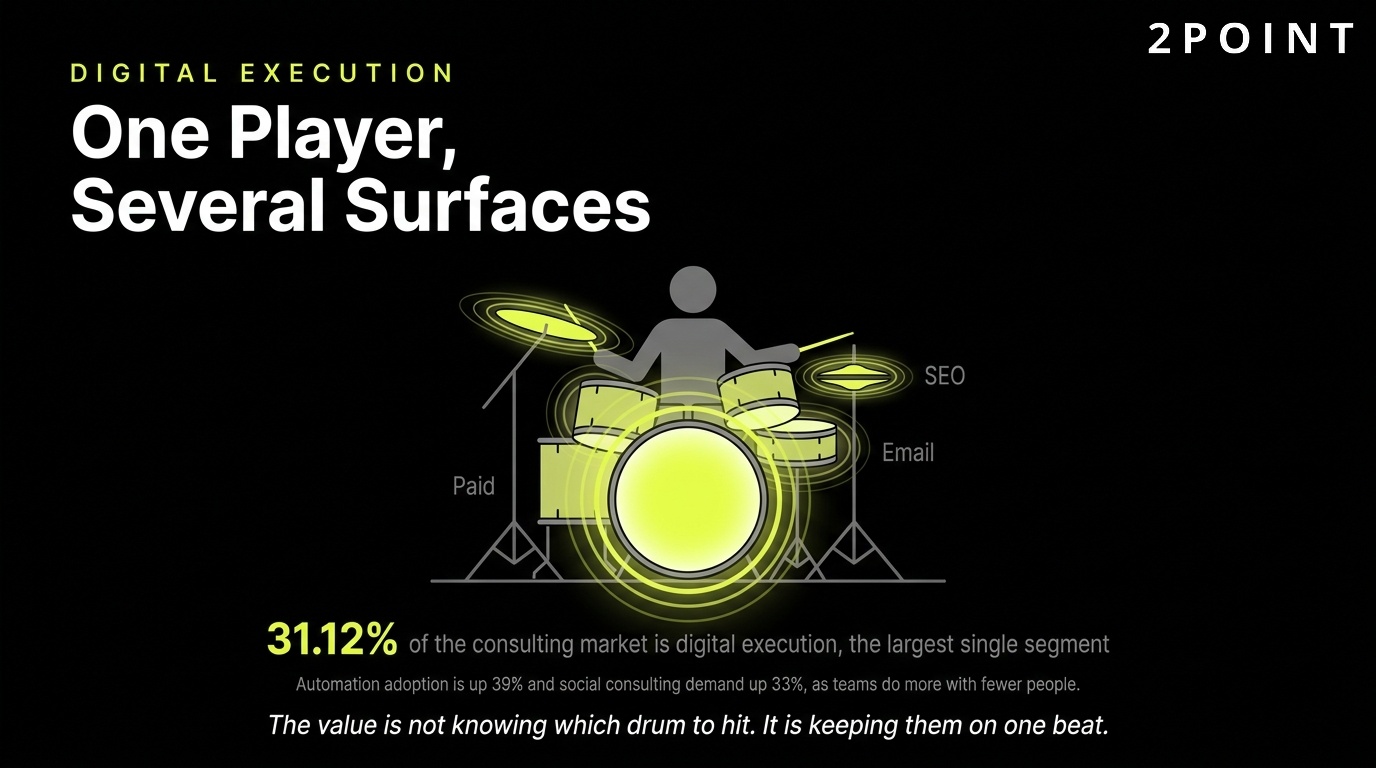
Digital marketing execution is the largest and most frequently purchased service category in the consulting market. It encompasses social media marketing, content marketing, search engine optimization, paid advertising across search and social platforms, marketing automation implementation, email marketing, and lead nurturing programs.
The demand for these services is growing rapidly. Digital marketing automation adoption has increased by 39% in recent measurement periods, driven by the dual pressures of doing more with smaller teams and delivering more personalized experiences at scale. Social media consulting demand has grown by 33% year over year, reflecting how central platform-specific expertise has become to effective marketing programs. Digital marketing consulting holds a 31.12% share of the total consulting services market, the largest of any single service category.
For most businesses, the value of a digital marketing consultant lies not just in knowing which channels to use but in understanding how to allocate budget across them, measure performance accurately, and continuously optimize based on data. A consultant who can build a rigorous measurement framework and connect channel-level metrics to business outcomes like revenue, customer lifetime value, and market share is delivering far more than tactical execution support. Understanding how to set marketing goals that translate digital activity into business results is a skill that separates great consultants from adequate ones.
Customer Experience and Personalization Services
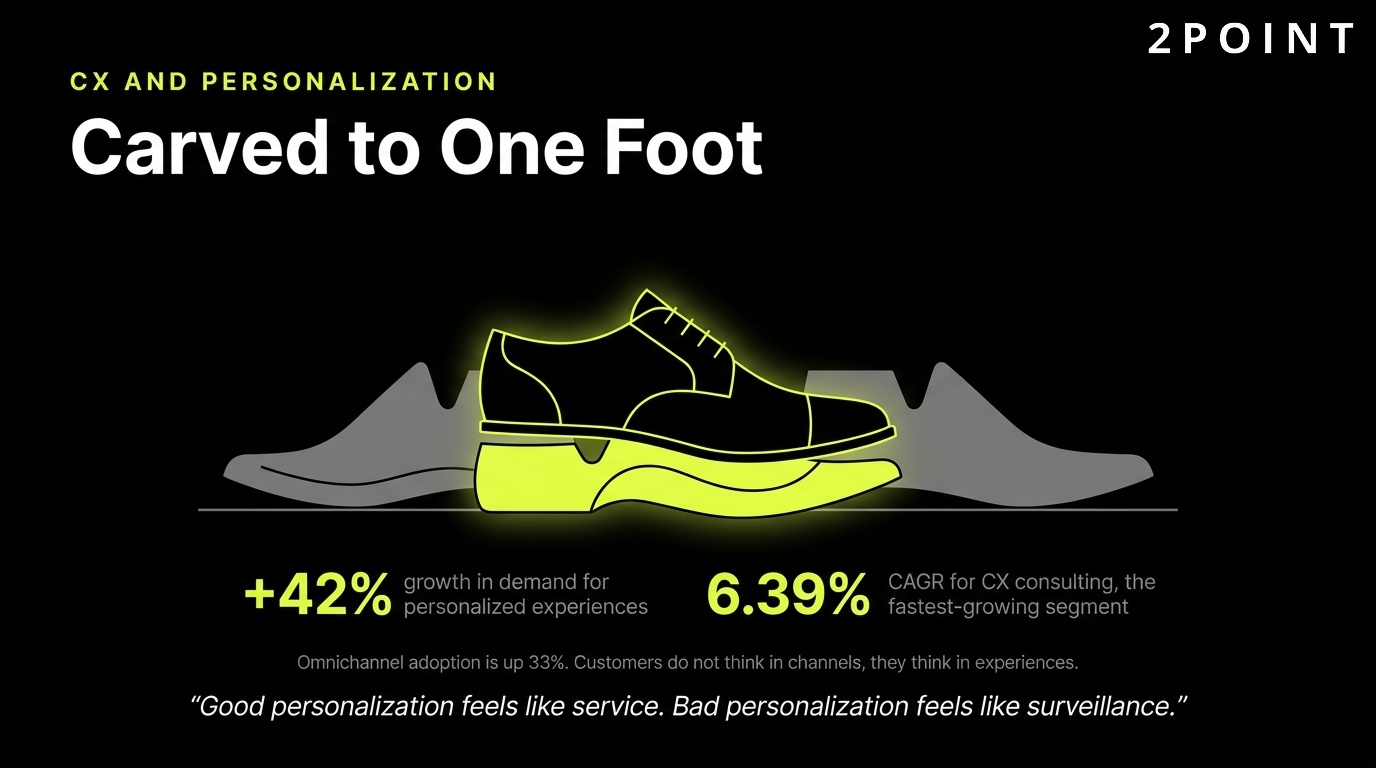
Customer experience consulting has moved from a differentiator to a necessity as consumer expectations have risen sharply in response to what leading digital brands have made possible. Clients in this service area are typically seeking help with omnichannel strategy development, customer journey mapping, personalization engine implementation, and the construction of first-party and zero-party data frameworks that enable meaningful personalization without crossing privacy boundaries.
Demand for personalized customer experiences has grown by 42%, and omnichannel strategy adoption has increased by 33% as businesses recognize that customers do not think in terms of channels but in terms of experiences. The customer experience and personalization segment is growing at 6.39% CAGR, the fastest of any service category in the consulting market.
A skilled consultant in this area does not simply advise on what personalization technology to buy. They help organizations understand their customers deeply enough to make personalization feel like service rather than surveillance. This requires integrating behavioral data, purchase history, stated preferences, and real-time contextual signals into a coherent customer understanding that can drive relevant, timely, and valuable interactions across every touchpoint. Developing a customer-centric marketing approach requires this kind of systematic, data-informed design rather than ad hoc personalization attempts.
Specialized Services: From Product Launch to Compliance
Beyond the core strategic and digital service categories, marketing consultants are frequently engaged for highly specialized work that requires specific technical or regulatory knowledge. New product development support, pricing strategy, go-to-market planning, licensing and franchising strategy, and privacy compliance consulting all fall into this category.
Go-to-market strategy is particularly high value for startups and established businesses launching new products or entering new categories. A consultant who has guided multiple successful launches understands the sequencing, the common failure points, and the metrics that matter most in the critical early weeks of a new offering's commercial life. This kind of pattern recognition is extremely difficult to replicate internally when a business is doing something for the first time.
Privacy compliance consulting has emerged as a significant growth area. Working with specialized consultants can reduce compliance-related risk by more than 15%, a meaningful benefit when the potential penalties for regulatory violations continue to escalate globally. From an industry perspective, retail and consumer goods businesses represent 28.24% of the client base for marketing consulting, while technology and media companies are growing their consulting spend at a 6.23% CAGR, the fastest of any industry vertical.
Who Hires Marketing Consultants? Client Types, Industries, and Engagement Patterns
Understanding who is buying marketing consulting services, how they structure those engagements, and what they are hoping to achieve provides useful context for businesses evaluating whether to hire externally and what kind of engagement model to pursue. The market is more varied than many assume, with meaningful demand across company sizes, industries, and engagement structures.
Enterprise vs. SMB: Market Share and Growth
Large enterprises dominate the marketing consulting market in terms of absolute spending. Large enterprise clients account for 58.53% of global market share, driven by the scale and complexity of their marketing operations, the need for omnichannel coordination across multiple brands and geographies, and the compliance requirements that come with operating in regulated industries.
However, the growth story belongs to the smaller end of the market. Small businesses, micro-enterprises, and startups are growing their use of marketing consulting at a 6.62% CAGR, faster than any other client segment. This growth is being driven by the democratization of digital marketing tools, the availability of freelance marketing consultants at accessible price points, and the increasing recognition among small business owners that expert external guidance can accelerate growth far more efficiently than trial and error.
For SMBs specifically, the value proposition of a marketing consultant is often about access: access to expertise they could not afford to hire full time, access to networks and partner relationships, and access to strategic frameworks that would otherwise take years to develop internally. The fractional model, where a senior consultant provides part-time leadership rather than a full-time commitment, has made this kind of senior-level access genuinely attainable for businesses at almost any revenue stage. Understanding the digital marketing advantages available to growing businesses helps frame the ROI case for consulting investment.
Top Industries Hiring Marketing Consultants
Marketing consulting demand is not evenly distributed across industries. Some sectors have become high-frequency buyers of consulting services due to the complexity of their marketing challenges, the pace of change in their competitive environments, or the regulatory constraints they navigate.
| Industry Sector | Market Share or Growth Rate | Primary Consulting Need |
|---|---|---|
| Retail and Consumer Goods | 28.24% market share | Omnichannel integration, personalization, loyalty |
| Technology and Media | 6.23% CAGR (fastest growing) | Product marketing, go-to-market, AI integration |
| Professional Services | Significant share | Lead generation, thought leadership, brand positioning |
| Financial Services | Significant share | Compliance, trust-building, complex product marketing |
| Healthcare | Significant share | HIPAA-compliant marketing, patient acquisition, digital transformation |
The retail and consumer goods sector leads on volume, while technology and media leads on growth rate, reflecting the explosive demand for marketing expertise in product-led growth environments and digital-first business models.
Retail and consumer goods businesses represent 28.24% of total marketing consulting demand, and technology and media companies are growing their consulting spend at 6.23% annually. Media, professional services, and financial services also appear consistently among the most common sectors engaging marketing consultants. For B2B companies specifically, the complexity of longer sales cycles and multi-stakeholder purchasing decisions makes specialized marketing consulting particularly valuable.
Engagement Model Preferences: Project, Retainer, or Hybrid?
How clients structure their consulting relationships has evolved significantly in response to economic pressures, AI-enabled productivity, and a broader preference for measurable outcomes over open-ended engagements. The project-based model has become the dominant structure for first-time consulting relationships and smaller organizations.
Project-based contracts account for 54.11% of the marketing consulting market in 2025, reflecting a preference for defined scope, clear deliverables, and contained costs. Outcome-based and risk-sharing arrangements are growing at 6.55% CAGR, the fastest growth of any pricing model, driven by clients who want consultants to have skin in the game.
On the delivery side, on-site consulting still commands a 52.86% share of engagements, particularly for larger enterprise clients who value in-person collaboration and stakeholder access. However, hybrid delivery models are growing at 6.78% CAGR, reflecting the lasting impact of remote-work normalization on how consulting relationships are structured. Economic uncertainty has contributed to a 15% shift toward project-based, short-term engagements as businesses seek flexibility and measurable returns.
When Companies Typically Hire External Marketing Consultants
Timing plays a critical role in how much value a marketing consultant can deliver. Companies that engage consultants proactively, before a crisis forces their hand, typically achieve better outcomes than those that hire reactively. However, even reactive hiring can produce significant value when the right expertise is matched to the right moment.
The most common trigger events for hiring a marketing consultant include: entering a new market or geographic region, initiating a rebranding or repositioning effort, experiencing prolonged growth stagnation, launching a new product or service line, facing a significant competitive threat, navigating a merger or acquisition, and identifying critical skill gaps in the internal team, particularly around digital channels, data analytics, or AI applications. Rapid growth phases that require fractional leadership and crisis response situations where speed and expertise are simultaneously critical round out the list.
The average marketing consultant tenure of one to two years reflects the project-driven nature of most engagements. Many companies rotate consultants deliberately as their needs evolve, bringing in different expertise for different phases of their growth journey rather than maintaining the same advisor indefinitely.
Privacy-First Marketing and Data Strategy: The New Consulting Imperative
Privacy is no longer a compliance checkbox that lives in the legal department. In 2026, privacy strategy is a core marketing competency that directly affects how businesses can reach, target, and retain customers. The rapid proliferation of privacy regulations across jurisdictions globally has created a consulting specialty that sits at the intersection of marketing effectiveness and legal risk management.
Businesses that have not invested in privacy-first marketing frameworks face compounding risks: regulatory penalties, customer trust erosion, and the operational disruption of being forced to rebuild data infrastructure under crisis conditions. Proactive engagement with a privacy-fluent marketing consultant is increasingly the difference between sustainable marketing capability and one that is perpetually one regulatory shift away from breaking down.
Why Privacy Regulations Are Driving Consulting Demand
The regulatory landscape around data privacy has tightened dramatically over the past several years and continues to evolve. GDPR in Europe, CCPA and its successors in the United States, PDPA in Asia-Pacific, and a growing array of sector-specific regulations have created a compliance environment that requires ongoing expertise to navigate. For marketing teams, the challenge is not just complying with the letter of these laws but maintaining marketing effectiveness while doing so.
Marketing consultants with privacy expertise help businesses develop zero-party data frameworks, build consent management infrastructure, redesign targeting strategies that do not depend on third-party data, and maintain the kind of transparent customer relationships that survive regulatory scrutiny. Businesses working with privacy-specialized consultants reduce their compliance-related risk by more than 15%, a meaningful benefit that translates directly into avoided legal costs, reduced regulatory exposure, and protected brand reputation.
First-Party Data Strategies and CRM System Design
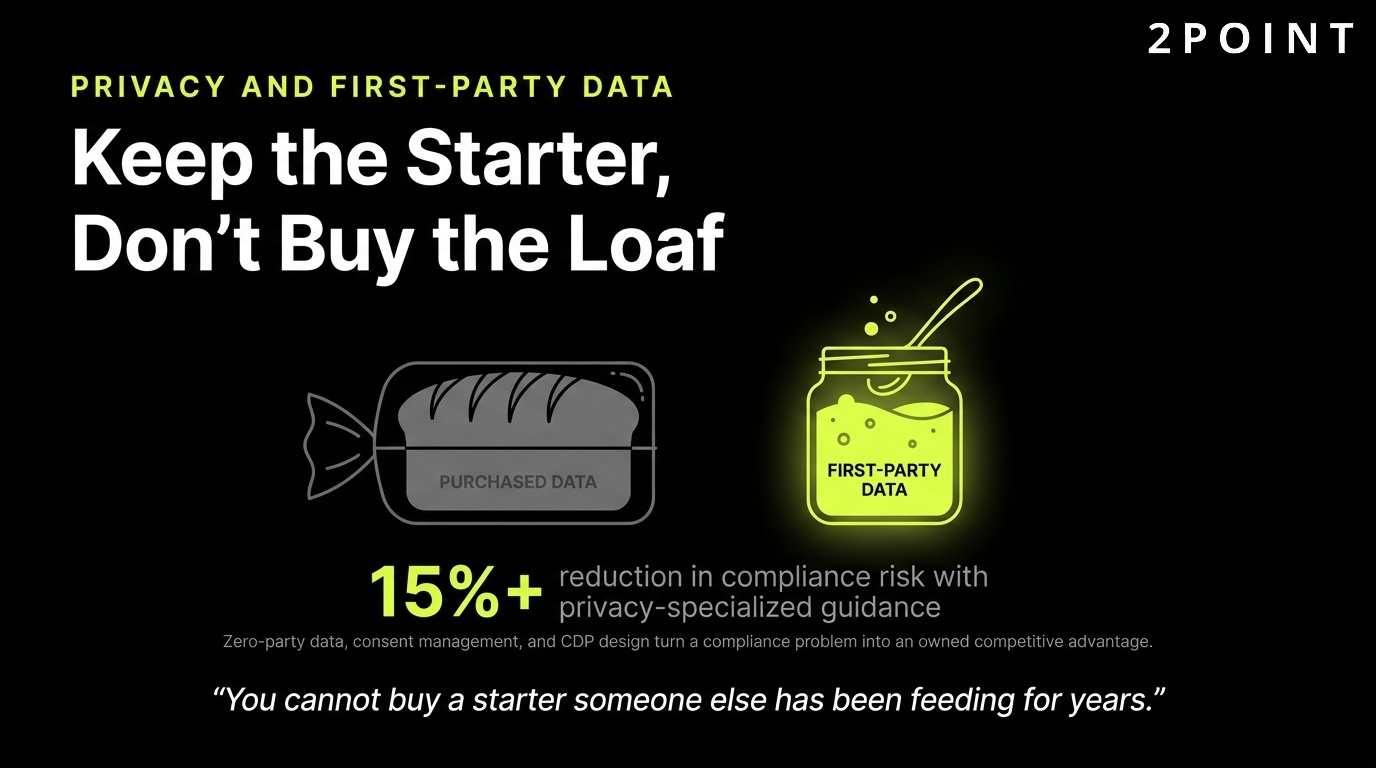
The deprecation of third-party cookies and the tightening of mobile identifier sharing have forced a fundamental rethink of how marketing data is collected, stored, and activated. First-party data, information that customers share directly with a brand through their own interactions and consent, has become the most valuable data asset a business can possess.
Marketing consultants specializing in first-party data strategy help businesses design systems that collect meaningful customer data at every touchpoint, store it in compliant and accessible customer data platforms (CDPs), and activate it through sophisticated CRM integrations that enable personalized communication at scale. Understanding how to use CRM tools in marketing effectively is central to this work. A well-designed first-party data architecture does not just solve a compliance problem; it creates a genuine competitive advantage by giving the business a richer, more accurate picture of its customers than competitors who rely on purchased or borrowed data signals.
The sophistication of CRM implementation has become a differentiator in this space. Consultants who can design CRM systems that capture the right data, integrate cleanly with marketing automation and analytics platforms, and enable genuinely relevant customer communication are delivering infrastructure that continues to create value long after the consulting engagement concludes. Pairing this with effective automation tools in marketing creates a compounding advantage over time.
Balancing Personalization with Privacy Compliance
The central tension in modern marketing strategy is the apparent conflict between personalization and privacy. Customers want experiences that feel relevant and tailored to their needs, but they are increasingly unwilling to accept the invasive data collection that traditional personalization approaches have relied upon. Zero-party data, information that customers voluntarily and explicitly share with a brand in exchange for value, represents the most promising resolution to this tension.
Demand for personalized customer experiences has grown by 42%, even as privacy expectations have simultaneously tightened. This apparent contradiction is actually an opportunity: brands that can deliver genuinely relevant personalization through consensual, transparent data practices are building the kind of customer relationships that generate loyalty, advocacy, and long-term revenue stability. Consent management platforms, preference centers, and transparent data usage policies are the infrastructure through which this balance is achieved, and skilled consultants know how to design and implement all three.
Industry-Specific Privacy Challenges
Privacy compliance looks different across industries, and the consultants who can navigate sector-specific requirements command meaningful premium rates. Healthcare organizations must navigate HIPAA constraints that significantly limit how patient information can be used for marketing purposes, requiring creative approaches to audience building and targeting that do not touch protected health information. Financial services firms face data security mandates, anti-money laundering reporting requirements, and sector-specific advertising restrictions that require specialized knowledge to market within compliantly.
Retailers face the tension between their desire to track customer behavior across physical and digital channels and customers' growing resistance to feeling monitored. SaaS companies dealing with international customer bases must navigate the complexities of cross-border data transfers under frameworks like the EU-US Data Privacy Framework and its successors. In each of these cases, the consultant who brings deep sector knowledge reduces both the time to compliant solutions and the risk of getting it wrong. This specialization premium of 15% to 30% above generalist rates is well justified when the cost of non-compliance is measured against the consulting investment.
Competitive Landscape: How to Choose the Right Marketing Consultant
The marketing consulting market is crowded and heterogeneous. From solo freelancers to global strategy firms with thousands of consultants, the range of options available can make the selection process feel overwhelming. Developing a systematic approach to evaluating candidates will dramatically improve the quality of the match and the likelihood that the engagement delivers meaningful results.
Market Concentration and Firm Types
The marketing consulting industry is moderately concentrated at the top. The top 10 consulting firms account for approximately 47% of total engagements, giving them significant market influence despite the large number of independent practitioners and smaller agencies operating in the same space. Mid-sized players have grown their market share by 18% in recent periods, reflecting a client preference for firms that offer enough depth to handle complex work without the overhead and account management layers that characterize the largest firms.
The market broadly segments into four provider categories: large management consulting firms with dedicated marketing practices, specialized marketing strategy firms, full-service digital marketing agencies that offer consulting alongside execution, and independent freelance marketing consultants. Each has distinct advantages and limitations, and the right choice depends heavily on your specific needs, budget, and organizational context.
Evaluating Consultant Qualifications and Track Record
Qualifications in marketing consulting are less standardized than in fields like accounting or law, which means buyers must invest more effort in evaluating credibility and fit. Several evaluation dimensions deserve careful attention when shortlisting candidates.
- Industry-specific experience: Look for demonstrated work in your sector, including case studies with specific results rather than vague success stories.
- Technical certifications: Current certifications from platforms like Google, Meta, HubSpot, Salesforce, and relevant analytics tools indicate active practice and platform fluency.
- Strategic vs. tactical orientation: Be clear about whether you need high-level strategy, hands-on execution, or a combination, and verify that the consultant's expertise and working style match your requirement.
- Communication style and availability: Even the most brilliant strategic thinker creates little value if they are inaccessible, poor at translating ideas into actionable guidance, or culturally misaligned with your team.
- Measurable past outcomes: Request specific data on results achieved in previous engagements, including the context, the approach, and the attribution methodology used to connect consulting activity to business outcomes.
Red Flags and Questions to Ask Before Hiring
Knowing what to avoid is as important as knowing what to seek. Several warning signs indicate a consultant who is unlikely to deliver meaningful value, regardless of how compelling their initial presentation may be.
Be cautious of consultants who make vague promises without specific metrics, who lack demonstrable knowledge of your industry, who rely on outdated tactics while claiming digital expertise, or who are unable to clearly articulate their process and deliverables before an engagement begins. Pricing that seems unusually low relative to market rates is often a sign of limited experience or unsustainable workload management that will surface as poor responsiveness once the engagement is underway.
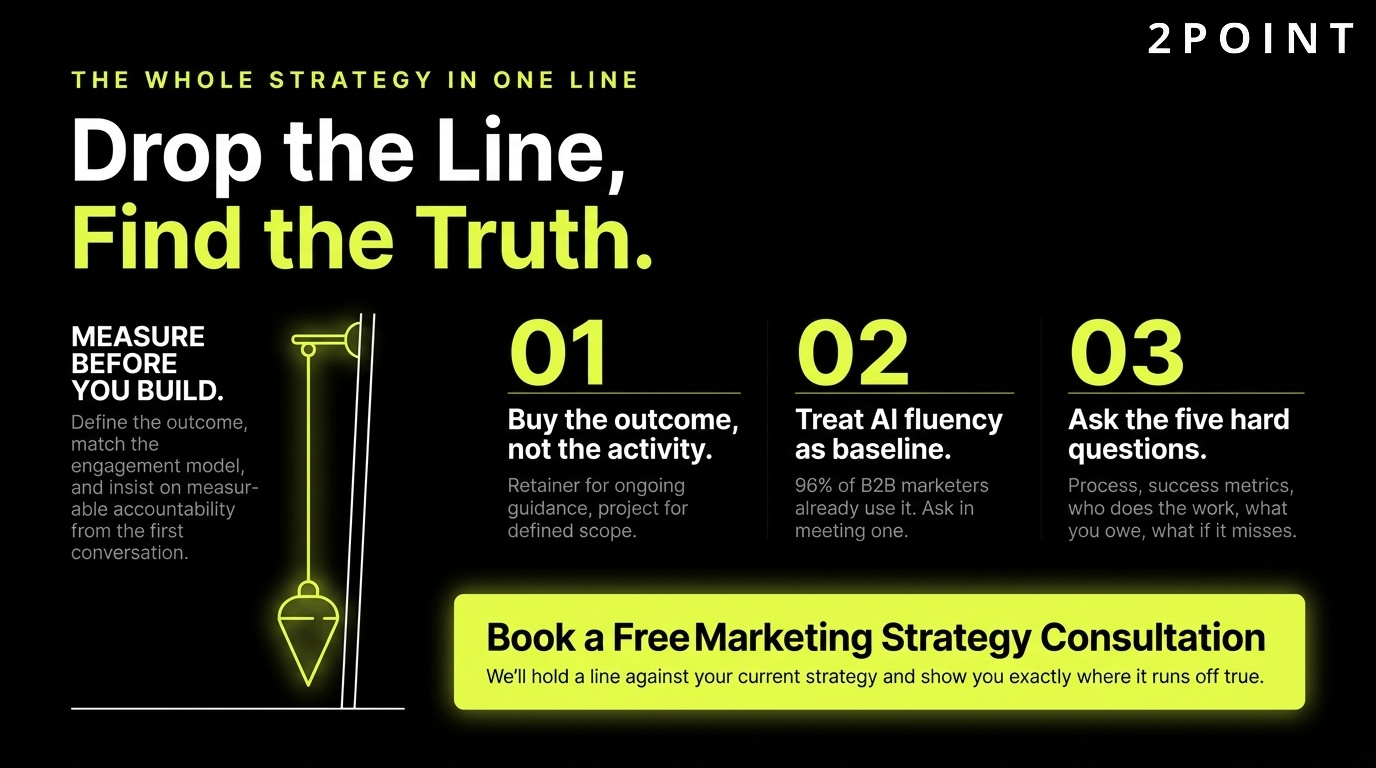
Before hiring any marketing consultant, ask: What is your specific process for this type of engagement? How do you define and measure success? Who specifically will be doing the work, and how accessible will they be? What do you need from our internal team to deliver effectively? What happens if results fall short of expectations? The answers to these questions reveal far more about a consultant's professionalism and capabilities than any portfolio or testimonial.
Freelancer vs. Agency vs. Consulting Firm: Pros and Cons
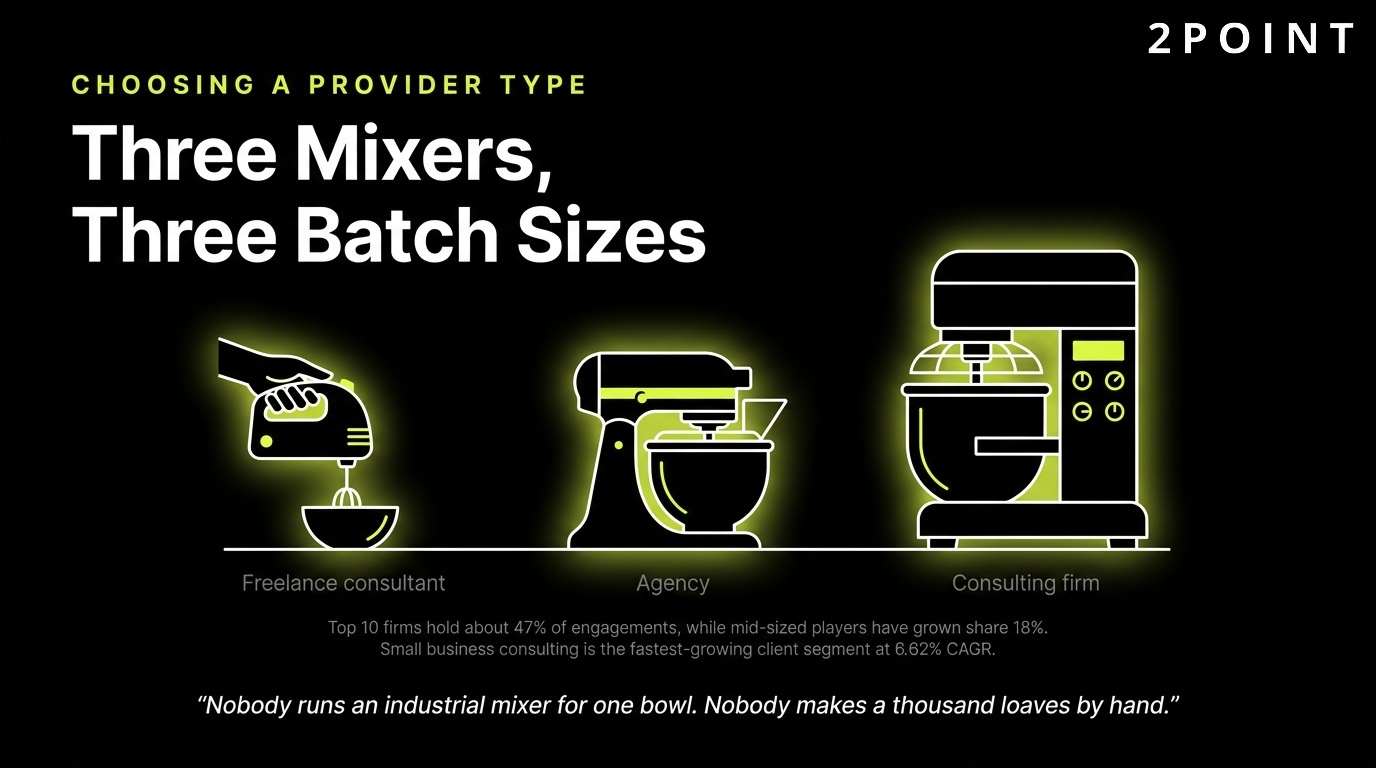
| Provider Type | Key Advantages | Key Limitations | Best For |
|---|---|---|---|
| Freelance Marketing Consultant | Lower cost, direct access, high flexibility, focused expertise | Limited bandwidth, potential generalist risk, single point of failure | Focused projects, specific channel expertise, early-stage businesses |
| Marketing Agency | Team resources, diverse skill sets, scalability, integrated execution | Higher cost, account management layers, potential dilution of senior attention | Ongoing digital execution, multi-channel programs, growth-stage businesses |
| Consulting Firm | Strategic depth, industry connections, proven methodologies, credibility | Premium pricing, less hands-on execution, longer ramp-up time | Complex transformations, enterprise strategy, high-stakes decisions |
The right provider type is ultimately determined by the combination of your budget, the scope and complexity of your challenge, the timeline you are working within, and the depth of internal resources you can bring to support an external engagement.
A freelance marketing consultant operating under a retainer arrangement can function effectively as an embedded strategic partner for a growing business that needs consistent senior guidance without the overhead of an agency team. An agency is typically the better choice when execution needs are high volume, multi-channel, and ongoing. A consulting firm becomes appropriate when the stakes are highest and the strategic complexity is greatest, such as a major market entry, a significant organizational transformation, or a post-merger brand integration. Teams working on multi-channel marketing programs often benefit from agency support combined with independent strategic oversight from a senior consultant who can keep the broader strategy coherent across channels.
The Future of Marketing Consulting: Trends Shaping 2026 and Beyond
The marketing consulting industry is in the midst of its most significant structural shift since the rise of digital advertising. Several converging forces are simultaneously changing what clients expect, what consultants must deliver, and how the value of consulting work is measured and compensated. Understanding these trends is essential both for businesses making hiring decisions and for marketing professionals considering whether consulting is the right career path.
The Rise of Outcome-Based and Performance Pricing
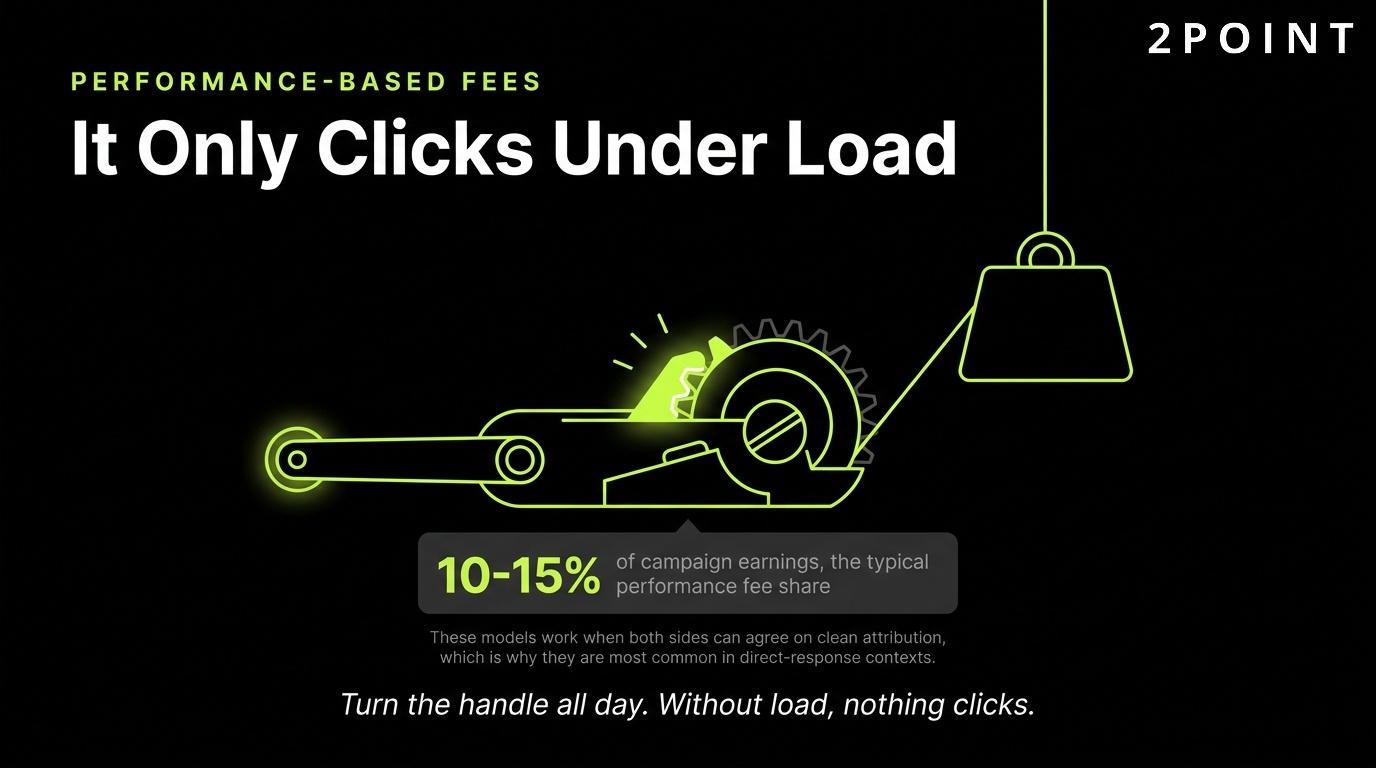
The most significant commercial trend reshaping marketing consulting is the accelerating shift away from time-based billing toward outcome-based compensation. Clients who have been burned by expensive consulting engagements that produced beautiful strategy documents but little measurable business impact are increasingly insisting on pricing models that align consultant incentives with client outcomes.
Outcome-based consulting contracts are growing at 6.55% CAGR, the fastest of any pricing model in the industry. In these arrangements, fees are tied to achieving agreed-upon metrics, such as lead volume, customer acquisition cost, revenue generated, or market share gained, rather than to hours worked or activities completed. Project-based contracts already account for 54.11% of the market and provide the structural foundation from which outcome-based models are evolving.
For consultants, this shift demands a higher level of confidence in their methodologies and their ability to attribute results accurately. Technology is making this possible in ways that were not available even five years ago. Modern analytics platforms can trace a customer journey from first brand exposure through multiple touchpoints to final purchase with remarkable precision, giving consultants the attribution data they need to make credible performance commitments. Consultants who master this measurement layer are positioning themselves to charge premium rates on the basis of provable impact rather than claimed expertise.
Authenticity and Human Connection in an AI-Driven World
One of the most interesting paradoxes of the AI era is that the proliferation of artificial intelligence in content creation has made authentic human voice more valuable, not less. As consumers become increasingly adept at detecting AI-generated content and increasingly skeptical of brands that feel manufactured, the consultants who can craft genuinely human brand strategies are commanding premium attention and premium rates.
The "human impulse" is identified as a defining brand strategy trend for 2026, reflecting a broad cultural reaction to the sterility and sameness of AI-optimized content. Consumers are gravitating toward brands that feel real, that have genuine points of view, that take creative risks, and that demonstrate authentic relationships with their communities. Marketing consultants who can help brands navigate this landscape, leveraging AI for efficiency while preserving the authentic human elements that drive genuine connection, are delivering something genuinely scarce.
Immersive and experiential marketing is experiencing a renaissance in this context. High-impact live events, genuine community building, and storytelling that reveals real organizational values are all growing as brand strategy components. The consultant who can architect a marketing program that uses AI tools intelligently on the backend while presenting a thoroughly human face to the world is operating at the frontier of the profession. Exploring effective video marketing strategies that combine production efficiency with authentic storytelling is one area where this balance is being achieved most successfully.
Operational Agility and Rapid Adaptation Requirements
The pace of change in marketing technology, consumer behavior, and competitive dynamics has created a new premium on operational agility. Businesses that can detect shifts in their environment quickly, make confident decisions with incomplete information, and execute pivots without losing strategic coherence are significantly outperforming those that rely on annual planning cycles and quarterly review rhythms.
Marketing consultants are increasingly being asked to serve as change management leaders, not just strategic advisors. The emergence of agentic AI systems that can execute complex multi-step marketing tasks autonomously requires organizations to fundamentally rethink their operating models, their team structures, and their decision-making processes. Consultants who can guide clients through this operational transformation are providing strategic value that goes far beyond traditional marketing expertise.
The 15% shift toward project-based, shorter-term engagements is partly a response to this agility imperative. Clients want to move fast, test hypotheses, and iterate based on results rather than commit to long-term programs designed around assumptions that may no longer be valid by the time they are executed. Hybrid delivery models growing at 6.78% CAGR reflect the same flexibility imperative, with consultants delivering some work on-site for maximum collaboration impact and conducting other work remotely for efficiency.
Real-time monitoring and continuous optimization are becoming standard expectations rather than premium add-ons. The consultants who can build systems that allow both the consulting team and the client's internal staff to see campaign performance in real time, and who have the analytical frameworks to interpret those signals and make rapid adjustments, are defining the new standard for what excellent marketing consulting looks like. Tools that enable identification of a weak digital marketing strategy before it wastes significant budget are central to this continuous optimization capability.
The B2B Marketing Consultant in 2026: Special Considerations
B2B marketing consulting has its own distinct dynamics that deserve specific attention. The complexity of B2B purchasing decisions, which typically involve multiple stakeholders, longer sales cycles, and higher individual transaction values, creates a set of marketing challenges that generalist consultants are often poorly equipped to address. A specialist B2B marketing consultant brings a depth of understanding about buyer committee dynamics, account-based marketing (ABM) strategies, and the integration of marketing and sales processes that is essential for sustainable revenue growth in complex selling environments.
In 2026, B2B marketing consulting is being heavily shaped by three converging forces. First, intent data and AI-powered account prioritization are enabling more precise targeting of accounts that are actively in a buying process, making ABM programs significantly more efficient than they were even two years ago. Second, the rise of B2B social media, particularly LinkedIn and increasingly YouTube for thought leadership content, has created new channels for reaching senior decision-makers in ways that were not previously achievable at scale. Third, the integration of marketing automation with CRM systems is enabling B2B marketing teams to nurture complex buyer relationships with a degree of personalization and relevance that was previously only possible through dedicated sales effort. The ability to design and implement a sophisticated marketing mix that balances digital demand generation with relationship-based sales development is a core B2B marketing consulting competency in 2026.
Finding the Right Marketing Consultant: Key Takeaways for 2026
The marketing consulting industry has grown into a sophisticated, data-driven profession that sits at the intersection of business strategy, technology adoption, and consumer psychology. Whether you are considering your first consulting engagement or evaluating how to evolve an existing external advisory relationship, the landscape of 2026 offers both more options and more complexity than any previous period in the industry's history.
The core principles for navigating this landscape successfully are relatively consistent regardless of company size or industry. Start with a clear definition of the outcome you need, not the activity you think you should buy. Match the engagement model to your actual situation: retainers for sustained strategic guidance, project-based for defined deliverables, fractional CMO for leadership gaps. Insist on measurable accountability from the first conversation, and look for consultants who welcome that discussion rather than deflecting it with qualitative promises.
Prioritize AI fluency alongside strategic depth. A marketing consultant who cannot speak credibly about AI tool integration, attribution methodology, and first-party data strategy is not operating at the frontier of the profession. At the same time, do not mistake AI enthusiasm for strategic wisdom. The best consultants use AI as a force multiplier for human judgment, not as a replacement for it.
Firms like 2POINT work at this intersection of strategic depth and digital execution, helping businesses develop and implement marketing strategies that are built for the realities of 2026 rather than the assumptions of the previous decade. The most important decision you will make in any consulting engagement is not which tools to use or which channels to prioritize but whether the advisor guiding those decisions has the experience, the judgment, and the accountability orientation to turn strategic thinking into measurable business outcomes.
The data is clear: well-executed marketing consulting delivers measurable value. The $88.4 billion US market and $36.65 billion global market exist because businesses consistently find that expert external guidance on marketing strategy and execution produces returns that justify the investment. The challenge for every business is not whether to invest in marketing consulting but how to select the right consultant, structure the right engagement, and create the conditions for that investment to deliver its maximum potential return.
Frequently Asked Questions About Marketing Consultants
What does a marketing consultant do?
A marketing consultant is a strategic advisor who helps businesses develop marketing objectives, growth strategies, brand positioning, and customer acquisition frameworks. They assess current marketing performance, identify gaps and opportunities, and provide expert guidance on how to reach target audiences more effectively. Depending on the engagement, they may focus on strategy alone or also oversee implementation and campaign management.
How much does a marketing consultant cost in 2026?
Marketing consultant costs vary widely based on experience, specialization, and engagement model. Hourly rates range from $65 for entry-level consultants to $500 or more for senior industry experts. Monthly retainers typically run $3,000 to $15,000, while project-based fees range from $2,000 for basic audits to $50,000 or more for comprehensive campaign development or go-to-market strategies.
What is a fractional CMO and how is it different from a marketing consultant?
A fractional CMO provides part-time Chief Marketing Officer leadership, taking on executive responsibility for an organization's entire marketing function at a fraction of the cost of a full-time hire. A marketing consultant typically advises on specific strategic challenges or executes defined projects without taking on organizational leadership responsibility. Fractional CMOs generally charge $5,000 to $15,000 per month and are most valuable for growth-stage companies that need senior marketing leadership but cannot yet justify a full-time C-suite hire.
When should a business hire a marketing consultant instead of building an in-house team?
Hiring a marketing consultant makes more sense than building an in-house team when you need specialized expertise for a defined period, when the cost of full-time senior talent exceeds your budget, or when you need external perspective to diagnose why existing efforts are underperforming. Market entry, rebranding, product launches, and rapid growth phases are the most common scenarios where consulting produces faster, more cost-effective results than internal hiring.
What is the difference between a marketing consultant and a marketing agency?
A marketing consultant typically provides strategic guidance, specialized expertise, or defined project delivery as an individual or small practice. A marketing agency is a larger organization offering team-based execution across multiple disciplines such as creative, paid media, SEO, and content. Consultants tend to offer more direct senior access and strategic depth, while agencies provide more scalable execution capacity. Many businesses use both simultaneously, with a consultant guiding strategy and an agency managing execution.
How do I evaluate whether a marketing consultant is qualified?
Evaluate a marketing consultant by reviewing industry-specific case studies with measurable outcomes rather than vague success stories. Check for current technical certifications from platforms like Google, Meta, and HubSpot, and ask directly about their process, attribution methodology, and how they have handled engagements where results fell short of expectations. References from clients in similar industries or at similar growth stages are among the most reliable qualification signals available.
Do marketing consultants need to understand AI tools in 2026?
Yes, AI fluency is now a baseline expectation for credible marketing consultants in 2026. With 96% of B2B marketers using AI tools and AI accounting for 9% of total marketing budgets, consultants who cannot speak intelligently about generative AI applications, predictive analytics, and AI-driven personalization are operating with a significant capability gap. However, AI expertise should complement rather than replace strategic thinking and creative judgment.
What is the typical length of a marketing consulting engagement?
Engagement length varies by scope and structure. Project-based engagements typically last four to twelve weeks depending on complexity. Retainer arrangements commonly run three to twelve months, with many clients evaluating and renewing on a quarterly basis. The average marketing consultant tenure across all engagement types is one to two years, reflecting the project-driven, outcome-oriented nature of most consulting relationships.
How do marketing consultant rates differ by industry specialization?
Industry specialists typically charge 15% to 30% more than generalists at the same experience level, reflecting the value of sector-specific knowledge around regulatory requirements, audience behavior, and competitive dynamics. The highest-paying sectors for marketing consulting include SaaS, fintech, and healthtech, where specialists commonly charge $175 to $250 per hour. Healthcare, financial services, and technology companies frequently pay premium rates for consultants who can navigate both marketing effectiveness and compliance requirements simultaneously.
Is outcome-based pricing better than hourly billing when hiring a marketing consultant?
Outcome-based pricing aligns incentives more effectively than hourly billing because the consultant is compensated for results rather than time spent, which encourages efficiency and accountability. However, it requires both parties to agree on clear, measurable metrics and reliable attribution methods before the engagement begins. Outcome-based contracts are growing at 6.55% CAGR in the consulting market, suggesting that clients and consultants increasingly recognize their advantages, particularly as AI tools make accurate attribution more achievable.
What questions should I ask a marketing consultant before hiring them?
Before hiring a marketing consultant, ask: What is your specific process for this type of engagement? How do you define and measure success? Who will actually be doing the work? What do you need from our internal team to deliver effectively? What happens if results fall short of agreed targets? These questions reveal far more about a consultant's professionalism, transparency, and accountability orientation than any portfolio piece or testimonial can on its own.
How is privacy regulation affecting what marketing consultants do?
Tightening privacy regulations across global jurisdictions have made privacy-first marketing strategy a core consulting competency. Marketing consultants now routinely help businesses design first-party data architectures, implement consent management systems, build zero-party data programs, and develop personalization strategies that do not depend on third-party tracking. Specialists with deep privacy compliance knowledge command 15% to 30% premium rates and help businesses reduce compliance-related risk by more than 15% compared to organizations managing these challenges without expert guidance.
