

 let’s connect


What Is a Marketing Strategy and Why Does It Matter in 2026?
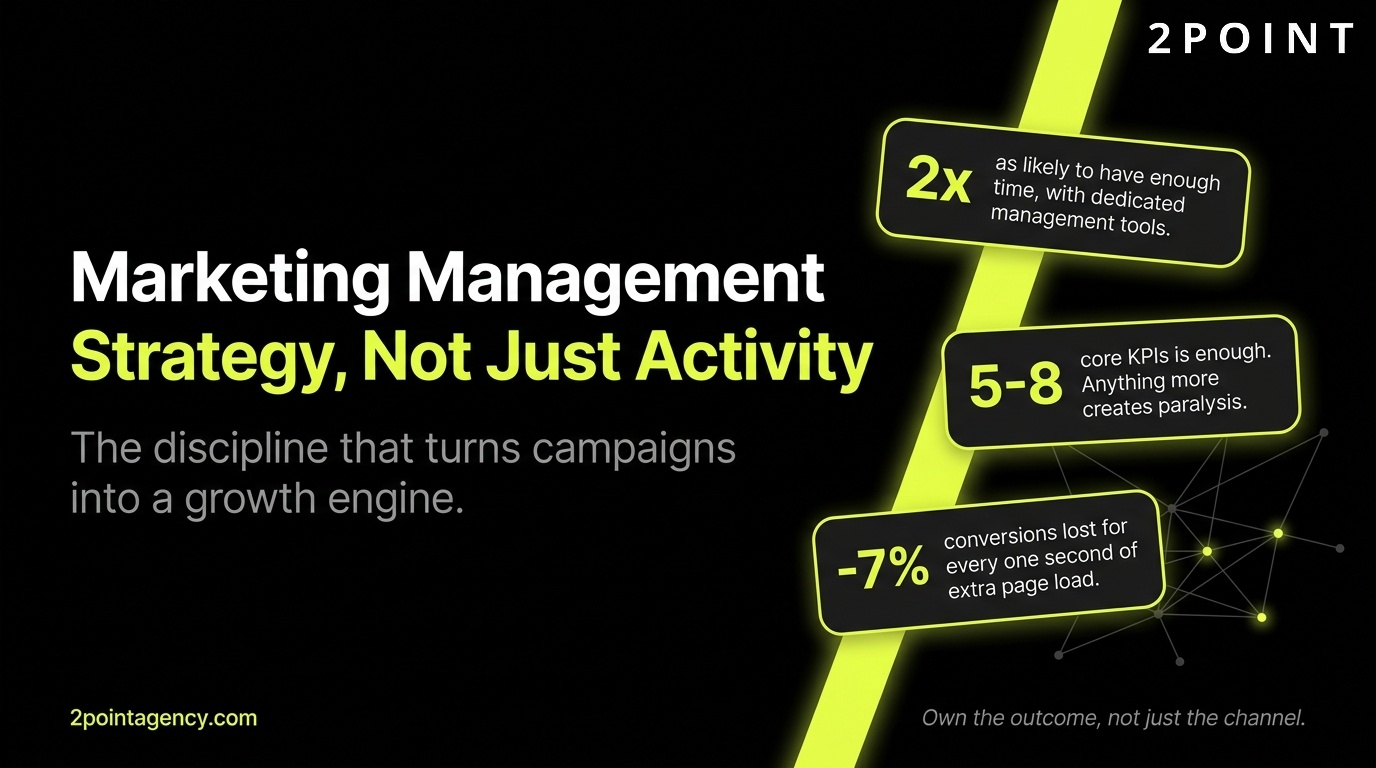
A marketing strategy is a comprehensive plan that outlines how a business promotes its products or services to a defined target audience. It encompasses goals, tactics, channels, and measurement frameworks designed to achieve specific outcomes including brand visibility, customer engagement, and revenue growth. In 2026, the defining characteristic of an effective marketing strategy is the balance between AI-powered execution and human-led creative thinking.
- A marketing strategy is a documented plan connecting business goals to specific promotional actions and measurable outcomes.
- Effective strategies define target audiences, select channels, allocate budgets, and establish performance metrics.
- AI now automates execution tasks, freeing human strategists to focus on creativity, positioning, and decision-making.
- Brands using intentional, data-driven strategies consistently outperform those chasing tactics without a plan.
- Research shows that companies like Coca-Cola set precise engagement targets, such as a 25% brand engagement increase, to anchor strategy.
- Conversion rate data demonstrates that moving from a 1% to a 2% conversion rate doubles revenue results without increasing ad spend.
- The 2026 strategic imperative is intentionality: building systematically rather than reacting to individual marketing trends.
- Customer trust, authentic brand storytelling, and precision targeting are the primary differentiators separating high-growth brands from the competition.
The sections that follow break down every critical dimension of modern marketing strategy, from AI integration and content creation to SEO, personalization, social commerce, and brand identity. Whether you are refining an existing approach or building your strategy from the ground up, this guide delivers the frameworks, data, and actionable insights you need to compete and win in 2026.
How the AI Revolution Is Reshaping Modern Marketing Strategy
Artificial intelligence has moved from an experimental add-on to a foundational requirement within every serious marketing strategy. The question is no longer whether to use AI, but how to deploy it intelligently so that it accelerates execution without eroding the human creativity and strategic judgment that drive lasting competitive advantage. Understanding how AI is transforming marketing operations is the first step toward building a strategy that uses technology as a multiplier rather than a crutch.
How AI Is Transforming Marketing Operations
Just a few years ago, AI tools occupied the experimental edges of marketing departments. Today, they sit at the center of everyday operations. Generative AI platforms like ChatGPT and Gemini are handling tasks that previously consumed hours of team bandwidth, including email campaign drafting, ad copy variation testing, lead scoring, campaign scheduling, and performance reporting. The practical effect is significant: marketing teams that have integrated AI systematically are able to redirect meaningful portions of their workday toward higher-value strategic and creative work.
According to insights from EDC Paris Business School, AI is automating the transactional layer of marketing while human creativity emerges as the primary differentiator. Real-time data analysis is another area where AI delivers compounding benefits. Marketers now have instant visibility into consumer behavior patterns, campaign performance, and conversion signals that previously took days to compile. This immediacy allows for course corrections mid-campaign rather than post-mortem adjustments after budget has already been spent.
The operational transformation extends into customer journey mapping, predictive analytics, and dynamic content delivery. AI systems can now identify which customers are closest to a purchase decision, what content format they respond to best, and which channel is most likely to drive a conversion at any given moment. NetSuite's analysis of marketing trends confirms that businesses embedding AI into their core marketing workflows are gaining measurable advantages in both efficiency and campaign precision.
The critical point for strategists is that AI excels at execution and pattern recognition but requires human judgment to set the strategic direction. The businesses winning in 2026 are those treating AI as a powerful operational engine steered by human insight, not an autonomous replacement for strategic thinking.
The Critical Human-AI Balance in Strategic Planning

One of the most important findings shaping marketing strategy in 2026 comes from the American Marketing Association's 2026 Future Trends Report, which used a modified Delphi process involving more than 30 senior marketing professionals to identify the forces reshaping the discipline over the next five to ten years. The consistent finding: human creativity, cultural fluency, and authentic storytelling are becoming primary brand differentiators precisely because AI can replicate so much else.
This dynamic creates an important tension that every marketing strategist must navigate consciously. AI can generate a hundred headline variations in seconds, but it cannot determine which headline resonates with a specific cultural moment, a particular audience's lived experience, or a brand's long-term identity aspirations. Those judgments remain irreducibly human. The most effective marketing organizations in 2026 are structured to honor this reality, using AI to accelerate the testable and measurable while investing heavily in the human creative capacity that builds genuine emotional connection with audiences.
From ESADE Business School's research on marketing trends, organizations finding the right human-AI balance are seeing the greatest gains in campaign quality, team satisfaction, and long-term brand equity. The practical implication for strategy development is clear: AI adoption decisions should always start with the question of which human capabilities are being liberated and enhanced, not which human roles are being eliminated.
Strategic planning, brand positioning, audience empathy, and creative direction must remain in human hands. Every technology investment in AI should be evaluated against this standard, ensuring that the time and resources saved through automation flow back into the creative and strategic work that differentiates your brand in a crowded marketplace.
AI Agents and Autonomous Marketing Systems
The most significant near-term shift in marketing technology is the rise of AI agents: autonomous systems capable of managing entire customer interaction sequences without direct human involvement at each step. These agents handle routine customer engagements including notifications, reorder prompts, personalized product recommendations, and support interactions, executing them in real time based on behavioral signals and historical data.
According to Kantar's marketing trends research, this shift is fundamentally changing how marketers think about channel strategy. Rather than planning campaigns for specific channels and letting customers navigate between them, AI agents create fluid, autonomous customer journeys that adapt dynamically based on where each individual is in their decision process. The old martech architecture of sequential, channel-specific campaigns is giving way to orchestrated, agent-driven experiences.
For marketing strategists, this transition requires a meaningful evolution in role definition. The marketer of 2026 is increasingly a system supervisor and journey architect, setting the strategic parameters, brand guardrails, and success criteria within which AI agents operate. Gartner's research on the future of marketing highlights that organizations embracing this supervisor role are seeing agentic optimization recommendations enable dynamic campaign fine-tuning that would be impossible to execute manually at scale.
The practical implication is that marketing teams need to develop new competencies in AI system design, agent oversight, and journey orchestration alongside traditional skills in creative development and channel management. The organizations building these hybrid capabilities now are establishing durable competitive advantages that will be difficult for slower-moving competitors to close.
Data Governance for AI-Ready Marketing

The effectiveness of every AI-powered marketing system depends entirely on the quality of the data it is trained on and operates within. In 2026, a defining focus for marketing leaders is building what Gartner describes as "AI-ready" data, content, and context governance frameworks. This means not just collecting data but ensuring it is clean, structured, properly consented, and genuinely representative of the customer population the business serves.
Poor training data produces AI recommendations that reflect historical biases, miss emerging customer segments, and generate personalization that feels generic or off-brand. The marketing organizations that will sustain AI-driven growth are those investing now in data infrastructure, quality controls, and governance policies that give their AI tools the robust, trustworthy inputs they need to produce reliable outputs.
The Digital Marketing Institute's 2026 trends analysis identifies composable organizations with transparent AI policies as the emerging standard for enterprise marketing operations. This means building data architecture that can be reconfigured as technology evolves, maintaining clear internal policies about how AI is used in customer-facing applications, and communicating those policies to customers in ways that build rather than erode trust.
Brand trust, which is addressed in depth later in this guide, is directly connected to data governance quality. Customers who feel confident that their information is used responsibly and transparently are significantly more likely to engage with personalized marketing experiences. Data governance is therefore not merely a compliance function but a strategic investment in the customer relationships that drive long-term revenue growth.
Strategic Priorities That Drive Real Marketing Results in 2026
The marketing landscape in 2026 rewards businesses that have made clear choices about what they are optimizing for. Scattered tactical activity, regardless of how sophisticated the tools executing it, produces scattered results. The most impactful marketing strategies share a set of common priorities: they optimize for conversion over traffic, they invest with intention, they target with precision, and they align every marketing activity to a clear business objective. Understanding these strategic priorities is foundational to building a digital marketing plan that delivers consistent, measurable returns.
Conversion Optimization Over Traffic Volume
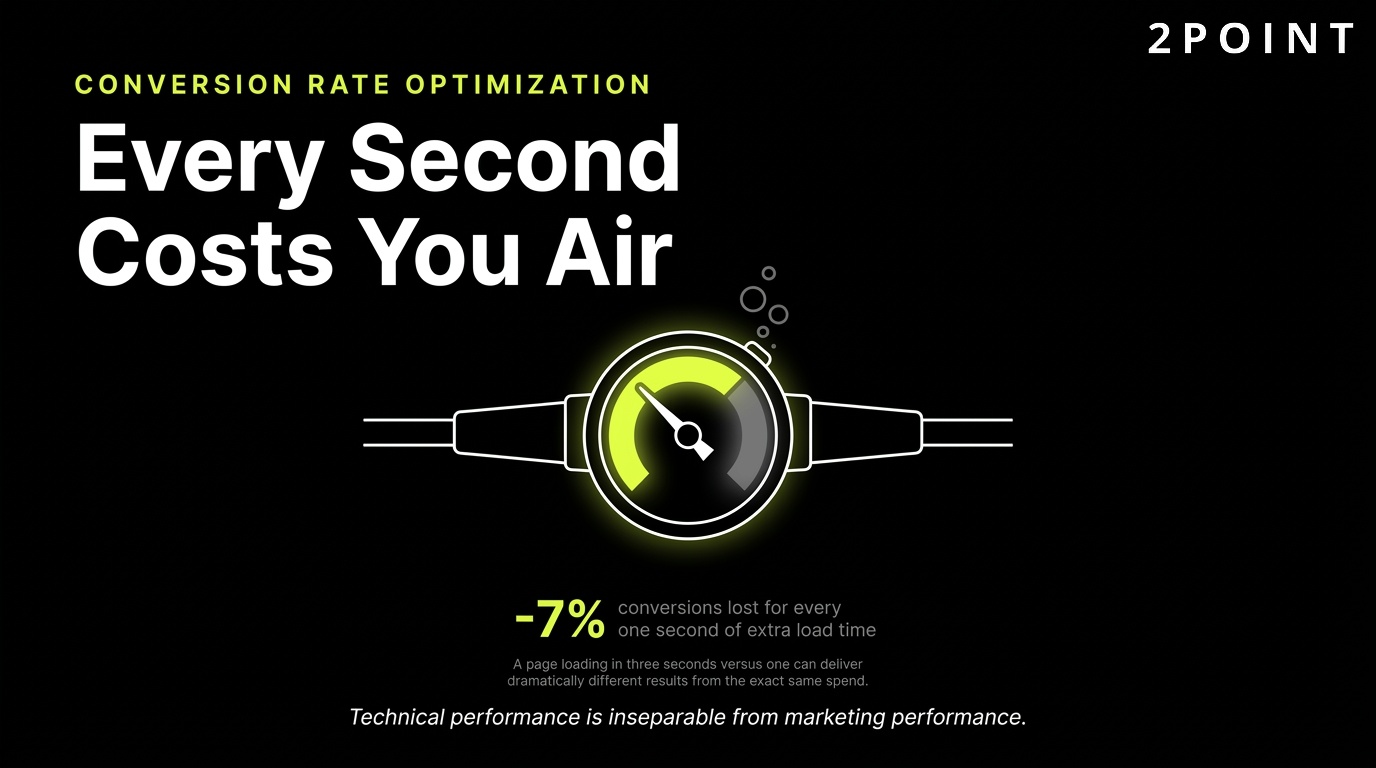
One of the clearest and most impactful shifts in marketing strategy thinking over the past two years is the move away from traffic as the primary success metric. Traffic volume is appealing because it is visible and grows through content production, but traffic that does not convert is simply expensive noise. The businesses achieving the most efficient growth in 2026 have reoriented their strategies around conversion rate optimization as the highest-leverage improvement available to them.
The math is straightforward and compelling. Data from the University of Rhode Island's Small Business Development Center demonstrates that improving a website's conversion rate from 1% to 2% doubles revenue outcomes without requiring any increase in advertising spend or content production volume. Doubling traffic to achieve the same result, by contrast, typically requires doubling the marketing budget. Conversion optimization is therefore among the most capital-efficient strategies available to growth-focused businesses.
Practically, this means investing in landing page quality, user experience design, clear value propositions, streamlined purchase flows, and systematic A/B testing of every conversion point. It means using customer engagement metrics to understand where potential customers drop off and why, then redesigning those experiences to remove friction. Every percentage point of conversion rate improvement compounds over time, making it one of the most durable investments a marketing team can make.
For businesses that have historically measured success through session counts, page views, or social media reach, this reorientation requires a meaningful shift in mindset and reporting structure. The shift is worth making. Conversion-focused marketing strategies produce clearer cause-and-effect relationships between marketing investment and business outcome, enabling smarter budget allocation and more confident decision-making at the leadership level.
Intentionality and Strategic Focus as Growth Drivers
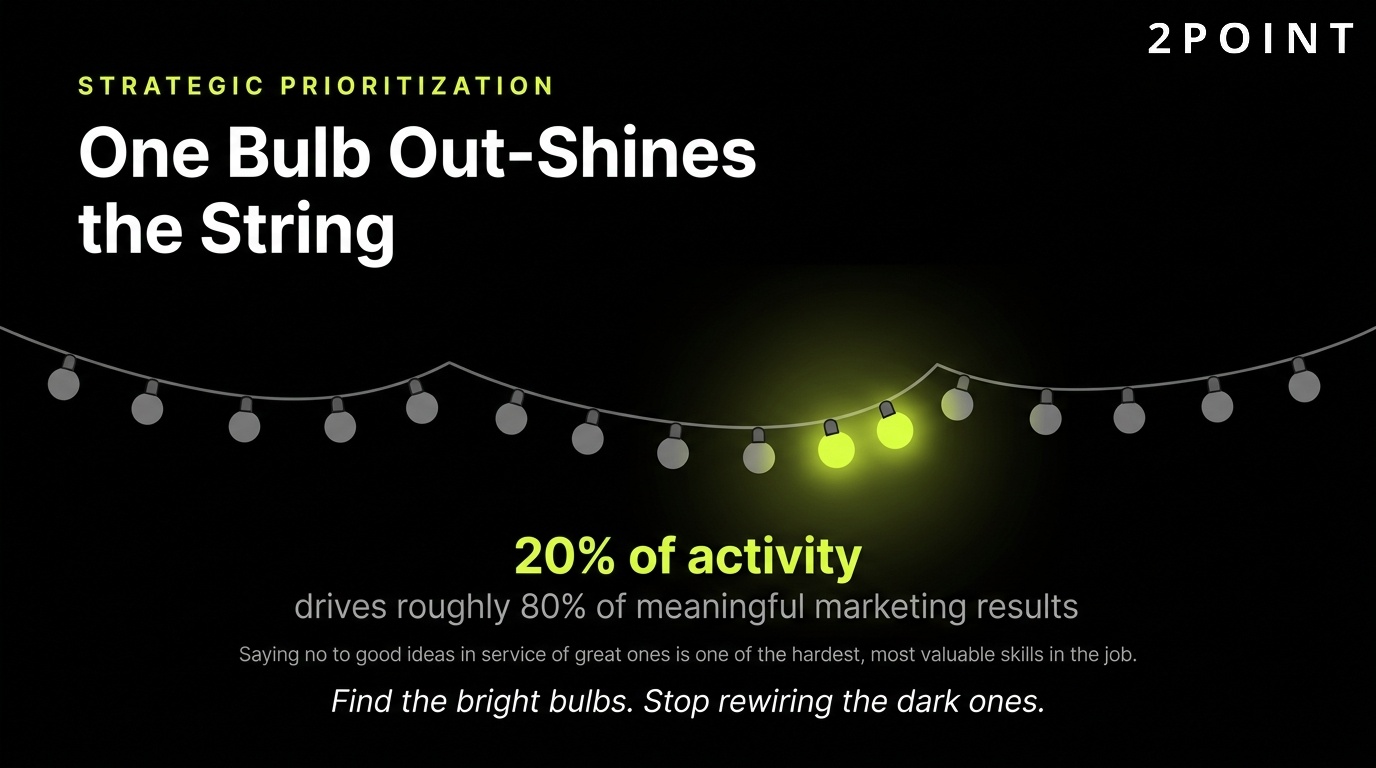
The dominant theme emerging from marketing strategy research in 2026 is intentionality. This is not a vague exhortation to be more purposeful. It is a specific observation that the businesses achieving the most consistent customer base expansion are those that have made deliberate, documented choices about which markets they serve, which channels they use, which messages they lead with, and which metrics define success.
URI's Small Business Development Center analysis of established businesses finds that growth in 2026 is less about chasing new tactics and more about building systematically on a clear strategic foundation. Organizations that chase every emerging platform, trend, or tool without a clear connection to their core strategy consistently underperform those that invest deeply in a focused set of high-conviction marketing activities.
Intentional marketing requires saying no as much as it requires saying yes. It means resisting the pressure to be present on every new platform before understanding whether your target audience is actually there. It means publishing less content that is more thoroughly researched and produced rather than flooding channels with output optimized for volume. It means measuring the right things consistently rather than reporting whichever metrics happened to perform well in a given period.
For marketing leaders, building intentionality into organizational culture requires connecting every marketing activity explicitly to a business objective and reviewing that connection regularly. When the connection is weak or unclear, the activity should be eliminated or redesigned. This discipline, while sometimes uncomfortable, is precisely what separates strategic marketing from reactive tactical execution.
Precision Marketing Over Broad Reach
Alongside intentionality, precision is emerging as a defining characteristic of high-performing marketing strategies. The maturation of digital marketing tools has made it possible to target with extraordinary specificity, and the businesses taking full advantage of this capability are seeing dramatically better results than those still optimizing for broad exposure.
Forbes analysis of 2026 go-to-market trends highlights that growing buying committees and longer sales cycles are actually rewarding marketers who invest time in deeply understanding and engaging specific decision-maker profiles. The initial time investment in precision targeting produces longer-term results: improved average selling price on closed deals, drastically improved win rates, and stronger account relationships that drive retention and referral.
Precision marketing relies on detailed audience segmentation, intent-based targeting, and personalized messaging sequences that speak directly to the specific concerns, priorities, and context of each segment. It requires knowing not just who your audience is demographically but what they are trying to accomplish, what obstacles they face, and what language they use to describe their challenges. This knowledge comes from understanding customer behavior at a deep, qualitative level, not just from aggregate analytics data.
The competitive advantage of precision marketing compounds over time because the data gathered from precisely targeted campaigns becomes increasingly valuable for refining future targeting. Each campaign cycle produces richer insights about which messages resonate with which segments, creating a self-improving system that broad-reach competitors simply cannot replicate.
Aligning Marketing Strategy With Business Objectives
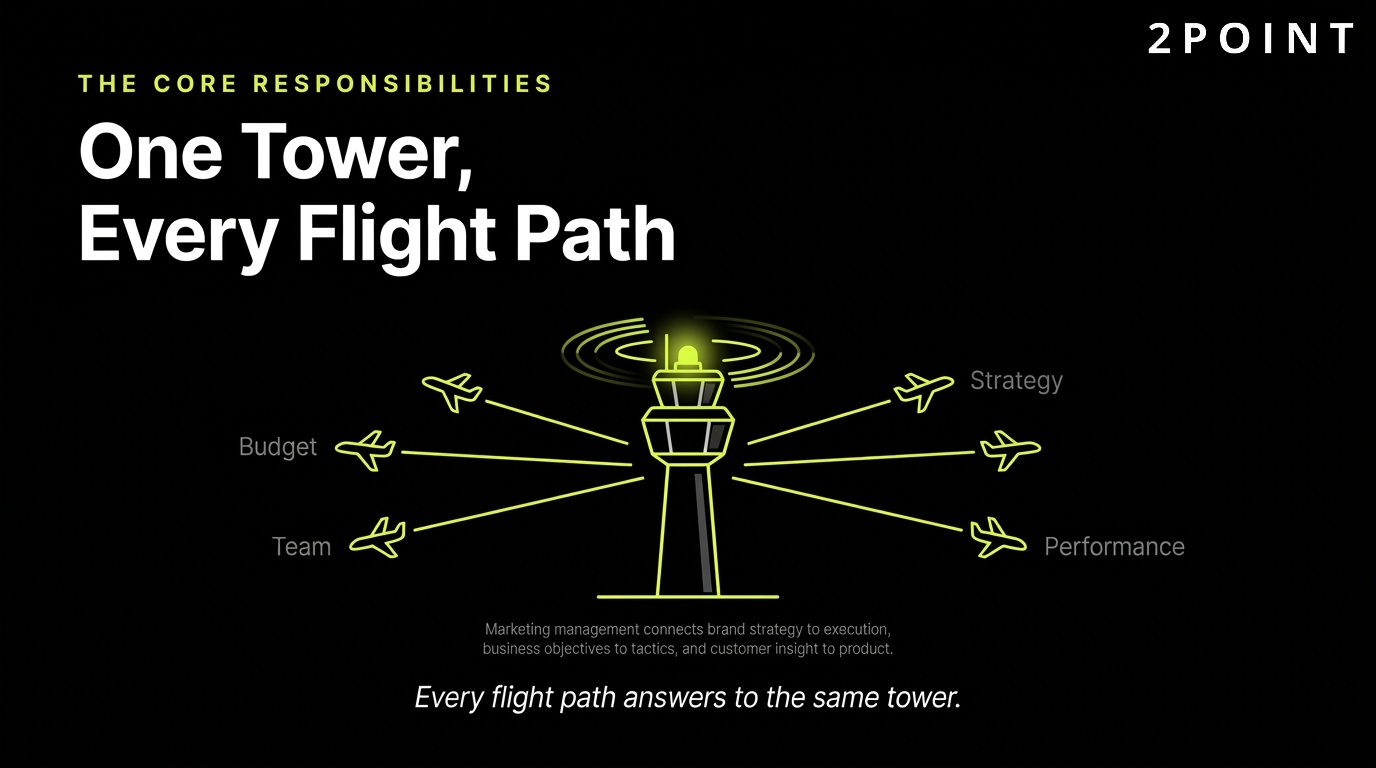
A marketing strategy that is not explicitly connected to business objectives is an activity plan, not a strategy. The most critical structural requirement for any effective marketing strategy is this alignment, ensuring that every campaign, channel investment, and content initiative can be traced back to a specific, measurable business goal.
Adobe's digital marketing strategy framework uses Coca-Cola's approach as a model worth studying. Rather than pursuing vague goals like "increased brand awareness," Coca-Cola set a concrete target of a 25% increase in brand engagement, directed specifically at Gen Z audiences, using tailored messaging and platform selection based on where that audience actually spends its attention. This precision in goal-setting creates clear success criteria, enables accurate performance measurement, and allows for meaningful optimization when results diverge from targets.
The four components that every well-aligned marketing strategy requires are: first, clear goals that connect directly to business objectives; second, audience insights that enable tailored, relevant messaging; third, deliberate channel selection based on where target audiences are most reachable; and fourth, a measurement framework that tracks progress toward the goals and enables ongoing optimization. Without all four components operating together, even sophisticated marketing execution will produce inconsistent and often disappointing results.
| Marketing Strategy Component | What It Defines | Common Failure Mode |
|---|---|---|
| Business-Aligned Goals | Specific, measurable outcomes tied to revenue, growth, or engagement targets | Vague objectives like "more visibility" with no numeric anchor |
| Audience Insights | Detailed understanding of target customer needs, behaviors, and language | Broad demographic descriptions without behavioral depth |
| Channel Selection | Deliberate choice of platforms and formats based on audience presence | Trying to be present on every channel without prioritization |
| Measurement Framework | KPIs and tracking systems that connect marketing activity to business results | Reporting vanity metrics that do not correlate with revenue |
The most effective marketing strategies align all four components simultaneously, creating a coherent system where each element reinforces the others and progress toward business goals is visible at every stage.
Content Marketing Strategy That Converts in 2026
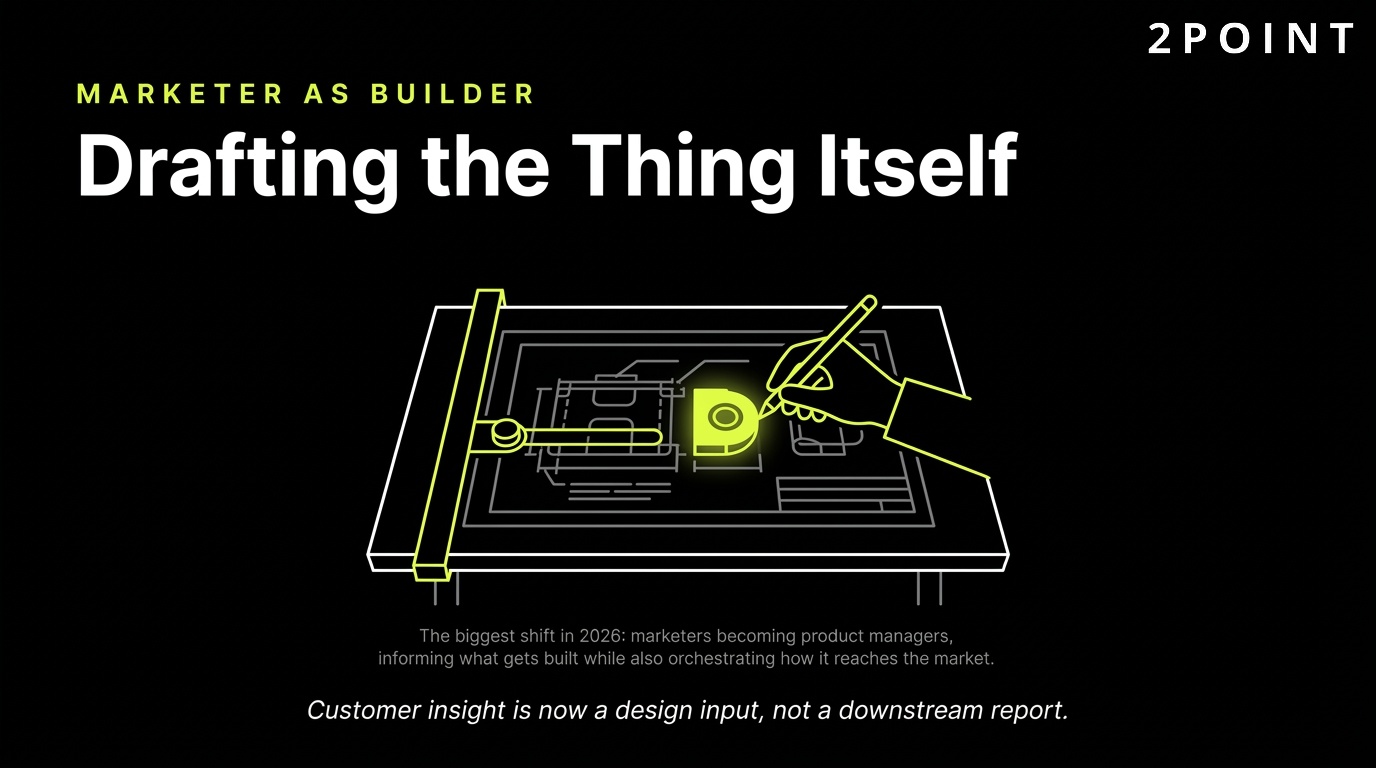
Content is the fuel that powers every channel in a modern marketing strategy. SEO depends on it. Social media amplifies it. Email marketing distributes it. Paid advertising tests it. The quality, relevance, and strategic alignment of your content determines whether all of those distribution investments produce meaningful returns or simply generate traffic that does not convert. Building content marketing strategies that are genuinely audience-centered and conversion-optimized is among the most valuable work any marketing team can do.
Video Content's Central Role in Modern Marketing
Video has decisively established itself as the dominant content format across virtually every digital marketing channel. From YouTube's long-form educational ecosystem to TikTok's short-form discovery engine to Instagram Reels' engagement-optimized feed, video content consistently drives higher engagement, longer dwell times, and stronger conversion signals than static alternatives. Any video ads strategy that reflects current platform dynamics is a non-negotiable component of serious marketing investment.
The American Marketing Association's research on digital marketing strategies confirms that online video consumption continues to rise sharply across all demographic groups, with the most significant growth occurring in the 25-44 age range that represents the core buying audience for most businesses. This growth is not evenly distributed across video formats, and understanding format-specific strategy is essential for maximizing return on video investment.
Short-form video on TikTok and Instagram Reels excels at driving discovery among new audiences and generating rapid engagement signals. The format rewards creativity, cultural relevance, and authenticity over production polish. Long-form educational video on YouTube, delivered through tutorials, webinars, and documentary-style content, builds authority and positions brands as trusted knowledge sources in their categories. Live streaming creates real-time engagement opportunities that foster community and urgency. Product demonstrations and explainer videos bridge the gap between consideration and purchase by answering the specific questions that stand between a prospect and a conversion decision.
The most effective video content strategies deploy multiple formats deliberately, using each one for the specific purpose it serves best rather than trying to make a single format work across all stages of the customer journey. Coordination across formats, with consistent brand voice and messaging architecture connecting them, multiplies the impact of each individual video investment.
Quality Over Quantity: The Content Imperative
The digital content landscape in 2026 is genuinely saturated. AI tools have made content production dramatically faster and cheaper, flooding virtually every topic area with volumes of material that would have been impossible to produce manually just a few years ago. In this environment, the instinct to produce more content to compete is precisely the wrong response. The brands succeeding in content marketing are those that have made a disciplined commitment to depth, relevance, and quality over volume.
The distinction between advertising and content marketing is instructive here. Paradigm Marketing and Design frames this clearly: advertising gets customers to remember your name, while content marketing helps them understand what you actually provide and why it matters to them. Content that genuinely addresses a customer's question, challenge, or decision process creates a relationship of demonstrated value that advertising simply cannot replicate.
The practical implications of the quality imperative are significant for content planning. It means investing more time in research and ideation, producing fewer pieces with more depth, and measuring content performance by its contribution to conversion and retention rather than by raw traffic or view counts. It means building content around documented audience needs rather than internal assumptions about what audiences want to know. It means editing rigorously, presenting information with clarity and structure, and respecting the reader's time by front-loading the most valuable information in every piece.
For teams accustomed to high-volume content production, the shift to quality-first content can feel uncomfortable initially. The temptation to maintain output velocity is real. But the data consistently shows that a smaller number of genuinely excellent content pieces, widely distributed and properly optimized, outperforms a much larger volume of average content both in search visibility and in audience engagement quality.
Data-Driven Content Planning and Strategy
The most consistently effective content marketing strategies are built on data rather than intuition. This does not mean that creative judgment has no place in content development. It means that creative judgment applied to ideas generated from real audience data produces dramatically better results than creativity operating in an informational vacuum. Data analytics in marketing should inform content ideation at every stage, from initial topic selection through headline testing to distribution channel prioritization.
Surfer SEO's content marketing best practices research emphasizes that deep data analysis should precede content ideation rather than follow it. First-party data from your own audience, including search queries, support questions, sales call recordings, and email response patterns, reveals what your customers are actually trying to understand. Third-party data from keyword research tools, competitor analysis, and social listening shows where content demand is highest and underserved.
Analytics tools enable content teams to track performance at a granular level, identifying which topics drive the most qualified traffic, which formats generate the highest engagement, and which content pieces contribute most directly to conversion. Adobe's content marketing framework recommends using these insights to design content plans that align with broader marketing objectives, not just content-specific goals. This alignment ensures that content investment is evaluated against business outcomes rather than content metrics alone.
The practical process involves regular content audits to identify high-performing pieces worth updating and expanding, systematic keyword and topic research using multiple data sources, and structured content calendars that connect planned topics to specific business objectives and audience segments. Teams that build this data infrastructure early develop a compounding advantage: each content cycle produces better data, enabling smarter decisions in the next cycle.
Content Marketing Best Practices for Production Efficiency
Even the best content strategy fails in execution if the production process is inefficient, inconsistent, or poorly documented. Content marketing at the scale required to maintain meaningful channel presence demands workflows, templates, editorial standards, and clear ownership. Without these structural elements, content production becomes reactive, inconsistent, and expensive relative to its output quality.
Twilio's research on content marketing best practices identifies documented processes as a foundational requirement for sustained content quality and production velocity. Documented plans and processes prevent duplicate content production, ensure that individual pieces align with overall marketing strategy rather than reflecting individual creators' preferences, and create the consistency of tone, format, and quality that audiences recognize and trust over time.
The core benefits of strong content production processes include maximum team productivity through clearly established principles, faster individual piece production through reusable templates and structural frameworks, systematic identification of content habits that are reducing quality, and the development of production routines that serve long-term content goals rather than short-term volume needs. Workflows that route content through research, drafting, editing, and optimization stages consistently produce better final outputs than ad-hoc approaches, even when working with highly talented individual creators.
For teams building these systems, the investment of time in process design pays compounding returns. A well-documented editorial process reduces the cognitive load on individual creators, shortens onboarding time for new team members, and creates the structural consistency that makes scaling content production feasible without sacrificing quality. These operational foundations are what enable content marketing to grow from a tactical channel into a genuine strategic asset.
Building Your Digital Marketing Strategy Framework Step by Step

A digital marketing strategy is a structured plan that specifies how a business will use digital channels, technologies, and tools to achieve its goals. It coordinates SEO, social media, content marketing, paid advertising, and email marketing into a coherent, integrated system oriented toward driving growth and maximizing online presence. Building this framework requires both strategic clarity and operational discipline, starting with a thorough understanding of the market and progressing through channel selection, goal definition, and measurement design.
Core Components of an Effective Digital Marketing Strategy
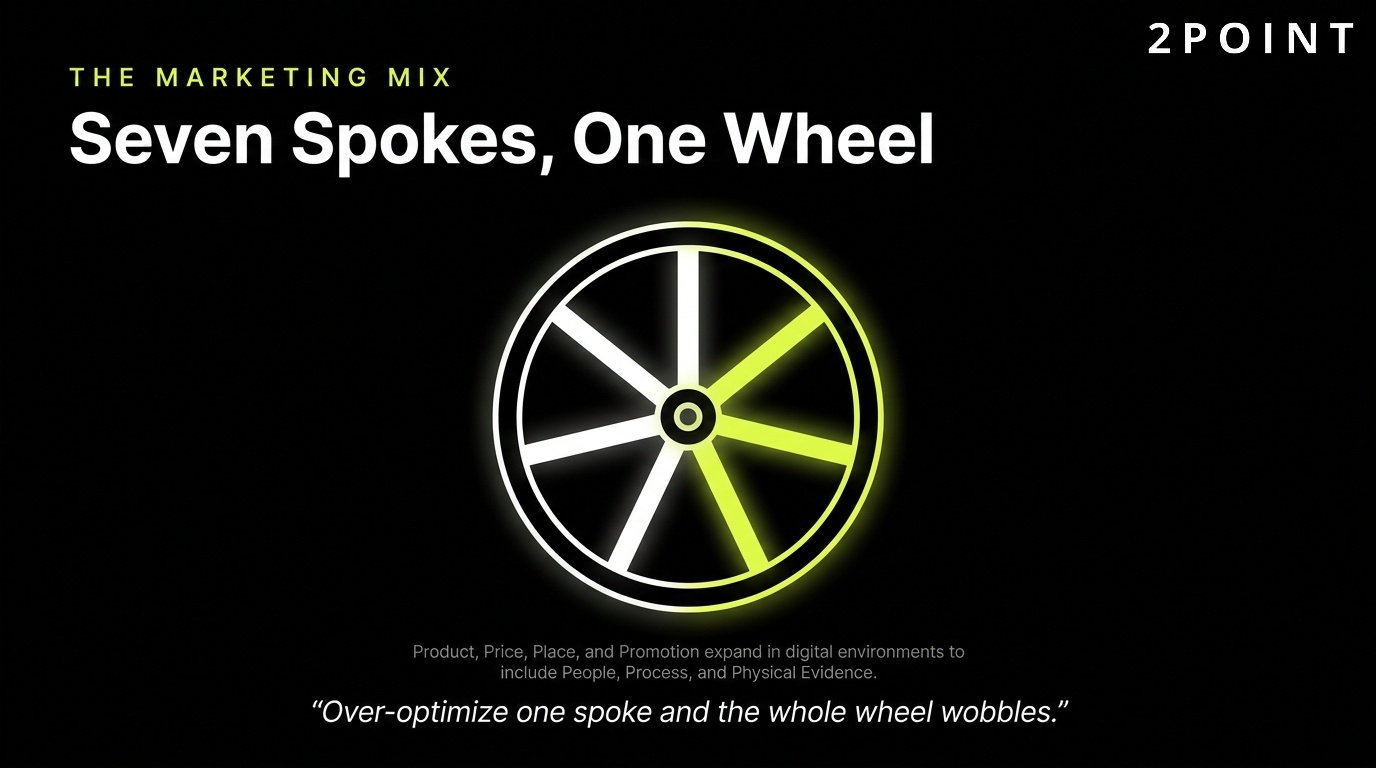
Before selecting channels or allocating budget, every digital marketing strategy needs a clear foundational architecture. The American Marketing Association's analysis identifies the core components as: a defined target audience with documented behavioral and attitudinal profiles; clear, measurable objectives aligned with business goals; a channel mix selected based on audience presence and objective requirements; a content and messaging architecture that works across channels; and a measurement framework that tracks performance against objectives.
The emphasis on alignment with business objectives cannot be overstated. Digital marketing strategies that optimize for channel-specific metrics without connecting those metrics to revenue or customer acquisition outcomes frequently produce impressive-looking reports and disappointing business results. From the beginning of strategy development, every digital marketing investment decision should be tested against the question: how does this contribute to the business goals we have defined?
Multi-channel digital strategies consistently outperform single-channel approaches because they engage customers at multiple touchpoints across their decision journey, creating reinforcing impressions that build familiarity, trust, and purchase intent. Adobe's digital marketing strategy research documents significant performance lifts from well-integrated multi-channel campaigns compared to standalone channel efforts. The lift comes not just from additional exposures but from the coherent narrative created when consistent messaging reaches audiences across multiple contexts.
Integration is the word that most distinguishes a true digital marketing strategy from a collection of channel tactics. When SEO, paid search, social media, email, and content work from the same audience insights, message architecture, and goal framework, they create a system that is more powerful than the sum of its individual parts.
Six Essential Digital Marketing Channels and Their Strategic Roles
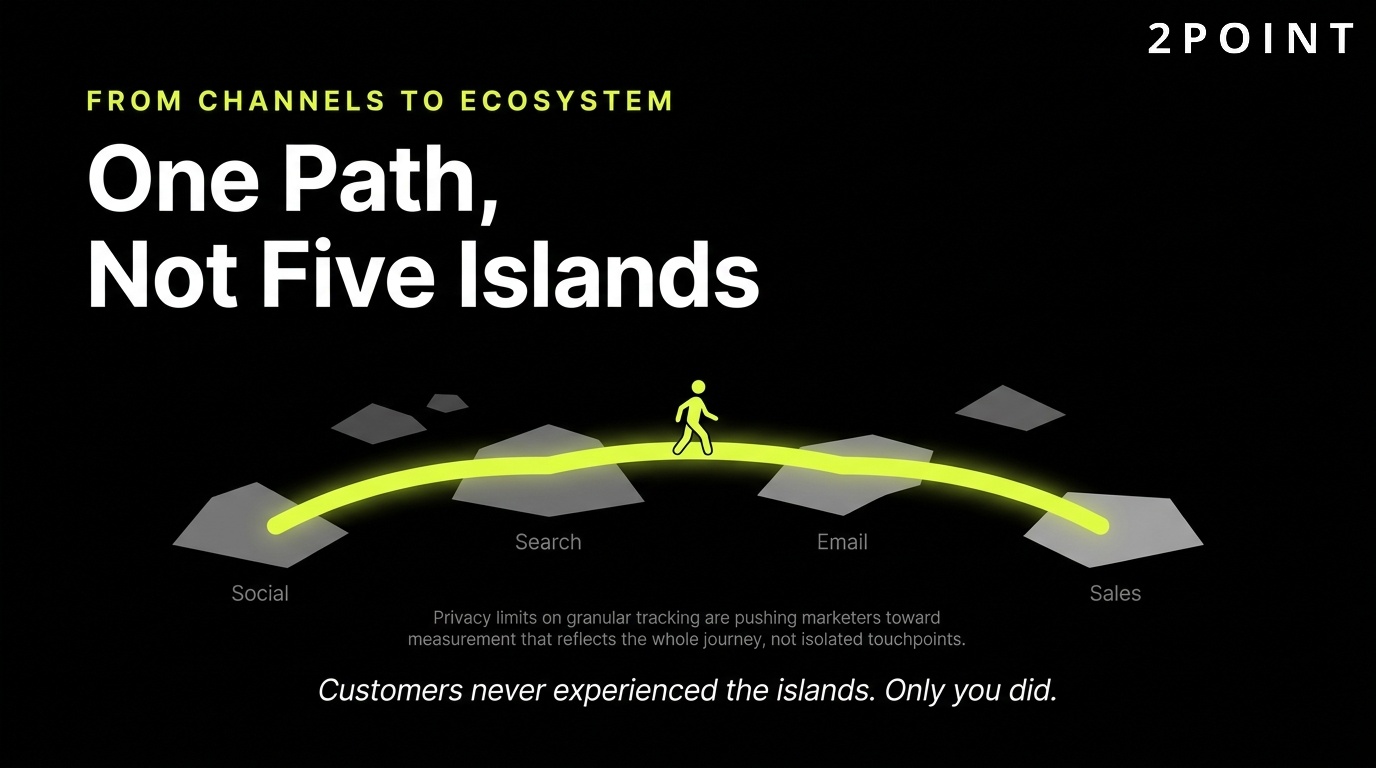
A well-designed digital marketing strategy typically incorporates six core channel categories, each serving a distinct purpose in the overall customer acquisition and retention system. Understanding the strategic role of each channel is essential for allocating resources intelligently and setting appropriate performance expectations. Referencing resources like Thomas Net's analysis of essential digital marketing strategies provides a useful orientation for channel planning.
| Digital Marketing Channel | Primary Strategic Role | Key Performance Metric |
|---|---|---|
| Search Engine Optimization (SEO) | Organic discovery and authority building for long-term visibility | Organic traffic, keyword rankings, domain authority |
| Pay-Per-Click Advertising (PPC) | Immediate visibility and demand capture for high-intent searchers | Cost per click, conversion rate, return on ad spend |
| Social Media Marketing | Audience engagement, brand awareness, and community building | Engagement rate, reach, social-attributed conversions |
| Video Marketing | Demonstrating value, building authority, and driving discovery | View rate, watch time, conversion from video |
| Email Marketing | Nurturing existing relationships and driving repeat purchase | Open rate, click-through rate, revenue per email |
| Content Marketing | Education, trust-building, and SEO fuel across the customer journey | Time on page, content-assisted conversions, return visitors |
The most effective digital marketing strategies integrate all six channels into a unified system where each channel's output feeds and reinforces the others, creating a customer experience that feels cohesive rather than fragmented across touchpoints.
Aligning Digital Strategy With Broader Marketing Goals
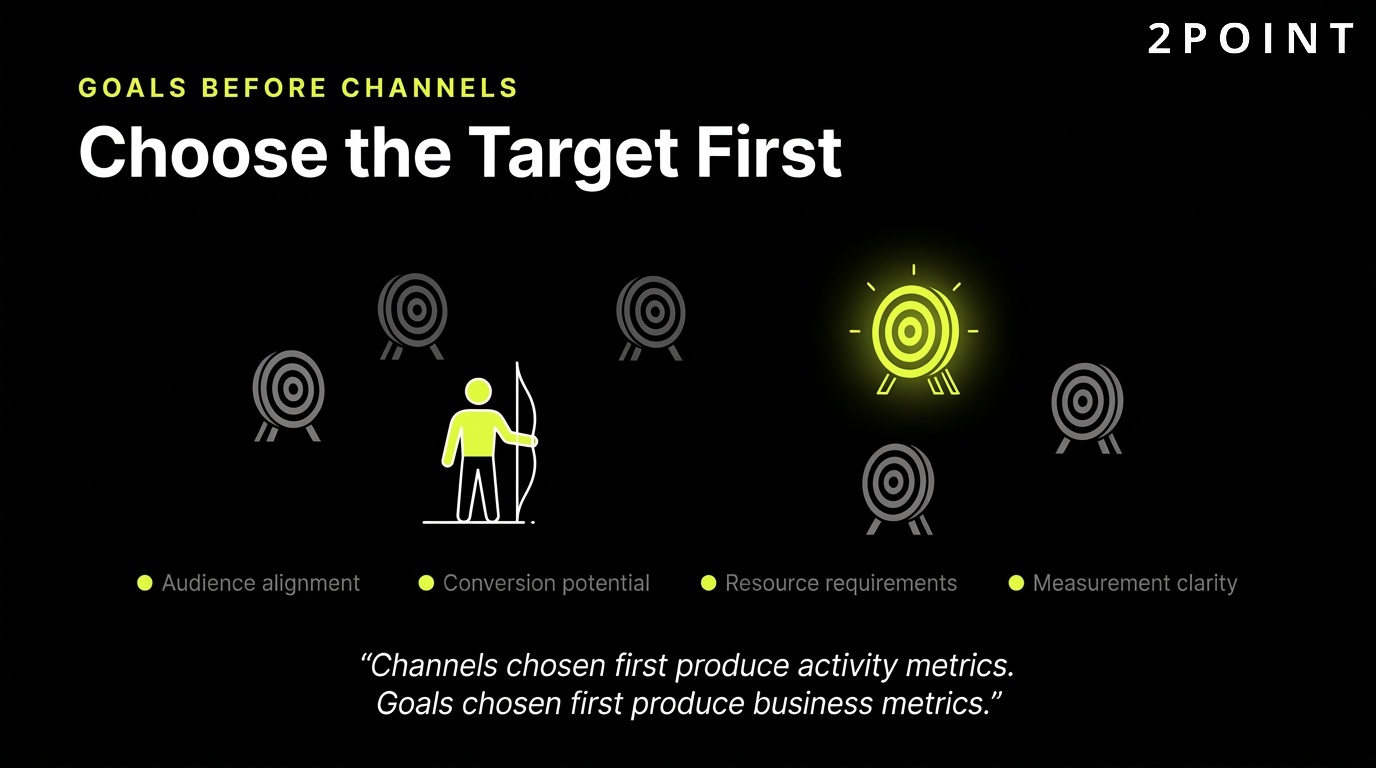
Digital marketing strategy does not exist independently of the broader business and marketing goals it is designed to serve. Smart Insights' digital marketing strategy framework emphasizes the importance of identifying opportunities to create new value through digital channels, whether that means acquiring new customers who cannot be reached through traditional channels, improving the retention economics of existing customer relationships, or building the brand authority that supports premium pricing.
For established businesses, this alignment exercise often reveals underutilized opportunities in customer retention. The well-documented reality that acquiring a new customer costs significantly more than retaining an existing one makes the investment in retention-oriented digital marketing, through email marketing strategy, loyalty programs, and personalized re-engagement campaigns, a compelling strategic priority. Digital channels make retention marketing more scalable and measurable than ever before.
For organizations in growth mode, digital strategy should be evaluated against customer acquisition cost targets that reflect the lifetime value of customers in each segment. This value-based approach to channel investment ensures that marketing budget flows toward the acquisition activities that produce the highest-quality customers, not simply the highest volume of leads. It also creates natural alignment between marketing performance metrics and business financial outcomes.
Strategic alignment is an ongoing process, not a one-time exercise. As market conditions change, new channels emerge, and customer behavior evolves, the connections between digital marketing activities and business goals must be reviewed and refreshed. Teams that build regular strategy review cadences into their operating rhythm maintain alignment continuously rather than discovering drift after it has already cost significant performance.
The Strategic Marketing Planning Process
Effective strategic marketing planning follows a disciplined process that begins with market research and progresses through competitive analysis, objective setting, strategy design, and measurement framework development. Park University's research on effective marketing strategies recommends starting with thorough research into customer preferences, behaviors, and emerging trends using surveys, focus groups, customer interviews, and digital analytics tools.
Competitive landscape analysis is the second critical input. Understanding not just what competitors are doing but why particular approaches are or are not working in your market category enables strategic differentiation rather than imitative positioning. The goal is to identify gaps in the competitive landscape where your specific strengths can create genuine value for underserved customer segments, not to replicate whatever appears to be working for the category leader.
Objective-setting should follow the research phase, translating the insights gathered into specific, measurable targets. Objectives like a 20% increase in website traffic over six months, a 30% improvement in social media engagement in a specific audience segment, or a 15% reduction in customer acquisition cost give marketing teams clear success criteria and enable meaningful performance evaluation. Vague objectives like "grow the business" or "improve brand awareness" produce exactly the kinds of unfocused tactical activity that strategic planning is designed to prevent.
The final element of the planning process is building the measurement framework before campaigns launch, not after. Defining in advance which metrics will be tracked, how they will be attributed to specific marketing activities, and at what intervals they will be reviewed creates accountability and enables rapid optimization when early performance data suggests course corrections are needed.
SEO Evolution and Search Strategy in the AI Era
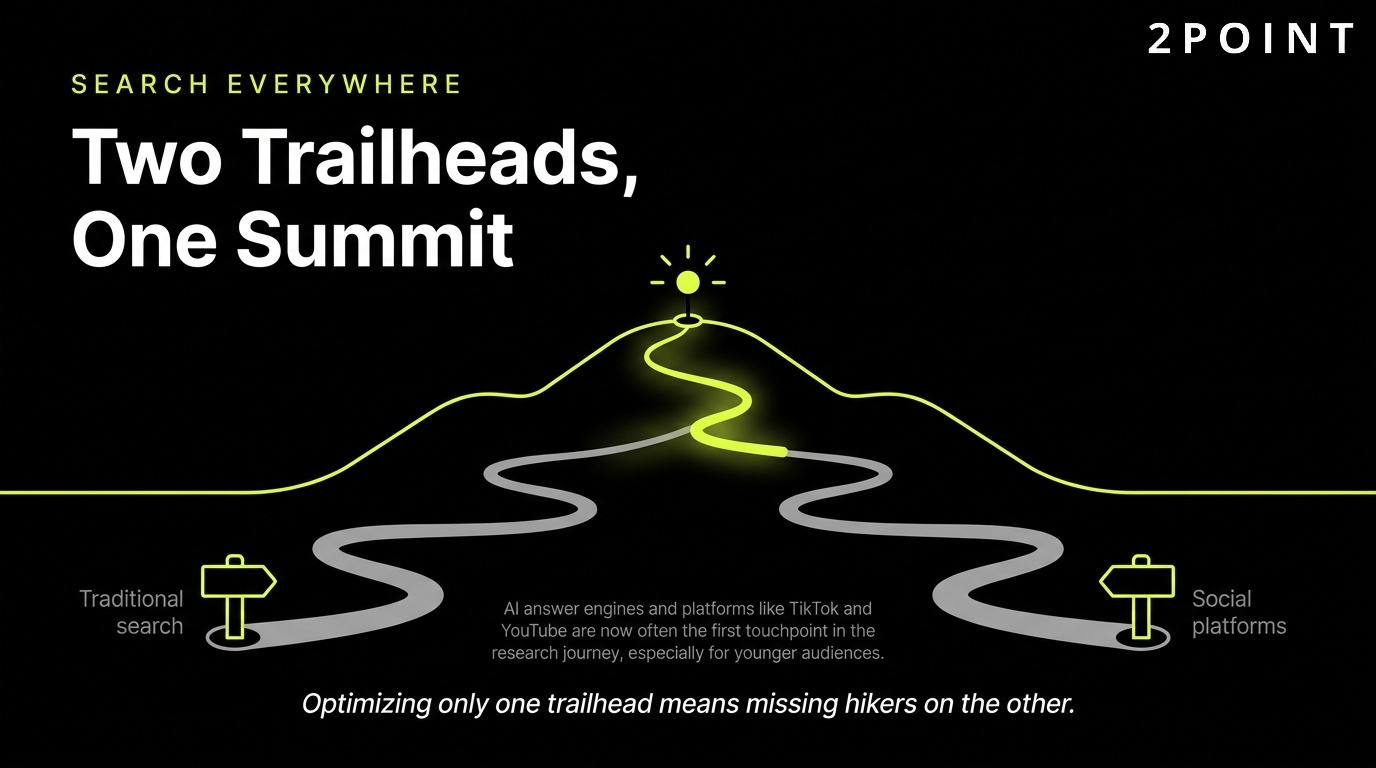
Search engine optimization in 2026 looks meaningfully different from the discipline that dominated digital marketing just a few years ago. AI-driven search features, evolving ranking algorithms, and shifting user search behaviors have transformed what it means to optimize for visibility. Understanding the current SEO landscape is essential for any marketing strategy that depends on organic search as a customer acquisition channel, which is to say, virtually every modern marketing strategy.
AI-Driven Search Transformation and What It Means for Strategy
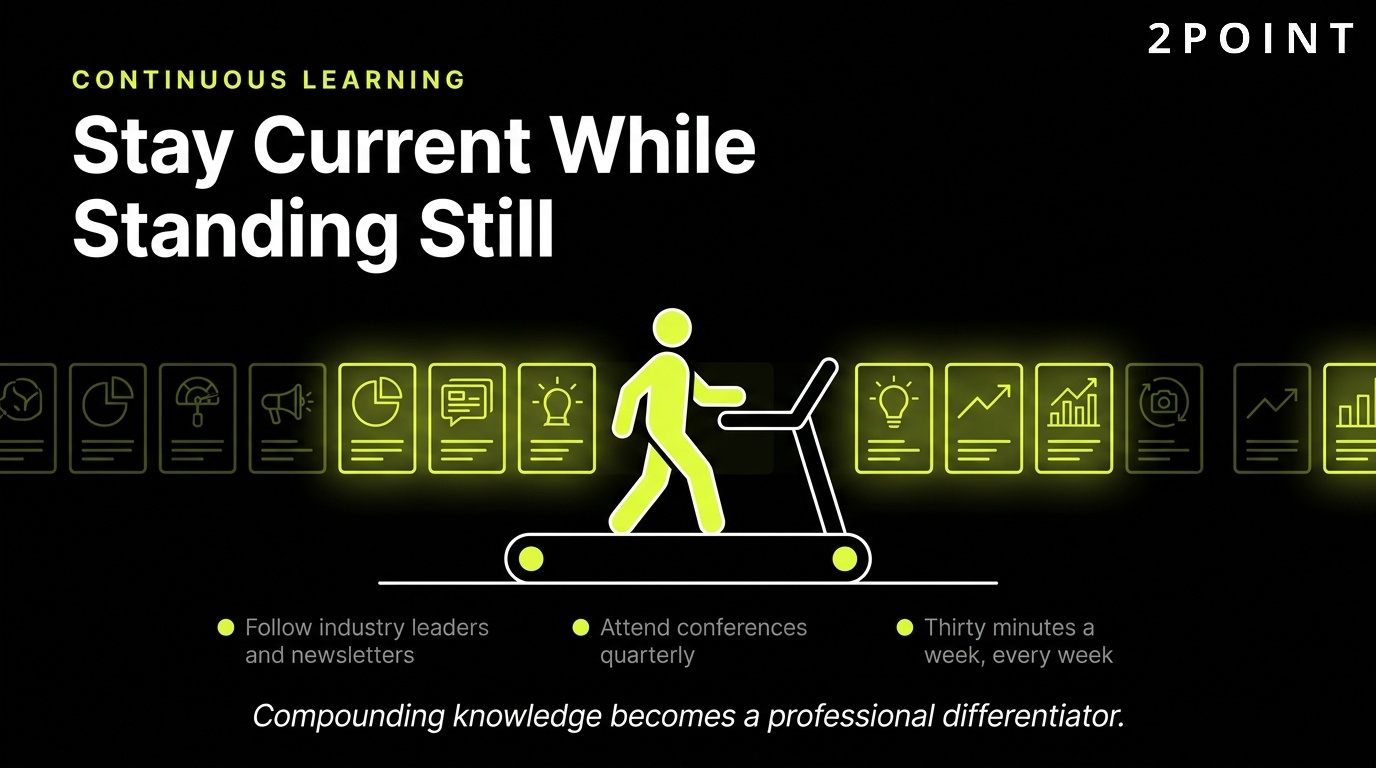
The integration of AI into search engines has fundamentally changed the relationship between content and visibility. AI overviews, answer boxes, and generative search responses now appear at the top of search results pages for a growing proportion of queries, particularly informational searches. Spinutech's 2026 marketing trends guide identifies building topical authority and optimizing for AI overviews as the defining SEO priorities of this year.
The shift has moved SEO success criteria away from simple keyword ranking toward something more holistic: does your content demonstrate genuine expertise, answer questions comprehensively, and match the search intent behind the queries your target audience is asking? Search engines are increasingly sophisticated at evaluating these qualities, rewarding content that genuinely serves user needs and penalizing content that has been optimized for search engines at the expense of reader usefulness.
For marketers, this means that the most durable SEO strategy is one that prioritizes building real authority in a defined topic area over trying to rank for maximum keyword volume. Publishing fewer, more comprehensive pieces that demonstrate deep expertise consistently outperforms high-volume strategies built on thin, keyword-optimized content in the current search environment. Authority builds slowly but compounds powerfully, creating the kind of organic visibility that paid channels cannot replicate.
Visibility in AI-generated search features requires particular attention to content structure. Clear, factual, well-sourced answers to specific questions, formatted with appropriate headings, lists, and tables, are the content patterns that AI systems most readily extract and surface. This alignment between AI-readable content formats and genuinely reader-friendly content structure is one of the more encouraging convergences in current SEO best practice.
Quality-Focused SEO Best Practices That Build Lasting Visibility
SEO is the practice of improving a website's visibility in organic search results through content quality, site structure optimization, and the development of credible authority signals. At its core, the discipline is about helping search engines understand that your content is the most useful, trustworthy, and relevant answer to the queries your target audience is asking. The AMA's digital marketing strategy research identifies organic traffic as among the highest-value acquisition channels available, driven by its compounding nature and the high purchase intent that search behavior typically signals.
The foundational SEO best practices that drive lasting visibility in 2026 center on three pillars: content relevance and depth, technical site health, and authority development through earned backlinks and brand mentions. Content relevance requires understanding the specific questions, concerns, and vocabulary of your target audience and creating content that addresses those needs with genuine depth and accuracy. Depth matters more than ever because AI systems can synthesize surface-level information; the content that earns consistent visibility is content that goes beyond what can be easily aggregated from multiple sources.
Backlink quality remains a significant authority signal, though the emphasis has shifted from quantity to relevance and source credibility. A smaller number of backlinks from genuinely authoritative, topically relevant sources consistently outperforms large volumes of low-quality links. Building backlinks through original research, genuinely useful tools, and expert content that other sites want to reference is both more effective and more durable than any link-building scheme.
The practical SEO planning process starts with keyword and topic research to identify where audience demand is strongest and where the competitive landscape is most navigable. It proceeds through content architecture design to ensure that your site covers its core topic areas with appropriate depth and internal linking. It concludes with ongoing measurement and optimization based on search performance data, adjusting content and technical elements in response to what the data reveals about how search engines are evaluating your site.
Content Optimization for Search Visibility and Reach

Optimizing content for search visibility is not a separate activity from producing high-quality content. When done correctly, SEO best practices and content quality best practices are the same thing. The content structures that search engines reward, comprehensive answers to specific questions, clear hierarchical organization, appropriate use of semantic vocabulary, and strong user experience signals, are precisely the content structures that human readers find most useful and engaging.
Adobe's content marketing research recommends using analytics tools to identify audience needs, track content performance, and uncover search trends before designing content plans. This data-first approach ensures that content investment is directed toward topics with demonstrated audience demand rather than topics that seem interesting from an internal perspective but lack significant search market.
Applying audience insights strategy to content optimization means going beyond keyword volume to understand the intent behind searches. Informational queries require educational content that builds trust and demonstrates expertise. Navigational queries require clear brand presence and accurate information architecture. Commercial investigation queries require comparison content, case studies, and social proof. Transactional queries require landing pages optimized for conversion. Matching content type to query intent is the single most important optimization decision in any content SEO strategy.
Technical SEO and Site Structure as Strategic Foundations
No matter how excellent the content on a website, poor technical foundations will limit its search visibility. Site speed, mobile optimization, structured data markup, crawlability, and indexation are the technical underpinnings that enable search engines to access, evaluate, and rank content effectively. Technical SEO is not glamorous, but its impact on organic visibility is substantial and often underappreciated by marketing teams focused primarily on content production.
Page speed is particularly consequential in the current environment. Smart Insights' research documents consistent correlations between page load time and both search rankings and user engagement metrics. Mobile-first indexing means that the mobile version of your site is the version search engines evaluate for ranking purposes, making mobile performance optimization a non-negotiable technical priority for any serious SEO strategy.
Structured data markup, which uses schema vocabulary to help search engines understand the specific type and meaning of content on a page, is increasingly important for appearing in rich result formats including featured snippets, knowledge panels, and AI overview citations. Investing in structured data implementation across key content types, including articles, FAQs, products, and reviews, meaningfully improves the likelihood of earning these high-visibility search result formats.
Site architecture and internal linking strategy are the final technical elements that support content SEO success. Clear topical clustering, where related content is grouped and interlinked in ways that signal subject matter depth to search engines, builds the topical authority that AI-era search algorithms reward most consistently. A well-structured site tells search engines exactly what your brand is an authority on, making it easier to rank for the full range of queries in your target topic areas.
Personalization and Customer Experience Strategy That Builds Loyalty
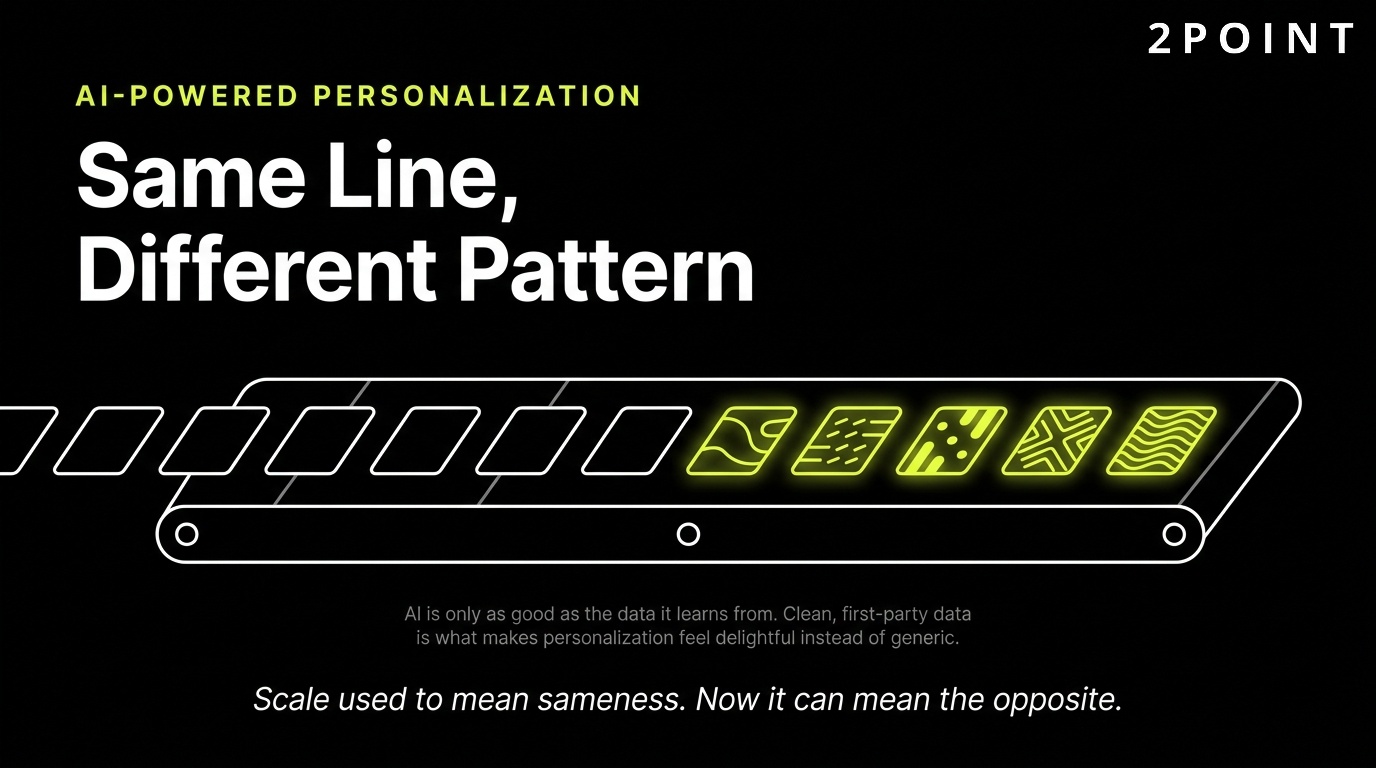
Personalization has evolved from a marketing enhancement to a customer expectation. Audiences in 2026 expect brands to know who they are, remember their preferences, and communicate in ways that feel relevant to their specific needs and context. Meeting this expectation at scale requires a combination of sophisticated data infrastructure, AI-powered execution tools, and unwavering commitment to the privacy and transparency standards that maintain customer trust. A well-executed customer-centric marketing strategy is built on personalization done right.
The Hyper-Personalization Imperative in Modern Marketing
Hyper-personalization goes beyond addressing a customer by name in an email. It means delivering content, offers, and experiences that are specifically calibrated to each individual's current needs, preferences, purchase history, and behavioral signals. ESADE Business School's marketing trends research identifies hyper-personalization as one of the most significant competitive differentiators available to brands in 2026, with direct impacts on conversion rates, customer satisfaction, and long-term loyalty.
Achieving hyper-personalization requires companies to develop strategies for ethically collecting customer information that enables personalized experiences without compromising privacy or eroding trust. This ethical dimension is not optional. Customers are more aware than ever of how their data is used, and brands that violate privacy expectations, even inadvertently, face reputational consequences that far outweigh any short-term personalization benefit. The goal is to build personalization systems that customers experience as helpful rather than intrusive.
Integration of automation and AI into personalization workflows enables brands to gather behavioral signals in real time, optimize content and offer delivery based on those signals, anticipate changing customer needs based on pattern analysis, and deliver hyper-personalized experiences at the scale that individual customer bases require. The technology capabilities now exist to execute genuinely impressive personalization at scale. The limiting factor for most organizations is the data quality and governance infrastructure required to feed these systems with reliable, consented, high-quality inputs.
Marketers building personalization capabilities should prioritize first-party data development above all else. Email list quality, customer account data, purchase history, and explicit preference signals are more valuable than any third-party data source, both because they are consented and accurate and because they are proprietary, providing a competitive advantage that cannot be easily replicated.
Key Data Signals That Power Effective Personalization
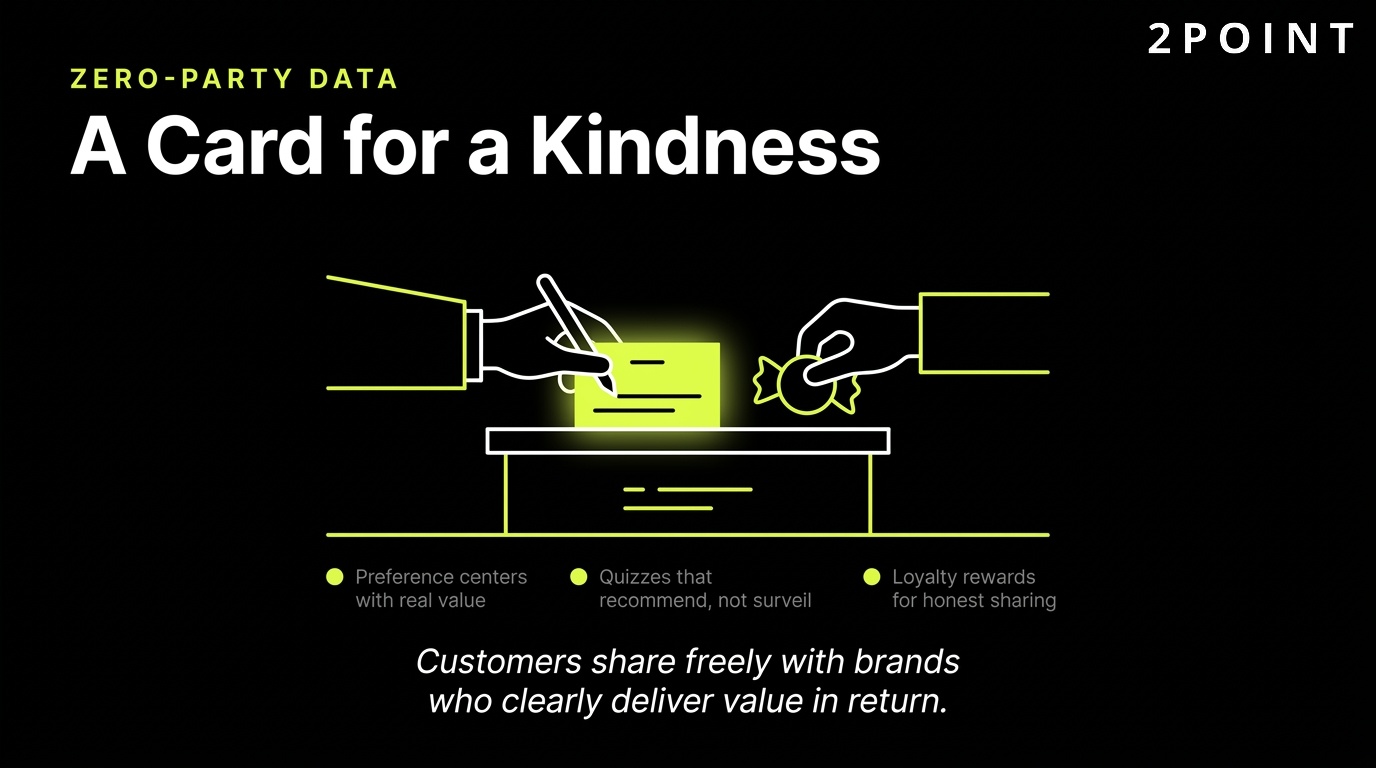
Effective personalization depends on identifying and correctly interpreting the right data signals. Not all data is equally valuable for personalization purposes, and using the wrong signals, or misinterpreting the right ones, can produce experiences that feel off-target or even offensive to customers. Adobe's digital marketing strategy framework identifies the most valuable personalization signals as those that reveal current intent and context rather than simply demographic category.
Behavioral data, including which pages a customer has visited, which products they have viewed repeatedly, and how long they have spent engaging with specific content, provides real-time intent signals that are highly predictive of purchase readiness. Purchase history enables personalization of product recommendations, reorder reminders, and cross-sell and upsell communications that are grounded in demonstrated preferences rather than statistical averages. Engagement patterns, including email open timing, preferred content formats, and device usage, enable delivery optimization that maximizes the likelihood of each communication reaching its intended audience at the right moment.
Real-time contextual signals, including device type, location, time of day, and current browsing session behavior, enable situational personalization that matches content to the specific context of each interaction. A customer browsing a product category on a mobile device at lunchtime represents a different context and likely a different intent than the same customer browsing the same category on a desktop at 9 PM, and a sophisticated personalization system will serve different content in each scenario.
The practical challenge is building the data infrastructure to capture, integrate, and act on these signals in real time without creating privacy risks or data security vulnerabilities. Investment in customer data platform technology and first-party data governance pays dividends here, enabling the kind of reliable, consent-based personalization that customers find valuable rather than invasive.
Automation and Personalization at Scale
Delivering truly personalized experiences to a customer base of any significant size requires automation. Human curation of individual customer communications is only feasible at very small scale. Adobe's platform research shows that tools like Adobe Experience Manager enable automated personalization across entire customer journeys, ensuring that each user interaction is timely, contextually relevant, and consistent with the individual's history with the brand.
Marketing automation platforms enable dynamic content delivery across email, website, and advertising channels, replacing static one-size-fits-all content with experiences that adapt to each individual's signals. These systems can automatically adjust product recommendations, modify email content blocks based on recipient attributes, alter website page content for different audience segments, and optimize ad creative selection based on performance data, all without manual intervention for each individual interaction.
The critical balance to maintain in automation-driven personalization is the authentic, human brand voice that makes personalization feel warm rather than algorithmic. Perfectly targeted content delivered in a tone that feels robotic or formulaic fails to create the emotional connection that drives loyalty. The best automated personalization systems are those that have been designed with deep attention to brand voice and human communication patterns, ensuring that automation serves as the delivery mechanism for genuinely human-feeling interactions rather than replacing them with mechanical ones.
Building Customer Trust Through Transparency and Engagement
Forbes' analysis of 2026 go-to-market trends highlights a critical insight for personalization strategy: heightened customer caution in the current environment means that even perfectly executed marketing campaigns do not automatically generate the trust required for conversion. First impressions and the quality of early engagement experiences are the primary trust-building mechanisms, and they must be invested in deliberately from the very beginning of each customer relationship.
Transparency about data usage is a central component of trust-building in 2026. Customers who understand how their information is being used, and who see that usage producing genuinely helpful personalized experiences, are significantly more likely to continue sharing data and engaging with personalized marketing. The virtuous cycle of transparent data use, improved personalization, and increased customer willingness to share data is the foundation of sustainable personalization strategy.
Investing in the beginning stages of customer relationships, ensuring that new customers immediately understand the value they will receive and experience that value in their first interactions, creates the trust foundation that all subsequent marketing depends on. Building this kind of beginning-stage experience quality into marketing strategy, through carefully designed onboarding sequences, clear expectation-setting, and consistent delivery on initial promises, is one of the highest-return personalization investments available.
Social Commerce and Influencer Marketing Strategy for 2026
The boundary between social media and commerce has effectively dissolved in 2026. Platforms that once served primarily as discovery and awareness channels now enable complete purchase journeys without customers ever leaving the social environment. This convergence of discovery and transaction creates both significant opportunities and new strategic requirements for brands investing in social media marketing. Understanding how to activate social commerce and influencer partnerships strategically is essential for any modern marketing strategy targeting direct-to-consumer growth.
The Convergence of Social Discovery and In-Platform Purchase
Social commerce represents the integration of product discovery, consideration, and purchase into a single seamless experience within social platforms. Instagram Shopping, TikTok Shop, Pinterest's buyable pins, and similar features have transformed major social platforms into full-funnel commerce environments where a user can discover a product through an organic video, view product details, read reviews, and complete a purchase without opening a separate browser tab.
Spinutech's 2026 trends research confirms that social commerce is one of the fastest-growing e-commerce categories, with in-platform conversion rates that compare favorably with traditional e-commerce experiences for the right product categories. The reduction in purchase friction inherent in in-platform transactions, eliminating the redirects, new tab openings, and form completions that interrupt traditional purchase flows, makes social commerce particularly powerful for impulse and discovery-driven purchases.
For marketing strategists, the social commerce opportunity requires integrating product catalog management, inventory systems, and conversion tracking into social platform management workflows. It also requires designing social content specifically to serve commerce goals, featuring products in authentic, contextually relevant scenarios that drive purchase intent rather than simply generating engagement. The content that performs best in social commerce contexts is content that helps customers envision the product in their own lives, addressing the "how would I use this?" question that sits between discovery and purchase intent.
Brands investing early in social commerce infrastructure and content strategy are building audience relationships and purchase behavior patterns that will be very difficult for late-adopting competitors to displace. The social commerce landscape rewards accumulated trust and authentic community presence, both of which take time to build and cannot be purchased through advertising spend alone.
Influencer Marketing Evolution and Strategic Investment
Influencer marketing has matured significantly from its early days as an experimental brand awareness tactic into a substantial, ROI-measurable component of integrated marketing strategy. The Digital Marketing Institute's 2026 trends analysis documents that influencer marketing investment is expanding substantially year over year across major markets, driven by consistent evidence of its effectiveness in building audience trust and driving purchase decisions.
The evolution has moved the discipline away from celebrity-centered mega-influencer campaigns toward a diversified portfolio approach that typically includes macro-influencers for reach, micro-influencers (10,000 to 100,000 followers) for targeted community engagement, and nano-influencers (under 10,000 followers) for highly authentic, niche community penetration. Micro and nano-influencer partnerships consistently produce higher engagement rates and stronger purchase intent signals than macro-influencer placements, because their audiences perceive them as more authentically knowledgeable and genuinely invested in the products they recommend.
Authentic partnerships that align influencer identity with brand values produce significantly better results than paid placement arrangements where the relationship between creator and brand is not credible to the audience. Audiences in 2026 are exceptionally skilled at detecting inauthentic sponsorships, and the trust deficit created by a poorly matched partnership can harm brand perception rather than building it. Investing time in identifying creators whose authentic interests, aesthetic, and audience genuinely align with your brand produces partnerships that feel organic and convert accordingly.
Social Media Marketing Best Practices for Platform-Specific Success
Each major social platform has distinct content dynamics, audience expectations, and engagement mechanics that require platform-specific strategic thinking. A content strategy that performs excellently on LinkedIn will typically perform poorly on TikTok, and vice versa. Effective social media marketing strategy acknowledges this platform specificity and invests in the creative and production capabilities required to produce genuinely native content for each platform where the target audience is present.
Short-form video dominates TikTok and Instagram Reels with engagement rates that significantly exceed any other content format on those platforms. The content that succeeds in these environments is typically authentic, immediately engaging, visually dynamic, and culturally aware. High production values are less important than genuine relevance and personality. Community building on platforms like Facebook Groups, LinkedIn communities, and Reddit requires consistent, generous participation rather than broadcast-style posting, with meaningful interaction and value contribution as the primary engagement strategy.
User-generated content (UGC) represents one of the most cost-effective and credibility-building social media marketing tactics available. Customers sharing authentic experiences with products and services provide social proof that branded content cannot replicate, reaching new audiences through trusted peer recommendations. Strategies that actively encourage, curate, and amplify UGC through contests, features, and community recognition consistently outperform brand-only content strategies in audience growth and engagement quality. Consider how testimonials in marketing strategies function as a form of structured UGC that builds purchase confidence at conversion-critical moments.
Measuring Social Marketing ROI Beyond Vanity Metrics

Social media marketing has historically suffered from measurement challenges that made it difficult to demonstrate clear return on investment. Vanity metrics like follower counts, likes, and impressions generate impressive-looking reports without answering the fundamental question of whether social marketing investment is producing business results. Modern social marketing strategy requires a more rigorous measurement approach that connects social activity to revenue outcomes.
Engagement quality, measured by comment depth, sentiment, saves, and direct messages, provides a more meaningful indicator of audience relationship strength than surface engagement counts. Social-attributed conversion tracking, using UTM parameters, pixel-based attribution, and platform-native conversion reporting, connects social content to actual purchase and lead generation outcomes. Customer acquisition cost via social, calculated by dividing total social marketing investment by the number of customers acquired through social channels in the same period, enables direct comparison with other acquisition channels and informs budget allocation decisions.
The lifetime value of socially acquired customers is an often-overlooked but critical measurement dimension. Customers acquired through community-centered social media strategies frequently demonstrate higher retention rates and greater referral activity than customers acquired through paid advertising, because the relationship was established on trust and authentic affinity rather than transactional incentive. Measuring and reporting this LTV differential makes the full business case for social media marketing investment visible to leadership audiences who might otherwise see only the cost side of the equation.
Brand Strategy in the AI Era: Staying Authentic When Everything Is Automated
Brand strategy in 2026 faces a paradox created by AI capability. The same technology that enables unprecedented marketing efficiency and scale also threatens to homogenize brand voice, dilute distinctive identity, and flood audiences with content that is technically competent but creatively indistinguishable. The brands building the most durable competitive advantages are those that recognize this tension and invest in the human dimensions of brand building that AI cannot replicate. Understanding how to maintain authentic brand identity while leveraging AI for operational efficiency is the central challenge of modern brand strategy.
Brand Identity in an Era of AI-Generated Content
The widespread adoption of AI content generation tools has produced a predictable outcome in markets that moved quickly without strategic guardrails: brand dilution. NetSuite's marketing trends analysis documents how brands that used AI to maximize content output without ensuring strong brand voice consistency wound up diluting their image to their target audiences. Content that is plentiful but undifferentiated fails to build the distinctive brand associations that drive preference and loyalty.
The corrective to brand dilution through AI is not less AI use but better-governed AI use. This means developing detailed brand voice guidelines that AI tools can be prompted against, establishing human review processes for AI-generated content before publication, and investing in the brand strategy work that clarifies exactly what makes your brand voice distinctive before asking AI to replicate it. AI content generation is only as distinctive as the brand identity documentation it is working from.
In an era of nonstop content production across every channel, a strong, distinctive brand is more important than ever as a signal-to-noise differentiator. Audiences develop relationships with brands that feel consistently recognizable, whose values and personality they understand and trust, and whose content they can identify even before seeing the logo. Building this level of brand recognition requires consistent, intentional expression of brand identity across every touchpoint and content format, with AI serving as an execution tool for an already clearly defined human-crafted identity.
Integrating AI for analysis, customer service support, and content assistance while rigorously promoting strong brand identity and authentic human expression is the model that leading brands are implementing in 2026. It requires discipline and clear organizational governance around how AI tools are used and what quality standards AI-assisted content must meet before publication, but the investment in this governance pays dividends in brand equity that compounds over time.
Authenticity as a Strategic Differentiator in Marketing
Authenticity has become a genuine strategic differentiator rather than a vague marketing aspiration. The AMA's 2026 trends report identifies the shift toward authentic, human-centered content as one of the most significant strategic trends reshaping marketing across all categories. The driving dynamic is straightforward: as AI automates the transactional layer of marketing, human creativity, cultural fluency, and genuine storytelling become the capabilities that set brands apart.
Authentic marketing is not the same as unpolished marketing. Authenticity means genuine alignment between brand claims and brand behavior, between the values communicated in marketing and the values demonstrated in operations and customer experience. Audiences who discover a gap between what a brand says and what it does withdraw trust rapidly and publicly through social channels that amplify their experience to broad audiences. Brands that genuinely live their stated values and communicate them consistently, building brand loyalty strategies on real value delivery rather than manufactured sentiment, build the kind of deep audience relationships that sustain growth through competitive pressure and market disruption.
The Digital Marketing Institute's analysis confirms that authentic content consistently outperforms highly produced but less genuine alternatives in engagement quality, sentiment, and conversion, particularly among younger audiences who have developed acute sensitivity to performative marketing. The investment in authentic brand expression is therefore not just a values-based choice but a commercially rational strategic priority.
Building and Maintaining Brand Trust Through Ethical Marketing
Brand trust is the most durable asset a marketing strategy can build, and the most expensive to rebuild once lost. ESADE's research on marketing trends identifies the balance between personalization capability and privacy commitment as the central trust management challenge for brand strategists in 2026. Customers want personalized experiences but are increasingly sophisticated about the data practices required to deliver them, and they are less forgiving of privacy missteps than at any previous point in the digital marketing era.
Ethical data collection, transparent communication about how customer information is used, and robust security practices are not just compliance requirements but brand trust investments. Brands that lead with transparency in their data practices, explaining clearly what they collect, why they collect it, and how it benefits the customer, consistently earn higher levels of engagement permission and data sharing willingness than those that bury these disclosures in terms of service documents.
Privacy-first marketing strategy is increasingly a competitive advantage rather than a constraint. As regulatory pressure on data practices continues to increase globally, brands that have built first-party data strategies grounded in genuine customer consent and value exchange are better positioned than those dependent on third-party data sources that are becoming less available and less reliable. The long-term strategic bet on privacy-compliant data practices is not just ethically correct; it is commercially sound.
Consistent Brand Experience Across All Marketing Channels
Brand trust is built through consistency. Every interaction a customer has with your brand across every channel contributes to their cumulative impression of who you are and whether you deliver on your promises. Inconsistency in tone, visual identity, messaging, or service quality creates cognitive dissonance that erodes brand confidence even when individual touchpoints are technically well-executed. Adobe's content marketing research documents the measurable positive impact of multi-channel brand consistency on recognition and purchase preference.
Maintaining consistency across an expanding portfolio of digital and physical channels is genuinely challenging, particularly as content production scales. AI tools can help enforce consistency at scale by checking content against documented brand guidelines, flagging deviations in tone or visual standards, and generating content variations that stay within defined brand parameters. Human oversight remains essential for catching the subtle inconsistencies that automated tools miss, particularly those involving cultural context, emotional register, and brand narrative coherence.
The practical infrastructure for cross-channel brand consistency includes a comprehensive brand guidelines document that covers voice, tone, visual identity, and messaging architecture; a content governance process that applies these guidelines to all published material; regular cross-channel audits to identify and correct consistency gaps; and a brand strategy review cadence that updates guidelines as the brand evolves without losing the accumulated recognition value of established brand signals.
For organizations working with 2POINT on brand and marketing strategy development, building this consistency infrastructure is typically among the highest-priority early investments, creating the foundation that all subsequent channel strategy and content production depends on for effectiveness.
How to Build a Complete Marketing Strategy: A Practical 2026 Framework
Translating all of the strategic priorities, channel considerations, and best practices covered in this guide into a working marketing strategy requires a structured process. This section provides a practical, step-by-step framework for developing a comprehensive marketing strategy that integrates the most important insights from modern marketing thinking, from AI-powered personalization and conversion optimization to content quality and brand authenticity.
Step One: Conduct a Comprehensive Marketing Audit
Before building a new strategy, conduct a thorough audit of current marketing performance across all channels. Document what is working, what is underperforming, where customer acquisition costs are highest, which content formats are generating the best engagement and conversion, and which channels are producing the highest-quality customers by lifetime value. This honest assessment of current state provides the baseline against which new strategy choices can be evaluated and measured.
The audit should include competitive landscape analysis to understand how your brand's marketing presence, content quality, and channel investment compare to key competitors. Identify gaps and opportunities: areas where competitors are investing heavily that you are underinvested in, and areas where you have distinctive advantages that could be amplified. A thorough analysis of customer behavior should be part of this audit, revealing how your current customers found you, what content influenced their decision, and what their ongoing relationship with your brand looks like.
Step Two: Define Clear, Measurable Strategic Objectives
Strategy without measurable objectives is aspiration without accountability. Define specific, time-bound objectives that connect directly to business goals. Use the SMART framework: Specific, Measurable, Achievable, Relevant, and Time-bound. Rather than "increase brand awareness," define "achieve a 25% increase in brand engagement among the 25-34 age demographic within 12 months, measured by social media engagement rate and organic search visibility for branded terms." This level of specificity enables genuine performance evaluation and meaningful optimization.
Ensure objectives span the full customer lifecycle, not just acquisition. Retention objectives, referral objectives, and customer lifetime value objectives are as strategically important as new customer acquisition objectives, and often more capital-efficient to achieve. A complete set of marketing objectives should reflect the full economic model of customer relationship value, not just the top-of-funnel acquisition metrics that tend to dominate marketing reporting.
Step Three: Design Your Channel Mix and Content Architecture
With clear objectives and deep audience understanding established, select the channels and content formats that best serve your strategic goals. Use the audience data from your audit to prioritize channels where your target customers are most active and most reachable. Design a content architecture that serves customer needs at each stage of the decision journey, from initial awareness through consideration, purchase, and ongoing loyalty.
Build your channel mix around a few high-conviction priorities rather than spreading investment thinly across every available platform. Depth of presence and quality of content on fewer channels consistently outperforms shallow presence across many. As you establish strong performance in your primary channels, expand strategically into additional ones rather than attempting to be everywhere simultaneously. Consider how seasonal marketing strategies can amplify your channel investments at peak demand moments, and how experiential marketing strategies can deepen customer relationships beyond digital channels.
Step Four: Build Your Measurement and Optimization Framework
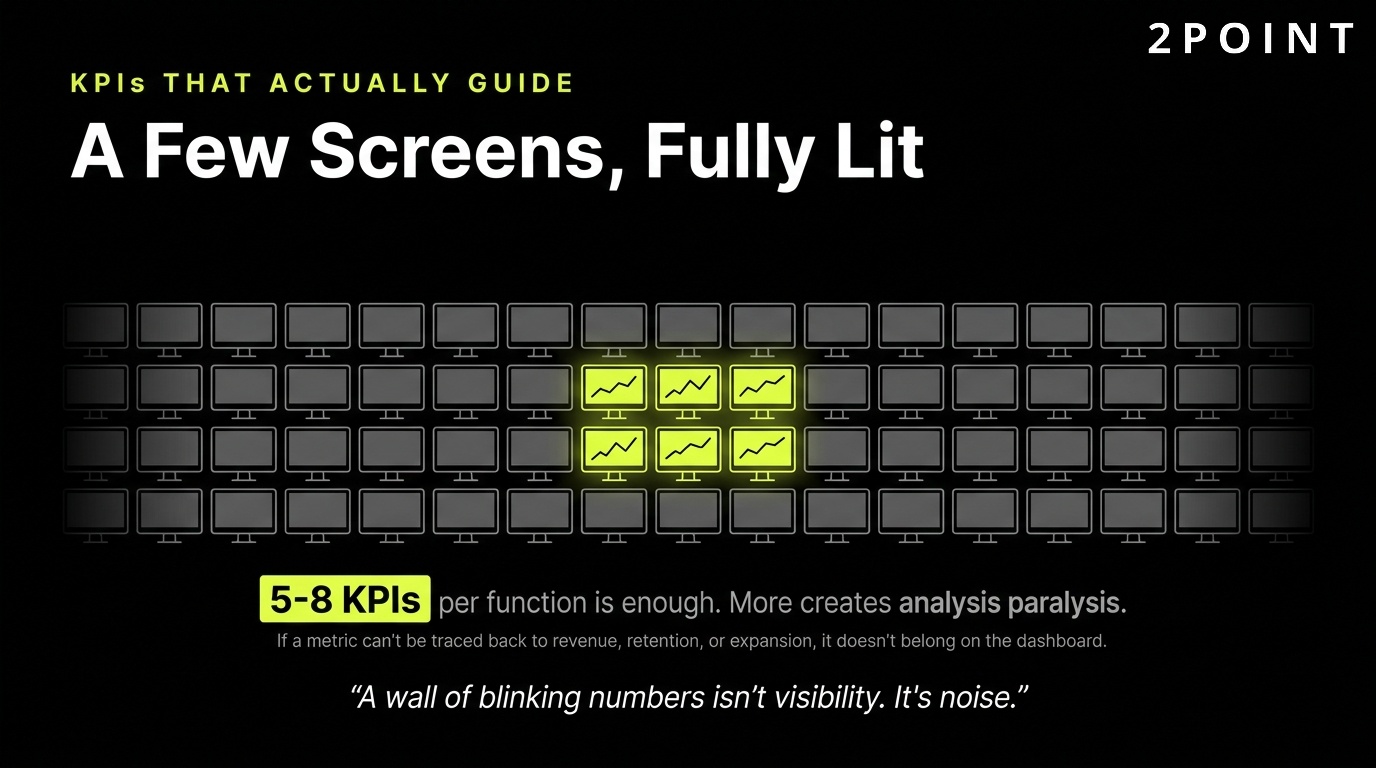
Establish your measurement infrastructure before campaigns launch, not after. Define the specific KPIs for each channel and objective, build the tracking and attribution systems required to measure them accurately, and establish the reporting cadence and review process that will enable continuous optimization. Quarterly strategy reviews should assess whether the overall strategic direction remains appropriate, with monthly or weekly operational reviews tracking channel-level performance and enabling rapid tactical adjustments.
Invest in the community engagement strategy that builds qualitative feedback loops alongside quantitative measurement systems. Customer feedback, social listening, and direct conversations with your most valuable customers provide the qualitative insight that data alone cannot deliver, revealing the motivations, concerns, and aspirations that drive the behaviors your metrics are tracking. Combining quantitative performance data with qualitative customer understanding produces the richest possible foundation for strategic optimization decisions.
Conclusion: Building a Marketing Strategy That Wins in 2026 and Beyond
The marketing strategy landscape in 2026 rewards clarity, intentionality, and authentic customer focus above all else. Across every dimension explored in this guide, from AI integration and content quality to SEO evolution and social commerce, the common thread is the same: the most effective strategies are those that use technology as a multiplier for genuine human insight and creativity, not as a substitute for it.
The AI-human balance is the defining success factor for modern marketing organizations. Gartner's future of marketing research and the AMA's 2026 Trends Report converge on the same conclusion: AI enables remarkable operational efficiency and personalization capability, but the brands that win are those whose human teams invest those efficiency gains back into the creative, strategic, and relationship-building work that AI cannot replicate. Conversion optimization over vanity metrics, quality content over content volume, precision targeting over broad reach, and authentic brand identity over AI-generated uniformity are the strategic choices that separate high-growth businesses from those struggling to maintain relevance.
Customer trust, built through transparency, consistent brand experience, ethical data practices, and genuine value delivery, is the most durable competitive asset any marketing strategy can produce. In an environment where customers are more sophisticated, more skeptical, and more empowered than ever before, trust is the currency that everything else depends on.
Take stock of your current marketing strategy against the priorities outlined in this guide. Identify the gaps between where you are investing and where the evidence suggests the highest-impact opportunities lie. Then build a deliberate, data-informed plan to close those gaps, starting with the highest-leverage improvements and building systematically from there. Strategic marketing success in 2026 does not require doing everything at once. It requires doing the most important things with intention, consistency, and a clear-eyed commitment to measuring what actually matters.
Whether you are building your first comprehensive marketing strategy or refining an established approach, the principles are consistent: know your audience deeply, align every investment to a clear business objective, use technology to amplify human creativity, and build the customer trust that converts single transactions into lasting relationships.
Frequently Asked Questions About Marketing Strategy
What is a marketing strategy and how is it different from a marketing plan?
A marketing strategy defines the overall direction and goals for how a business will reach and engage its target audience, including positioning, key messages, and success metrics. A marketing plan is the operational document that specifies the tactics, timelines, budgets, and activities used to execute that strategy. Strategy answers "what and why" while the plan answers "how and when."
How do I create a marketing strategy from scratch?
Start with a market and competitive audit to understand your current position, then define specific, measurable business objectives. Identify your target audience with behavioral depth, select channels based on where that audience is most reachable, build a content architecture that serves each stage of the customer journey, and establish a measurement framework before launching any campaigns. Review and optimize based on performance data on a regular cadence.
What is the difference between a marketing strategy and marketing tactics?
Marketing strategy is the high-level framework that defines goals, target audiences, positioning, and success criteria. Marketing tactics are the specific actions taken to execute the strategy, such as running a paid search campaign, publishing a blog series, or launching an email nurture sequence. Tactics without strategy produce scattered results; strategy without tactics produces no results at all.
How important is AI to marketing strategy in 2026?
AI is now a foundational component of marketing operations, automating execution tasks like email sending, lead scoring, and campaign optimization while enabling real-time data analysis and personalization at scale. However, strategic direction, creative development, and brand identity decisions must remain human-led. The organizations achieving the best results use AI to accelerate execution while investing in human creative and strategic capability.
What are the most important metrics for measuring marketing strategy success?
The most important metrics are those that connect marketing activity directly to business outcomes: customer acquisition cost, conversion rate, customer lifetime value, revenue attributed to marketing channels, and retention rate. Channel-specific metrics like traffic, engagement rate, and open rate are useful for optimization but should always be evaluated in the context of their contribution to these business outcome metrics.
How does content marketing strategy differ from digital marketing strategy?
Content marketing strategy is a component within digital marketing strategy, focused specifically on creating and distributing valuable, relevant content to attract and retain a target audience. Digital marketing strategy is the broader framework that coordinates all digital channels including SEO, paid advertising, social media, email, and content marketing into a unified system designed to achieve defined business goals.
How often should I review and update my marketing strategy?
A full strategic review should occur at least annually, with quarterly operational reviews to assess channel performance and adjust tactics based on data. More frequent updates are appropriate when significant market changes occur, such as new competitor entries, major platform algorithm changes, or shifts in customer behavior. The goal is a living strategy that evolves with the market while maintaining the directional clarity that enables focused execution.
What is the role of personalization in modern marketing strategy?
Personalization is a core expectation of modern customers and a significant conversion and retention driver when executed well. Effective personalization requires quality first-party data, robust data governance, and AI-powered delivery systems that can serve individually relevant content at scale. It must be balanced with strong privacy practices and transparent communication about data usage to maintain the customer trust that makes personalization effective.
Is SEO still relevant in the age of AI-powered search?
SEO is more important than ever, but the approach has evolved significantly. Building genuine topical authority, creating comprehensive and accurately structured content that AI search systems can extract and cite, and maintaining strong technical site health are the current SEO priorities. The shift is from keyword-volume optimization to usefulness and authority optimization, which rewards exactly the kind of high-quality content investment that benefits audiences as well as rankings.
How do small businesses compete with larger brands through marketing strategy?
Small businesses can compete effectively by focusing on precision targeting of specific, well-defined customer segments rather than trying to match large brands in reach and budget. Deep community engagement, authentic brand identity, and genuinely customer-centric content and service experiences are areas where small businesses can outperform larger competitors who are constrained by scale and institutional caution. Tools like digital visibility strategy for local businesses can help smaller organizations build meaningful market presence efficiently.
What does diversity in marketing strategy mean and why does it matter?
Diversity in marketing strategy refers to representing and authentically engaging a broad range of customer backgrounds, identities, and perspectives across campaigns and content. It matters both because it reflects the actual diversity of customer bases in most markets and because audiences respond more positively to marketing that represents them authentically. More information on building inclusive approaches is available through resources on diversity in marketing strategies.
How does marketing strategy differ for nonprofits compared to for-profit businesses?
Nonprofit marketing strategy focuses on mission communication, donor engagement, volunteer recruitment, and community impact visibility rather than direct revenue generation. The core principles of audience understanding, channel selection, content quality, and measurement remain the same, but the success metrics and value propositions differ fundamentally. Nonprofits must demonstrate impact and mission alignment rather than product value, which requires particularly authentic storytelling and nonprofit marketing strategy adapted to community-focused objectives.
