FOLLOW US

Last update: Feb 27, 2026 Reading time: 10 Minutes

You’re seeing strong website traffic from your content marketing efforts. Your blog posts are ranking well, and visitors are engaging with your content.
But there’s one problem: you’re not capturing these visitors for future communication.
This is one of the most common missed opportunities we see from business owners who’ve invested time into creating great content, only to watch potential customers visit once and disappear forever.
At 2POINT, our work with clients has allowed us to see that this disconnect between website visits and ongoing relationships is entirely fixable. The key is understanding that every visitor represents a potential long-term customer, and more importantly, that your content strategy needs to be intentionally designed to capture contact information.
In this guide, we’ll walk through proven email list building strategies that turn one-time visitors into engaged subscribers. We’ll cover lead magnets, opt-in placement, content upgrades, and technical elements that can make or break your list-building efforts.
The benefits of having your own email list:
Email marketing delivers an average ROI of $42 for every $1 spent, making it one of the most profitable marketing channels available. But the real power lies in ownership and control.
Ownership and direct communication: Your email list belongs to you. Social media platforms can change their algorithms, limit your reach, or even shut down entirely. Your email list provides a direct line to your audience that no platform can take away.
High open and conversion rates: Email consistently outperforms social media for engagement. The average email open rate across industries is 21.5%, with click-through rates around 2.6%. Compare that to Facebook’s organic reach of just 5.2% for business pages.
Less dependence on algorithms and social platforms: Email marketing puts you in the driver’s seat. You control when your message reaches your audience, what they see, and how often you communicate.
What is an email list and why it’s valuable?
An email list is a collection of email addresses from people who have given you permission to contact them. This permission is crucial, both legally and for effectiveness.
Permission-based marketing vs. purchased lists:
Never buy email lists. Purchased lists contain people who haven’t opted in to hear from your business specifically. This leads to high spam complaints, low engagement, and potential legal issues. Focus on building your own list of engaged subscribers who actually want to hear from you.
Legal considerations (GDPR, CAN-SPAM, etc.):
Ensure your email marketing complies with regulations like GDPR and CAN-SPAM. Always include unsubscribe links, use clear sender identification, and only email people who have explicitly opted in to your communications.

The foundation of effective email list building starts with offering something valuable in exchange for an email address. Your lead magnet should solve a specific problem your audience faces. Building a lead magnet is one of the most essential digital marketing tips we start with for prospects, because we see them get results time and time again.
Examples: ebooks, checklists, webinars, free tools:
Align the lead magnet to your audience’s biggest problems:
Your lead magnet should address a pain point that your ideal customers actually experience. If you’re a marketing agency, offer “The 30-Day Content Calendar Template” rather than “Everything About Marketing.” Specific problems get better results than broad topics.
Where to place your forms: homepage, popups, sidebar:
Strategic placement can double or triple your sign-up rates:
Tips on copywriting that converts: CTA, headline, benefit statement:
Your opt-in copy should focus on benefits, not features:
Use action-oriented language in your CTA buttons. “Get My Free Guide” performs better than “Submit” or “Sign Up.”
Use singular CTAs and clean design:
Dedicated landing pages convert better because they eliminate distractions. Remove navigation menus, sidebar links, and other elements that might lead visitors away from your sign-up form.
Add testimonials, previews, or limited-time offers:
Social proof increases conversions. Include testimonials from people who’ve benefited from your lead magnet. Show a preview of what subscribers will receive. Create urgency with limited-time bonuses.
Embed lead magnets in blog posts:
Every blog post should include relevant opt-in opportunities. If you’re writing about social media strategy, offer a social media template. If you’re discussing email marketing, provide an email sequence template.
Introduce content upgrades or cheatsheets:
Content upgrades are lead magnets specifically created for individual blog posts. They expand on the topic and provide additional value. A post about “10 SEO Tips” might offer a downloadable “SEO Checklist” as a content upgrade.
Add opt-in links to bios and stories:
Use your social media bio strategically. Instead of just listing what you do, include a link to your best lead magnet. Update your bio regularly to promote new offers. A lot of business owners try to shy away from social media, but the reality is that your business must have an online presence and social could be a crucial part of that.
Use social giveaways to collect email addresses:
Run contests that require email entry. Partner with other businesses to expand your reach. Offer prizes that attract your ideal customers, not just anyone looking for free stuff.
Drive traffic from Google Ads or Facebook Ads to lead pages:
Paid advertising can accelerate list growth when done strategically. Create ads that promote your lead magnets rather than your services directly. This approach costs less per click and attracts more qualified subscribers.
Use retargeting to capture abandoned visitors:
Set up retargeting campaigns for people who visited your website but didn’t subscribe. Show them ads for your lead magnets. These warm audiences convert at higher rates than cold traffic.
Run joint webinars or bundles:
Partner with non-competing businesses that serve your ideal customers. Co-host webinars, create joint lead magnets, or participate in bundle offers. This exposes you to new audiences who are likely to be interested in your content. Working with an email outreach agency can also help.
Cross-promote newsletters or email swaps:
Find other creators with similar audience sizes and swap newsletter mentions. This works especially well when both lists are engaged and active.

Email marketing platforms: ConvertKit, Mailchimp, ActiveCampaign:
Choose an email platform that grows with your needs:
Lead capture tools: Thrive Leads, OptinMonster, Sumo:
These tools help you create and optimize opt-in forms:
Landing page builders: Leadpages, Unbounce:
Dedicated landing page tools often convert better than standard web pages:
Buying email lists:
Purchased lists damage your sender reputation and violate regulations. Focus on organic growth methods that attract engaged subscribers.
Not having a warm-up or welcome sequence:
New subscribers are most engaged immediately after signing up. Create an automated welcome sequence that delivers your lead magnet and introduces your brand.
Ignoring segmentation or personalization:
Not all subscribers are the same. Segment your list based on interests, behavior, or demographics. Send relevant content that matches each segment’s needs.
Mobile-unfriendly opt-in experiences:
Over 50% of emails are opened on mobile devices. Ensure your opt-in forms, landing pages, and lead magnets work perfectly on smartphones and tablets.
How often to email your list:
Consistency matters more than frequency. Whether you email weekly, bi-weekly, or monthly, stick to your schedule. Your subscribers will develop expectations based on your pattern.
Importance of list cleaning and re-engagement campaigns:
Regularly remove inactive subscribers who haven’t engaged in 6-12 months. Before removing them, try a re-engagement campaign with a compelling subject line like “Should we break up?”
Segmenting by interests or behaviors for stronger engagement:
Track which emails subscribers open, which links they click, and which topics interest them most. Use this data to send more targeted content that increases engagement and reduces unsubscribes.
Building an email list requires consistent effort and strategic thinking. Start with one high-quality lead magnet that solves a real problem for your ideal customers. Create dedicated landing pages and optimize your opt-in form placement.
Remember that list building is just the beginning. Focus on providing value to your subscribers, and they’ll become your most loyal customers and advocates.
Actionable takeaway: Choose one strategy from this guide and implement it this week. Whether it’s creating your first lead magnet or optimizing your existing opt-in forms, taking action is more important than perfection.
Work with us on your email marketing.
The fastest approach combines a compelling lead magnet with paid advertising. Create something valuable that solves a specific problem, build a simple landing page, and drive targeted traffic through Facebook or Google ads. You can see results within days rather than months.
Start with ConvertKit or Mailchimp for email management, OptinMonster for advanced opt-in forms, and Leadpages for landing pages. These tools integrate well together and provide everything needed for effective list building.
Yes, but it’s more challenging. Use social media to drive traffic to landing pages created with tools like Leadpages or Unbounce. You can also use platforms like Gumroad to host digital lead magnets and collect emails during the download process.
With consistent effort, you can build a list of 1,000 engaged subscribers in 3-6 months. Growth accelerates as you optimize your lead magnets and opt-in forms. Focus on quality over quantity, 500 engaged subscribers are more valuable than 5,000 inactive ones.

What Is Integrated Marketing? (Quick Definition) Integrated marketing is a strategic framework that coordinates all marketing channels to deliver consistent messaging across every customer touchpoint. Here’s what you need to know: It unifies advertising, PR, content, email, social media, and sales into a cohesive strategy rather than isolated campaigns. Integrated campaigns deliver up to 30% […]
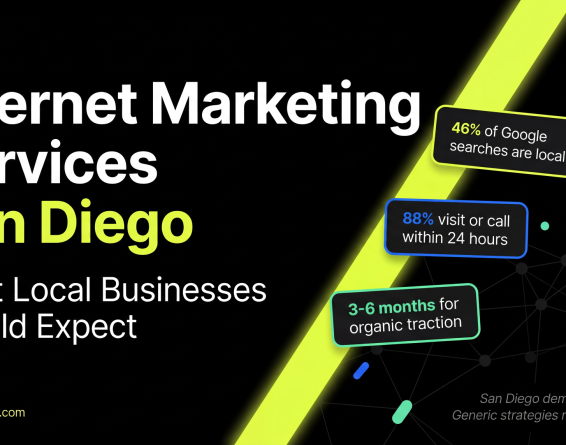
Search for San Diego internet marketing services and you'll find dozens of agencies claiming to grow your business. Some promise page-one rankings in 30 days. Others pitch packages with no tie to revenue.
UI/UX design shapes every digital interaction we have, from mobile apps to enterprise software. Understanding how these disciplines work together is essential for building products that users love and businesses value. What Is UI/UX Design? UI (User Interface) design creates the visual and interactive elements users see—buttons, typography, colors, and layouts that capture attention and […]

© 2POINT, INC 2026
(c) 2POINT, INC 2026

 let’s connect



