

 let’s connect


OpenAI launched its self-serve advertising platform on May 5, 2026.
Four months later, most marketers are still treating it like a rumor.
That gap is an opportunity, and it is already starting to close.
We have been running ChatGPT ad campaigns across our client base since the platform opened. Today we are pulling data from two of those accounts, one B2B and one B2C across two completely different industries, to show what early results actually look like on a platform most advertisers have not touched yet.
Here is what we found.
What ChatGPT Advertising Actually Is
Before the numbers, a quick orientation.
ChatGPT ads appear at the bottom of AI-generated responses in clearly labeled, subtly tinted boxes. They do not influence the answer ChatGPT gives. The AI generates a complete response first, and the ad system activates after. That separation is why users are not dismissing ads at the same rate they skip search results.
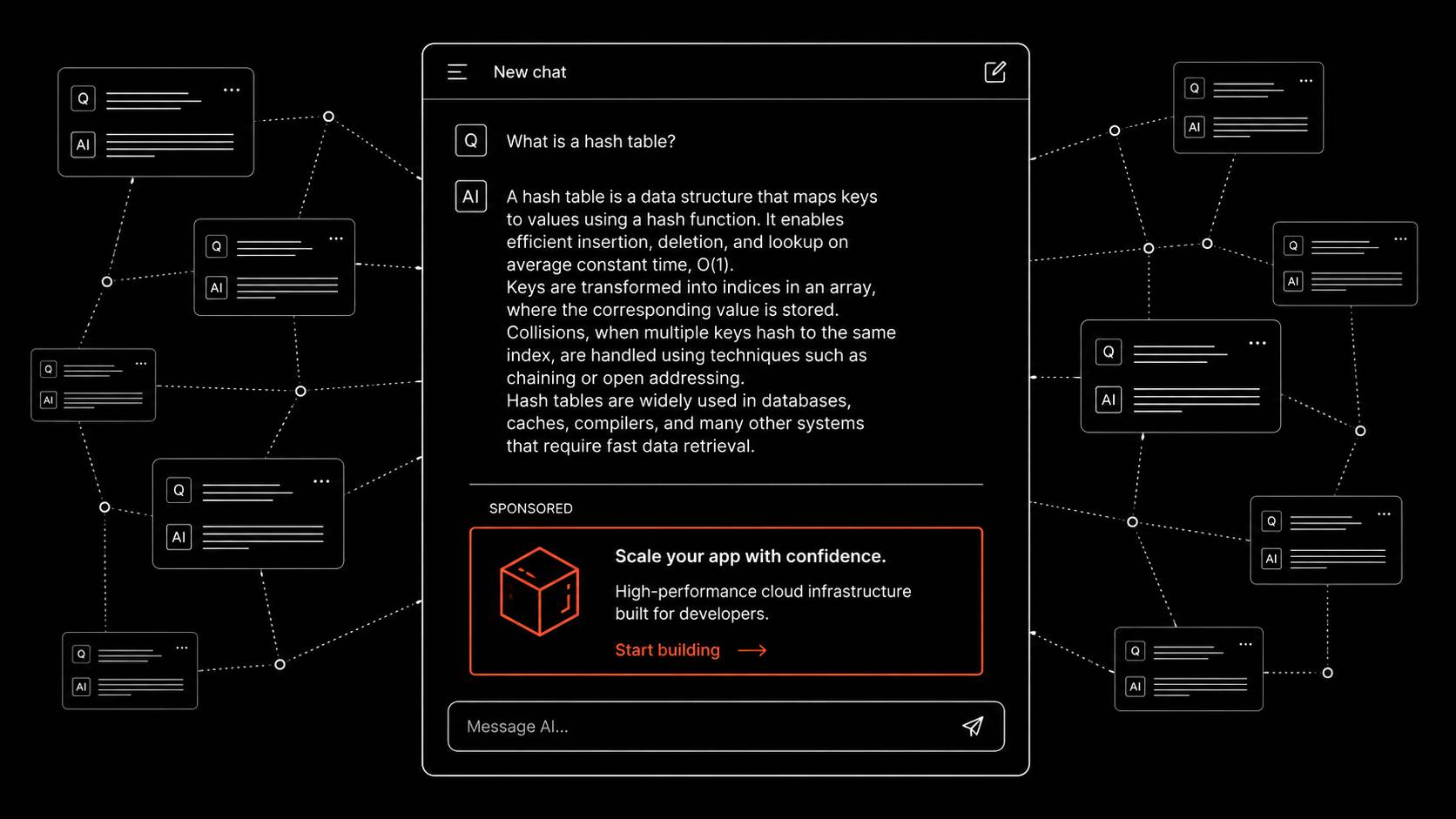
Targeting is contextual. The platform matches ads to the topic of the active conversation, the user's chat history, and prior ad interactions. Advertisers reach users mid-conversation while they are actively researching a specific category.
CPC and CPM bidding are both available. No minimum spend. Any business can access the platform today through OpenAI Ads Manager.
For a full breakdown of how it works, including bidding mechanics, creative specs, audience targeting, and measurement, we published a complete guide here: 2pointagency.com/guides/chatgpt-advertising
Two Industries. Two Data Sets. One Pattern.
We are sharing a sample from two client accounts running on the platform right now. A B2B software company targeting competitor and intent-based audiences, and a B2C home services brand running geo-targeted campaigns across two regional markets. Different industries, different funnels, different deal structures. Same early conclusion.
Client A: B2B, competitor and intent-based targeting
- Impressions: 32,016
- Clicks: 381
- Spend: $2,001
- CPC: $5.25
- Leads: 5
- CPL: ~$400
Client B: B2C home services, geo-targeted across two markets
- Impressions: 3,498
- Clicks: 60
- Spend: $196
- CPC: $3.27
- Leads: 3
- CPL: ~$65
Combined across both accounts:
- Total impressions: 35,514
- Total spend: $2,197
- Blended CPC: $4.98
- Total leads: 8
Why These Numbers Are Better Than They Look
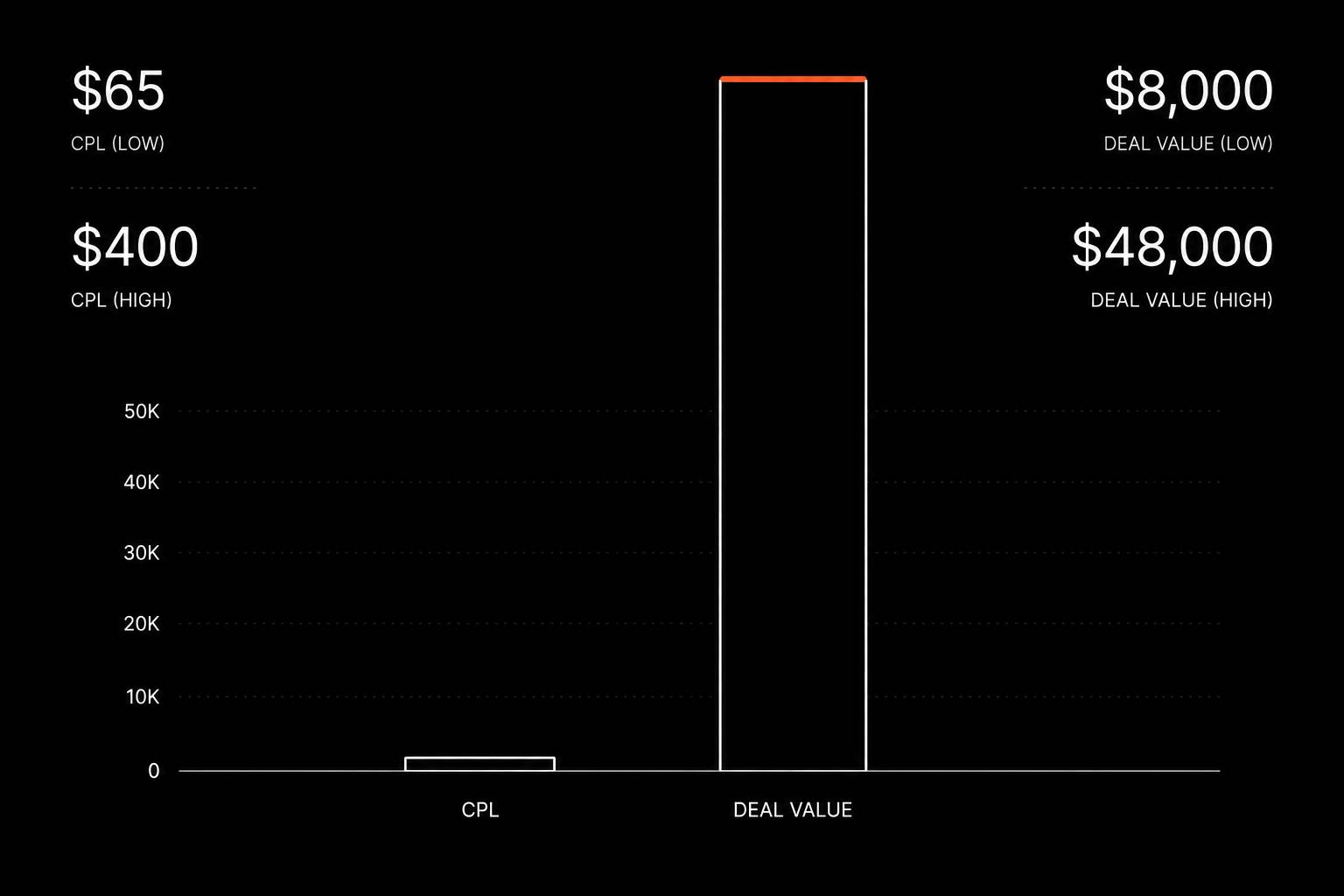
CPL without deal value is a meaningless number. Here is what these actually mean.
Client B sells a B2C product with a one-time purchase value between $4,000 and $8,000. At a $65 CPL, a single closed lead returns 61x to 122x the cost of acquiring it. For context, average CPL for home services on Google runs $75 to $150. On Meta it ranges from $40 to $80, but a Meta lead comes from someone who was scrolling. A ChatGPT lead comes from someone who was actively asking about the exact product category seconds before the ad appeared. The intent quality is in a different class entirely.
Client A is B2B with monthly recurring revenue between $2,000 and $4,000 per client. That is $24,000 to $48,000 in first-year revenue per closed deal, and multiples of that over a typical client lifetime. At a $400 CPL, a single conversion returns 60x the acquisition cost in year one alone. B2B campaigns on Google Search routinely run $200 to $500 CPL in competitive verticals. $400 is the floor here, not a ceiling.
The platform is new. The CPCs are low. The competition in most categories is almost nonexistent. Every one of those conditions reverses as more advertisers enter the auction.
Why This Moment Matters
ChatGPT generated $100 million in ad revenue in its first six weeks on the open market. OpenAI is targeting $25 billion by 2028. This is a platform build, and it is moving fast.
The businesses that win on new ad platforms are almost always the ones that ran campaigns before the auction got crowded. Early Google AdWords advertisers paid fractions of what the same clicks cost five years later. The platform did not get worse. Everyone else caught up.
The window on ChatGPT is open right now. The only question is whether you are in it.
What Makes a Good ChatGPT Campaign
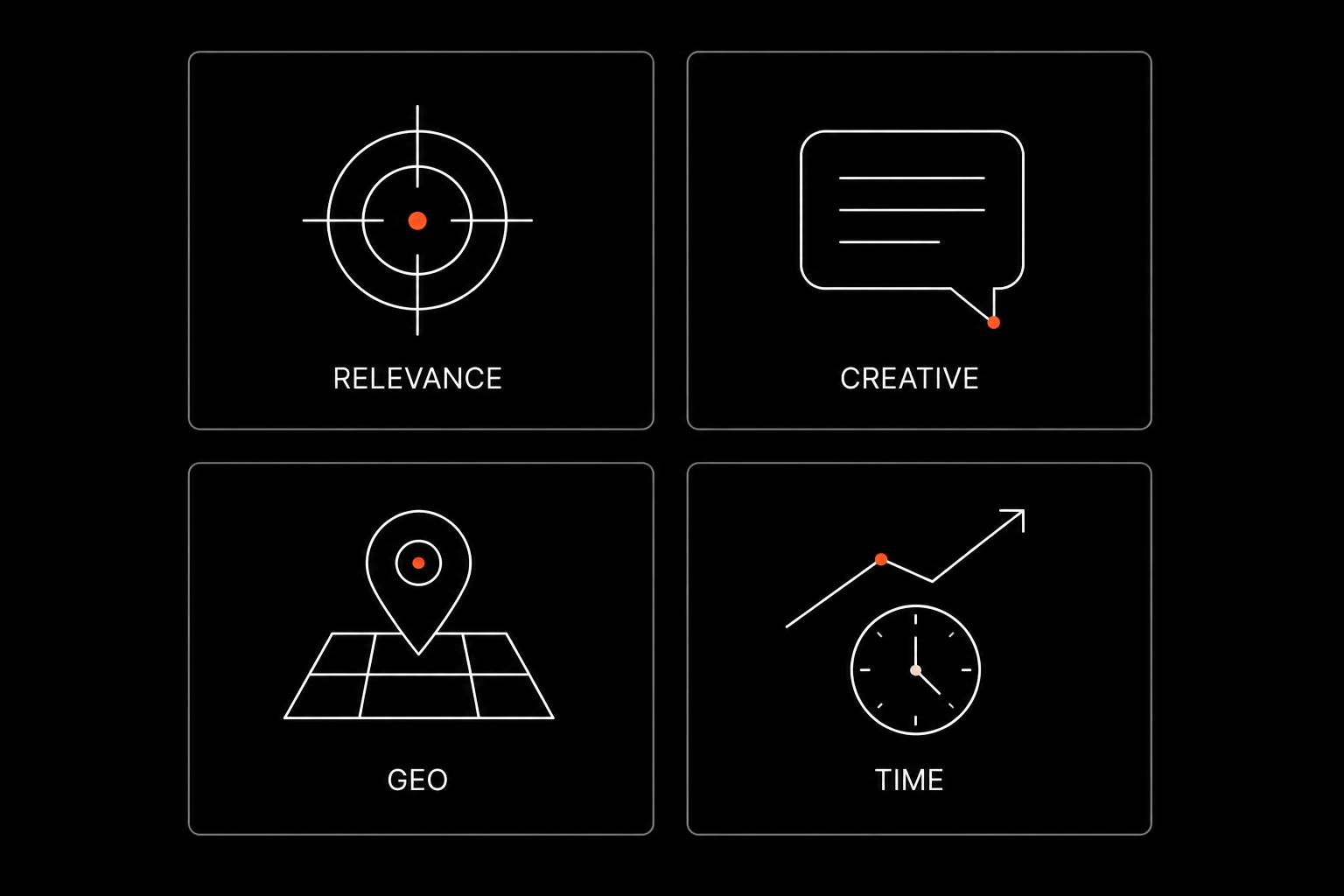
Based on what we are seeing across accounts, a few things that matter here more than on other platforms:
Contextual relevance over broad reach.
The platform rewards tight alignment between your ad and what the user just asked. Campaigns built around specific use cases, competitor comparisons, or decision-stage questions are outperforming broad awareness plays.
Short, direct creative.
ChatGPT users just received a detailed AI-generated answer. The ad that follows needs to earn attention in two or three lines. Clear offer, clear next step.
Geographic targeting for local and regional businesses.
Reaching someone in a specific market who just asked about your product category is as close to purchase-intent advertising as the industry has ever seen.
Time on platform.
The algorithm needs run time before it optimizes well. The brands entering now are building that history while CPCs are still low.
We're Managing ChatGPT Ads at $1,000/Month
We opened a limited introductory offer for companies that want to be on the platform early.
$1,000/month for full ads management, regardless of your spend level. As the platform matures and our standard pricing adjusts to reflect it, this rate goes away.
Here is how it works:
- Sign up and get verified at ads.openai.com
- Once approved, add us to your account
- We manage everything from there, including structure, creative, optimization, and reporting
