FOLLOW US

Last update: Dec 10, 2025 Reading time: 12 Minutes

Enterprise SEO, ecommerce SEO services, and local SEO each promise growth. In a scaling company, that can turn planning into a three-way tug-of-war.
The truth is that each SEO type points to a different way to support your business, shaped by how your site is built and how customers find and buy. The trick is knowing which lens to trust right now.
This guide helps you line up those lenses so you can choose a path and shape a strategy with 2POINT.
Enterprise SEO supports large, complex sites where scale, structure, and teams reshape everyday optimization.
Enterprise SEO usually applies to sites with very large URL counts and layered templates.
At this scale, small structural choices ripple across thousands of pages, which makes crawl budget, duplication, and internal linking feel like everyday constraints rather than edge cases.
As explained in official documentation from Google, sites with tens of thousands to millions of URLs require deliberate control over how bots discover and revisit content, which is very different from focused local SEO work on a handful of location pages.
Inside these environments, teams rarely ship in isolation. Content, product, design, and engineering all adjust navigation, layouts, and performance, sometimes in parallel.
A single template tweak can alter entire sections of the site overnight, so governance, testing, and documentation become core traits of enterprise SEO rather than optional hygiene. That scale shapes every meaningful SEO decision you make.
Large enterprise sites tend to accumulate crawl waste, index bloat, and duplicated layouts as they evolve. Legacy sections stay in navigation, filters spin out endless URL combinations, and redirect chains grow until crawlers struggle to reach key content.
Peer-reviewed web analysis shows that near-duplicate pages consume resources that could be devoted to unique documents.
Governance adds a layer of difficulty. Ownership fragments across teams, roadmaps compete, and SEO tickets slide behind revenue features. A simple prioritization framework helps surface the work that matters most. Enterprise SEO has to impose clear prioritization and sequencing, or fixes never move out of the backlog.
An effective enterprise SEO strategy rests on a few non-negotiable pillars and a clear SEO framework. They keep a large, complex site stable while everything around it changes.

Ecommerce SEO services shape how your catalog appears, performs, and converts across organic search.
Ecommerce SEO picks up where enterprise SEO leaves off and moves inside the catalog.
It focuses on how shoppers search, filter, and compare products on listing and detail pages, plus how on-site search supports those journeys.
When categories and navigation feel confusing, people drop off quickly; an independent usability study by Baymard Institute shows that poor category structure is a top cause of abandonment.
That is why ecommerce SEO cares about information architecture as much as copy, aligning labels and filters with real shopping behavior today.
In practice, ecommerce SEO services shape product discovery at both the category level and on individual pages.
When those pieces work together, shoppers land on the right items faster and feel more confident moving toward checkout.
As catalogs grow, helpful features like filters and sorting can quietly create technical traps.
Layered navigation and on-site search generate URL variants that appear harmless to people but confuse crawlers and dilute signals across your catalog.

Local SEO strategy connects your locations to nearby searchers across maps, profiles, and pages.
Local SEO picks up the story at street level, connecting nearby searches with the right branch or service area.
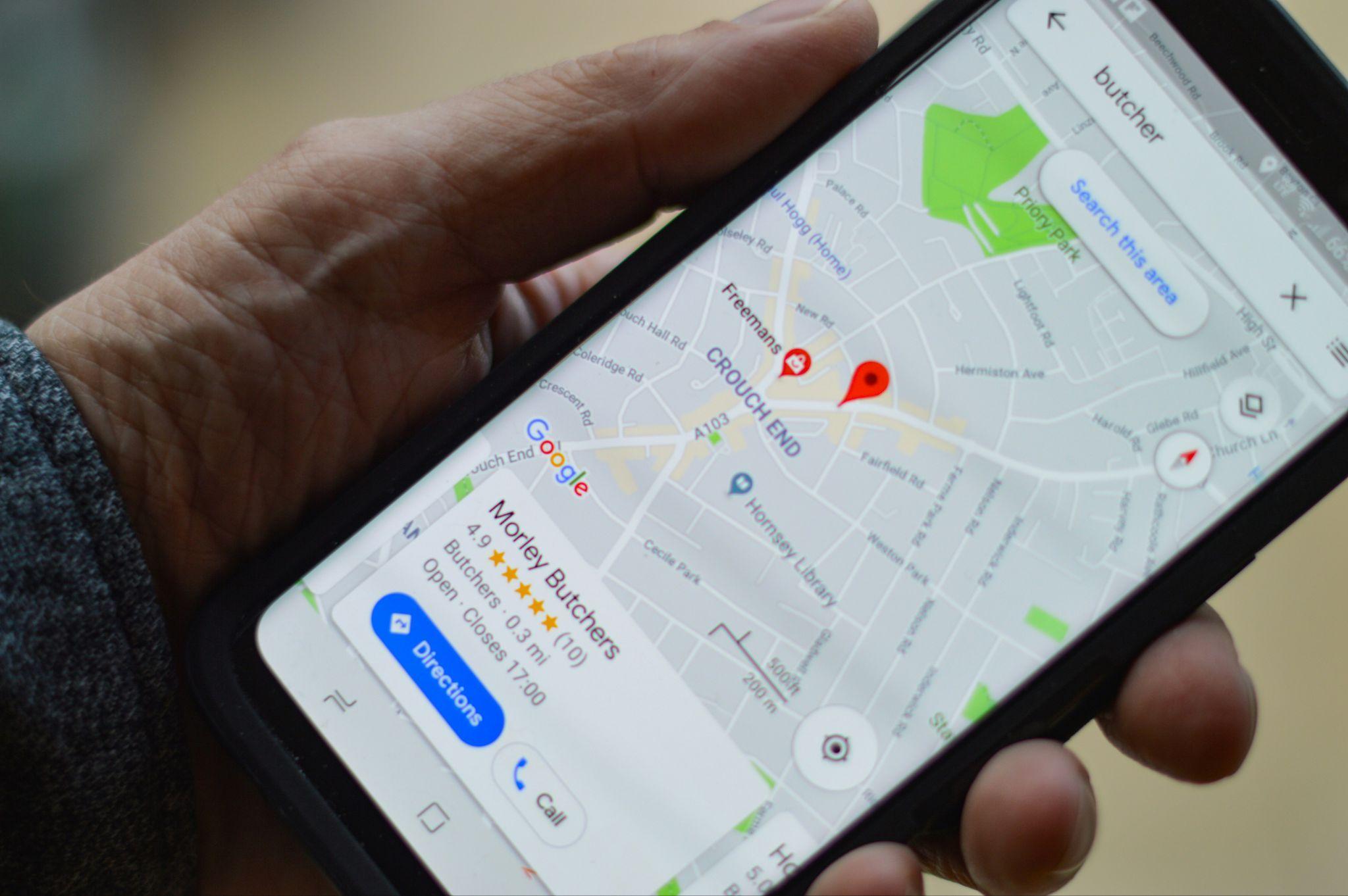
It relies on map packs, localized organic results, and accurate business data, such as hours, address, phone number, and categories. Google’s own local research shows that many mobile local queries quickly turn into visits or calls, so accuracy becomes a revenue safeguard.
Core ingredients include a complete Google Business Profile for each location, consistent citations, and on-site details that mirror profile fields. Reviews, photos, and Q&A signal trust to people and algorithms, strengthening both relevance and local prominence when customers are ready to act.
Once you move beyond branches, local SEO turns into operations work as much as marketing.
You need a consistent model for location pages, a store locator that works well on mobile, and a schema that clearly spells out each branch and its underlying geo signals.
Multi-location SEO also relies on naming, category, and messaging rules, so every profile reinforces the same brand story. When you add a second location, those rules help keep data clean and customer expectations clear.
Franchise setups add another layer, where local owners often control day-to-day updates, so guardrails, training, and playbooks maintain consistency without stifling local personality.
Content is where local SEO becomes real for customers. Once your profiles are stable, on-site copy and reviews show who you are in each community and where small local fixes can still lift visibility.
Comparing enterprise SEO, Ecommerce SEO services, and local SEO reveals how their structures and intents diverge.
| Aspect | Enterprise SEO | Ecommerce SEO | Local SEO |
| Site structure, scale, and complexity | Large content hubs, many templates, tens of thousands to millions of URLs, complex architecture, and governance. | Catalog-driven sites with categories, product listing pages, product detail pages, facets, and on-site search. | Single or multi-location sites with location trees, service pages, and store locator or branch finder experiences. |
| Keyword intent and content approach | Educational, problem-based, and industry terms; content hubs, guides, and resources for different buyer stages. | Product and category keywords, feature and comparison queries; product-led content, category copy, and support content. | “Near me” and service plus location searches; location pages, service descriptions, and hyper local content. |
| Measurement and reporting priorities | Organic visibility across sections, engagement by template, and content impact on assisted conversions or pipeline. | Organic revenue, add to cart and checkout behavior, category and product performance, and merchandising insights. | Calls, direction requests, bookings, and visits tied to search; performance by location and region for multi-location SEO. |
| Team, tools, and budget focus | Dedicated strategists and technical SEOs partnering with product and engineering; large crawlers and log analysis tools. | SEO working closely with merchandising, UX, and onsite search owners; catalog tools, feed managers, and testing platforms. | Marketing, operations, and customer care or store managers coordinating; profile management tools and review platforms. |

Hybrid search programs matter when enterprise, ecommerce, and multi-location SEO overlap within a single brand.
Many enterprise brands now run both large content hubs and substantial ecommerce catalogs.
In that setup, separating enterprise SEO and ecommerce SEO into different universes creates conflict. Technical choices around speed, schema, internal linking, and navigation shape how both knowledge content and category pages perform.
As reported by McKinsey analysis, omnichannel shoppers move fluidly between research and purchase, so the same site has to serve both modes well.
A hybrid SEO plan maps which initiatives support the content hub, which support the store, and which lift both. That clarity guides backlogs, design decisions, and testing priorities, so gains on one side of the site do not quietly damage the other.
Retail chains with online stores and many locations sit at the intersection of ecommerce SEO and local SEO. To make that happen, your site and listings should function as a single system.
This hybrid structure turns online discovery into steady in-store demand.
Any hybrid SEO program depends on governance, not only tactics. Clear roles, approval paths, and shared documentation keep technical changes, content updates, and local actions aligned instead of colliding in production.
Regular alignment sessions give teams room to review performance, surface tradeoffs, and adjust priorities while work is still in flight.
This structure can feel unglamorous, yet it is often what protects progress. Without it, competing agendas pull projects apart, and enterprise, ecommerce, and local SEO efforts start to cancel each other out.
At 2POINT, we support enterprise SEO and ecommerce SEO services through a structured done-for-you program.
Our team starts with an audit and keyword selection, assembles specialists for your account, and maps campaigns through our Hub-and-Spoke content system within our managed SEO services.
We combine this with custom animated websites and ongoing content, so technical work and new pages push in the same direction toward clear growth targets. For brands that also need multi-location visibility, a dedicated marketing manager links SEO with multi-channel marketing across paid, email, social, and reporting.
Once you treat enterprise SEO, ecommerce SEO, and local SEO as distinct tools, the picture becomes clearer. Each one supports a different mix of scale, catalog depth, and geography, so the real work is deciding which lens should lead and which should support.
When you map your business model, site structure, and growth goals against those lenses, a primary focus usually comes into view without forcing a rigid either-or choice.
If you want help turning that clarity into a plan, our team at 2POINT can step in with enterprise SEO services that fit your stack, not a generic checklist. You can explore our SEO services and pair them with conversion-focused animated websites that match how you sell today, so strategy, content, and design move in the same direction.
Enterprise SEO focuses on very large, complex sites where small changes affect thousands of pages. It emphasizes technical stability, scalable content templates, and cross-team governance. Enterprise SEO services add structure, helping you prioritize work, document decisions, and protect search performance during constant releases.
Ecommerce SEO services concentrate on catalog health, category structure, and product pages, while general SEO often targets broader topics. Both care about technical foundations and authority, yet ecommerce work ties every decision to inventory, merchandising, and how quickly shoppers reach the right item.
Enterprise SEO optimizes huge, multi-template sites, while local SEO elevates individual locations in maps and nearby search. Enterprise efforts hinge on templates and architecture. A local SEO strategy relies on profiles, reviews, and multi-location SEO processes to keep data accurate across every market.
You can guide everything with one SEO strategy if you split it into clear tracks. Enterprise SEO sets technical and content standards. Ecommerce SEO services apply them to catalogs. A local SEO strategy adapts them to profiles, locations, and on-the-ground customer journeys.
Multi-location SEO becomes crucial once separate locations share a brand yet compete for attention. You need consistent data, shared playbooks, and a flexible local SEO strategy so individual branches stand out locally without weakening enterprise SEO or ecommerce SEO services efforts.

Traditional PR and SEO no longer live in separate rooms. Your audience discovers and decides in public: search, social, newsletters, podcasts, and niche communities. Your site can claim credibility, yet trust grows faster when other voices echo it.
Your SEO tech stack keeps growing, but the story your data tells still feels messy. GA4 shows sessions and events. Search Console shows queries and impressions. Your CRM shows leads, but not always the path that created them.
Backlinks seem simple until you try to deliberately replicate results. One strong link lands, rankings shift, and a pattern starts to show. The link helped because it fit the context, was on a page that already mattered, and pointed to something worth citing.

 let’s connect



