

Talk to sales

Brand Management: The Complete Guide to Building and Protecting Your Brand Value

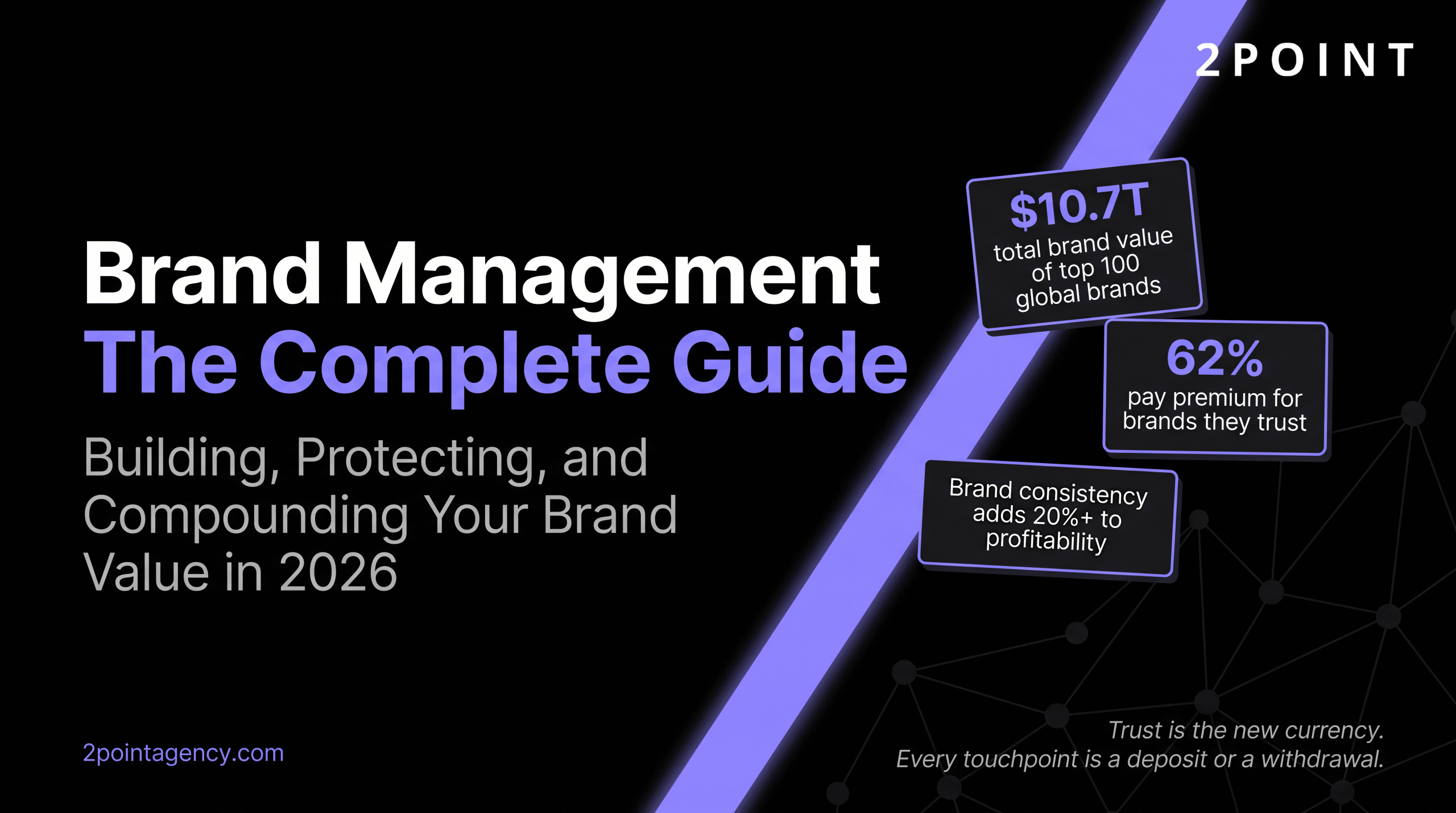
Hero illustration for the 2026 complete guide to brand management, building and protecting brand value
Brand management in 2026, the complete playbook for building and protecting brand value.

What Is Brand Management and Why Does It Matter?

Brand management is the strategic practice of shaping how consumers perceive your company and maintaining the promises your brand makes across every customer interaction. Here’s what you need to know:

  • Brand management focuses on managing consumer perception and delivering consistent value at every touchpoint.
  • It plays a strategic role in maintaining and systematically improving your brand’s value over time.
  • 62% of consumers are willing to pay premium prices for brands they trust.
  • The key outcomes include building brand equity, fostering customer loyalty, and creating competitive differentiation.
  • The top 100 global brands reached $10.7 trillion in total value in 2025.
  • Effective brand management translates directly to pricing power, customer retention, and market leadership.

This comprehensive guide explores the frameworks, strategies, and emerging technologies that define successful brand management in today’s dynamic marketplace.

The Four Pillars of Strategic Brand Management
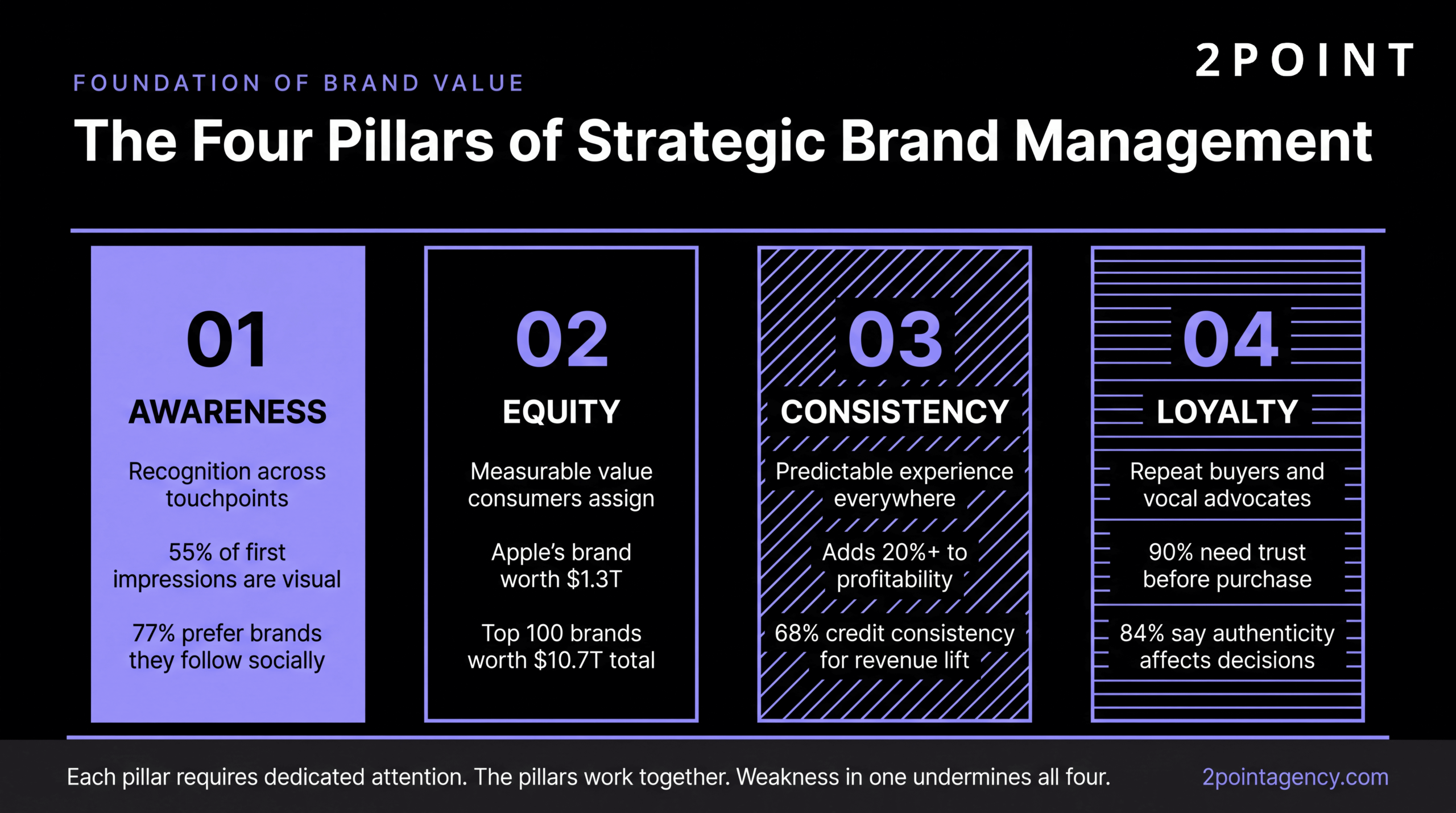
The four pillars of strategic brand management: awareness, equity, consistency, and loyalty
Four pillars, one operating system for modern brand management.

Successful brand management rests on four foundational pillars that work together to create lasting brand value. Each pillar requires dedicated attention and strategic execution to build a brand that resonates with customers and stands apart from competitors.

Building Brand Awareness Across Customer Touchpoints

Brand awareness represents the spectrum from basic name recognition to deep understanding of your brand’s values and offerings. It serves as the essential first step in converting prospects into customers, establishing the foundation for all subsequent brand interactions. Emerging channels like CTV advertising allow brands to build awareness through immersive video experiences on connected television devices.

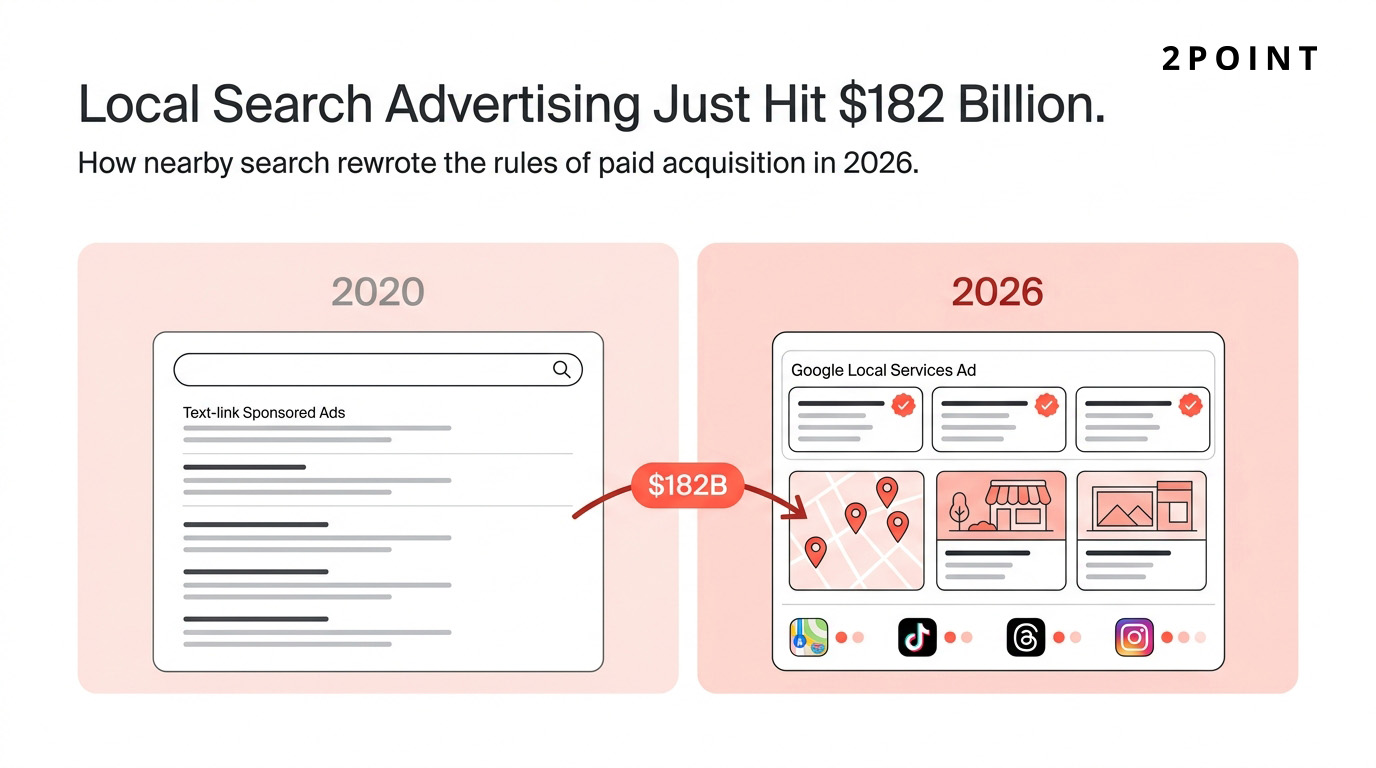
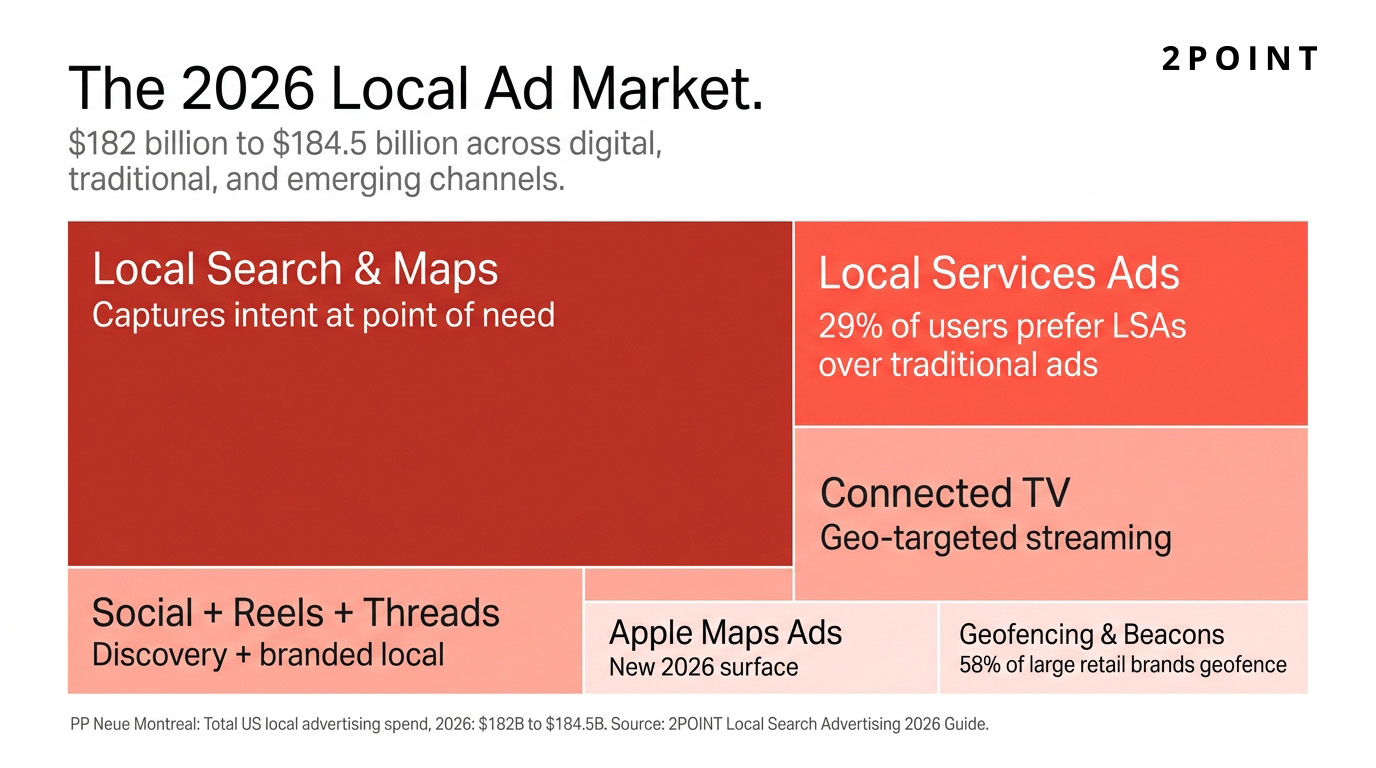
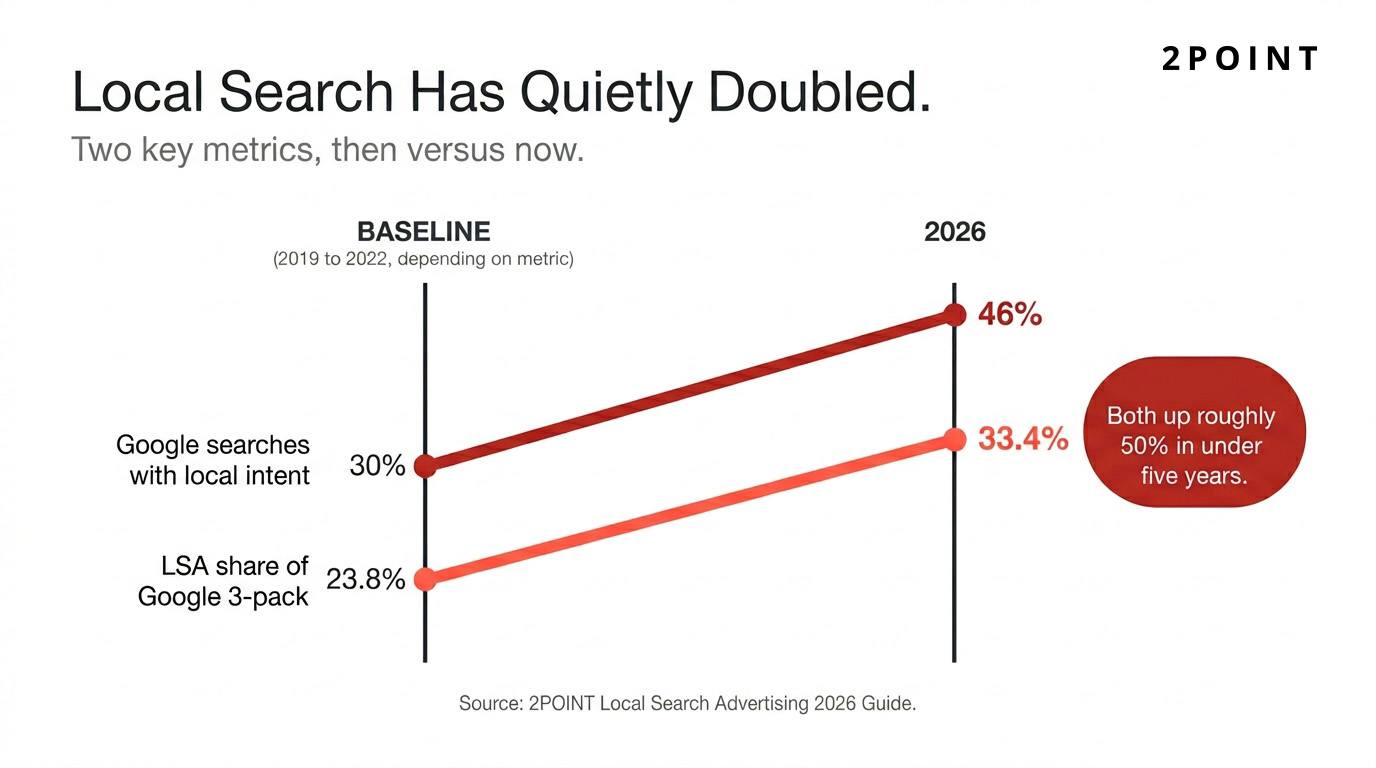
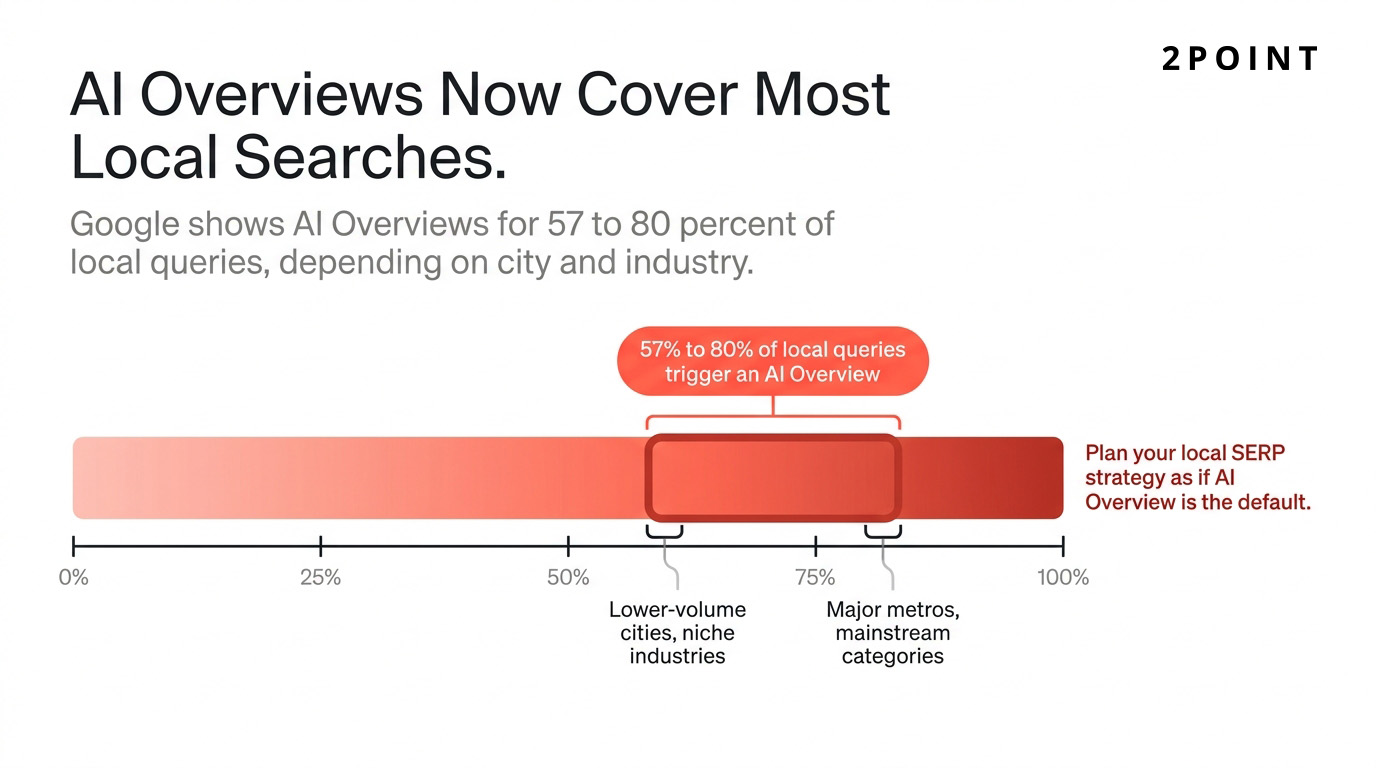
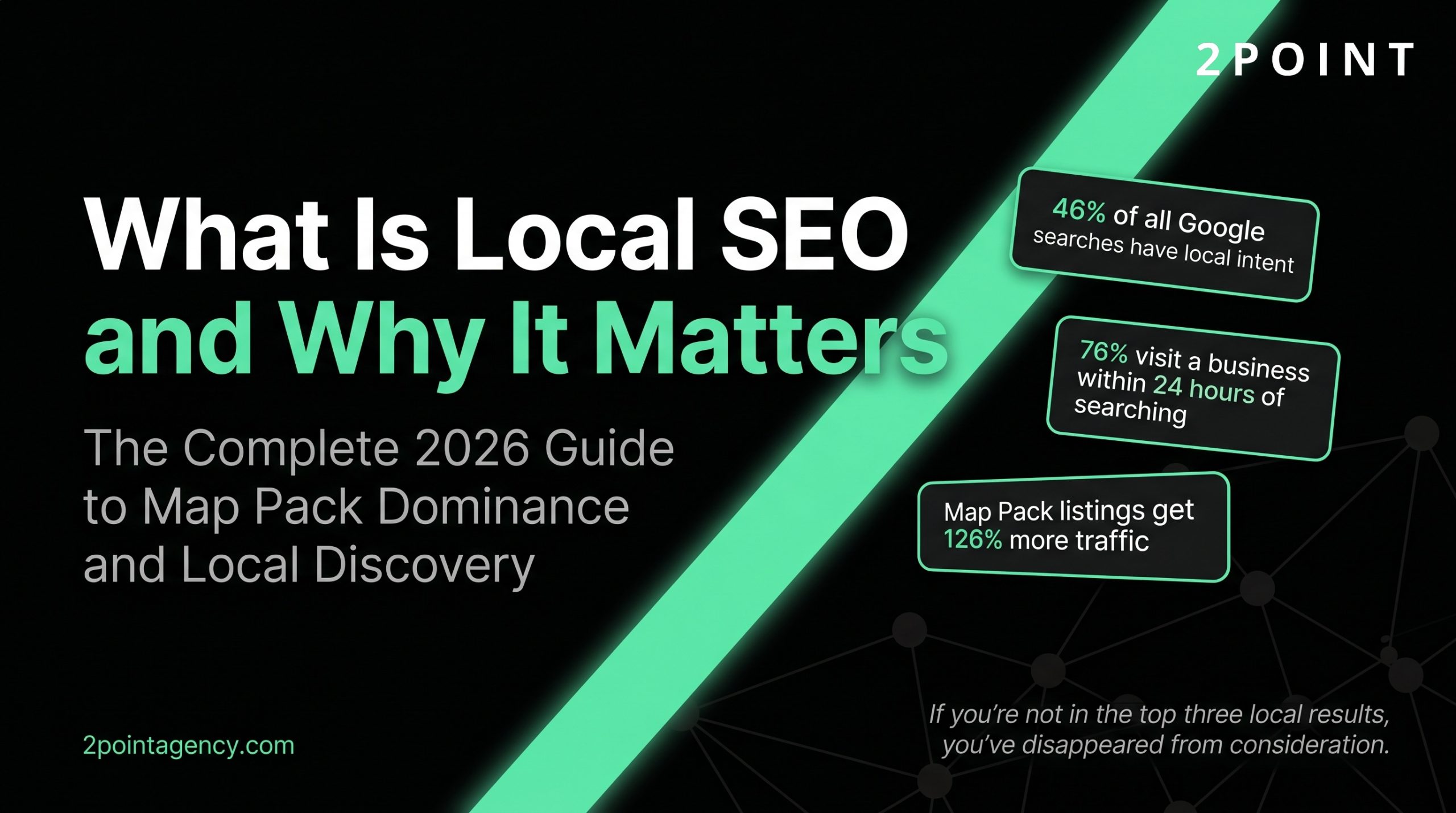
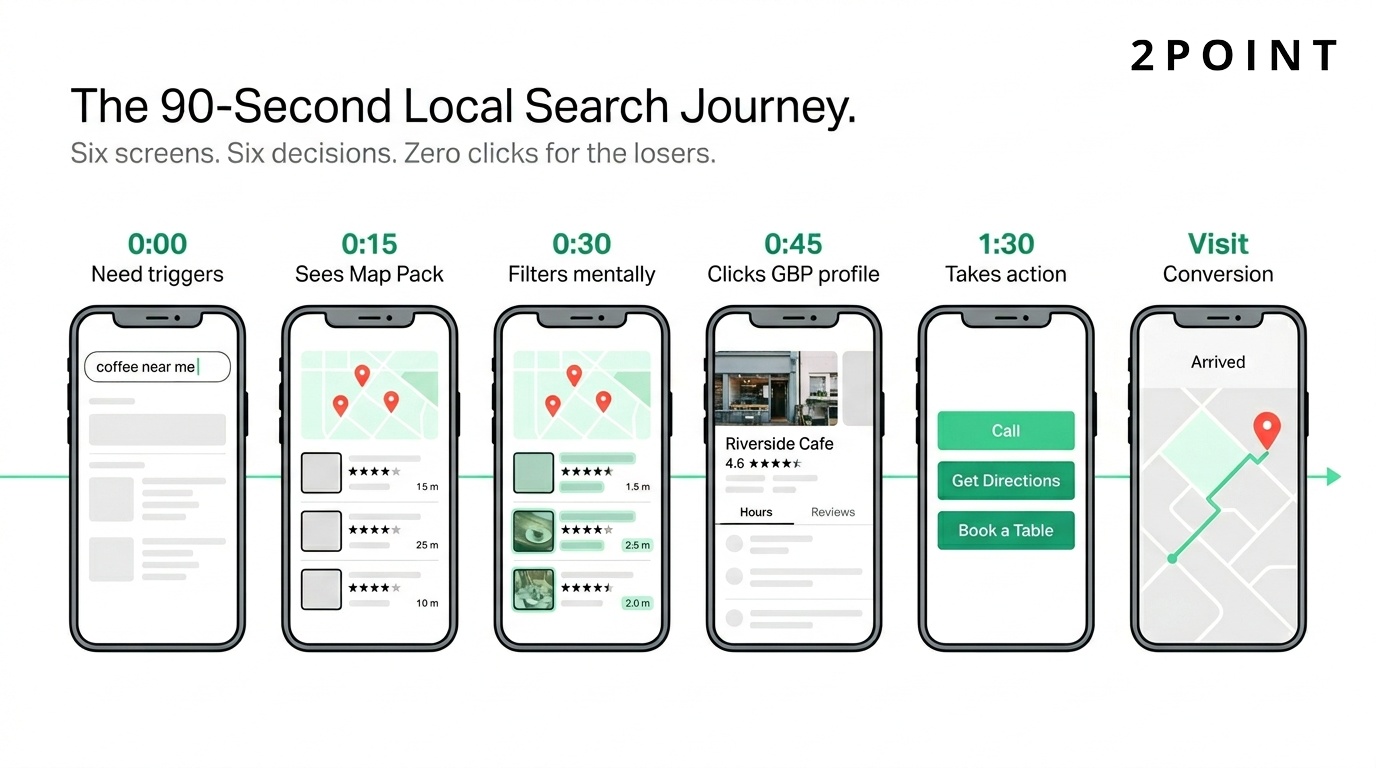
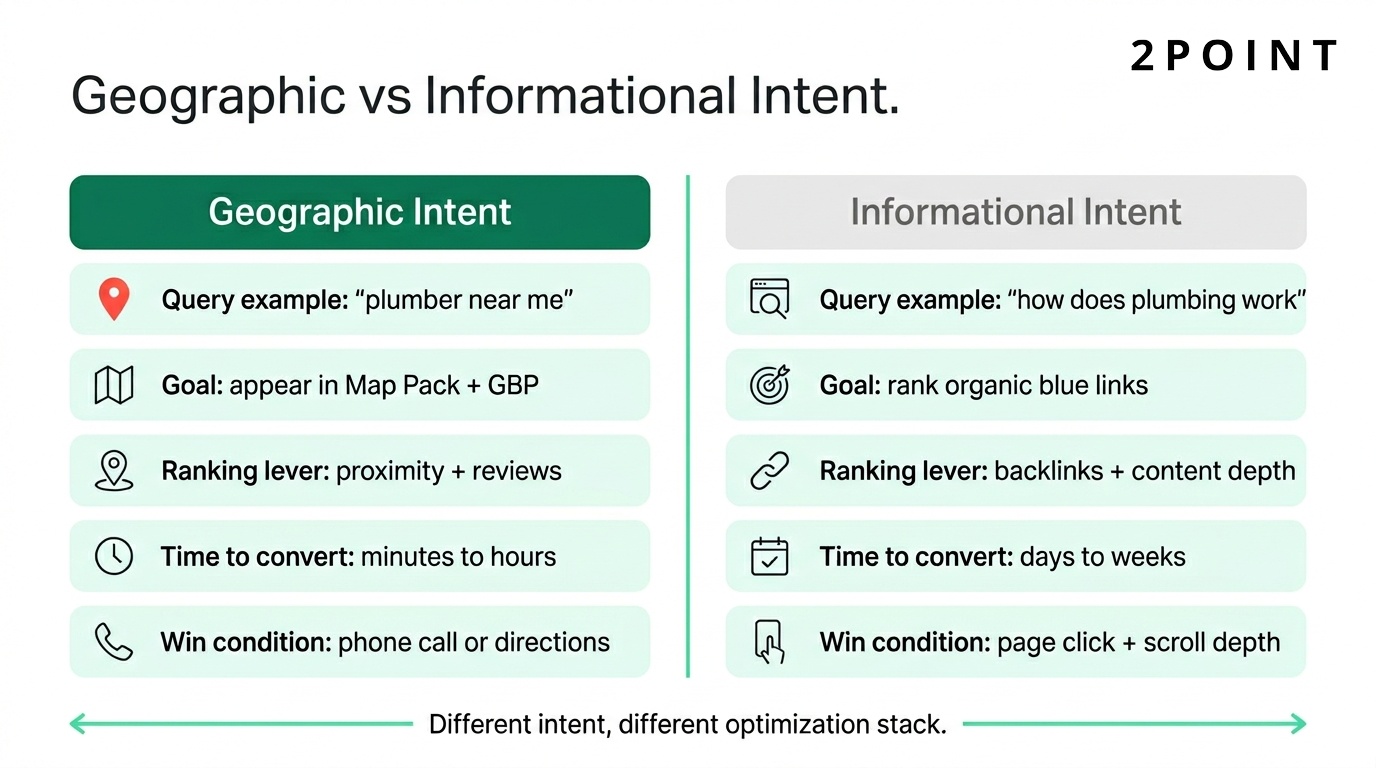
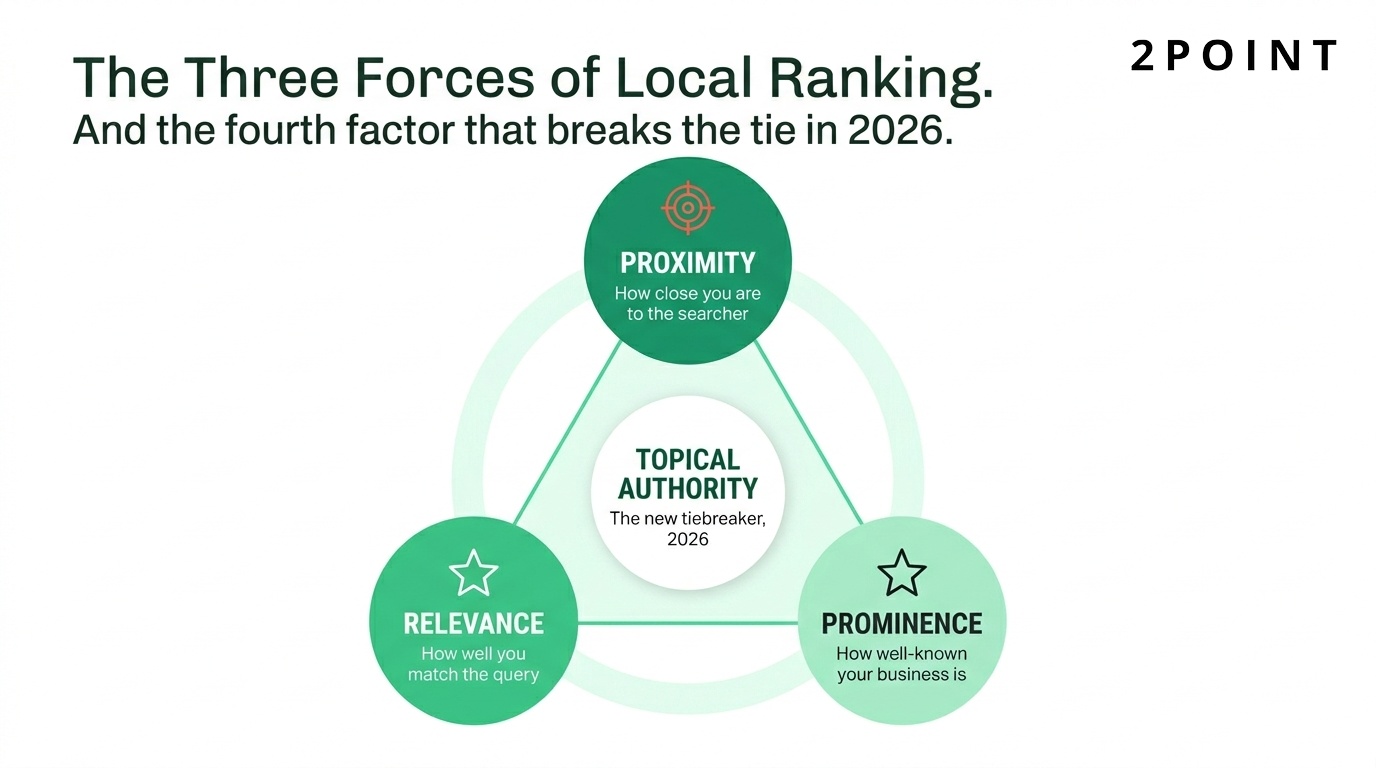
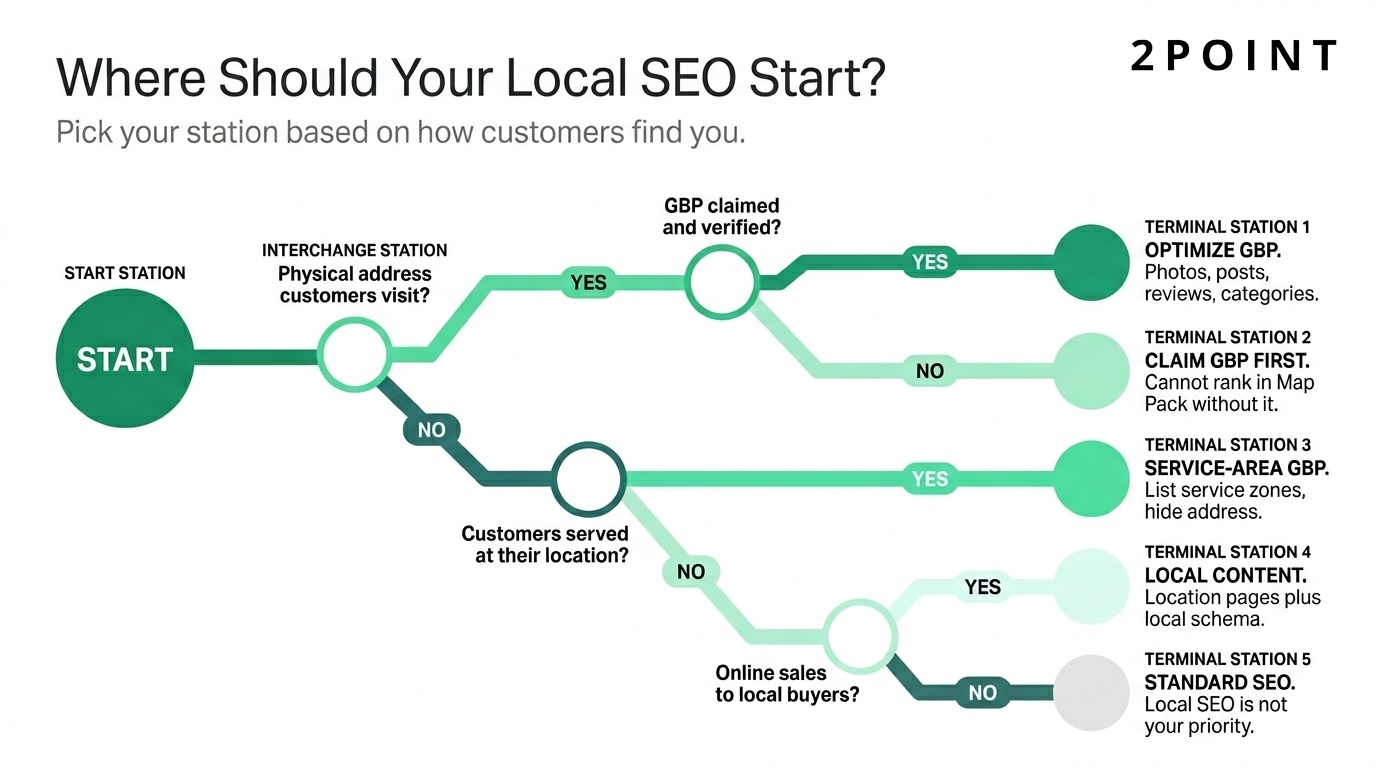
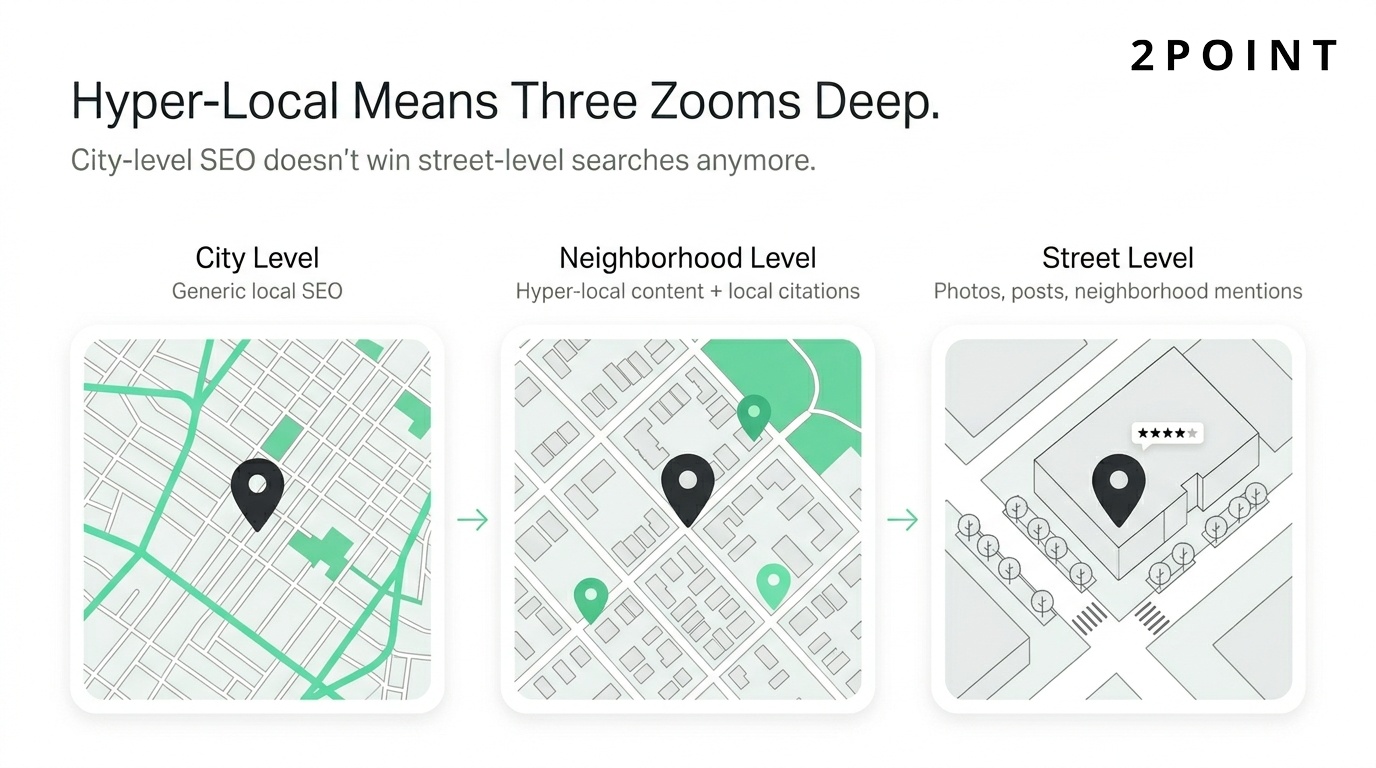
Building awareness requires a multi-channel visibility strategy that reaches customers where they naturally spend time, including local SEO for businesses serving geographic markets. Knowing when to start a new SEO campaign for growth is critical for building sustainable brand awareness through organic search visibility. For businesses with physical locations, local search advertising provides direct visibility to nearby customers actively seeking products and services. Social media platforms, content marketing, paid advertising such as Facebook advertising, Search engine optimization plays a distinct role in increasing brand recognition by ensuring your brand appears when customers actively search for solutions. Paid advertising services play a distinct role in increasing brand recognition by reaching customers across multiple channels simultaneously.

The visual impact of brand awareness cannot be overstated. 55% of first impressions come from visuals alone, meaning your logo, color palette, and design language carry enormous weight in establishing immediate recognition. This visual consistency becomes especially critical as customers encounter your brand across multiple platforms and formats.

77% of consumers prefer shopping with brands they follow on social media, highlighting how social platforms have become critical awareness and conversion channels. This statistic underscores the importance of maintaining an active, engaging social presence that builds familiarity before purchase consideration. Understanding the difference between a buyer persona and a target audience helps brands tailor awareness campaigns to specific customer segments.

Measuring brand awareness requires tracking specific KPIs including share of voice in your category, direct traffic to your website, branded search volume, and social media reach. Aided and unaided brand recall surveys provide qualitative insight into how deeply your brand has penetrated customer consciousness. Together, these metrics paint a comprehensive picture of where your awareness strategy succeeds and where it needs reinforcement.

Creating and Protecting Brand Equity

Brand equity represents the measurable value consumers assign to your brand based on their experiences, perceptions, and associations. Brands that invest in systematic equity building see measurable results, as demonstrated in real-world case studies of strategic brand management. Unlike physical assets, brand equity exists in the collective consciousness of your market, yet it translates into tangible business outcomes including pricing power, customer loyalty, and competitive resilience.

Strong brand equity requires clarity about your brand promise and value prop, ensuring customers understand both the emotional commitment and tangible benefits you deliver. When customers perceive significant value in your brand beyond functional product attributes, they become less price-sensitive and more likely to choose you over alternatives. This preference transforms into premium pricing ability, one of the most direct financial benefits of investment in brand building.

The world’s most valuable brands demonstrate the extraordinary financial impact of brand equity. Apple’s brand value reached $1.3 trillion in 2025, leading global rankings and representing more than just the company’s product portfolio. This valuation reflects customer loyalty, innovation perception, and the emotional connection millions feel toward the brand.

The top 100 global brands collectively reached $10.7 trillion in value, establishing brand equity as one of the world’s most significant asset classes. Even more compelling, strong brands outperformed both the S&P 500 and MSCI World Index over a 20-year period, proving that brand investment delivers measurable shareholder value.

Building brand equity requires consistent delivery on brand promises, strategic positioning, and expert premium brand creation services that resonate with target audiences., and patient long-term investment. You protect equity through vigilant brand monitoring, quality control, customer experience management, and rapid response to reputation threats. The process never ends, as equity can erode quickly through missteps but requires years to rebuild.

Maintaining Brand Consistency Across All Channels

Brand consistency builds trust by creating predictable, reliable experiences regardless of where customers encounter your brand. When your messaging, visual identity, tone, and values remain stable across touchpoints, customers develop confidence in what your brand represents and delivers.

The financial impact of consistency is substantial. Maintaining brand consistency increases profitability by over 20%, and 68% of companies report that consistency adds 10-20% to revenue growth. These numbers reflect how consistency reduces customer confusion, strengthens recognition, and accelerates purchase decisions.
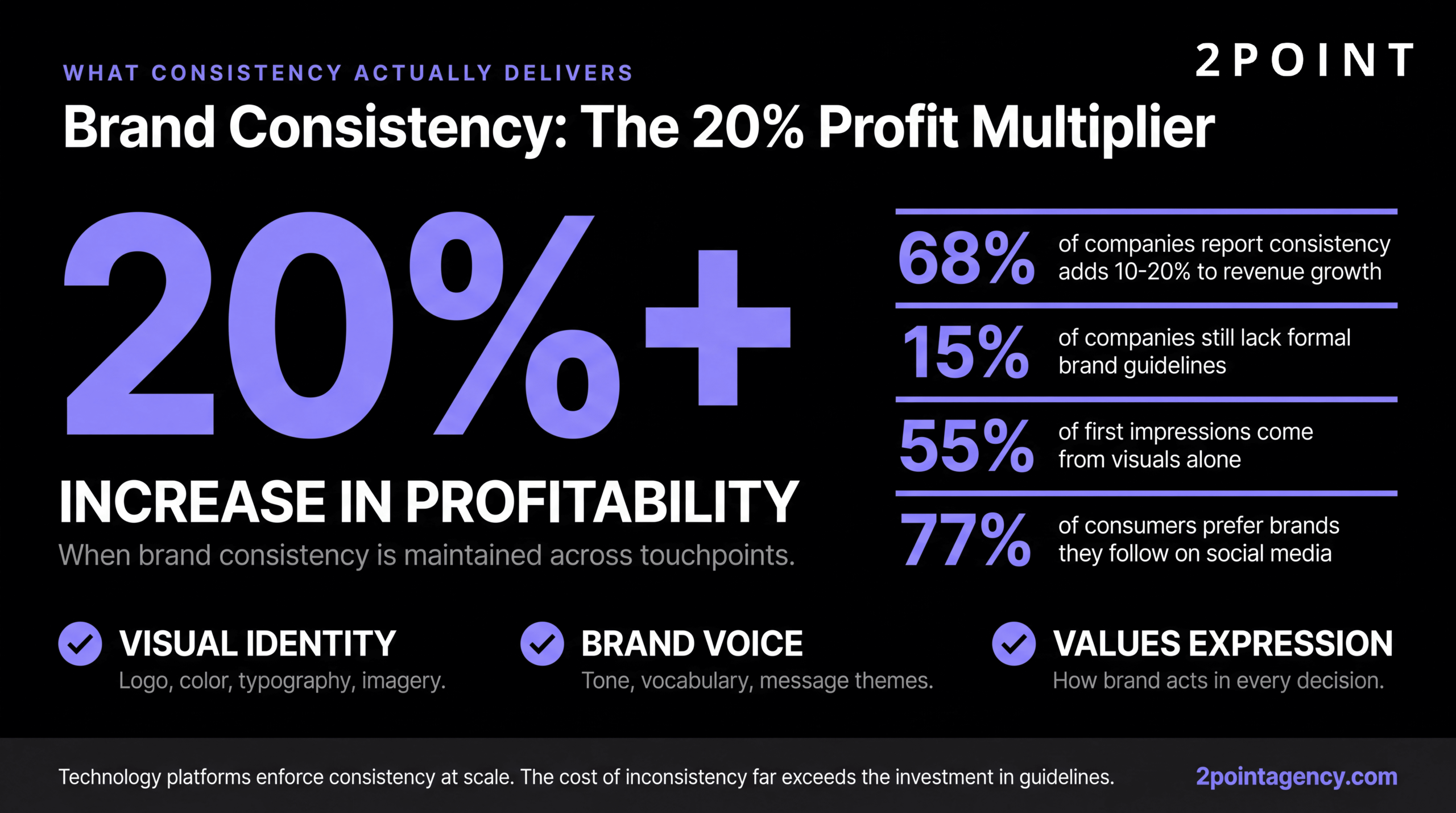
Visualization showing how consistent brand presentation can drive up to 20 percent in additional profit
Brand consistency is not aesthetic, it is a profit multiplier.

Brand guidelines serve as the operational framework for achieving consistency, documenting standards for logo usage, color specifications, typography, imagery style, brand voice, messaging themes, and values expression. Yet 15% of companies still lack formal brand guidelines, leaving their brand vulnerable to fragmentation and dilution.

Technology platforms and multi-channel marketing strategies enable consistency at scale through coordinated messaging across every customer touchpoint, brand management tools that offer compliant templates, and workflow systems that enforce approval processes. These platforms become especially critical for distributed teams, franchise systems, and organizations with frequent content production needs.

Cross-departmental coordination and a well-executed omnichannel marketing strategy remain the most challenging aspects of maintaining consistency across touchpoints. Consistent visual identity across all channels, as shown in our portfolio, builds trust by creating predictable, reliable brand experiences. Marketing, sales, customer service, product development, and executive teams all communicate on behalf of the brand. Establishing clear ownership, training programs, and approval workflows ensures every department reinforces rather than contradicts the brand foundation.

Cultivating Brand Loyalty Through Customer Experience

Effective social media marketing transforms satisfied customers into repeat buyers and vocal advocates who actively promote your brand to others.  This loyalty emerges from consistently positive experiences that exceed expectations and create emotional connections beyond transactional relationships.

The trust foundation underlying loyalty has never been more critical. 90% of U.S. consumers want to trust brands before making purchases, and 84% say authenticity impacts their purchase decisions. Even direct channels like cold email outreach must reinforce brand values and maintain consistency to build trust with potential customers. These statistics reveal how loyalty programs alone cannot create loyalty without the underlying trust and authentic value delivery.

Effective loyalty programs strategically reward repeat engagement while gathering valuable customer data. Ulta Beauty’s tiered Ultimate Rewards program exemplifies best practices by offering status-based benefits, exclusive access, personalized offers, and birthday rewards that make customers feel recognized as individuals. Loyal customers become powerful advocates, and implementing a referral program can amplify this advocacy by rewarding repeat engagement while gathering valuable customer data.

Measuring loyalty requires tracking metrics beyond simple repeat purchase rates. Net Promoter Score captures willingness to recommend your brand, customer lifetime value quantifies the total relationship worth, churn rate reveals retention effectiveness, and engagement frequency shows relationship depth. Together, these metrics identify your most loyal segments and highlight opportunities to strengthen weaker relationships.

Building loyalty demands consistent investment in customer experience across the entire journey. Every interaction shapes perception, from first website visit through post-purchase support. Brands that view every touchpoint as a loyalty opportunity rather than a transaction create the emotional connections that drive long-term customer relationships and vocal advocacy.

AI and Technology’s Transformation of Brand Management in 2026

Artificial intelligence and emerging technologies are fundamentally reshaping how brands reach customers, maintain consistency, and build relationships. The broader impact of AI on digital advertising extends beyond brand management to transform how brands allocate budgets and optimize campaign performance.

How AI Agents Are Becoming the New Brand Gatekeepers

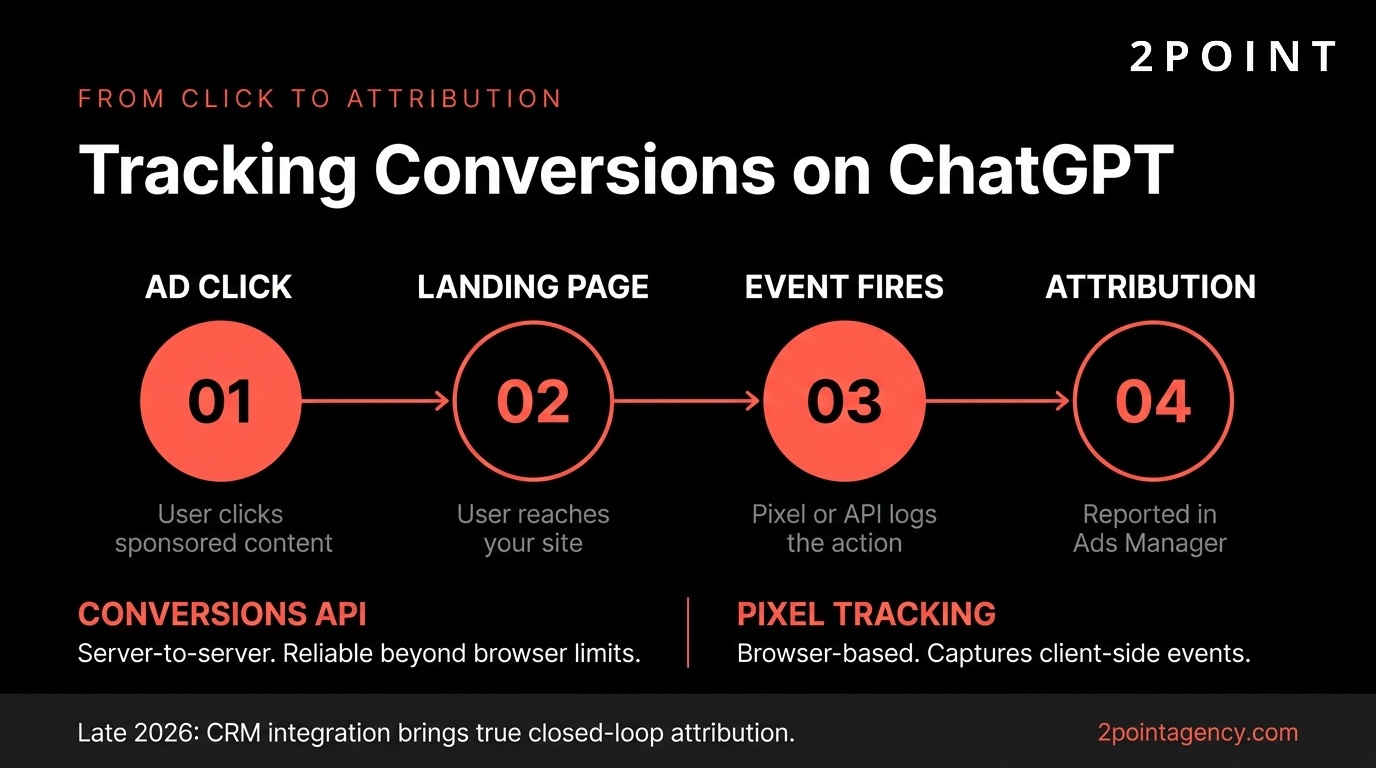
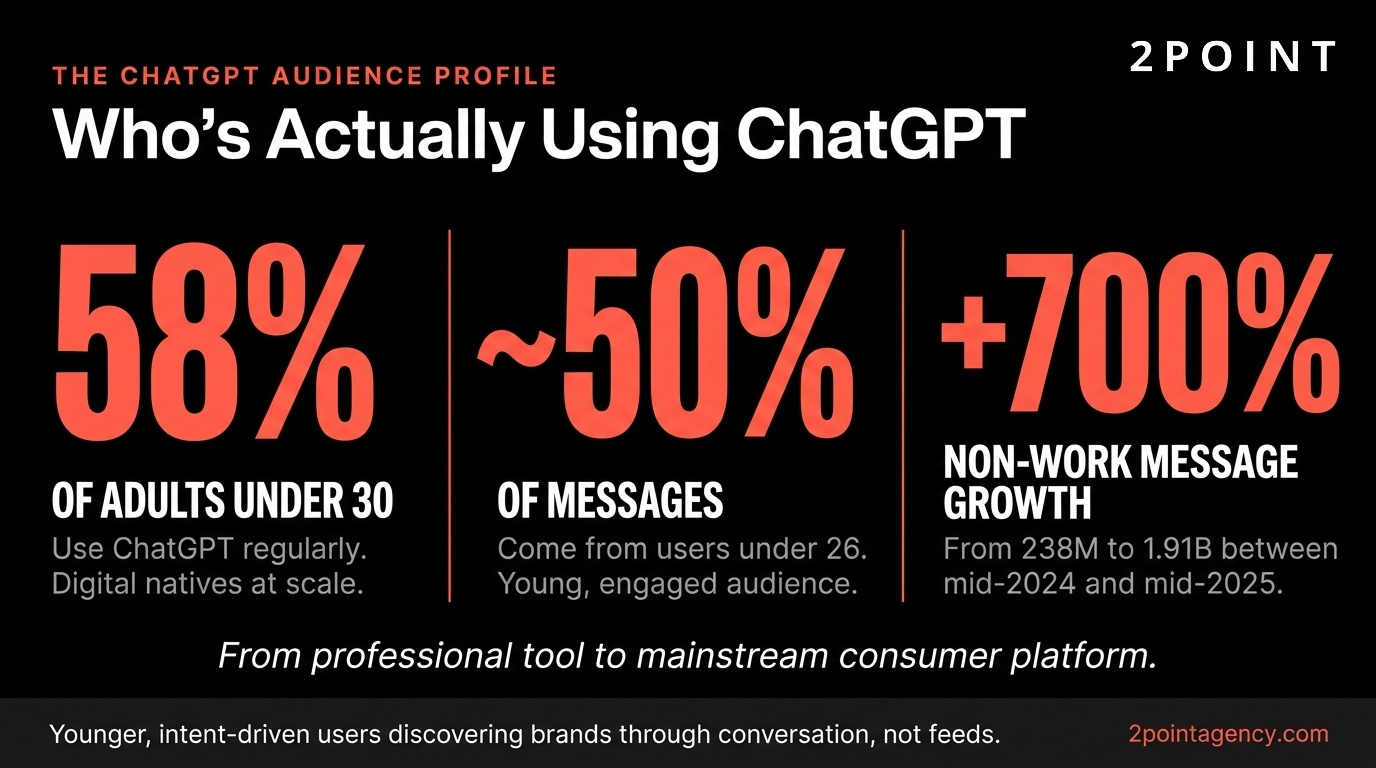
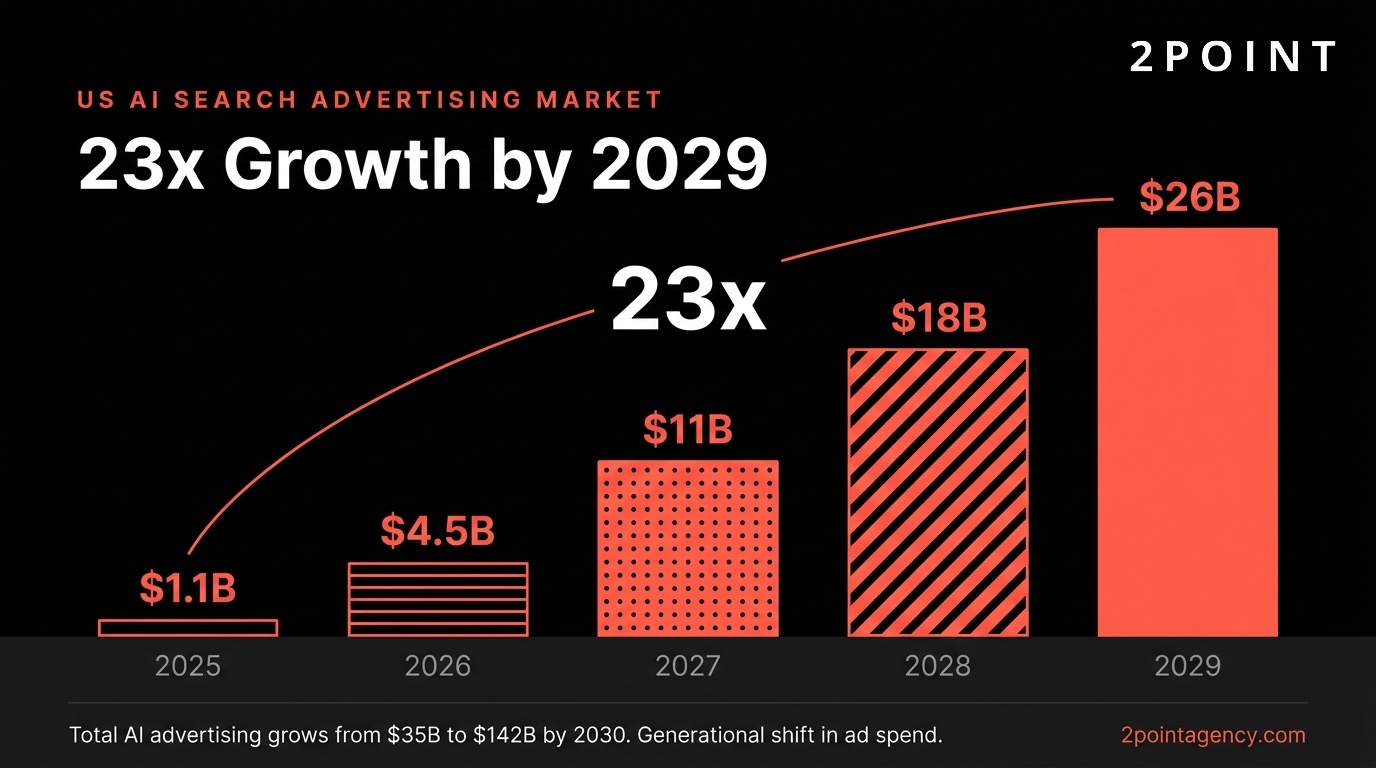
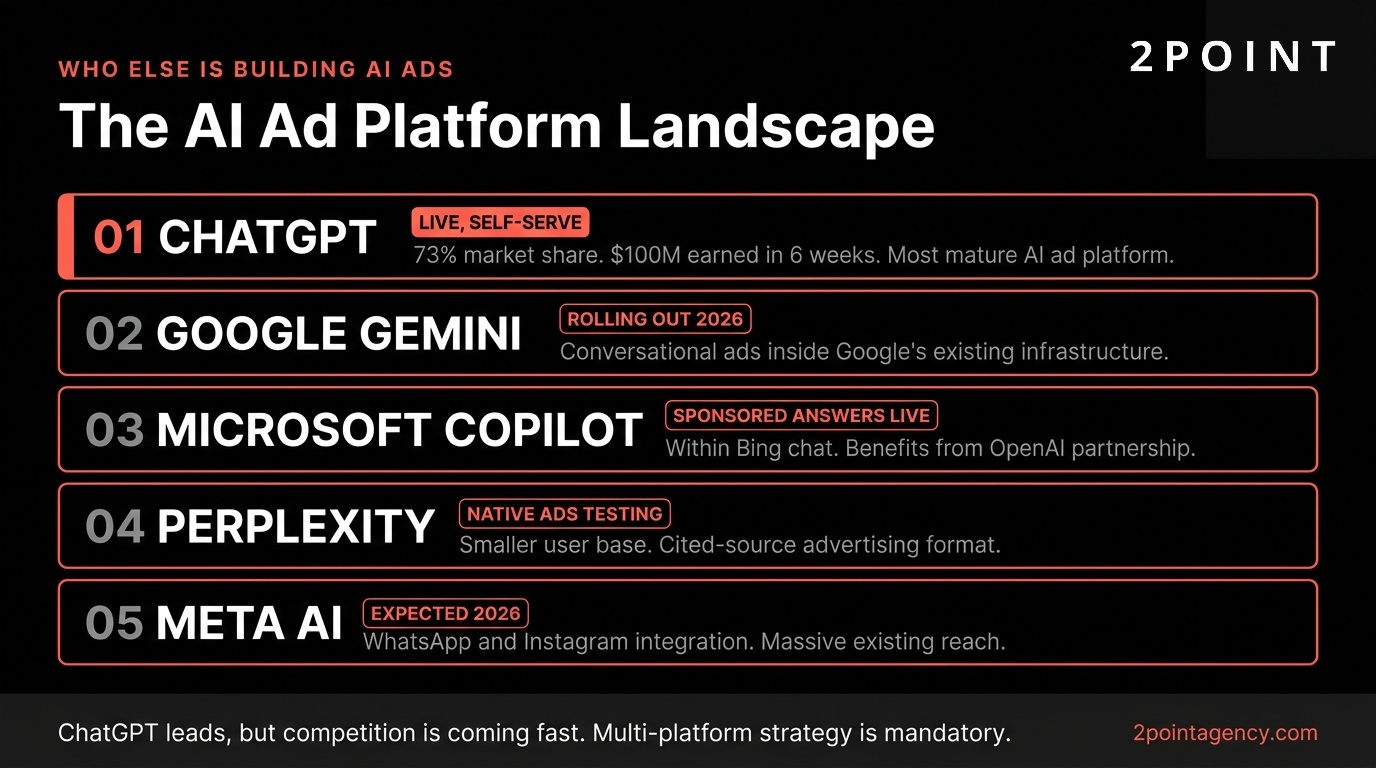
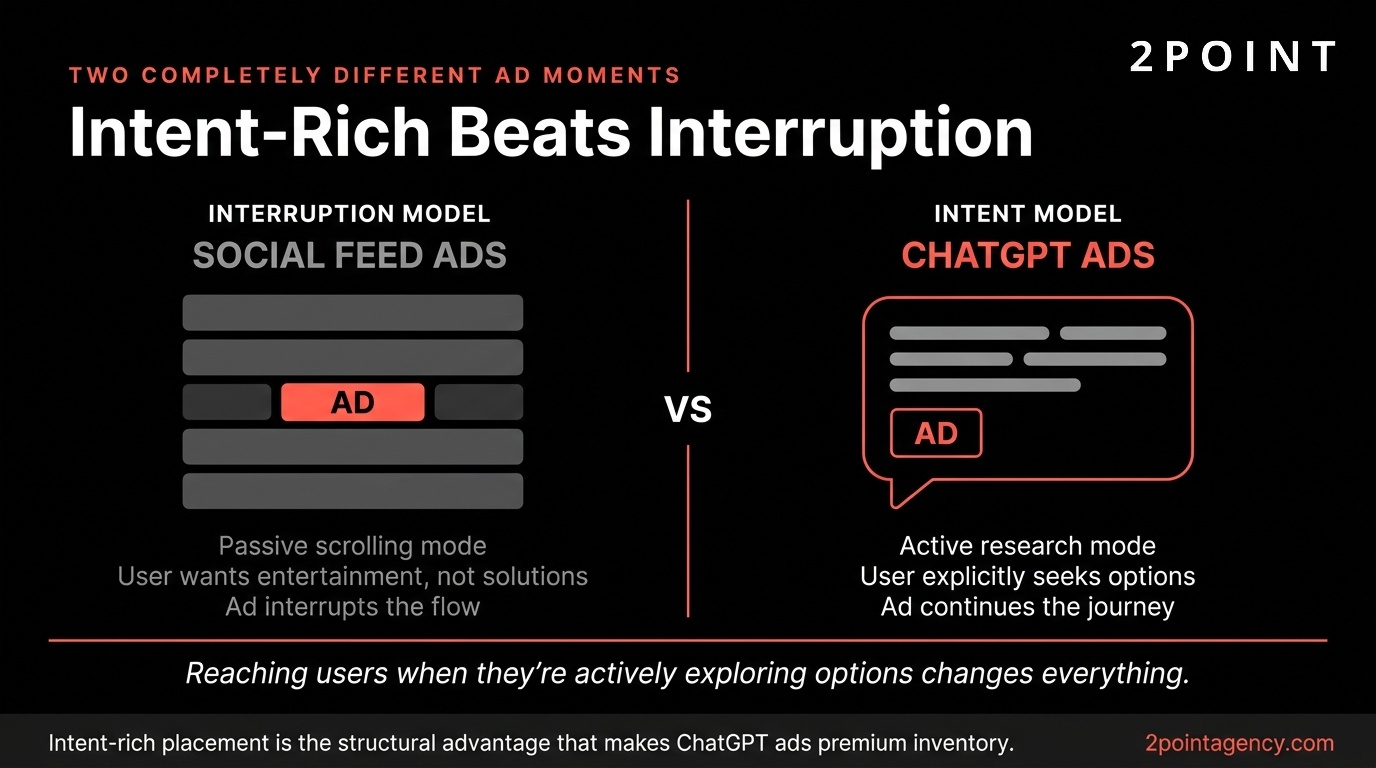
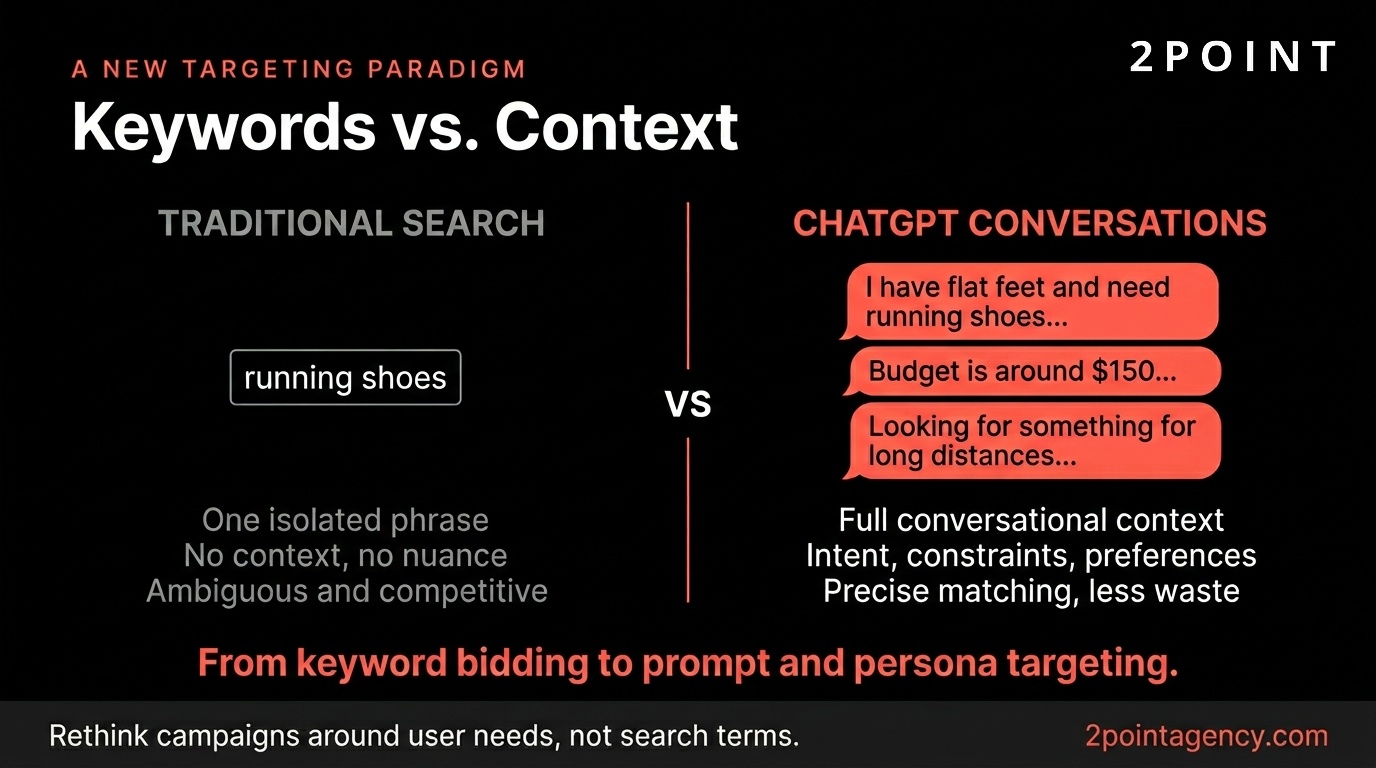
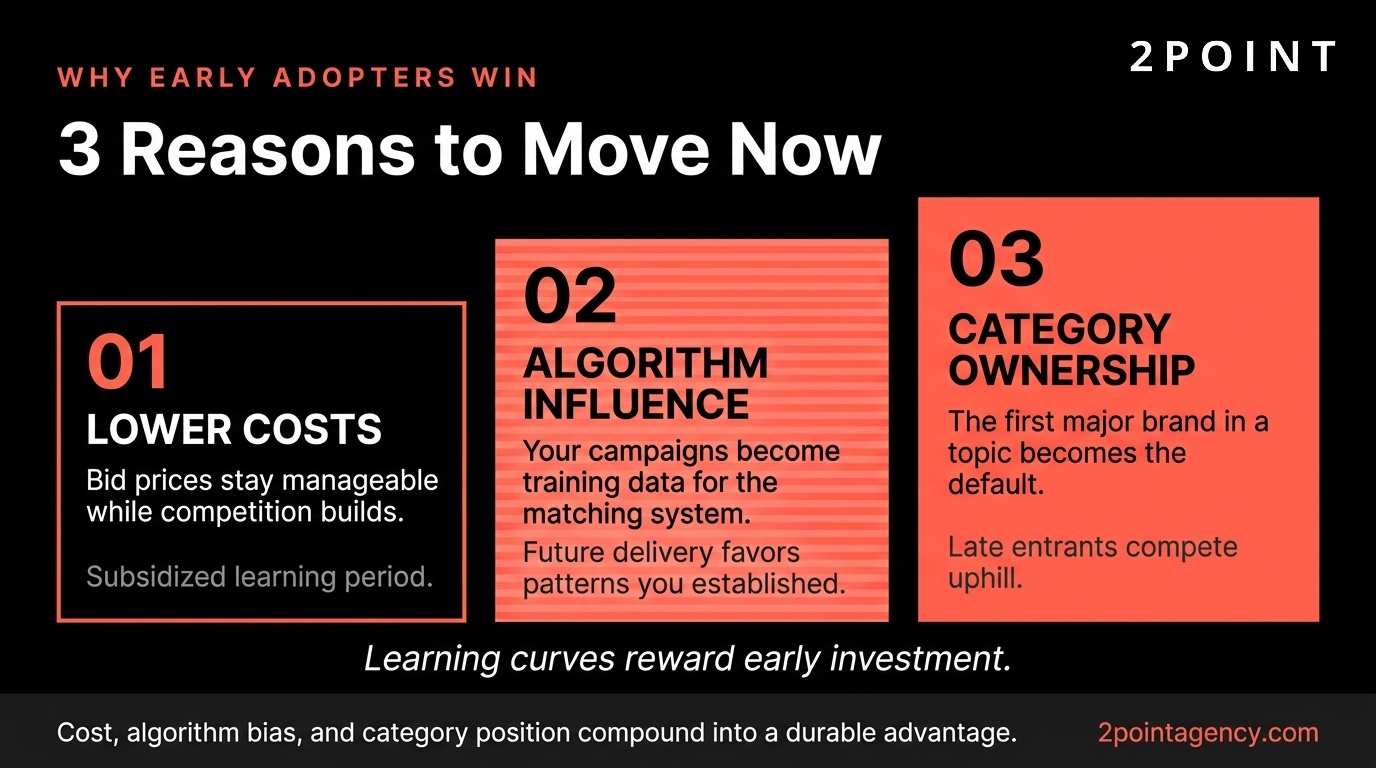
AI agents have emerged as powerful intermediaries between brands and consumers, and platforms like ChatGPT advertising now offer new ways for brands to reach users during AI-mediated conversations. This shift represents a fundamental change in brand discovery, moving from traditional search rankings to AI-mediated recommendations that prioritize relevance, credibility, and user history.

Simply ranking high in traditional search results no longer guarantees customer visibility when AI agents make recommendations. These systems evaluate brands through multiple credibility and authority signals including brand citations across trusted sources, user reviews and ratings, content quality and expertise, and mention frequency in authoritative contexts. Brands must now optimize for these AI evaluation criteria alongside traditional SEO.
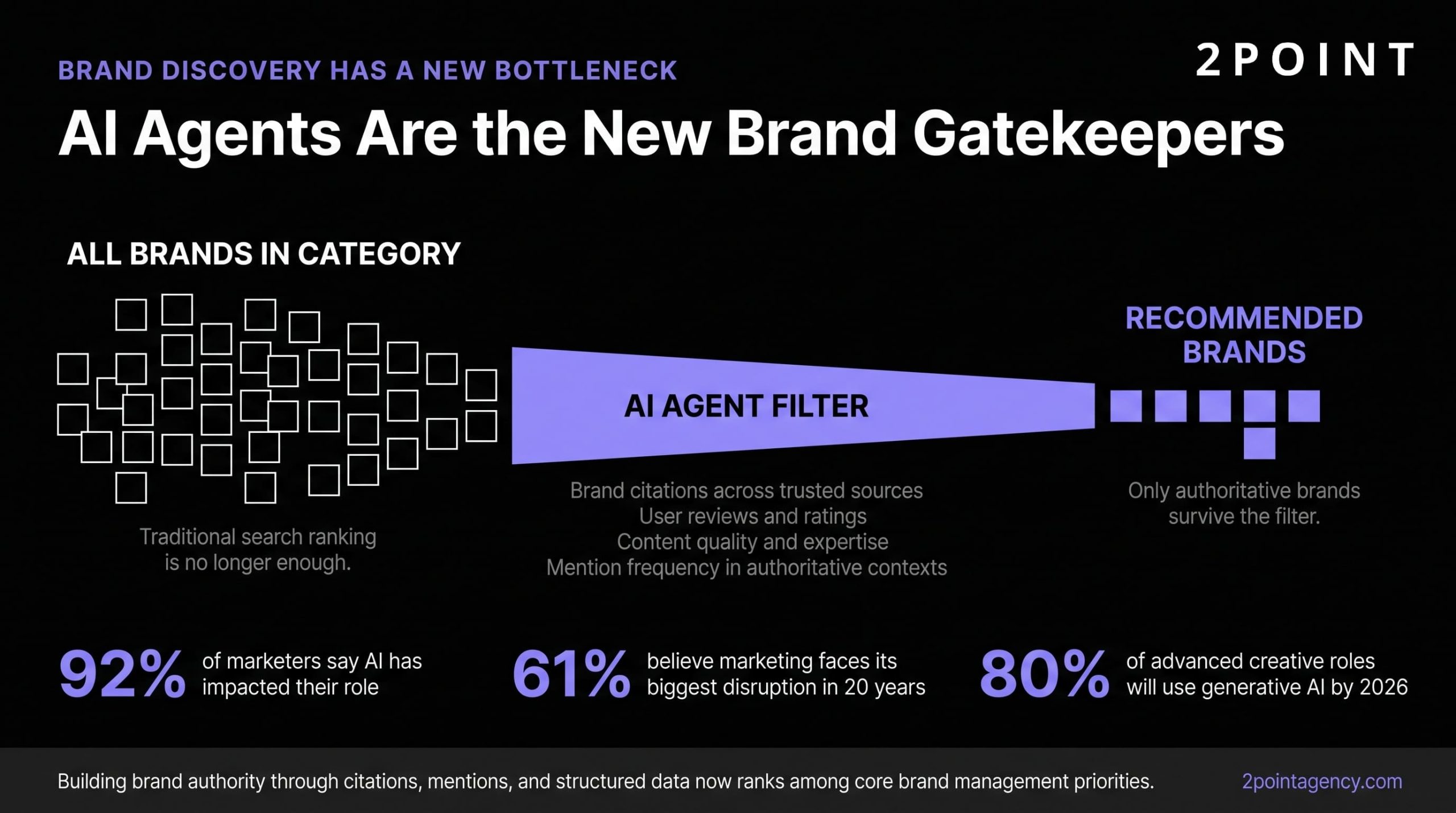
Diagram showing how AI agents like ChatGPT, Perplexity, and Google AI Overviews now mediate brand discovery before customers reach the brand directly
The new front door to your brand is an AI agent.

The marketing profession recognizes this disruption. 92% of marketers say AI has significantly impacted their role, while 61% of marketers believe marketing faces its biggest disruption in 20 years. These percentages reflect the seismic shift from controlling brand messages to earning algorithmic trust and visibility.

The adoption trajectory reinforces the urgency. 80% of advanced creative roles will regularly use generative AI by 2026, integrating these tools into standard workflows for content creation, campaign ideation, and customer personalization. Brands that master AI augmentation while maintaining authentic human connection will gain significant competitive advantages.

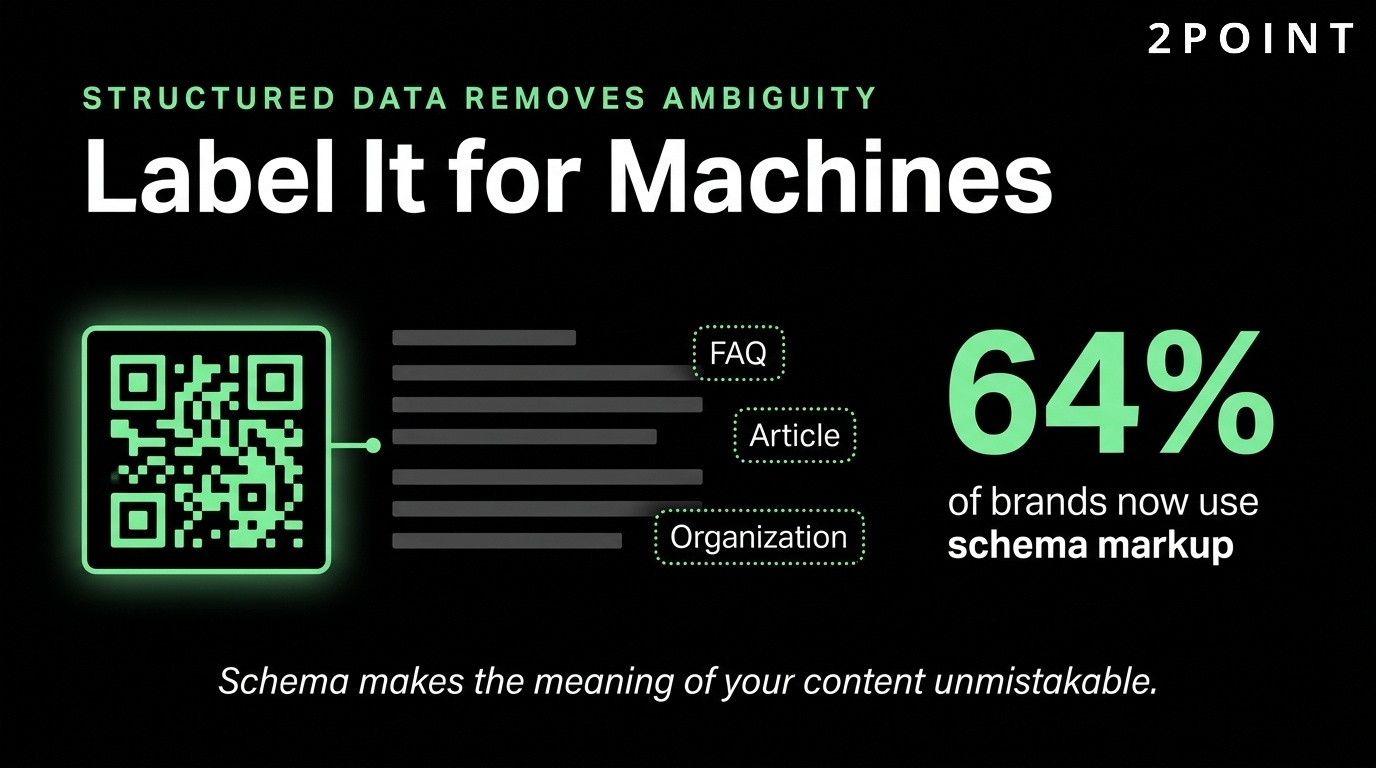
Strategic implications require rethinking content strategies, authority building, and customer touchpoint management. Building brand authority through thought leadership, earning quality backlinks and mentions, maintaining consistent positive reviews, and creating structured data that AI systems easily parse now rank among core brand management priorities.

Balancing AI Efficiency With Human Authenticity

The proliferation of AI-generated content has created a new challenge for brand management. We’ve reached a tipping point where more content is produced by AI than by humans, flooding channels with similar-sounding, pattern-based messaging that consumers increasingly recognize and distrust.

Consumer preference strongly favors human-created, authentic content that reflects genuine experiences, perspectives, and creativity. 94% of users value brands with purpose beyond profit, seeking connections with organizations led by real people with authentic values rather than algorithmic content factories optimizing for engagement metrics.
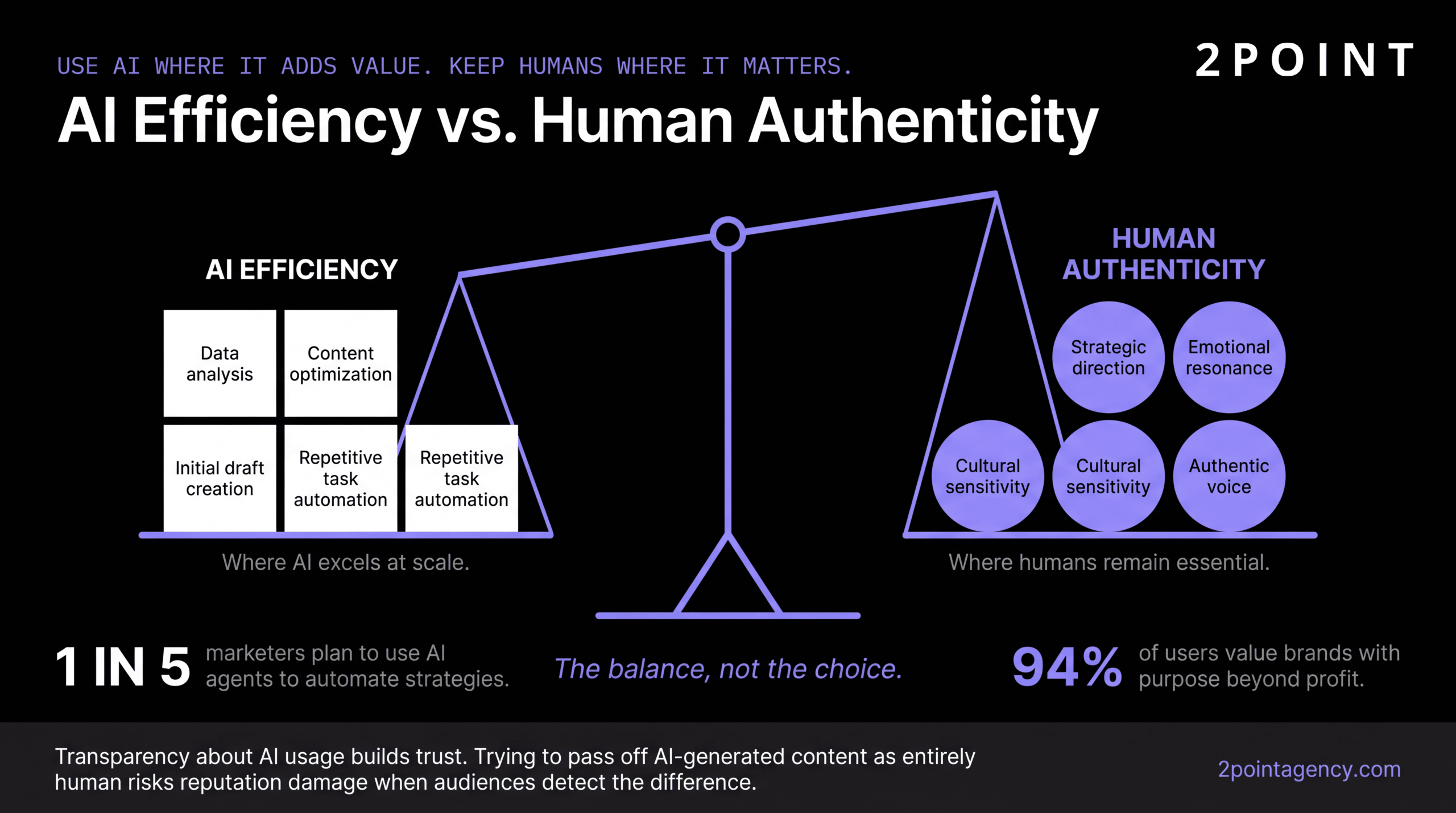
Comparison of AI efficiency and human authenticity in brand work, showing where each adds value across content, voice, and creative
What AI accelerates, what humans still own.

The strategic solution lies in using AI for efficiency gains while preserving human voice and decision-making in brand expression. AI excels at data analysis, content optimization, initial draft creation, and repetitive task automation. Humans remain essential for strategic direction, emotional resonance, cultural sensitivity, and the authentic voice that builds trust.

1 in 5 marketers plan to use AI agents to automate strategies, recognizing opportunities to scale operations without proportional resource increases. The key lies in deploying AI where it adds genuine value, research synthesis, personalization at scale, and performance optimization, while keeping humans central to creative direction, brand messaging, and relationship building.

Transparency about AI usage builds trust rather than eroding it. Brands that openly acknowledge AI assistance while highlighting human creativity and decision-making demonstrate authenticity. Trying to pass off AI-generated content as entirely human-created risks reputation damage when audiences inevitably detect the difference, a detection skill that improves continuously as consumers gain exposure to AI patterns.

Dynamic Brand Identities and Personalization at Scale

Static brand identity systems are giving way to adaptive frameworks that adjust presentation based on context, platform, and individual user preferences. This evolution enables brands to maintain core consistency while optimizing relevance for specific audiences and environments.

Technology now enables real-time customization of brand elements including color variations that match user preferences or cultural contexts, dynamic logo adaptations for different screen sizes and applications, Programmatic advertising platforms enable real-time customization of brand elements including personalized messaging that reflects individual customer journey stages, and content formats optimized for specific platforms. These adaptations happen within defined parameters that preserve brand recognition.
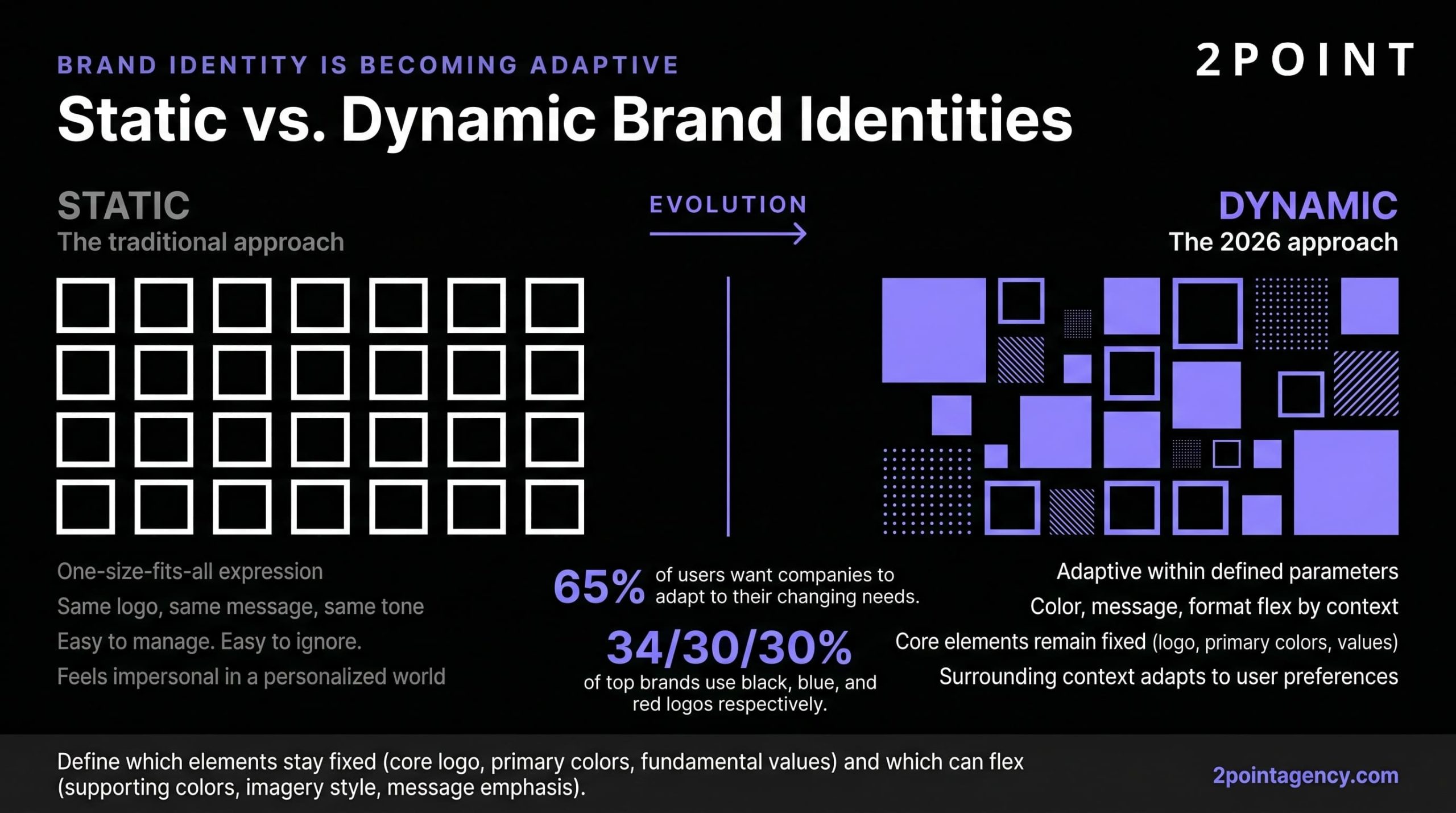
Side-by-side comparison of static brand identities and dynamic brand identities adapted at scale by AI personalization
From one fixed logo to a system that flexes per audience.

The demand for this adaptability is clear. 65% of users want companies to adapt to their changing needs, expecting brands to recognize their preferences, remember their history, and adjust experiences accordingly. Static, one-size-fits-all brand presentations increasingly feel impersonal in a world where Netflix, Spotify, and Amazon demonstrate the power of personalization.

Implementation requires sophisticated technology infrastructure including customer data platforms that unify user information, dynamic content management systems that serve personalized assets, testing frameworks that identify optimal variations, and governance systems that maintain brand integrity while enabling flexibility. The investment pays dividends through higher engagement and conversion rates.

The challenge lies in balancing personalization with consistency. While 34% of top brands use black in their logos, 30% blue, and 30% red, these foundational elements must remain stable even as surrounding context adapts. The solution involves defining which elements remain fixed (core logo, primary colors, fundamental values) and which can flex (supporting colors, imagery style, message emphasis).

AI-Powered Brand Monitoring and Reputation Management

Real-time brand monitoring has evolved from periodic reputation audits to continuous surveillance across digital channels. AI-powered tools track brand impressions, mentions, sentiment, and emerging issues, enabling rapid response to reputation threats and identification of advocacy opportunities.

Social listening tools aggregate mentions across social platforms, forums, review sites, and news sources, applying sentiment analysis to categorize feedback as positive, neutral, or negative. Media monitoring software tracks earned media coverage, analyzes share of voice versus competitors, and identifies trending topics related to your brand. Together, these systems create comprehensive visibility into brand perception.

The conversion of qualitative feedback into quantitative metrics enables data-driven reputation management. Sentiment scores track perception trends over time, mention volume indicates awareness levels, share of voice measures competitive position, and response time metrics evaluate engagement effectiveness. These measurements transform reputation management from reactive crisis response to proactive relationship building.

Trust has become the new currency, with 63% of buyers making purchases based on belief in the brand, up from 58% in 2022. This increasing emphasis on trust makes rapid response protocols essential when reputation issues emerge. Documented workflows for issue escalation, response approval, and stakeholder communication prevent slow, inconsistent reactions that amplify damage.

The most sophisticated brands use AI monitoring for opportunity identification, not just threat detection. Positive mentions become advocacy recruitment opportunities, customer questions reveal content gaps, competitor weaknesses suggest positioning opportunities, and trending topics offer relevant conversation entry points. This proactive stance transforms monitoring from defensive necessity to offensive advantage.

Building Trust and Authenticity in a Skeptical Marketplace
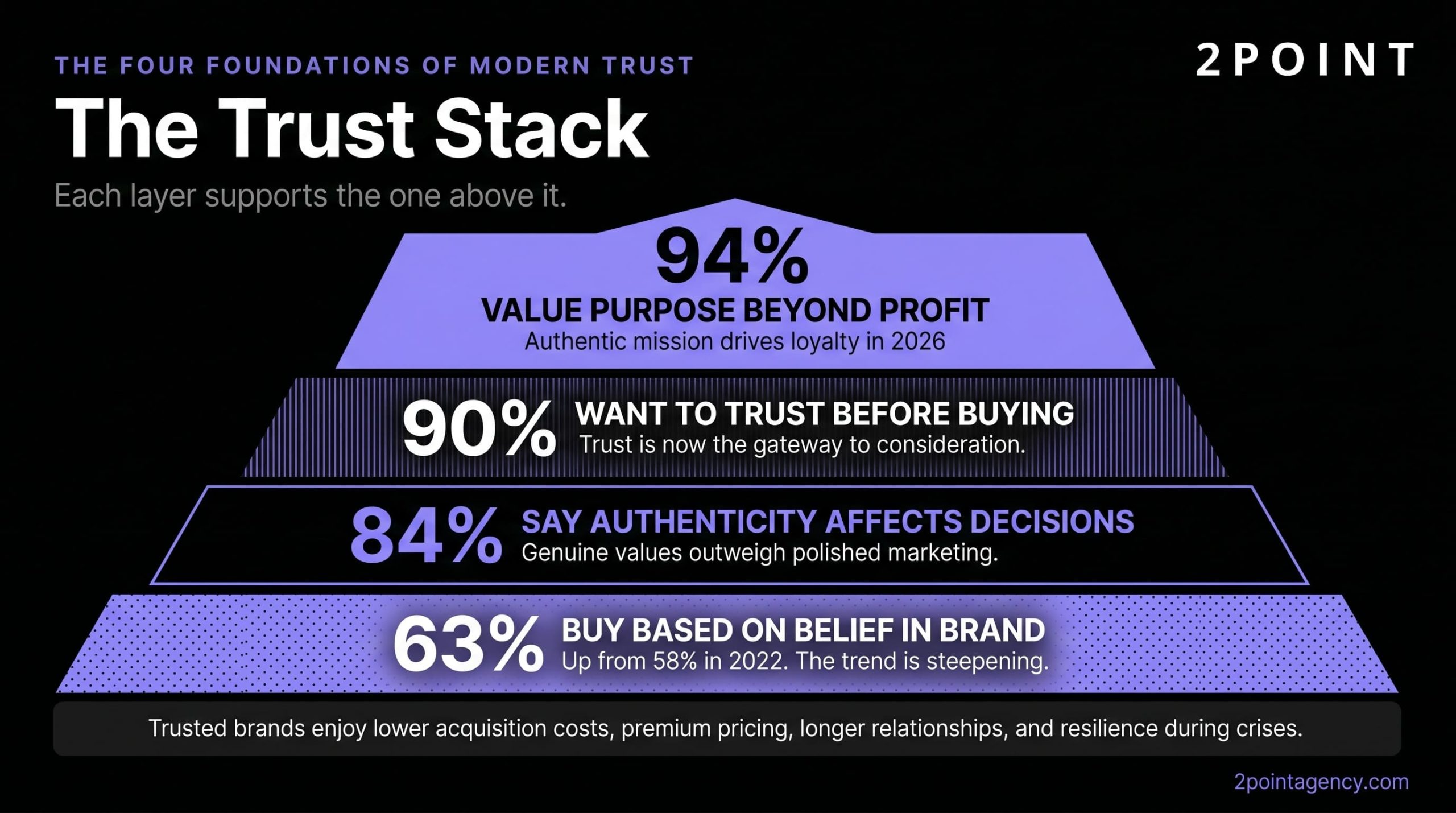
The trust stack showing the four foundations of modern brand trust: transparency, consistency, expertise, and follow-through
Four foundations every modern brand needs to earn trust.

Consumer skepticism has reached unprecedented levels as audiences question brand claims, scrutinize corporate behavior, and demand proof of authentic values. Building trust requires moving beyond marketing messages to demonstrate genuine commitment through actions and transparency.

Why Trust Has Become the New Currency of Brand Growth

Trust has evolved from a brand benefit to a prerequisite for purchase consideration. In markets saturated with choices and claims, consumers increasingly filter options through a trust lens before evaluating features, prices, or convenience. Brands that fail this initial trust assessment never enter the consideration set regardless of product quality.

The statistics paint a clear picture of trust’s primacy. 90% of U.S. consumers want to trust brands before making purchases, establishing trust as the gateway to transactions. Furthermore, 62% are willing to pay premium prices for trusted brands, proving that trust translates directly to pricing power and profitability.

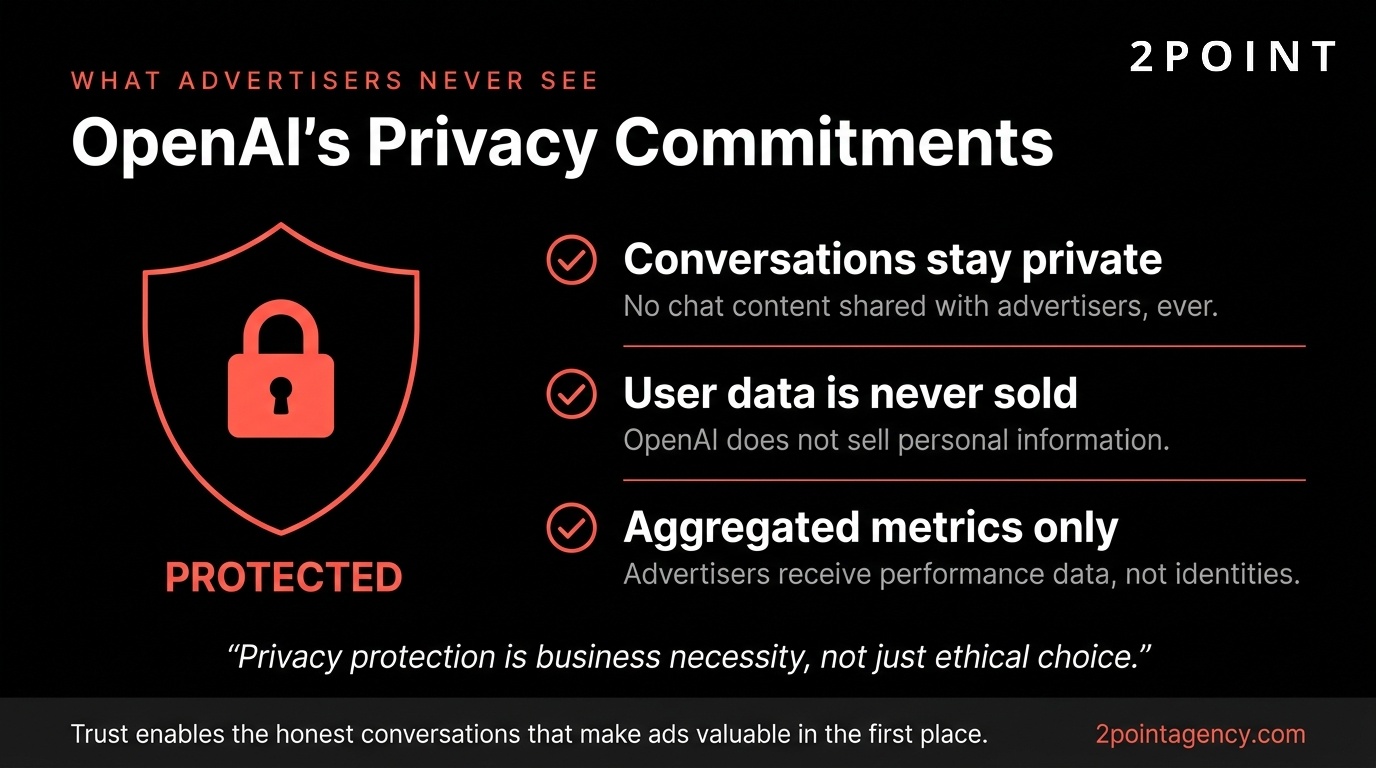
This trust imperative stems from transparency and accountability expectations that define modern consumer relationships. Customers expect brands to acknowledge mistakes quickly, provide clear information about sourcing and practices, protect customer data and privacy, and stand behind products with genuine guarantees. Failure on any dimension erodes trust that may take years to rebuild.
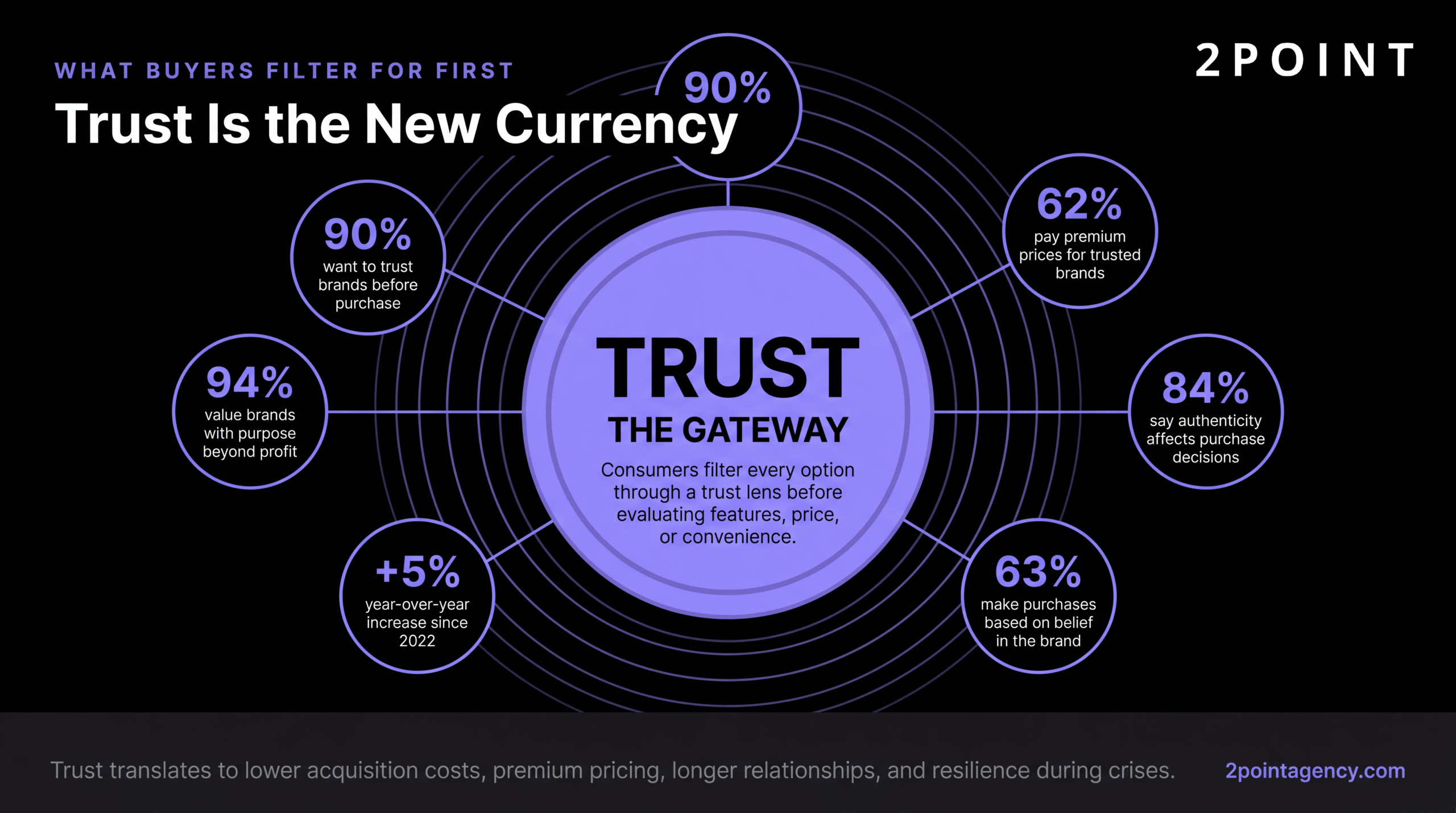
Visualization showing how trust has overtaken price and convenience as the primary driver of brand loyalty in 2026
Trust is the new currency, and most brands are running a deficit.

Digital detective consumers scrutinize every brand claim through online research, review reading, and social validation. Before making significant purchases, consumers investigate company backgrounds, compare offerings across multiple sources, verify claims through independent reviews, and seek recommendations from trusted networks. Brands cannot control these conversations but can influence them through consistent trustworthy behavior.

Trust also translates to customer loyalty and lifetime value. Trusted brands enjoy lower customer acquisition costs as satisfied customers recommend them, reduced price sensitivity enabling premium positioning, longer customer relationships generating higher lifetime value, and resilience during crises as loyal customers extend benefit of doubt.

Purpose-Driven Branding Beyond Marketing Rhetoric

Purpose-driven branding has evolved from a nice-to-have differentiator to an expected brand attribute, especially among younger consumers who increasingly make purchase decisions based on company values. However, the proliferation of purpose claims has created skepticism, making authentic commitment essential to standing out.

The gap between purpose-washing and authentic purpose centers on actions versus statements. Purpose-washing involves making bold claims without corresponding operational changes, supporting causes disconnected from business operations, abandoning commitments when convenient, and emphasizing minor initiatives while ignoring major impacts. Authentic purpose integrates values into strategy, measures and reports progress, maintains commitment during difficult periods, and aligns initiatives with core business.
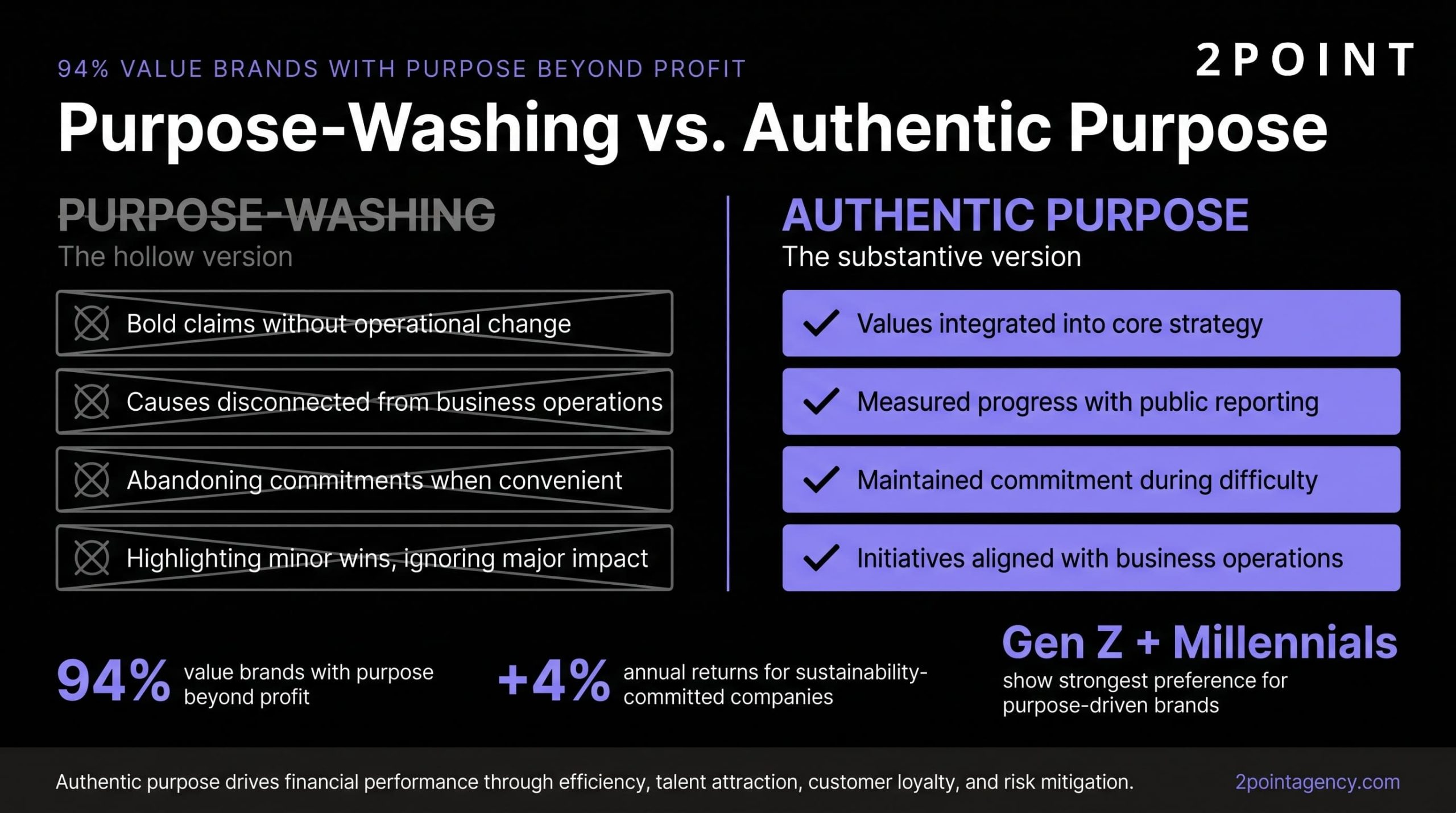
Comparison of purpose washing and authentic purpose-driven branding, with examples and warning signs for each
Audiences spot purpose washing instantly. Real purpose looks different.

94% of users value brands with purpose beyond profit, seeking connections with organizations that contribute positively to society and environment. This preference extends across demographics but shows particular strength among Gen Z and Millennial consumers who increasingly dominate purchasing power.

The business case for authentic purpose extends beyond brand perception. Companies committed to sustainability saw 4% higher annual returns than counterparts, demonstrating how purpose drives financial performance through efficiency improvements, talent attraction, customer loyalty, and risk mitigation.

ESG integration into brand strategy frameworks requires identifying causes that authentically align with your brand, setting measurable goals with public accountability, reporting progress transparently including setbacks, and involving employees and customers in initiatives. The goal is demonstrating real progress on meaningful issues rather than superficial association with popular causes.

Cultural Sensitivity and Inclusive Brand Communication

Cultural awareness has become a fundamental brand management competency as brands operate in increasingly diverse markets and face heightened scrutiny of representation. Missteps can trigger severe reputation damage while authentic inclusivity strengthens connections with diverse customer segments.

The importance of representation in marketing materials and campaigns reflects market demographics and social expectations. 61% of consumers believe diversity in advertising is important, with even higher percentages among younger demographics. Representation encompasses racial and ethnic diversity, gender and LGBTQ+ inclusion, disability representation, age diversity, and body type variety.

Avoiding tokenism while embracing diversity authentically requires moving beyond checking representation boxes to ensuring diverse perspectives inform brand decisions. Tokenism involves featuring diverse faces without diverse voices in decision-making, using diversity for marketing while maintaining homogeneous leadership, representing groups stereotypically rather than authentically, and treating diversity as a campaign rather than culture.
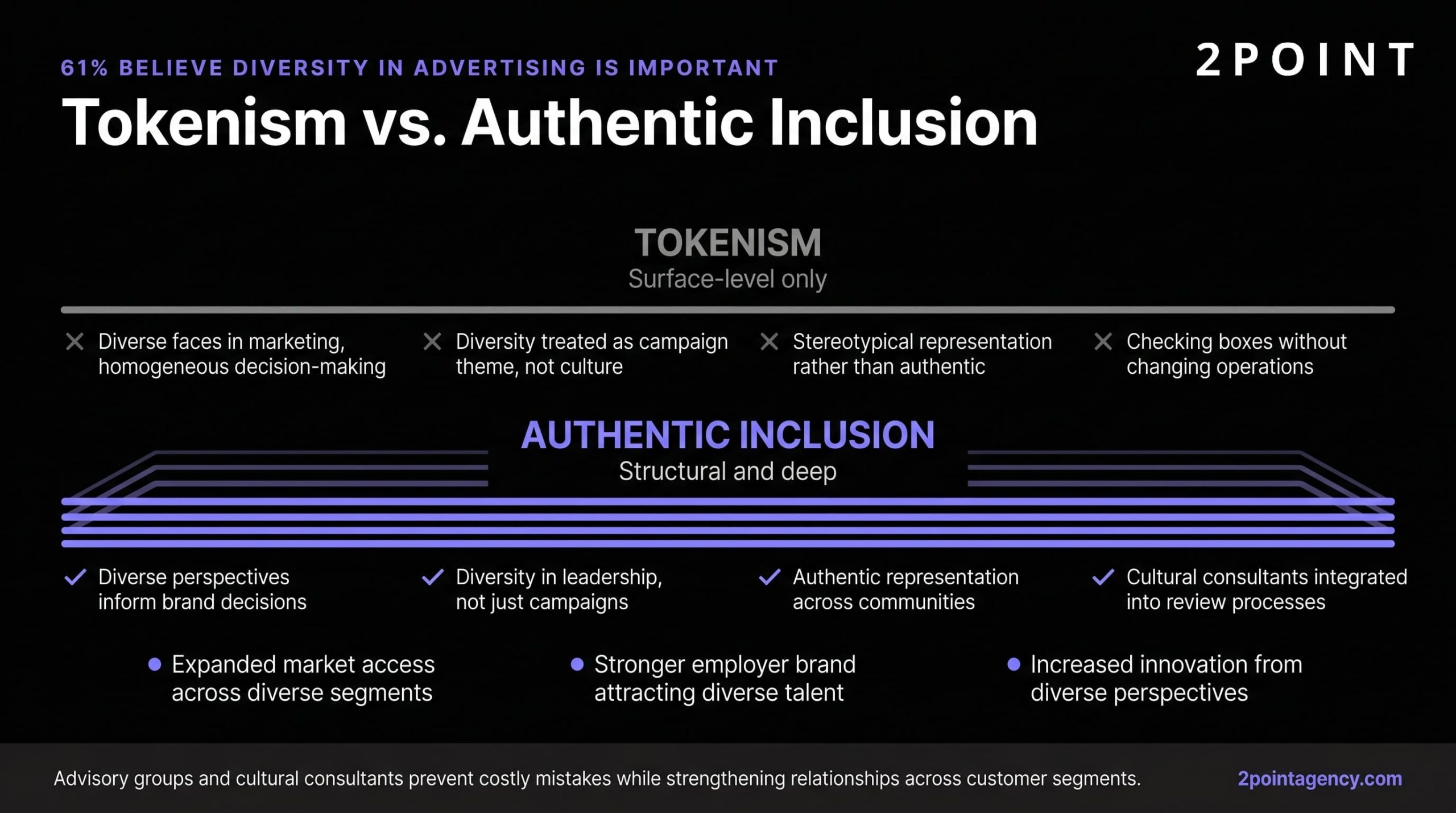
Comparison of tokenism and authentic inclusion in brand advertising, with practical signals that distinguish the two
How to tell tokenism from authentic inclusion in your advertising.

Advisory groups and cultural consultants help brands navigate sensitive territory by reviewing campaigns before launch, identifying potential issues invisible to homogeneous teams, suggesting authentic approaches to representation, and connecting brands with diverse communities. These investments prevent costly mistakes while strengthening brand relationships across customer segments.

The business benefits of cultural sensitivity extend beyond risk mitigation to include expanded market access, stronger connections with diverse segments, enhanced employer brand attracting diverse talent, and increased innovation from diverse perspectives. Brands that genuinely embrace diversity gain competitive advantages in increasingly diverse global markets.

The Evolution of Personal Branding for Business Leaders

Personal branding has shifted from performative self-promotion to intentional professional identity development grounded in authentic expertise and lived experience. This evolution reflects audience fatigue with curated perfection and hunger for genuine connection with real people.

The connection-over-influence paradigm prioritizes authentic voice and meaningful engagement over follower counts and viral content. Personal brands now succeed by sharing genuine expertise and experience, acknowledging limitations and learning journeys, engaging in substantive conversations, and building communities rather than audiences. This approach creates deeper loyalty than traditional influence metrics suggest.

CEO and leadership visibility has become a brand strategy component rather than optional enhancement. Humanizing corporations through leader voices builds trust, demonstrates expertise and thought leadership, provides authentic response channels during crises, and differentiates commoditized offerings through personal connection. Companies increasingly recognize that invisible leaders create brand distance.

Brand ambassador programs extend personal branding beyond executives to frontline employees. 82% of consumers are highly likely to buy based on micro-influencer recommendations, and employees often serve as highly credible micro-influencers when sharing authentic workplace experiences and product knowledge.

Employee advocacy programs provide guidelines, training, and content resources that enable staff to share company stories authentically on personal channels. Benefits include extending brand reach through employee networks, adding credibility through employee endorsement, humanizing corporate communications, and supporting recruitment through authentic employer brand representation. The key is enabling rather than scripting, maintaining authenticity while providing support.

Strategic Partnerships and Influencer Relationships

Brand partnerships and influencer collaborations have evolved from tactical awareness plays to strategic relationship programs that drive engagement, credibility, and customer acquisition. Success requires moving beyond transactional arrangements to genuine alignment and long-term commitment.

The New Creator Economy and Influencer Partnership Models

The creator economy has matured beyond treating influencers as advertising inventory to recognizing them as media properties and strategic partners. Brands that approach creator relationships with the same rigor as vendor partnerships, focusing on mutual value creation rather than one-off sponsored posts, achieve substantially better results.

Treating creators like ad slots represents a failed approach that ignores the authentic audience relationships creators cultivate. Successful brands instead build creator loyalty infrastructure that mirrors customer relationship management: acquire creators through fair compensation and clear communication, service them with support, content resources, and creative freedom, and retain them through ongoing relationships and first-access opportunities.

Long-term partnerships outperform one-off sponsored posts across every meaningful metric. Ongoing relationships enable creators to authentically integrate brands into content, build genuine familiarity and preference with audiences, develop sophisticated understanding of brand and products, and create compound awareness effects through consistent mention. The investment in relationship development pays dividends through authentic advocacy.
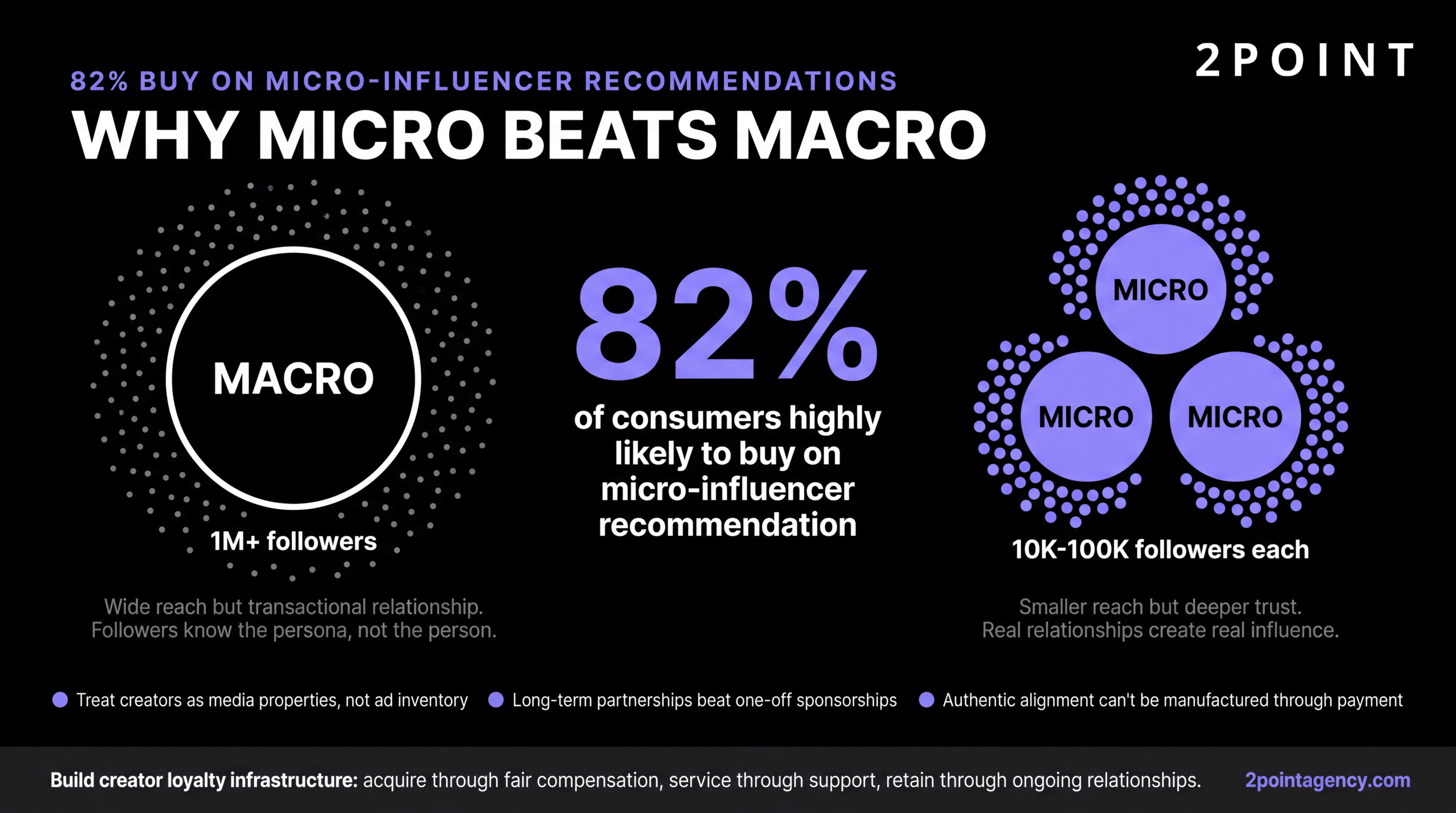
Comparison of micro-influencer and macro-influencer marketing return on investment across engagement, reach, and conversion
Micro versus macro: which influencer tier actually delivers ROI.

The trust factor in creator recommendations is substantial. 82% of consumers are highly likely to buy based on micro-influencer recommendations, often exceeding trust in traditional advertising or even brand-owned content. This trust stems from perceived independence, authentic personal experience, and relationship between creator and audience.

Alignment of values and audience overlap serves as essential selection criteria beyond follower counts. Effective partnerships require shared values between brand and creator, audience demographics matching target customers, content style compatible with brand aesthetic, and category relevance that feels natural rather than forced. Authenticity cannot be manufactured through payment alone.

Strategic Brand Partnerships and Collaborations

Brand partnerships have evolved from awareness tools to engagement drivers that create new value through combination. The most successful collaborations blend complementary strengths, access new audiences, and generate genuine excitement rather than simply cross-promoting.

Co-creation strategies and limited edition collaborations generate disproportionate attention by offering something unique available only through partnership. Fashion brands partnering with artists, food brands creating limited flavors with entertainment properties, and technology companies integrating with lifestyle brands demonstrate how collaboration creates value exceeding either brand independently.

Sports sponsorships represent massive and growing partnership investment. The global sports sponsorship market is projected to double in just seven years, reflecting sports’ unique ability to generate emotional connection, reach massive engaged audiences, create localized relevance, and provide year-round content opportunities. Smart brands integrate sponsorships into comprehensive strategies rather than treating them as isolated media buys.

Entertainment partnerships extend brand presence into cultural conversations through movie and television integrations, music festival sponsorships, gaming collaborations, and streaming content partnerships. These arrangements work best when integrated authentically into entertainment rather than interrupting it, creating positive associations through connection with enjoyable experiences.

Measuring partnership ROI requires tracking brand lift through awareness and perception studies, engagement metrics showing audience interaction, conversion tracking through partnership-specific promotions, and share of voice analysis comparing coverage to competitors. Clear success metrics established upfront enable optimization and inform future partnership decisions.

Content Strategy Across Emerging Platforms

Platform proliferation and declining organic reach on established channels have complicated content strategy decisions. Brands must balance platform diversification against depth of execution while adjusting to format preferences that vary dramatically across channels.

Platform challenges extend beyond algorithm changes to fundamental shifts in content consumption patterns. Declining reach on traditional channels like Facebook forces brands to work harder for visibility, platform fragmentation spreads audiences across many channels, format preferences differ dramatically by platform, and younger audiences migrate to emerging platforms before brands establish presence.
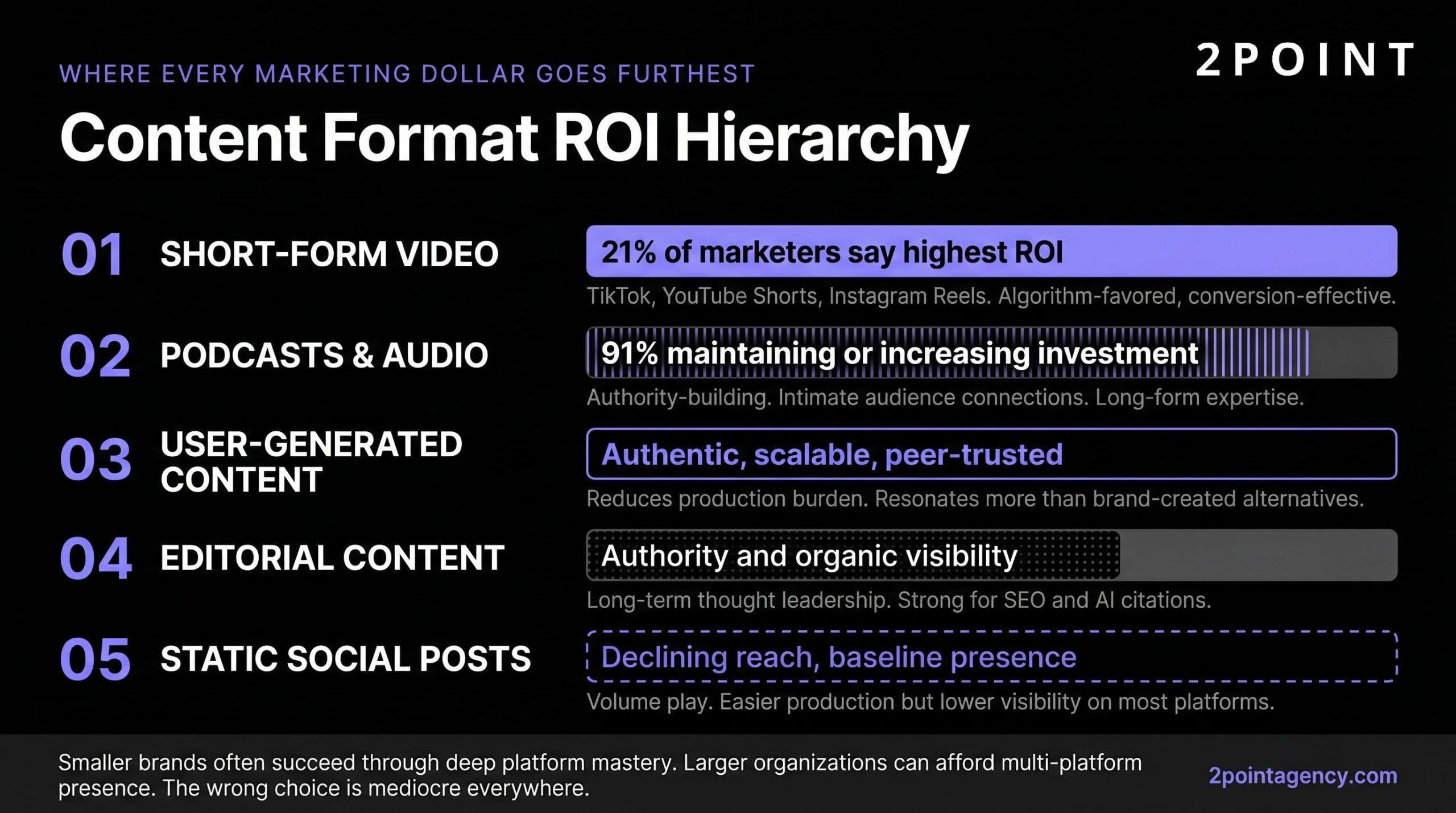
ROI hierarchy of brand content formats across emerging platforms, ranked from short-form video to long-form thought leadership
The content-format ROI hierarchy for emerging platforms.

Short-form video has emerged as the highest-ROI content format. 21% of marketers say short-form video delivers the highest ROI of any format, driven by platform algorithm preferences, user consumption patterns, and conversion effectiveness. TikTok, YouTube Shorts, and Instagram Reels now represent essential channels rather than experimental ones.

Editorial content maintains value for thought leadership and organic visibility despite lower viral potential. 91% of marketers plan to maintain or increase investment in podcasts and audio content, recognizing these formats’ effectiveness for building authority, creating intimate audience connections, generating long-form content that demonstrates expertise, and reaching audiences during commutes and downtime.

The strategic choice between platform diversification and depth depends on resources, audience location, and content production capabilities. Smaller brands often succeed through deep platform mastery, while larger organizations can afford multi-platform presence. The wrong choice is being mediocre everywhere rather than excellent somewhere.

Developing Your Brand Management Strategy Framework

Effective brand management requires a documented strategic framework that guides decision-making, establishes standards, and enables measurement. Building this framework involves defining your foundation, creating operational guidelines, establishing processes, and implementing tracking systems.

Defining Your Brand Foundation and Positioning

Brand strategy begins with defining your foundation, the unchanging core that guides all expressions and decisions. This foundation precedes tactical execution and provides the reference point for evaluating opportunities, partnerships, and initiatives.

Brand definition encompasses your values (the principles you won’t compromise), mission (your purpose beyond profit), and core identity (what makes you distinctly you). These elements answer fundamental questions: Why do we exist? What do we stand for? What makes us different? The answers should feel authentic rather than aspirational, reflecting genuine organizational character rather than borrowed language.

The 3 C’s framework provides a simple test for effective brand strategy: clarity (everyone understands what you stand for), consistency (you deliver the same experience repeatedly), and constancy (you maintain position over time rather than chasing trends). Brands that score high on all three dimensions build stronger equity than those that sacrifice any element.
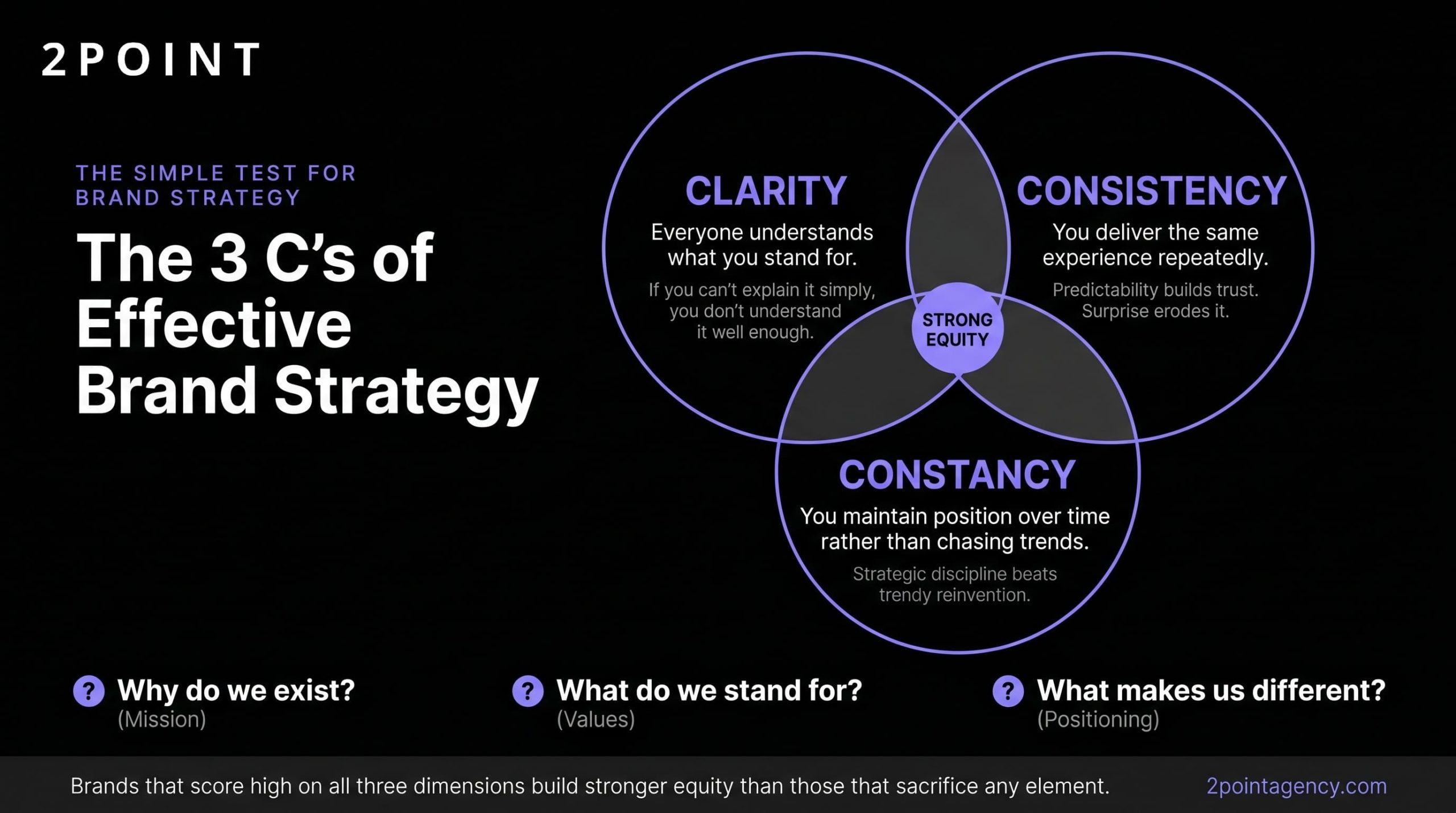
The three Cs of effective brand strategy: customer, company, and competition
The three Cs that anchor every effective brand strategy.

Competitive positioning establishes your distinct space in the market by identifying the specific value you deliver better than alternatives. The top 100 global brands reached $10.7 trillion in value by occupying unique positions that competitors cannot easily replicate. Effective positioning identifies target customer segments, acknowledges competitive alternatives, articulates key differentiators, and supports differentiation with proof points.

Target audience definition moves beyond demographics to psychographics and behaviors. The most useful audience definitions describe not just who customers are but what they value, what problems they face, how they make decisions, and where they spend time. This depth enables relevant positioning and effective channel selection.

Creating Comprehensive Brand Guidelines

Brand guidelines serve as the operational instruction manual that enables consistency across teams, geographies, and time. Comprehensive guidelines document standards while explaining the strategic thinking behind decisions, helping users make appropriate choices in novel situations.

Complete brand guidelines address visual identity (logo variations and usage, color specifications, typography standards, imagery style), brand voice and messaging (tone characteristics, vocabulary choices, message architecture), and values expression (how values show up in decisions and communications). The goal is providing clear direction while enabling appropriate flexibility.

The absence of guidelines creates vulnerability. 15% of companies still lack formal brand guidelines, leaving their brand exposed to fragmentation as different teams interpret the brand differently. The cost of this absence shows up in confused customers, diluted equity, and missed opportunities to reinforce positioning.

The business case for guidelines is compelling. 68% of companies say consistency adds 10-20% to revenue growth, directly attributing growth to the clarity and recognition that guidelines enable. This return far exceeds the investment in creating and maintaining comprehensive documentation.

Digital asset management systems enforce guidelines by providing pre-approved assets, templates that build in compliance, version control preventing outdated asset use, and permissions systems that control access. These platforms transform guidelines from reference documents into operational infrastructure that makes compliance easier than violation.

Update cycles and version control require regular reviews to keep guidelines current as the brand evolves. Most brands review guidelines annually, with more frequent updates when entering new markets, launching major initiatives, or responding to strategic shifts. Version control prevents confusion by clearly marking the current standard while archiving historical versions.

Cross-Functional Brand Management Processes

Brand management succeeds or fails based on organizational processes that coordinate activities across departments. Without clear workflows and responsibilities, even excellent strategy and guidelines fail to translate into consistent execution.

The brand manager role serves as strategic shepherd with responsibilities spanning monitoring brand performance and health, coordinating cross-functional brand activities, enforcing guidelines and standards, managing external agencies and partners, and advocating for brand considerations in business decisions. The role requires influence without always having direct authority over brand touchpoints.

Stakeholder management across marketing, sales, product, and customer service requires establishing brand champions in each function, creating regular communication cadences, involving stakeholders in guideline development, and demonstrating how brand strength supports departmental goals. The brand manager succeeds by making others’ jobs easier through clear guidance rather than creating obstacles.

Approval workflows for brand asset creation balance quality control against speed needs. Effective workflows define which assets require approval based on visibility and risk, specify approval authorities at different levels, establish timeline expectations and expedite processes, and provide feedback that builds capability rather than just rejecting work. The goal is protecting the brand while enabling rather than blocking execution.

Training programs educate teams on brand standards through onboarding that establishes foundation, role-specific training addressing departmental needs, refresher programs when guidelines update, and certification for high-visibility roles. Investment in education reduces errors and empowers teams to make brand-appropriate decisions independently.

Measuring Brand Performance and Optimizing Strategy

Data-driven brand management requires measuring the right metrics, tracking trends over time, and adjusting strategy based on what the data reveals. Without measurement, brand management becomes opinion-driven rather than evidence-based.

Key brand metrics span the customer journey from awareness to advocacy. Awareness metrics (aided and unaided recall, search volume) show how many people know you exist. Consideration metrics (preference, purchase intent) reveal how many would choose you. Preference metrics (NPS, brand love) indicate emotional connection strength. Loyalty metrics (repeat rate, lifetime value) quantify relationship durability.

Brand health tracking methodologies create longitudinal data that shows whether brand equity strengthens or weakens over time. Regular surveys of target audiences measure perception across key dimensions, competitive position benchmarks show relative standing, social listening reveals unprompted sentiment, and performance metrics track business outcomes connected to brand strength.
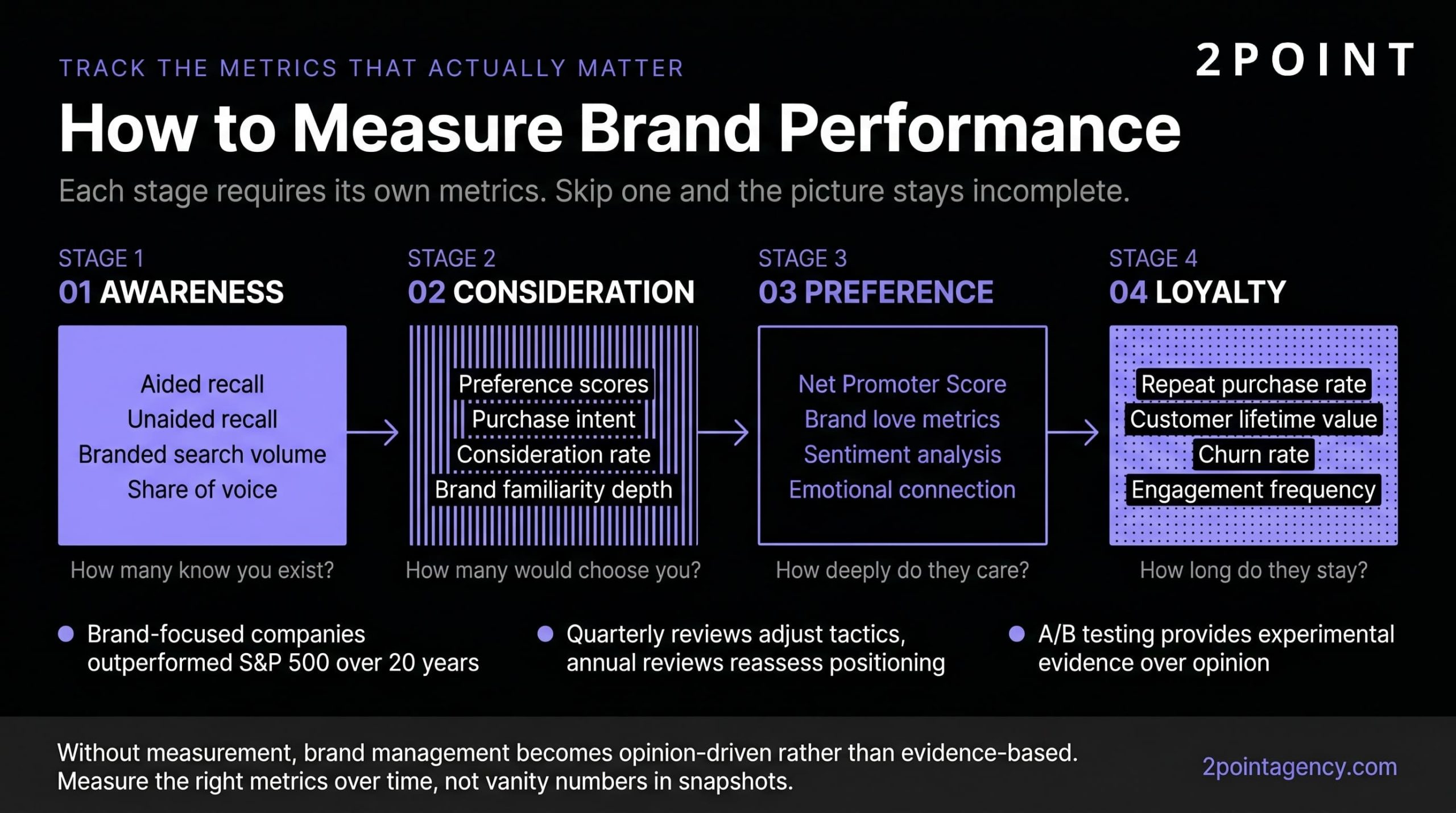
Dashboard showing brand performance metrics including unaided recall, share of voice, sentiment, and conversion attribution
The brand performance metrics worth tracking weekly.

The correlation between brand focus and business performance is well-documented. Brand-focused companies outperformed both the S&P 500 and MSCI World Index over 20 years, demonstrating how patient investment in brand building generates superior shareholder returns compared to short-term optimization.

A/B testing brand elements and messaging provides experimental evidence about what resonates with audiences. Digital channels enable testing message variations, visual treatments, value proposition emphasis, and call-to-action approaches at scale. The key is testing elements that genuinely matter rather than insignificant details, and implementing learnings systematically rather than treating tests as isolated experiments.

Feedback loops and strategy adjustment cycles prevent rigid adherence to outdated approaches. Quarterly reviews examine performance data and adjust tactics, annual strategic reviews reassess positioning and goals, and continuous monitoring identifies emerging issues requiring immediate response. The discipline lies in changing based on evidence while maintaining strategic consistency rather than chasing every trend.

Brand Management in Action: Case Studies and Examples
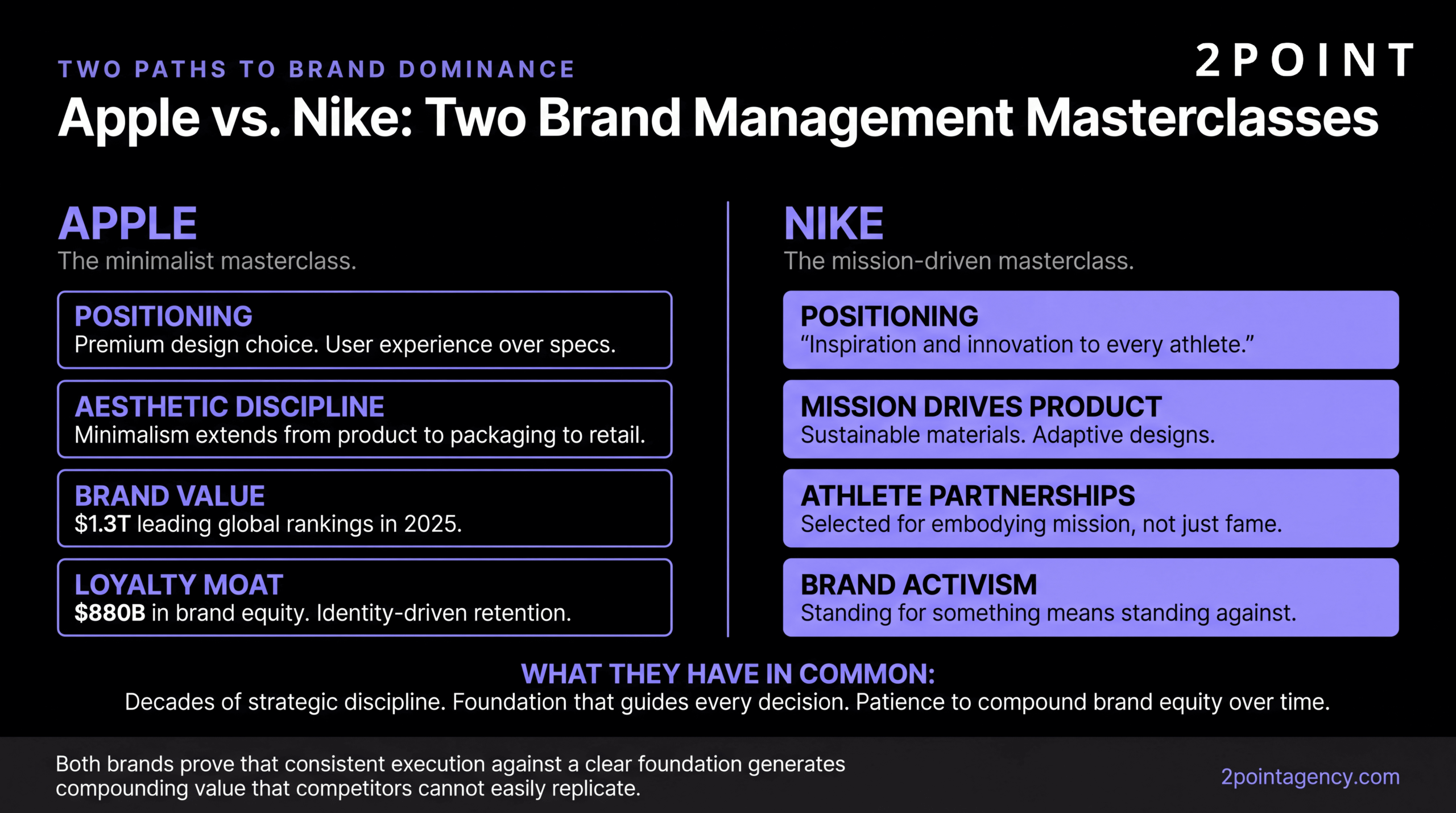
Side-by-side analysis of Apple and Nike brand management approaches, highlighting their respective strategic strengths
Two masterclasses in brand management, told side by side.

Examining how successful brands manage their identity, equity, and customer relationships provides concrete insights into effective brand management principles. These examples demonstrate different approaches unified by consistency, authenticity, and strategic discipline.

Apple’s Brand Management Mastery

Apple represents the gold standard for brand management, maintaining consistent identity across decades while remaining culturally relevant. The company’s brand discipline enables premium pricing that generates industry-leading margins despite intense competition.

The minimalist design aesthetic serves as Apple’s most recognizable brand signature, extending from product design through packaging, retail environments, and marketing communications. This consistency creates immediate recognition while conveying sophistication and user-centricity. The aesthetic is so distinctive that consumers identify Apple products instantly even without visible logos.

Focus on innovation and user experience positions Apple as a premium choice justified by superior design rather than technical specifications alone. Every product launch emphasizes how technology serves user needs rather than technology for its own sake. This positioning creates emotional connection beyond functional evaluation.

The premium pricing strategy enabled by brand strength demonstrates the financial value of brand equity. Apple’s $1.3 trillion brand value leads the 2025 global rankings, representing the world’s most valuable brand. This valuation reflects not just current sales but the confidence that customers will continue choosing Apple despite lower-priced alternatives.

Customer loyalty metrics consistently place Apple among the highest-rated brands. Apple represents $880 billion in brand equity, measured through price premiums customers willingly pay, retention rates exceeding competitors, and Net Promoter Scores indicating strong advocacy. This loyalty creates resilience that enables Apple to weather product missteps that might devastate brands with weaker customer relationships.

The brand community Apple cultivates extends beyond transactions to identity. Many customers consider Apple products expressions of personal values around creativity, innovation, and design sensibility. This identity connection creates switching costs beyond the practical, making brand defection psychologically difficult even when alternatives offer comparable features.

Nike’s Mission-Driven Brand Strategy

Nike demonstrates how purpose can serve as the foundation for all brand decisions, creating coherence across products, marketing, and corporate behavior. The company’s mission-driven approach generates strong emotional connections that transcend product categories.

The “Bring inspiration and innovation to every athlete” mission provides clear direction while defining “athlete” broadly enough to include everyone. This mission statement guides product development priorities, marketing message themes, partnership selection, and corporate responsibility initiatives. Decisions that advance the mission receive green lights while those that don’t get reconsidered.

Purpose drives product development as Nike innovates to remove barriers athletes face, whether professional competitors or casual exercisers. From sustainable materials reducing environmental impact to adaptive designs serving athletes with disabilities, product innovation advances the mission beyond simply selling more shoes.

Athlete partnerships and endorsement strategy exemplify mission alignment by partnering with athletes who embody determination and excellence, supporting athletes from underrepresented communities, maintaining relationships during controversy, and celebrating athletic achievement broadly defined. These partnerships feel authentic because they advance Nike’s mission rather than simply borrowing celebrity attention.

Social stance and brand activism approach demonstrates values-driven decision-making even when controversial. Nike’s support of Colin Kaepernick risked alienating some customers but strengthened bonds with core audiences who value the stand. The company recognizes that standing for something inevitably means standing against something else, accepting that universal appeal is impossible in divided times.

Technology Disruptors and Brand Value Growth

The technology sector demonstrates how innovation and category disruption create extraordinary brand value in compressed timeframes. The speed of brand value growth in tech exceeds traditional categories while illustrating both opportunities and risks of disruption-focused strategies.

NVIDIA’s brand value reached $509 billion in 2025, propelling the company into the top five global brands from relative obscurity just years earlier. This meteoric rise stems from AI infrastructure dominance that positioned NVIDIA as essential infrastructure for the AI revolution. The brand value reflects not just current revenue but market expectations of future dominance.
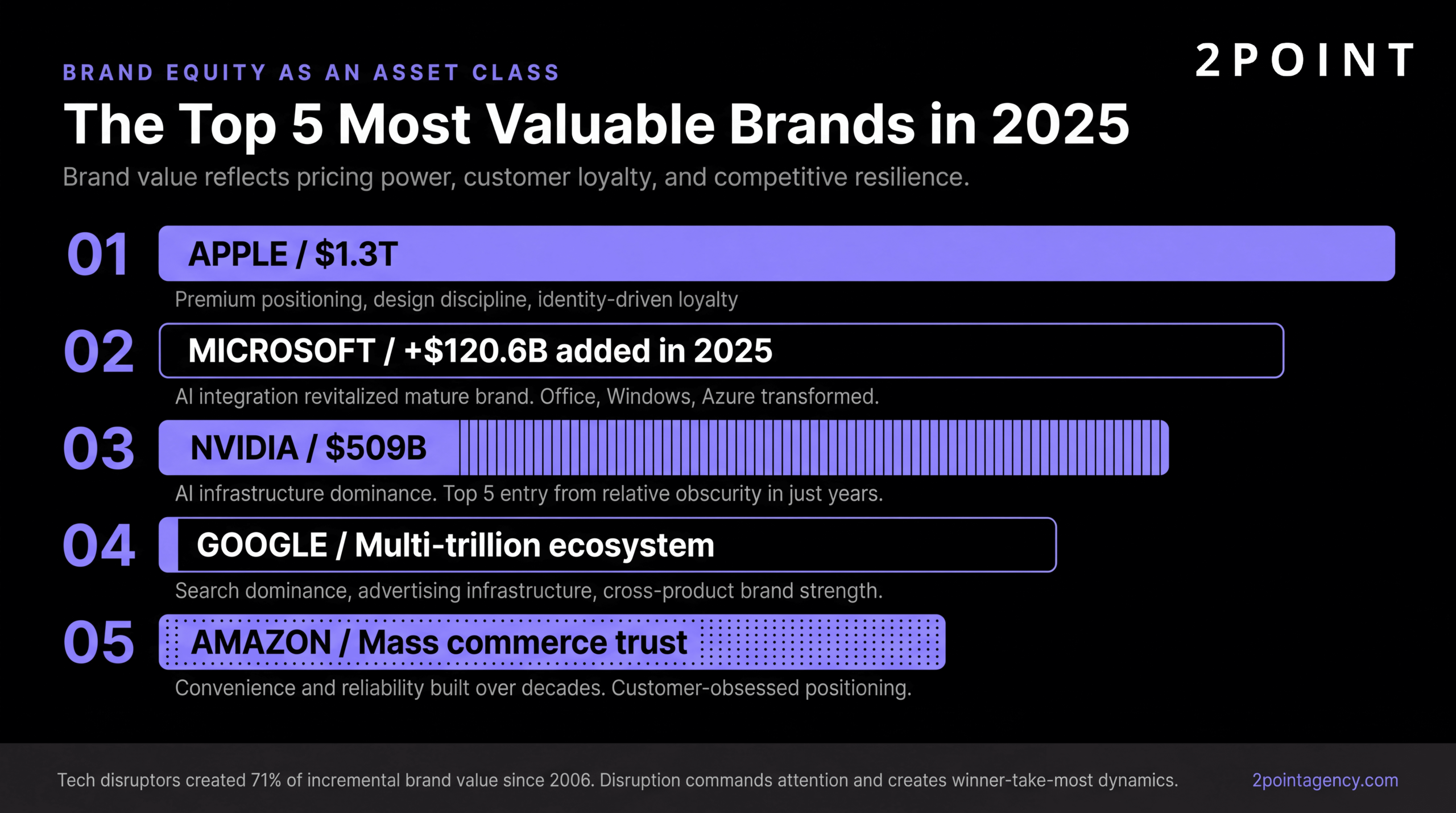
Ranking of the top five most valuable brands in 2025, including brand value figures and year-over-year growth
The top five most valuable brands and what they have in common.

Microsoft added $120.6 billion in brand value through strategic AI tool integration across its product portfolio. By embedding AI capabilities in Windows, Office, and Azure, Microsoft transformed from legacy software provider to AI platform leader. The brand value increase demonstrates how innovation revitalizes mature brands.

The broader pattern is striking: technology disruptors created 71% of incremental brand value since 2006, far exceeding their market share. This concentration reflects how disruption commands attention, creates new value categories, and generates winner-take-most dynamics where leading brands capture disproportionate value.

Lessons from technology brand success include investing in genuine innovation rather than incremental improvement, disrupting categories rather than optimizing within them, communicating vision that captures imagination, and moving quickly to establish leadership before competition catches up. The risk is that disruption advantage proves temporary as competitors copy innovations and customers reevaluate based on execution rather than novelty.

Loyalty Programs That Build Lasting Relationships

Effective loyalty programs transcend points and discounts to create genuine relationship value that increases engagement and lifetime value. The best programs combine tangible rewards with status recognition and personalized experiences that make customers feel valued.
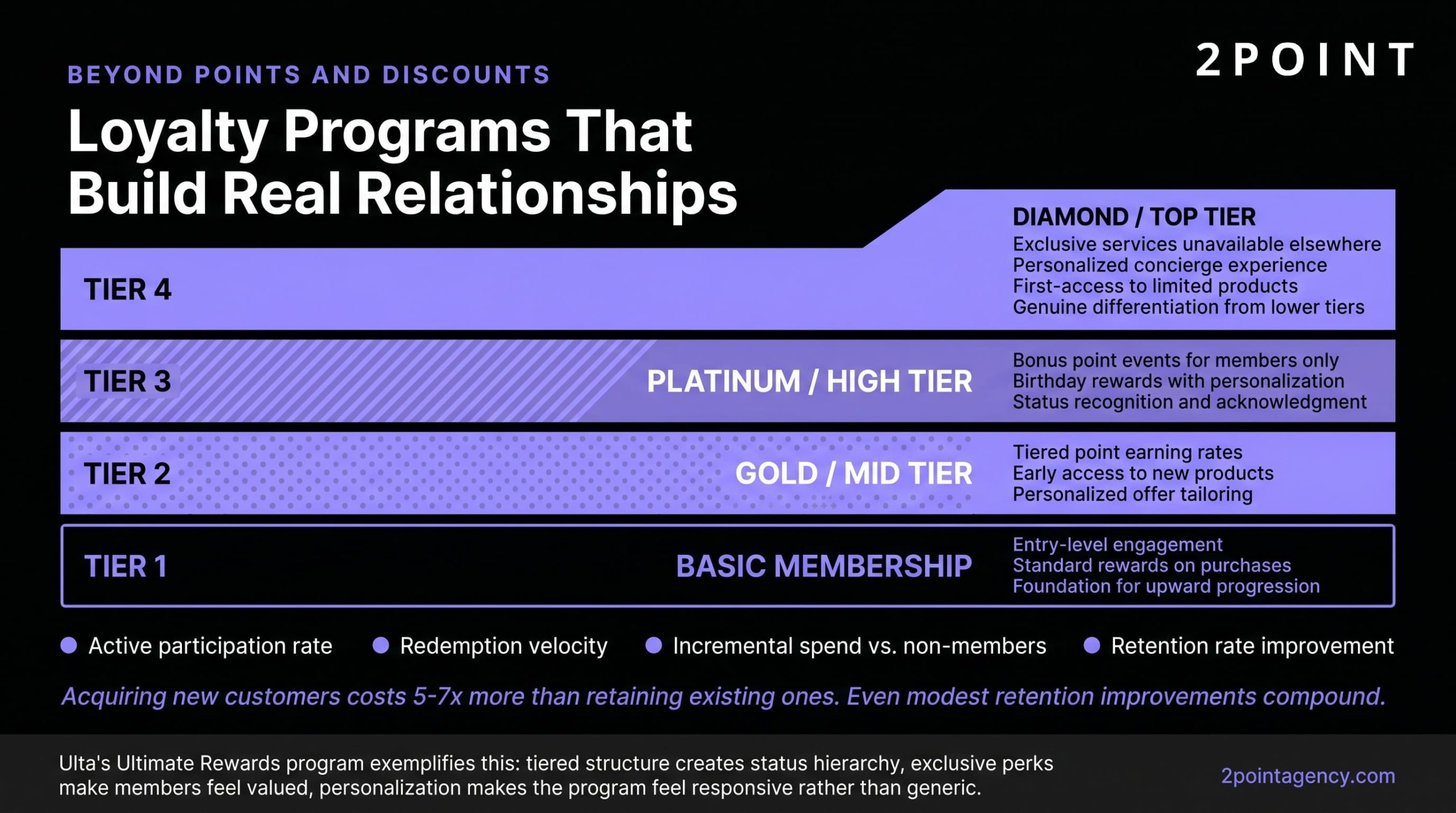
Visualization of loyalty program archetypes that build durable customer relationships versus transactional points schemes
Most loyalty programs are points schemes. The best ones build relationships.

Ulta Beauty’s Ultimate Rewards program exemplifies loyalty best practices through tiered program structure that creates status hierarchy from basic membership through Platinum and Diamond levels. This structure motivates increased spending to reach higher tiers while making top customers feel recognized for loyalty.

Exclusive perks and status-driven engagement include early access to new products, birthday rewards with personalized offerings, bonus point events for members only, and Diamond-only services creating genuine differentiation. These benefits cost Ulta relatively little but create substantial perceived value for members.

Personalization in rewards and communications uses purchase history to recommend relevant products, sends tailored offers based on preferences, celebrates personal milestones beyond purchases, and adjusts communication frequency to individual preferences. This personalization makes the program feel responsive rather than generic.

The ROI of loyalty programs comes from retention improvement more than transaction increase. Acquiring new customers costs five to seven times more than retaining existing ones, making even modest retention improvements highly valuable. Loyalty programs increase retention by creating switching costs (losing points and status), increasing engagement through gamification, and strengthening emotional connection through recognition.

Success measurement extends beyond enrollment to active participation rate, redemption velocity indicating perceived value, incremental spend from members versus non-members, and retention rate improvement compared to pre-program baselines. Programs that score well across these metrics justify investment through measurable lifetime value improvement.

Essential Skills and Tools for Brand Managers

Brand management success requires mastering diverse competencies and leveraging technology platforms that enable consistency at scale. The role demands both strategic thinking and operational excellence.

Core Competencies for Modern Brand Managers

The brand manager role combines strategic vision with tactical execution, requiring skills that span creative sensibility and analytical rigor. The most successful brand managers develop proficiency across multiple domains rather than specializing narrowly.

Strategic thinking and long-term planning enable brand managers to resist short-term pressure that undermines brand equity. This competency involves identifying multi-year trends shaping your market, defining positioning that remains relevant across shifts, balancing consistency with necessary evolution, and defending brand investments against quarterly pressure. Strategic thinking prevents reactive lurching between trends.

Communication skills for stakeholder alignment may be the most critical brand manager competency because the role requires influencing without authority. Effective brand managers translate brand strategy into terms that resonate with different functions, build consensus around brand standards, communicate guidelines clearly and persuasively, and advocate for brand considerations in business decisions. Poor communicators struggle to gain adoption regardless of strategy quality.

Project management for multi-campaign coordination keeps complex initiatives on track across teams and timelines. Brand managers typically shepherd multiple simultaneous efforts including campaign development, guideline updates, partnership management, and brand research. Without strong project management, initiatives stall or conflict rather than building on each other.

Adaptability to respond to market shifts balances consistency with necessary evolution. Markets change, competitors innovate, and customer preferences shift. Brand managers must recognize when consistency becomes rigidity, identify which brand elements can flex without losing identity, test adaptations before full commitment, and adjust based on results rather than assumptions.

Analytical capabilities for data-driven decisions separate opinion from evidence. Effective brand managers design measurement frameworks that track what matters, interpret data to identify meaningful patterns, test hypotheses rather than assuming, and communicate findings that drive action. Brands managed through data outperform those guided by intuition alone.

Technology Platforms for Brand Management

Technology infrastructure enables brand consistency at scale by providing approved assets, enforcing standards, coordinating workflows, and tracking performance. Investment in the right platforms multiplies brand manager effectiveness.

Digital Asset Management systems serve as central repositories for approved brand assets. DAM platforms organize logos, images, videos, and templates, control versions ensuring outdated assets aren’t used, manage permissions limiting access appropriately, and track usage showing where assets get deployed. For distributed organizations, DAM systems prevent the chaos of assets scattered across individual computers and drives.

Brand management platforms for template creation enable non-designers to create compliant materials. These platforms provide pre-approved templates for common needs including presentations, social media posts, and email headers, build in brand guidelines preventing violations, offer customization within defined parameters, and reduce dependence on design resources. The goal is empowering teams while maintaining standards.

Social media management and listening tools track conversations about your brand. Monitoring platforms aggregate mentions across platforms, analyze sentiment to identify positive and negative trends, benchmark performance against competitors, and alert managers to reputation issues requiring response. These tools transform social media from one-way broadcasting to two-way conversation.

Analytics platforms for brand performance tracking measure awareness, perception, and business impact. Platforms combine survey data measuring brand health, web analytics tracking digital engagement, media monitoring measuring share of voice, and sales data connecting brand activities to outcomes. Integration across data sources provides comprehensive performance visibility.

Collaboration tools for cross-functional teams coordinate activities across departments and geographies. Project management platforms track initiative status, communication tools facilitate discussion, file sharing ensures everyone accesses current materials, and workflow systems route approvals efficiently. These tools are especially critical for remote and distributed teams.

Brand vs. Marketing: Understanding the Strategic Distinction

Brand management and marketing are related but distinct disciplines that operate on different timeframes and optimize for different outcomes. Understanding the distinction prevents confusion about responsibilities and metrics.

Marketing encompasses tactical, campaign-driven activities with short-term sales focus. Marketing initiatives promote specific products or offers, run in defined time periods with clear start and end dates, optimize for immediate response and conversion, and measure success through direct sales attribution. Marketing asks “how do we drive this quarter’s results?”
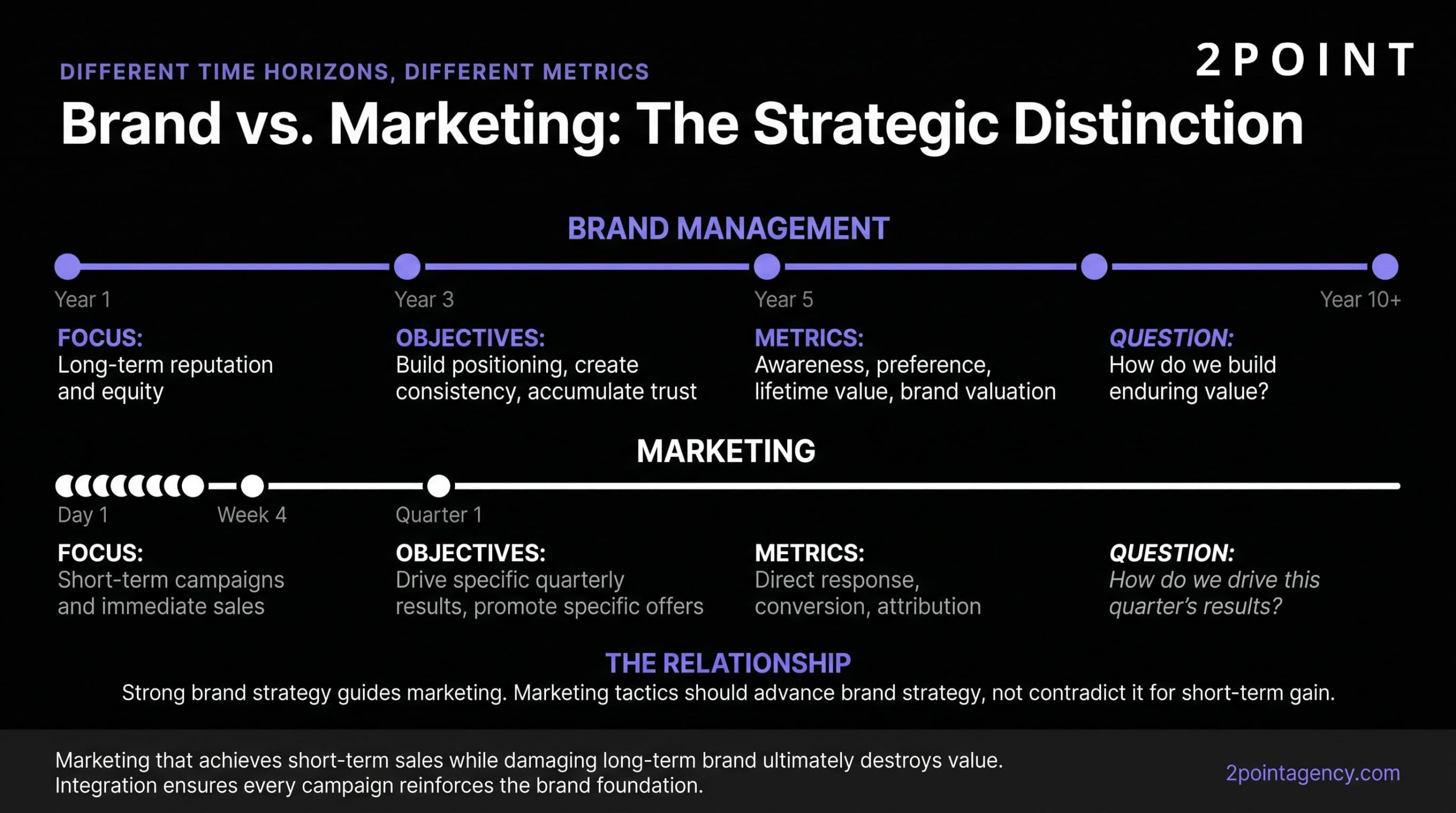
Diagram clarifying the strategic distinction between brand management and marketing, including responsibilities, time horizon, and metrics
Brand and marketing are not the same job.

Brand management takes a strategic, long-term focus on reputation and perception. Brand initiatives build equity that compounds over years, establish positioning that guides all activities, create consistency that builds recognition and trust, and measure success through awareness, preference, and lifetime value. Brand management asks “how do we build enduring value?”

The relationship between brand strategy and marketing execution is hierarchical. Strong brand strategy guides marketing by defining target audiences and positioning, establishing message frameworks and tone, identifying appropriate channels and partnerships, and setting standards for execution. Marketing tactics should advance brand strategy rather than contradicting it for short-term gain.

Integration ensures marketing reinforces brand rather than undermining it. Each campaign should strengthen brand associations, maintain consistency with established guidelines, balance immediate promotion with long-term positioning, and contribute to brand equity accumulation. Marketing that achieves short-term sales while damaging long-term brand ultimately destroys value.

Challenges Every Brand Manager Faces

Brand management involves navigating predictable obstacles that test strategy, resourcefulness, and resilience. Understanding common challenges enables proactive mitigation rather than reactive crisis management.

Maintaining consistency across distributed teams becomes exponentially harder as organizations grow. Challenges include geographic dispersion creating coordination difficulty, departmental silos pursuing different priorities, rapid team turnover requiring constant training, and external partners unfamiliar with brand standards. Solutions involve comprehensive guidelines, centralized asset systems, regular training, and clear accountability.

Platform algorithm changes reducing organic reach force constant strategy adaptation. Social platforms prioritize paid content over organic posts, change ranking algorithms without notice, introduce new formats requiring content adaptation, and reduce brand reach to encourage advertising spending. Brands must diversify across platforms, invest in owned media, and accept paid promotion as necessary rather than optional.
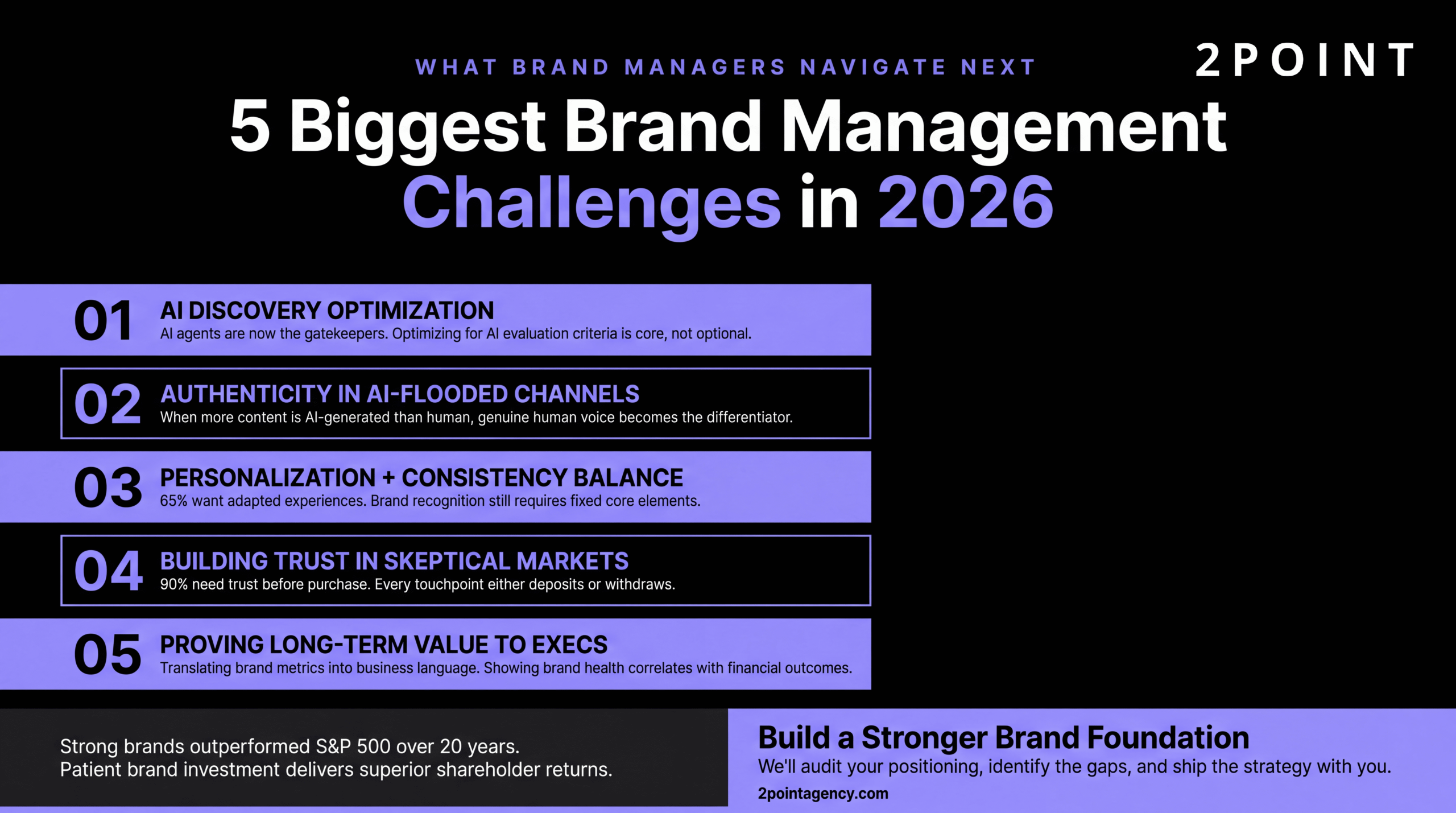
The five biggest brand management challenges in 2026, including AI agent gatekeeping, fragmented attention, and trust erosion
Five challenges every brand manager will face in 2026.

Budget constraints versus comprehensive brand building create prioritization challenges. Building brand equity requires patient, consistent investment that may not show immediate ROI. Brand managers must make cases for long-term investment, demonstrate connections between brand strength and business outcomes, identify efficient tactics that maximize impact, and resist pressure for exclusively short-term optimization.

Measuring intangible brand value for executives remains an ongoing communication challenge. While brand value is real, it’s harder to quantify than quarterly sales. Successful brand managers translate brand metrics into business language, show correlation between brand health and financial performance, benchmark against competitors to demonstrate relative strength, and celebrate brand wins that contribute to business goals.

Balancing innovation with consistency tests judgment continuously. Brands must evolve to remain relevant while maintaining recognition. The solution involves defining which elements remain fixed versus flexible, testing innovations before full implementation, gathering feedback before committing to changes, and adjusting gradually rather than through wholesale reinvention.

The Future of Brand Management: 2026 and Beyond

Brand management is entering a period of fundamental transformation driven by technology, social change, and evolving consumer expectations. Success will require embracing new approaches while maintaining the foundational principles that have always driven strong brands.

The Intentionality Imperative

The defining characteristic of brand management in 2026 and beyond is intentionality, strategic consciousness replacing reactive tactics and trend-chasing. This shift reflects market maturity and consumer sophistication that rewards thoughtful consistency over performative innovation.

Intentional brand management means making conscious decisions grounded in strategy rather than following passing trends, maintaining commitments during difficult periods rather than abandoning when convenient, aligning every touchpoint with defined brand positioning, and measuring progress toward long-term goals rather than just short-term metrics. This discipline becomes increasingly valuable as market noise intensifies.

Technology, sustainability, and inclusivity serve as foundations for intentional brand strategy rather than add-on initiatives. Brands must integrate these considerations into core operations through technology that enhances rather than replaces human connection, environmental responsibility that goes beyond superficial claims, authentic representation that reflects genuine organizational diversity, and accessible design serving customers across abilities.

The “brand as citizen” concept positions companies as active participants in societal discourse rather than neutral commercial entities. Consumers increasingly expect brands to take stances on social issues, contribute to community wellbeing, operate transparently and ethically, and acknowledge broader responsibility beyond shareholders. Brands that recognize this citizenship role navigate social expectations more successfully than those clinging to purely commercial positioning.

Long-term thinking in an instant-gratification world creates competitive advantage. While competitors chase viral moments and quarterly results, brands that maintain strategic discipline build compounding equity advantages. The challenge is resisting pressure for immediate results while demonstrating that patient brand investment delivers superior long-term returns.

Ambient Brand Discovery Through Connected Devices

The proliferation of connected devices and ambient computing is transforming how consumers discover and interact with brands. Traditional touchpoints like websites and apps are giving way to voice interfaces, smart home devices, connected vehicles, and augmented reality that integrate brands into daily environments.

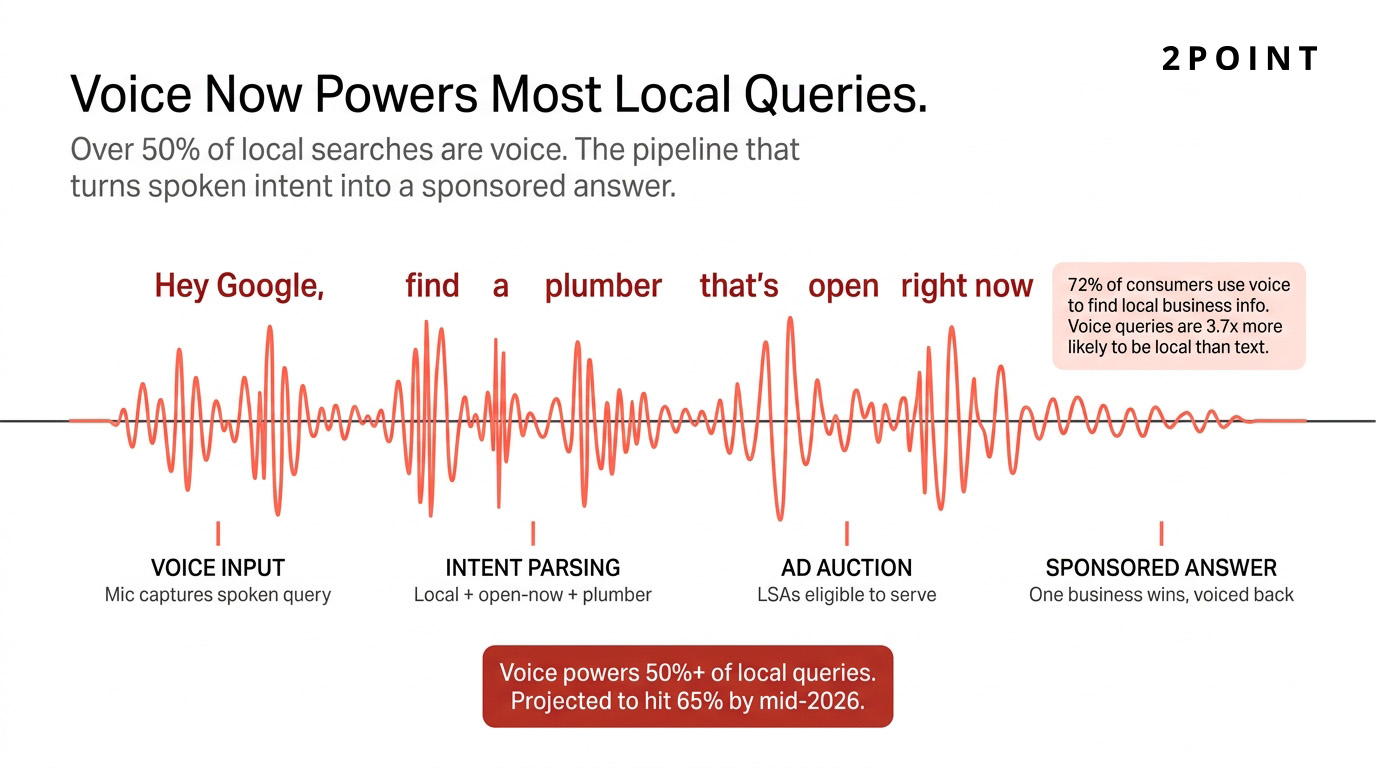
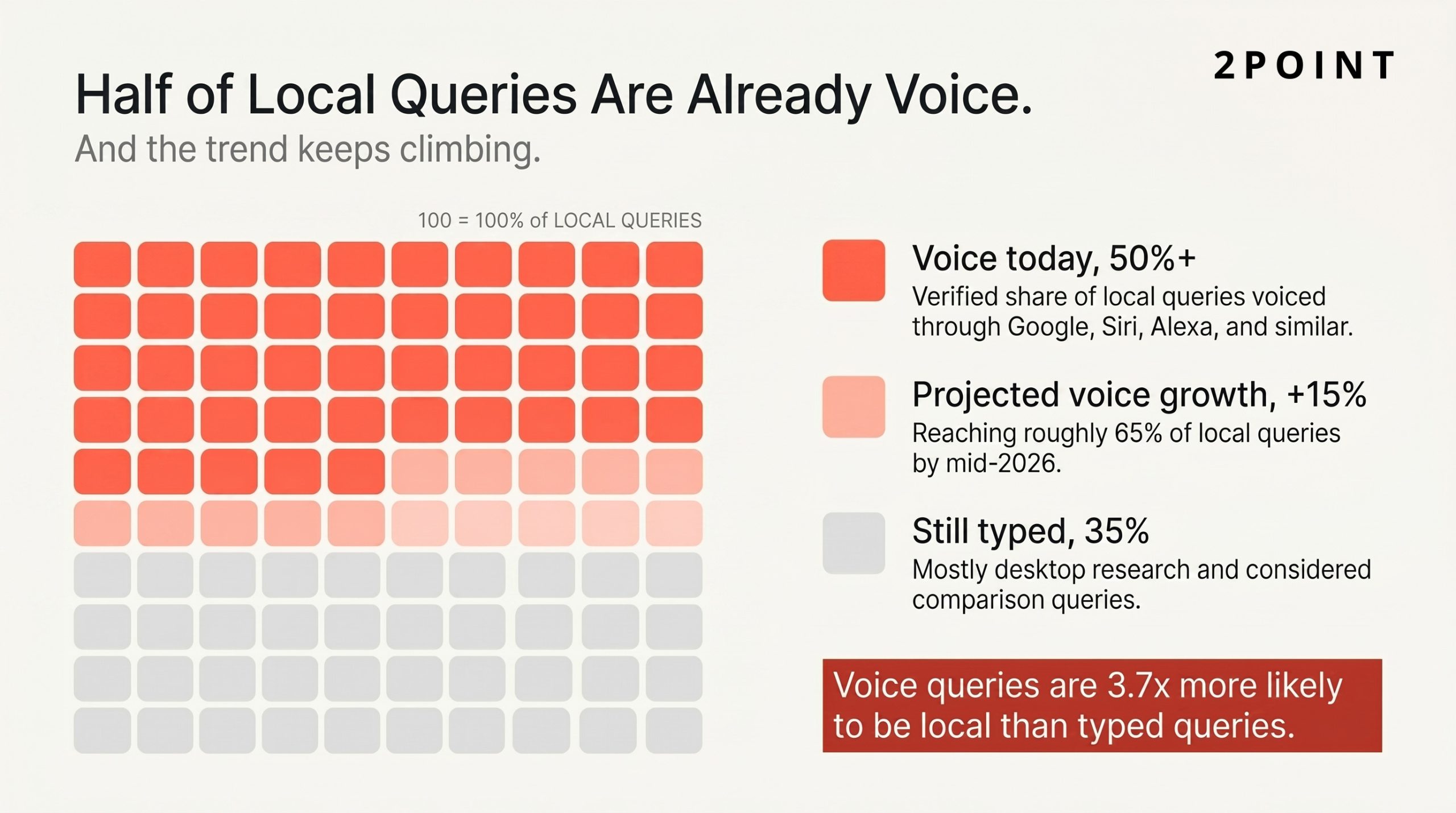
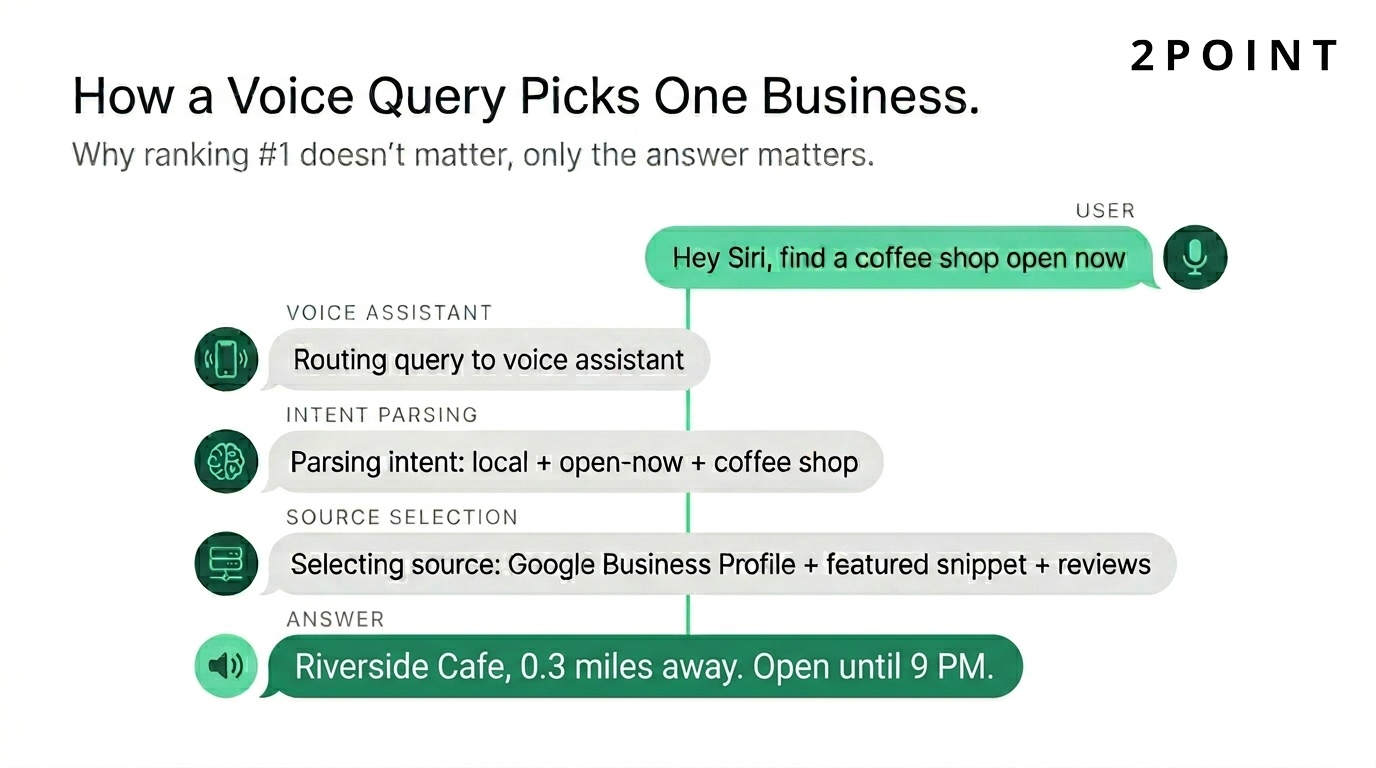
Voice search and smart speakers change discovery dynamics as consumers ask questions rather than typing keywords. Brands must optimize for conversational queries, provide direct answers that voice assistants can relay, earn featured snippet positions that voice results pull from, and develop voice-specific content strategies. Brand representation in voice results requires different optimization than traditional search.

Connected vehicle infotainment systems create new brand discovery opportunities as automotive brands control access to services, entertainment options, and commerce. Brand visibility in vehicle systems depends on partnerships with automotive manufacturers, voice optimization for hands-free interaction, and location-aware content that responds to driving context.

Smart home device integration enables brands to participate in domestic routines through connected appliances providing product recommendations, voice assistants answering product questions, smart displays showing visual content, and automated reordering systems maintaining product supply. Brands that integrate smoothly into home environments gain privileged access to purchase decisions.

Augmented reality overlay transforms physical environments by enabling virtual product try-ons, providing contextual information about physical products, creating immersive brand storytelling experiences, and offering navigation assistance in retail environments. AR technology makes brand experiences more immediate and tangible than traditional digital marketing.

The Creator Collaboration Ecosystem

Creator partnerships are evolving from one-off sponsorships to ongoing collaborative relationships that generate continuous value. The future involves treating creators as strategic partners whose success directly connects to brand success.

Long-term creator retainers replace project-based arrangements as brands recognize the value of ongoing relationships. Retainer models provide creators predictable income enabling focus on quality, give brands consistent presence in creator content, allow authentic integration that feels natural rather than forced, and build genuine partnerships based on mutual success.

Co-development of products and content involves creators in meaningful ways including creator input on product features and design, collaborative content series with shared creative control, exclusive product lines bearing creator names, and transparent revenue sharing arrangements. These collaborations feel authentic because creators genuinely influence outcomes rather than simply promoting finished products.

Creator communities managed by brands create networks that generate value beyond individual relationships. Community platforms enable creators to connect with each other, share best practices and content ideas, provide feedback on brand initiatives, and access exclusive brand resources. These communities build loyalty that extends beyond financial arrangements.

Performance-based compensation aligns incentives by tying creator payment to measurable outcomes. Models include commission on attributed sales, bonus payments for engagement thresholds, tiered compensation rising with performance, and equity grants for major partnerships. While base compensation ensures fairness, performance bonuses align creator success with brand success.

Brand Communities as Strategic Assets

Customer communities have evolved from nice-to-have engagement tools to strategic assets that drive product development, provide customer support, and generate authentic marketing content. Forward-thinking brands invest in community infrastructure and management as core brand functions.

Community platforms owned by brands provide gathering spaces for customers including discussion forums for product questions and tips, user-generated content galleries showcasing customer creativity, event calendars for virtual and in-person gatherings, and exclusive content rewarding community participation. Owned platforms give brands control and data access that third-party social platforms don’t provide.
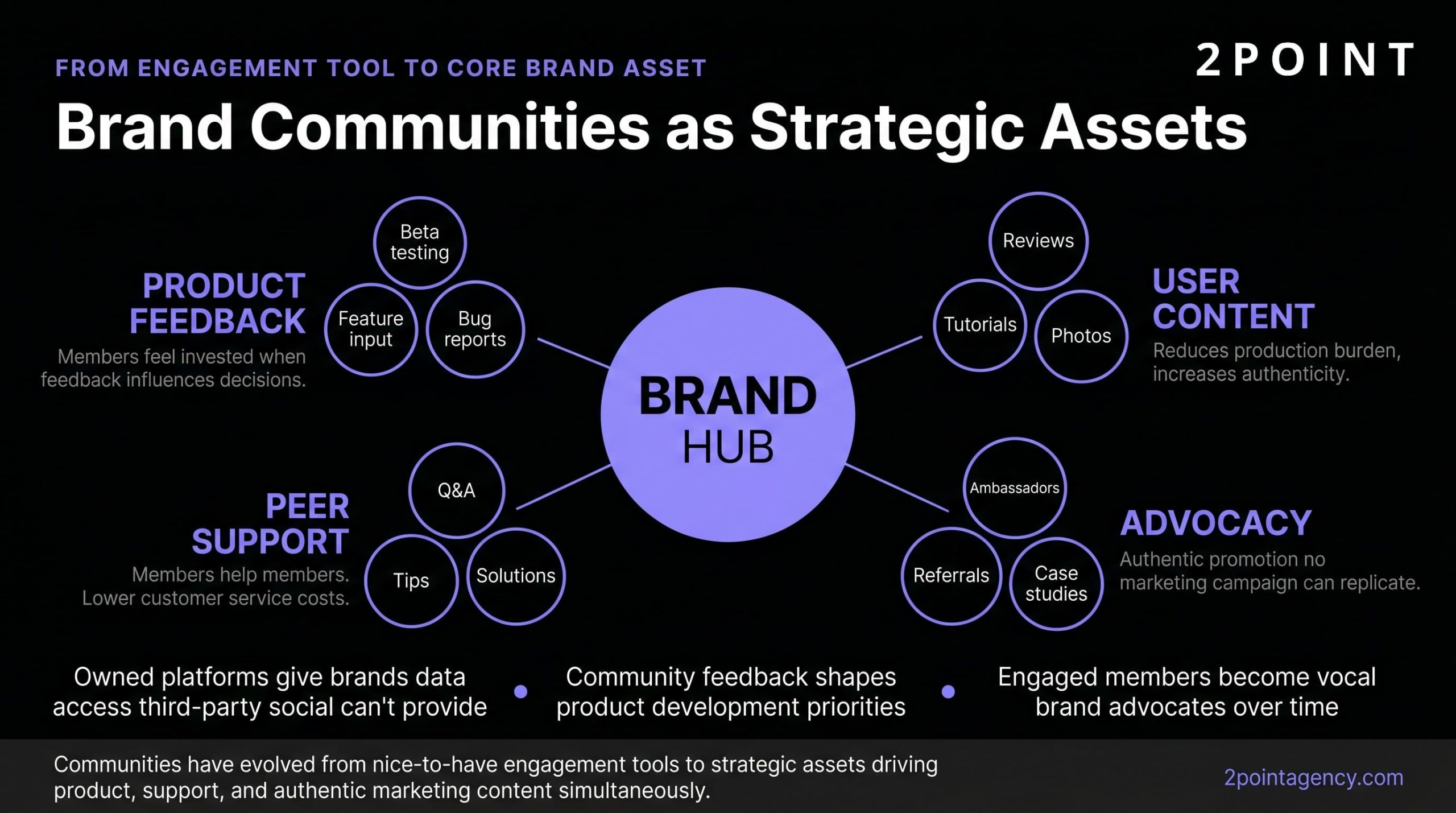
Visualization of brand communities as strategic assets, showing how active members compound brand value over time
Communities are the new defensible asset. Here is how they compound brand value.

Member-generated content creation reduces brand content production burden while increasing authenticity. Community members create product reviews and testimonials, how-to guides and tutorials, user photos and videos, and peer support responding to questions. This content often resonates more than brand-created alternatives because it comes from genuine experience rather than marketing objectives.

Community feedback loops improve products and experiences by soliciting input on product development priorities, beta testing new features with engaged users, gathering improvement suggestions from active customers, and identifying bugs and issues before wide release. Community members feel invested in brand success when their feedback influences actual decisions.

Advocacy recruitment from community members generates authentic promotion through ambassador programs offering exclusive perks, user-generated content campaigns encouraging sharing, referral programs rewarding customer recommendations, and case study participation highlighting customer success. Community members become vocal brand advocates when they feel genuinely connected to brand success.

Frequently Asked Questions About Brand Management

What is brand management and why is it important?

Brand management is the strategic process of building, maintaining, and improving how consumers perceive your brand across all touchpoints. It’s important because strong brand management creates equity that enables premium pricing, builds customer loyalty that reduces acquisition costs, differentiates you from competitors, and increases business value measured through brand valuation.

How is brand management different from marketing?

Brand management focuses on long-term reputation and equity building through consistent positioning and experience, while marketing executes short-term campaigns aimed at immediate sales results. Brand management provides the strategic foundation that guides all marketing activities, ensuring tactical campaigns reinforce rather than contradict your brand positioning.

What are the key components of a brand management strategy?

A comprehensive brand management strategy includes brand positioning that defines your unique market space, brand identity encompassing visual and verbal expression, brand guidelines documenting standards for consistency, measurement frameworks tracking brand health and equity, and governance processes coordinating brand activities across departments. These components work together to build and protect brand value systematically.

How do you measure brand management success?

Brand management success is measured through awareness metrics showing how many people recognize your brand, consideration metrics revealing preference in purchase decisions, perception metrics tracking associations and sentiment, loyalty metrics quantifying repeat purchase and advocacy, and financial metrics connecting brand strength to business outcomes including premium pricing and customer lifetime value. Comprehensive measurement combines qualitative perception with quantitative business impact.

What role does AI play in modern brand management?

AI transforms brand management by monitoring brand mentions and sentiment in real-time, personalizing brand experiences at scale, optimizing content for performance, predicting brand health trends, and serving as a discovery gatekeeper through AI agent recommendations. The key is using AI to enhance efficiency while maintaining the human authenticity and strategic thinking that build genuine brand connections.

How much does brand consistency actually impact revenue?

Brand consistency significantly impacts financial performance, with studies showing consistency increases profitability by over 20% and 68% of companies reporting that consistency adds 10-20% to revenue growth. This impact stems from consistency building recognition faster, reducing customer confusion, enabling premium pricing through trust, and creating efficiency through standardized processes.

What are the biggest challenges facing brand managers in 2026?

The biggest brand management challenges include optimizing for AI discovery as AI agents become brand gatekeepers, maintaining authenticity as AI-generated content proliferates, balancing personalization with consistency across dynamic brand expressions, building trust in increasingly skeptical markets, and demonstrating long-term brand value to executives focused on short-term results. Success requires adapting to technology changes while maintaining strategic discipline.

How do brand partnerships and influencer collaborations fit into brand management?

Strategic partnerships and influencer collaborations extend brand reach and credibility when aligned with brand values and audience. They fit into brand management as tools for building awareness, demonstrating values through partner selection, accessing new audiences through collaboration, and creating content that reinforces positioning. The key is treating partnerships strategically rather than transactionally, selecting partners based on authentic alignment rather than just reach.

What’s the difference between brand equity and brand value?

Brand equity refers to the intangible value consumers associate with your brand based on experiences and perceptions, while brand value typically refers to the financial valuation of the brand as a business asset. Brand equity encompasses customer perceptions, loyalty, and associations, while brand value translates these perceptions into measurable financial worth for business valuation and investment purposes.

How often should brand guidelines be updated?

Brand guidelines should be reviewed annually and updated when entering new markets, launching major initiatives, responding to significant strategic shifts, or when existing guidelines no longer reflect current brand expression. Minor updates addressing edge cases can happen quarterly, while major revisions involving positioning or visual identity changes should occur rarely and only with strong strategic justification.

What skills are most important for brand managers?

Essential brand management skills include strategic thinking to develop long-term positioning, communication abilities to build stakeholder alignment, analytical capabilities for data-driven decisions, project management to coordinate complex initiatives, adaptability to respond to market changes, and creative sensibility to evaluate brand expression. The most effective brand managers combine strategic vision with operational excellence and interpersonal influence.

Can small businesses benefit from formal brand management?

Small businesses absolutely benefit from brand management, often more than large enterprises because their brand differentiation creates competitive advantage against larger competitors. Formal brand management helps small businesses establish clear positioning, create consistency that builds recognition faster, make strategic decisions aligned with brand goals, and build equity that increases business value. The principles scale regardless of company size.

What are the four pillars of brand management?

The four pillars of brand management are brand awareness, brand equity, brand consistency, and brand loyalty. Together they cover how a brand becomes recognized, accumulates value, behaves predictably across channels, and converts customers into advocates.

Brand awareness covers the touchpoints, content, and media that make people aware your brand exists. Brand equity is the financial and perceptual value of those associations. Brand consistency keeps the look, voice, and behavior aligned across every channel and customer interaction. Brand loyalty turns one-time buyers into repeat customers and referrers, and is the cheapest revenue a brand can earn. Strong brand programs invest in all four simultaneously rather than treating them in sequence.

What does a brand manager actually do day-to-day?

A brand manager owns the strategic direction of a brand and the execution of its identity across products, marketing, and customer experience. Day to day, they oversee brand guidelines, approve creative work, monitor brand health metrics, manage agency partners, and align cross-functional teams around brand decisions.

Specific tasks vary by company size. At an enterprise, brand managers focus on positioning, governance, and reputation. At a startup, they often double as marketing leaders and run campaigns directly. Universal responsibilities include defending brand consistency in launches, partnerships, and crisis moments, and proving brand impact to leadership through tracking studies, share-of-voice data, and revenue attribution.

What is brand positioning and how do I do it?

Brand positioning is the deliberate place your brand occupies in the customer’s mind relative to competitors. It defines who your brand is for, what category it competes in, what unique value it delivers, and why customers should believe it.

Build a positioning statement using the standard four-part framework: target audience (who), category frame of reference (what), point of differentiation (why this not the others), and reason to believe (proof). Test the positioning against three filters: is it true, is it unique, and is it defensible. The best positioning statements are short enough to fit on one line and clear enough for any team member to recite from memory.

What is the difference between brand identity and brand image?

Brand identity is what you control, the deliberate visual, verbal, and behavioral system you create to represent your brand. Brand image is what your customers actually perceive, which is shaped by their experiences, others’ opinions, and the cultural context around your brand.

Identity is the input; image is the output. The two are rarely identical, especially for new brands or brands undergoing change. Closing the gap requires consistent identity execution at every touchpoint, qualitative and quantitative perception research, and proactive management of public moments that influence customer impression. When identity and image diverge significantly, it signals a brand health problem worth investigating.

How do I build brand awareness from scratch?

Build brand awareness from scratch by defining a clear positioning, picking the two or three channels where your audience already spends attention, producing distinctive content that stands out in those channels, and sustaining the effort for at least 12 to 18 months before expecting meaningful recognition.

The fastest awareness lifts come from earned media (PR, podcasts, expert commentary), partnerships with established brands or creators, and consistent organic social presence with a recognizable visual style. Paid awareness campaigns work but only after positioning and creative are validated. Track unaided brand recall in your category as the gold-standard measure of awareness; aided recall and impressions are weaker proxies.

How do I create brand guidelines that teams actually follow?

Create brand guidelines that teams follow by keeping them practical, visual, and accessible rather than long and abstract. Cover logo usage, typography, color palette, photography style, voice and tone, and example applications, plus the underlying brand strategy in a single navigable document.

Modern brand guidelines live in tools like Frontify, Brandfolder, or Notion rather than buried PDFs. They include downloadable assets, real-world examples of correct usage, common mistakes, and decision-making questions for ambiguous cases. Review and update guidelines every 12 to 18 months. Internal adoption matters more than completeness; a 30-page guide that everyone reads beats a 200-page guide that no one opens.

What is brand voice and how do I define it?

Brand voice is the consistent personality, tone, and language your brand uses across every written and spoken communication. A clear brand voice makes your content recognizable even with the logo removed, and helps every team member write or speak in a way that sounds like the brand.

Define brand voice using a simple framework: pick three to five attributes (for example confident, irreverent, empathetic, expert), document what each attribute does and does not sound like with concrete examples, and provide a tone matrix showing how voice flexes across contexts (apology emails versus product launches versus social comments). Test new copy against the framework and refine the framework based on what your best work has in common.

How are AI agents becoming the new brand gatekeepers?

AI agents are becoming the new brand gatekeepers because consumers increasingly delegate research, comparison, and purchase decisions to ChatGPT, Perplexity, Google AI Overviews, and shopping agents. The agent decides which brands to surface, in what order, and with what framing, often before a human ever visits a brand’s website.

Brands that get cited consistently inside AI answers see compounding visibility benefits, while brands missing from those answers slowly disappear from consideration. The defense is Answer Engine Optimization (AEO), structured data, third-party citation building (Reddit, Wikipedia, news), and keeping accurate first-party content on every channel an agent might pull from. Treat AI agent visibility as a new core brand metric in 2026, alongside brand awareness and reputation.

How do I optimize my brand for AI Overviews and ChatGPT citations?

Optimize your brand for AI Overviews and ChatGPT citations by publishing original content with FAQ and Article schema, leading paragraphs with direct one-sentence answers, earning third-party mentions on Reddit, Wikipedia, and reputable news outlets, and ensuring consistent entity data across your About page, LinkedIn, Crunchbase, and Wikipedia.

AI systems prefer sources that are authoritative, structurally extractable, and frequently cited elsewhere. Write content around questions rather than topics, use clear named entities (your brand name, product names, founder names) consistently across the web, and add sameAs schema linking your brand entity across platforms. Brands cited in 2026 AI Overviews achieve 2 to 4x higher unaided brand recall than those relying solely on traditional SEO.

How do I monitor my brand reputation online?

Monitor your brand reputation online by combining a real-time mention-monitoring tool (Brand24, Mention, Talkwalker, or Meltwater), Google Alerts for brand and executive names, social listening on each major platform, AI-citation tracking via Profound or Otterly, and a quarterly customer perception survey.

Set up daily alerts for sentiment spikes, competitor mentions, and unauthorized brand usage. Review aggregate data weekly, looking for trend shifts rather than individual mentions. The single most important metric is sentiment trend over time, not absolute mention volume. Pair monitoring with a documented response playbook so the team can react quickly to negative spikes, viral moments, or PR crises without improvising.

What is purpose-driven branding?

Purpose-driven branding is the practice of building a brand around a clearly defined social, environmental, or cultural purpose that goes beyond making a profit. The purpose informs product decisions, marketing, partnerships, and internal culture, and is treated as a long-term commitment rather than a campaign.

Effective purpose-driven brands like Patagonia, Ben and Jerry’s, and Tony’s Chocolonely demonstrate purpose through measurable action (donations, supply-chain reform, advocacy), not just messaging. Audiences punish brands that perform purpose without backing it up; surveys show 65 to 75% of consumers see through performative purpose claims. Pick a purpose that’s authentic to your founders’ history or your category, and publicly commit to specific milestones with deadlines.

How do I build a personal brand as a CEO or founder?

Build a personal brand as a CEO or founder by picking one to two platforms where your audience already spends time (LinkedIn for B2B, X for tech, Instagram for consumer brands), publishing original perspective content weekly, engaging with industry peers in public, and tying your personal brand themes to your company’s positioning without over-merging the two.

The most effective founder personal brands focus on a narrow area of expertise (industry trends, leadership lessons, technical depth) rather than broad lifestyle content. Sustained presence beats viral hits; founders who post consistently for 12 to 24 months see compounding follower growth and inbound deal flow. Avoid letting personal-brand momentum become hostage to one platform; export your audience to email or owned channels.

How long does it take to build a strong brand?

Building a strong brand typically takes 3 to 7 years for measurable category recognition and 7 to 15 years for top-of-mind brand status, depending on category competition, marketing budget, and the brand’s distinctiveness. New direct-to-consumer brands can shortcut some of this timeline through paid social and influencer-led launches.

Early indicators of brand strength appear within 6 to 18 months: branded search volume, organic press mentions, and unprompted social mentions. Mid-stage indicators (months 18 to 60) include unaided brand recall in your category, willingness to pay a premium, and customer-led advocacy. Mature brand strength (5+ years) shows in defensibility, talent attraction, and the ability to launch adjacent products without losing trust.

What is the difference between rebranding and a brand refresh?

A rebrand is a comprehensive overhaul of a brand’s identity, positioning, name, or strategy, while a brand refresh updates the visual or verbal elements without changing the underlying strategy or positioning. Rebrands signal transformation; refreshes signal evolution.

Choose a rebrand when the company has fundamentally changed (new business model, new ownership, repositioning into a new category, recovering from reputation damage). Choose a refresh when the strategy is still working, but the visual or verbal expression feels dated or inconsistent. Rebrands cost 2 to 5x more than refreshes, take 6 to 18 months end-to-end, and carry meaningful risk if existing brand equity is strong. Refreshes typically take 8 to 16 weeks.

How do brand communities create competitive advantage?

Brand communities create competitive advantage by turning customers into a defensible asset that compounds over time. Active community members buy more often, refer more new customers, generate more user-generated content, and provide direct feedback that improves products, all at a fraction of the cost of paid acquisition.

The strongest brand communities (Harley-Davidson HOG, Salesforce Trailblazers, Glossier Into the Gloss) are built around shared identity and shared utility, not just product fandom. Invest in dedicated community managers, recurring rituals (events, content series, recognition), and member-only access (early access to products, behind-the-scenes content, peer connections). Community-active customers in 2026 deliver 2 to 4x the lifetime value of one-time buyers, making community arguably the highest-ROI brand investment of the decade.
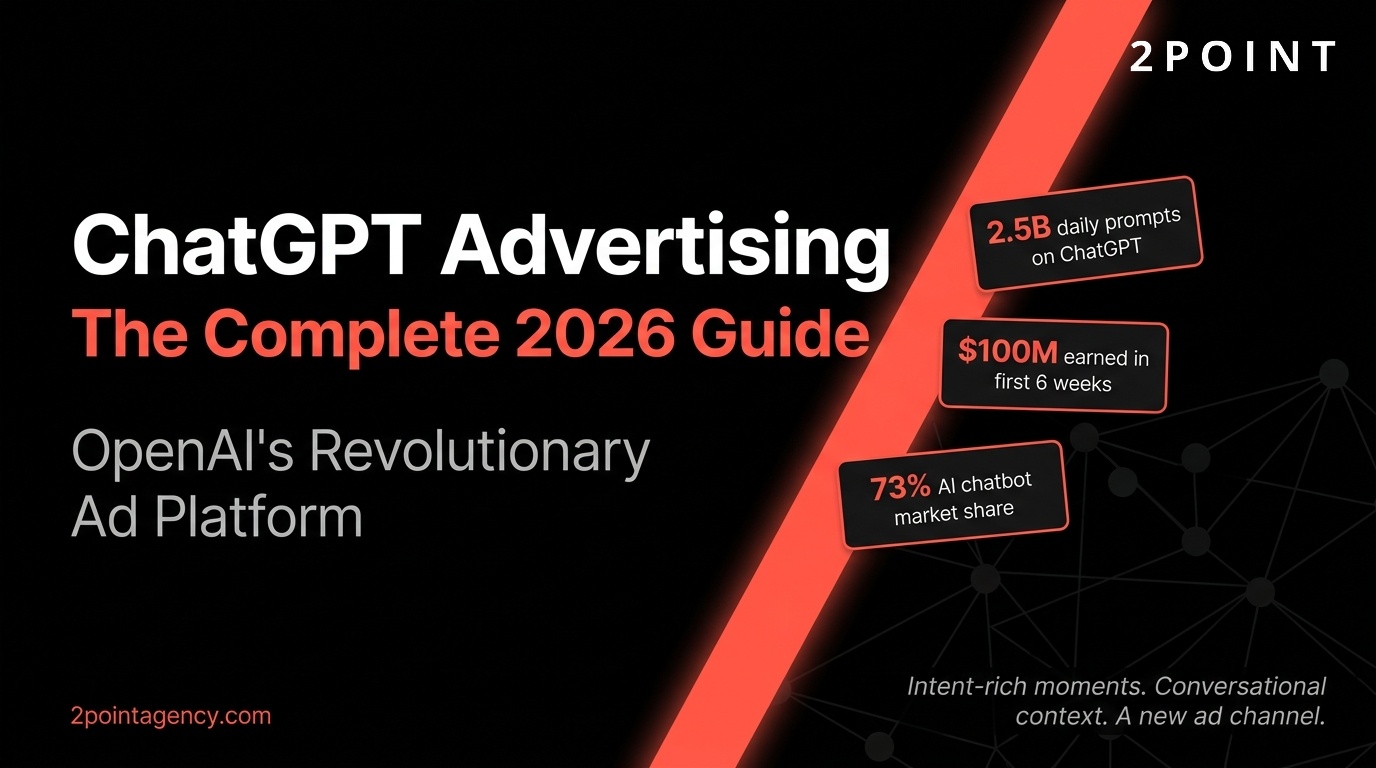
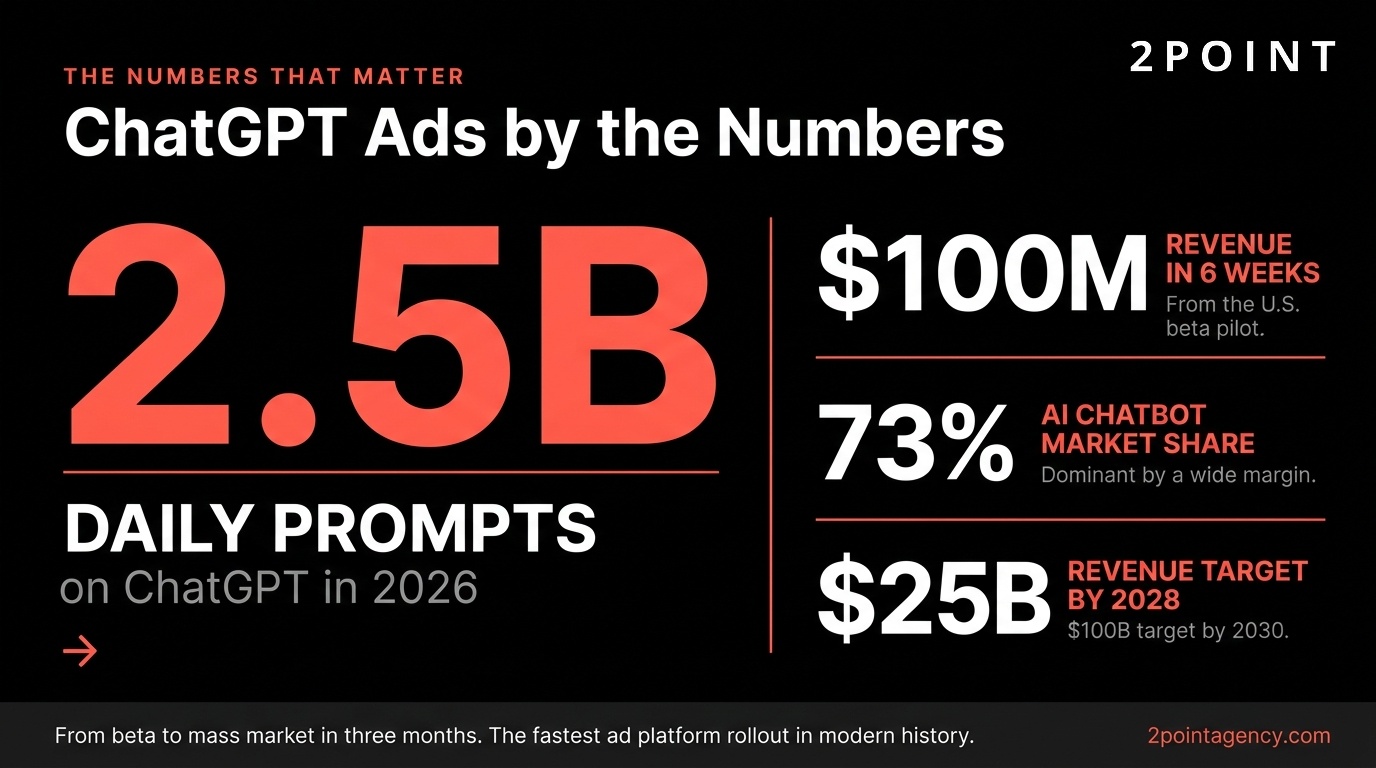
ChatGPT Advertising: The Complete 2026 Guide to OpenAI’s Revolutionary Ad Platform

Hero illustration for the 2026 complete guide to ChatGPT advertising on OpenAI's ad platform
ChatGPT Advertising in 2026, what changed when OpenAI opened the platform to paid placement.

What Is ChatGPT Advertising and How Does It Work?

ChatGPT advertising represents sponsored content integrated directly into AI-powered conversations, launched by OpenAI on February 9, 2026, for U.S. users on Free and ChatGPT Go tiers. Stay up to date with the latest developments in ChatGPT advertising and other emerging platforms through resources like our digital lab.

  • Ads appear in clearly labeled, subtly tinted boxes at the bottom of AI responses, never influencing the actual answers provided.
  • The platform uses contextual matching based on current conversation topics, past chat history, and previous ad interactions rather than traditional keyword targeting.
  • As of May 2026, advertisers access the platform through the self-serve OpenAI Ads Manager with CPC and CPM bidding options and no minimum spend requirement.
  • Major agency partners include Dentsu, Omnicom, Publicis, and WPP, with integrations from Adobe, Criteo, Kargo, Pacvue, and StackAdapt.
  • OpenAI processes 2.5 billion daily prompts from hundreds of millions of active users, commanding 73% market share in AI chatbots.
  • The platform generated $100 million in revenue during its first six weeks, demonstrating immediate advertiser demand.
  • User privacy protections ensure conversations remain confidential with advertisers receiving only aggregated performance data.
Stat dashboard showing key ChatGPT advertising figures including market growth, user base, and adoption metrics for 2026
ChatGPT advertising by the numbers, the 2026 landscape at a glance.

Understanding ChatGPT’s Entry Into Digital Advertising

OpenAI’s February 2026 launch of ChatGPT advertising represents the most significant shift in digital marketing since Google AdWords fundamentally changed how businesses reach customers online. With 2.5 billion prompts submitted daily, ChatGPT provides unprecedented access to users actively engaged in research, decision-making, and problem-solving conversations.

The platform’s evolution from exclusive beta to mass-market accessibility happened remarkably fast. In just three months, OpenAI transitioned from a limited pilot program requiring $200,000 minimum commitments to a fully self-serve platform accessible to businesses of any size. This rapid democratization signals OpenAI’s confidence in the platform’s measurement capabilities and advertiser demand.

The stakes extend far beyond OpenAI’s business model. Industry analysts project U.S. AI-driven search advertising will grow from $1.1 billion in 2025 to $26 billion by 2029, a 23-fold increase. OpenAI itself targets $25 billion in ad revenue by 2028, positioning ChatGPT advertising as a cornerstone of the company’s financial sustainability alongside its subscription offerings.

For marketers, this represents more than a new advertising channel. ChatGPT advertising fundamentally rethinks how brands connect with consumers, offering a distinct alternative to established platforms like Facebook Ads guide where advertisers compete for visibility in crowded social feeds, advertisers can now reach users precisely when they’re actively seeking solutions, comparing options, and making purchase decisions.

How ChatGPT Ads Work: Platform Mechanics and User Experience

Ad Placement and Visual Design in ChatGPT Conversations

ChatGPT ads appear at the bottom of AI-generated responses in subtly tinted boxes that visually distinguish sponsored content from organic answers. Each ad includes clear “sponsored” labeling, ensuring users immediately recognize promotional material. This placement strategy represents a fundamental departure from traditional search advertising where paid results often compete directly with organic content for prime visibility. Strong premium brand creation ensures your ChatGPT ads maintain consistent visual identity with clear brand recognition across the new advertising format.

Annotated breakdown of a ChatGPT advertisement showing the sponsored label, brand name, message body, image, and call-to-action
Every element of a ChatGPT ad, labeled.

The structural advantage is significant: ChatGPT delivers complete, helpful answers first, then presents contextually relevant ads. Users receive the information they requested without ads influencing or interrupting the response itself. This approach addresses one of the primary criticisms of search engine advertising, where commercial interests can compromise result quality.

Maintaining brand consistency across agents including ChatGPT’s ad platform is one of the biggest martech challenges as AI-mediated touchpoints multiply.

OpenAI reports low dismissal rates and no measurable negative impact on consumer trust metrics during beta testing. The visual design deliberately creates breathing room between educational content and commercial messaging. The tinted background and spatial separation make ads noticeable without being intrusive, respecting the conversational flow users expect from ChatGPT.

Advertisers benefit from this clean separation as well. Ads receive dedicated visual attention rather than blending into a crowded results page. The contextual placement at the natural conclusion of an answer positions promotional content exactly when users have absorbed information and may be ready to explore solutions.

The Answer Independence Principle: Protecting AI Response Integrity

OpenAI enforces the strict separation between ad serving and response generation protects brand management integrity, ensuring ads never influence the answers ChatGPT provides. The AI generates responses completely independently, with the advertising system activating only after response completion. This architectural decision protects the trust that makes ChatGPT’s intent signals valuable to advertisers in the first place.

Diagram illustrating OpenAI's Answer Independence Principle, showing how ChatGPT generates a complete answer before any ad is served
Why ChatGPT’s answer never moves to accommodate an ad.

Fidji Simo, OpenAI’s Chief Product Officer, stated clearly: “Ads will not influence the answers ChatGPT gives you.” This commitment addresses the fundamental tension in advertising-supported information platforms between commercial interests and answer quality.

The system works by processing queries through ChatGPT’s language model first, generating responses based purely on training data, reasoning capabilities, and conversation context. Only after the response is finalized does the ad matching algorithm analyze conversation content to identify relevant promotional opportunities. Advertisers bid for placement based on topic relevance, but they cannot pay to influence what ChatGPT actually says.

This principle learns from Google’s evolution and the gradual erosion of trust as commercial considerations increasingly shaped search results. By maintaining strict separation, OpenAI preserves user confidence that ChatGPT recommendations remain objective, which in turn makes the platform more valuable for advertisers seeking to reach genuinely interested prospects.

Contextual Targeting and Ad Matching Technology

ChatGPT advertising operates on three primary targeting signals: the current conversation topic, the user’s past chat history, and their previous interactions with ads. This represents a fundamental shift from keyword bidding to prompt and persona-based targeting that considers full conversational context rather than isolated search terms. Building high-authority brand citations strengthens your presence in AI recommendation systems, complementing paid ChatGPT advertising with organic AI visibility.

The relevance algorithm balances multiple factors simultaneously. Conversation content provides topical matching, ensuring ads relate directly to what users are discussing. Past chat history reveals broader interests and patterns over time. Previous ad interactions indicate which promotional messages resonate with specific users. The system also weighs budget pacing considerations and bid prices to optimize inventory allocation. Businesses with strong local SEO foundations can amplify their visibility by pairing organic local presence with ChatGPT’s contextual ad targeting to reach users researching nearby services.

Fill rate optimization continues to improve as OpenAI’s algorithms learn which ad-topic combinations generate engagement. Early testing showed conservative ad delivery as the system established baseline performance metrics. As relevance matching improves and advertiser inventory expands, users see ads more frequently in conversations where appropriate matches exist. While Facebook Ads targeting relies on demographic and interest-based data, ChatGPT uses conversational context and chat history for a fundamentally different approach.

The targeting precision matters particularly given ChatGPT’s user demographics. 58% of adults under 30 use ChatGPT, with nearly half of all messages coming from users under 26. Contextual signals allow advertisers to reach younger audiences based on demonstrated interests and active research behavior rather than demographic assumptions.

User Controls and Ad Experience Settings

ChatGPT provides five primary user controls for managing ad experiences: dismissing specific ads, sharing feedback about ad relevance, learning why particular ads were shown, deleting accumulated ad interaction data, and managing overall personalization settings. These controls give users meaningful agency over their advertising exposure.

Five user-side controls that determine the ChatGPT advertising experience, including ad muting, advertiser blocking, and upgrade to ad-free tier
Five controls every ChatGPT user has over the ads they see.

The memory-based personalization feature, available since February 2026, allows ChatGPT to remember user preferences and conversation context across sessions. When both memory and ad personalization are enabled, these stored preferences inform ad selection. Users researching sustainable products over multiple conversations might see ads from environmentally focused brands, for example.

Ad-free experiences remain available through paid tiers. Plus, Team, and Enterprise subscribers see no advertising whatsoever, preserving premium user experiences for paying customers. This tiered approach follows established freemium models where free access comes with commercial support while paid subscriptions eliminate ads entirely.

Eligible users for ad exposure are limited to logged-in individuals aged 18 and older using Free or ChatGPT Go ($8/month) tiers. This age restriction addresses concerns about advertising to minors. Content restrictions prohibit ads from dating services, health and medical products, financial services, and political campaigns, categories where AI-delivered promotional content raises particular ethical concerns.

Privacy commitments underpin the entire ad system. Conversations never get shared with advertisers, and OpenAI does not sell user data. Advertisers receive only aggregated performance metrics without access to individual chat content, protecting user privacy while still enabling campaign measurement.

Pricing, Bidding Models, and Access Requirements for ChatGPT Ads

Timeline tracking ChatGPT advertising pricing from beta launch in February 2026 through the self-serve platform release in May 2026
From $200,000 minimum spends to self-serve in three months.

Historical Pricing Structure During Beta Testing

OpenAI’s initial beta pricing positioned ChatGPT advertising as a premium product commanding $60 CPM rates with $200,000 minimum commitments. This pricing was approximately three times higher than Meta’s average rates and significantly exceeded Google Display Network benchmarks, reflecting the platform’s exclusive access and intent-rich environment.

The premium pricing made strategic sense during the pilot phase. OpenAI was testing ad infrastructure, measuring user response, and validating the business model with major brands willing to pay for early access. The high minimums ensured serious commitment from initial advertisers while limiting volume to manageable levels during platform development.

Revenue performance validated the pricing strategy. The platform generated $100 million in revenue during its first six weeks from the U.S.-only pilot. This success demonstrated strong advertiser demand despite aggressive pricing, proving brands valued access to ChatGPT’s engaged user base.

Comparison to established platforms highlighted what justified the premium. Google search ads reach users with clear purchase intent expressed through keywords, but ChatGPT delivers even richer context through conversational depth. Meta provides detailed demographic and interest targeting but primarily reaches users in passive browsing mode. ChatGPT combines intent signals with active engagement during decision-making moments, creating unique value that commanded premium rates.

Current Self-Serve Platform Pricing and Accessibility

The May 2026 launch of OpenAI’s self-serve advertising platform eliminated the $50,000 minimum spend requirement entirely, opening ChatGPT advertising to small businesses, startups, and mid-market companies previously excluded by financial barriers. Shantanu Awan, OpenAI’s Head of Advertiser Partnerships, confirmed the “threshold is being removed,” marking a fundamental shift in platform accessibility.

The Ads Manager provides direct access for businesses to set budgets, launch campaigns, and track performance without agency intermediaries. The self-serve Ads Manager opens ChatGPT advertising to businesses of any size, and professional advertising services can ensure proper implementation and campaign optimization. This democratization follows the successful playbook established by PPC advertising platforms that made sophisticated targeting accessible to businesses of all sizes.

Small businesses benefit disproportionately from this change. A local service provider can now test ChatGPT advertising with modest budgets, measuring performance before scaling investment. Startups gain access to the same platform Fortune 500 brands use, competing based on relevance and bid strategy rather than budget size alone.

The accessibility parallels Google Ads and Meta Ads democratization, where removing minimum spends expanded advertiser bases exponentially. For ChatGPT, this means faster inventory growth, more diverse ad experiences, and broader category representation beyond the major brands that dominated early adoption. Early ChatGPT advertising adopters are seeing compelling results, similar to the measurable outcomes documented in our case studies across other digital channels.

Bidding Models: CPM and CPC Options

ChatGPT advertising launched with CPM-only bidding, allowing OpenAI to understand demand patterns and optimize delivery algorithms before introducing performance-based options. This conservative approach made sense during platform development when conversion tracking infrastructure was still being built.

The May 2026 addition of cost-per-click (CPC) bidding represented a major evolution, aligning advertiser spend directly with user actions rather than impressions alone. CPC bidding appeals particularly to performance marketers focused on driving traffic and conversions rather than pure awareness objectives. Advertisers experienced at scaling Facebook Ads can apply similar budget-pacing and bid-optimization principles when expanding ChatGPT campaigns.

Strategic choice between CPM and CPC depends on campaign goals. CPM bidding works well for brand awareness campaigns where message exposure matters most. Advertisers pay for guaranteed visibility regardless of click rates, maximizing reach within target conversations. CPC bidding suits direct response campaigns where driving traffic to landing pages, product pages, or conversion funnels justifies paying only for engaged users.

Side-by-side comparison of CPM and CPC bidding models for ChatGPT advertising, including when to use each
CPM vs CPC for ChatGPT ads, which model fits which objective.

The bidding model choice also reflects conversation context value. A user asking ChatGPT to “compare CRM platforms for small businesses” represents extremely high purchase intent. CPC bidding allows advertisers to bid aggressively for that click, knowing the user is actively researching solutions. Conversely, someone asking general questions about productivity might see awareness-focused CPM ads from productivity tool providers building long-term brand familiarity.

Future bidding options include conversation depth optimization, expected mid-2026, which targets multi-turn dialogues leading to conversions. This model recognizes that sustained engagement signals stronger intent than single-interaction clicks, rewarding advertisers who create ads that spark deeper exploration.

Agency Partners and Technology Integrations

OpenAI partnered with major holding companies Dentsu, Omnicom, Publicis, and WPP as launch partners, giving these agencies early access and technical integration support. These partnerships provide enterprise clients with familiar agency relationships while OpenAI benefits from the agencies’ expertise in campaign management, creative development, and performance optimization.

Ad technology integrations expanded access further through partnerships with Adobe, Criteo, Kargo, Pacvue, and StackAdapt. These integrations allow advertisers to manage ChatGPT campaigns alongside other channels through existing platforms, reducing technical barriers to adoption.

Diagram of the ChatGPT advertising partner ecosystem showing agency partners, ad-tech integrations, and OpenAI at the center
The ChatGPT ad ecosystem, agencies, ad-tech vendors, and OpenAI at the hub

StackAdapt’s integration enables cross-channel campaigns combining ChatGPT with programmatic CTV buying, display, and native advertising. The platform supports B2B, retail, CPG, e-commerce, travel, and education verticals with vertical-specific optimization. Advertisers can orchestrate cross-channel campaigns combining ChatGPT with CTV advertising, display, and native advertising, managing unified frequency capping and attribution across touchpoints. Advertisers managing ChatGPT campaigns alongside other channels benefit from a multi-channel marketing approach that coordinates messaging across platforms. ChatGPT advertising fits within a broader omnichannel marketing strategy, allowing brands to maintain consistent messaging across social, search, and AI-driven channels.

Choosing between direct access and agency support depends on internal capabilities and campaign complexity. Small businesses with straightforward offerings may prefer the Ads Manager’s self-serve simplicity. Larger enterprises running sophisticated campaigns across multiple channels benefit from agency expertise and integrated technology platforms that streamline cross-channel management.

The partnership ecosystem continues expanding as OpenAI adds measurement capabilities and targeting options. Advertisers should expect additional integration announcements throughout 2026 as the platform matures and third-party vendors build native ChatGPT support into their platforms.

Measurement, Tracking, and Performance Analytics for ChatGPT Advertising

Conversions API and Pixel-Based Measurement

OpenAI launched two critical measurement tools in May 2026: a Conversions API and pixel-based tracking, providing advertisers with the attribution infrastructure necessary for serious campaign investment. These tools enable tracking of post-click behaviors including landing page views, product catalog views, add-to-cart events, and completed purchases.

The Conversions API works through server-to-server communication, sending conversion events directly from advertiser websites to OpenAI’s platform. This approach provides more reliable tracking than browser-based methods alone, particularly as browser privacy restrictions increasingly limit third-party cookie functionality. Advertisers implement the API by adding code to their servers that fires when users complete desired actions.

Pixel-based measurement complements the Conversions API through browser-based tracking. Advertisers place JavaScript code on their websites that identifies users who clicked ChatGPT ads, tracking their subsequent behavior. The pixel method captures client-side events that server-side tracking might miss while providing redundancy for critical conversion tracking.

Diagram showing how the OpenAI Conversions API and pixel work together to track ChatGPT ad conversions across landing-page events
Dual-tracking ChatGPT ad conversions through pixel plus Conversions API.

Integration requires technical implementation but follows established patterns familiar from Facebook Ads guide and Google Ads. Advertisers add provided code snippets to website headers and configure event tracking for key actions. Most major website platforms including Shopify, WordPress, and Wix offer simplified integration through plugins or native support.

Data privacy protections govern what conversion data reveals. Advertisers see aggregated metrics showing how many users completed specific actions after clicking ads, but individual user identities and conversation content remain protected. This balance enables performance measurement while maintaining OpenAI’s privacy commitments.

Self-Serve Ads Manager Analytics and Reporting

The beta Ads Manager provides campaign creation, budget management, and performance tracking through a centralized dashboard. Available metrics include total ad views, clicks, click-through rates, and conversion tracking when properly implemented. The interface design emphasizes simplicity for small business users while providing sufficient depth for experienced performance marketers.

Real-time dashboard features allow advertisers to monitor campaign performance as it happens. View counts update continuously, showing ad delivery across conversations. Click data reveals which messages resonate with users. Conversion tracking connects ad exposure to downstream business outcomes when measurement tools are implemented.

The interface draws clear inspiration from Google Ads and Meta Ads Manager, reducing learning curves for marketers familiar with established platforms. Campaign structure follows similar hierarchies with campaigns containing ad groups that house individual ads. Budget controls operate at campaign levels with daily or lifetime spending limits. Advertisers running ChatGPT campaigns alongside other channels benefit from a custom analytics dashboard that consolidates performance data across platforms.

Learning curves remain moderate for marketers transitioning from other platforms. The fundamental difference lies in targeting: instead of keywords or demographic attributes, ChatGPT advertising focuses on conversational context and user interests revealed through chat history. This requires rethinking campaign structure around topics and user needs rather than search terms or audience segments.

Performance benchmarks are still emerging as the platform matures. Early adopters report click-through rates varying widely based on conversation relevance and ad quality. Conversion rates depend heavily on how well advertisers align messaging with user intent signals revealed through conversational context.

CRM Integration and Closed-Loop Attribution

Late 2026 will bring direct CRM integration with Salesforce, HubSpot, Microsoft Dynamics, and other major platforms, enabling true closed-loop attribution that connects ad interactions to business outcomes. This capability represents a major evolution in measuring ChatGPT advertising’s actual business impact rather than relying on proxy metrics.

The integration will work through encrypted user identifiers synced between ChatGPT and customer records. When a user clicks a ChatGPT ad and later converts, their encrypted ID allows attribution back to the original ad interaction even if conversion happens weeks later through different channels.

An example use case illustrates the power: A B2B software buyer researches solutions through ChatGPT conversations over three weeks, clicking relevant ads during their research. They eventually request a demo through the vendor’s website, which their sales team converts into a $50,000 annual contract. CRM integration for ChatGPT ads attribution works alongside email deliverability systems to create a complete picture of customer journey touchpoints.

This closed-loop measurement proves actual ROI with business outcomes rather than traffic or engagement metrics. For B2B advertisers especially, this capability justifies investment by demonstrating revenue impact. Consumer brands benefit similarly by connecting ad exposure to purchase behavior tracked through customer databases.

Preparation steps for marketers include cleaning and organizing first-party data now. CRM records need consistent formatting and reliable email addresses or phone numbers for encrypted matching. Companies should audit data quality, establish clear conversion definitions, and document customer journey touchpoints to maximize attribution accuracy when integration launches.

Third-Party Measurement and Verification

OpenAI committed to supporting third-party measurement partnerships, recognizing that independent verification builds advertiser confidence essential for platform growth. While specific partnerships have not been announced, the commitment signals OpenAI understands measurement standards matter for enterprise advertiser adoption.

Independent verification addresses the inherent conflict of interest when platforms grade their own homework. Third-party measurement provides unbiased confirmation that reported metrics accurately reflect actual ad delivery, viewability, and engagement. This matters particularly for large advertisers allocating millions of dollars across channels based on comparative performance data.

Expected standards will likely mirror established digital advertising verification frameworks. Viewability measurement confirms ads actually appeared in user view, not just loaded invisibly. Invalid traffic detection identifies bot activity or fraudulent clicks. Brand safety verification ensures ads appear in appropriate contexts.

Comparison to established platforms shows ChatGPT advertising currently lags in independent measurement maturity. Programmatic advertising platforms offer extensive third-party verification through providers like DoubleVerify, Integral Ad Science, and Moat. ChatGPT will need similar partnerships to meet enterprise advertiser requirements.

What’s missing and what’s coming remains partially unclear. Brand suitability controls need development to ensure ads don’t appear adjacent to sensitive conversation topics. Reach and frequency measurement across users and sessions requires infrastructure investment. Attention metrics measuring actual user engagement depth would provide valuable performance signals beyond simple click rates.

Market Opportunity and Revenue Landscape for AI Advertising

For businesses serving geographic markets, integrating ChatGPT ads with local search advertising strategies creates a comprehensive presence across both AI-driven and traditional discovery channels.

ChatGPT’s User Base and Engagement Metrics

ChatGPT serves hundreds of millions of active users worldwide, processing 2.5 billion prompts daily. This massive engagement represents unprecedented scale for a platform less than three years old, demonstrating rapid consumer adoption of AI assistance for everyday tasks.

Audience profile visualization of who uses ChatGPT, including demographic mix, engagement frequency, and use-case distribution
Who actually uses ChatGPT, and why advertisers care.

The growth trajectory shows remarkable acceleration. From June 2024 to July 2025, non-work messages increased 700% from 238 million to 1.91 billion, indicating ChatGPT’s evolution from professional tool to mainstream consumer platform. This expansion creates advertising opportunities across personal research, shopping, entertainment, and lifestyle topics beyond business use cases.

ChatGPT commands 73% market share in the AI chatbot category, giving OpenAI dominant position in conversational AI engagement. Competitors including Google’s Gemini, Microsoft’s Copilot, Anthropic’s Claude, and others split the remaining market, but none approach ChatGPT’s scale individually.

User demographics skew young and highly engaged. 58% of adults under 30 use ChatGPT, with nearly half of all messages from users under 26. This younger demographic represents particularly valuable advertising audience for brands targeting digital natives comfortable with AI interactions.

Why engagement metrics matter extends beyond simple reach numbers. While social media marketing reaches users in passive browsing mode, ChatGPT advertising captures users during active research and decision-making moments. This context makes advertising exposure more valuable per impression than platforms where users scroll without specific purpose.

AI Advertising Market Growth Projections

The AI advertising market is experiencing explosive growth that will reshape digital marketing over the next five years. U.S. AI-driven search advertising specifically will grow from $1.1 billion in 2025 to $26 billion by 2029, representing a 23-fold increase as answer engines gradually capture market share from traditional search.

Chart projecting 23x growth in ChatGPT advertising revenue from 2026 baseline through 2029
The 23x forecast that has every CMO recalibrating their AI budget.

Broader AI advertising market projections show even more dramatic expansion. The category will grow from $35 billion (8% of U.S. ad revenue) in 2025 to $142 billion (26% of revenue) by 2030, representing 306% growth. This shift reflects fundamental changes in how consumers find information and make decisions.

OpenAI’s internal revenue targets reflect confidence in capturing significant market share. The company targets $2.5 billion in ad revenue for 2026, $25 billion by 2028, and $100 billion by 2030. These projections seem aggressive but become more credible considering ChatGPT’s current engagement scale and rapid adoption.

Context for these targets includes OpenAI’s massive infrastructure costs. The company faces $600 billion in compute spending requirements by 2030 to maintain and expand AI capabilities. Advertising revenue provides crucial diversification beyond subscription income, creating sustainable business model that doesn’t rely entirely on paid tiers.

Why this growth is inevitable relates to fundamental shifts in information discovery. As younger generations default to AI conversations for information discovery, businesses carrying technical debt in their SEO infrastructure risk losing visibility in both traditional and AI-driven channels. As AI conversations replace traditional search for many queries, businesses must balance search engine optimization with emerging AI advertising strategies. Brands cannot ignore platforms where target customers spend significant time, creating inexorable pressure to adopt AI advertising.

Competitive Landscape: Google, Microsoft, Perplexity, and Others

Google’s response to ChatGPT advertising includes planned Gemini ad integration expected in 2026, bringing conversational AI ads to Google’s ecosystem. This move represents significant competitive threat given Google’s advertising infrastructure maturity and existing advertiser relationships, but also validates ChatGPT’s advertising model.

Microsoft has already launched “Sponsored Answers” within Bing Copilot chat experiences, testing conversational ad formats through its partnership with OpenAI. This dual approach allows Microsoft to monetize its own AI products while benefiting from OpenAI equity position, creating complex competitive dynamics.

Competitive landscape map of the 2026 AI advertising platforms including ChatGPT, Google AI Overviews, Microsoft Copilot, and Perplexity
The 2026 AI ad platform map, ChatGPT is not alone.

Perplexity AI actively tests native ads and Amazon affiliate links within answer experiences, pursuing advertising revenue despite smaller user base than ChatGPT. The company’s focus on cited sources and transparent research process creates unique advertising environment where promotional content must integrate with referenced information.

Meta is integrating AI assistants into WhatsApp and Instagram with expected ad support rolling out from 2026. Meta’s massive user base and sophisticated advertising infrastructure position the company as formidable competitor once AI ad integration launches. The combination of Meta’s demographic targeting and AI’s contextual understanding could create particularly powerful advertising product.

Anthropic’s Claude is testing B2B partner plug-ins that could evolve into advertising opportunities, though the company has been more cautious about monetization than competitors. The enterprise focus suggests any advertising would likely emphasize B2B applications rather than broad consumer campaigns.

Market dynamics favor first movers who establish platform habits and infrastructure before competition matures. ChatGPT’s head start provides valuable time to refine ad experiences, train relevance algorithms, and build advertiser relationships. However, established players like Google and Meta bring advantages in advertiser trust, measurement maturity, and cross-channel integration that could offset ChatGPT’s temporal advantage.

Early Category Performance and Advertiser Adoption

Retail and grocery brands dominated early ChatGPT advertising inventory, with over 100 individual brand promotions observed during a two-week observation period in early 2026. This heavy retail presence makes strategic sense given ChatGPT’s role in shopping research where users compare products, read reviews, and evaluate options.

Excluded verticals including dating services, health and medical products, financial services, and politics reflect OpenAI’s cautious approach to sensitive categories where AI-delivered ads raise particular concerns. These restrictions protect platform reputation while the advertising product matures and public acceptance develops.

B2B advertisers found early success reaching decision-makers researching software, services, and business solutions. ChatGPT’s role as research tool for professional users creates natural fit for B2B advertising where complex purchase decisions involve extensive information gathering. The conversational format allows detailed explanation of sophisticated offerings that struggle in traditional display advertising.

E-commerce and consumer packaged goods brands benefited from shopping-focused conversations where users explicitly seek product recommendations. A user asking “what’s the best DSLR camera for beginners under $1000” represents extraordinarily clear purchase intent, making relevant camera brand ads highly valuable.

Education and training providers advertised courses, certifications, and learning platforms to users researching skill development. ChatGPT’s educational use cases create natural opportunities for learning-focused advertising that aligns with user intent.

The adoption pace from exclusive beta to mass-market accessibility happened faster than most platforms, compressing the typical multi-year rollout into three months. This acceleration reflects OpenAI’s confidence in infrastructure readiness and strong advertiser demand that justified rapid expansion.

Strategic Advantages for Advertisers Using ChatGPT

Intent-Rich Environment and Decision-Making Moments

ChatGPT advertising’s primary advantage lies in reaching users during active problem-solving and decision-making rather than passive content consumption. OpenAI notes “people often use ChatGPT when they’re actively exploring options,” creating natural moments for relevant commercial messages.

The intent advantage manifests through conversation depth. Users don’t just search a keyword and scan results, they explain problems in detail, ask follow-up questions, and reveal decision criteria through natural dialogue. A user researching project management software might describe team size, budget constraints, required features, and integration needs across multiple conversation turns.

Side-by-side comparison of intent-rich advertising on ChatGPT versus interruption-based ad models like display and social
Why intent-rich ChatGPT ads outperform interruption-based formats.

Contrast with social media makes the difference clear. Users scroll Instagram or TikTok primarily for entertainment, not research. Ads interrupt rather than assist, creating friction between user intent and commercial messaging. ChatGPT users actively seek information, making relevant ads potentially helpful rather than intrusive.

Real-world scenarios demonstrate the opportunity. Users compare mortgage options discussing specific financial situations. They research vacation destinations explaining family preferences and constraints. They evaluate software tools describing technical requirements and workflow needs. Each conversation reveals rich context that makes targeted advertising more relevant and valuable.

Why this matters for conversion rates becomes obvious when considering purchase readiness. A user deep in comparison research is further along the buyer journey than someone who clicked a random social media ad. The probability of conversion from click to purchase increases substantially when reaching users at precisely the moment they’re ready to evaluate solutions.

Contextual Relevance vs. Keyword Targeting

The shift from keyword bidding to prompt and persona targeting represents fundamental paradigm change in how advertisers reach audiences. Traditional search advertising relies on keywords as intent signals, but isolated words provide limited context compared to full conversational understanding.

Contextual bidding in ChatGPT considers entire conversation threads, not individual keywords. A user asking “how do I improve team productivity” might mention remote work challenges, communication problems, or project tracking issues across the conversation. Advertisers bid on the full context rather than competing for the single keyword “productivity.”

Comparison of keyword-based ad targeting versus conversational context targeting used by ChatGPT advertising
Why context beats keywords inside a ChatGPT conversation.

Advantages over traditional search include better matching precision and reduced keyword ambiguity. The word “apple” could mean fruit or technology company in search queries, requiring advertisers to bid defensively on ambiguous terms. ChatGPT’s conversational context eliminates this ambiguity, ensuring technology ads reach users discussing phones and tablets, not recipes.

Strategic implications require rethinking campaign structure around user needs instead of keyword lists. Rather than building ad groups around search terms, advertisers organize campaigns around problems users solve, decisions they make, and topics they explore. This need-based structure aligns better with how people actually think and communicate.

What this means for ad creation involves crafting messages for conversation flow rather than keyword matching. Ads should acknowledge the conversation context, offering relevant solutions to expressed problems. Generic promotional messages perform poorly compared to contextually aware ads that directly address user needs revealed through dialogue.

Conversation Depth Optimization and Multi-Turn Engagement

The conversation depth optimization bidding strategy launching mid-2026 rewards advertisers who create ads that spark continued engagement rather than interrupting dialogue. This metric measures meaningful multi-turn interactions leading to conversions, valuing engagement quality over simple clicks.

What conversation depth measures extends beyond a single click to assess whether ad engagement integrates productively into user problem-solving. A user who clicks an ad, explores the landing page, returns to ChatGPT with follow-up questions, then converts demonstrates higher-quality engagement than someone who clicks and immediately bounces.

Why this metric matters more than simple clicks relates to true business value. A hundred low-quality clicks from users who briefly visit then abandon provide less value than ten engaged interactions from users seriously evaluating solutions. Conversation depth identifies the ten valuable interactions, allowing optimized bidding for actual business impact.

The strategic advantage favors brands building for dialogue rather than disruption. Advertisers who view ChatGPT as conversational partner rather than ad placement create experiences that enhance rather than interrupt user problem-solving. This philosophy requires different creative approach than traditional display or search advertising.

Preparation tactics include designing ad experiences that invite continued conversation. Landing pages should provide comprehensive information that empowers users to make informed decisions. Content should address likely follow-up questions. The entire experience should feel like helpful resource rather than pure sales pitch.

First-Mover Competitive Advantages in AI Advertising

Early ChatGPT advertising adopters gain three distinct benefits: discounted entry costs during platform growth, influence on algorithm development, and competitive positioning as AI advertising pioneers.

Cost advantages during the beta and early self-serve phases provide economic benefits beyond the platform itself. Advertisers testing campaigns now learn at lower costs than they’ll face once competition intensifies and bid prices rise. This subsidized learning period allows experimentation and optimization before markets mature.

Three reasons marketers are shifting media budget from traditional channels to ChatGPT advertising in 2026
Three reasons a CMO would move budget to ChatGPT ads right now

Algorithm training represents subtle but significant advantage. OpenAI’s ad matching algorithms learn what works through early campaign performance data. Advertisers running successful campaigns during this training period influence how the system understands effective ad-topic matching. Their campaigns become reference data shaping future algorithm behavior.

Category ownership benefits accrue to first entrants in specific topic areas. The first major brand advertising aggressively in a particular category establishes thought leadership position that later entrants struggle to overcome. Users repeatedly exposed to one brand become conditioned to associate that brand with the category.

Learning advantages compound over time as early adopters develop platform expertise. Understanding ChatGPT’s unique characteristics, testing what messaging resonates, and building optimized campaign structures creates institutional knowledge that provides lasting competitive edge.

The risk-reward calculation depends on risk tolerance and learning orientation. Conservative brands may prefer waiting for platform maturity and established best practices. Aggressive marketers recognize that learning curves reward early investment, making strategic sense to enter now despite higher uncertainty.

Privacy, Data Protection, and User Trust in ChatGPT Advertising

OpenAI’s Core Privacy Commitments and Data Protections

OpenAI makes three fundamental privacy promises that define ChatGPT advertising’s approach to user data: conversations never get shared with advertisers, user data is never sold, and advertisers receive only aggregated performance metrics without individual identifying information.

OpenAI states explicitly: “We do not share your conversations with ChatGPT with advertisers.” This commitment protects the confidential nature of user interactions, ensuring sensitive topics discussed privately remain private. Advertisers never see what individual users ask or the full context of conversations containing their ads.

OpenAI's core privacy commitments to advertisers, covering data isolation, conversation confidentiality, and aggregated reporting
The four privacy guarantees OpenAI makes to every ChatGPT user, and what advertisers receive instead.

What advertisers can’t access includes individual chat content, chat history across sessions, user memories stored by the platform, and personally identifiable information beyond aggregated demographics. This creates strict boundary between ad targeting capability and user privacy protection.

What advertisers receive instead consists of total ad views, click counts, conversion events, and non-identifying performance data. Reports show campaign-level metrics aggregated across users, never individual user behaviors. This provides sufficient information for campaign optimization while protecting individual privacy.

Why these protections matter extends beyond regulatory compliance to platform viability. ChatGPT’s value as advertising platform depends entirely on user trust that enables honest, detailed conversations. If users censored sensitive topics fearing commercial exploitation, conversation quality would degrade, reducing the intent signals that make ads valuable. Privacy protection is therefore business necessity, not just ethical choice.

Memory-Based Personalization and Data Usage

ChatGPT’s memory feature stores user preferences and conversation context across sessions, creating personalized experience that improves over time. When both memory and ad personalization features are enabled, stored preferences inform ad selection, creating more relevant commercial messaging aligned with demonstrated interests.

The ad personalization connection works through topic association without exposing conversation details to advertisers. If a user frequently discusses sustainable products across multiple conversations, the memory system recognizes this interest pattern. The ad matching algorithm uses this signal to prioritize environmentally focused brands without revealing specific conversations to advertisers.

User control over the system includes ability to disable memory entirely, manage what information gets remembered, delete stored memories, and control ad personalization independently. These granular controls ensure users can calibrate privacy-personalization tradeoffs based on personal preferences.

Transparency tools show users why specific ads appeared through “Learn why you’re shown this ad” options. This transparency builds trust by demystifying ad selection while educating users about how the system works. Users who understand the process feel more comfortable with personalization.

Opt-out mechanisms provide complete escape from ad personalization for users who prefer generic ads or no targeting. Disabling ad personalization means seeing ads selected based only on current conversation content without historical context or memory references. This option accommodates users uncomfortable with any data retention.

Consumer Privacy Concerns and Trust Metrics

Consumer attitudes toward AI advertising show mixed signals requiring careful navigation. IAB research from January 2026 revealed emerging Gen Z skepticism toward AI-delivered ads despite this demographic’s general comfort with AI technology. This suggests privacy concerns may override technological enthusiasm.

Verve Group findings from October 2025 showed consumers increasingly willing to accept advertising in exchange for free access to AI tools, but privacy fears around AI data usage were simultaneously rising. This creates tension between pragmatic acceptance of ad-supported models and philosophical unease about data practices.

OpenAI reports no measurable negative impact on consumer trust metrics during beta testing, suggesting careful implementation preserved user confidence. The visual separation between answers and ads, clear labeling, and privacy protections appear effective at maintaining trust despite commercial integration.

The challenge involves balancing monetization requirements with user experience preservation. Excessive ad load, intrusive formats, or privacy violations would damage trust that makes the platform valuable. OpenAI must resist short-term revenue pressures that compromise long-term platform health.

What marketers need to know centers on building trust through transparency and value exchange. Ads should genuinely help users solve problems rather than exploiting vulnerable moments. Brands succeeding in ChatGPT advertising will be those users thank for appearing, not resent for intruding.

Audience Syncing and First-Party Data Integration

The audience syncing capability expected late 2026 allows advertisers to upload customer data and match it against ChatGPT user profiles, enabling retargeting, lookalike audience creation, and customer exclusion strategies. This brings ChatGPT advertising into parity with established platforms offering custom audience capabilities.

How audience syncing works involves uploading encrypted customer email addresses or phone numbers which the platform matches to user accounts through secure hashing. Matched users can be targeted with specific campaigns, excluded from prospecting efforts, or used as seeds for algorithmic lookalike audience expansion.

Privacy safeguards include encryption of all uploaded data, no exposure of matched individual identities to advertisers, and aggregated reporting that protects individual privacy. Advertisers learn match rates and campaign performance against matched segments but never see which specific users matched.

Strategic applications span multiple use cases. Retargeting allows reaching existing customers with relevant offers based on purchase history or engagement level. Lookalike audiences help find new prospects similar to best existing customers. Customer exclusion prevents wasting budget advertising to people who already purchased or are contractually committed.

Preparation steps for marketers include auditing and cleaning customer databases now to maximize match rates when the feature launches. Email addresses should be validated and formatted consistently. Phone numbers need standardization. Duplicate records should be merged. Companies investing in data quality now will extract maximum value from audience syncing capabilities.

Future Features and Platform Evolution

ChatGPT advertising roadmap covering 2026 and 2027 feature releases, including voice ads, geographic expansion, and advanced targeting
What’s shipping next, the ChatGPT ads roadmap through 2027.

Voice-Enabled Advertising Experiences

Voice-enabled advertising capabilities expected late 2026 will allow natural speech interaction with ads rather than requiring tapping or typing. This evolution leverages OpenAI’s advanced voice capabilities that already power audio interactions in ChatGPT’s mobile applications.

How voice advertising works involves users naturally asking follow-up questions about advertised products or services through speech. A user seeing an ad for a vacation package might verbally ask “what dates are available in July?” or “is breakfast included?” The ad experience responds through synthesized voice, creating natural dialogue around commercial offerings.

The technology foundation builds on OpenAI’s voice model that enables natural conversation with realistic intonation, emotion, and responsiveness. Applying this capability to advertising creates fundamentally new commercial format where users and brands conduct natural dialogue rather than one-way messaging.

User experience improvements from voice interaction include reduced friction for mobile users who prefer speaking over typing, more natural information gathering matching how people actually communicate, and richer engagement that builds brand connection through conversational interaction.

Strategic implications point toward conversational commerce evolution where purchasing happens through dialogue rather than form completion. Users might verbally negotiate specifications, ask detailed questions, and complete transactions entirely through voice interaction with minimal typing.

Why voice matters relates to mobile usage patterns where voice already dominates many interactions. Younger users particularly prefer voice for certain tasks, making voice-enabled ads align with natural behavior rather than forcing medium shift.

Geographic Expansion Roadmap

ChatGPT advertising currently remains limited to United States users on Free and ChatGPT Go tiers, but geographic expansion is planned throughout 2026 and beyond. OpenAI states “we’ll roll this out thoughtfully in each market,” indicating measured approach rather than rapid global deployment.

Phase 1 expansion targets English-language markets with similar regulatory environments. Canada, Australia, and New Zealand represent logical first expansion markets given language alignment, comparable advertising regulations, and cultural similarities that reduce localization complexity.

European expansion faces more complex requirements given GDPR compliance demands and varying regulations across member states. OpenAI will likely approach Europe market-by-market rather than as unified block, starting with UK given post-Brexit regulatory independence and established advertising market.

Asian markets present massive opportunity but significant localization challenges. Language support, cultural adaptation, and regulatory compliance all require substantial investment. Expect selective market entry focused on highest-opportunity countries rather than comprehensive regional coverage.

Latin American expansion could follow relatively quickly after initial English-language markets given growing Spanish and Portuguese ChatGPT usage. Brazil and Mexico represent particularly attractive markets given population size and digital advertising market maturity.

The market-by-market approach allows learning from each launch before proceeding to the next. OpenAI can refine ad experiences based on cultural preferences, adjust privacy controls to meet local regulations, and optimize business terms for regional market conditions.

Advanced Targeting Options and Audience Capabilities

Advanced targeting capabilities in development include prompt bidding that allows advertisers to bid specifically on certain types of queries rather than broad topics. This precision targeting identifies high-value conversations where conversion probability justifies premium bids.

Persona-based targeting will enable reaching users who demonstrate specific characteristics across conversation history even when not discussing relevant topics currently. A user who frequently discusses professional development might see B2B software ads even during personal conversations, based on professional persona signals.

Behavioral targeting using patterns extracted from chat history can identify users likely to convert based on demonstrated behaviors rather than stated interests. Users who thoroughly research purchases before buying represent different targeting opportunity than impulsive shoppers who decide quickly.

Lookalike audience expansion based on high-performing user segments will use AI to identify similar users likely to respond to similar messaging. Advertisers provide seed audiences of converters, and algorithms identify behavioral and topical patterns that characterize that group.

Negative targeting to exclude specific topics, user types, or conversation contexts will help brands avoid inappropriate placements. A luxury brand might exclude price-sensitive conversations while targeting quality-focused discussions.

Measurement Enhancements and Attribution Improvements

Multi-touch attribution showing the full customer journey across ChatGPT interactions and other channels will launch in late 2026, providing holistic view of how ChatGPT influences conversion paths. This addresses the limitation of last-click attribution that often undervalues research-phase touchpoints.

View-through conversion tracking will measure users who see ads without clicking but convert later, capturing influence beyond direct response. This matters particularly for awareness campaigns where ad exposure influences later decisions without immediate clicks.

Cross-device attribution recognizing users across desktop and mobile ChatGPT usage will prevent duplicate counting and enable device-specific strategy optimization. Users often research on desktop then convert on mobile, requiring unified attribution.

Assisted conversion reporting will show how ChatGPT ads contribute to conversions that other channels complete. A user might research products through ChatGPT ads but purchase through Google search, with ChatGPT deserving partial credit for initiating the journey.

Brand lift studies measuring awareness, consideration, and preference changes among ad-exposed users compared to control groups will validate upper-funnel campaign effectiveness beyond direct response metrics.

Content Formats and Creative Best Practices

Text-Based Ad Formats and Messaging Strategies

Text ads remain the primary ChatGPT advertising format, appearing as concise sponsored messages with headlines, descriptions, and URLs. Character limits encourage focused messaging that quickly communicates value without overwhelming conversation flow.

Effective headline strategies lead with clear value propositions that directly address user needs revealed through conversation context. Generic brand messaging underperforms compared to specific problem-solution framing that acknowledges what users seek.

Description text should expand on headlines with relevant details, key differentiators, or compelling offers. The limited space requires prioritization of the most persuasive information that drives click decisions.

Call-to-action clarity matters enormously given the contextual placement. Users should immediately understand what happens when clicking and why it’s worth their time. Vague CTAs like “Learn more” underperform compared to specific actions like “Compare pricing” or “See configurations.”

Relevance to conversation context determines whether ads feel helpful or intrusive. Ads that acknowledge topics discussed and offer genuinely relevant solutions perform dramatically better than generic promotions inserted into unrelated conversations.

Image and Visual Content Integration

Visual ad formats in development will combine images with text to increase engagement and communication efficiency. Product images allow users to quickly evaluate options without clicking through. Brand imagery builds recognition and emotional connection.

Image specifications will likely mirror established platforms with aspect ratio options for different placements and required resolution standards ensuring quality rendering across devices. Expect multiple size variants accommodating various conversation layouts.

Best practices for visual content emphasize clarity and relevance. Images should instantly communicate product nature or brand identity without requiring study. Busy images with multiple focal points perform poorly compared to clean compositions with single clear subject.

Text overlay on images should be minimal and highly legible. Many users view ChatGPT on mobile devices where small text becomes unreadable. Essential information belongs in ad copy, not embedded in images.

Brand consistency across visual and text elements reinforces recognition and professionalism. Color schemes, typography, and imagery style should align with brand guidelines while optimizing for small mobile screens.

Interactive Elements and Conversational CTAs

Interactive ad elements expected in future updates might include the ability to ask follow-up questions directly within ad units, creating seamless transition from conversation to commercial exploration. This format leverages ChatGPT’s core conversational strength.

Conversational CTAs invite dialogue rather than demanding immediate clicks. Phrases like “Ask me about pricing” or “Want to see configurations?” feel natural within conversational context compared to traditional imperative commands.

Multi-step ad experiences could guide users through progressive disclosure, first establishing relevance, then sharing details, finally offering conversion opportunities. This mimics natural sales conversations rather than forcing immediate decisions.

Personalized dynamic content based on conversation context can make each ad feel custom-created for specific user needs. Template structures populated with contextually relevant details create mass personalization at scale.

Voice-enabled interactions when launched will allow users to verbally engage with ads, asking questions and receiving spoken responses. This creates entirely new commercial format more intimate than text interaction.

Video Content Opportunities

Video advertising formats are expected as the platform matures, bringing dynamic storytelling capabilities to ChatGPT advertising. Video allows product demonstrations, customer testimonials, and brand narratives that static formats cannot match.

Optimal video length will likely skew short given the conversational context. Users engaged in chat dialogues may lack patience for lengthy videos. Expect 15-30 second formats performing best, delivering complete messages quickly.

Vertical video formats will dominate given mobile usage prevalence. Square or vertical aspect ratios optimize mobile screen real estate compared to traditional horizontal video designed for desktop viewing.

Auto-play with muted audio by default respects user attention and device context. Users can enable sound if interested, but video should communicate effectively even when silent through strong visual storytelling.

Caption requirements ensure accessibility and effectiveness in sound-off viewing. Text overlays or burned-in captions make content comprehensible regardless of audio status.

Industry-Specific Applications and Use Cases

Visualization of the industries where ChatGPT advertising delivers strongest performance, including e-commerce, B2B SaaS, financial services, and travel
Where ChatGPT ads work best, verticals delivering the strongest early ROI.

E-Commerce and Retail Advertising on ChatGPT

E-commerce brands use ChatGPT advertising to reach shoppers during active product research when comparison shopping and evaluation dominate user intent. A user asking “best running shoes for flat feet under $150” demonstrates extraordinarily specific purchase intent perfectly suited for relevant brand ads.

Product recommendation conversations create natural advertising moments. Users explicitly seeking suggestions welcome relevant branded recommendations that would feel intrusive in other contexts. The conversation format allows nuanced matching of products to detailed user requirements.

Price comparison queries signal users near purchase decisions evaluating options based primarily on cost. Competitive pricing messages with clear value propositions perform well in these high-intent moments.

Feature-focused research conversations where users explore specific capabilities need educational advertising that explains how products deliver desired functionality. Technical specifications and feature comparisons resonate with these analytical shoppers.

Shopping cart abandonment recovery through retargeting requires the audience syncing capability launching late 2026. Retailers can target users who added items but didn’t complete checkout with incentive offers or reminder messaging.

B2B and SaaS Marketing Strategies

B2B advertisers benefit enormously from ChatGPT’s role in professional research where decision-makers investigate software solutions, professional services, and business tools. The extended B2B purchase cycle aligns perfectly with ChatGPT’s ability to influence research-phase awareness and consideration.

Software comparison conversations where users evaluate multiple SaaS platforms create competitive positioning opportunities. Ads can highlight differentiators that directly address comparison criteria users express through their questions.

Implementation complexity discussions signal users concerned about deployment challenges. Messaging that emphasizes easy implementation, strong support, and proven methodologies addresses these concerns directly.

ROI-focused research by users seeking to justify purchases to stakeholders needs data-driven advertising with case studies, statistics, and quantifiable benefits. Generic feature promotion underperforms compared to business outcome focus.

Free trial offers perform exceptionally well with users deep in evaluation processes. The low friction of trial signup aligns with research-phase users not ready for purchase commitments but willing to explore hands-on.

Financial Services and Fintech Applications

Financial services advertising faces content restrictions on ChatGPT that currently prohibit most financial product promotion. However, financial education content, tools, and resources may find opportunities as policies evolve.

Mortgage research conversations represent massive opportunity if restrictions ease. Users researching home financing discuss detailed personal financial situations providing rich context for relevant lender advertising.

Investment education for users learning about personal finance could support advertising from brokerage platforms emphasizing educational resources rather than specific investment products. The line between education and promotion requires careful navigation.

Budgeting and expense tracking discussions create opportunities for personal finance app advertising. Users struggling with money management actively seek solutions making relevant app promotion genuinely helpful.

Credit score improvement research by users seeking to enhance creditworthiness could support advertising from credit monitoring services and financial education platforms providing relevant assistance.

Healthcare and Wellness Marketing

Healthcare advertising faces stringent restrictions on ChatGPT given sensitivity of medical information and regulatory requirements around health claims. However, wellness and fitness categories face fewer barriers.

Fitness equipment research creates natural advertising opportunities for equipment manufacturers. Users comparing treadmills or discussing home gym setups demonstrate clear purchase intent for relevant product ads.

Nutrition and diet conversations where users explore healthy eating could support advertising from meal planning services, nutrition apps, or healthy food delivery options focusing on lifestyle improvement.

Mental wellness discussions require extreme sensitivity but create opportunities for meditation apps, therapy platforms, and stress management tools that help without making health claims.

Sleep improvement research by users struggling with sleep quality could support advertising from sleep tracking devices, mattress companies, or relaxation apps addressing this common wellness concern.

Travel and Hospitality Campaign Strategies

Travel research represents ideal ChatGPT advertising opportunity as users plan trips through detailed conversations about destinations, timing, budgets, and preferences. Travel is specifically mentioned as a supported vertical through StackAdapt integration.

Destination research conversations where users explore travel options create awareness opportunities for tourism boards, hotels, and attractions promoting lesser-known destinations to interested travelers.

Itinerary planning discussions with users mapping multi-day trips provide context-rich signals about interests enabling highly targeted tour operator, activity provider, and restaurant advertising.

Accommodation comparison conversations signal users evaluating lodging options near booking decisions. Hotels and vacation rentals benefit from timely promotional ads with competitive rates and unique amenities.

Travel dates and seasonality discussions reveal when users plan to travel, enabling time-sensitive promotional campaigns for shoulder season deals or peak season premium experiences.

Campaign Planning and Strategy Development

Setting Objectives and KPIs for ChatGPT Advertising

Campaign objectives should align with where target audiences fall in the customer journey and what actions ChatGPT interactions can realistically influence. Awareness, consideration, and conversion objectives each require different approaches and success metrics.

Awareness campaigns aim to introduce brands to users unfamiliar with offerings. Success metrics include ad views, brand name searches following exposure, and branded conversation mentions. CPM bidding suits awareness objectives focused on maximizing reach.

Consideration campaigns target users actively researching solutions but not ready to convert. Engagement metrics like click-through rates, landing page time, and pages per session indicate successful consideration-building. Content should educate and build preference.

Conversion campaigns pursue immediate actions like purchases, sign-ups, or demo requests. Conversion rate, cost per acquisition, and return on ad spend measure direct response performance. CPC or future CPA bidding aligns with conversion focus.

Supporting KPIs provide additional performance context beyond primary objectives. Assisted conversions show research-phase contribution to later conversions. Brand lift indicates awareness impact. Engagement depth reveals message resonance.

KPI matrix mapping ChatGPT advertising campaign objectives to their primary measurement metrics like CTR, conversion rate, and citation share
Which KPI matters most, by campaign objective

Baseline establishment requires initial campaigns to understand platform performance before aggressive scaling. Small test campaigns reveal click rates, conversion rates, and costs specific to your offerings and messaging.

Budget Allocation and Testing Strategies

Budget allocation across ChatGPT and other channels should reflect audience presence and unique platform advantages rather than simply following historical channel distribution. Users conducting research through ChatGPT represent incremental reach beyond search and social audiences.

Testing budget recommendations suggest allocating 10-20% of digital budgets to initial ChatGPT testing for brands whose audiences actively use the platform. This provides meaningful data without excessive risk during learning phases.

The testing framework should isolate variables systematically. Test ad copy variations with consistent targeting, then test targeting options with winning copy. Changing multiple variables simultaneously makes identifying success factors impossible.

Incrementality testing determines whether ChatGPT drives genuinely new conversions versus capturing credit for sales that would happen anyway. Geographic holdout tests or randomized exposure help quantify true incremental impact.

Scaling decisions should follow proven performance at smaller scales. Doubling budgets that profitably generate conversions makes sense. Aggressive scaling of mediocre performance hoping for improvement typically disappoints.

Audience Research and Conversation Analysis

Understanding how target audiences use ChatGPT and what they discuss informs targeting and messaging strategies. Research approaches include analyzing public ChatGPT conversation examples, surveying customers about AI usage, and conducting competitive intelligence on rival advertising.

Conversation pattern identification reveals common question structures, information needs, and decision criteria expressed through natural language. These patterns inform keyword selection for contextual targeting and messaging framework development.

User intent mapping connects conversation topics to customer journey stages. Early research questions differ from late-stage comparison queries. Matching ad aggressiveness to user readiness improves relevance and conversion rates.

Competitive conversation monitoring shows which topics competitors advertise against and what messaging they emphasize. This intelligence informs differentiation strategy and identifies under-served conversation opportunities.

Customer interviews about ChatGPT usage reveal how your target audience actually uses the platform. Marketing assumptions often diverge from real usage patterns. Direct customer insights prevent strategy misalignment.

Creative Development and Messaging Frameworks

Creative development for ChatGPT requires conversational tone that fits dialogue context rather than interrupting with jarring promotional voice. Messaging should feel like helpful contribution to user problem-solving.

Problem-solution frameworks work naturally in conversational context where users explicitly describe challenges. Ads that acknowledge specific problems and offer relevant solutions feel contextually appropriate.

Benefit-focused messaging emphasizes outcomes over features. Users care more about what products accomplish than technical specifications. Lead with benefits, support with features.

Social proof through customer testimonials or usage statistics builds credibility efficiently. Mentioning thousands of satisfied customers or specific success metrics overcomes skepticism.

Urgency and scarcity elements like limited-time offers create motivation for immediate action. However, artificial urgency damages credibility. Genuine constraints like seasonal availability or capacity limits work better than fabricated deadlines.

Getting Started: Implementation Guide

Account Setup and Platform Access

Getting started requires creating an OpenAI Ads Manager account through the official platform. Navigate to the ads section from OpenAI’s business services portal and follow the account creation workflow.

Business verification may require company documentation, tax identification, and payment method setup. Have business registration documents, primary contact information, and corporate credit card ready for streamlined approval.

Agency access for advertising agencies managing multiple clients involves separate account structure with client manager functionality. Agencies can establish master accounts with sub-accounts for individual clients.

Payment setup accepts major credit cards and potentially invoicing for large accounts. Establish billing thresholds and automatic payment methods to prevent campaign interruptions from payment failures.

User permissions and roles allow multiple team members to access accounts with appropriate authority levels. Designate campaign managers, analysts, and administrators with role-appropriate access.

Campaign Structure and Organization

Campaign architecture should reflect business objectives and targeting strategies with clear hierarchical organization. Top-level campaigns represent major objectives or product lines, containing ad groups organized by targeting themes.

Naming conventions matter enormously for ongoing management and reporting. Include objective, audience, and date in campaign names. “Brand-Awareness_SaaS-Researchers_Q2-2026” immediately communicates campaign purpose.

Ad group organization within campaigns should group related targeting and ads together. Users discussing project management might see different ads than those researching time tracking, justifying separate ad groups despite both falling under productivity software campaigns.

Budget allocation at campaign and ad group levels controls spending distribution. Start with even allocation across test campaigns, then shift budgets toward better performers as data accumulates.

Campaign settings including bid strategies, scheduling, and geographic targeting apply campaign-wide. Choose settings matching campaign objectives, using CPM for awareness and CPC for direct response.

First Campaign Launch Checklist

Pre-launch verification prevents costly mistakes and ensures tracking works properly. Step through this checklist before activating campaigns.

Conversion tracking implementation requires adding pixel code to website pages and configuring conversion events in Ads Manager. Test pixel firing by visiting pages yourself and confirming events register in the interface.

Landing page quality review ensures ad clicks lead to relevant, functional pages. Test all links, verify page load speed, and confirm mobile responsiveness. Broken or slow landing pages waste ad spend.

Ad copy compliance review checks that messaging follows OpenAI’s advertising policies. Avoid prohibited content categories and ensure claims can be substantiated.

Budget confirmation verifies daily and lifetime budgets match intentions. Accidentally setting daily budgets equal to intended monthly budgets causes rapid overspending.

Targeting settings review confirms conversation topics, user characteristics, and other parameters align with campaign objectives. Overly broad targeting wastes budget while excessively narrow targeting limits delivery.

Performance Monitoring and Optimization

Daily monitoring during initial weeks catches issues quickly and identifies optimization opportunities. Check delivery pacing, click-through rates, conversion rates, and cost metrics daily initially.

The optimization timeline follows typical learning curves. Days 1-7 focus on delivery confirmation and obvious issues. Weeks 2-4 enable statistical significance for initial optimizations. Months 2-3 support more sophisticated testing.

Key metrics to track vary by objective but generally include impressions, clicks, click-through rate, conversions, conversion rate, cost per click, cost per conversion, and return on ad spend.

Optimization levers include bid adjustments to influence delivery volume and costs, targeting refinements to improve relevance, ad copy updates to boost engagement, landing page improvements to increase conversion rates, and budget reallocation toward better performers.

Performance benchmarks are still emerging but expect click-through rates of 1-3% for well-targeted campaigns, conversion rates varying widely by industry from 2-10%, and cost-per-click ranging from $1-5 depending on competition.

Common Challenges and Solutions

Five common ChatGPT advertising mistakes to avoid, covering targeting, creative, bidding, measurement, and audience controls
Five mistakes that quietly burn ChatGPT ad budget

Low Ad Delivery and Impression Volume

Low delivery can result from several factors requiring different solutions. Overly restrictive targeting limits the audience pool too much for meaningful delivery. Start broader, then narrow based on performance data.

Insufficient bids cause ads to lose auctions to higher bidders. Monitor average CPM or CPC in auction insights and increase bids if consistently losing to competition.

Budget constraints pause campaigns once daily budgets exhaust. If ads stop delivering mid-day, increase daily budgets to maintain presence throughout full days.

Limited ad inventory in niche topics affects advertisers targeting very specific conversations. Broader topic expansion or alternative targeting approaches may be necessary for sufficient volume.

Campaign learning phases require time for algorithms to optimize delivery. New campaigns often start slow as systems learn performance patterns. Allow 7-10 days before concluding delivery issues exist.

Poor Click-Through Rates

Low CTR indicates relevance or messaging problems requiring creative and targeting adjustments. Start with relevance review: do conversation topics truly match your offerings?

Ad copy improvements focus on strengthening headlines that capture attention and communicate value instantly. Test multiple headline variations emphasizing different benefits or approaches.

Call-to-action clarity ensures users understand exactly what happens when clicking. Replace vague CTAs with specific actions like “See pricing” or “Compare features.”

Targeting refinement can improve relevance by narrowing to conversations where your solution best fits user needs. Exclude tangentially related topics that generate impressions without genuine interest.

Competitive positioning matters when multiple advertisers target the same conversations. Differentiation in messaging prevents blending into undifferentiated competitor ads.

Conversion Rate Optimization

Low conversion rates despite healthy clicks suggest landing page or offer problems rather than ad issues. Start with landing page relevance review ensuring page content matches ad promises.

Page load speed critically impacts conversion rates, especially on mobile. Use Google PageSpeed Insights to identify technical issues slowing page rendering. Aim for sub-2-second load times.

Mobile optimization matters enormously given ChatGPT’s significant mobile usage. Test landing pages on actual mobile devices to verify usability, readability, and conversion flow.

Value proposition clarity on landing pages should immediately communicate core benefits. Users should understand within seconds what you offer and why it matters to them.

Friction reduction in conversion processes involves minimizing form fields, enabling social login, and reducing steps between landing and conversion. Each additional requirement reduces completion rates.

Trust signals including customer testimonials, security badges, money-back guarantees, and professional design increase conversion confidence. Add credibility elements throughout landing pages.

Budget Management and Cost Control

Cost control mechanisms prevent overspending while maintaining campaign performance. Daily budget caps limit spending per day regardless of opportunity volume. Set conservatively during learning phases.

Campaign scheduling restricts ads to specific hours or days when target audiences are most active or when budgets allow. Pause overnight delivery if audiences sleep then.

Bid caps set maximum costs per click or impression, preventing expensive individual auctions from consuming budgets quickly. Use bid caps alongside average target bids for cost protection.

Geographic exclusions can eliminate expensive or low-performing locations draining budgets without returns. Analyze performance by location and pause underperformers.

Negative targeting to exclude specific conversation topics prevents ads from appearing in irrelevant contexts that generate clicks without conversions.

Integration with Broader Marketing Strategy

Cross-Channel Attribution and Journey Mapping

ChatGPT advertising rarely converts users in isolation. Most customer journeys involve multiple touchpoints across channels before conversion. Attribution modeling assigns appropriate credit to each touchpoint rather than overstating last-click contribution.

Multi-touch attribution models distribute conversion credit across the customer journey. First-touch attribution credits initial awareness source. Linear attribution splits credit equally. Time-decay models weight recent interactions more heavily. Choose models matching your customer journey reality.

Customer journey mapping connects ChatGPT interactions to broader purchase paths. Users might discover brands through ChatGPT research, visit websites directly later, and ultimately convert through pay-per-click advertising or email. Each touchpoint contributes to eventual conversion.

Data integration across platforms creates unified customer view. Connect ChatGPT data with Google Ads, Facebook Ads guide, email, and CRM systems to understand complete journey patterns.

Journey stage optimization recognizes ChatGPT’s strength in research and consideration phases. Don’t expect immediate conversions from first ChatGPT exposure. Instead, measure how ChatGPT interactions increase later conversion rates through other channels.

Coordinating with Search and Social Advertising

Channel coordination creates synergistic effects where combined impact exceeds individual channel results. ChatGPT research conversations influence subsequent search queries, creating opportunities for coordinated messaging.

Search retargeting allows bidding more aggressively on branded search terms from users exposed to ChatGPT ads. These searchers demonstrate higher intent justified by premium search bids.

Social media retargeting reaches ChatGPT ad clickers through LinkedIn advertising or other social platforms with awareness messaging reinforcing consideration.

Message consistency across channels reinforces key positioning and benefits. Users exposed to consistent messaging across ChatGPT, search, and social develop stronger brand recall than those seeing disconnected messages.

Budget optimization across channels requires understanding relative performance and incrementality. Reduce spending on channels offering diminishing returns while increasing investment in high-performing placements.

Content Marketing and SEO Synergies

ChatGPT conversations often drive direct website visits as users research topics discussed. Strong content marketing and SEO positioning helps capture this referral traffic.

Topic coverage alignment ensures your content addresses questions users ask ChatGPT. Analyze conversation patterns and create content matching common information needs.

Answer quality optimization makes your content ChatGPT’s preferred source for recommendations. Clear, comprehensive, well-structured content increases likelihood ChatGPT cites or recommends your resources.

The relationship between ChatGPT and local search advertising creates opportunities for location-based businesses as ChatGPT adds geographic awareness. Users asking about “best Italian restaurants near me” might see relevant local business ads.

Brand authority building through comprehensive content positions you as category leader that ChatGPT recognizes. Becoming the go-to resource in your category increases organic ChatGPT mentions alongside paid advertising.

Email Marketing and Lead Nurturing Connections

ChatGPT advertising generates awareness and interest that email nurturing converts. Capture user information through gated content or newsletter signups driven by ChatGPT ads.

Lead magnet promotion through ChatGPT ads offers valuable resources in exchange for email addresses. Users researching topics welcome relevant guides, templates, or tools that assist their problem-solving.

Nurture sequence development for ChatGPT-sourced leads recognizes these users are in research mode. Educational content outperforms aggressive sales messaging for nurturing research-phase prospects.

Behavioral triggers based on ChatGPT ad interactions can customize email content. Someone who clicked ads about specific features receives emails emphasizing those capabilities.

Reactivation campaigns can target ChatGPT ad clickers who didn’t convert, bringing them back through email with new offers, social proof, or educational content.

Preparing for the Future of AI Advertising

Answer Engine Optimization Strategy

Answer Engine Optimization (AEO) represents the evolution beyond traditional SEO as AI chatbots partially replace search engines for information discovery. The optimization focus shifts from ranking in search results to being cited in AI answers and appearing in AI-delivered ads.

Content structure for AEO emphasizes clear, direct answers to specific questions. ChatGPT and similar platforms prioritize sources that provide definitive answers rather than comprehensive exploration requiring user synthesis.

Source credibility matters increasingly as AI systems evaluate information authority. Building recognized expertise through consistent, accurate content, authoritative backlinks, and industry recognition increases citation probability.

Structured data implementation helps AI systems understand content meaning and relationships. Schema markup, clear headings, and logical information architecture improve AI comprehension and extraction.

The long-term strategy recognizes AI platforms will increasingly mediate customer relationships. Brands must maintain presence and influence within AI interactions rather than assuming direct website traffic as primary customer acquisition channel.

Platform Diversification Beyond ChatGPT

ChatGPT leads AI advertising currently but won’t remain the only player. Google’s Gemini, Microsoft’s Copilot, Meta’s AI assistants, and others will offer competing advertising opportunities requiring multi-platform strategies.

Capability comparison across platforms will reveal different strengths. Some may excel at shopping queries, others at professional research, others at entertainment and lifestyle topics. Match platforms to use cases.

Budget allocation across AI platforms should reflect audience distribution and relative performance. Don’t assume ChatGPT dominance means ignoring alternatives. Test multiple platforms, measure performance, allocate accordingly.

The creative adaptation for different AI platforms recognizes varying user interfaces, ad formats, and content policies. Assets may need customization rather than direct copying across platforms.

Early adoption advantages apply across all platforms. Being among first advertisers on emerging AI ad platforms provides same learning and positioning benefits ChatGPT early adopters gained.

Building AI-Native Marketing Capabilities

AI-native marketing requires fundamentally different skills and processes than traditional digital advertising. Organizations must develop new capabilities to succeed in AI-mediated customer relationships.

Conversational thinking shifts focus from keywords and demographics to understanding how people naturally describe needs and problems. Marketing teams need stronger linguistics and psychology expertise.

Prompt engineering skills help marketers understand how users formulate queries and how AI systems interpret them. This understanding informs both organic optimization and paid advertising strategy.

Algorithm understanding matters as marketers work with AI-driven targeting and bidding systems. Black-box discomfort must give way to strategic use of AI decision-making within human-defined parameters.

Continuous learning culture becomes essential as AI advertising evolves rapidly. Organizations investing in training, experimentation, and knowledge-sharing adapt faster than those clinging to established practices.

Privacy-First Advertising Approaches

Privacy regulations and consumer expectations increasingly constrain data collection and usage. Privacy-first approaches build competitive advantage by establishing trust and preparing for tightening restrictions.

First-party data strategies prioritize direct customer relationships over third-party data dependence. Email lists, customer databases, and direct interactions create durable assets resistant to privacy changes.

Contextual targeting reduces dependence on personal data by focusing on conversation content rather than user history. ChatGPT’s contextual approach actually aligns well with privacy-first principles.

Transparency practices that clearly communicate data usage build consumer trust. Users accept relevant advertising when they understand and control how information gets used.

Value exchange clarity ensures users understand what they receive in return for attention and data. Free ChatGPT access supported by advertising represents clear value exchange that most users accept.

Frequently Asked Questions

What is ChatGPT advertising and when did it launch?

ChatGPT advertising is a sponsored content system where brands pay to display promotional messages within ChatGPT conversations, appearing as clearly labeled ads in tinted boxes below AI responses. OpenAI launched the beta program on February 9, 2026, for U.S. users on Free and ChatGPT Go tiers, then opened self-serve access through Ads Manager on May 5, 2026, removing previous $200,000 minimum commitments.

How much does advertising on ChatGPT cost?

ChatGPT advertising costs vary by bidding model and competition. Beta pricing started at $60 CPM with $200,000 minimums, but May 2026’s self-serve platform eliminated minimum spends entirely. Advertisers now set their own budgets using CPM or CPC bidding, with costs determined by auction dynamics similar to Google Ads or Facebook advertising, typically ranging from $1-5 per click depending on topic competition.

Do ChatGPT ads influence the AI’s answers?

No, ChatGPT ads never influence the AI’s responses. OpenAI enforces strict separation between answer generation and ad serving, with ChatGPT producing complete responses based purely on training data and reasoning capabilities before the advertising system identifies relevant promotional content. This architectural decision protects user trust and ensures answer objectivity regardless of advertiser spending.

What user data do advertisers receive from ChatGPT ads?

Advertisers receive only aggregated performance metrics without individual user information, including total views, clicks, conversions, and non-identifying demographic summaries. Conversations are never shared with advertisers, user data is never sold, and personal details remain completely private. This approach balances campaign measurement needs with strong privacy protections essential for maintaining user trust.

Can small businesses advertise on ChatGPT or is it only for large brands?

Small businesses can now advertise on ChatGPT through the self-serve Ads Manager platform launched May 2026, which eliminated all minimum spending requirements. Any business can create campaigns, set modest budgets, and compete based on relevance and bid strategy rather than budget size, democratizing access that was initially limited to major brands during the beta phase.

Which industries and product categories are prohibited from advertising on ChatGPT?

ChatGPT prohibits advertising from dating services, health and medical products, financial services, and political campaigns due to ethical sensitivities around AI-delivered promotional content in these categories. All other industries can advertise if they comply with general content policies, with particularly strong early adoption from retail, e-commerce, B2B software, consumer packaged goods, education, and travel categories.

How does ChatGPT ad targeting differ from Google or Facebook advertising?

ChatGPT targeting uses conversational context, chat history, and previous ad interactions rather than keywords or demographic profiles. Instead of bidding on search terms or selecting age and interest categories, advertisers target topics, user personas, and conversation types that reveal intent through natural dialogue, creating more contextually relevant matching than isolated keyword or demographic approaches.

What happens to ChatGPT advertising as the platform expands internationally?

ChatGPT advertising will expand throughout 2026 and beyond following a thoughtful market-by-market rollout starting with English-language countries like Canada, Australia, and New Zealand before addressing more complex markets requiring localization and regulatory adaptation. Each market will receive customized approaches respecting local advertising regulations, cultural preferences, and language requirements rather than one-size-fits-all global deployment.

Are there ad-free versions of ChatGPT available?

Yes, ChatGPT Plus, Team, and Enterprise subscription tiers remain completely ad-free, preserving premium user experiences for paying customers. Only users on the free tier and ChatGPT Go ($8/month) tier see advertising, creating a clear value distinction between free ad-supported access and paid subscriptions that eliminate all commercial messaging from conversations.

How will voice features change ChatGPT advertising?

Voice-enabled advertising expected late 2026 will allow natural speech interaction with ads rather than requiring typing or tapping, enabling users to ask follow-up questions verbally and receive spoken responses from advertisers. This evolution creates fundamentally new conversational commerce format where purchasing happens through dialogue, particularly valuable for mobile users who prefer speaking over typing.

What measurement and attribution tools are available for ChatGPT ads?

Current measurement includes a Conversions API and pixel-based tracking for landing page views, add-to-cart events, and purchases, with late 2026 bringing CRM integration for closed-loop attribution connecting ad interactions to actual business outcomes. Multi-touch attribution, view-through conversions, cross-device tracking, and brand lift studies are in development to provide comprehensive performance measurement matching established platforms.

Will ChatGPT advertising compete with or complement Google and Facebook ads?

ChatGPT advertising complements rather than directly replaces Google and Facebook by reaching users during different journey moments and mental modes, specifically capturing research and decision-making conversations that precede purchase intent expressed through search or discovered through social browsing. Successful marketers will integrate ChatGPT into cross-channel strategies that coordinate messaging across research, consideration, and conversion touchpoints rather than viewing platforms as competitive alternatives.

How do I get started running ChatGPT ads?

To get started running ChatGPT ads, sign up for the OpenAI Ads Manager at ads.openai.com, complete business verification, install the OpenAI Conversions API or pixel on your website for tracking, and launch your first campaign with a CPM or CPC bid and a small daily budget.

The self-serve platform, launched in May 2026, removed all minimum spend requirements, allowing any size advertiser to begin testing.

Start with a single contextual targeting campaign focused on a clearly defined topic cluster, set a daily budget of $50 to $100 for meaningful learning, and run it for at least 7 days before iterating. Most accounts take 24 to 48 hours for first-campaign approval and ad delivery.

What ad formats are available on ChatGPT?

ChatGPT supports four ad formats: text-based ads, image ads, interactive conversational CTAs, and video ads (rolling out late 2026). All formats appear as clearly labeled sponsored content in tinted boxes positioned beneath the AI’s complete response.

Text ads remain the most common format, allowing headlines of 90 to 120 characters and body copy of 250 to 300 characters. Image ads support a single 1200×628-pixel asset and convert at roughly 2x the rate of text-only ads.

Interactive CTAs let users ask follow-up questions to the advertiser in line before clicking through. Video ads will support 15- to 30-second vertical and horizontal clips when fully launched.

What do ChatGPT ads look like inside a conversation?

ChatGPT ads appear as clearly labeled sponsored content in lightly tinted boxes, positioned directly beneath the AI’s response and separated by a thin divider. They include a “Sponsored” badge, the advertiser’s brand name, headline, body copy, an optional image, and a call-to-action button.

The visual treatment is intentionally restrained to preserve the conversational experience.

Ads never appear inline within the AI’s answer, never modify the answer’s content, and never break the response’s reading flow. Users can dismiss individual ads, mute specific advertisers, or upgrade to a paid ChatGPT tier to remove ads entirely. The format aligns with OpenAI’s “Answer Independence Principle”.

How does ChatGPT decide which ad to show in a conversation?

ChatGPT decides which ad to show by analyzing the conversation’s contextual signals (topic, intent, depth of engagement), matching them to advertiser targeting parameters, then running a real-time auction among eligible advertisers based on their CPM or CPC bid plus a relevance score.

The relevance score weighs how well the advertiser’s content matches the user’s conversational intent, similar to Google’s quality score for search ads. A more relevant ad with a lower bid frequently wins over a less relevant ad with a higher bid. OpenAI does not use individual user data, conversation history outside the active session, or memory features for ad serving in default mode.

What is conversational targeting, and how is it different from keyword targeting?

Conversational targeting matches ads to the topics, intents, and decision-making moments inside an active ChatGPT conversation, rather than to discrete keywords typed into a search bar. It uses semantic understanding of the full chat context, not just literal phrase matching.

Keyword targeting (Google Ads, Bing Ads) requires advertisers to predict and bid on specific search phrases, missing variations, and conversational queries.

Conversational targeting captures the underlying intent regardless of how the user phrases it, including multi-turn conversations where intent develops over several exchanges. Early data shows conversational targeting reaches users 4 to 6 turns deep into a research conversation, well before they would have typed a Google query.

How do I track conversions from ChatGPT ads?

Track conversions from ChatGPT ads by installing the OpenAI Conversions API or pixel on your website, defining conversion events (purchases, lead form submissions, sign-ups), and reviewing the conversion column inside OpenAI Ads Manager.

The Conversions API runs server-side, which preserves attribution accuracy when browsers block third-party cookies or tracking pixels. For closed-loop attribution, connect your CRM to OpenAI’s measurement stack (launching late 2026) to tie ad clicks to actual revenue rather than just on-site events. Most advertisers in 2026 run both pixel and CAPI together for the most complete signal coverage.

What are the CPM and CPC benchmarks for ChatGPT ads in 2026?

ChatGPT ad CPMs in 2026 range from $20 to $80, depending on category competition and targeting precision, while CPCs typically range from $1.50 to $6.00. E-commerce and SaaS categories sit at the lower end; financial services and B2B tend to clear the higher end.

These benchmarks reflect post-beta pricing, following the May 2026 self-serve launch that eliminated minimum spends.

Beta CPMs started at $60 with a $200,000 minimum budget, but open auctions have driven average prices down across most categories. Click-through rates average 1.5 to 3.5%, which is substantially higher than those for search ads (1.0 to 2.0%) due to greater contextual relevance.

Can I retarget users who interacted with my ChatGPT ad?

Yes, you can retarget users who interacted with your ChatGPT ad using OpenAI’s audience-syncing tools, which let you build remarketing audiences based on ad clicks, conversion events tracked via the Conversions API, and first-party customer lists you upload.

Retargeting on ChatGPT respects strict privacy boundaries: OpenAI does not share individual user identities or conversation content with advertisers. Audiences are aggregated and matched server-side.

You can also sync retargeting audiences across ChatGPT, Google Ads, and Meta using your CRM as the connective layer, which most multi-channel teams already do.

How do I write ad copy that performs in ChatGPT conversations?

Write ChatGPT ad copy that mirrors the conversational, helpful tone of the AI’s response. Lead with a specific value proposition, use plain conversational language, avoid hard-sell phrasing, and provide a clear next step that feels like a natural extension of the user’s research.

Ads that feel like genuine recommendations outperform ads that feel like banner copy. Frame the headline around the user’s likely question, use the body to deliver one concrete proof point or stat, and use the CTA to invite a clear action (“See pricing”, “Try free for 30 days”, “Compare plans”). Avoid superlatives and absolute claims, since OpenAI’s ad policies are stricter than Google’s on exaggerated language.

What is Answer Engine Optimization (AEO) and how is it related to ChatGPT advertising?

Answer Engine Optimization (AEO) is the practice of structuring your content so AI systems like ChatGPT, Perplexity, and Google AI Overviews cite it as a source. AEO complements ChatGPT advertising because being cited in an answer, plus appearing as a sponsored ad below the answer, compounds your visibility for the same query.

AEO focuses on adding FAQ and Article schema to your site, leading paragraphs with direct one-sentence answers, structuring content around questions rather than topics, and earning third-party citations on Reddit, Wikipedia, and news sites. Brands that combine strong AEO with paid ChatGPT advertising see roughly 2x higher conversion rates than brands relying on either alone.

Do ChatGPT ads appear inside custom GPTs?

ChatGPT ads currently appear in the standard ChatGPT free and ChatGPT Go experiences, but ads in third-party custom GPTs roll out gradually starting late 2026, with creator revenue sharing.

Custom GPT creators can opt in or out of ad display through the GPT Builder settings.

For advertisers, this means inventory will expand significantly through 2027 as creators activate ads inside their custom GPTs. Each custom GPT carries its own contextual signals (topic, audience, use case), allowing advertisers to target highly specific niche audiences.

Brand safety controls let you exclude entire custom-GPT categories or specific GPT IDs from your campaigns.

What brand safety controls does OpenAI offer for ChatGPT ads?

OpenAI offers six brand safety controls for ChatGPT ads: topic exclusion lists, category-level blocklists, age-gated content controls, sensitive-conversation suppression, conversation-context filters, and third-party verification through partners like DoubleVerify and Integral Ad Science.

By default, ads do not run alongside conversations involving violence, self-harm, hate speech, illegal activities, or other policy-prohibited categories.

Advertisers can layer additional exclusions on top, including custom keyword blocks and full conversation-topic categories. Reports are available in OpenAI Ads Manager and via third-party verification dashboards for advertisers who require independent measurement.

How does memory-based personalization affect ChatGPT advertising?

Memory-based personalization in ChatGPT does not feed individual user memory into the ad-serving system by default, meaning ads are matched against the active conversation, not the user’s broader memory profile. OpenAI keeps ad targeting separate from personal memory features.

Users can opt into memory-informed advertising in their account settings, which improves ad relevance but is off by default. Even when enabled, advertisers receive only aggregated signals (topic preferences, broad interest categories), never the actual memory content. This separation is one of OpenAI’s Core Privacy Commitments and is consistent across all ChatGPT subscription tiers.

Should I move my Google Ads budget to ChatGPT ads in 2026?

Do not move your entire Google Ads budget to ChatGPT ads. Use both platforms because they capture users at different points in their journey. Google Ads catches transactional intent (“buy”, “near me”, “best price”); ChatGPT ads catch research and decision-making intent during the deliberation phase before users even type a search.

A practical 2026 allocation for most advertisers is 70-80% Google Ads and 20-30% ChatGPT ads, with the ChatGPT share growing as inventory and benchmarks mature.

Track both with consistent UTM parameters and a unified attribution model to compare cost-per-acquisition fairly. Most advertisers see ChatGPT ads improve overall ROAS when added to a Google Ads program rather than replacing it.

How do I integrate first-party data with ChatGPT advertising?

Integrate first-party data with ChatGPT advertising by uploading hashed customer email lists into OpenAI Ads Manager, syncing your CRM through OpenAI’s CRM connectors, or pushing audience segments via the OpenAI API for advanced campaigns.

First-party audiences power three use cases: customer-list targeting (reaching existing customers with retention or upsell offers), lookalike modeling (finding new users similar to your best customers), and exclusion lists (suppressing existing customers from prospecting campaigns).

All matching happens server-side with hashed identifiers, so individual user data never reaches OpenAI in unhashed form. Most CRMs (Salesforce, HubSpot, Klaviyo) offer one-click integrations.

Facebook Advertising: The Complete 2026 Guide to Meta’s Ad Platform

Hero illustration for the 2026 complete guide to Facebook advertising on Meta's ad platform
Facebook Advertising in 2026, the complete guide to Meta’s ad platform.

What is Facebook Advertising and Why Does It Matter in 2026?

While Facebook remains the dominant social advertising platform, emerging channels like ChatGPT advertising are creating new opportunities for brands to reach users during intent-rich AI conversations. Facebook advertising delivers strongest results within a multi-channel marketing strategy that coordinates messaging across search, social, email, and emerging AI platforms.

Stat dashboard showing key Meta and Facebook advertising figures for 2026 including market size, user base, and adoption metrics
Meta and Facebook advertising by the numbers, the 2026 landscape at a glance.

Facebook’s massive reach makes it a primary driver of brand loyalty, where consistent social engagement transforms one-time buyers into repeat customers. Facebook advertising represents Meta’s comprehensive paid promotion system spanning Facebook, Instagram, and Threads. Here’s why it dominates digital marketing in 2026:

  • Meta generated $196 billion in ad revenue during 2025, marking 22.1% year-over-year growth.
  • The platform reaches 2.11 billion daily active users, representing over 33% of the global population aged 13 and older.
  • More than 10 million active advertisers compete for audience attention across Meta’s properties.
  • Facebook delivers an average cost per lead of $27.66 compared to Google’s $70.11, offering superior cost efficiency.
  • Advertisers consistently report 4x return on ad spend when campaigns align with platform best practices.
  • AI-powered targeting and automation tools now drive 82% of campaign performance, with 27% higher returns than manual management.
  • Mobile-first architecture captures 94-98% of traffic, with CTRs 52% higher than desktop placements.
  • Video content commands 37.5% of total ad spend as Facebook prioritizes Reels and short-form vertical video.

Facebook Advertising Costs in 2026: What Advertisers Are Actually Paying

Understanding current cost structures helps you budget effectively and identify opportunities. Meta’s auction-based system creates significant variability, but clear patterns emerge across industries and campaign types. Costs have shifted dramatically in recent months, with some campaign objectives becoming more affordable while others face inflationary pressure.

Average Cost Per Click (CPC) by Campaign Type

Traffic campaigns now deliver the most cost-efficient clicks in Facebook’s auction ecosystem. The average CPC for traffic objectives dropped to $0.70, representing a 6.67% decrease year-over-year. This decline contradicts broader platform cost inflation, signaling Meta’s algorithm favors engagement-focused objectives.

Lead generation campaigns tell a different story. CPCs for lead objectives increased slightly from $1.88 to $1.92, reflecting sustained demand and conversion challenges. The overall industry average settles at $1.14 per click, substantially below Google Ads’ $5.26 benchmark.

Understanding PPC advertising fundamentals helps advertisers navigate Facebook’s auction-based system and optimize bid strategies for maximum ROI.

Bar chart of average Facebook ads CPC by campaign type including traffic, leads, conversions, and engagement objectives
Average Facebook CPC by campaign objective.

Industry variation creates dramatic cost differences. Shopping and collectibles advertisers enjoy the lowest CPCs at $0.34, while dental practices face costs exceeding $10 per click. E-commerce, entertainment, and retail sectors cluster in the $0.50-$0.80 range, making Facebook particularly attractive for consumer-facing brands.

The traffic campaign advantage stems from algorithmic preference for engagement signals. Meta’s systems optimize for clicks and time-on-platform metrics more effectively than form completions. When you prioritize volume and top-of-funnel engagement over immediate conversion, Facebook’s auction rewards you with lower costs.

Cost Per Lead (CPL) Trends and Benchmarks

Lead generation costs surged 21% year-over-year, with average CPLs reaching $27.66 in early 2026.  This increase coincides with conversion rate decline from 8.67% to 7.72%, creating a compounding cost effect. Despite the increase, Facebook maintains significant cost advantages over search platforms. For businesses targeting nearby customers, integrating Facebook advertising with local search advertising creates a powerful combination of social awareness and high-intent local discovery.

Industry benchmarks reveal extreme variation. Restaurant and food service advertisers secure leads for as little as $3.16, while dental practices face $76.71 per lead. Professional services, B2B offerings, and high-consideration purchases consistently exceed $40 per lead. Retail and e-commerce occupy the middle ground at $15-$25.

The cost-conversion relationship explains rising CPLs. Privacy restrictions limit targeting precision, forcing broader audience exposure. Economic uncertainty makes consumers hesitant to submit contact information. Form friction increases as Meta introduces verification requirements. These factors combine to raise acquisition costs even as impression costs stabilize.

Comparison chart of Facebook Ads cost per lead across industries, highlighting verticals with the strongest and weakest CPL performance
Where Facebook CPL is cheapest, and where it is brutal

Understanding Facebook Ads Targeting strategies helps counteract these trends through better audience definition and creative messaging that pre-qualifies prospects. Businesses serving local markets can lower CPL by combining Facebook targeting with strong local SEO foundations that build trust before prospects encounter paid ads.

Google comparison provides context for Facebook’s value proposition. At $27.66 average CPL, Facebook outperforms Google’s $70.11 significantly, but comparing results across platforms including Bing search ads vs Google search ads provides a complete picture of channel efficiency. This gap reflects search intent advantage versus social discovery limitations. However, Facebook’s volume potential often compensates for lower intent quality, particularly when nurturing longer sales cycles.

Cost Per Thousand Impressions (CPM) Across Industries

Impression costs stabilized around $11.76 CPM globally, with substantial variation by industry and placement. Retail and entertainment advertisers access inventory at $6-$8 CPM, while finance and SaaS companies face $20+ rates. Competitive intensity within verticals drives these differences more than audience characteristics.

Placement selection significantly impacts impression costs. Feed placements command premium $16 CPM rates due to established user behavior and visual prominence. Stories and Reels inventory delivers comparable engagement at $10-$12 CPM, creating arbitrage opportunities for video-first advertisers. Audience Network and right-column placements offer minimal volume at discounted rates.

Heatmap of Facebook ad CPM by industry vertical for 2026, with deeper coral marking the most expensive auctions
Facebook CPM by industry. The auction is not a fair fight.

Beauty and health sectors face the highest CPMs at $12.46, reflecting fierce competition for attention. Hardware and automotive advertisers enjoy the lowest rates at $6.96, benefiting from less crowded auctions. Your industry position directly affects budget efficiency, sometimes by 3x multiples.

Seasonal fluctuation adds another layer of complexity. Q4 CPMs spike 40-60% above baseline as e-commerce competition intensifies. January and February offer the year’s best rates as budgets reset and competition diminishes. Strategic timing of campaign flights can dramatically improve cost efficiency for non-seasonal businesses.

What’s Driving Facebook Ad Costs Higher in 2026

As Facebook costs rise, advertisers increasingly explore programmatic advertising platforms as complementary channels for reaching audiences at competitive CPMs. This disparity signals auction pressure rather than inventory scarcity. More advertisers compete for finite attention, bidding up placement costs across objectives.

Privacy infrastructure changes fundamentally altered targeting economics. Apple’s App Tracking Transparency eliminated cross-app tracking for iOS users, representing 60% of U.S. smartphone owners. Meta’s reduced ability to track conversion events and user behavior diminishes targeting precision, forcing broader audience exposure and higher waste.

Revenue pressure compounds competitive dynamics. Meta achieved 5% user growth in 2025 while revenue increased 22.1% to $196 billion. This gap requires extracting more revenue per user through price increases. Auction mechanics naturally translate corporate revenue goals into advertiser cost inflation.

Visualization of the five forces driving Facebook advertising costs higher in 2026 including competition, iOS attribution loss, and AI-driven optimization
The five forces quietly pushing Facebook ad costs up.

Economic factors affect different campaign types asymmetrically. Inflationary pressure on discretionary spending makes consumers more hesitant to complete purchase actions or submit lead forms. Traffic and engagement objectives face less friction since they require minimal commitment. This explains why traffic CPCs declined while lead CPLs surged.

Auction dynamics create self-reinforcing cost spirals. As costs rise, advertisers increase budgets to maintain volume, signaling willingness to pay higher rates. Meta’s algorithm interprets expanded budgets as validation of current pricing, sustaining elevated costs. Breaking this cycle requires strategic budget discipline and performance threshold enforcement.

Performance Benchmarks: CTR, Conversion Rates, and ROI Data

Raw cost data provides incomplete guidance without performance context. Understanding how audiences respond to ads determines true campaign efficiency. Recent benchmark shifts reveal which tactics and formats drive results in 2026’s competitive environment. These metrics help you set realistic expectations and identify optimization opportunities.

Click-Through Rate (CTR) Benchmarks by Industry

Facebook advertisers achieved 2.5% average CTR across all campaign types in early 2026. This represents stable performance compared to historical norms, though significant variation exists by vertical and objective. CTR directly impacts cost efficiency, as Meta’s auction rewards engagement with lower CPCs and improved delivery.

Traffic campaigns improved CTR performance from 1.57% to 1.71%, an 8.9% year-over-year increase. Lead generation campaigns maintained flat 2.59% CTRs, demonstrating sustained engagement despite conversion challenges. The performance gap suggests audiences willingly engage with content but hesitate at conversion points.

 Bar chart of Facebook ads CTR benchmarks by industry for 2026, ranked from highest to lowest click-through rates
2026 Facebook CTR benchmarks by industry.

Industry leaders demonstrate the performance ceiling. Art and home decor advertisers achieve 2.92% CTR, while clothing and fashion reach 2.84%. Shopping and collectibles dominate with 4.13% CTR, benefiting from high purchase intent and visual product appeal. These verticals prove creative quality and offer relevance drive outsized engagement.

Mobile placement creates substantial CTR advantages. Mobile ads generate 52% higher CTR than desktop placements, reflecting usage patterns and interface design. Most users access Facebook exclusively on mobile devices, encountering ads in immersive full-screen formats that command attention. Desktop ads compete with multiple browser tabs and distractions.

Optimizing your Facebook Ads Copy becomes essential for breaking through engagement thresholds and achieving above-average CTRs in competitive industries.

Conversion Rate Performance Across Verticals

Conversion rates declined from 8.67% to 7.72% across Facebook advertisers, representing an 11% decrease year-over-year. This erosion reflects multiple headwinds: privacy-restricted targeting reduces audience precision, economic uncertainty increases purchase friction, and form fatigue dampens lead submissions. The trend affects lead generation more severely than e-commerce.

Retail and e-commerce sectors maintain the strongest conversion performance at up to 14.29%, benefiting from simplified purchase processes and lower commitment thresholds. Restaurants and food services lead all verticals at 18.25%, leveraging immediate gratification and low-cost offers. These industries demonstrate how reducing friction between click and conversion preserves performance.

Visualization of the 17x conversion rate gap between top-performing and bottom-performing Facebook advertising verticals
The 17x conversion gap between top and bottom Facebook verticals.

Retargeting campaigns consistently outperform prospecting by 10x margins, with 70% conversion rate improvements over cold audience targeting. Warm audiences demonstrate prior interest, reducing trust barriers and increasing relevance. Building retargeting pools through traffic campaigns creates conversion infrastructure for remarketing efficiency.

Dental and professional services face the lowest conversion rates at 1.05%, reflecting high consideration purchases and complex decision processes. These industries require longer nurturing cycles and multi-touch attribution. Single-interaction conversion expectations lead to disappointment and inflated CPL calculations that ignore downstream value.

The performance gap between top and bottom industries spans 17x, from 18.25% to 1.05%. Your vertical fundamentally determines achievable conversion rates more than creative quality or targeting precision. Setting benchmarks against industry peers rather than platform averages prevents false expectations and misguided optimization.

Return on Investment (ROI) Expectations

Real-world case studies demonstrate how Facebook advertising consistently delivers 4x ROAS when campaigns align with platform best practices. Facebook advertising works most effectively as part of a comprehensive digital strategy that includes search engine optimization for capturing high-intent organic traffic. Advertisers who drive Facebook traffic to owned properties and nurture through cold email outreach sequences often achieve better economics than direct lead capture. This benchmark applies to e-commerce and businesses with clear transaction tracking. Lead generation businesses measure ROI through lead value assumptions, creating more variable outcomes. Proper attribution windows and conversion tracking determine accuracy.

70% of advertisers achieve positive ROI within three months of campaign launch, indicating relatively short payback periods compared to other marketing channels. The remaining 30% face longer sales cycles, inadequate tracking infrastructure, or fundamental product-market fit issues. Time-to-profitability depends heavily on industry characteristics and offer quality.

AI-powered bidding strategies deliver 27% higher ROAS than manual management, representing the largest single performance lever available to advertisers. Meta’s Advantage+ campaigns access broader datasets and faster optimization cycles than human managers. Resistance to automation costs money as algorithms outperform manual tactics across most scenarios.

Timeline of Facebook advertising ROI payback periods, showing when most advertisers reach break-even and positive return
When does Facebook advertising actually pay back.

Budget optimization tools provide 30% ROI improvements when properly implemented. Campaign Budget Optimization distributes spend across ad sets based on performance, preventing budget waste on underperforming segments. Advantage+ Shopping Campaigns automate creative, targeting, and placement decisions, reducing the expertise required for effective advertising.

Traffic campaigns increasingly deliver stronger ROI than lead generation in 2026. Lower CPCs combined with stable CTRs create more efficient top-funnel entry points. Advertisers who drive traffic to owned properties and nurture through email sequences often achieve better economics than direct lead capture facing 21% cost inflation and 11% conversion decline.

Mobile vs. Desktop Performance Metrics

Mobile devices generate 94-98% of Facebook traffic volume, making desktop optimization nearly irrelevant for most advertisers. User behavior shifted decisively toward mobile-only access, with desktop primarily serving professionals during work hours. Campaign strategy must prioritize mobile experience in creative, landing pages, and user journey design.

Mobile placements achieve 33-52% higher CTR than desktop depending on industry and format. Full-screen mobile interfaces eliminate competing elements, focusing attention on ad content. Thumb-scrolling behavior creates rapid exposure to multiple ads, but also higher engagement when content resonates. Mobile creative must capture attention within 2-3 seconds.

Mobile CPCs typically run lower than desktop despite better engagement, creating arbitrage opportunities. Desktop placements face less competition as fewer advertisers optimize for the shrinking audience. However, mobile’s superior volume and performance make it the priority for budget allocation across nearly all business types.

Side-by-side performance comparison of Facebook advertising on mobile versus desktop, covering CPC, CTR, and conversion rate
Mobile versus desktop on Facebook. The split that decides creative direction.

Feed placements command the highest CPM at $16, reflecting prime visibility and engagement. Stories and Reels offer comparable reach at $10-$12 CPM, providing cost-efficient alternatives for video-first advertisers. Testing placement performance identifies where your specific creative and messaging resonates most effectively.

Device targeting creates minimal value in 2026, as mobile dominance eliminates meaningful desktop opportunities. Budget follows users, and users overwhelmingly choose mobile. The rare exceptions include B2B software and professional services where desktop research behavior persists for high-consideration purchases during work hours.

AI-Powered Features Transforming Facebook Ads in 2026

Artificial intelligence fundamentally restructured campaign management, shifting control from advertisers to Meta’s optimization systems. Manual campaign management increasingly underperforms automated alternatives. These AI tools represent the most significant performance differentiator since mobile-first design. Understanding and implementing AI features separates winning advertisers from those facing declining returns.

Meta Advantage+ Campaign Performance

82% of Facebook advertisers now use Advantage+ campaigns, making AI-powered automation the dominant campaign structure. This represents a massive shift from manual campaign management prevalent just two years ago. Meta aggressively promotes Advantage+ through interface defaults and performance advantages that make manual alternatives uncompetitive. Properly implementing AI-powered campaigns requires expertise, and professional advertising services ensure Advantage+ features deliver maximum performance.

Advantage+ Shopping Campaigns deliver 27% higher ROAS compared to manual bidding, the largest documented performance improvement from any single feature change. The algorithm accesses more conversion data, tests more creative combinations, and adjusts bids thousands of times daily. Human managers cannot match this speed or scale of optimization.

Performance stats for Meta Advantage+ campaigns including ROAS lift, conversion volume, and adoption rate among advertisers
Meta Advantage+ performance, the verified lift over manual campaigns.

New campaigns default to Advantage+ automation, requiring advertisers to actively choose manual controls. While Advantage+ automates much of the targeting process, understanding the difference between a buyer persona and a target audience helps shape creative messaging that resonates. This interface design pushes adoption by making automation the path of least resistance. Meta’s commercial incentives align with algorithmic management, as AI systems extract more revenue per advertiser through superior targeting and bidding.

AI targeting improved CTR by 33.2% for niche e-commerce advertisers who struggled with manual audience definition. The algorithm identifies converting user patterns humans miss, expanding reach beyond obvious demographic proxies. Businesses with limited marketing expertise benefit most from removing targeting complexity.

Creative automation generates 45% more ad variants without additional production time. Advantage+ creates combinations of headlines, primary text, descriptions, and images, testing permutations for optimal performance. This multiplies creative testing capacity beyond what manual workflows support, particularly for small teams with limited design resources.

For businesses ready to maximize these tools, working with experts who can Hire Facebook Ads Manager services ensures proper implementation and ongoing optimization of AI-powered campaigns.

AI-Generated Creative and Copy Tools

AI-personalized dynamic creative achieves significantly higher engagement, but effective brand management ensures all AI-generated variations maintain consistent brand voice and identity. The system tailors creative elements to individual users based on their interaction history, device type, and inferred preferences. This personalization happens automatically at impression time, creating millions of unique ad variations. Even with AI generating creative variations, strong premium brand creation foundations ensure every ad reinforces your visual identity and brand promise.

Health, wellness, and finance apps saw CTR gains up to 4.7% with AI creative optimization, demonstrating exceptional performance in competitive verticals. These industries benefit from messaging personalization that addresses specific user concerns and motivations. Generic creative cannot compete with AI’s ability to match messaging to individual context.

Meta’s Generative Creative suite launched in late 2025, enabling advertisers to produce ad imagery through text prompts. The tool generates product backgrounds, lifestyle scenes, and creative variations that previously required professional designers. Early adoption provides creative volume advantages as manual production becomes a competitive bottleneck.

Strong visual creative remains essential for Facebook ad performance, as demonstrated across the portfolio of branded campaigns.

One in four marketers now use ChatGPT for ad copywriting, integrating AI writing tools into creative workflows. These systems generate headline variations, test different value propositions, and adapt tone for audience segments. Copy production speed increases 10x while maintaining quality, enabling more aggressive testing.

Comparison of AI-generated dynamic Facebook creative versus traditional static ads, showing performance differences in CTR and creative fatigue
AI-generated dynamic creative versus static ads. The gap is widening.

The new Restricted Words feature helps maintain brand voice consistency by letting advertisers exclude specific terms from AI-generated copy, addressing brand voice concerns and compliance requirements. You maintain creative control while leveraging AI speed. This feature removed the final barrier preventing regulated industries from adopting AI copywriting.

Dynamic scene-switching in video ads increased watch time by 21% by adapting content flow to user engagement signals. If a viewer shows interest, the algorithm extends scenes and provides more detail. Disengaged viewers see compressed versions that deliver core messaging faster. This optimization happens in real-time for each impression.

Predictive Analytics and Optimization

Meta’s optimization system now provides campaign suggestions every 72 hours, identifying improvement opportunities human managers miss. The platform analyzes your performance data against similar advertisers, recommending budget changes, creative updates, and audience expansions. These recommendations come directly from Meta’s broader dataset visibility.

Creative AI reduced ad fatigue by 15.6% through intelligent creative rotation and refresh timing. The system detects engagement decline before it becomes visible in reporting dashboards, automatically introducing new creative variants. This prevents the performance cliff that occurs when audiences tire of repetitive messaging.

Landing Page View optimization prioritizes users likely to load and view your website rather than clicking without engagement. This addresses bounce rate problems that inflated traffic campaign costs without business value. The algorithm predicts which users will genuinely engage with your content post-click.

Advantage+ Leads Campaigns achieved global availability in late 2025, applying AI optimization to lead generation objectives. The system optimizes for lead quality rather than form completion volume, addressing the conversion rate decline plaguing lead campaigns. Early results show 30-40% improvement in lead-to-customer conversion rates.

Automated lead engagement through Messenger initiates conversations immediately after form submission, reducing the response time that kills lead quality. The AI chatbot qualifies prospects, answers basic questions, and schedules appointments before human follow-up. This automation addresses the speed-to-lead problem that caused 78% of leads to go uncontacted within 5 minutes.

Learning how to Scale Facebook Ads effectively requires understanding these predictive systems and trusting AI recommendations even when they contradict conventional wisdom.

How Meta AI Uses Your Data (And What It Doesn’t)

Meta AI personalization systems analyze your Facebook activity to improve content recommendations and ad relevance. The system examines posts you engage with, videos you watch, and accounts you follow. This interaction data trains algorithms to predict what content and advertisements you’ll find valuable, creating the personalized feed experience.

Meta explicitly excludes sensitive categories from AI personalization: religion, sexual orientation, political views, health conditions, race, and ethnicity. These protections address privacy concerns and regulatory requirements. However, the line between explicit exclusion and inferred attributes remains technically complex and occasionally controversial.

Interaction data feeds recommendation systems continuously. Every like, comment, share, and time spent on content trains the algorithm to understand your preferences. Video watch patterns prove particularly valuable, as completion rates signal content quality. Advertisers benefit from this targeting precision without accessing your individual data.

Potential Gemini integration talks between Meta and Google could revolutionize cross-platform advertising in late 2026. This partnership would combine Meta’s social behavior data with Google’s search intent data, creating unprecedented targeting precision. The regulatory and technical challenges remain substantial, but the performance implications would be transformative.

The evolution toward AI in Facebook Advertising continues accelerating, with each quarterly update introducing features that shift more control to algorithmic management and away from manual decision-making.

New Features and Platform Updates (2025-2026)

Inventory map of where Meta ads appear across Facebook, Instagram, and Threads, including Reels, Stories, Feed, and Marketplace placements
Where Meta ads run, the 2026 inventory across Facebook, Instagram, and Threads.

Staying current with Meta’s aggressive feature development requires dedicated social media marketing expertise to test new formats and capitalize on early-adopter advantages. These updates represent Meta’s strategy to compete with TikTok’s growth, defend advertiser budgets against economic pressure, and monetize newer properties like Threads. Understanding and testing new features provides early-adopter advantages before widespread adoption.

Meta’s expanding ad inventory across Facebook, Instagram, and Threads demands an omnichannel marketing strategy that coordinates creative and messaging across all placements.

Reels Trending Ads and Video Innovations

Reels Trending Ads launched in Q4 2025, enabling advertisers to amplify viral content through paid promotion. The feature identifies trending audio, hashtags, and content themes, allowing ads to ride cultural momentum. Event-aligned campaigns for Fashion Week, Formula 1, Black Friday, and NFL games demonstrate early use cases.

These event-driven campaigns capitalize on heightened user engagement during cultural moments. When users actively consume content about specific events, related ads achieve dramatically higher relevance scores and engagement. The feature requires fast creative production to match trending cycles that last 48-72 hours.

AI-generated voiceovers and translations expanded global campaign reach without multiple production budgets. The system creates natural-sounding voiceovers in 40+ languages from source audio, enabling one creative to serve global audiences. Translation quality improved substantially in 2025, making automated localization viable for most content types.

All videos now default to Reels format within Facebook’s interface, eliminating the separate video post type. This change unified video strategy around vertical, mobile-first content. Existing horizontal videos play in Reels with pillarboxing, but native vertical content dominates engagement.

90-120 second Reels generate the most engagement, notably longer than TikTok’s 15-60 second sweet spot. Facebook’s older demographic shows more patience for extended content that provides value. Longer formats allow deeper storytelling and more complete product demonstrations.

Reels ads achieve 1.94% average CTR, slightly below overall platform average but with stronger completion rates. Top-performing Reels campaigns exceed 3.0% CTR by leveraging native-feeling creative that blends with organic content. The most successful ads avoid obvious promotional format and focus on entertainment or education value.

Knowing When to Refresh Facebook Ad Creatives becomes particularly important for Reels, where ad fatigue develops faster due to repeated exposure in infinite scroll feeds. Facebook’s Reels Trending Ads blend seamlessly with organic content, following native advertising principles that prioritize relevance over interruption.

Threads Advertising Expansion

Threads ads became available globally to all eligible advertisers in October 2025, opening Meta’s text-based platform for commercial use. Advertisers access Threads inventory through the same Ads Manager interface used for Facebook and Instagram, simplifying campaign management. Early adoption remains limited as advertisers evaluate audience quality and engagement patterns.

Ad formats support 16:9 or 1:1 video creative inserted between organic posts in the main feed. The placement mirrors Instagram’s feed experience but within Threads’ conversational context. Ads appear less intrusive than anticipated, blending reasonably well with organic content when creative matches platform tone.

Carousel Ads and Advantage+ Catalog Ads entered testing on Threads in early 2026, expanding beyond single-image formats. These additions enable e-commerce advertisers to showcase multiple products and drive direct shopping behavior. Testing access remains limited to select advertisers as Meta refines the experience.

Cross-platform reach opportunities emerge from Threads’ integrated position within Meta’s ecosystem. Advantage+ campaigns automatically test Threads inventory alongside Facebook and Instagram, identifying where your creative performs best. This automation eliminates the need for separate Threads strategy while capturing incremental reach.

Threads audience quality remains the key question for most advertisers. Early data suggests higher engagement rates but lower conversion rates compared to Facebook and Instagram. The platform attracts text-focused users seeking conversation rather than visual discovery, creating audience composition differences that affect campaign performance.

Partnership Ads and Creator Collaborations

Partnership Ads now support featuring one partner in the ad header on Facebook and Instagram, increasing creator collaboration visibility. Brands tag creator partners directly in promoted posts, lending the creator’s credibility and audience connection to commercial messages. This addresses authenticity concerns that plague traditional brand advertising.

Facebook Live Partnership ads entered testing in late 2025, enabling brands to promote creator livestream content. Live video generates 6x engagement of regular video, and creator-led live content combines entertainment value with product integration. Brands pay to amplify live sessions they sponsor, extending reach beyond the creator’s organic audience.

The ability to boost creator-generated content as partnership ads transforms influencer marketing economics. Rather than paying creators for content ownership, brands negotiate promotion rights and split advertising costs. This model aligns incentives around performance rather than flat fees, improving ROI measurement.

Evolution of Facebook influencer marketing from organic posts to formal Partnership Ads with creator handoff and analytics integration
From influencer posts to Partnership Ads. How the model evolved.

Creator Discovery API and Instagram Creator Marketplace launched to facilitate brand-creator matching. These tools help advertisers find creators whose audience demographics match target customers. Automated matching reduces the manual outreach that previously bottlenecked influencer campaigns.

Nearly 4 in 5 Facebook users also use Instagram, creating substantial cross-platform opportunities for partnership content. Creators with presences on both platforms extend brand messaging across Meta’s properties. This overlap justifies partnership investment by multiplying exposure points.

For businesses exploring this opportunity, finding specialists who can Hire Facebook Ads Specialist talent experienced in creator partnerships accelerates successful implementation.

Lead Generation and Verification Improvements

Advantage+ Leads Campaigns launched globally in Q4 2025, bringing AI optimization to lead generation objectives. The system prioritizes users likely to submit accurate information and progress through your funnel rather than maximizing form completions. Early adopters report 30-40% improvement in lead quality despite slightly higher CPLs.

SMS verification by phone number combat fake lead submissions that plagued Facebook forms for years. Users receive a text code they must enter to complete submission, confirming phone number validity. This adds friction but eliminates the bot-generated and fake leads that destroyed lead campaign ROI for many advertisers.

Work email verification introduced another quality filter for B2B advertisers. The system detects free email domains (Gmail, Yahoo, Outlook) and prompts users to provide business emails. This simple filter dramatically improves lead routing and qualification by separating personal interest from professional buying intent.

Automated Messenger engagement initiates conversations immediately upon form submission, asking qualification questions and providing instant value. The chatbot maintains engagement while human sales teams prepare follow-up. Speed-to-lead improvements increase conversion rates by 70% according to sales response studies.

Despite these improvements, lead campaigns face structural challenges in 2026. The 21% CPL increase and 11% conversion rate decline suggest form-based lead capture fights headwinds that verification features cannot fully overcome. Many advertisers achieve better economics with traffic campaigns to owned properties.

Understanding whether Facebook Ads for B2B makes sense for your business depends heavily on these lead quality improvements and whether your sales process can capitalize on the unique characteristics of social-sourced prospects.

Video Content and Reels Strategy for Facebook Ads

Video advertising dominates Facebook’s algorithm, user attention, and advertiser budget allocation. Meta’s aggressive push toward short-form vertical video through Reels restructured content strategy across the platform. Understanding video performance benchmarks and creative best practices determines whether you capture or miss the massive shift toward video-first advertising.

Video Advertising Dominance on Facebook

Users spend 40% of their Facebook time watching videos, making video the dominant content format for both organic and paid content. This massive time allocation signals where attention concentrates and where advertising reach potential exists. Advertisers who ignore video forfeit access to the majority of user engagement.

Video content commands 37.5% of total Facebook ad spend despite representing a smaller percentage of advertiser count. This disproportionate budget allocation reflects video’s performance advantages and Meta’s algorithmic preference. The platform actively deprioritizes static content in favor of video across feed rankings.

3.5 billion Reels are reshared daily across Facebook and Instagram, demonstrating unprecedented engagement with short-form video. This sharing behavior extends organic reach and creates viral potential unmatched by static formats. Advertisers who create shareable video content leverage network effects that multiply paid reach.

Short-form vertical video achieves 90% view-through rates, far exceeding horizontal video or static image ad completion. The mobile-optimized format eliminates the barriers that caused users to scroll past horizontal video. Vertical video fills the screen and feels native to mobile behavior.

15-30 second ads maintain 65% average completion rates, balancing message depth with attention span realities. Longer videos lose audience rapidly after 30 seconds unless content provides exceptional value. Most advertisers find this duration sweet spot delivers complete messaging without audience attrition.

The implications are clear: video-first strategy is no longer optional for Facebook advertising success. Businesses without video production capacity face structural disadvantages in auction performance and audience reach. The investment in video creation and testing separates growing advertisers from those experiencing declining results.

Optimal Reels Length and Format

90-120 seconds generates the most engagement for Facebook Reels, substantially longer than Instagram’s 30-60 second sweet spot and TikTok’s 15-30 second preference. Facebook’s older demographic demonstrates more patience for extended content, particularly when it provides genuine value or entertainment.

This extended length creates opportunities for product demonstrations, tutorials, and storytelling that shorter formats cannot support. Brands selling complex products or addressing sophisticated problems benefit from the extra time to educate and persuade. The key is maintaining engagement throughout the extended duration through pacing and value delivery.

Vertical format remains non-negotiable for mobile-optimized advertising. Facebook fills the entire screen with vertical video, eliminating distractions and competing elements. Horizontal video plays with substantial empty space above and below, reducing visual impact and engagement. All new video production should default to 9:16 aspect ratio.

Key messaging must appear in the first 5-10 seconds, as users decide whether to continue watching within this window. Buried lead messaging ensures most viewers never see your core value proposition. Front-load the hook, benefit, or intrigue that justifies continued attention.

Chart identifying the optimal Facebook Reels video length sweet spot for ad performance, with completion rate and conversion rate by duration
The Facebook Reels length sweet spot. Where completion and conversion meet.

Autoplay advantages on mobile create initial engagement opportunities that desktop ads miss. Video begins playing as users scroll, capturing attention through motion before they consciously choose to watch. This automatic engagement increases ad exposure even among users who scroll past quickly.

Stories versus Reels cost comparison favors Reels for most advertisers. While Stories placements offer lower CPMs at $10-12 compared to feed’s $16, Reels benefit from algorithmic distribution beyond followers. The shareability and viral potential of Reels justify the modest cost premium for most campaign objectives.

Video Ad Creative Best Practices

Mobile-first creative strategy must guide all production decisions. 94-98% of Facebook traffic comes from mobile devices, making desktop optimization irrelevant. Creative designed on desktop computers typically fails on mobile through small text, complex compositions, and horizontal orientation. Design on mobile for mobile.

Dynamic scene-switching boosted watch time by 21% by maintaining visual variety that holds attention. Static shots longer than 3-4 seconds cause engagement drop-off as viewers assume content is static. Frequent transitions, zoom changes, and new visual information signal dynamic content worth watching.

AI translation extends global reach without proportional budget increases. Automated voiceover in 40+ languages enables one creative to serve worldwide audiences. Quality improved dramatically in 2025, making this viable beyond English-only campaigns. Test multiple language versions to identify unexpected high-performing markets.

Testing frequency determines creative optimization speed. Advertisers testing creative variations weekly see 30-50% performance improvements compared to those refreshing monthly or less frequently. Rapid iteration identifies winning concepts before audience fatigue degrades performance. Testing capacity becomes a competitive advantage.

Creative reduces ad fatigue by 15.6% when AI systems manage rotation, but human variety drives the larger improvement. AI optimizes timing and frequency; new creative concepts solve the fundamental staleness problem. Production capacity to generate fresh creative separates sustained performance from temporary campaign success.

Researching the Facebook Ads Library shows competitor video strategies, revealing creative approaches and messaging themes dominating your industry. This competitive intelligence informs your creative testing roadmap.

Video vs. Static Image Performance

Video commands 37.5% of Facebook ad spend despite static images remaining more common in campaign counts. This budget concentration reflects performance advantages that justify higher production costs. Advertisers allocate budget toward formats delivering superior returns.

AI-personalized dynamic creative video achieves 3.1% CTR compared to static ads’ 1.9%, representing 63% better engagement. Video’s motion captures attention in scrolling feeds where static images blend into content streams. The performance gap justifies video production investment for most campaign objectives.

Static ads maintain relevance for specific use cases. Simple offers, text-heavy messaging, and brand awareness campaigns sometimes perform comparably at lower production cost. Lead generation forms perform similarly with static or video creative, as the form itself drives conversion rather than the top-of-funnel creative format.

Cost efficiency considerations sometimes favor static creative despite lower engagement. Video production costs 3-10x more than static design for most businesses. High-volume testing strategies may prioritize static concepts to maximize variation count within fixed production budgets. Test both formats to identify your specific performance-cost tradeoff.

The decision framework depends on campaign objective, production capacity, and testing strategy. E-commerce and conversion-focused campaigns almost always justify video investment through performance improvements. Brand awareness and reach campaigns may find static ads sufficiently effective at lower cost. Traffic campaigns benefit from video’s attention-capturing advantage in competitive feeds.

Traffic Campaigns vs. Lead Generation: The Performance Split

Performance split between Facebook traffic campaigns and lead generation campaigns, comparing cost, volume, and quality outcomes
Traffic versus lead gen, two completely different Facebook campaigns.

Campaign objective selection became the most important strategic decision in Facebook advertising as traffic and lead generation objectives diverged dramatically in cost and performance. Understanding these differences determines budget allocation, campaign structure, and realistic ROI expectations. The gap widened substantially in 2025 and shows no signs of reverting.

Why Traffic Campaigns Are Thriving in 2026

Traffic campaign CTR improved from 1.57% to 1.71%, representing 8.9% year-over-year growth. This engagement increase directly contradicts overall platform cost inflation, creating exceptional value for traffic-focused strategies. Users remain willing to click through to content despite economic uncertainty affecting conversion behavior.

CPC for traffic objectives dropped from $0.75 to $0.70, a 6.7% decrease that defies broader cost trends. This pricing improvement stems from algorithmic preference for engagement-focused objectives and reduced conversion pressure. Meta’s systems optimize effectively for click-through behavior, rewarding advertisers focused on this objective.

48% of industries experienced CPC decreases for traffic campaigns, demonstrating broad-based improvement rather than vertical-specific anomalies. This widespread benefit suggests structural advantages for traffic objectives rather than temporary market conditions. The trend appears sustainable through 2026.

The algorithm favors engagement-focused objectives because they align with platform goals of time-on-platform and user satisfaction. Traffic clicks generate engagement signals that improve feed quality for other users. Lead forms create no platform engagement beyond the advertiser’s business goal. Meta’s incentive structure naturally supports traffic optimization.

Best use cases for traffic campaigns include content marketing strategies, blog monetization, email list building through content offers, webinar registration, and product education. Any business model that benefits from owned media engagement rather than immediate conversion finds traffic campaigns increasingly attractive economically.

The strategy shift involves accepting longer conversion cycles in exchange for dramatically better top-funnel economics. Rather than paying $27.66 for a lead of uncertain quality, advertisers pay $0.70 for a qualified click and nurture through owned channels. The math favors traffic campaigns for businesses with effective email nurturing.

Lead Generation Campaign Challenges

Lead generation conversion rates declined from 8.67% to 7.72%, an 11% decrease that compounds cost inflation. Fewer users complete forms even as impression costs rise, creating a painful squeeze on campaign economics. Multiple factors drive this deterioration, few of which show signs of improving.

CPL increased to $27.66, up 21% year-over-year and substantially faster than general inflation. This cost acceleration makes Facebook less attractive for lead generation compared to alternatives like Google Ads, which maintains $70.11 average but benefits from higher-intent traffic. The value proposition shifted.

CPC for lead campaigns increased slightly from $1.88 to $1.92, modest compared to CPL inflation but still moving the wrong direction. The larger CPL increase indicates the conversion rate decline drives most cost pressure rather than auction dynamics. Fewer clicks convert into completed forms.

Privacy changes reduced targeting precision, forcing broader audience exposure that includes less-qualified prospects. Without detailed tracking of user behavior across apps and websites, Meta cannot identify high-intent users as effectively. Advertisers pay to reach larger audiences with diluted conversion potential.

Economic factors affect form completion rates as consumers grow more protective of contact information during uncertain times. Increased spam and sales pressure reduced willingness to submit information speculatively. Higher friction exists between interest and information exchange, requiring stronger value propositions to overcome hesitancy.

Understanding advanced techniques for Targeting Facebook Ads becomes critical for lead generation campaigns, as precision targeting partially compensates for structural headwinds through better audience qualification.

Strategic Budget Allocation Between Campaign Types

Prioritize traffic campaigns when you have strong email nurturing infrastructure, longer sales cycles that benefit from education, content assets that provide genuine value, and landing pages optimized for opt-in conversion. These characteristics support the traffic-to-nurture model that has become more economically attractive.

Lead generation still makes sense for immediate-need services where purchase intent is high, industries with simple sales processes requiring minimal education, businesses lacking email marketing infrastructure or content assets, and local service providers where phone calls drive revenue. These scenarios justify paying premium CPLs for direct contact information.

Hybrid approaches combine traffic campaigns to build retargeting audiences with remarketing campaigns focused on conversion. Drive initial engagement at $0.70 per click, nurture through content and email, then retarget with conversion-focused ads. This model captures traffic economics while maintaining direct response capability for warm audiences.

Testing allocation ratios should start with 70% traffic and 30% lead generation for most businesses, adjusting based on performance data. Track downstream conversion metrics beyond Facebook attribution to understand true channel economics. Many advertisers discover traffic-driven leads convert better than form submissions due to additional qualification.

Industry-specific recommendations vary substantially. E-commerce almost always favors traffic to product pages over lead forms. B2B professional services may still find lead generation effective despite cost increases. Local services depend on whether online scheduling versus phone contact drives more revenue. Test within your specific context rather than following broad guidance.

Working with agencies that understand these nuances helps optimize allocation. Evaluating the Best Facebook Ads Agency options often reveals specialists who can navigate this complex strategic decision.

Optimization Tactics for Each Campaign Type

Traffic campaign optimization prioritizes creative quality that generates curiosity and engagement. Focus on entertainment value, educational content, or strong visual hooks that make users want to learn more. The click itself delivers value by moving users into your owned media environment. CTR becomes the primary success metric.

Engagement hooks work best when they tease value without requiring commitment. “3 mistakes costing you money” performs better than “Download our guide.” The click represents curiosity rather than transaction intent. Landing pages should continue the value delivery promised in the ad without immediate hard conversion pressure.

Lead campaign optimization requires form simplification, verification tools to improve quality, and follow-up speed to capitalize on interest. SMS verification and work email verification cut fake leads while adding only modest friction. These filters improve downstream conversion rates enough to justify slightly lower form completion.

Form optimization starts with field count reduction. Every additional field drops completion rates by 5-10%. Most businesses over-collect information at initial submission. Name, email, and phone number provide sufficient information for sales follow-up. Detailed qualification questions belong in sales conversations, not forms.

Landing Page View optimization emerged as a crucial traffic campaign improvement. Standard link click optimization includes users who click accidentally or immediately bounce. Landing Page View optimization targets users who actually load and view your destination page, improving traffic quality substantially.

A/B testing protocols should run continuously, testing new creative every 7-10 days before ad fatigue degrades performance. Weekly testing improves performance 30-50% compared to monthly refresh cycles. Creative fatigue happens faster on Facebook than any other platform due to frequency and limited audience size.

Shift strategy when traffic campaigns achieve above 2.5% CTR but downstream conversion disappoints. This indicates strong creative but poor landing page experience or offer-market fit. Shifting budget to lead generation makes sense when landing pages consistently underperform despite strong traffic metrics.

Targeting and Audience Strategy in the Privacy-First Era

Visualization of Facebook ads targeting strategy in the privacy-first era, including the shift from third-party signals to first-party data and AI-driven audiences
Targeting Facebook ads in the privacy-first era. The new audience stack.

Targeting precision that defined Facebook advertising through 2020 eroded substantially as privacy restrictions limited data collection and cross-platform tracking. Advertisers must adapt to broader audience definitions and creative-driven self-selection. The shift from micro-targeting to mass marketing with sophisticated creative represents the most fundamental strategic change in Facebook’s advertising history.

How Privacy Changes Reshaped Facebook Targeting

Apple’s App Tracking Transparency framework eliminated cross-app tracking for users who decline tracking, representing approximately 60% of iOS users. This removed Meta’s ability to track user behavior in other apps, dramatically reducing signal quality for conversion optimization and audience building. The impact continues reverberating through campaign performance.

Reduced granularity in audience precision forces broader targeting than previously viable. Advertisers cannot access the detailed behavior and interest combinations that enabled niche audience definition. Interest targeting remains available but with less precision about actual user behavior versus stated preferences on profiles.

Meta introduced ad policy shifts throughout 2025 that further constrained targeting options, removing some demographic and interest categories due to regulatory pressure. These changes affect political, religious, and health-related advertising most severely but impact commercial advertisers through reduced targeting precision.

The days of hyper-specific targeting are ending permanently. Advertisers who built strategies around reaching “35-44 year old women in Chicago suburbs who shop at Whole Foods and read parenting blogs” cannot replicate that precision. The competitive advantage shifted to creative messaging that self-selects appropriate audiences.

Broader targeting with creative self-selection became the new optimization paradigm. Rather than narrowly defining audiences through platform parameters, advertisers use messaging specificity to attract desired prospects. “Software for orthodontists” identifies the target through copy rather than requiring Meta to find orthodontists through behavioral signals.

Leveraging Facebook’s 1,500+ Targeting Parameters

Despite privacy restrictions, Facebook still offers 1,500+ targeting parameters across interests, demographics, and behaviors. This extensive option set provides more audience definition capability than most advertisers utilize. The challenge lies in identifying parameters that actually correlate with conversion behavior.

Interest-based targeting remains the most widely used approach, allowing selection of pages, topics, and subjects users engage with. Fitness enthusiasts, technology early adopters, and business decision-makers represent broad interest categories. Combining multiple interests creates more specific audience definitions than single parameters.

Demographic options include age, gender, education level, job titles, and life events. These parameters work best as qualification filters rather than primary targeting criteria. Combining demographics with interest or behavior targeting creates reasonably specific audiences without over-restricting reach.

Behavior-based audiences target shopping behaviors, device usage, travel patterns, and digital activities. These signals rely on Facebook’s own data rather than third-party tracking, making them more reliable post-privacy changes. Purchase behavior and device usage prove particularly valuable for e-commerce advertisers.

Life events and connections enable targeting around specific moments like anniversaries, moves, or job changes. Relevance increases during these high-intent windows, improving conversion rates. Connection targeting reaches friends of page followers or event attendees, leveraging social proof and warm introductions.

Best combinations for 2026 emphasize broad reach within relevant categories rather than narrow precision. “25-55 year olds interested in home improvement or interior design” outperforms “35-40 year old homeowners in specific zip codes who recently searched for contractors.” Volume and creative quality matter more than targeting precision.

The comprehensive guide to Facebook Advertising Guide provides deeper exploration of targeting strategies adapted for privacy-restricted environments.

Lookalike Audiences and Retargeting Performance

Lookalike audiences remain the most effective prospecting tool despite privacy headwinds. Meta’s algorithm identifies users similar to your best customers using hundreds of behavioral signals invisible to advertisers. This approach works because Meta analyzes its own data rather than relying on third-party tracking.

Retargeting delivers 70% conversion rate increases compared to cold prospecting, with some studies showing 10x performance advantages. Warm audiences demonstrate prior interest, reducing trust barriers and increasing message relevance. Building robust retargeting pools through traffic campaigns creates conversion infrastructure.

Building quality seed audiences requires at least 100 conversions for lookalike modeling, though 1,000+ produces better results. Small customer lists create unstable lookalike audiences that don’t consistently find similar users. Businesses with limited conversion volume should aggregate email lists, website visitors, and engagement audiences to reach viable size.

Pyramid diagram of Facebook lookalike audience tiers from 1 percent closest match to broader 10 percent tiers, with use cases at each level
The lookalike pyramid, from one percent to ten percent and what each tier does.

Percentage ranges determine lookalike audience size and similarity. 1% lookalikes find the 1% of country population most similar to your seed audience, offering maximum similarity but limited reach. 5% audiences sacrifice some similarity for broader reach. 10% lookalikes approach general interest targeting with minimal seed audience influence.

The optimal range depends on campaign objective and seed audience quality. High-quality customer lists justify 1% lookalikes for maximum conversion rate. Email lists of unknown quality work better at 3-5% to balance similarity with reach. Testing multiple percentages identifies the sweet spot for your specific audience.

Retargeting windows shortened as privacy restrictions reduced cookie duration. 30-day retargeting pools capture recent intent better than 180-day windows that include stale interest. Shorter windows reduce audience size but improve relevance and conversion rates. Test duration based on your typical sales cycle length.

Creative-Led Targeting Strategy

The algorithm increasingly prioritizes creative quality over manual targeting precision. Meta’s systems deliver ads to users likely to engage based on creative analysis rather than just targeting parameters. Machine vision, natural language processing, and engagement prediction models evaluate your creative to identify compatible audiences.

Creative self-selection works through messaging specificity that attracts desired audiences while repelling others. “Accountants: simplify client billing” immediately signals relevance to accountants and irrelevance to everyone else. This messaging precision replaces the job title targeting that privacy restrictions rendered less effective.

Messaging specificity for audience filtering requires addressing audience pain points, using industry jargon, or referencing specific situations that only target customers experience. Generic messaging like “save time and money” attracts everyone and no one. Specific messaging like “eliminate vendor invoice chaos” resonates with accounts payable professionals.

Testing creative hypotheses becomes the primary optimization method in creative-led strategy. Rather than testing targeting parameters, test different audience appeals through copy and imagery variations. Creative testing identifies which messages resonate with your target customers without requiring precise audience definition.

Broad targeting combined with strong creative often outperforms narrow targeting with weak creative. Testing “all U.S. adults 25+” with highly specific messaging frequently beats “small business owners in finance industry” with generic ads. The algorithm identifies your audience through creative analysis, making targeting parameters less critical.

This strategic shift requires different skill sets than traditional Facebook advertising. Creative quality, copywriting, and messaging strategy supersede technical targeting knowledge. Businesses without strong creative production capacity face structural disadvantages regardless of their targeting sophistication.

Facebook Social Commerce and Shopping Ad Features

Social commerce exploded as users increasingly discover and purchase products directly through social feeds without visiting traditional e-commerce websites. Facebook’s shopping infrastructure matured substantially, though Instagram maintains advantages in fashion and visual products. Understanding shopping behavior patterns and ad formats optimizes e-commerce campaign performance.

Facebook Shopping Ecosystem Performance

64 million U.S. consumers shop on Facebook as of 2025, representing significant purchasing power concentrated on the platform. This audience demonstrates willingness to research products, compare options, and complete transactions within Facebook’s ecosystem. The behavior shift from “social platform” to “shopping platform” continues accelerating.

Facebook and Instagram together generated $94 billion in social commerce revenue during 2025. This massive transaction volume validates social commerce as a legitimate sales channel rather than experimental side feature. Brands ignoring this revenue stream leave substantial market share to competitors.

62% of U.S. shoppers used Facebook to shop online, making it the second-most popular social commerce platform after Instagram. The crossover between platforms means most Facebook shoppers also use Instagram, creating opportunities for cross-platform campaigns that reinforce messaging through multiple touchpoints.

27% of consumers identify Facebook as their preferred shopping platform, despite Instagram’s visual advantages for product discovery. Facebook’s strength lies in community groups, recommendations from friends, and longer-form content that supports complex purchase decisions. Different product categories perform better on each platform.

23% rate Facebook as the best social commerce experience, trailing Instagram but leading TikTok and Pinterest. Familiarity with the platform, trust in Facebook’s payment processing, and existing user behavior make the experience comfortable for many shoppers. Continuous feature improvements close gaps with competitors.

Small businesses in particular benefit from Facebook’s shopping features, as the platform provides e-commerce infrastructure without significant technical requirements. Local retailers, crafters, and niche product sellers access global audiences without building standalone websites or complex payment systems.

Stories and Discovery Shopping Behavior

58% of users visit brand websites after seeing products in Stories, making Stories a powerful top-of-funnel discovery mechanism. The immersive full-screen format creates focused attention on products without competing elements. Swipe-up links drive qualified traffic to landing pages.

50% click through to purchase pages from Stories ads, demonstrating strong bottom-funnel performance beyond initial discovery. Users who engage with shopping content in Stories show high purchase intent. The format works throughout the funnel from awareness through transaction.

50% use Stories to discover new products, validating the format for prospecting rather than just retargeting existing customers. Users actively seek product inspiration through Stories, making them receptive to commercial content when it provides value. Discovery mindset increases openness to new brands.

Story placement advantages for product discovery include immersive full-screen experience, vertical video optimization for mobile, sequential storytelling across multiple frames, and direct shopping tags that enable instant purchase. The format was purpose-built for mobile commerce, creating natural user flows from discovery to transaction.

Cost efficiency of Stories versus Feed for shopping campaigns varies by objective. Stories typically deliver lower CPMs ($10-12 vs. $16 for Feed) but may show lower conversion rates depending on product complexity. Testing both placements identifies where your specific products perform best.

The recommendation for most e-commerce advertisers is to let Advantage+ campaigns test all placements automatically, including Stories, Feed, and Reels. The algorithm distributes budget to wherever performance emerges. Manual placement selection makes sense only after thorough testing proves specific placement superiority.

Advantage+ Catalog Ads for E-Commerce

Shopping and collectibles categories achieve exceptional performance with 4.13% CTR and $0.34 CPC, making Facebook advertising extraordinarily cost-effective for these verticals. Product-focused advertising with clear value propositions drives engagement that Meta’s algorithm rewards with low costs.

Retail and e-commerce sectors maintain up to 14.29% conversion rates, substantially higher than most other industries. Simplified purchase processes, lower commitment thresholds, and impulse buying behavior contribute to superior performance. E-commerce natural fit with social commerce infrastructure creates competitive advantages.

Dynamic product ads automatically promote relevant items from your catalog based on user behavior and preferences. Users who viewed specific products see those items in remarketing ads. Users who browsed categories see popular or related products. This automation creates personalized ad experiences at scale without manual campaign builds.

Catalog setup requires product feed creation with images, descriptions, prices, and availability. Facebook Business Manager connects to your e-commerce platform through direct integrations with Shopify, WooCommerce, BigCommerce, and others. Manual upload options exist for custom implementations, though automated feeds prevent inventory sync issues.

When to use catalog versus single-image ads depends on product range size and retargeting strategy. Catalogs excel for retailers with 50+ SKUs where dynamic selection improves relevance. Single-product advertisers benefit more from hand-crafted ads highlighting specific items. Hybrid approaches use catalogs for retargeting and static ads for prospecting.

The advantage of catalog ads lies in automation and personalization without ongoing management. Once configured, the system promotes products to interested users without manual intervention. This scales remarketing across thousands of products, a task impossible with manual campaign management.

Threads Shopping Ads and New Placements

Threads Carousel Ads entered testing in early 2026, enabling multi-product showcases in the text-focused platform. This format feels less native to Threads’ conversational environment but provides product variety impossible with single images. Early performance data remains limited as rollout continues.

Advantage+ Catalog Ads on Threads bring dynamic product advertising to Meta’s newest platform. The system automatically selects relevant products for each user based on their interests and behavior across Meta properties. Cross-platform data utilization provides better product matching than Threads-only data would support.

16:9 video shopping ads on Threads showcase products in motion, demonstrating features and benefits more effectively than static images. Video format aligns with broader platform trends toward video-first content. The wider aspect ratio suits horizontal product shots and lifestyle scenes more effectively than vertical formats.

Cross-platform shopping strategy treats Threads as incremental reach rather than standalone channel. Advantage+ campaigns include Threads inventory automatically, testing performance without separate strategic planning. Most advertisers find Threads delivers 5-10% of total impressions, valuable but not transformative.

Early adopter advantages on Threads exist but remain modest. Competition for Threads inventory stays light as most advertisers focus on Facebook and Instagram. However, audience size and engagement patterns have not yet justified aggressive Threads focus for most e-commerce businesses. Monitor performance but prioritize proven platforms.

The future potential of Threads shopping depends on whether the platform develops distinct shopping behavior beyond Facebook and Instagram. Currently, it serves as reach extension rather than differentiated channel. User growth and engagement evolution throughout 2026 will determine whether Threads deserves dedicated shopping strategy.

Small businesses exploring these opportunities should consider understanding Facebook Advertising for Small Business fundamentals before diving into experimental formats like Threads shopping ads.

Facebook Advertising Compared to Alternative Platforms

Understanding Facebook’s position relative to other advertising platforms helps with budget allocation and channel strategy. Direct cost comparisons reveal where Facebook excels and where alternatives make sense. Cross-platform presence becomes increasingly important as users fragment attention across multiple social networks.

Facebook vs. Google Ads Cost Comparison

Facebook averages $27.66 CPL compared to Google’s $70.11, making Facebook 153% cheaper for lead generation. This massive cost advantage stems from different user intent: Google captures active searchers while Facebook interrupts users consuming social content. Intent quality favors Google, but volume and cost favor Facebook.

CPC comparison shows similar patterns. Facebook’s $0.70-$1.92 CPC across campaign types substantially undercuts Google’s $5.26 average. The cost efficiency reflects auction dynamics and competition levels. More advertisers compete for high-intent search traffic, driving up Google costs. Facebook’s larger audience inventory keeps costs relatively lower.

The choice between platforms depends on your sales cycle and nurturing capacity. Google suits businesses needing immediate high-intent leads willing to pay premium acquisition costs. Facebook works better for longer sales cycles where nurturing compensates for lower initial intent. Many successful businesses use both platforms strategically.

B2B advertisers often find Google’s higher lead quality justifies elevated costs when target customer lifetime values exceed $10,000. Consumer businesses with sub-$1,000 transactions favor Facebook’s volume and efficiency. The decision aligns with unit economics rather than universal platform superiority.

Testing both platforms with identical offers and landing pages provides direct performance comparison. Track cost per qualified lead rather than just cost per form submission, as lead quality varies substantially. Many businesses discover Facebook generates 3x more leads at half the cost, but Google leads convert 4x better, making them comparably valuable.

Facebook vs. Instagram Advertising Performance

Nearly 4 in 5 Facebook users also use Instagram, creating substantial audience overlap. This overlap enables cross-platform campaigns that reinforce messaging through multiple touchpoints. Most Advantage+ campaigns automatically distribute budget across both platforms based on performance.

Age demographics differ significantly, with Instagram skewing younger (18-34) while Facebook reaches broader age ranges including 45+ users. Product and service offerings targeting younger audiences typically perform better on Instagram. Offerings for established professionals and parents of school-age children often find better fit on Facebook.

Visual product categories like fashion, beauty, home decor, and food perform exceptionally on Instagram’s image-focused platform. Service businesses, B2B offerings, and complex products often achieve better results on Facebook where longer-form content educates prospects. Platform strengths align with content format natural to each environment.

Cost comparison shows Instagram averaging slightly higher CPMs but comparable or better engagement rates for visual content. The platform charges premium rates for younger demographics but delivers better performance for appropriate product categories. Facebook offers lower baseline costs with broader demographic reach.

Creative requirements differ substantially between platforms. Instagram demands higher production quality, aspirational imagery, and influencer-style authenticity. Facebook tolerates more straightforward commercial messaging and educational content. Repurposing creative across platforms often underperforms compared to native content designed for each environment.

Strategic recommendation involves treating them as complementary rather than competitive. Advantage+ campaigns test both automatically, identifying where your specific creative and offer resonate. Most advertisers find 60-70% of spend goes to Facebook with 30-40% to Instagram, though this varies by vertical.

Facebook vs. TikTok for Video Advertising

TikTok’s explosive growth created the most significant competitive threat to Facebook’s advertising dominance. The platform’s younger user base and video-first design forced Meta to prioritize Reels development. Understanding where each platform excels guides budget allocation for video-focused advertisers.

Facebook Reels prefer 90-120 second content compared to TikTok’s 15-60 second optimal length. This duration difference reflects audience age and content consumption patterns. Facebook users show more patience for extended content when it provides value.

Demographic reach differs dramatically, with TikTok dominating Gen Z and Millennial audiences while Facebook maintains strength with Gen X and Boomers. Age targeting determines platform priority for most advertisers. Brands targeting under-25 users must establish TikTok presence. Those targeting 40+ users find Facebook more effective.

Creative style expectations vary substantially. TikTok rewards raw, authentic, trend-based content that feels user-generated. Facebook accommodates more polished commercial content while still benefiting from authentic storytelling. Production quality requirements differ based on platform culture.

Algorithm behavior differs in important ways. TikTok’s “For You” page gives unproven accounts massive reach if content resonates, creating viral potential. Facebook’s algorithm favors established pages and paid promotion. TikTok offers better organic reach, while Facebook requires paid amplification for most brands.

Cost comparison remains difficult as TikTok’s ad platform matures rapidly. Limited benchmark data suggests comparable or slightly higher CPMs than Facebook, with performance highly dependent on creative quality and platform fit. Testing budget should start at 20-30% of Facebook spend to evaluate viability.

Cross-Platform Campaign Strategy

Most successful advertisers run integrated campaigns across multiple platforms rather than choosing single channels. Budget allocation reflects audience presence, performance data, and platform strengths. Starting distribution of 60% Facebook, 25% Google, 10% Instagram, and 5% other platforms represents reasonable baseline for testing.

Creative adaptation requirements mean genuine cross-platform presence requires platform-specific content rather than repurposing identical ads everywhere. Native content outperforms imported creative on every platform. Budget for creative production must account for multi-platform asset development.

Attribution challenges complicate cross-platform performance measurement. Users commonly discover brands on social media, research on Google, and convert through email or direct traffic. Last-click attribution misrepresents social media’s contribution. Multi-touch attribution provides more accurate understanding but requires sophisticated tracking.

Budget flexibility to shift spending toward top performers optimizes overall marketing efficiency. Quarterly reviews of platform performance should inform allocation adjustments. Platforms performing below benchmark should face budget cuts while strong performers earn increases. Avoid equal distribution regardless of results.

Testing new platforms deserves 5-10% of total budget to identify emerging opportunities before they become saturated. TikTok, Threads, Pinterest, and LinkedIn all offer distinct audience access. Small test budgets provide performance data without risking core campaign performance.

For businesses weighing complex channel decisions, consulting with professionals who understand the landscape of Facebook Advertising Agencies can accelerate learning and improve strategic decisions.

Getting Started with Facebook Advertising in 2026

Beginning Facebook advertising feels overwhelming given the platform’s complexity and constant feature evolution. Following a structured onboarding process prevents common mistakes that waste budget during learning phases. These tactical steps transform abstract strategy into executable campaigns.

Setting Up Your Facebook Business Manager

Facebook Business Manager serves as the central hub for managing pages, ad accounts, and team permissions. Creating a Business Manager account at business.facebook.com provides access to all advertising features and separates business activity from personal profiles. This separation protects personal accounts from business restrictions or bans.

Claiming your Facebook Page within Business Manager establishes ownership and enables advertising. Existing pages transfer ownership through settings; new businesses create pages during Business Manager setup. Page quality affects initial ad performance, as Facebook evaluates page history when reviewing ads.

Adding your ad account connects payment methods and enables campaign creation. New advertisers receive a single ad account automatically. Businesses managing multiple brands or clients request additional ad accounts through Business Manager settings. Account limits prevent abuse but expand as you demonstrate compliant advertising behavior.

Facebook Pixel Setup enables conversion tracking and audience building. Installing the pixel on your website before launching campaigns creates tracking infrastructure for optimization. The pixel places cookies on visitor browsers, tracking their behavior across your site and enabling retargeting.

Conversion events define actions you want to track like purchases, leads, or registrations. Configuring events through Events Manager tells Facebook which actions to optimize for. Without proper event tracking, the algorithm cannot improve performance through machine learning.

Payment method setup requires credit card or direct bank account linking. Facebook charges as campaigns run, with billing thresholds increasing as you spend more. New advertisers face frequent charges, while established accounts may bill monthly. Payment failures pause campaigns immediately, making backup payment methods advisable.

Creating Your First Campaign with Advantage+

Advantage+ Shopping Campaigns provide the simplest starting point for e-commerce businesses. The automated campaign structure removes complicated targeting and optimization decisions. Navigate to Ads Manager, click Create, select Sales objective, and choose Advantage+ Shopping Campaign option.

Product catalog connection enables dynamic ads showing relevant products to each user. If you haven’t uploaded a catalog, Facebook provides setup guidance connecting to Shopify, WooCommerce, or manual upload. Without a catalog, start with standard sales campaigns using single products until catalog setup completes.

Budget setting determines daily or lifetime spend limits. Start with $20-50 daily budget to gather performance data without excessive risk. Advantage+ allocates this budget automatically across audiences, placements, and creative variants, testing what works best. Avoid setting budgets too low, as Facebook needs volume to optimize effectively.

Creative upload requires primary image or video, headline, description, and destination URL. While Advantage+ tests variations, providing quality source material improves performance. Use high-resolution images, clear value propositions, and mobile-optimized landing pages. Your creative quality determines initial performance during the learning phase.

Audience suggestions from Facebook typically start broad (all U.S. adults 18-65+) rather than narrow targeting. Trust the algorithm to find converting users through behavior analysis rather than manual demographic restrictions. You can exclude existing customers if building prospect audiences, but otherwise minimal targeting works best.

Campaign launch triggers a learning phase lasting 50-100 conversions where performance fluctuates significantly. Avoid making changes during this period, as each edit resets learning. The algorithm needs consistent data collection to identify patterns. Patience during learning determines long-term campaign success.

Budget Guidelines and Spending Strategy

Minimum viable budget depends on your cost per conversion and learning requirements. Facebook needs 50 conversions to exit learning phase. If your CPL runs $25, plan $1,250 minimum campaign budget before expecting stable performance. Inadequate budget creates constant learning phases that never stabilize.

Daily versus lifetime budgets create different spending patterns. Daily budgets provide consistent spend and predictable pacing. Lifetime budgets allow Facebook more flexibility to capitalize on high-performance windows. Start with daily budgets for control, then test lifetime budgets once performance stabilizes.

Budget scaling should increase 20% every 3-4 days when performance meets targets. Doubling budgets overnight resets learning and destabilizes performance. Gradual increases allow the algorithm to find additional converting users without disrupting established patterns. Aggressive scaling causes performance cliffs.

Campaign Budget Optimization (CBO) distributes budget across ad sets based on performance, preventing waste on underperformers. Enable CBO at the campaign level rather than setting individual ad set budgets. The automation typically improves ROAS 15-25% by finding efficient spending allocation humans miss.

Testing budget allocation reserves 20-30% of total spend for creative testing, audience experiments, and new campaign types. Protecting testing budget ensures continuous optimization rather than becoming complacent with existing performance. Static campaigns inevitably decay as competition intensifies and audiences fatigue.

Seasonal budget adjustments should increase spend 40-60% during peak demand periods (Q4 for retail, summer for travel, etc.). Competition spikes during high-intent periods, requiring larger budgets to maintain visibility. Cutting budget during peak seasons forfeits revenue to competitors willing to invest.

When evaluating what it costs to run effective campaigns, reviewing standard Facebook Advertising Costs from agency and platform perspectives helps set realistic expectations.

Measurement, Analytics, and Optimization

Facebook Ads Manager reporting provides campaign performance data including impressions, clicks, conversions, and costs. The dashboard updates every few hours, though real-time data shows delivery status. Learn to filter by date range, campaign objective, and breakdown dimensions to analyze performance patterns.

Attribution windows determine how long after seeing an ad Facebook credits conversions. The default 7-day click and 1-day view attribution captures most conversion value while remaining conservative. Longer windows inflate reported performance, while shorter windows undervalue Facebook’s contribution. Match your attribution window to typical sales cycle length.

Custom conversion events track actions beyond standard events like purchases or leads. Create custom conversions for video views, specific page visits, or time on site. These events enable optimization for mid-funnel actions that predict downstream conversion, particularly valuable for long sales cycles.

A/B testing through Facebook’s built-in tool compares creative, audiences, or placements while controlling other variables. Test one element at a time to isolate what drives performance differences. Run tests until statistical significance emerges, typically requiring several hundred conversions per variant.

Performance benchmarking against industry averages helps identify whether your results are strong or weak for your vertical. CTR, conversion rate, and cost metrics vary dramatically across industries. Comparison to similar advertisers provides realistic context better than universal benchmarks.

Third-party analytics platforms like Google Analytics provide independent conversion tracking that validates Facebook’s reporting. Discrepancies between platforms are normal due to attribution methodology differences. Google Analytics typically shows lower Facebook performance than Facebook reports due to last-click attribution bias.

Optimization frequency should be weekly for most campaigns, reviewing performance data and implementing small improvements. Changes during learning phases disrupt optimization, so wait for stability. Test one change at a time to understand its impact, rather than making multiple simultaneous adjustments that cloud causality.

Learning resources for ongoing education include Facebook Blueprint free courses, Meta’s official blog, and community forums. The platform evolves rapidly, making continuous learning essential. Successful advertisers dedicate time weekly to staying current on feature updates and strategy evolution.

For businesses considering whether to manage campaigns internally or outsource, evaluating options to Hire Facebook Ads Specialist expertise helps determine the most efficient approach based on complexity and internal capabilities.

Common Facebook Advertising Mistakes to Avoid

Five common Facebook advertising mistakes that waste budget, covering audience, creative, bidding, measurement, and learning-phase resets
Five mistakes that quietly burn Facebook ad budget.

New advertisers consistently make predictable mistakes that waste budget and delay results. Learning from these common errors accelerates your path to profitability. Even experienced advertisers fall into these traps when platform changes invalidate previously successful tactics.

Targeting Too Narrowly in 2026

Micro-targeting that worked brilliantly in 2018 now undermines campaign performance due to privacy restrictions and algorithmic evolution. Defining audiences as “35-40 year old women in Chicago suburbs interested in yoga and organic food” creates tiny audience pools the algorithm cannot optimize effectively. Broader targeting performs better in the current environment.

Privacy changes eliminated many granular targeting signals, making narrow definitions less accurate than before. The data quality supporting specific interest combinations declined substantially. Facebook can no longer verify many stated interests through behavioral confirmation, reducing targeting precision.

Algorithm preference for broader audiences allows machine learning to identify converting users through pattern recognition. The system finds commonalities among converters that humans cannot specify through manual targeting. Constraining the algorithm with narrow parameters prevents it from discovering non-obvious converting audiences.

Minimum audience size recommendations suggest 500,000+ for prospecting and 100,000+ for retargeting. Smaller audiences limit ad delivery and prevent algorithm optimization. The system needs volume to identify patterns and test creative variants. Audiences below minimums never exit learning phase.

Testing broad versus narrow targeting directly demonstrates performance differences in your specific context. Run split tests with identical creative serving “All U.S. 25-65+” versus narrow interest targeting. Most advertisers discover broad targeting wins despite contrary conventional wisdom.

The shift toward creative-driven targeting reduces manual targeting importance. Your messaging self-selects appropriate audiences more effectively than platform parameters. Specific creative attracts relevant users while broad targeting provides volume for optimization. This represents the most important strategic shift in modern Facebook advertising.

Inadequate Creative Testing and Refresh

Creative fatigue kills campaign performance faster than any other factor. Audiences tire of repetitive ads, causing engagement decline and cost increases. Creative reduces ad fatigue by 15.6% when refreshed appropriately, but most advertisers refresh too slowly or not at all.

Ad fatigue indicators include declining CTR, increasing CPCs, and falling conversion rates despite stable budgets. Frequency metrics above 3-4 impressions per user signal heavy exposure requiring creative refresh. The exact threshold varies by audience size and campaign duration.

Testing frequency should introduce new creative every 7-10 days for most campaigns. Advertisers testing weekly see 30-50% performance improvements compared to monthly testing. Continuous testing prevents performance cliffs from creative exhaustion.

Creative variation goes beyond minor tweaks to color or headline. Test different value propositions, imagery styles, video versus static, and messaging angles. Superficial variations underperform because they don’t provide genuinely fresh content to fatigued audiences. Substantial creative differences drive performance recovery.

Production capacity to generate fresh creative separates sustained campaign success from temporary wins. Businesses lacking internal design resources should budget for freelance designers, creative agencies, or AI generation tools. Creative bottlenecks guarantee eventual performance decline regardless of strategy quality.

The Advantage+ creative automation helps by generating variations of source assets, but cannot substitute for genuinely new creative concepts. Use automation to maximize existing creative, but plan new photoshoots, video production, or design sprints monthly to supply fresh source material.

Understanding precisely When to Refresh Facebook Ad Creatives through data-driven indicators prevents both premature changes that disrupt learning and delayed refreshes that waste budget on exhausted creative.

Ignoring Mobile Optimization

94-98% of Facebook traffic comes from mobile devices, making desktop optimization irrelevant for most businesses. Advertisers who design creatives on desktop computers without mobile preview consistently underperform. Text appears too small, compositions feel cramped, and horizontal orientation wastes screen space.

Mobile-first design principles require vertical video (9:16), large text readable on small screens, simplified messaging that communicates in 3 seconds, and thumb-friendly landing pages with large buttons. Desktop-designed ads fail these requirements, creating friction that kills performance.

Landing page mobile optimization matters as much as ad creative. Even perfectly designed mobile ads fail when clicking leads to desktop-optimized pages with tiny text, difficult navigation, and slow load times. Mobile page speed below 3 seconds causes bounce rates exceeding 50%.

Testing ads and landing pages on actual mobile devices reveals problems invisible on desktop. View creative in News Feed, Stories, and Reels placements on phones to assess real user experience. Complete full conversion flow on mobile to identify friction points that decrease conversion rates.

Vertical video advantages on mobile include full-screen immersion, native platform alignment, and higher engagement. Mobile CTRs run 33-52% higher than desktop when creative optimizes for the format. Horizontal video loses these advantages through reduced screen presence.

The solution requires changing your creative process to start with mobile rather than adapting desktop designs. Record video vertically on phones, design static graphics at 9:16 for phones, and review all work on mobile devices before launch. Mobile-first thinking prevents optimization problems rather than correcting them later.

Insufficient Conversion Tracking

Campaigns without proper conversion tracking cannot optimize effectively. Facebook’s algorithm needs conversion data to identify which users are most likely to take desired actions. Without tracking, the system optimizes for clicks rather than business results, often driving irrelevant traffic that never converts.

The Facebook Pixel enables conversion tracking through website code that reports actions back to Facebook. Pixel installation before campaign launch is essential, as retroactively added pixels cannot recover lost data. Many advertisers lose weeks of learning by launching without tracking.

Event configuration defines which actions to track and optimize for. Standard events like Purchase, Lead, and Complete Registration work for most businesses. Custom events enable tracking of industry-specific conversions like loan applications, appointment bookings, or quote requests.

Conversion API supplemented Pixel tracking by sending conversion data directly from servers rather than relying on browser cookies. iOS tracking restrictions and browser privacy features degraded Pixel accuracy, making Conversion API essential for complete tracking. Implementing both captures maximum conversion data.

Testing conversion tracking before spending money prevents wasted budget on improperly tracked campaigns. Complete a test conversion yourself and verify it appears in Facebook Events Manager. Many campaigns fail due to broken tracking that advertisers don’t discover until after spending thousands of dollars.

Offline conversion import enables tracking of phone call outcomes, in-store purchases, or delayed conversions that happen beyond pixel attribution windows. Uploading CRM data back to Facebook completes the attribution picture and enables optimization for downstream value rather than just leads.

The difference between campaigns with and without proper tracking often exceeds 100% in ROAS. Tracked campaigns improve continuously through algorithm learning while untracked campaigns stagnate. Investment in tracking infrastructure pays dividends through ongoing optimization improvements.

Making Changes During Learning Phase

Facebook’s learning phase lasts until campaigns accumulate 50 conversions within 7 days. During learning, the algorithm tests different audiences, placements, and delivery patterns to identify what works. Performance fluctuates substantially and does not represent stable long-term results.

Changes made during learning reset the process, delaying stable performance. Budget adjustments above 20%, targeting modifications, or creative swaps restart learning from zero. Each reset extends the period before reliable optimization begins. Impatient changes create perpetual learning that never converges.

The temptation to intervene during learning comes from concerning metrics like high CPCs or low CTRs. These fluctuations are normal and often resolve as the algorithm identifies converting audiences. Early intervention based on unstable data usually worsens performance rather than improving it.

Patience requirements feel uncomfortable when spending money on seemingly poor performance. However, the 50-conversion threshold represents Facebook’s empirically determined minimum for effective optimization. Shortcuts do not exist; the system requires this data volume to identify patterns.

Exceptions warranting intervention include zero impressions after 24 hours (indicating disapproved ads), costs exceeding 5x target (suggesting fundamental issues), or technical problems like broken links. These problems require immediate fixes rather than patience. True optimization problems differ from normal learning fluctuations.

The disciplined approach waits until campaigns exit learning before optimization. Once stable, make one change at a time to isolate its impact. Test changes through A/B tests rather than applying them to all campaigns simultaneously. Methodical optimization compounds improvements while minimizing disruption.

Understanding when campaigns genuinely need intervention versus normal fluctuation separates successful advertisers from those trapped in endless troubleshooting. Learning to read Facebook’s signals and trust the process delivers better results than anxious overintervention.

Advanced Strategies for Experienced Advertisers

Once you master basic campaign management, advanced tactics provide incremental performance improvements that compound into significant advantages. These strategies require sophisticated understanding of Facebook’s systems and substantial testing budget. Implementing advanced approaches prematurely creates complexity without corresponding benefits.

Funnel-Based Campaign Architecture

Sophisticated advertisers structure campaigns around funnel stages rather than treating all users identically. Top-of-funnel awareness campaigns drive traffic and engagement at scale. Middle-of-funnel consideration campaigns target engaged audiences with educational content. Bottom-of-funnel conversion campaigns focus on warm audiences ready to transact.

Budget allocation across funnel stages typically follows 40% awareness, 30% consideration, and 30% conversion. This distribution maintains audience flow from cold to warm to hot. Overemphasis on conversion campaigns depletes warm audiences without replenishment. Balanced funnel investment sustains long-term performance.

Traffic campaigns feed middle-funnel audiences by building retargeting pools of website visitors. These users demonstrated interest through click behavior but aren’t ready to convert immediately. Nurturing through content, email, and remarketing ads increases eventual conversion rates while maintaining efficient top-funnel acquisition.

Funnel-based Facebook ad campaign architecture showing top-of-funnel awareness through mid-funnel consideration to bottom-funnel conversion
The funnel-based account architecture every senior buyer uses.

Engagement campaigns on Facebook and Instagram build warm audiences of users who interact with your content. Video viewers, post engagers, and page followers represent qualified prospects less expensive than cold audiences. Retargeting these groups with conversion-focused ads leverages warm audience advantages.

Lookalike audiences scale each funnel stage by finding users similar to progressively qualified groups. Create separate lookalikes from website visitors (warm), purchasers (hot), and high-value customers (hottest). Each lookalike serves different funnel stages with appropriate messaging and conversion goals.

Attribution understanding across funnel stages prevents misvaluing awareness campaigns that don’t generate direct conversions. Awareness creates the audience pool that consideration and conversion campaigns monetize. Judging top-funnel campaigns solely on immediate ROAS misses their audience-building value.

Campaign naming conventions and organization enable funnel analysis. Tag campaigns by funnel stage, create campaign groups in Ads Manager, and use consistent naming. This structure reveals whether bottlenecks exist at specific stages and guides budget reallocation.

The complexity of funnel-based architecture requires sufficient budget to fund all stages simultaneously. Businesses spending under $3,000 monthly should focus on single-stage campaigns until budget supports full-funnel presence. Premature complexity splits limited budgets too thinly across campaigns.

Sequential Retargeting and Customer Journey Mapping

Sequential retargeting serves different messages based on prior user behavior and time since interaction. Users who viewed products but didn’t purchase receive different ads than those who abandoned carts. Time-based triggers adjust messaging as prospects move through consideration phases.

Customer journey mapping identifies decision stages and required information at each point. Awareness-stage users need problem identification and solution introduction. Consideration-stage users require feature education and social proof. Decision-stage users respond to offers and urgency. Mapping guides content creation for each stage.

Time-based segmentation creates audiences of recent visitors (1-7 days), medium-term (8-30 days), and stale (31-180 days). Recent visitors see direct conversion asks while medium-term audiences need re-engagement content. Stale audiences receive awareness-level messaging treating them as near-cold prospects.

Behavior-based segmentation creates audiences of blog readers, product viewers, cart abandoners, and past purchasers. Each group receives tailored messaging addressing their demonstrated interests. Product viewers see those specific products, while blog readers receive related educational content.

Progressive offer strategy starts with educational content to build trust, followed by soft offers like guides or webinars, then harder conversion asks like demos or trials, culminating in purchase or signup requests. This progression matches natural decision evolution rather than asking for commitments before readiness.

Exclusion audiences prevent showing conversion ads to existing customers or serving awareness content to hot prospects. Proper exclusions improve user experience and reduce wasted impressions. Most advertisers under-utilize exclusions, creating awkward ad experiences that degrade brand perception.

The operational complexity of sequential retargeting requires spreadsheet tracking or marketing automation platforms. Document your audience definitions, ad messaging for each segment, and intended user flow. Without systematic approach, complexity becomes confusion that degrades performance.

Budget requirements for sophisticated retargeting demand warm audience volume sufficient to justify segmentation. Websites generating under 1,000 visitors monthly cannot support detailed behavioral segmentation. Build traffic volume first, then implement progressive retargeting sophistication as audiences scale.

Advantage+ Creative and Dynamic Elements

Advantage+ Creative creates thousands of ad variants from component assets, testing combinations to identify top performers. Upload multiple images, headlines, descriptions, and call-to-action buttons. The system tests permutations automatically, concentrating delivery on winning combinations.

Component best practices require providing 3-5 images or videos, 3-5 headlines with different angles, 3-5 primary text variations, and multiple descriptions. Diversity across components enables meaningful testing rather than superficial variations. Different value propositions outperform slightly reworded identical messages.

Performance analysis reveals winning combinations through Ads Manager breakdown by asset. The system reports which images, headlines, and descriptions drive best performance. Winning elements inform future creative direction while underperformers get replaced. Continuous iteration improves creative quality systematically.

Dynamic creative optimization (DCO) personalizes ads for each user based on their profile and behavior. The system chooses image, headline, and text combinations most likely to resonate with each individual. This personalization happens automatically at impression time, creating millions of unique ad variations.

AI-personalized dynamic creative achieved 3.1% CTR versus 1.9% for static ads, demonstrating substantial performance advantages from personalization. The technology leverages Facebook’s user data more effectively than advertisers can through manual targeting. Creative personalization compensates for reduced targeting precision.

Template-based creative production streamlines asset generation for dynamic creative. Create design templates with variable elements, then produce multiple variations quickly. Canva, Adobe Express, and Figma enable template-based workflows that generate testing volume without proportional time investment.

Testing velocity increases dramatically with dynamic creative compared to traditional A/B testing. Rather than testing 2-4 static ads, test 50+ permutations simultaneously through component combinations. This acceleration compresses learning timelines and identifies winners faster.

The limitation involves requiring more creative assets upfront, increasing production demands. However, component reuse across campaigns amortizes production cost. A strong image library and headline swipe file enable rapid dynamic creative builds without starting from zero each time.

Scaling Winners Without Killing Performance

Successful campaigns tempt advertisers to aggressively scale budget, often destroying the performance that prompted scaling. Facebook’s algorithm needs time to find additional converting users at volume. Rapid scaling exceeds the algorithm’s discovery capacity, forcing lower-quality audience exposure and declining performance.

The 20% rule suggests increasing budgets by no more than 20% every 3-4 days. This gradual scaling allows the algorithm to expand audience delivery without quality collapse. Advertisers who double budgets overnight consistently trigger performance cliffs they cannot recover from.

Campaign duplication creates separate instances of winning campaigns, allowing horizontal scaling without disrupting existing performance. Launch duplicate campaigns with separate budgets rather than increasing original campaign budgets. This approach scales spend while maintaining proven campaign performance.

Audience expansion through lookalike percentage increases finds additional users similar to converters. A 1% lookalike delivers 2 million users in the U.S., a 3% delivers 6 million, and a 5% delivers 10 million. Progressive expansion maintains similarity while accessing larger audiences. Test incrementally rather than immediately jumping from 1% to 10%.

Geographic expansion enters new countries or regions with proven creative and offers. What works in the U.S. may not translate directly, so test new markets at small scale first. Cultural differences, language, and local competition affect performance in ways requiring localization.

Placement expansion tests additional inventory sources like Audience Network, Messenger, or Instagram Stories. Default Advantage+ campaigns test all placements automatically, but manual campaigns often restrict placements. Expanding placements accesses incremental reach at potentially different costs.

The key principle involves scaling through multiplication rather than expansion. Multiple smaller campaigns outperform single massive campaigns for scaling purposes. Diversification across audiences, regions, and placements creates resilient growth that doesn’t collapse if single variables change.

Performance monitoring during scaling requires daily oversight rather than weekly reviews. Cost per conversion, conversion rate, and CTR provide early signals of scaling problems before they waste substantial budget. Intervention at first signs of performance degradation prevents expensive scaling mistakes.

Learning how to Scale Facebook Ads successfully represents the difference between businesses that 10x their revenue through paid advertising and those that hit hard ceilings despite winning campaigns.

The Future of Facebook Advertising: 2026 and Beyond

Platform evolution accelerates as Meta invests heavily in AI, explores new ad formats, and responds to competitive pressure from TikTok. Understanding emerging trends helps future-proof strategies and identify opportunities before they become saturated. These developments will reshape Facebook advertising as dramatically as mobile did a decade ago.

AI and Automation Trajectory

AI adoption reached 82% of advertisers using Advantage+ in early 2026, making automation dominant across the platform. This percentage will approach 95%+ as remaining holdouts recognize performance advantages. Manual campaign management becomes increasingly uncompetitive as algorithms widen their performance lead.

Full automation across targeting, bidding, creative, and placement approaches inevitable endpoint. Meta’s long-term vision eliminates manual campaign building entirely, reducing advertiser input to assets and budget. The company views manual controls as legacy features supporting advertiser comfort rather than performance tools.

Advertiser skill requirements shift from technical platform expertise to strategic thinking and creative excellence. Future successful advertisers excel at brand positioning, audience psychology, and content creation rather than campaign structure and targeting tactics. The platform handles execution while humans define strategy.

Creative production capacity becomes the primary competitive differentiator as technical advantages commoditize through automation. Businesses generating fresh, engaging creative content outperform those with superior technical knowledge but weak creative. This shift favors content creators and brand builders over direct response technicians.

Smaller businesses benefit from automation democratization as AI tools reduce expertise requirements. What previously required specialized agencies becomes accessible to small teams through guided interfaces and intelligent defaults. However, creative quality gaps between well-resourced and budget-constrained advertisers may widen.

The role of Facebook advertising specialists evolves toward strategic advisors interpreting AI recommendations, creative directors guiding content production, and analysts connecting campaign performance to business outcomes. Technical implementation becomes less important than strategic decision-making about positioning, messaging, and creative direction.

Resistance to automation increasingly correlates with declining performance. Advertisers who insist on manual control sacrifice 20-30% performance to maintain perceived control. As AI advantages compound, this gap widens to 50%+ within two years. Embracing automation becomes non-negotiable for competitive performance.

Privacy Regulations and Tracking Evolution

Privacy regulations continue tightening globally as governments respond to data abuse concerns. The EU’s GDPR influenced worldwide policy, with California’s CPRA and similar state laws creating complex compliance landscapes. Meta adapts through first-party data emphasis and reduced third-party tracking reliance.

Conversion API and server-side tracking replace browser-based pixels as primary tracking methods. Browser privacy features and cookie restrictions degraded client-side tracking reliability. Server-side implementation maintains tracking accuracy while complying with privacy frameworks through first-party data collection.

First-party data strategies emphasize collecting information directly from customers through website interactions, email signups, and purchase behavior. This owned data provides tracking foundation unaffected by third-party cookie restrictions. Businesses with strong first-party data assets maintain advertising advantages over those dependent on platform data.

Meta’s data clean rooms allow advertisers to match their customer lists with Facebook’s user data for targeting without sharing individual information. This privacy-preserving technology enables personalization while meeting regulatory requirements. Adoption accelerates as privacy frameworks make traditional tracking untenable.

Contextual targeting revival supplements interest-based approaches as behavioral tracking limitations increase. Ads appear based on content users consume rather than tracking their behavior across sites. This privacy-friendly approach aligns with regulatory trends while maintaining reasonable relevance.

The long-term trajectory moves toward probabilistic modeling rather than deterministic tracking. AI infers likely user interests and conversion probability from limited signals rather than comprehensive behavioral tracking. Performance declines modestly but remains commercially viable within privacy constraints.

Advertiser impact includes reduced attribution accuracy, broader targeting requirements, and increased importance of incrementality testing. Multi-touch attribution becomes less precise, making marketing mix modeling and geographic holdout tests important for measuring true advertising impact beyond last-click metrics.

New Formats and Placement Opportunities

Augmented reality ads enable virtual try-on experiences for products like eyewear, makeup, and furniture. AR engagement rates exceed traditional formats by 3-5x as users interact with products before purchase. Production complexity currently limits adoption, but template-based tools democratize access throughout 2026.

WhatsApp advertising expansion brings commercial messaging to Meta’s largest messaging platform with 2 billion users. Click-to-WhatsApp ads initiate conversations between businesses and prospects, enabling personalized engagement at scale. Conversion rates exceed traditional landing pages for complex products requiring consultation.

Virtual reality advertising in Meta’s Horizon platforms creates immersive brand experiences. As VR adoption accelerates through affordable Quest headsets, spatial advertising opportunities emerge. Early advertising formats include sponsored virtual spaces, product placements, and branded experiences.

Audio advertising through Facebook’s audio-first features and potential Spotify-like expansion creates new inventory for podcasters and musicians. Audio ads complement visual formats for multi-sensory brand building. Performance measurement challenges require development as the format scales.

Interactive ad formats beyond simple polls and playables enable richer engagement. Choose-your-own-adventure video ads, gamified product demonstrations, and configurators increase time spent with ads. Engagement quality correlates with conversion rates, making interactive formats valuable despite higher production costs.

Live commerce integration brings QVC-style shopping to Facebook Live and Instagram Live. Hosts demonstrate products with real-time purchasing through embedded shopping features. The format combines entertainment with commerce, driving impulse purchases through social proof and scarcity.

Metaverse advertising remains speculative but represents Meta’s long-term vision. Virtual world advertising might include branded virtual goods, sponsored locations, and avatar accessories. Monetization timelines remain uncertain as Metaverse adoption lags projections, but investment continues.

Market Consolidation and Competition

TikTok competitive pressure forced Meta’s aggressive Reels investment and video-first strategy shift. The competition benefits advertisers through feature innovation and price competition. TikTok’s potential U.S. ban creates uncertainty but would dramatically shift advertiser budgets if enacted.

Google’s search dominance in high-intent advertising creates complementary rather than directly competitive positioning. Meta focuses on discovery-based interruption marketing while Google owns explicit search demand. Budget allocation across both platforms creates full-funnel coverage for most businesses.

Amazon’s advertising growth to $55 billion annually establishes strong position in commerce advertising. Product search advertising competes directly with Google while Amazon’s DSP competes with Facebook for display inventory. E-commerce advertisers increasingly split budgets three ways across Meta, Google, and Amazon.

YouTube Shorts competes directly with Reels and TikTok for short-form video consumption. Google’s ability to cross-pollinate search and video data creates targeting advantages. Advertisers testing YouTube Shorts find comparable or better performance for video-first brands, fragmenting short-form video budgets.

LinkedIn maintains B2B advertising monopoly for professional targeting despite high costs. Meta’s B2B effectiveness improved but LinkedIn remains superior for job title and company targeting. B2B budgets typically split between LinkedIn for demand generation and Facebook for remarketing at lower costs.

The $196 billion Meta generated in 2025 demonstrates durable competitive position despite mounting competition. Projected $230 billion+ for 2026 indicates continued growth. Market size expands sufficiently to support multiple large platforms rather than winner-take-all consolidation.

Advertiser strategy increasingly involves multi-platform presence with specialized usage per platform. Facebook for discovery and remarketing, Google for search intent, TikTok for Gen Z reach, LinkedIn for B2B, and Amazon for product search. Platform specialization replaces attempts to use single platforms for all functions.

Frequently Asked Questions

What is Facebook advertising and how does it work?

Facebook advertising is Meta’s paid promotion system that displays ads across Facebook, Instagram, and Threads to targeted audiences. Advertisers create campaigns in Ads Manager, defining objectives like sales or leads, setting budgets, uploading creative, and selecting targeting parameters. Meta’s algorithm then displays ads to users likely to take desired actions, charging advertisers based on impressions or clicks through auction-based pricing.

How much does Facebook advertising cost in 2026?

Costs vary dramatically by industry and campaign type, with traffic campaigns averaging $0.70 per click and lead generation costing $27.66 per lead. Overall average CPC settles around $1.14, while CPM averages $11.76. Shopping advertisers pay as little as $0.34 per click, while professional services face $10+ CPCs. Budget at least $20-50 daily for meaningful results, with $1,500-5,000 monthly typical for small businesses.

Is Facebook advertising worth it compared to Google Ads?

Facebook delivers substantially lower costs, with $27.66 average CPL versus Google’s $70.11, making it 153% cheaper for lead generation. However, Google captures higher-intent traffic from active searchers, while Facebook interrupts social browsing. Facebook excels at discovery, awareness, and remarketing at scale, while Google dominates explicit search demand. Most successful businesses use both platforms strategically rather than choosing one exclusively.

What are the best industries for Facebook advertising?

Shopping and collectibles achieve 4.13% CTR at $0.34 CPC, making them exceptionally cost-effective. Retail and e-commerce convert at up to 14.29%, while restaurants achieve 18.25% conversion rates. Fashion, beauty, and home decor benefit from Instagram’s visual platform. Local services and consumer products generally outperform B2B and complex professional services, though targeting improvements have strengthened B2B viability.

How long does it take to see results from Facebook ads?

70% of advertisers report positive ROI within three months, though initial signs emerge within 2-4 weeks. Facebook’s learning phase requires 50 conversions before campaign optimization stabilizes, typically taking 1-3 weeks depending on budget and conversion volume. Immediate traffic appears within hours of launch, but sustained profitable performance requires 30-60 days of testing, optimization, and creative iteration. Businesses with longer sales cycles need 90-120 days for complete assessment.

What is Facebook Pixel and why do I need it?

Facebook Pixel is JavaScript code installed on your website that tracks visitor behavior and conversions. It enables conversion optimization by reporting actions back to Facebook, builds retargeting audiences from website visitors, and measures campaign ROI through attribution. Without Pixel, Facebook cannot optimize campaigns for business results, only clicks. Proper Pixel installation before launching campaigns is essential, as retroactive installation cannot recover lost data or learning.

Can small businesses succeed with Facebook advertising?

Yes, when focusing on clear value propositions, local geographic targeting when appropriate, video content showing products or services, and modest budgets starting at $30-50 daily. Small businesses benefit from automation through Advantage+ campaigns that reduce expertise requirements. Success requires strong creative that communicates value quickly and landing pages optimized for mobile conversion. Many small businesses outperform larger competitors through authentic creative and responsive customer engagement.

What’s the difference between Facebook Ads and Instagram Ads?

They operate through the same Ads Manager platform with shared budgets and targeting, but Instagram skews younger (18-34 demographic) while Facebook reaches broader ages including 45+. Instagram demands higher creative production quality and performs better for visual products like fashion and beauty. Facebook accommodates longer-form content and educational messaging. Nearly 80% of Facebook users also use Instagram, creating audience overlap. Advantage+ campaigns automatically test both platforms, distributing budget to top performers.

How often should I change my Facebook ad creative?

Test new creative every 7-10 days to maintain performance and prevent ad fatigue. Watch frequency metrics, with 3-4 impressions per user signaling approaching fatigue. Regular creative rotation reduces ad fatigue by 15.6% and prevents the performance cliffs that occur when audiences tire of repetitive messaging. Create fresh creative assets monthly through photoshoots or video production, then iterate variations between major productions for continuous testing.

What is Advantage+ and should I use it?

Advantage+ is Facebook’s AI-powered campaign automation that handles targeting, bidding, creative optimization, and placement selection. 82% of advertisers now use Advantage+ with 27% higher ROAS than manual management. The system works best for e-commerce, lead generation, and conversion objectives where Facebook can optimize for clear business outcomes. Use Advantage+ unless you have specific compliance requirements or need granular control for testing purposes. New campaigns default to Advantage+

How do I start running Facebook ads as a beginner?

To start running Facebook ads as a beginner, create a Meta Business Suite account, set up Facebook Ads Manager, install the Meta Pixel and Conversions API on your website, define your audience and budget, and launch your first campaign using Advantage+ for AI-powered automation.

Beginners should start with a single campaign objective (Sales, Leads, or Traffic), allocate a minimum daily budget of $20 to $30 for testing, and let Advantage+ handle audience and creative optimization. Avoid making changes during the first 7 days while Facebook’s learning phase calibrates. Track performance in Ads Manager using conversion metrics rather than vanity metrics like impressions or reach

Is $5 or $10 a day enough for Facebook ads?

$5 to $10 a day is technically possible for Facebook ads but rarely effective for most objectives. Facebook needs at least 50 conversions per week to optimize a campaign properly, which usually requires a minimum of $20 to $30 per day for lead generation campaigns and $50 per day for sales campaigns.

Smaller daily budgets work best for highly local businesses, brand awareness campaigns, or low-cost-per-result industries like e-commerce shopping ads. Below $10 daily, Facebook’s algorithm struggles to exit the learning phase, which means your CPC stays artificially high and audience optimization never stabilizes. Most advertisers see better ROI from $15 to $20 daily than from $5 daily over the same total spend.

What is a Facebook lookalike audience and how does it work?

A Facebook lookalike audience is a targeting feature that finds new users with similar characteristics to a source audience you provide, such as your existing customers, website visitors, or Pixel-tracked converters. Facebook’s algorithm uses behavioral, demographic, and interest data to match similar profiles.

Lookalike audiences work best when your source audience contains at least 1,000 high-quality records, ideally past purchasers or high-LTV customers. Start with a 1% lookalike (closest match) for prospecting and expand to 3% or 5% only after the 1% audience saturates. Top-performing advertisers see 2 to 5x lower cost-per-acquisition from lookalike audiences compared to interest-based targeting.

What is the Conversions API (CAPI) and how is it different from the Pixel?

The Conversions API (CAPI) is Meta’s server-side tracking method that sends conversion data directly from your server to Facebook, bypassing browser-based limitations like ad blockers, iOS tracking restrictions, and third-party cookie blocking. The Pixel sends data from the browser; CAPI sends it from your server.

Best practice in 2026 is to run both Pixel and Conversions API together (called “dual tracking” or “deduplicated tracking”) for maximum signal coverage. CAPI alone improves attribution accuracy by 15 to 30% and helps Facebook’s algorithm optimize better, especially for advertisers affected by iOS 14+ privacy changes. Most major platforms (Shopify, WordPress, WooCommerce) offer one-click CAPI setup, while custom sites need a developer to implement it.

Why are my Facebook ads not spending or delivering?

Facebook ads not spending or delivering usually means the campaign is stuck in the learning phase, your audience is too narrow, your bid is too low, or your ad was rejected during review. Check the Delivery column in Ads Manager for a specific reason code.

Common fixes include broadening your audience to at least 1 million users, raising your daily budget so the algorithm can find conversions faster, switching from manual bidding to Advantage+ automated bidding, or refreshing creative if frequency is high and ad fatigue has set in. If your ad was rejected, review Meta’s policy violation message in Ads Manager and submit an edited version for re-review. Most non-spending issues resolve within 24 to 48 hours after a fix.

What is the Facebook learning phase and how does it work?

The Facebook learning phase is the optimization period when Meta’s algorithm tests different audience segments, placements, and bid combinations to find the best-performing combination for your campaign. It lasts until your ad set generates at least 50 conversions within a 7-day window.

During the learning phase, performance is unstable and CPCs are typically 30 to 50% higher than they will be after exit. Avoid making any edits during this period (budget changes, audience changes, creative changes) because each significant edit resets the phase to zero. Campaigns that exit the learning phase see 25 to 40% lower cost-per-result than campaigns that stay stuck inside it.

Where do Facebook ads appear (what are ad placements)?

Facebook ads appear across Meta’s family of placements, which include the Facebook Feed, Instagram Feed, Reels, Stories, Marketplace, Messenger, Threads, the Audience Network (third-party apps), and in-stream video ads. Advantage+ Placements lets Meta’s algorithm distribute your ads automatically across all eligible placements.

Manual placement selection is sometimes useful for creative that only works on specific surfaces (vertical video for Reels and Stories, square for Feed). Most advertisers in 2026 use Advantage+ Placements for cost efficiency because manual placement targeting typically increases CPM by 40 to 70% without improving conversion quality. Reels and Stories placements have grown 8x in volume since 2022.

Which Facebook ad bidding strategy should I use?

Use Advantage+ automated bidding (formerly “Lowest Cost”) for most Facebook campaigns because it lets Meta’s algorithm find the cheapest conversions within your budget. Manual bidding (Cost Cap, Bid Cap, ROAS goal) is reserved for advanced advertisers with predictable benchmarks and stable conversion volume.

For lead generation, start with Lowest Cost and only switch to Cost Cap once you have 30+ days of consistent performance data. For e-commerce, use Highest Value or Minimum ROAS to optimize for purchase value rather than purchase count. Bid Cap is rarely the right choice in 2026 because it limits delivery without improving CPC predictably; Cost Cap usually outperforms it.

How do I run Reels ads on Facebook in 2026?

To run Reels ads on Facebook, create a campaign in Ads Manager, select Reels as a placement (or use Advantage+ Placements which includes Reels by default), and upload vertical video creative in 9:16 aspect ratio between 9 and 60 seconds long.

Reels ads in 2026 perform best when they match the organic Reels aesthetic: fast-paced, native-feeling, sound-on, with hooks in the first 1.5 seconds and captions for sound-off viewing. Vertical video Reels typically deliver 30 to 50% lower CPMs than Feed video ads and reach younger demographics (18 to 34) more efficiently. Pair Reels with Trending Ads (which insert your ad into trending Reels content) for additional reach in 2026.

Can I run ads on Threads in 2026?

Yes, Meta launched Threads advertising in 2026, allowing advertisers to run image, video, and link ads inside the Threads feed using the same Ads Manager that powers Facebook and Instagram. Threads ads use Meta’s existing audience targeting and Advantage+ optimization.

Threads is best suited for text-driven, conversational creative aimed at engaged readers (the platform skews toward news, tech, and creator audiences). CPMs on Threads are currently 20 to 40% lower than Instagram Feed because of lower advertiser competition, making it a strong testing ground for new creative. Threads Shopping Ads (launched mid-2026) extend product catalog ads into the platform for e-commerce advertisers.

How did the iOS privacy changes affect Facebook advertising?

The iOS App Tracking Transparency (ATT) changes that began in 2021 reduced Facebook’s audience targeting precision and conversion attribution accuracy by 15 to 30%, especially for iPhone-first audiences. Reported conversion volume in Ads Manager became less reliable than in pre-iOS-14 days.

Facebook’s response was the Conversions API (server-side tracking that bypasses browser restrictions), Aggregated Event Measurement (modeled conversion data), and Advantage+ AI optimization (which compensates for sparser signal with broader algorithmic learning). Advertisers who implemented CAPI plus Advantage+ have largely closed the iOS-era performance gap; advertisers still relying on Pixel-only tracking continue to see 15%+ underreporting in Ads Manager.

How do I scale a winning Facebook ad campaign without breaking it?

Scale a winning Facebook ad campaign by raising the budget no more than 20% every 3 to 4 days, duplicating the campaign with a higher starting budget, or expanding into Advantage+ Lookalike audiences and adjacent geos. Aggressive budget jumps reset the learning phase and tank performance.

Vertical scaling (more budget on the same campaign) works up to roughly 3x the original spend before performance degrades. Beyond that, use horizontal scaling (duplicate the campaign with new creative or new audience layers) to preserve learning. The “20% rule” is the most reliable guideline in 2026 because Meta’s algorithm responds gradually rather than instantly to budget changes.

How do I use the Facebook Ad Library to research competitors?

The Facebook Ad Library is a free tool from Meta that shows every active ad running across Facebook, Instagram, Messenger, and Threads, searchable by brand name, country, or keyword. Visit facebook.com/ads/library and enter the competitor’s Page name to see every ad they currently have live.

For each competitor ad, you can view the creative, the CTA, the active duration, and (for political and issue ads) the spend range and impressions. Use this to spot which creative themes a competitor is doubling down on, what hooks they test repeatedly, what offers they currently run, and which Meta surfaces (Reels, Feed, Stories) they prioritize. Top media buyers check the Ad Library weekly for category-leading competitors.

Why are my Facebook ads getting rejected and how do I fix it?

Facebook ads typically get rejected for one of five reasons: prohibited content (weapons, drugs, illegal services), restricted content with missing disclosures (alcohol, gambling, weight loss), exaggerated claims (“guaranteed results”), trademark violations in creative or copy, or landing pages that violate Meta’s policies (broken links, deceptive content).

To fix a rejected ad, read the specific policy violation in Ads Manager, edit the offending element (usually copy or image), and resubmit for review. If you believe the rejection is incorrect, request a manual review through the Account Quality dashboard. Repeated rejections damage your account’s quality score and increase future ad costs, so resolve issues quickly. Common fixes include removing absolute claims (“never,” “best,” “guaranteed”), softening before/after imagery, and updating landing page disclaimers.

Should I boost a post or create a Facebook ad campaign?

Create a Facebook ad campaign in Ads Manager rather than boosting a post. Boosted posts are simplified ads with limited targeting, no campaign objective control, and no access to Advantage+ optimization, which is why they typically deliver 2 to 3x worse cost-per-result than properly structured Ads Manager campaigns.

Boosting is acceptable for casual brand awareness or social engagement on a one-off post, but anyone serious about ROI should use Ads Manager. Ads Manager unlocks campaign objectives (Sales, Leads, Traffic, App Install), full audience controls, A/B testing, conversion tracking, and the full Meta ad placement ecosystem. The setup time difference is roughly 5 minutes for boosting versus 15 minutes for a real campaign, which pays for itself many times over.

Local Search Advertising: The Complete 2026 Guide to Dominating Nearby Search Results

Hero illustration anchored on the $182 billion local search advertising market reached in 2026
Local search advertising just hit $182 billion. Here is what changed.

Local search advertising represents the most direct path between consumer intent and business revenue in digital marketing. Here’s what you need to know:

The $182 Billion Local Search Advertising Landscape in 2026

Visualization of the 2026 local advertising market trends including digital growth, connected TV expansion, and multi-channel complexity
Four trends shaping the 2026 local advertising market.

The local advertising ecosystem has evolved into a sophisticated, multi-channel marketplace worth more than many Fortune 500 companies. Understanding this landscape provides critical context for strategic investment decisions and platform selection. While local search advertising delivers immediate paid visibility, local SEO builds sustainable organic presence that compounds over time without ongoing ad spend. 2POINT serves businesses across multiple locations, helping local advertisers dominate search results in their specific geographic markets.

Market Size and Growth Trajectory

Local advertising in 2026 commands an estimated $182 billion to $184.5 billion market. This represents sustained growth despite economic headwinds and industry disruption. The digital component drives this expansion, with 72% of publishers reporting digital revenue either up or flat.

Slope chart showing how local search advertising spend has roughly doubled over recent years, anchored on verified 2026 market figures
Local search advertising spend has quietly doubled.

Perhaps more telling, 85% of industry participants anticipate similar or better performance continuing through 2026. This optimism stems from several converging factors: mobile adoption saturation meaning nearly universal access to location-based services, improved location signal integration enabling precision targeting, and platform innovations creating new inventory opportunities.

The growth isn’t uniform across channels. Traditional media continues declining while digital formats capture market share. This shift mirrors broader consumer behavior changes, with audiences migrating from linear television and print publications to on-demand, personalized digital experiences where advertisers can target based on real-time location and intent signals.

Connected TV Reshaping Local Advertising

Connected TV represents the most dramatic transformation in local advertising since the smartphone. US CTV ad spending will grow 15.1% in 2026, with local markets alone generating $3.6 billion excluding political advertising.

The velocity of this channel shift becomes clear when examining market share. CTV commanded 19% of local TV spending in 2025, a remarkable penetration for a relatively new advertising format. Meanwhile, traditional cable TV suffered a nearly 20% decline in 2025.

Consumer behavior validates these advertising trends. Streaming now captures 47.5% of TV viewing time compared to cable’s 20.2%. For local advertisers, CTV advertising offers unprecedented targeting for local businesses, allowing radius-based geographic targeting combined with demographic and behavioral audience segmentation. Local advertisers entering the CTV space should understand programmatic CTV buying to efficiently manage inventory across streaming platforms.

This creates new strategic opportunities for businesses like restaurants, auto dealerships, and home service companies. A plumber can now advertise specifically to homeowners within a 15-mile radius who have recently searched for bathroom remodeling, delivering relevance previously impossible.

Platform Diversity and Multi-Channel Complexity

The local advertising ecosystem has fragmented across an expanding array of platforms, each demanding specialized expertise. Meta’s location-based advertising products, detailed in our Facebook advertising guide, provide powerful social targeting that complements search-based local discovery. Major technology companies including Google, Meta, TikTok, Apple, and Amazon continue pushing deeper into local advertising while traditional publishers fight to maintain relevance. Managing campaigns across Google, Apple Maps, TikTok, CTV, and social platforms requires a coordinated multi-channel marketing approach.

National brands increasingly behave like local advertisers, recognizing that personalized, location-specific messaging outperforms generic national campaigns. Digital out-of-home advertising attracts record investment as programmatic buying enables dynamic creative optimization based on time, weather, traffic patterns, and nearby events.

Successful local advertisers adopt an omnichannel marketing strategy rather than siloed channel management, coordinating messaging across search, social, CTV, and AI platforms.

This diversity creates operational complexity. Managing campaigns across Google search ads, hyper-local map ads, local map ads with spatial features, Meta’s location-based products, TikTok’s local feed, CTV providers, and DOOH networks requires juggling distinct ad formats, measurement standards, buying processes, and optimization strategies. Facebook Ads targeting for high-ticket services provides powerful location-based segmentation that complements Google’s local search advertising products.

Each channel operates with different auction dynamics, creative requirements, and performance benchmarks. Google Local Services Ads use pay-per-lead pricing while traditional Google search ads remain pay-per-click. CTV campaigns optimize toward completion rates while social platforms emphasize engagement metrics. DOOH measures impressions based on verified traffic counts and dwell time.

Successful local advertisers in 2026 adopt integrated strategies rather than siloed channel management. They establish consistent messaging and brand identity across touchpoints while tailoring creative and offers to each platform’s unique strengths and audience expectations.

Industry Challenges and Adaptation

Despite market growth, publishers and platforms face significant headwinds. Subscription model pressures have intensified dramatically, with a 383% year-over-year increase in subscription challenges as consumers resist paying for content amid economic uncertainty.

AI-generated search summaries reduce referral traffic to publisher websites. When Google answers user questions directly through AI Overviews, click-through rates to underlying sources decline. This disrupts the traditional traffic-to-advertising revenue model many local news sites and directories depend on.

Advertiser brand-safety concerns intensify as platforms struggle with content moderation at scale. Reduced spending by small businesses, facing economic pressure and questioning ROI, compounds these challenges. Many local advertisers, particularly in sectors like retail and hospitality, have tightened budgets while demanding better attribution and measurable results. Small local businesses facing budget constraints can explore programmatic ad platforms that offer flexible payment options and real-time bidding at competitive rates.

Publishers adapt through several strategies. They develop first-party data assets to reduce dependency on third-party cookies and improve targeting capabilities. Many launch proprietary advertising products leveraging unique audience relationships. Investment in AI tools helps automate content creation and ad operations, reducing costs while maintaining quality.

The future trajectory favors digital channels with superior targeting, measurement, and ROI transparency. Traditional formats like print directories, broadcast radio, and linear TV will continue declining. Growth concentrates in search advertising, social media, CTV, and location-based mobile advertising where performance can be precisely tracked and optimized.

How Do Consumers Search for Local Businesses in 2026?

Visualization of voice search powering more than half of local queries in 2026, with adoption growth projected through mid-2026
Voice powers more than half of local queries. The way consumers search has flipped.

Consumer search behavior has fundamentally transformed in ways that reshape advertising strategy. Understanding these patterns helps businesses allocate budgets effectively and optimize campaigns for maximum impact.

Local Search Intent and Frequency Statistics

46% of all Google searches have local intent, representing approximately 8.5 billion daily searches globally. This figure has grown dramatically from 30% in 2019, reflecting smartphones becoming the primary device for immediate-need searches.

Search frequency demonstrates strong habitual behavior. 80% of US consumers search for local information at least weekly, while 32% search daily. This consistent engagement creates continuous opportunities for businesses to capture attention at critical decision-making moments.

The “near me” modifier has become ubiquitous in local search behavior. 46% of consumers report they “always” or “often” add “near me” to their searches. Google reports a 200% increase in “near me” and “where to buy” searches over two years.

This language shift reflects changing user expectations. Consumers expect search engines to understand context, including their physical location, and deliver geographically relevant results without explicit location entry. Optimizing for these queries requires robust local SEO foundations and presence across location-based advertising platforms.

The Extraordinary Search-to-Visit Conversion Rate

Combining paid local advertising with organic search engine optimization creates comprehensive visibility for the 76% of local searchers who visit a business within 24 hours. Even more striking, 72% visit stores within five miles of their current location.

These conversion rates dramatically exceed typical digital advertising benchmarks. Display advertising typically converts at 0.05-0.1%, social media advertising at 0.5-2%, and traditional search advertising at 2-5%. Local search’s 76% visit rate represents an entirely different magnitude of intent and urgency.

This extraordinary performance stems from the nature of local searches. People search for nearby businesses when they have immediate needs: finding a restaurant for dinner tonight, locating an urgent care clinic for a sick child, or identifying a locksmith after being locked out. The compressed decision timeline and physical proximity requirement create ideal conditions for conversion.

For advertisers, these statistics justify premium investment in local search visibility. The advertising cost-per-acquisition remains favorable even at higher cost-per-click rates because conversion probability is so elevated. A $10 click generating a 76% chance of a store visit delivers substantially better ROI than a $2 click with a 2% conversion probability.

Where Consumers Discover Local Businesses

Business information sites dominate local discovery, with 61% of consumers using platforms like Google, Yelp, TripAdvisor, and the Better Business Bureau to find and evaluate local businesses. These platforms aggregate business information, customer reviews, photos, and other decision-making inputs into centralized destinations.

Google’s ecosystem plays an outsized role in discovery. Search results, Google Maps, and Google Business Profiles create multiple touchpoints where consumers encounter businesses. Reviews and ratings displayed directly in search results significantly influence click-through decisions and purchase intent.

Multi-platform discovery behavior is common. Consumers rarely rely on a single source. They might discover a business on Google Maps, verify it on Yelp, check its social media presence, visit the website, then return to Google to read more reviews before deciding. This cross-platform journey makes consistent business information and strong review profiles across multiple platforms essential.

Social media marketing plays a secondary but growing discovery role for local businesses, particularly for restaurants, salons, and boutiques with strong visual appeal. Instagram and TikTok drive discovery through location tags, hashtags, and user-generated content featuring businesses. However, these platforms typically influence consideration rather than initial discovery for most local service categories.

Voice and Conversational Search Transformation

Voice search has fundamentally changed how consumers find local businesses. Voice searches account for more than 50% of all local queries, with projections to hit 65% by mid-2026. This shift from typing to speaking creates distinct query patterns and user expectations.

Waffle chart showing that 50 percent or more of local queries are now voice, with projected growth to 65 percent by mid-2026
Half of local queries are already voice. And the trend keeps climbing.

Voice searches skew dramatically toward local intent. They are 3.7 times more likely to be local in nature than text searches. Users ask questions like “Where’s the nearest coffee shop?” or “What Italian restaurants are open now?” rather than typing shorter keyword strings.

Businesses optimized for natural language queries enjoy nearly double the conversion rate of those focused only on traditional keyword optimization. This requires content answering common questions in conversational formats and schema markup enabling search engines to extract relevant answers.

72% of consumers use voice search to find local business information, while 75% of voice-enabled speaker owners use voice weekly for local searches. Smart speakers in homes, voice assistants in cars, and smartphone voice search create multiple contexts where consumers seek local information hands-free.

Optimizing for conversational search intent means developing content that addresses who, what, where, when, why, and how questions related to your business. Structured data markup helps search engines identify this information and deliver it in voice results. Implementing conversational search schema becomes essential for maintaining visibility as voice search grows.

What Are Google Local Services Ads and How Do They Work?

Side-by-side comparison card of Google Local Services Ads and standard Google Ads, covering pricing model, eligibility, verification, and best-fit use cases
LSA versus Google Ads. Same auction. Fundamentally different products.

Google Local Services Ads represent the most significant evolution in local search advertising since Google AdWords launched. Unlike traditional pay-per-click advertising, Local Services Ads operate on a pay-per-lead model that fundamentally changes the risk-reward calculation for advertisers.

How Google Local Services Ads Work

Local Services Ads appear at the very top of search results, above traditional paid search ads and organic listings. This premium placement captures attention from users with the highest commercial intent. The ad format displays your business name, rating, service area, hours, and a Google-verified badge directly in search results.

The revolutionary aspect is the payment model. You only pay when customers contact you through calls, form fills, messages, or bookings initiated directly from the ad. Unlike traditional pay-per-click where you pay for clicks regardless of outcome, Local Services Ads charge only when genuine customer engagement occurs.

Unlike traditional PPC advertising where you pay for clicks regardless of outcome, Local Services Ads charge only when genuine customer engagement occurs. There’s no risk from accidental clicks, competitor click fraud, or users clicking without serious intent. You pay exclusively for qualified leads, though lead quality can vary and requires active management.

Five-stage flow showing how a customer call becomes a paid LSA lead, from search query through validation to billing
How a customer call becomes a paid lead, step by step.

While Local Services Ads function without requiring a landing page, having a professional website still builds credibility for customers who research beyond Google’s interface. This streamlined experience particularly benefits mobile users who can call or message immediately without navigating to external websites.

The program focuses on service-based businesses across specific categories including home services (plumbing, electrical, HVAC, cleaning), business services (legal, accounting, marketing), health services, learning and care services, wellness and beauty services, and automotive services. Google gradually expands eligible categories based on market demand and verification feasibility.

The Google Verified Badge and Trust Signals

Every Local Services Ad displays a Google Verified badge, which Google recently introduced to create a consolidated, transparent experience. This verification provides visual confirmation that Google has vetted the business through background checks, license verification, and insurance validation where applicable. Professional premium brand creation strengthens trust signals across local advertising platforms, reinforcing the credibility that Google verification and reviews establish.

Five-step verification checklist for earning the Google Screened badge: license, insurance, owner background check, employee checks, and minimum review threshold
Five verification steps to earn the Google Screened badge. Free to apply.

The verification process requires businesses to complete several steps depending on their industry. Most businesses must pass background checks for all employees who engage with customers. Trades requiring professional licenses must provide proof of current, valid licensing. Many categories require proof of insurance meeting minimum coverage thresholds.

This verification addresses consumer concerns about inviting service providers into their homes or trusting them with important projects. The Google Verified badge serves as a third-party trust signal that encourages first-time customers to choose your business over unverified competitors.

Reviews play a critical role in Local Services Ad performance. Google recommends maintaining at least five reviews to remain competitive, though top performers typically have dozens or hundreds. Star ratings display prominently in ad listings, and higher-rated businesses often receive preferential positioning.

The verification and review requirements create a quality filter that benefits both consumers and legitimate businesses. Consumers gain confidence in their selections, while quality businesses differentiate themselves from unlicensed or uninsured competitors who cannot participate in the program.

LSA Performance and Consumer Preference

Consistent brand management across Local Services Ads, Google Maps, and other local advertising surfaces builds the trust that drives consumer preference and conversion. 29% of consumers prefer clicking on Local Services Ads compared to just 11% for traditional Google Ads. This nearly 3x preference stems from the trust signals, simplified contact process, and prominence of LSAs in search results. Clear differentiation between your brand promise and value prop helps local ads resonate with consumers who compare multiple businesses in search results.

Performance metrics support this preference. Businesses report dramatically improved lead generation efficiency with Local Services Ads, as documented in real-world case studies of local advertising success. The pay-per-lead model typically delivers lower cost-per-acquisition, though actual costs vary significantly by geography and industry.

Performance comparison showing how Local Services Ads outperform other ad channels on user preference, conversion intent, and lead efficiency
LSAs outperform every other local ad channel on user preference and lead efficiency.

Lead quality presents ongoing challenges. Google has implemented spam filtering improvements and invalid lead detection enhancements to address advertiser concerns about low-quality leads. Businesses can dispute leads they consider invalid, requesting refunds for spam, wrong service requests, or duplicate contacts.

Response time significantly impacts performance. Google displays average response time in your ads, and customers increasingly prefer messaging and direct booking options over phone calls. Businesses with faster response times and multiple contact methods typically generate more leads and higher conversion rates.

The messaging vs. calling preference varies by industry and customer demographics. Younger consumers overwhelmingly prefer text-based communication, while older demographics still favor phone calls. Offering both options maximizes lead capture across demographic segments.

LSA Optimization Best Practices

Professional advertising services ensure Local Services Ads, Google Maps campaigns, and multi-platform local strategies are optimized for maximum lead generation. Start by selecting all relevant job types within your category. Google matches your ads to searches based on the job types you enable, so conservative selection limits visibility unnecessarily.

Set service areas broadly, preferably at the county level rather than restricting to specific postal codes. Google’s algorithm handles proximity relevance in ad delivery, and broader service areas increase impression opportunities without sacrificing lead quality. You can always decline leads outside your preferred coverage zones.

Budget strategy selection significantly impacts performance. The “Maximize Leads” option allows Google’s algorithm to automatically optimize bids across job types and geographies to deliver maximum lead volume within your budget. This typically outperforms manual “Max Per Lead” bidding unless you have specific cost-per-lead constraints requiring strict controls.

Visualization of Local Services Ads lead cost variation by city, showing how the same lead category can range from approximately $50 in mid-market cities up to $200 or more in top-tier metros
Same lead. Different cities. Wildly different cost.

Auto-optimization works well for most businesses because Google’s machine learning analyzes millions of signals to predict which ad placements will generate leads at the lowest cost. The algorithm improves over time as it accumulates performance data specific to your business.

Customer communication preferences continue evolving. Enable messaging and direct booking features where available. These options increasingly drive engagement, particularly from younger consumers who avoid phone calls. Quick response to messages (within minutes rather than hours) generates substantially higher conversion rates.

Budget allocation should reflect competitive intensity in your market and your business capacity. Set budgets high enough to remain visible during peak search times. Many businesses reduce budgets when booked at capacity rather than pausing campaigns entirely, maintaining some visibility while controlling lead flow.

What New Platform Opportunities Exist for Local Search Advertising?

Announcement-style visual that Apple Maps has opened to advertisers in summer 2026, framing the chapter on new local ad platform opportunities
Apple Maps just opened to advertisers. New surfaces, new strategies.

The local search advertising landscape is experiencing rapid expansion as major technology platforms launch or enhance location-based advertising products. These new opportunities create competitive advantages for early adopters while fragmenting advertiser attention across more channels. AI-powered platforms including ChatGPT advertising represent an emerging channel where local businesses can reach consumers during conversational product and service research. The impact of AI on digital advertising is reshaping local platforms, from Google Maps’ Gemini-powered conversational queries to Apple Maps’ new ad inventory.

Apple Maps Search Advertising Launch in Summer 2026

Apple plans to introduce search advertising in Apple Maps as early as summer 2026, representing a significant new inventory source for local advertisers. The bidding system will operate similarly to Google Maps, with businesses bidding to appear at the top of category search results.

The target audience makes Apple Maps advertising particularly valuable. The platform reaches more than 1 billion active iPhone users globally, with demographic skew toward higher-income markets in the US, UK, and other developed economies. iPhone users typically demonstrate higher spending capacity and engagement with premium services.

Apple-product-page style spec sheet for Apple Maps Search Advertising, anchored on the verified iPhone user base of one billion plus
Apple Maps Search Advertising, the 2026 spec sheet.

Apple’s hardware momentum supports the advertising opportunity. The company sold a record 247 million iPhones in 2025, expanding its potential advertising audience. The services division, which includes advertising, generated $100 billion in revenue in 2025, with advertising projected to reach $8.5 billion in 2026.

Strategic implications favor early adoption. New advertising platforms typically offer lower competition and better ROI during launch phases as advertisers gradually discover and adopt them. Businesses that establish strong presence on Apple Maps advertising from launch may enjoy sustained advantages over later entrants.

The Apple ecosystem’s privacy-first positioning may actually enhance advertising effectiveness. Users who opt into location sharing on Apple devices have made conscious privacy trade-offs, potentially indicating higher engagement with location-based services compared to platforms where location sharing is default or less transparent.

Google Maps’ Biggest Update in a Decade

Google rolled out what it calls the biggest Google Maps update in a decade during March 2026. The update introduces Immersive Navigation, which uses AI-powered 3D visuals to help users preview routes and destinations before traveling. This creates new advertising opportunities around high-intent navigation sessions.

The Gemini-powered “Ask Maps” feature enables conversational local queries. Users can ask complex questions like “Where can I find outdoor seating Italian restaurants with parking near downtown?” and receive relevant results. This natural language interface connects businesses with consumers using conversational search intent rather than traditional keyword strings.

Promoted pins and map search ads benefit from this update. The enhanced visual experience draws more engagement to the map interface, increasing impressions and interactions with advertising inventory. New ad formats tied to high-intent local searches provide fresh opportunities for businesses to capture attention.

Integration with Google’s existing advertising ecosystem creates advantages over standalone map advertising platforms. Advertisers can leverage existing Google Ads accounts, audience data, and attribution models while expanding into map-based inventory. This unified approach reduces operational complexity compared to managing completely separate platforms.

TikTok’s Local Content Feed

TikTok launched a dedicated local content feed in March 2026, requiring users to share their location to access hyperlocal content alongside the main For You page. This creates new discovery opportunities for local businesses through both organic content and paid promotion.

The local feed taps into existing user behavior. 54% of TikTok users aged 25-44 gather product information on the platform, demonstrating commercial intent beyond entertainment. The local feed channels this intent toward nearby businesses, potentially driving foot traffic and immediate purchases.

Implications for local service businesses extend beyond traditional e-commerce. Restaurants, salons, fitness studios, and entertainment venues can showcase their locations, atmospheres, and customer experiences through short-form video. User-generated content featuring local businesses gains new distribution through the local feed, amplifying organic reach.

Integration with existing TikTok advertising products enables precise targeting. Businesses can create location-targeted campaigns promoting special offers, new services, or events to users within specific geographic radiuses. The visual, engaging format suits businesses with strong aesthetic appeal or personality-driven branding.

Video Ads in Local Search Results

Google is testing video ads within the local pack search results, potentially transforming how businesses showcase themselves directly in search. These video ads would appear among standard text-based listings, creating visual differentiation that captures attention more effectively than static listings.

Video formats enable businesses to showcase locations, products, and services more comprehensively than text and images alone. A restaurant can display its ambiance, signature dishes being prepared, and happy customers. An auto repair shop can demonstrate its equipment, cleanliness, and expertise. This visual storytelling builds trust and differentiates businesses from competitors.

The high-intent context makes video ads particularly valuable. Unlike social media video advertising where users browse entertainment content, video ads in local search results appear when users actively seek services. This intent alignment should generate higher engagement and conversion rates compared to interruptive video advertising in other contexts.

Production considerations require planning. While smartphone video has become acceptable quality for many purposes, businesses should invest in professional production for ads appearing in high-stakes search results. Poor video quality can damage brand perception, negating the visibility advantage.

Early testing suggests significant visibility and engagement increases for businesses using video ads compared to standard text listings. As the format rolls out more broadly, video may transition from differentiator to requirement for maintaining competitive presence in local search results.

How Is AI and Generative Search Disrupting Local Discovery?

Artificial intelligence has fundamentally restructured how search engines deliver local business information. These changes create both opportunities and challenges for local advertisers navigating a rapidly evolving landscape.

AI Overviews Dominating Local Search Results

Google now shows AI Overviews for 57-80% of local queries, with significant variation across cities and industries. These AI-generated summaries appear above traditional organic listings, reshaping the search results page and user behavior.

AI Overviews synthesize information from multiple sources to provide direct answers to user questions. For local searches like “best coffee shops downtown,” the AI Overview might summarize common recommendations, highlight distinguishing features of top-rated options, and provide quick-reference information like hours and locations.

Range bar showing that Google AI Overviews now cover 57 to 80 percent of local queries depending on city and industry
AI Overviews now cover most local searches. Plan as if it is the default.

Traditional organic listings receive less visibility as AI Overviews consume screen real estate, particularly on mobile devices where above-the-fold space is limited. Businesses must now optimize for inclusion in AI Overviews rather than simply ranking in traditional organic results.

What appears in AI Overviews depends on multiple factors including review prominence, presence in authoritative local guides, quality content on business websites, and structured data implementation. Businesses with comprehensive information across multiple platforms increase their likelihood of AI Overview inclusion.

The shift from traditional search results to AI recommendations has led some experts to declare that “GEO becomes the new SEO” (Generative Engine Optimization replacing Search Engine Optimization). This reflects the reality that optimizing for AI-powered search requires different strategies than traditional SEO focused on ranking factors and link building.

Small Business AI Adoption Rates

Small businesses have rapidly adopted AI tools for marketing and operations. 98% of small businesses use at least one AI-enabled software tool, indicating near-universal integration into business operations. These tools range from simple automation for scheduling and customer communication to sophisticated marketing platforms.

40% of small businesses use generative AI tools like ChatGPT for content creation, customer service chatbots, and marketing copy development. This adoption rate will likely accelerate as tools become more accessible and benefits become more apparent.

However, an execution gap exists between AI adoption for ideation versus implementation. 86% use AI for campaign ideation, but only 44% for ongoing campaign management. This suggests businesses find value in AI for creative thinking and planning but struggle to implement AI for operational execution.

AI is becoming an “operating layer” embedded throughout marketing workflows rather than a standalone tool. Businesses use AI for audience research, content creation, ad copy testing, bid optimization, and performance analysis. This integration improves efficiency and enables smaller teams to execute sophisticated campaigns.

Cross-channel AI orchestration demonstrates superior performance compared to siloed, single-channel AI applications. Businesses using AI to coordinate messaging, timing, and budget allocation across search, social, and display advertising report better overall results than those applying AI to individual channels in isolation.

ChatGPT and AI Chatbot Search Behavior

Consumer behavior with AI chatbots reveals interesting patterns for local business discovery. 75% of ChatGPT users employ keywords rather than natural language when searching for local services, despite the platform’s conversational capabilities. This suggests users haven’t fully adapted behavior to conversational AI’s potential.

Users rarely stop at one result. They view an average of 3.7 local businesses from ChatGPT results, with only 27% looking at just one business. This comparison shopping behavior mirrors traditional search but occurs within the AI interface rather than requiring multiple platform visits.

Data accuracy presents significant challenges. Only 68% of business contact information in AI chatbot responses matches information in Google Business Profiles. This discrepancy creates customer frustration and lost business when consumers receive incorrect phone numbers, addresses, or hours.

The accuracy problem stems from AI models training on outdated data, pulling information from multiple conflicting sources, or hallucinating details when uncertain. For businesses, this reinforces the critical importance of NAP (Name, Address, Phone) consistency across all online platforms.

Maintaining accurate business information everywhere it might appear becomes more important, not less, in an AI-powered search environment. AI models aggregate data from numerous sources, and inconsistencies confuse the models, potentially resulting in incorrect information being provided to consumers.

Zero-Click Search Evolution for 2026

Zero-click search is evolving beyond simple information delivery to include interactive elements within search results. Users can increasingly complete transactions without ever leaving the search page, including booking appointments, checking live inventory, and even initiating virtual consultations.

This transformation represents a fundamental shift in the search experience. Previously, search results served as gateways to websites where actual interactions occurred. Now, search results themselves become destinations where users complete entire customer journeys.

For local businesses, zero-click search creates both opportunities and challenges. The opportunity is immediate conversion without friction from navigation to external websites. Customers can book appointments or make reservations directly from search results with minimal steps, reducing abandonment.

The challenge is reduced website traffic. When customers complete actions without visiting your website, you lose opportunities for additional engagement, upsell, brand storytelling, and data collection. Website analytics become less comprehensive as a greater share of customer interactions occur on platform-controlled interfaces.

Businesses preparing for zero-click search optimization will dominate when these features roll out widely. This preparation includes implementing structured data markup enabling direct bookings, integrating with Google’s reservation systems where available, and ensuring business profiles contain comprehensive information answering common questions.

Strategic positioning requires balancing visibility in zero-click interfaces with maintaining strong owned digital properties. Businesses should enable direct booking and quick actions in search results while simultaneously creating compelling reasons for customers to visit websites for deeper engagement with brand stories, detailed product information, and exclusive offers.

Why Is Google Business Profile the Foundation of Local Search Success?

Google Business Profile remains the single most important factor in local search visibility and credibility. Understanding its impact on consumer behavior and search rankings guides strategic optimization efforts.

Consumer Trust and Purchase Behavior

Complete Google Business Profiles dramatically impact consumer perception and behavior. Consumers are 2.7 times more likely to consider a business reputable when it has a complete Business Profile. This trust signal influences not just clicks but actual purchase decisions and business selection.

Visit likelihood increases substantially with profile completeness. Consumers are 70% more likely to visit a business with a complete profile compared to businesses with incomplete or minimal information. This translates directly to foot traffic and revenue opportunities.

Purchase consideration follows similar patterns. Consumers are 50% more likely to consider purchasing from businesses with complete profiles. The completion signals professionalism, legitimacy, and active business operation, all of which build consumer confidence.

What constitutes a “complete” Business Profile includes accurate business name, address, and phone number, comprehensive business hours including special hours for holidays, appropriate business categories (primary and secondary), detailed business description, high-quality photos showcasing location and services, current customer reviews with owner responses, and regular posts featuring updates, offers, or events.

These elements collectively create trust signals that influence consumer decisions. Photos provide visual proof of business quality and atmosphere. Reviews offer social proof from other customers. Regular posts demonstrate active management and engagement. Together, they build credibility that incomplete profiles cannot match.

Ranking Factor Hierarchy

Google Business Profile factors have the biggest impact on local pack rankings (the map results appearing for local searches), while on-page factors remain strongest for local organic rankings below the map. Understanding this distinction helps businesses prioritize optimization efforts.

The top three local pack ranking influences are:

  1. Primary GBP category: This tells Google what your business does and determines which searches you’re eligible to appear for.
  2. Proximity of address to the searcher: Google prioritizes nearby businesses, making accurate address information critical.
  3. Keywords in GBP business title: While Google prohibits keyword stuffing, legitimate business names containing relevant keywords gain ranking advantages.

Category selection requires strategic thinking. Choose the most specific primary category that accurately describes your core business. Google allows multiple additional categories, so select all relevant options to increase eligibility for various search queries.

Proximity optimization is limited since you cannot change your physical address. However, businesses can optimize service areas to appear for searches throughout their coverage zones. Service area businesses (plumbers, electricians, delivery services) should configure coverage areas rather than relying solely on address proximity.

Business title optimization requires careful balance. Google’s guidelines prohibit adding keywords to business names for ranking purposes. However, if your legal business name legitimately includes location or service keywords (like “Seattle Plumbing Experts LLC”), you gain natural ranking advantages. Never violate Google’s naming guidelines as penalties can result in profile suspension.

AI Local Search Visibility Factors

AI-powered search evaluates local businesses differently than traditional algorithmic search. The top three factors influencing AI search visibility are:

  1. Presence on expert-curated “Best Of” lists: AI models weight authoritative editorial selections heavily when determining which businesses to recommend.
  2. Dedicated pages for each service: Comprehensive service pages help AI understand your offerings and match them to specific queries.
  3. Prominence on industry-relevant domains: Citations and mentions on authoritative websites in your industry signal expertise and legitimacy.

AI evaluates local business authority through signals indicating expertise, trustworthiness, and quality. Being featured in “Best Restaurants in [City]” articles from local news outlets, appearing in industry directories and professional associations, and maintaining detailed service descriptions all contribute to AI’s assessment of your business’s authority.

Strategies to improve AI visibility include pursuing coverage in local media and guide publications, creating comprehensive content for each service you offer, building relationships with industry organizations and directories, and maintaining consistent business information across all platforms where you appear.

Multi-Location Performance Opportunities

Multi-location brands show improving performance in competitive local searches. They now capture 33.4% of Google 3-pack presence for competitive keywords, up from 23.8% in 2022. This improvement suggests Google’s algorithms better recognize and rank chain businesses in local results.

Significant opportunities exist for chains in categories like salons, auto repair, and restaurants where independent businesses traditionally dominated local results. Multi-location brands with professional management, standardized quality, and resources for optimization can increasingly compete with local independents.

Multi-location management challenges include maintaining unique content for each location (avoiding duplicate content penalties), managing reviews across dozens or hundreds of locations, ensuring NAP consistency across all locations and platforms, and creating location-specific offers and posts at scale.

Strategies for scaling local presence include implementing location page templates with customization for each address, using review management platforms to monitor and respond at scale, establishing corporate guidelines with local customization flexibility, and leveraging local landing pages to capture service area searches beyond physical locations.

Technology platforms specifically designed for multi-location local SEO help manage the operational complexity. These tools automate listing management, review monitoring, reporting, and optimization across hundreds or thousands of locations while maintaining location-specific customization where beneficial.

How Does Location-Based Marketing Technology Enable Precise Targeting?

Location-based marketing technology creates unprecedented precision in reaching consumers based on physical location and movement patterns. Understanding the technology infrastructure and application strategies maximizes advertising effectiveness.

Global GPS and Location Technology Adoption

The foundation for location-based advertising rests on widespread GPS and location tracking adoption. More than 6.8 billion smartphones globally support GPS and location tracking, creating a massive addressable audience for location-targeted campaigns.

Device adoption alone doesn’t guarantee advertising reach. 72% of mobile devices have location services enabled, meaning users have granted permission for apps and services to access their location. This opt-in creates an audience receptive to location-relevant information and offers.

Technology enables personalized messaging within 50 meters to 2 kilometers of businesses or target locations. The precision ranges from hyper-local (within a building or block) to broader neighborhood targeting, depending on campaign objectives and privacy regulations.

Privacy considerations and opt-in requirements have increased importance. Regulations like GDPR in Europe and CCPA in California mandate explicit consent for location data collection and use. Advertisers must ensure compliance while maintaining effective targeting, balancing precision with user privacy expectations.

The technology infrastructure supporting location-based advertising includes GPS satellites providing positioning data, cellular triangulation offering location approximation when GPS is unavailable, Wi-Fi positioning using known access point locations, and Bluetooth beacons for indoor location precision.

Search Result Advertising Market Share

Search result advertising represents 17% of the Location Based Marketing Market Share. These ads appear when users search for local products or services, aligning advertising with active intent and immediate needs.

Consumer behavior supports search result advertising’s effectiveness. 69% of smartphone users search for businesses within 5 kilometers of their current location. This concentrated geographic search behavior creates ideal conditions for location-targeted advertising with high conversion probability.

Integration with other location-based tactics creates synergies. Businesses can combine search advertising with geofencing around competitor locations, beacon technology in their own stores, and location-based social media advertising to create comprehensive location marketing strategies.

Performance metrics for search result advertising typically exceed other location-based formats. The combination of high-intent search behavior with geographic proximity produces strong click-through rates and conversion rates, justifying premium cost-per-click rates.

Geofencing Adoption and Applications

Geofencing technology creates virtual boundaries around physical locations like retail stores, malls, or event venues. When users enter these defined areas, they become eligible for targeted advertising or notifications. 58% of large retail brands use geofencing, indicating mainstream adoption among sophisticated marketers.

Applications extend beyond basic promotion. Retailers use geofencing around competitor locations to capture consideration-phase shoppers with competitive offers. Event venues employ geofencing to promote concessions, merchandise, or future events to attendees. Service businesses create geofences around service call locations to request reviews immediately after job completion.

Campaign design requires strategic thinking about radius size, messaging timing, and offer relevance. Geofences that are too small miss audience opportunities, while overly large boundaries dilute relevance and waste budget on users unlikely to visit. Immediate notification upon entry works for some scenarios (entering a mall) while delayed messaging suits others (after leaving a competitor location).

ROI considerations depend on conversion tracking and attribution. Businesses must connect geofence-triggered advertising to in-store visits, purchases, or other desired outcomes. Location analytics platforms help measure foot traffic lift from geofencing campaigns, quantifying impact beyond digital metrics.

Beacon Technology for Proximity Marketing

Bluetooth beacons installed in retail stores enable proximity marketing within 10-30 meter transmission radiuses. 46% of large retail brands have implemented beacon technology, using it to enhance in-store experiences and drive specific actions.

Beacon applications include welcoming messages when customers enter stores, product information and reviews when customers browse specific aisles or departments, personalized offers based on purchase history and current location, and mobile payment facilitation at checkout areas.

The technology requires users to have Bluetooth enabled and the business’s mobile app installed, creating adoption barriers. However, customers who opt in demonstrate high engagement and typically represent valuable repeat customers worth the investment in beacon infrastructure.

Implementation considerations include beacon placement strategy to cover desired zones without overlap or dead spots, app development to handle beacon signals and deliver appropriate content, content strategy determining what messages to send in which locations, and privacy transparency ensuring users understand data collection and use.

Beacon technology works particularly well for businesses with existing mobile apps and customer loyalty programs. The combination enables personalized experiences that drive engagement, purchases, and long-term loyalty through relevant, timely communication based on physical store presence.

What Local Advertising Metrics and ROI Should You Track?

Measuring local advertising performance requires tracking metrics aligned with business objectives while accounting for multi-channel customer journeys. Understanding which metrics matter most guides optimization and budget allocation decisions.

Essential Local Advertising KPIs

Cost-per-lead remains the foundational metric for pay-per-lead platforms like Google Local Services Ads. Track both average cost-per-lead and trends over time to identify seasonal patterns and competitive intensity changes. Compare cost-per-lead across service categories and geographic areas to optimize budget allocation toward best-performing segments.

Lead-to-customer conversion rate connects advertising to actual revenue. Not all leads convert to paying customers, and conversion rates vary significantly by industry, service value, and competitive intensity. Track conversion rates by lead source, allowing comparison between Local Services Ads, traditional search ads, social advertising, and other channels.

Customer acquisition cost (CAC) measures total marketing spend divided by new customers acquired. This comprehensive metric includes all advertising costs, agency fees, and internal marketing labor. Compare CAC to customer lifetime value (LTV) to ensure sustainable unit economics where LTV exceeds CAC by sufficient margin to justify the investment.

Store visit lift quantifies how advertising drives physical location visits. Google and Facebook provide store visit reporting connecting ad exposure to subsequent location visits measured through smartphone location data. This metric particularly matters for businesses where in-person visits drive revenue rather than online conversions.

Share of local voice measures your visibility relative to competitors in local search results. Tools like BrightLocal and Whitespark track rankings, review presence, and overall local search footprint compared to identified competitors. Improving share of voice typically correlates with market share gains.

Review velocity and sentiment track not just total reviews but the rate of new review acquisition and overall sentiment trends. Consistent review generation indicates healthy customer satisfaction and engagement. Declining review velocity or worsening sentiment signals problems requiring immediate attention.

Attribution Challenges and Solutions

Local advertising attribution faces unique challenges. Customers often research online but purchase in-store, creating tracking gaps. They might see your ad on mobile, visit your website on desktop, then visit your location days later. Traditional digital attribution models fail to capture these complex journeys.

Multi-touch attribution attempts to credit all touchpoints in the customer journey rather than just the last click. A customer might discover your business through a Local Services Ad, read reviews on Yelp, visit your website, see a retargeting ad, then call to book an appointment. Multi-touch attribution assigns fractional credit to each interaction.

Horizontal attribution-window timeline showing 7-day, 14-day, and 30-day windows for local ads, with confidence levels and category fit
Pick 7 days for fast-moving categories. Pick 30 days for considered purchases.

Location-based attribution uses smartphone location data to connect ad exposure to store visits. When someone views your ad then visits your location within a tracking window (typically 7-30 days), the visit is attributed to the advertising exposure. This measurement requires sufficient location data volume to produce statistically significant results.

Call tracking assigns unique phone numbers to different advertising channels, enabling attribution of inbound calls to specific campaigns. When implementing call tracking, maintain consistent phone numbers on your Google Business Profile and citations to avoid NAP inconsistency issues. Use call tracking numbers on your website and in ads while keeping your primary number constant on directories.

Survey-based attribution simply asks new customers how they found you. While less sophisticated than technological solutions, direct inquiry often provides accurate attribution data, especially when customers have simple, linear discovery paths. Train staff to consistently ask and record customer sources.

Benchmarking Local Advertising Performance

Industry benchmarks provide context for performance evaluation. Local search advertising benchmarks vary significantly by vertical, geography, and competition levels. Home services (plumbing, HVAC, electrical) typically see higher cost-per-lead than less urgent services like landscaping or interior design.

Geographic variations reflect competitive intensity and cost-of-living differences. Advertising in major metropolitan markets costs substantially more than smaller cities or rural areas. A lead for legal services in New York City might cost $200+ while the same lead in a mid-sized market costs $50.

Seasonal patterns affect most local businesses. Tax preparation services concentrate business in winter and early spring. Landscaping peaks in spring and summer. HVAC companies see different service demands by season (heating vs. cooling). Adjust benchmarks and expectations based on seasonal business patterns.

Competitive intensity impacts all performance metrics. New competitors entering your market typically increase cost-per-click and cost-per-lead while reducing conversion rates. Monitor competitor activity and adjust budgets and strategies when competitive landscapes shift.

Platform-specific benchmarks recognize performance differences across channels. Google Local Services Ads typically deliver lower cost-per-acquisition than traditional search ads due to higher intent and trust signals. Social media advertising generally shows lower conversion rates but may deliver lower cost-per-impression for awareness building.

Optimizing Local Ad Spend Across Channels

Budget allocation should reflect channel performance and business capacity constraints. Start with minimum viable investments across multiple channels to gather performance data. Redirect budget toward best-performing channels while maintaining presence on secondary channels for audience diversity.

Day-parting heatmap showing local search ad conversion patterns across 24 hours and 7 days, with peak performance windows highlighted
When local ads actually convert. Schedule your bids around the peak windows.

Business capacity constraints should govern spending levels. If your service business is booked three weeks out, reducing advertising spend prevents paying for leads you cannot serve promptly. Maintain enough visibility to fill scheduling gaps while avoiding oversaturation that damages customer experience.

Testing discipline improves results over time. Regularly test new platforms, ad formats, targeting approaches, and creative messages. Allocate 10-20% of budget to testing while maintaining 80-90% in proven strategies. This balance enables innovation without risking core performance.

Seasonal budget adjustments maximize ROI. Increase spending during peak seasons when conversion rates are highest and customer value is greatest. Reduce but don’t eliminate spending during slower periods to maintain visibility and capture available demand at potentially lower costs.

Geographic expansion follows proven success in initial markets. Once you’ve optimized campaigns in your primary market, expand to adjacent geographies using similar strategies. This systematic approach reduces risk while enabling growth into new customer bases.

How Should Multi-Location Businesses Approach Local Search Advertising?

Multi-location businesses face unique challenges and opportunities in local search advertising. Scale creates both advantages and complexities requiring specialized strategies and tools.

Centralized vs. Decentralized Campaign Management

Centralized campaign management consolidates all advertising decisions, creative development, and budget allocation at corporate headquarters. This approach ensures brand consistency, enables sophisticated strategies requiring coordination, and achieves operational efficiency through standardization.

Advantages include consistent brand messaging across all locations, economies of scale in creative production and media buying, centralized expertise with dedicated specialists, and simplified reporting with standardized metrics and dashboards.

Disadvantages include reduced local market responsiveness, less accountability from location managers who don’t control marketing, potential disconnect between corporate strategy and local market realities, and difficulty addressing location-specific competitive situations.

Decentralized management empowers individual locations or regional managers to make advertising decisions within corporate guidelines. This approach increases local market relevance and manager accountability while enabling rapid response to local opportunities and challenges.

Advantages include greater local market relevance, increased manager ownership and accountability, faster response to local competitive situations, and better alignment between marketing and local business conditions.

Disadvantages include potential brand inconsistency across locations, inefficiency from duplicated efforts, variable marketing expertise across locations, and complex reporting aggregating performance across independently managed campaigns.

Hybrid approaches combine centralized strategy and brand standards with local execution flexibility. Corporate provides approved messaging frameworks, creative templates, and budget allocations while local managers customize tactics, offers, and timing to their specific markets. This model balances consistency with relevance.

Location Page Optimization at Scale

Every location needs a dedicated page on your website optimized for local search. These pages should include unique content about each location to avoid duplicate content penalties, embedded Google Maps showing the location, location-specific customer testimonials and reviews, locally relevant photos showing the actual location, detailed directions and parking information, and location-specific offers or promotions.

Template-based approaches enable scaling while maintaining quality. Develop location page templates with standardized sections and design while requiring customization of specific elements. Standardize navigation, branding, and conversion paths while customizing location details, staff information, and local content.

Content differentiation prevents duplicate content issues. Even if all locations offer identical services, customize descriptions with local landmarks, neighborhood names, and location-specific benefits. Mention proximity to popular destinations or unique location features that differentiate each page.

Local link building strengthens individual location page authority. Pursue local citations and links for each location through local business directories, chamber of commerce memberships, community organization sponsorships, and local media coverage and partnerships.

Schema markup implementation helps search engines understand location relationships. Use LocalBusiness schema on each location page, Organization schema connecting locations to the parent brand, and appropriate industry-specific schema (Restaurant, AutoDealer, MedicalBusiness) for your business type.

Review Management Across Multiple Locations

Review volume and quality significantly impact local search performance, making review management critical for multi-location businesses. Challenges include monitoring reviews across dozens or hundreds of locations on multiple platforms, ensuring consistent response quality and timing, addressing location-specific issues revealed in reviews, and maintaining high overall ratings while some locations inevitably underperform.

Centralized review monitoring tools aggregate reviews from all locations and platforms into unified dashboards. These platforms send alerts when new reviews are posted, flag negative reviews requiring immediate attention, track response rates and times across locations, and provide performance comparisons across locations.

Response protocols establish guidelines for consistency while allowing local personalization. Create approved response templates for common review types, require response within defined timeframes (ideally within 24 hours), empower local managers to address specific issues mentioned, and maintain brand voice consistency across all locations and responders.

Review generation programs systematically request reviews from satisfied customers. Implement post-service email or SMS campaigns requesting reviews, train staff to request reviews from happy customers, provide easy review submission links and instructions, and incentivize customers appropriately within platform guidelines (never pay for reviews).

Problem location intervention addresses underperforming locations dragging down overall brand perception. Identify locations with below-average ratings requiring improvement, analyze review themes to diagnose root causes, implement operational improvements addressing issues, and launch targeted review generation campaigns to dilute old negative reviews with recent positive ones.

Franchise-Specific Local Advertising Considerations

Franchise businesses face additional complexity from divided ownership between franchisors and franchisees. Advertising fund management typically collects percentage-based contributions from franchisees into cooperative advertising funds. These funds finance national branding and local market campaigns benefiting all franchisees.

Clear agreements establish how funds are allocated between national brand building and local market support, who controls advertising decisions and approves creative, how performance is measured and reported, and what franchisees can do independently versus through cooperative programs.

Brand compliance requirements protect brand integrity while limiting franchisee flexibility. Franchisors typically mandate approved messaging and creative, require use of standard logos and brand elements, prohibit certain advertising approaches or channels, and reserve final approval on all public-facing marketing.

Local market flexibility within guidelines enables franchisees to address specific market conditions. Approved tactics might include local promotional pricing within specified parameters, partnerships with local organizations and events, sponsorship of local teams or causes, and local targeting customization within national campaign frameworks.

Technology platforms designed for franchise marketing streamline operations. These systems provide brand-compliant creative templates franchisees can customize, centralized media buying with local targeting customization, automated reporting showing performance by location and market, and compliance monitoring ensuring franchisees follow brand guidelines.

Successful franchise local advertising balances brand consistency with local relevance. Strong brand standards ensure customer experience consistency while local customization addresses specific market needs and competitive situations. For more strategies, explore our guide on franchise local SEO and reputation management.

What Are the Most Common Local Search Advertising Mistakes to Avoid?

Even experienced advertisers make preventable mistakes in local search advertising. Understanding common pitfalls helps businesses avoid wasted spend and missed opportunities.

Google Business Profile Errors That Kill Visibility

Incomplete business profiles dramatically reduce visibility and credibility. Many businesses claim their Google Business Profile but fail to complete all sections. Missing business hours, incomplete service descriptions, lack of photos, and absence of business attributes all reduce ranking potential and consumer trust.

Incorrect category selection limits search eligibility. Choosing overly broad categories reduces relevance for specific searches. Selecting inappropriate categories can result in appearing for irrelevant searches while missing target queries. Research competitors’ category choices and select the most specific primary category accurately describing your core business.

Inconsistent NAP (Name, Address, Phone) information across platforms confuses search engines and consumers. Your business name, address, and phone number must match exactly across your Google Business Profile, website, citations, and advertising. Even small variations like “St.” versus “Street” or included/excluded suite numbers create inconsistency signals.

Ignoring Google Business Profile posts wastes free visibility opportunities. Posts appear directly in your Business Profile and can promote events, offers, products, or updates. Businesses posting regularly demonstrate active management and engagement, potentially improving rankings while keeping customers informed.

Failing to respond to reviews damages reputation and rankings. Google considers review responses a ranking factor and consumers view response rates as indicators of customer service quality. Respond to all reviews, both positive and negative, promptly and professionally to maximize benefit.

Budget and Bidding Strategy Mistakes

Setting budgets too low prevents gathering sufficient performance data for optimization. Minimum viable budgets depend on market size and competition but generally require enough spend to generate at least 20-30 conversions monthly for meaningful statistical analysis. Inadequate budgets result in sporadic visibility and incomplete performance pictures.

Improper bid strategy selection undermines campaign goals. Manual bidding requires constant monitoring and adjustment, often underperforming automated strategies with insufficient management. Automated bidding strategies like Maximize Conversions or Target CPA typically outperform manual bidding when campaigns have sufficient conversion volume for machine learning optimization.

Geographic targeting errors waste budget on non-serviceable areas or miss opportunity zones. Setting radius targeting too conservatively limits reach while excessive geographic breadth drives irrelevant traffic. Define service areas based on actual service capability and customer density rather than arbitrary radius distances.

Dayparting mistakes cause inefficient spending during low-conversion hours. Many businesses generate better results concentrating budgets during business hours when they can answer phones and respond to leads promptly. Advertising during closed hours often generates lower-quality leads and worse conversion rates.

Ignoring seasonal patterns misses opportunities and wastes money. Most local businesses experience seasonal demand fluctuations. Advertising budgets should increase during peak seasons when conversion rates and customer value are highest while reducing during slower periods when acquisition costs exceed reasonable thresholds.

Creative and Messaging Failures

Generic, non-localized messaging fails to leverage local advertising’s primary advantage. Using the same ad copy nationwide misses opportunities to reference local landmarks, neighborhoods, events, or competitors. Localized messaging demonstrating genuine community connection outperforms generic corporate copy.

Missing calls-to-action reduce conversion rates. Every ad should clearly tell users what action to take: Call Now, Book Appointment, Get Quote, Visit Today. Vague messaging without specific action requests generates fewer conversions from the same traffic.

Neglecting mobile optimization damages performance since most local searches occur on smartphones. Ads must display properly on small screens, landing pages must load quickly on mobile connections, and contact methods must enable one-tap calling or messaging rather than requiring form completion.

Weak value propositions fail to differentiate from competitors. Simply listing services without explaining why customers should choose you generates mediocre results. Highlight specific advantages: guaranteed response times, unique expertise, superior warranties, or exceptional customer service.

Inconsistent branding across channels confuses consumers and dilutes brand recognition. Messaging, visual identity, and brand personality should remain consistent whether customers encounter you through search ads, social media, your website, or in-person interactions.

Tracking and Measurement Deficiencies

Inadequate conversion tracking prevents performance optimization. Without knowing which campaigns, keywords, and ads drive actual business results, optimization becomes impossible. Implement comprehensive conversion tracking including phone calls, form submissions, appointment bookings, and in-store visits where measurable.

Failing to connect online activity to offline outcomes misses critical attribution for local businesses. Many customer journeys begin online but complete in physical locations. Store visit tracking, call tracking, and customer source surveys help connect online advertising to offline revenue.

Ignoring lead quality in favor of lead quantity creates inefficiency. Not all leads have equal value. A campaign generating 100 low-quality leads converting at 2% underperforms one generating 30 high-quality leads converting at 20%. Track lead quality metrics and conversion rates, not just lead volume.

Insufficient reporting frequency allows problems to persist uncorrected. Monthly reporting catches issues too late to prevent significant waste. Weekly performance reviews enable rapid response to problems while identifying expansion opportunities quickly enough to capitalize on them.

Single-channel attribution oversimplifies complex customer journeys. Customers typically interact with businesses multiple times across multiple channels before converting. Last-click attribution credits only the final touchpoint while ignoring earlier awareness and consideration influences. Multi-touch attribution provides more accurate performance understanding.

Frequently Asked Questions About Local Search Advertising

What exactly is local search advertising?

Local search advertising consists of geographically-targeted paid advertisements appearing when users search for nearby businesses or services on platforms like Google, Apple Maps, and social media. Unlike traditional digital advertising, these ads use pay-per-lead or pay-per-action models and target users based on physical proximity to your business. The ads appear above organic search results and connect high-intent searchers directly with local service providers through calls, messages, or bookings.

How much does local search advertising typically cost?

Costs vary dramatically by industry, location, and competition level, ranging from $10-$500+ per lead. Google Local Services Ads for home services average $15-$50 per lead in mid-sized markets but can exceed $100 in competitive metropolitan areas. Traditional local search ads operate on cost-per-click ranging from $1-$50+. Budget recommendations start at $1,000-$2,000 monthly minimum to gather meaningful performance data, though competitive markets may require $5,000-$10,000+ for significant visibility.

Is local search advertising worth it for small businesses?

Yes, local search advertising delivers exceptional ROI for most small businesses due to the extraordinarily high 76% search-to-visit conversion rate within 24 hours. The pay-per-lead model reduces risk compared to traditional advertising where you pay regardless of results. Small businesses with service areas under 25 miles, immediate capacity to serve new customers, and ability to invest at least $1,000 monthly typically see positive returns within 30-90 days when campaigns are properly optimized.

How is local search advertising different from regular Google Ads?

Local search advertising differs in payment model (pay-per-lead vs. pay-per-click), positioning (top of results above traditional ads), trust signals (verification badges and reviews prominently displayed), and targeting (geography-first rather than keyword-first). Traditional Google Ads require landing pages and website traffic while Local Services Ads enable direct contact from search results. The verification requirements and review integration create higher consumer trust, resulting in 29% of users preferring to click Local Services Ads versus 11% for traditional search ads.

What industries benefit most from local search advertising?

Home services (plumbing, HVAC, electrical, locksmith), legal services, healthcare providers, auto repair and services, real estate agents, restaurants and food services, personal services (salons, spas, fitness), and professional services (accounting, consulting) benefit most. These industries share common characteristics: local service delivery, emergency or time-sensitive needs, high transaction values justifying advertising costs, license or certification requirements that verification highlights, and strong correlation between online search and offline purchase decisions.

Can local search advertising work for businesses without physical locations?

Yes, service area businesses without physical storefronts (plumbers, electricians, mobile detailers, home health services) often achieve excellent results with local search advertising. Google Business Profiles support service area configuration rather than requiring address display. These businesses should define service areas geographically, use local landing pages for different coverage zones, emphasize service area keywords, and leverage Local Services Ads which work particularly well for mobile service providers.

How quickly can I expect results from local search advertising?

Initial lead generation typically begins within 24-48 hours of campaign launch, though volume and quality improve over 2-4 weeks as Google’s algorithms optimize delivery. Meaningful performance assessment requires 30-60 days of data to account for variation and establish baseline conversion rates. Maximum optimization typically occurs after 90 days once sufficient conversion data enables effective machine learning optimization. Seasonal businesses may require full seasonal cycles to properly evaluate annual performance and ROI.

Do I need a website to run local search advertising campaigns?

Google Local Services Ads do not require websites since customers contact you directly from search results, though having a website improves credibility. Traditional local search ads require landing pages for users who click, making websites essential for those formats. Even with Local Services Ads, websites provide additional information for researching customers, improve overall online presence for organic search, and enable retargeting campaigns. A basic, mobile-optimized website with location information, services, contact details, and customer reviews provides sufficient foundation for local advertising.

How important are online reviews for local search advertising success?

Reviews are critically important, influencing both ad rankings and consumer click decisions. Google recommends maintaining at least five reviews to remain competitive in Local Services Ads, though top performers typically have 25-100+. Star ratings display prominently in ads, and businesses with 4.5+ star averages significantly outperform those below 4.0. Review recency matters as much as volume, with consistent recent reviews signaling active, quality service. Businesses should implement systematic review generation processes requesting feedback from satisfied customers within 24-48 hours of service completion.

What’s the difference between local SEO and local search advertising?

Local SEO focuses on earning free organic visibility through optimized Google Business Profiles, website content, citations, and backlinks, requiring ongoing effort with results developing over months. Local search advertising delivers immediate paid visibility through sponsored placements, offering precise control over budget and targeting with faster results. Local SEO provides sustainable long-term visibility without per-click costs while advertising offers short-term flexibility and scalability. Most businesses benefit from integrated strategies combining both approaches for maximum visibility and cost-efficiency.

Should I manage local search advertising in-house or hire an agency?

In-house management works when you have dedicated marketing staff with platform expertise, time for ongoing optimization and monitoring, and budget scale justifying the overhead (typically $5,000+ monthly ad spend). Agencies make sense when you lack internal expertise or capacity, manage multiple locations requiring coordination, want access to advanced tools and reporting, or spend exceeds $3,000-$5,000 monthly. Consider that advertising agency costs typically range from 10-20% of ad spend plus setup fees, which should be weighed against the value of professional management and optimization expertise.

How do I measure ROI from local search advertising campaigns?

Calculate ROI by tracking total advertising costs (ad spend plus management fees) against revenue generated from advertising-sourced customers. Implement conversion tracking for calls, form submissions, and bookings, use unique phone numbers or call tracking to attribute phone leads, survey new customers about discovery source, and track customer lifetime value rather than just initial transaction value. ROI formula: [(Revenue from Advertising – Advertising Costs) / Advertising Costs] x 100. Positive ROI above 200-300% typically justifies continued investment while accounting for customer acquisition costs and operational overhead.

What are Google Local Services Ads (LSA)?

Google Local Services Ads, also called LSAs, are a pay-per-lead ad format that puts vetted local service businesses at the very top of Google search results, above traditional Google Ads and the Map Pack.

LSAs appear for high-intent local queries like “plumber near me” or “electrician in [city]” and are limited to specific service categories such as home services, legal, real estate, and healthcare. Unlike standard Google Ads, you only pay when a customer contacts you directly through the ad, which makes LSAs one of the highest-ROI ad formats for local service businesses in 2026.

How are Google Local Services Ads different from regular Google Ads?

Google Local Services Ads are pay-per-lead and require business verification, while regular Google Ads are pay-per-click and require no vetting. LSAs sit above regular Google Ads in the results layout and only run for eligible service categories.

The practical difference: with Google Ads, you pay every time someone clicks your ad, even if they never call, while with LSAs, you only pay when a verified customer contacts you. LSAs also require a Google Screened or Google Guaranteed badge, which you earn by passing background and license checks. Most local service businesses run both formats together because they target different points in the buyer journey.

How does Google LSA pay-per-lead pricing actually work?

Google LSA pay-per-lead pricing charges you only when a potential customer calls, messages, or books through your ad and the lead is genuinely valid. The average cost per lead in 2026 ranges from $20 to $90, depending on the service category and city.

Google credits you for invalid leads, such as spam or wrong-number calls, or out-of-area requests, but you have to dispute them in the LSA dashboard. Plumbers, lawyers, and HVAC technicians sit at the higher end of the cost-per-lead range; cleaning services, garage door repair, and locksmiths sit at the lower end.

Set a weekly budget rather than a daily one because lead volume is highly variable.

How do I qualify for the Google Screened or Google Guaranteed badge?

To earn the Google Screened or Google Guaranteed badge, your business must pass Google’s vetting process, which includes a background check of the business owner, license and insurance verification, and meeting a minimum review threshold. Verification is free.

The Google Guaranteed badge applies to home service businesses (plumbers, electricians, HVAC, locksmiths) and offers customers a money-back guarantee up to $2,000.

The Google Screened badge applies to professional services (lawyers, financial planners, real estate agents) and confirms credentials, but doesn’t include a guarantee. Verification typically takes 1 to 3 weeks and is required to run Local Services Ads.

How do I get my business to appear in the AI Local Pack?

To appear in the Google AI Local Pack, optimize your Google Business Profile completely, generate consistent reviews with a 4.0+ average, ensure NAP consistency across citations, and publish location-specific content with FAQPage and LocalBusiness schema markup.

The AI Local Pack pulls from Google Business Profile data, third-party citations, and structured content, then synthesizes a recommendation rather than ranking ten links. Businesses with active posts, high-velocity reviews, and clear category targeting are cited more often. Add “open now” hours accuracy, recent photos, and customer-question Q&A seeding to improve AI Overview pickup for local queries.

What is geofencing advertising, and how does it work?

Geofencing advertising is a location-based targeting strategy that uses GPS or RFID signals to deliver ads to mobile devices when they enter a defined geographic area, such as a neighborhood, a competitor’s storefront, or a trade show venue.

When a user’s phone enters the geofence, advertisers can serve display ads, push notifications, or social ads in their mobile apps. Common geofencing use cases include conquesting competitors (targeting people physically near competitor locations), event-based targeting (concerts, conferences, stadiums), and addressable retargeting after an in-store visit. Most major ad platforms now support geofencing, including Google Ads, Meta, and programmatic DSPs.

How much does geofencing advertising typically cost?

Geofencing advertising typically costs between $4 and $14 per thousand impressions (CPM), or $1,000 to $5,000 per month for small- to mid-sized campaigns. Cost varies based on geofence size, audience density, and platform.

Smaller, more precise geofences (a single competitor address or a single event venue) cost less in absolute spend but hit a tighter audience. Citywide or zip-code-level geofences cost more but reach broader audiences with weaker intent. Most local businesses see the best ROI from tight geofences around competitor locations and high-traffic destinations relevant to their service category.

Can I advertise on Apple Maps in 2026?

Yes, Apple Maps Search Advertising launched in summer 2026, allowing local businesses to bid on category-based keywords (like “coffee shop” or “auto repair”) and appear at the top of Apple Maps search results.

Apple Maps ads run on a pay-per-tap model, with category, keyword, and location radius targeting. With over 500 million Apple Maps users globally and Maps as the default navigation app on every iPhone, Apple Maps advertising represents a significant new local channel for businesses willing to manage a second platform alongside Google. Early advertisers report lower CPCs than Google Local Services Ads in similar categories.

What’s the difference between Google Maps ads and Google Search ads?

Google Maps ads appear inside the Maps app, or the map result on a search results page, while Google Search ads appear in the standard text results section of Google. Maps ads are inherently location-based; Search ads are not.

Maps ads include a clickable pin marker, business photos, hours, and direction buttons, making them better for driving foot traffic and phone calls. Search ads are better for driving website traffic. Most local advertisers run both formats from a single Google Ads campaign with location extensions enabled, so the same ad surfaces in either context based on the user’s query and location.

How do AI Overviews affect local search advertising performance?

AI Overviews reduce click-through rates on informational local queries by 15-40%, but commercial-intent queries with strong conversion signals are largely unaffected. Local Services Ads and Map Pack listings still appear above AI Overviews on most local queries.

The strategic shift: invest more in commercial-intent local advertising (Local Services Ads, Map Pack-targeted Google Ads, branded queries) where users still need to take action, and less in pure top-of-funnel “what is” or “how does” local content, where AI Overviews now answer the question without a click. Track AI-referral traffic in GA4 separately from organic and paid to spot the trend on your own queries.

What targeting options are available for local search ads?

Local search ads offer five core targeting layers: location radius (around an address or zip code), keyword targeting, audience targeting (in-market, affinity, custom intent), demographic targeting (age, gender, income), and ad-schedule targeting (specific days and hours).

The most effective local-ad campaigns layer all five. A plumber, for example, might run ads within a 15-mile radius of their service base, targeting keywords like “emergency plumber near me,” to in-market homeowner audiences, on weekday evenings when emergency leads spike. Adding location-based bid adjustments (raising bids in high-converting zip codes) typically improves ROAS by 20-40%.

Should I bid on competitor brand names in local search ads?

Yes, bidding on competitor brand names in local search ads is legal and often profitable, but Google does not allow you to use a competitor’s trademarked name in the ad copy itself. You can bid on the keyword as long as the ad text describes only your own business.

Competitor-brand bidding works best when you can offer a clear differentiator (faster response time, lower price, longer guarantee, broader service area). Watch your quality score because Google may flag low-relevance ads, and expect higher CPCs since competitor terms tend to score lower for relevance. Some businesses see 2-3x ROAS on competitor terms compared to generic category keywords.

How do I track phone calls from local search ads?

Track phone calls from local search ads by enabling Google Ads call tracking, which assigns a forwarding number to each ad and routes calls through Google so you can attribute every call back to a specific keyword, ad group, and campaign.

Add call-extension or call-only ad formats to capture mobile-tap call conversions, then import call data into Google Analytics 4 for full-funnel attribution.

For Local Services Ads, the LSA dashboard already shows every lead by source. Third-party call-tracking platforms like CallRail, WhatConverts, or CallTrackingMetrics provide more granular attribution, including call recording, missed-call alerts, and offline conversion uploads to Google Ads.

What’s a good cost-per-lead for Google Local Services Ads?

A good cost-per-lead for Google Local Services Ads ranges from $25 to $60 in most service categories, with home services (plumbing, HVAC, garage doors) averaging $30 to $50 and professional services (lawyers, real estate agents, financial advisors) averaging $50 to $90.

Compare your cost-per-lead to your average customer lifetime value rather than just industry benchmarks. If your average customer is worth $800 over their lifetime and your close rate on LSA leads is 35%, you can comfortably pay $100+ per lead and still profit. Track the weekly lead-to-customer conversion rate because lead quality varies more than lead volume.

How do I optimize local search ads for voice and conversational queries?

Optimize local search ads for voice queries by adding long-tail conversational keywords (“plumber open right now near me,” “best HVAC company that takes emergencies”), enabling location extensions and call extensions, and writing ad copy that mirrors how people speak rather than how they type.

Voice queries are 4 to 6 words longer than typed queries on average and almost always include intent qualifiers like “near me,” “open now,” “best,” or “with reviews.” Mirror this language in ad copy, headlines, and sitelink extensions. Pair this with the FAQ schema and conversational H2 headings on your landing pages so the same content can be cited inside AI Overviews and voice-assistant answers.

Local SEO: The Complete 2026 Guide to Dominating Local Search Results

Hero illustration for the 2026 complete guide to local SEO and dominating local search results
Local SEO in 2026, the complete playbook for dominating nearby search results.

What is Local SEO and Why Does It Matter?

The 90-second local search customer journey from query to in-store visit, broken into six screen-level decisions
Ninety seconds. Six decisions. Zero clicks for the losers.

Local SEO is the strategic practice of optimizing your digital presence to attract customers searching for businesses, products, or services in specific geographic areas. Here’s what you need to know:

  • Local SEO focuses on appearing in Google’s Map Pack (the top three local business results) and location-based organic search results.
  • It requires optimizing your Google Business Profile, managing online reviews, building local citations, and creating location-specific content.
  • 46% of all Google searches have local intent, making local SEO essential for any business serving customers in physical locations.
  • 98% of customers search online for nearby companies, with most making purchase decisions based on these search results.
  • With 76% of people visiting a business within 24 hours of searching locally, local SEO directly impacts foot traffic and revenue.
  • The strategy differs from traditional SEO by emphasizing proximity, local relevance, and real-world verification through consistent business information across platforms.

The Local Search Revolution Transforming Business in 2026

The landscape of local search has undergone a fundamental transformation. Effective brand management ensures consistent messaging and visual identity across Google Business Profiles, review sites, and all local search touchpoints. What was once a supplementary marketing channel has become the primary way customers discover and evaluate local businesses. The statistics paint a compelling picture of this shift.

98% of customers now search online for nearby companies, representing a near-universal behavior change in how consumers find local services. Knowing when to start a new SEO campaign for growth is especially critical for local businesses, where 46% of all Google searches now carry local intent.

This represents a dramatic evolution from just a few years ago. In 2019, only 30% of searches had local intent. The acceleration to 46% by 2026 demonstrates how deeply location-based search has become embedded in consumer behavior. Mobile adoption, improved location signals, and the integration of AI technologies have all contributed to this explosive growth.

Real-world case studies demonstrate how businesses dominate local search results through systematic optimization of Google Business Profiles, reviews, and local content.

The urgency of local search cannot be overstated. 76% of people who search for something nearby visit a business within 24 hours, and 88% of local mobile searches lead to store visits within a week. Even more immediately actionable, 60% of mobile users contact businesses directly from search results, creating instant conversion opportunities for businesses that optimize their local presence. Professional search engine optimization services provide the expertise needed to navigate the rapidly evolving local search landscape and AI-driven ranking factors.

The consumer journey has fundamentally changed. Customers no longer browse yellow pages or rely solely on word-of-mouth recommendations. They pull out their smartphones, type “near me” or their city name plus a service, and make decisions based on what Google shows them. If your business doesn’t appear in those critical top results, you’ve effectively disappeared from the consideration set of potential customers actively looking for what you offer.

AI has transformed this landscape even further. Search engines now understand context, intent, and nuance in ways that were impossible just a few years ago. They can interpret conversational queries, understand implicit location signals, and deliver hyper-personalized results based on individual user behavior patterns. This evolution requires businesses to adapt their strategies accordingly, optimizing not just for keywords but for the complex web of signals that modern search algorithms evaluate.

How Does Local SEO Differ from Traditional Search Engine Optimization?

Local SEO and traditional SEO share foundational principles but diverge significantly in their execution, ranking factors, and strategic focus. Understanding these differences is essential for developing an effective local search strategy.

Geographic Intent Versus Informational Intent

Traditional SEO primarily targets informational queries where users seek knowledge, research, or general information without specific location requirements. Someone searching for “how to fix a leaky faucet” wants instructions, not a plumber. Local SEO, by contrast, targets transactional and navigational queries with clear geographic intent. When someone searches “emergency plumber near me,” they need immediate service in their specific location.

This distinction affects everything from keyword research to content strategy. Local searches typically include geographic modifiers (city names, neighborhoods, “near me” phrases) or carry implicit local intent that search engines recognize through location signals from the user’s device.

Side-by-side comparison of geographic search intent and informational search intent, showing how each requires a different SEO playbook
Different intent, different optimization stack.

Proximity as a Fundamental Ranking Factor

Perhaps the most significant difference is that local SEO treats physical distance as a primary ranking factor. Traditional SEO evaluates relevance, authority, and technical optimization, but location is irrelevant for most queries. Local SEO, however, prioritizes businesses closest to the searcher’s location, all else being equal.

This means a business with a less authoritative website might outrank a more established competitor simply because it’s physically closer to the person searching. Google’s local algorithm explicitly weighs proximity when determining which businesses to display in the Map Pack and local organic results.

Real-World Verification Requirements

Traditional SEO operates entirely in the digital realm. You can rank for competitive keywords without ever proving your physical existence. Local SEO requires extensive real-world verification. You must prove to Google that your business physically exists at the address you claim, operates during the hours you specify, and provides the services you advertise.

This verification happens through multiple mechanisms: postcard verification for Google Business Profiles, NAP (Name, Address, Phone) consistency across hundreds of online directories and citations, and validation through third-party data sources that Google trusts. Your digital presence must accurately reflect your physical reality.

Google Business Profile Versus Organic Website Rankings

Traditional SEO focuses almost exclusively on optimizing your website to rank in organic search results. Local SEO requires managing two distinct presences: your Google Business Profile and your website. While Google Business Profiles dominate Map Pack visibility, a professionally built website remains essential for organic rankings and converting visitors into customers.

Businesses appearing in the Map Pack receive 126% more traffic and 93% more actions than those ranking in positions 4-10. This makes GBP optimization as important, if not more so, than traditional website SEO for local businesses. Your profile serves as a mini-website that Google controls, and optimizing it requires different strategies than website optimization.

What Are the Core Ranking Factors for Local Search in 2026?

The three forces of local search ranking: proximity, relevance, and prominence, with topical authority shown as the new 2026 tiebreaker at the center
Three classic forces. And the fourth factor that breaks the tie in 2026.

Google evaluates local businesses using three primary dimensions: relevance, distance, and prominence. However, the way these factors are weighted and interpreted has evolved significantly, particularly with the integration of AI technologies and user behavior signals. Maintaining brand consistency across agents and platforms strengthens the relevance signals Google evaluates, ensuring your business information is accurate and trustworthy everywhere.

Relevance in the AI Era

Relevance measures how well your business matches what the searcher is looking for. In 2026, this extends far beyond simple keyword matching. Google now considers user interaction patterns when determining relevance, analyzing how searchers engage with your profile, whether they call, request directions, or visit your website.

Content freshness has become a significant relevance signal. Businesses that regularly update their Google Business Profiles with posts, photos, and new information signal to Google that they’re active and engaged. Service category accuracy matters immensely; selecting the right primary and secondary categories ensures Google understands precisely what you offer and when to show your business for relevant queries.

The system also evaluates how comprehensively you’ve filled out your profile. Every empty field is a missed opportunity to communicate relevance. Attributes, business descriptions, service menus, and product catalogs all contribute to Google’s understanding of whether your business matches the searcher’s needs.

Distance Considerations

Distance represents the physical proximity between your business and the searcher. While this seems straightforward, it involves several nuanced considerations. Service area businesses without a physical storefront must carefully define their service areas to appear in relevant searches. The accuracy and specificity of your service area definition directly impacts your visibility.

Location verification quality also matters. Businesses with verified, consistent addresses across multiple data sources receive preferential treatment over those with questionable or inconsistent location information. Google trusts verified locations more because they’ve proven their physical existence.

For businesses with physical locations customers visit, Google distinguishes between the precise location (for map display and distance calculations) and the service area (for search visibility). A restaurant needs a precise location; a plumber needs a defined service area. Properly configuring these settings ensures you appear in searches from the right geographic areas.

The Evolution of Prominence

Prominence measures how well-known and authoritative your business is, both online and in the physical world. Recent reviews are weighted more heavily than old ones, making consistent review generation essential for maintaining prominence. Implementing a referral program alongside local SEO amplifies word-of-mouth, generating reviews and citations that boost prominence signals.

Professional premium brand creation strengthens your prominence signals by establishing a cohesive visual identity that reinforces authority across all local search surfaces.

Google tracks engagement metrics across your digital presence. High click-through rates from search results, frequent profile views, regular customer interactions, and sustained user engagement all signal prominence. Businesses that consistently generate activity appear more prominent than dormant competitors. Building high-authority brand citations across trusted directories and publications strengthens the prominence signals that Google evaluates for local rankings.

Profile completeness serves as a foundational prominence indicator. Google rewards businesses that thoroughly populate every section of their profile with higher visibility. This extends to photo quantity and quality, post frequency, Q&A participation, and regular information updates.

Links from other websites, particularly local ones, contribute significantly to prominence. A business mentioned in local news articles, referenced by community websites, or linked from other local businesses’ sites demonstrates real-world prominence that Google values.

Why Topical Authority Has Become the Number One Local Ranking Factor

Topical authority has emerged as the #1 local ranking factor because it represents a comprehensive signal of business quality and expertise. Topical authority means demonstrating deep expertise in your specific field while proving you’re a known entity in your particular geography.

Building topical authority requires creating comprehensive content that thoroughly covers your service areas and specialties. A law firm can’t just have a page about “legal services”; it needs detailed content about each practice area, common legal questions, case studies, and location-specific legal considerations. This depth signals expertise to both users and search algorithms.

You establish authority by proving you’re a known entity in your geography. This happens through local press mentions, community involvement, partnerships with other local businesses, participation in local events, and consistent presence in local conversations. Google rewards businesses that demonstrate real community integration rather than just digital optimization.

Neighborhood-level authority matters increasingly. Businesses that create content specific to the neighborhoods they serve, participate in neighborhood associations, and demonstrate knowledge of local communities rank better than those taking a generic citywide approach. This hyper-local focus has become essential for competitive local markets.

Who Actually Needs Local SEO?

Subway-map style decision tree helping readers identify their local SEO starting point based on how customers find their business
Pick your station based on how customers actually find you.

Local SEO isn’t just for restaurants and retail stores. Any business serving customers in specific geographic areas benefits from local search optimization, though the strategies vary by business model. Local businesses can amplify their SEO foundations with paid social reach through Facebook advertising, combining organic local visibility with targeted social campaigns. Local businesses achieve the strongest results when local SEO is part of a broader multi-channel marketing strategy spanning search, social, email, and paid advertising. Social media marketing plays a growing discovery role for local businesses, particularly hospitality and food services where visual content drives consideration. Multi-location enterprises need an omnichannel marketing strategy that coordinates local SEO with paid advertising, social media, and CRM systems.

2POINT serves businesses across multiple locations, providing local SEO expertise tailored to each market’s competitive landscape.

Brick-and-Mortar Businesses

Physical retail locations, restaurants, healthcare facilities, professional offices, and any business where customers come to a physical location represent the core audience for local SEO. These businesses benefit most directly from Google Maps visibility and driving foot traffic through local search.

Service Area Businesses

Plumbers, electricians, landscapers, home cleaning services, and other businesses that travel to customer locations need local landing pages and service area optimization despite not having a customer-facing location. These businesses hide their address but define service areas to appear in relevant local searches.

Topographic-style map showing three service area zones for a local business: primary 0 to 5 miles, extended 5 to 15 miles, and edge 15 to 30 miles
Map your service area like a topographer, three zones ranked by job density.

Multi-Location Enterprises

Franchises, chains, and businesses operating in multiple locations face unique challenges requiring franchise local SEO strategies. Each location needs individual optimization while maintaining brand consistency, requiring sophisticated management approaches.

Multi-location local SEO leaderboard showing the top five stores ranked by 30-day performance with Map Pack appearances, GBP views, direction requests, and average rating
What local SEO looks like at scale.

Professional Services

Lawyers, accountants, financial advisors, real estate agents, and insurance brokers all compete in local markets. These professionals need to balance location-based visibility with demonstrating expertise and credibility in their specialties.

Healthcare Providers

Doctors, dentists, chiropractors, therapists, and medical practices depend heavily on local visibility. Healthcare local SEO involves industry-specific platforms, HIPAA considerations, and managing provider-specific profiles alongside practice-level optimization.

Hospitality and Food Services

Hotels, bed-and-breakfasts, restaurants, cafes, and bars need local SEO to capture both travelers searching for accommodations or dining and locals looking for nearby options. Reviews carry exceptional weight in these industries.

Home Services Contractors

HVAC technicians, roofers, painters, carpenters, and general contractors compete intensely in local markets. Emergency service providers particularly benefit from optimizing for urgent, high-intent local searches that often convert immediately.

How Is AI Transforming Local Search in 2026?

Split-screen comparison of local search before and after Google AI Overviews launched in 2026
Local search just rewrote itself, from map embeds to AI-generated answers.

Artificial intelligence has fundamentally altered how local search results are generated, displayed, and consumed. The changes go far beyond incremental improvements, representing a paradigm shift in search behavior and result delivery. As AI systems increasingly answer local queries directly, businesses should consider emerging platforms like ChatGPT advertising to maintain visibility in AI-mediated discovery. The broader impact of AI on digital advertising is particularly visible in local search, where AI Overviews now appear for 40% of local business queries.

The Explosive Growth of Google AI Overviews

Google AI Overviews, which provide AI-generated answers at the top of search results, have experienced explosive growth. AI Overviews grew from 6.5% visibility in January 2025 to 13.1% by March 2025, effectively doubling their presence in just two months.

For local business queries specifically, the impact is even more dramatic. 40.16% of local business queries now trigger AI Overviews, meaning nearly half of local searches present users with AI-generated summaries before showing traditional results.

These AI Overviews prioritize different information than traditional search results. They extract facts, aggregate information from multiple sources, and present synthesized answers rather than links to websites. Businesses appearing in AI Overviews gain significant visibility, but the format reduces click-through rates as users get answers without visiting websites.

The content that appears in AI Overviews tends to be concise, factual, and well-structured. Businesses benefit from creating clear, direct answers to common questions, using structured data markup, and maintaining accurate, consistent information across all platforms that AI systems might reference.

AI Local Packs Versus Traditional Three-Packs

A new format has emerged: AI Local Packs, which differ from the traditional three-pack of businesses displayed with maps. AI Local Packs appear on 7% of tracked keywords, introducing an alternative way Google displays local business results.

Stacked comparison of the traditional Google 3-Pack from 2024 versus the AI Local Pack in 2026, showing how the SERP layout evolved
Two local packs, two strategies. Same query, completely different optimization stack.

The most concerning discovery is reduced business diversity. AI Local Packs feature 5,943 unique businesses compared to 18,330 in traditional packs, meaning AI-generated results show 68% fewer unique businesses overall. This concentration of visibility creates a winner-take-most dynamic where the top businesses dominate even more than before.

The selection criteria for AI Local Packs emphasize factors like review quality and quantity, profile completeness, and user engagement metrics. Businesses with exceptional reviews, thoroughly optimized profiles, and strong engagement signals are more likely to appear in these AI-curated results.

Strategic responses require doubling down on excellence rather than mediocrity. When AI systems select fewer businesses to display, the quality bar rises. Businesses must achieve outstanding ratings, maintain extremely active profiles, and generate consistent positive customer interactions to remain visible.

What Is Answer Engine Optimization and How Does It Relate to Local SEO?

Semrush AEO vs SEO guide explains how Answer Engine Optimization (AEO) focuses on providing direct, complete answers to questions rather than ranking pages in search results. While traditional SEO aims to position your page at the top of a list of links, AEO aims to have your information selected as the answer itself.

HubSpot AEO vs SEO guide is cited for a clear comparison between Answer Engine Optimization (AEO) and Search Engine Optimization (SEO). They prioritize structured data, clear factual statements, and authoritative sources over traditional ranking signals like backlinks or keyword density.

For local businesses, AEO becomes critical because AI assistants and AI-powered search features increasingly answer local queries directly. When someone asks their voice assistant “who’s the best dentist near me,” the AI provides a specific answer rather than a list of options. Being that answer requires optimization specifically for AI comprehension and selection.

HubSpot AEO vs SEO guide highlights how AI trust signals—like transparency, accuracy, and authority—play a key role in optimizing for answer engines. Strong local SEO creates the foundation of accurate information, consistent citations, and authoritative profiles. AEO optimization ensures that AI systems can easily extract, understand, and trust that information when generating answers.

Why Are Zero-Click Searches Changing Local SEO Strategy?

Zero-click searches, where users get their answer without clicking through to any website, have become the dominant search behavior. This trend forces a fundamental rethinking of local SEO success metrics and strategies.

The Declining Click-Through Rate Reality

A study of 179 law firm profiles showed a consistent 2-year decline in clicks from Google Business Profiles despite stable or even improving rankings. Businesses maintain their visibility but receive fewer website visits, a troubling trend for businesses relying on website traffic for conversions.

Calls from Google Business Profiles are decreasing despite stable rankings, indicating that users increasingly complete their desired actions without ever contacting the business through traditional channels. They’re finding what they need directly in search results and making decisions without further interaction.

This shift stems from Google providing more information directly in search results. Users see business hours, photos, menus, pricing, availability, and reviews without clicking. When search results answer the user’s question completely, there’s no reason to visit a website.

What Users Want Without Clicking

The information users seek without leaving Google reveals what businesses must optimize for visibility in the zero-click era. Prices displayed directly in search results let users comparison shop without visiting websites. Business hours visibility is critical as users check whether you’re open before deciding to visit.

Recent work or portfolio viewing through Google Business Profile photos lets users evaluate quality without website visits. Direct appointment booking integrated into search results enables users to schedule services without ever visiting your website, reducing friction but also reducing your ability to influence the conversion process.

The strategic implication is clear: optimize the information that appears in search results as carefully as you optimize your website. Your Google Business Profile, structured data, and the details Google extracts from your web pages matter more than ever.

How Should Businesses Adapt to Zero-Click Reality?

Shifting from traffic metrics to visibility metrics becomes essential. If users don’t need to click to accomplish their goals, measuring success by clicks and website traffic misses the real impact of local search visibility.

New key performance indicators should include impression share (what percentage of relevant searches show your business), actions taken directly from search results (calls, direction requests, messages), and brand recognition metrics. You might not get the click, but if users are seeing your business, learning your name, and forming positive impressions, you’re building valuable brand equity.

Optimizing for in-SERP conversions means making it as easy as possible for users to take action without leaving Google. Enable messaging, integrate booking systems, display prices and availability, keep information current, and encourage review generation. These optimizations serve users where they are rather than forcing them to visit your website.

Attribution challenges intensify in the zero-click world. If a user sees your business in search results, notes your name, and calls you directly later without clicking anything, traditional analytics miss this entirely. Implementing offline and online human touchpoints tracking becomes essential for understanding the true impact of your local search presence.

How Are Local Services Ads Changing the Competitive Landscape?

Paid advertising has invaded local search results with unprecedented visibility, fundamentally altering the competitive dynamics and forcing businesses to reconsider their paid versus organic strategy balance. Our complete local search advertising guide provides in-depth strategies for maximizing paid local visibility alongside organic SEO efforts. Professional advertising services help businesses implement Local Services Ads alongside organic SEO for comprehensive local visibility. Unlike traditional PPC advertising, Local Services Ads operate on a pay-per-lead model that charges only when customers contact your business directly. Local businesses can extend their reach beyond search with CTV advertising, which offers radius-based geographic targeting on streaming platforms.

The Dramatic Growth of Local Advertising

Local Pack ads grew from 1% visibility in early 2025 to 22% by January 2026, representing a 22-fold increase in just one year. This explosive growth means paid results now appear far more frequently in local searches than ever before.

Local Services Ads increased from 11% visibility to 31% during the same period, nearly tripling their presence. These Google Guaranteed ads appear at the very top of search results, above both organic results and traditional Google Ads.

Local advertising spend is projected to grow 12% annually through 2028, indicating sustained investment as businesses recognize the value of prominent paid placement in local search results.

When Should You Invest in Local Services Ads?

Local Services Ads make sense for businesses in competitive markets where organic visibility is difficult to achieve quickly. Service-based businesses like plumbers, electricians, locksmiths, and home repair services particularly benefit because these categories often trigger Local Services Ads.

Businesses needing immediate visibility while building organic presence should consider paid options. Local SEO takes months to show results; Local Services Ads deliver instant visibility. Using both creates a comprehensive presence that maximizes visibility during the organic ramp-up period.

Industries where trust and verification matter significantly benefit from the “Google Guaranteed” badge on Local Services Ads. This verified badge provides instant credibility that can overcome skepticism and generate more calls than unverified competitors.

Integration with Organic Local SEO Efforts

The most effective approach combines paid and organic strategies rather than choosing one over the other. Local leads SEO builds sustainable, long-term visibility that doesn’t depend on continuous spending. Local Services Ads provide immediate results and protect against competitors who appear above you organically.

Budget allocation recommendations suggest investing 60-70% of resources in organic local SEO for sustainable growth while allocating 30-40% to paid search for immediate visibility and competitive defense. This balance provides both short-term results and long-term sustainability.

ROI comparison studies show organic local search typically delivers higher long-term ROI but requires patience and consistent effort. Paid search delivers immediate, predictable results but costs continuously and stops working when you stop paying. The ideal strategy leverages both approaches synergistically.

What Is Hyper-Localization and Why Does It Matter in 2026?

Three zoom levels of hyper-local SEO showing city, neighborhood, and street-level optimization with their respective tactics
Hyper-local means three zooms deep. City SEO does not win street-level searches.

Hyper-localization represents the evolution from city-level to neighborhood-level targeting, reflecting how search engines increasingly personalize results based on precise location and community context.

Why Neighborhood-Level Optimization Matters

Hyper-local targeting matters in 2026 because search results vary significantly even within the same city. Someone searching in downtown differs from someone in a residential neighborhood, and search engines tailor results accordingly.

Google rewards neighborhood-specific activity when determining which businesses to display for local searches. A business actively engaged in a particular neighborhood often ranks higher for searches originating from that area than competitors from other parts of the city.

Implementing hyperlocal strategy requires understanding the distinct characteristics of each neighborhood you serve. Different areas have different demographics, needs, concerns, and cultures. Generic city-wide content fails to resonate like neighborhood-specific content that speaks directly to local concerns.

Proving You’re Active in Specific Neighborhoods

Google tracks real-world activity signals to verify neighborhood presence. These signals include mentions on neighborhood-specific websites, participation in local events documented online, partnerships with other neighborhood businesses, and content that demonstrates detailed neighborhood knowledge.

Community engagement verification happens through various channels. Sponsoring a local Little League team that posts photos online, participating in neighborhood clean-up events that get social media coverage, or partnering with a neighborhood school for a fundraiser all create digital footprints that validate your local presence.

Mastering neighborhood SEO requires creating content that demonstrates genuine local knowledge. Writing about neighborhood history, covering local events, discussing neighborhood-specific concerns, and providing resources relevant to that specific community all signal authentic local engagement.

Multi-Location Implications

Single-location businesses are seeing traffic decline as multi-location competitors dominate search results across broader geographic areas. This trend favors businesses with multiple locations who can optimize each individual location for neighborhood-level searches.

Strategic expansion considerations now include SEO benefits alongside traditional business factors. Opening a second location in a different neighborhood provides geographic diversification that protects against localized algorithm changes and expands your visibility across more neighborhoods.

Managing multiple locations effectively requires sophisticated approaches detailed in multi-regional local SEO strategies. Each location needs individual optimization, unique content, separate citation building, and neighborhood-specific engagement while maintaining brand consistency.

How Should Businesses Respond to Increased SERP Volatility?

Search engine results pages in 2026 display with unprecedented variation and unpredictability, requiring businesses to adapt their monitoring, strategy, and expectations.

Understanding Dynamic Result Layouts

AI-driven SERP variations mean search results change dramatically based on countless signals. Time of day, user search history, device type, precise location, and inferred intent all influence which results appear and how they’re formatted.

Two users searching the same query from nearby locations might see completely different results. This personalization makes traditional rank tracking less meaningful. Position 1 for one user might be position 5 for another or not appear at all for a third based on their individual context.

Module-based visibility rather than position-based ranking better reflects modern search reality. Instead of asking “what position do we rank,” businesses should ask “what percentage of relevant searches display our business in some format?” This shift from positions to visibility share more accurately measures local search performance.

Testing frequency has accelerated as Google constantly experiments with result formats, feature placements, and algorithm variations. What works today might not work tomorrow, requiring continuous monitoring and rapid adaptation.

Adapting to New SERP Features

AI Overviews placement at the top of results pushes traditional organic results further down the page. Businesses must optimize for appearing within AI-generated content rather than just ranking in traditional organic positions.

Local Pack variations now include different formats depending on the query. Sometimes three businesses appear, sometimes four, sometimes a carousel of dozens. Understanding which queries trigger which formats helps businesses optimize for the most valuable result types.

Carousel integrations appear more frequently, showing scrollable business options rather than static lists. Optimizing photos, ensuring profile completeness, and generating strong reviews matters even more for carousel visibility where users quickly swipe through options.

Video result integration brings multimedia content directly into local search results. Businesses investing in video content, particularly walkthrough videos, service demonstrations, and customer testimonials, gain additional visibility opportunities in these enhanced results.

How Do You Optimize Your Google Business Profile in 2026?

Annotated breakdown of a Google Map Pack result showing the six ranking signals that decide who shows up and who gets clicked
Six elements that decide who shows up in the Map Pack.

Your Google Business Profile serves as your primary asset for local search visibility. Optimization extends far beyond simply claiming your listing to encompass comprehensive management of every profile element.

Why Your Google Business Profile Is Critical

Google Business Profile functions as an AI-powered local marketing platform that gives you direct presence in Google’s ecosystem. It’s no longer just a listing; it’s a dynamic platform for customer engagement, content distribution, and conversion optimization.

First impression statistics demonstrate the profile’s importance. Customers are 2.7 times more likely to consider your business reputable with a complete profile, establishing credibility before any direct interaction occurs.

Complete profiles generate 70% more likelihood of visits and 50% more likelihood of purchase compared to incomplete profiles. These aren’t marginal improvements; they’re business-transforming differences that justify significant investment in profile optimization.

Engagement Growth Statistics

Google Business Profile actions increased 41% year-over-year, with calls, directions, website visits, and bookings all surging. This growth indicates users increasingly engage with businesses directly through their profiles rather than clicking through to websites.

Mobile-first interaction patterns dominate, with most GBP interactions happening on smartphones. Users search while mobile, make immediate decisions, and take action (call, navigate, visit) within seconds. This urgency requires profiles optimized for instant comprehension and immediate action.

What Makes a Profile “Complete” in 2026?

Profile completeness in 2026 means substantially more than filling in basic fields. Every single field must be accurately filled. Business name, address, phone, website, hours, categories, attributes, services, products, and descriptions all require attention.

Annotated x-ray of a fully optimized Google Business Profile showing the eight elements Google's algorithm reads
What a complete GBP actually looks like, eight elements most businesses skip half of.

Regular update schedules matter more than one-time optimization. Businesses that update their profiles weekly show Google they’re active and engaged, earning algorithmic favor over static competitors. Adding new photos, publishing posts, updating hours for holidays, and refreshing descriptions all signal vitality.

Photo libraries need depth rather than just quantity. A diverse collection showing your exterior, interior, team, products, services, and customer experiences provides comprehensive visual representation. Service menu completeness ensures Google understands exactly what you offer, matching you with relevant searches.

Attribute selection strategy requires choosing every relevant attribute Google offers. From “wheelchair accessible” to “LGBTQ+ friendly” to “outdoor seating,” attributes help Google match your business with specific user needs and preferences.

How Should You Manage Business Information in Your Google Business Profile?

Accurate, consistent business information forms the foundation of local SEO success. Even minor inconsistencies or errors can significantly impact visibility and customer trust.

NAP Consistency Requirements

NAP (Name, Address, Phone) consistency means presenting identical business information everywhere it appears online. 62% of consumers avoid businesses with incorrect information, making accuracy critical for credibility and conversions.

Name consistency requires using your exact legal business name as it appears on official documentation. Avoid variations, abbreviations, or marketing names that differ from your legal entity. Address formatting must remain identical across all platforms, including abbreviations (St vs Street), suite numbers, and zip code formats.

Phone number consistency includes area codes and formatting. Using (555) 123-4567 on one platform and 555-123-4567 on another creates inconsistency that confuses both search engines and customers. Choose one format and use it universally.

Category Selection Strategy

Primary category selection represents the most important categorization decision. Your primary category should match the core of what your business does, not what you wish it did. A restaurant that occasionally caters shouldn’t list “Caterer” as its primary category.

Secondary categories expand your visibility for related searches without diluting your primary focus. A pizza restaurant might add “Italian Restaurant,” “Delivery Restaurant,” and “Takeout Restaurant” as secondary categories to appear in related searches.

Service area definitions for businesses without physical storefronts require precision. Define the specific cities, zip codes, or radius you serve. Too broad and you’ll appear in irrelevant searches; too narrow and you’ll miss potential customers just outside your defined area.

Business Description Optimization

Character limits allow 750 characters for your business description. Use them wisely to communicate your unique value proposition, services offered, areas served, and what makes you different from competitors.

Keyword integration should feel natural rather than forced. Mention your services and locations conversationally within the description rather than stuffing keywords unnaturally. AI systems evaluate readability and naturalness, penalizing obvious keyword manipulation.

Call-to-action inclusion encourages users to take specific actions. Phrases like “Call us today,” “Visit our showroom,” or “Schedule your free consultation” provide clear next steps for interested prospects.

Unique value proposition clarity helps users understand why they should choose you over competitors. What makes your business different? Mention specializations, years of experience, unique processes, or exceptional customer service that sets you apart.

What Photo Strategy Maximizes Google Business Profile Visibility?

Bento-grid layout of eight Google Business Profile photo types sized by what actually moves the needle for visibility and conversion
Where to spend your photo budget, eight GBP photo types ranked by impact.

Visual content dramatically impacts both user engagement and search visibility. Strategic photo management has become one of the highest-leverage optimization activities for local businesses.

Photo Volume Requirements

Businesses with 100+ photos receive 42% more direction requests and 35% more website clicks compared to businesses with minimal photos. Volume matters because it demonstrates engagement, provides comprehensive visual representation, and gives users more information to evaluate your business.

Upload frequency should target 3-5 new photos weekly to maintain an active, fresh profile. Regular photo additions signal to Google that your business is actively managed and engaged with its online presence.

Photo Types and Categories

Exterior shots show your building, signage, parking, and surrounding area so customers can easily identify your location. Interior ambiance photos give potential customers a sense of your space, helping them visualize their experience before visiting.

Products and services photos showcase what you offer, allowing visual evaluation before contact. Team member photos humanize your business and build personal connection. Work-in-progress images demonstrate your process and build trust through transparency.

Before-and-after transformations provide powerful visual proof of your capabilities, particularly valuable for contractors, healthcare providers, and service professionals whose work produces visible results. Customer experience photos show real people enjoying your services, creating aspirational content that motivates action.

AI Photo Scanning and Verification

AI verifies service claims through photo analysis, cross-referencing images with your stated services. If you claim to offer patio installation but have no photos of patios, AI recognizes this inconsistency and may doubt your claims.

Quality standards for AI recognition require clear, well-lit, focused images. Blurry, dark, or poor-quality photos don’t provide the visual information AI systems need to understand and categorize your services. Professional or high-quality smartphone photos substantially outperform low-quality images.

EXIF data embedded in photos includes information about when and where photos were taken. Preserving this data rather than stripping it out provides additional verification signals. Geotagging benefits come from photos tagged with your business location, providing another data point confirming your physical presence.

How Should You Use Google Posts Effectively?

Google Posts allow businesses to share updates, offers, events, and products directly in search results and on your profile. Strategic post management keeps your profile dynamic and engaging.

Posting Frequency Impact

Weekly updates result in a 30% increase in customer interactions, demonstrating that regular posting directly impacts engagement. Posting 2-3 times per week generates 34% higher engagement than monthly posting, showing that consistency matters more than occasional bursts of activity.

Frequency beats intensity. Rather than posting seven times in one day then disappearing for a month, spread posts evenly throughout weeks and months. This consistent presence signals active management and gives users fresh content each time they view your profile.

Post Types and Use Cases

Updates communicate business news, changes, announcements, and general information about your business. New services, team additions, operational changes, or company milestones all fit the update format.

Offers promote special discounts, limited-time deals, or exclusive promotions. These posts should include clear terms, expiration dates, and calls-to-action that create urgency and drive immediate action.

Events announce upcoming activities, webinars, in-person gatherings, or time-specific happenings. Event posts include dates, times, and registration or attendance information, appearing in Google’s event discovery features.

Products showcase new items, featured products, or seasonal offerings. Product posts can include pricing, descriptions, and direct purchase links, turning your profile into a mini e-commerce storefront.

Post Optimization Techniques

Compelling headlines grab attention in the limited space available. Front-load important information and use action words that encourage engagement. Clear calls-to-action tell users exactly what you want them to do: “Shop now,” “Learn more,” “Book today,” or “Call for details.”

Visual consistency across posts creates recognizable branding. Using consistent image styles, color schemes, and formatting helps users immediately identify your posts as they scroll through their feed.

Link strategies direct traffic to specific landing pages rather than just your homepage. Deep linking to relevant pages improves conversion rates by sending users exactly where they need to go.

Seasonal alignment ties posts to relevant times of year, holidays, local events, or industry-specific seasons. This relevance increases engagement and makes posts feel timely rather than generic.

How Do You Manage Q&A on Your Google Business Profile?

The Questions and Answers section allows anyone to ask questions about your business, and anyone (including you) can answer. Proactive management turns this feature from a liability into an asset.

Proactive Q&A Seeding

Self-answering common questions gives you control over the narrative. Rather than waiting for customers to ask questions, anticipate their concerns and post questions yourself with comprehensive answers. This ensures accurate information appears first.

Comprehensive FAQ coverage addresses questions about hours, parking, accessibility, pricing, appointment processes, and anything else customers typically ask. Thorough Q&A sections reduce repetitive customer service inquiries while improving search visibility.

Keyword integration opportunities exist because Q&A content is indexed and searchable. Crafting questions and answers that naturally incorporate relevant keywords helps your business appear for related searches.

Structured answer formats using lists, clear paragraphs, and organized information make answers easy to scan and comprehend. Users appreciate well-formatted answers that quickly address their concerns.

Reactive Q&A Monitoring

Response time importance cannot be overstated. Unanswered questions signal neglect and create opportunities for competitors or malicious actors to provide misleading answers. Set up notifications for new questions and respond promptly.

Answer quality standards require comprehensive, helpful responses rather than curt one-word answers. Treat each question as an opportunity to showcase your expertise and customer service quality.

Flagging inappropriate questions removes spam, offensive content, or questions from competitors attempting to harm your reputation. Google allows businesses to suggest inappropriate questions for removal.

Community building through Q&A happens when you engage genuinely with people asking questions, thank them for their interest, and provide value even to people who haven’t yet become customers.

What Role Do Services and Products Features Play in Optimization?

The Services and Products sections of your Google Business Profile provide structured ways to showcase what you offer, improving both user experience and search visibility.

Services Menu Optimization

Detailed service descriptions explain what each service includes, the process involved, and what customers can expect. Comprehensive descriptions help users understand exactly what they’re getting, reducing uncertainty and increasing conversions.

Pricing transparency builds trust when appropriate for your business model. Some industries benefit from displaying prices; others require consultation. Display ranges or starting prices when exact pricing varies by customer needs.

AI cross-references your service listings with your website content to verify consistency and comprehensiveness. Ensure your website describes the same services with similar language to strengthen AI’s confidence in your service offerings.

Service category hierarchy organizes complex service menus into logical groups. Rather than listing 30 services in random order, group related services under category headings that help users navigate your offerings.

Products Showcase

Product photography should be clear, well-lit, and show products from multiple angles. Consistent background and lighting create professional presentation that builds trust.

Descriptions and specifications provide necessary details for informed purchasing decisions. Include dimensions, materials, colors available, or other relevant attributes.

Pricing display, when appropriate, helps users make decisions without needing to contact you first. This convenience increases conversion likelihood for price-conscious shoppers.

Inventory integration for retailers can show real-time availability, preventing frustration from users arriving to purchase out-of-stock items. Seasonal product rotation keeps offerings current and relevant, showing fresh products for holidays, seasons, or changing inventory.

How Can You Optimize Booking and Messaging Features?

Integrated booking and messaging reduce friction in the customer journey, allowing users to take action without leaving Google search results.

Direct Booking Setup

Integrated scheduling systems connect your appointment calendar directly to your Google Business Profile. When users search for your business, they can book appointments immediately without visiting your website or calling.

Third-party booking platform connections work with services like Calendly, Acuity Scheduling, Booksy, or industry-specific platforms. Google integrates with numerous scheduling tools, allowing businesses to leverage existing systems.

Appointment types configuration lets you define different service types, durations, and availability. A dentist might offer cleaning appointments, consultations, and emergency slots, each with different time allocations.

Availability management requires keeping your connected calendar current. Double-bookings or showing availability when you’re actually unavailable creates frustrating customer experiences that damage reputation.

Messaging Best Practices

Response time expectations are high for messaging features. Users expect same-day responses, ideally within hours. Slow responses cause users to move on to competitors who respond faster.

Automated versus personal responses balance efficiency with authenticity. Automated acknowledgments (“Thanks for your message, we’ll respond within 2 hours”) provide immediate feedback while personal follow-ups address specific questions.

Conversion optimization through messaging involves asking qualifying questions, providing helpful information, and smoothly transitioning interested prospects toward booking, calling, or visiting. FAQ automation handles common questions instantly, reserving human time for complex inquiries requiring personal attention.

What Insights and Analytics Should You Track?

Google Business Profile Insights provide valuable data about how users find and interact with your business. Understanding these metrics enables data-driven optimization.

Key Metrics to Track

Search query data shows exactly what terms people use to find your business. This information guides content creation, keyword optimization, and helps you understand customer language and intent.

Discovery searches represent users finding you while searching for a category or service. These searches indicate you’re appearing in relevant general searches. Direct searches show users specifically looking for your business by name, measuring brand awareness.

Actions taken (calls, directions, website clicks) measure profile effectiveness at driving conversions. High impression numbers mean nothing without corresponding actions. Photo view statistics indicate user interest in your visual content and which photos attract the most attention.

Competitive Benchmarking

Market position insights compare your performance to similar businesses in your area. Understanding where you rank relative to competitors helps identify strengths to leverage and weaknesses to address.

Performance comparisons show whether you’re gaining or losing ground. Tracking trends over time reveals whether your optimization efforts are working or if you’re falling behind market changes.

Opportunity identification happens when you analyze competitors outperforming you in specific metrics. If a competitor gets 3x more direction requests, investigate their profile to understand what they’re doing differently.

Why Are Reviews So Critical for Local SEO Success?

Online reviews have evolved from nice-to-have social proof to essential ranking factors and trust signals that directly impact visibility and conversions.

Consumer Behavior Statistics

87% of consumers read online reviews for local businesses, making reviews nearly universal in the customer research process. Reviews are no longer supplementary information; they’re primary evaluation criteria.

54% visit a business’s website after reading positive reviews, showing that reviews directly drive traffic and interest. Positive reviews create momentum that moves prospects through the conversion funnel.

90% of consumers won’t engage without scanning feedback first, eliminating businesses without reviews from consideration entirely. Businesses with fewer than 10 reviews face conversion penalties as users perceive them as unproven or potentially risky choices.

Reviews as Ranking Signals

Reviews directly influence local search rankings through multiple mechanisms. Review quantity matters; more reviews signal popularity and reliability. Review velocity (how frequently you receive new reviews) indicates current business activity and customer satisfaction.

Rating thresholds create cutoff points where businesses below certain star ratings struggle to appear prominently. Most experts recommend maintaining at least a 4.0-star average to remain competitive in local search results.

Review recency weighs heavily in current algorithms. Ten reviews from the past month outperform 50 reviews from two years ago. Google prioritizes businesses with ongoing, current customer feedback over those with stale review profiles.

AI Sentiment Analysis of Reviews

AI evaluates reviews beyond simple star ratings, extracting thematic information about speed, quality, friendliness, and specific service attributes. A 5-star review saying “fast service” signals different strengths than a 5-star review praising “attention to detail.”

Thematic interpretation means AI understands context and extracts specific business attributes from natural language reviews. Reviews mentioning “parking” help Google understand your parking situation; reviews discussing “staff friendliness” contribute to customer service perception.

Sentiment patterns affecting visibility occur when numerous reviews mention similar themes. Consistent praise for specific attributes reinforces those strengths in Google’s understanding of your business. Conversely, recurring complaints about the same issues create negative signals.

How Is Anonymous Reviewing Changing the Review Landscape?

Google’s introduction of anonymous review options has altered review dynamics, potentially increasing volume while changing the nature of feedback businesses receive.

Google’s Anonymous Review Feature

Users can now hide their name and image when leaving reviews, reducing the personal accountability that previously discouraged some negative reviews. This anonymity lowers the barrier for leaving honest feedback but also potentially enables less constructive criticism.

The likely increase in overall review volume benefits businesses overall as higher review counts improve visibility and credibility. However, the balance between positive and negative reviews may shift.

Potential for more negative reviews due to anonymity requires businesses to strengthen their review generation strategies, ensuring they proactively request reviews from satisfied customers to balance anonymous criticism.

Adapting to Anonymous Feedback

Response strategies for anonymous reviews should maintain the same professionalism and helpfulness as responses to named reviews. Address concerns genuinely, offer solutions, and demonstrate that you take all feedback seriously regardless of reviewer identity.

Maintaining professionalism proves especially important when responding to harsh anonymous criticism. Avoid defensive, dismissive, or sarcastic responses that damage your reputation more than the negative review itself.

Pattern identification becomes more important when reviews are anonymous. If multiple anonymous reviews mention the same issue, treat it as a legitimate operational problem requiring attention rather than dismissing it as trolling.

Operational improvements from feedback demonstrate that you value all reviews. Using anonymous feedback to identify and fix genuine problems turns criticism into opportunity for meaningful business improvement.

What Strategies Generate More Reviews Ethically?

Review generation requires consistent, ethical processes that encourage satisfied customers to share their experiences without violating platform policies or customer trust.

Ethical Review Acquisition

Asking all customers, not just obviously happy ones, maintains integrity and complies with platform policies. Review gating (only requesting reviews from satisfied customers) violates Google’s guidelines and creates artificially inflated ratings.

Timing requests appropriately increases response rates. Ask soon after positive interactions when satisfaction is highest and the experience is fresh. For service businesses, request reviews immediately after service completion; for products, wait until the customer has received and used the item.

Multi-channel request methods include email campaigns, SMS follow-ups, in-person requests, printed materials with QR codes, and post-transaction thank-you pages. Diversifying request channels increases overall response rates.

Making it easy to leave reviews removes friction that prevents willing customers from following through. Provide direct links to your review profile, use QR codes that open review forms directly, and offer clear instructions.

Review Request Tactics

Email campaigns automated through your CRM or booking system can trigger review requests at optimal times. Personalized emails referencing specific services or purchases feel more genuine than generic templates.

SMS follow-ups work particularly well for service businesses where you have customer phone numbers. Text messages have higher open rates than email, and brief messages with direct review links make leaving reviews convenient.

In-person requests work exceptionally well when made at moments of high satisfaction. A satisfied customer who just received excellent service often agrees immediately to leave a review when asked personally.

QR codes and short links posted at your business, on receipts, or on business cards let customers leave reviews without typing URLs or searching for your profile. Reduced friction increases follow-through rates.

Post-service timing matters more than most businesses realize. Requesting reviews within 24 hours of service completion captures maximum satisfaction before other experiences dilute the memory.

How Should You Respond to Reviews?

Review responses demonstrate customer service quality to both the reviewer and future prospects reading reviews. Strategic response management builds reputation and influences purchasing decisions.

Response Time Importance

Speed signals active management and customer care. Reviews responded to within 24-48 hours show businesses that value feedback and actively engage with customers. Slow or absent responses suggest neglect and reduced customer service priority.

Monitoring systems setup ensures you see new reviews immediately. Enable notifications, check review platforms daily, or use reputation management tools that aggregate reviews from multiple sources and alert you to new feedback.

Responding to Positive Reviews

Personalization over templates creates authentic engagement. Reference specific details from the review rather than posting generic “Thanks for your review!” responses that apply to any review.

Specific detail references show you actually read the review: “We’re so glad you enjoyed the shrimp scampi and that Maria provided excellent service.” This personal touch reinforces positive feelings and impresses potential customers reading reviews.

Gratitude expression should feel genuine and enthusiastic. Thank reviewers for taking time to share their experience, acknowledge that their feedback means a lot, and express hope that they’ll return.

Invitation to return encourages repeat business: “We look forward to serving you again soon” or “We can’t wait to see you back for another visit.” This subtle call-to-action plants seeds for future transactions.

Keyword integration opportunities exist in review responses. Naturally mentioning services, locations, or specialties in responses helps with local SEO without feeling forced or manipulative.

Responding to Negative Reviews

Emotional regulation is critical. Take time to process negative reviews before responding. Angry, defensive responses damage your reputation more than the negative review itself. Respond professionally, calmly, and constructively.

Public acknowledgment combined with private resolution balances transparency with detailed problem-solving. Publicly acknowledge the concern, apologize if appropriate, and offer to discuss details privately: “We’re sorry for this experience. Please contact us at [email/phone] so we can make this right.”

Apology frameworks should be genuine when mistakes occurred but avoid excessive self-flagellation. “We apologize that we didn’t meet your expectations” acknowledges the issue without accepting blame for unreasonable complaints.

Solution offering demonstrates commitment to customer satisfaction. Explain how you’ll address the problem or invite the reviewer to give you another chance: “We’ve addressed this issue with our team and would love the opportunity to provide the experience you deserved.”

Taking conversations offline prevents public arguments and allows detailed discussion of sensitive issues. “Please contact our manager directly at [contact] to discuss this further” moves the conversation to appropriate channels.

Turning critics into advocates sometimes happens when businesses respond exceptionally well to complaints. Customers who experience problems followed by outstanding recovery often become loyal advocates, impressed by how the business handled adversity.

Why Should You Expand Beyond Google Reviews?

While Google reviews remain most important for local SEO, multi-platform review presence strengthens overall online reputation and reaches customers where they make decisions.

Alternative Review Platforms

37% of U.S. consumers use Instagram for reviews, particularly for restaurants, retail, and visually-oriented businesses. Instagram reviews come through tags, mentions, and stories rather than formal review platforms.

29% use TikTok for local business reviews, especially younger demographics researching restaurants, experiences, and local services. TikTok reviews happen through video content, reactions, and recommendations rather than star ratings.

Industry-specific platforms matter depending on your field. Yelp dominates restaurant and hospitality reviews; Healthgrades serves healthcare providers; Avvo ranks lawyers; Zillow features real estate agents. Building presence on relevant industry platforms expands your review footprint.

Facebook recommendations add another review source, particularly for businesses with active Facebook presences. Facebook’s recommendation system differs from traditional reviews but influences potential customers researching businesses.

Platform Prioritization

Google serves as the foundation because of its dominant search market share and direct impact on local rankings. Focus 60% of review generation efforts on Google reviews to maximize SEO benefits.

Industry-specific secondary platforms receive the next priority tier. Healthcare providers should emphasize Healthgrades; lawyers should build Avvo profiles; restaurants need strong Yelp presence. Allocate 30% of efforts to your most relevant industry platform.

Social proof on social media represents the remaining 10% of effort. Encouraging customers to share experiences, tag your business, and post about their visits creates valuable social signals and reaches prospects through trusted peer recommendations.

Testimonial aggregation on your website collects reviews from all platforms into a centralized display. Showcase your best reviews on your website to maximize their impact with visitors already interested enough to visit your site.

What Are the Quality Benchmarks for AI Search Platforms?

Artificial intelligence search platforms use different algorithms and data sources than traditional Google search, creating new quality standards businesses must meet for visibility.

AI Search Platform Standards

ChatGPT-recommended businesses average 4.3 stars, establishing a high quality bar. Businesses below this threshold face reduced likelihood of AI recommendation.

Perplexity.ai recommends businesses averaging 4.1 stars, slightly lower than ChatGPT but still above the general Google average. This suggests Perplexity may accept slightly broader quality ranges.

Google Gemini recommendations average 3.9 stars, closest to general market averages but still requiring above-average ratings. Meeting these quality thresholds ensures eligibility for AI recommendations.

Contact Information Accuracy Issues

Only 68% of business information on ChatGPT and Perplexity matches Google Business Profile data, revealing significant data inconsistencies across AI platforms. This discrepancy creates customer frustration and lost opportunities when inaccurate information appears in AI responses.

Verification across platforms requires checking how your business appears in ChatGPT, Perplexity, Gemini, and other AI platforms. Search for your business name and verify that contact information, hours, and services match your actual offerings.

Claiming business profiles on AI platforms where possible establishes control over your information. While many AI platforms don’t yet offer direct profile management, future systems will likely allow businesses to claim and manage their AI platform presence.

Regular auditing of AI platform data ensures ongoing accuracy. Check quarterly how your business appears in major AI search tools and contact the platforms when inaccuracies appear, requesting corrections.

What Are Local Citations and Why Do They Matter?

Local citations are online mentions of your business name, address, and phone number on directories, websites, and platforms across the internet. They serve as trust signals that verify your business’s legitimacy and location.

Understanding Citations

Structured citations appear in formal business directories with consistent data fields: business name, address, phone, website, hours, categories. Examples include Yelp, Yellow Pages, Chamber of Commerce directories, and industry-specific directories.

Unstructured citations mention your business within content, articles, or reviews without formal directory structure. A local newspaper article mentioning your business name and location creates an unstructured citation.

Direct citations explicitly list your NAP information. Indirect citations mention your business name without full contact details but still contribute to brand recognition and local relevance signals.

Citations function as trust signals for search engines. When your business appears consistently across numerous reputable sources, search engines gain confidence that you’re a legitimate business operating at the stated location.

Why Citations Matter in 2026

Ranking factor weight for citations has evolved. While not as dominant as they were five years ago, citations remain important verification signals, particularly for new businesses establishing credibility.

Business verification function means citations help search engines confirm your business exists and operates where you claim. Multiple consistent citations from trusted sources validate your Google Business Profile information.

Discovery channels open when your business appears in directories where potential customers search. Users browsing Yelp, industry directories, or local business listings might discover your business independently of Google search.

AI data source verification happens when AI systems cross-reference business information across multiple sources. Consistent citations across numerous platforms increase AI confidence in your business details.

How Do You Build Citations Effectively?

Bullseye chart ranking four local citation tiers by priority: foundation, data aggregators, industry-specific, and hyper-local
Not all citations are created equal. Where to spend your citation-building budget

Strategic citation building focuses on quality sources, consistency, and tier-based prioritization rather than merely maximizing citation quantity.

Priority Citation Sources

Major data aggregators distribute business information to hundreds of smaller directories. Data Axle, Neustar Localeze, Foursquare, and Factual serve as upstream sources that feed data to downstream directories. Ensuring accuracy with these aggregators creates cascading benefits across many platforms.

Google Business Profile remains the foundational citation that all others should match. Every other directory should perfectly mirror the information in your GBP to maintain consistency.

Apple Maps has gained importance for iPhone users and Siri searches. Claiming and optimizing your Apple Maps listing ensures visibility for this significant user segment.

Bing Places serves Microsoft’s search engine and powers Yahoo Local. While smaller than Google, Bing still captures meaningful search volume worth optimizing for.

Facebook Business Page functions as both a social platform and a business directory. Many users search Facebook for local businesses, and your Facebook presence contributes to overall online visibility.

Industry-specific directories matter more than generic ones. A restaurant gains more value from a Zomato or OpenTable listing than a general business directory.

Tier-Based Citation Building Approach

Tier 1 citations are universal sources every business needs: Google Business Profile, Apple Maps, Bing Places, Facebook, Yelp, and major data aggregators. Build these first for all businesses regardless of industry.

Tier 2 citations include industry-specific directories relevant to your field. Healthcare providers need Healthgrades and Zocdoc; lawyers need Avvo and Justia; home services need HomeAdvisor and Angi. Research directories specific to your industry and build presence on the most authoritative platforms.

Tier 3 citations encompass local and regional directories. Chamber of Commerce websites, local business associations, city business directories, and regional economic development sites all provide valuable local signals. These citations particularly benefit businesses emphasizing local community connections.

Tier 4 citations represent niche and micro-local opportunities. Neighborhood association websites, local blogs mentioning area businesses, community event sites, and hyperlocal platforms create the deepest local signals. These citations take more effort to build but provide strong neighborhood-level authority.

Neighborhood-Level Citations

A neighborhood blog link provides more local SEO value than a generic national directory because it demonstrates genuine community integration. These hyper-local citations signal authentic neighborhood presence rather than just directory spam.

Local neighborhood associations often maintain business member directories or resource pages. Joining and getting listed provides valuable local citations and demonstrates community involvement.

Community blogs and news sites covering neighborhood events, local business profiles, or area resources create powerful local citations. Pitch story ideas to local bloggers or offer to sponsor community content.

Chamber of Commerce listings in your specific city or neighborhood provide authoritative local citations while offering networking and community benefits beyond SEO.

Business improvement districts (BIDs) in urban areas maintain business member directories that provide strong local citations and demonstrate your participation in organized community development efforts.

Why Is NAP Consistency So Critical?

NAP (Name, Address, Phone) consistency means presenting identical business information across every online platform. Inconsistencies confuse search engines and erode customer trust.

The NAP Formula

Exact name matching requires using your precise business name as it appears on official documents everywhere online. “ABC Plumbing” should never appear as “ABC Plumbing LLC” in some places and “ABC Plumbing, Inc.” in others.

Address formatting standards demand identical presentation down to abbreviations and punctuation. Decide whether you’ll use “Street” or “St,” whether to include or exclude the suite number, and how to format your zip code, then use that exact format everywhere.

Phone number consistency extends to formatting choices. Using (555) 123-4567 on some platforms and 555-123-4567 on others creates inconsistency. Choose one format and maintain it universally.

The impact of inconsistencies is severe: 62% of consumers avoid businesses with incorrect information, translating directly to lost revenue and conversion opportunities.

Common Consistency Issues

Suite or unit number variations create confusion. “Suite 100,” “Ste 100,” “#100,” and “Unit 100” all refer to the same location but appear inconsistent to search algorithms. Choose one format and use it everywhere, including or excluding suite numbers consistently.

Abbreviation differences like “Street” versus “St” or “Avenue” versus “Ave” seem minor but create database mismatches. Data systems recognize these as different addresses even when humans understand they’re identical.

Phone number formatting inconsistencies include differences in how numbers display: (555) 123-4567, 555-123-4567, 555.123.4567, or +1-555-123-4567. These all represent the same number but appear different to algorithms checking consistency.

Business name changes require updating every citation when you rebrand or alter your business name. Leaving old names on some directories while updating others creates severe inconsistency penalties.

Multi-location NAP management becomes complex when one business operates several locations. Each location needs its own consistent NAP across all platforms, requiring careful tracking and management systems.

Citation Audit Process

Manual checking methods involve searching for your business name plus “address” or “phone” and reviewing the first several pages of results. Document every instance of your NAP and note any inconsistencies.

Citation tracking tools like BrightLocal, Whitespark, or Yext automate the discovery process, scanning hundreds of directories to find citations and flag inconsistencies. These tools save significant time for businesses with substantial citation footprints.

Inconsistency identification prioritizes which problems to fix first. Focus on major platforms, authoritative sources, and data aggregators before obscure directories with minimal impact.

How Do You Clean Up Citation Problems?

Citation cleanup addresses duplicate listings, incorrect information, outdated entries, and abandoned platforms to restore NAP consistency.

Identifying Problem Citations

Duplicate listings occur when multiple entries exist for the same business location. This happens when different people create listings, automated systems scrape inaccurate data, or old listings persist alongside new ones. Duplicates confuse search engines and split your authority across multiple profiles.

Incorrect information includes wrong addresses, disconnected phone numbers, outdated hours, or inaccurate business descriptions. These errors occur through data aggregation mistakes, user edits, or failure to update platforms after business changes.

Outdated listings persist on platforms you’ve forgotten about or platforms that pulled old data. Businesses that moved locations, changed phone numbers, or rebranded often have zombie listings with old information still appearing in search results.

Abandoned platforms where you once maintained profiles but no longer update need either deletion or revival. Platforms like Foursquare, Merchant Circle, or industry-specific directories you’ve neglected create consistency problems.

Correction Strategies

Claiming unclaimed listings gives you control over business information. Many directories allow business owners to claim profiles, providing editing access and verification status that lends authority to your listing.

Update submission processes vary by platform. Some allow immediate edits after claiming; others require verification steps before changes take effect. Document the update process for major platforms to streamline future corrections.

Platform-specific procedures differ significantly. Yelp, Bing, and industry directories each have unique processes for claiming, verifying, and updating listings. Learning each platform’s requirements prevents frustration and ensures successful updates.

Documentation for verification often requires proving business ownership through utility bills, business licenses, tax documents, or other official paperwork. Having this documentation ready accelerates the verification process across multiple platforms.

Monitoring and Maintenance

Quarterly citation audits catch new inconsistencies before they cause significant damage. Schedule regular reviews of your top 20-30 citations to ensure accuracy remains consistent.

Automated monitoring tools alert you when new citations appear or existing ones change. Some services track your business across hundreds of directories and notify you of changes, enabling rapid correction of problems.

Change management protocols document how to update all citations when business information changes. Moving locations, changing phone numbers, or rebranding requires systematic updates across dozens or hundreds of platforms.

Expansion to new platforms should include citation building as a standard checklist item. Whenever you establish presence on a new directory or platform, ensure your NAP matches all other sources.

How Does Link Building Support Local SEO?

Eight source types for earning local backlinks including local press, Chamber of Commerce, sponsorships, local bloggers, universities, industry associations, local events, and partner businesses
Where local backlinks actually come from. Eight source types, none of them guest-post farms.

While local business link building differs from traditional SEO link building, earning links from local websites, community organizations, and relevant sources strengthens local authority and rankings.

Local Link Value

71% of local SEO marketers maintain dedicated link building strategies, demonstrating that sophisticated practitioners recognize link importance despite growing emphasis on Google Business Profile optimization.

Quality dramatically outweighs quantity in 2026. One link from a respected local newspaper provides more value than dozens of links from low-quality directories or spammy websites. Focus on earning links from authoritative, relevant sources rather than accumulating maximum link volume.

Relevance and geographic proximity create ideal link profiles. Links from businesses, organizations, and websites in your geographic area signal local authority more effectively than links from unrelated geographic regions.

Local Link Opportunities

Local news coverage provides some of the most valuable local links. Getting featured in newspaper articles, local news websites, or community publications creates authoritative links that signal community prominence.

Sponsorships and partnerships with local organizations, sports teams, charities, or community events often result in website mentions and links. These relationships provide both marketing exposure and link building benefits.

Community event involvement generates links when event organizers, participants, or sponsors mention your business on their websites. Sponsoring a local festival, participating in charity events, or hosting community gatherings creates link opportunities.

Local resource pages curated by chambers of commerce, city websites, or community organizations provide valuable links. Getting listed on “best local businesses” or “community resources” pages provides both traffic and SEO value.

Chamber of Commerce membership typically includes a profile on the chamber website with a link to your site. These authoritative local links benefit most businesses regardless of the direct traffic they generate.

Educational institution connections offer valuable local links. Offering internships, guest speaking, or sponsorships to local schools and universities can result in links from .edu domains, which carry particular authority.

Link Building Tactics

Creating linkable local content means producing resources others want to reference. Local industry guides, neighborhood resources, community event calendars, or unique local data create link-worthy assets.

Local scholarship programs generate links from schools promoting the opportunity and organizations sharing scholarship resources. Even modest scholarships create meaningful link opportunities from authoritative educational domains.

Community surveys and reports produce original data that journalists and bloggers reference, earning links when they cite your research. Surveying local attitudes, producing industry reports, or compiling local statistics creates citation-worthy content.

Expert roundups featuring local business leaders, community influencers, or industry experts encourage participants to share and link to the finished piece, multiplying its reach and link value.

Local infographics visualizing community data, neighborhood statistics, or local industry information create highly shareable assets that naturally earn links when others republish or reference them.

How Should You Optimize Your Website for Local Search?

The local business schema stack rendered as a JSON-LD code editor showing the five most impactful schema types in priority order: LocalBusiness, OpeningHours, AggregateRating plus Review, Service, and FAQPage
Five JSON-LD types, in implementation priority order.

Your website serves as the foundation of your digital presence. Optimizing it for local intent ensures search engines and users immediately understand your geographic relevance.

Homepage Optimization

Location prominence in title tags places your primary service area in the title: “Best Plumber in Seattle | ABC Plumbing.” This immediately signals geographic relevance to both search engines and users.

Geographic modifiers in H1 headings reinforce local relevance: “Seattle’s Most Trusted Plumbing Service Since 1995.” Primary headings that include location signals help search engines understand your geographic focus.

Service area descriptions explicitly state where you operate. Don’t assume search engines understand your service area; clearly state “Proudly serving Seattle, Bellevue, Redmond, and surrounding King County” or similar geographic descriptions.

Embedded Google Maps showing your location or service area provides visual confirmation of your geographic focus. The embedded map serves as another data point verifying your location information.

Schema markup for local businesses provides structured data that search engines can easily parse. LocalBusiness schema includes your NAP, hours, geographic coordinates, and other structured information search engines prioritize.

Click-to-call functionality makes phone numbers tappable on mobile devices, removing friction from the contact process. Many local searches occur on mobile devices with high intent to call, making easy contact critical.

Directions integration links directly to mapping applications, allowing mobile users to navigate to your location with one tap. This convenience improves user experience and increases the likelihood of in-person visits.

Location-Specific Service Pages

Individual pages for each service and location combination maximize local relevance for specific searches. A multi-service business operating in multiple cities benefits from “Service Name + City Name” pages: “Roof Repair in Seattle,” “Roof Repair in Tacoma,” etc.

City-specific landing pages target each major city in your service area with dedicated pages discussing your services in that specific location context. These pages incorporate local keywords, mention local landmarks, and address city-specific considerations.

Local landing pages for service area businesses without physical storefronts need individual pages for each served community. A plumber serving ten cities should have ten location pages, even without physical offices in each city.

Service area definitions explicitly list served communities rather than using vague “surrounding area” language. Spell out specific cities, neighborhoods, or zip codes to maximize clarity for both users and search engines.

Local keyword integration incorporates geographic modifiers naturally throughout page content. Mention neighborhoods, landmarks, and local references that demonstrate genuine local knowledge rather than superficial keyword insertion.

About and Contact Page Optimization

Detailed location information includes your physical address with clear formatting, parking instructions, nearby landmarks, and photos of your building or office. This information helps customers find you and reinforces your local presence for search engines.

Team photos with local context show your team in recognizable local settings or reference local backgrounds in bios. “John has lived in Seattle for 20 years and knows the unique plumbing challenges of older neighborhood homes” demonstrates local expertise.

Community involvement showcase highlights local charity work, event sponsorships, associations, or community participation. This content reinforces that you’re not just located in the community but actively engaged with it.

Multiple contact methods provide phone, email, contact forms, and messaging options. Different customers prefer different contact methods; accommodating preferences increases conversion likelihood.

Operating hours with timezone display prevents confusion for businesses serving multiple time zones or users searching from different locations. Specify “Monday-Friday 8:00 AM – 6:00 PM Pacific Time” rather than assuming time zone awareness.

What Content Strategy Supports Local SEO?

Creating valuable, locally-relevant content builds authority, attracts local links, and provides opportunities to target local search terms naturally.

E-E-A-T for Local Businesses

Expertise demonstration requires showing deep knowledge of your field through detailed, helpful content. Surface-level generic content doesn’t differentiate you or establish expertise.

Experience sharing means discussing specific projects, clients (with permission), and real-world examples that demonstrate hands-on experience rather than theoretical knowledge. Case studies, project galleries, and specific examples build credibility.

Authoritativeness building happens through credentials, certifications, industry association memberships, awards, and recognition. Prominently display qualifications that establish you as an authoritative source in your field.

Trustworthiness signals include transparent policies, clear contact information, security certificates, professional presentation, and social proof through reviews and testimonials. Trust factors particularly matter for local service businesses where customers invite you into their homes or trust you with important decisions.

Standing out from AI-generated content requires human touches that automation can’t replicate: personal stories, specific local knowledge, original photos, and unique perspectives that reflect genuine experience rather than generic information.

Local Content Types That Rank

Local news commentary positions you as an engaged community member aware of local happenings. Discussing how local events, developments, or changes affect your industry demonstrates local integration.

Neighborhood guides showcase your knowledge of different areas you serve. Writing about neighborhood characteristics, local amenities, or area-specific considerations relevant to your services proves local expertise.

Local event coverage including photos, recaps, or announcements positions your business as community-engaged. Covering local festivals, charity events, or community gatherings you attend creates locally-relevant content.

Community spotlight features highlighting other local businesses, local residents doing interesting things, or community organizations builds relationships while creating valuable local content.

Local industry trends discussing regional developments, local market conditions, or area-specific industry news provides timely, relevant content that serves local audiences.

City and neighborhood history content leverages local knowledge and interest in area heritage. Historical content often earns links from local history enthusiasts and organizations.

“Best of” local lists curating local resources, businesses, or attractions provides value to both residents and visitors while incorporating numerous local keywords and potentially earning links.

Content Differentiation Strategy

Writing content competitors haven’t covered requires identifying gaps in existing content and creating unique resources that fill those gaps. Research what your competitors publish and deliberately create different, better, or more comprehensive content.

Avoiding copycat content traps means resisting the temptation to rehash the same topics in the same ways as competitors. Similar content creates no competitive advantage and provides no reason for search engines to rank your version over existing alternatives.

Unique local angles differentiate generic topics through local context. Rather than writing generic “How to Choose a Contractor,” write “How to Choose a Contractor in [Your City]: Understanding Local Building Codes and Permit Requirements.”

Primary research and surveys generate original data that can’t be found elsewhere. Conduct customer surveys, compile industry statistics, or produce original research that creates citation-worthy, unique content.

Original photography and media provide unique visual assets that competitors can’t duplicate. Your original photos of your work, your area, and your processes create authenticity that stock photos can’t match.

Human Versus AI Content Balance

Data-first content strategy means prioritizing unique, human-created content that provides information not available elsewhere. AI can summarize existing information but can’t create genuinely new insights.

Prioritizing unique human content for cornerstone pages, local landing pages, and key conversion pages ensures your most important content showcases human expertise and authentic local knowledge.

When AI assistance is appropriate includes outlining, research summarization, editing assistance, and generating variations of content ideas. AI works best as a tool supporting human creativity rather than replacing human authorship.

Authenticity as differentiator becomes increasingly valuable as generic AI content proliferates. Genuine human perspective, personal experience, and authentic voice stand out against algorithmically-generated content that lacks personality and real-world grounding.

How Should You Optimize for Voice Search?

Chat-bubble style explanation of how a voice query picks one local business, walking through query routing, intent parsing, source selection, and the spoken answer
How a voice query picks one business. Ranking number one stops mattering, only the answer matters.

Voice search has transformed search behavior, requiring optimization for conversational queries and question-based content.

Voice Search Landscape

157 million U.S. voice assistant users are expected in 2026, representing nearly half of the U.S. population. Voice search has moved from novelty to mainstream search behavior.

32% of consumers use voice search daily, making voice optimization essential rather than optional for businesses wanting to capture this audience.

Mobile voice search dominance occurs because voice search is particularly convenient on mobile devices. Users driving, walking, or otherwise occupied use voice search to multitask.

Smart speaker proliferation in homes creates new contexts for local business discovery. Users ask smart speakers for recommendations, hours, phone numbers, and other business information.

How Voice Search Differs

Conversational query structure means voice searches use natural language rather than keyword phrases. Users speak complete sentences and questions rather than typing truncated keywords.

Question-based searches dominate voice queries. Voice searches typically begin with who, what, where, when, why, or how, requiring content structured to answer these question formats.

Longer query length characterizes voice search because speaking is faster than typing, and voice interfaces encourage natural conversation. Voice searches average seven words compared to three for typed queries.

Natural language patterns require content written conversationally. Content optimized for voice search reads like natural speech rather than keyword-focused written text.

Immediate action intent drives many voice searches. Voice users often seek immediate solutions: finding open businesses, getting directions, making calls, or booking appointments.

Optimizing for Voice Queries

Conversational content structure means writing as people speak rather than formal written English. Semrush AEO vs SEO guide shows that using natural language like “We provide GBP management 2026 services…” rather than stilted keyword insertions makes content more voice-search friendly.

Question-and-answer format structures content around specific questions users ask. Creating dedicated sections or pages answering common questions increases voice search visibility.

Natural language examples throughout content help search engines understand conversational contexts. Using colloquial phrasing and common expressions makes content match voice search patterns.

Featured Snippet Optimization

Answer Block targeting requires concise, direct answers to specific questions. Content cluster for local SEO strategies can help organize information to increase featured snippet eligibility.

Paragraph-length answers of 40-60 words provide ideal length for featured snippets. Longer answers get truncated; shorter answers may not provide sufficient information.

List format optimization structures answers as numbered or bulleted lists when appropriate. Lists work particularly well for step-by-step instructions or enumerated points.

Table structures present comparison information in easily-scannable formats. Structured data in tables increases likelihood of rich snippet selection.

Position zero strategies focus on ranking in the featured snippet space above traditional organic position 1, capturing maximum visibility for target queries.

Why Is Mobile Optimization Critical for Local SEO?

Asymmetric stat dashboard explaining why mobile is non-negotiable for local search, with hero stat on near-me searcher visit rate and supporting data points
Local search is a mobile game. Four numbers that explain why.

Mobile local SEO matters because most local searches occur on mobile devices, often with immediate intent to visit, call, or purchase.

Mobile Usage Statistics

62% or more of global web traffic comes from mobile devices, making mobile the dominant browsing method. Websites not optimized for mobile fail for the majority of users.

77% of retail visits originate from mobile searches, demonstrating mobile’s dominance in driving local foot traffic. Mobile optimization directly impacts physical store visits and revenue.

Most local searches occur on mobile devices as users search while on-the-go, looking for nearby options while driving, walking, or traveling.

Mobile User Behavior

On-the-go search intent characterizes mobile local search. Users search from parking lots deciding where to eat, from homes looking for emergency services, or while shopping comparing prices.

Immediate need searches often carry high urgency. “Emergency dentist near me,” “open restaurants near me,” or “24-hour pharmacy” represent users with pressing needs requiring immediate solutions.

High conversion intent makes mobile local search particularly valuable. Users searching on mobile often convert within hours or even minutes, unlike desktop research sessions that may represent early-stage browsing.

Quick decision-making on mobile requires instant information access. Mobile users won’t wait for slow sites, navigate complex menus, or search extensively for contact information.

Mobile Technical Optimization

Core Web Vitals measure loading performance, interactivity, and visual stability. Google explicitly uses these metrics as ranking factors, making technical performance essential for visibility.

Page load time impacts conversions directly. Even one-second delays reduce conversions significantly. Mobile users on cellular connections are particularly sensitive to slow loading.

Image optimization for mobile requires compression, appropriate sizing, and modern formats that load quickly without sacrificing quality. Large unoptimized images destroy mobile performance.

Code minimization removes unnecessary characters, comments, and whitespace from HTML, CSS, and JavaScript, reducing file sizes and improving load times.

Caching strategies store frequently-accessed elements locally on user devices, dramatically reducing load times for repeat visits and improving overall user experience.

Mobile-First Design Principles

Responsive design requirements ensure websites adapt seamlessly to any screen size. Fixed-width desktop designs that don’t reflow for mobile screens create unusable experiences.

Touch-friendly elements need sufficient size and spacing for finger taps. Buttons and links too small or too close together frustrate mobile users and reduce conversions.

Readable font sizes prevent users from needing to zoom to read content. Text should be legible at default zoom levels on mobile devices without accessibility adjustments.

Simplified navigation reduces complexity for small screens. Streamlined menus, clear hierarchy, and intuitive mobile navigation patterns improve usability.

Thumb-friendly button placement positions important actions within easy reach of thumbs holding phones in natural positions, reducing strain and improving conversion rates.

Frequently Asked Questions About Local SEO

What is local SEO and how does it work?

Local SEO is the process of optimizing your online presence to attract customers from geographically-related searches on Google and other search engines. It works by optimizing your Google Business Profile, building local citations, managing reviews, creating location-specific content, and earning local links to signal to search engines that your business serves specific geographic areas. Search engines then display your business for location-based queries from users in your service area.

How long does local SEO take to show results?

Most businesses see initial improvements in 3-6 months, with significant ranking changes typically occurring within 6-12 months of consistent optimization. However, local SEO requires ongoing effort rather than one-time implementation. Competitive markets take longer to see results than less competitive niches. Building sustainable visibility requires continuous profile management, review generation, content creation, and citation maintenance.

How much does local SEO cost?

Local SEO costs vary widely based on whether you handle it internally, hire freelancers, or work with agencies. DIY approaches cost your time plus tool subscriptions ($50-300 monthly for tracking and management software). Freelance consultants typically charge $75-200 per hour. Agencies charge $500-5,000+ monthly depending on market competitiveness and service scope. Most small businesses should budget $1,000-2,500 monthly for comprehensive local SEO services.

Can I do local SEO myself or should I hire an expert?

You can handle basic local SEO yourself by optimizing your Google Business Profile, generating reviews, and building basic citations. However, hiring a local SEO expert provides strategic guidance, advanced optimization, competitive analysis, and sophisticated tactics most business owners lack time or expertise to implement. The decision depends on your budget, time availability, technical comfort, and market competitiveness.

What’s the difference between local SEO and regular SEO?

Regular SEO focuses on ranking for informational queries without geographic intent, while local SEO targets location-based searches. Local SEO emphasizes Google Business Profile optimization, review management, local citations, and proximity as ranking factors. Traditional SEO focuses primarily on website optimization, content quality, and backlinks. Local SEO requires proving your physical business existence and maintaining consistent NAP information across platforms, which traditional SEO doesn’t require.

How important are Google reviews for local SEO?

Google reviews are extremely important, functioning as direct ranking factors and primary trust signals. Businesses need at least 10 reviews to appear credible, with 4.0+ star averages recommended for competitive visibility. Review quantity, velocity (frequency of new reviews), recency, and sentiment all impact rankings. 87% of consumers read reviews for local businesses, making reviews critical for both SEO and conversions.

What is a Google Business Profile and do I need one?

A Google Business Profile (formerly Google My Business) is your business’s listing on Google that appears in Maps, local search results, and the knowledge panel. Every business serving customers in physical locations or specific service areas needs a GBP. It’s free, directly impacts local search visibility, and serves as your primary asset for appearing in the Map Pack—the three businesses displayed with maps at the top of local search results.

How do local citations affect my rankings?

Local citations verify your business’s existence and location by listing your NAP (Name, Address, Phone) consistently across directories and websites. While less impactful than Google Business Profile optimization and reviews, citations remain important verification signals, particularly for new businesses. Inconsistent citations confuse search engines and reduce trust, potentially harming rankings. Focus on quality citations from authoritative sources rather than maximum citation quantity.

What’s the difference between the Map Pack and organic local results?

The Map Pack (also called the Local Pack or 3-Pack) displays three businesses with maps at the top of local search results, driven primarily by Google Business Profile optimization. Organic local results appear below the Map Pack as traditional blue links, influenced more by website SEO. Map Pack positions receive 126% more traffic and 93% more actions than organic positions 4-10, making Map Pack visibility extremely valuable.

How do I rank in the Google Map Pack?

Ranking in the Map Pack requires comprehensive Google Business Profile optimization including complete profile information, regular posts and photos, consistent review generation with 4.0+ star average, accurate citations matching your GBP, relevant business categories, strong user engagement signals, and proximity to the searcher. Creating location-specific website content and earning local links support Map Pack rankings. Using a local SEO checklist helps ensure you’ve addressed all critical ranking factors.

Can negative reviews hurt my local SEO?

Negative reviews don’t directly hurt rankings unless they dramatically lower your overall star rating below 4.0 or come in unusually high volume suggesting serious business problems. Businesses with 4.0-5.0 stars and occasional negative reviews often rank better than businesses with perfect 5.0 ratings from only a few reviews. The key is maintaining a strong overall rating through consistent positive review generation and responding professionally to all reviews, including negative ones.

How does AI search affect local SEO?

AI-powered search features like Google AI Overviews, ChatGPT, and Perplexity are transforming local search by providing direct answers rather than lists of websites. 40.16% of local business queries now trigger AI Overviews, reducing click-through rates but increasing the importance of accurate, structured business information. AI systems prioritize highly-rated businesses (4.1-4.3+ stars) with complete profiles and consistent information across platforms when recommending businesses.

What is the Google Map Pack (3-Pack)?

The Google Map Pack, also called the Local 3-Pack or Local Pack, is the cluster of three business listings displayed at the top of Google’s search results for queries with local intent.

It appears for queries like “plumber near me” or “coffee shop in [city]” and is driven primarily by Google Business Profile data, not your website’s SEO. Map Pack ranking depends on proximity, relevance, prominence, review quality, and category accuracy. Earning a Map Pack position typically drives 5-7x more clicks than a position-one organic result for local queries.

How do I optimize for “near me” searches?

Optimize for “near me” searches by claiming and fully completing your Google Business Profile, maintaining consistent NAP (name, address, phone) across all citations, generating regular reviews with a 4.0+ average, and publishing location-specific content on your website.

Google interprets “near me” as a geographic intent signal and uses the searcher’s real-time location to surface nearby businesses. The fastest wins are GBP completeness (categories, hours, photos), accurate location targeting, and review velocity. These signals tell Google you’re both relevant and active in your area.

What are the most important local SEO ranking factors in 2026?

The four most important local SEO ranking factors in 2026 are: (1) Google Business Profile completeness and engagement, (2) review quantity, recency, and average rating, (3) NAP consistency across citations, and (4) topical authority demonstrated through location-specific content and local backlinks.

Topical authority has overtaken raw proximity as the new tiebreaker, especially in competitive markets. Google increasingly rewards businesses that demonstrate genuine expertise in their service area through original content, neighborhood-specific landing pages, and earned local press coverage, not just businesses that happen to be nearby.

How do I get my business to show up on Google Maps?

To get your business on Google Maps, claim and verify a Google Business Profile at business.google.com. After verification (usually a postcard with a code, or instant for some service categories), your business appears on Maps within 24-72 hours.

Verification options vary by business type: postcard verification is most common, but service-area businesses, agencies, and some categories may verify by phone, email, or video call. Make sure your business name, address, primary category, and hours are accurate before requesting verification; corrections after verification can trigger re-review.

How do I get more Google reviews ethically?

Get more Google reviews ethically by asking happy customers for a review at the moment of satisfaction, sending a personalized follow-up email or text within 48 hours of service, and providing a direct review link to remove friction.

Never offer compensation, discounts, or incentives in exchange for reviews; this violates Google’s policies and can result in review removal or profile suspension. The highest-converting review requests are personal, timely, and specific (e.g., “Mind sharing your experience with [staff member] today?”). Aim for steady weekly velocity rather than review spikes, which can trigger Google’s spam filters.

How often should I post on my Google Business Profile?

Post on your Google Business Profile at least once per week, with two to three posts weekly being optimal for visibility. Profiles with consistent posting see 35% more views and 42% more direct actions (calls, direction requests) than profiles that post less than monthly.

Mix your post types: weekly Updates for news and content, Offer posts for promotions, Event posts for time-sensitive activities, and Product posts for new launches. Each post should include a high-quality image, a clear call-to-action button, and 100-300 words of key

What is hyperlocal SEO?

Hyperlocal SEO is the practice of optimizing for searches at the neighborhood, district, or street level rather than the city level. It targets queries like “best pizza in Williamsburg” or “barber shop near 5th and Main” rather than broader queries like “pizza in Brooklyn.”

Hyperlocal optimization combines neighborhood-specific landing pages, citations in hyper-local directories, mentions in neighborhood blogs and press, and Google Business Profile signals such as neighborhood-specific photos and Q&A. It matters because 30%+ of local searches now include neighborhood-level qualifiers, and businesses that win at the neighborhood level dominate “near me” searches in dense urban markets.

What is local schema markup, and which types do I need?

Local schema markup is structured JSON-LD code added to your website that tells Google your business type, address, hours, services, and reviews in a machine-readable format. The five most impactful types for local businesses are LocalBusiness, OpeningHoursSpecification, AggregateRating, Service, and FAQPage.

The LocalBusiness schema is the foundation; every local business needs it on the homepage and the contact page. Layer in OpeningHoursSpecification for accurate “open now” filtering, AggregateRating + Review for star-rating rich snippets, Service for service-area businesses, and FAQPage to earn AI Overview citations. Validate every implementation in Google’s Rich Results Test before pushing live.

How does Google AI Overview affect local businesses?

Google AI Overview affects local businesses by reducing click-through rates by 15-40% on informational local queries, while simultaneously increasing the importance of being cited inside the AI-generated answer. Roughly 40% of local business queries now trigger an AI Overview.

The defense is two-part: optimize your Google Business Profile and on-site content to be the source of AI Overview quotes (so you keep brand visibility even without the click), and double down on commercial-intent local queries, “best plumber in [city],” “[service] near me open now”, where users still need to click through to take action. AI Overview’s impact is heaviest on “what is” and “how does” local queries, lightest on transactional ones.

Should I respond to every review?

Yes, respond to every review, positive and negative, within 48 hours when possible. Response rate is a direct ranking signal in Google’s local algorithm, and consumers are 2.4x more likely to choose a business that responds consistently.

For positive reviews, keep responses brief, specific to what the reviewer mentioned, and signed by a real person (not the brand). For negative reviews, acknowledge the issue, take the conversation offline with a contact email or phone number, and never argue publicly, even when the reviewer is wrong. Templated responses work for positive feedback but signal disengagement on negative reviews.

Can a service area business rank without a physical storefront?

Yes, service-area businesses can rank in Google’s local results without a physical storefront by setting up a service-area Google Business Profile that hides the street address but lists the geographic zones served.

Service-area businesses include plumbers, electricians, mobile groomers, and cleaning services, as well as any business that travels to customers.

To rank well, define your service zones precisely (cities, ZIP codes, or radius), maintain a real, verifiable business address (even if it’s a home office that’s hidden from public view), generate reviews mentioning specific neighborhoods served, and publish location pages on your website for each major service zone.

How do I track local SEO performance?

Track local SEO performance by monitoring four core metrics weekly: Google Business Profile insights (profile views, search queries, direction requests, calls), Map Pack rank tracking for your priority keywords, review volume and average rating trends, and citation health via tools like BrightLocal, Whitespark, or Moz Local.

Set up Google Analytics 4 with a dedicated segment for organic local traffic (filtering for branded + location keywords), and connect Search Console for query-level visibility. The leading indicator that always moves first is GBP profile views. When those rise, calls and direction requests typically follow within two to four weeks. Multi-location businesses should add competitive benchmarking using local rank tracking grids.

AI Search Engine Optimization: Complete 2026 Guide to Rankings, Citations & Generative Search Visibility

AI Search Engine Optimization: Complete 2026 Guide to Rankings, Citations, and Generative Search Visibility, 2POINT Agency cover graphic.
  • AI search engine optimization is the practice of optimizing content to rank in AI-powered search platforms like ChatGPT, Google AI Mode, and Perplexity.
  • The fundamental shift is from ranking in blue links to earning citations in AI-generated responses.
  • AI-powered search tools captured 12-15% of global search market share by end of 2025.
  • By 2028, $750 billion in US revenue will funnel through AI-powered search platforms.
  • AI Overviews appear in 57% of Google search results, fundamentally changing how users discover information.
  • 3 in 4 American respondents search with AI weekly, making AI optimization essential for visibility.
  • Success requires optimizing owned content, third-party platforms, and user-generated content across the citation ecosystem.
  • Clear, conversational content structured for easy extraction performs best in AI-generated answers.

How Has AI Search Changed Digital Discovery in 2026?

The transition from traditional search to AI-powered discovery represents the most significant shift in how people find information online since Google’s original algorithm. Google’s global search market share dipped below 90% for the first time in over a decade, falling to 89.74% in March 2025. This decline signals not just competitive pressure but a fundamental change in user behavior and expectations.

Traditional search required users to scan through ranked results, click multiple links, and synthesize information themselves. AI-powered search platforms now handle this synthesis automatically, providing direct answers drawn from multiple sources. Users receive comprehensive responses without leaving the search interface, creating what industry experts call “zero-click” environments.

The speed of this transformation has surprised even optimistic forecasters. Gartner predicted a 25% drop in traditional search engine volume by 2026 due to AI chatbots. Current adoption rates suggest this prediction may prove conservative. Google’s AI Mode alone has reached 75 million users, while alternative platforms like ChatGPT, Perplexity, and Microsoft Copilot continue gaining substantial market share.

The End of Blue Links as Primary Discovery

2026 is the AI search inflection year: traditional blue-link search declines as AI-synthesized answers take over.
The year blue links stopped being the main story.

For two decades, the “blue link” dominated search behavior. Users evaluated page titles, meta descriptions, and URLs to decide which results deserved clicks. Rankings determined visibility, and visibility determined traffic. This straightforward relationship between position and performance created an entire industry focused on climbing search engine results pages.

AI search fundamentally disrupts this model. Instead of presenting ranked links, platforms synthesize information from multiple sources into coherent responses. The answer itself becomes the destination, not a starting point for further clicks. When users ask ChatGPT how to fix a leaky faucet or request Google AI Mode tano explain mortgage refinancing, they receive complete answers synthesized from dozens of sources.

This shift creates both challenges and opportunities. Websites lose direct traffic from users who find answers without clicking. However, brands that earn citations within AI responses gain visibility across millions of queries simultaneously. A single well-structured explanation can influence countless user decisions without requiring individual page visits.

Zero-Click Environments and Citation Economics

AI citations and clicks: a Venn diagram of the dual-optimization challenge of winning both AI mentions and click-through traffic.
Win citations. Win clicks. Win both.

The economics of search are transforming as quickly as user behavior. The impact of zero-click searches on SEO sits at the center of that shift. Traditional SEO focused on maximizing clicks, with success measured in traffic volume and conversion rates. AI search introduces citation economics, where brands compete for inclusion and accurate representation in synthesized answers rather than click-through rates.

AI search zero-click queries: generative AI referral traffic to publishers grew more than 10x in the US between July 2024 and February 2025.
Zero-click is up. So is 10x AI referral growth.

Web traffic from generative AI referrals increased more than 10× in the US from July 2024 to February 2025. This growth demonstrates that AI platforms do drive traffic, but through different mechanisms than traditional search. Users who want deeper information still click through to sources. However, the majority of simple queries now resolve without leaving the AI platform.

This creates a dual-optimization challenge. Brands must optimize for both citations within AI responses and clicks when users seek additional detail. The most successful strategies treat these as complementary goals rather than competing priorities. Content that earns citations often also receives quality traffic from users who want comprehensive information beyond AI summaries.

Why Is 2026 the Critical Year for AI Search Optimization?

Multiple trend lines converge in 2026 to make this year uniquely important for AI search adaptation. While 2025 served as the year AI search became measurably mainstream, 2026 represents the inflection point where business impacts become visible and sustainable competitive advantages crystallize.

About 58% of US adults under 30 have used ChatGPT, nearly double the rate of adults 30 and older. This demographic pattern signals inevitable growth as younger users bring AI search habits into their professional lives and purchasing decisions. The platforms they adopt today will shape search behavior for decades.

Even more telling, 31% of Gen Z begin searches using AI platforms compared to 20% of the general population. This 55% higher adoption rate among the next generation of consumers means brands that optimize for AI search today position themselves for the customer base of tomorrow.

Measurable Business Impact Arrives

The transition from experimental adoption to measurable business impact characterizes 2026. Early adopters who invested in AI optimization during 2024 and 2025 now report quantifiable returns. 65% of businesses report better SEO results due to AI integration, while 67% observe boosted content quality and 68% realize higher content marketing ROI through AI.

These statistics represent averages across all implementation levels. Organizations that commit to comprehensive AI search optimization report significantly stronger results. The performance gap between adapted and non-adapted brands grows wider each quarter as AI search captures increasing market share.

AI search revenue pools: $750 billion in US revenue will flow through AI-powered search platforms by 2028.
$750B in revenue, routed through AI search by 2028.

By 2028, McKinsey projects that $750 billion in US revenue will flow through AI-powered search platforms. This massive revenue shift means brands without AI visibility will miss substantial commercial opportunities. The companies investing in optimization today will capture disproportionate share of this growing market.

The Window for Competitive Advantage

Gen Z AI search adoption: 58% of US adults under 30 have used ChatGPT, and 31% of Gen Z begin searches inside AI platforms.
58% of under-30s. AI search is already mainstream.

First-mover advantages in AI search optimization remain available but are closing rapidly. Brands that establish strong citation presence and brand representation in AI platforms today build momentum that compounds over time. AI systems learn from past responses, meaning early visibility influences future prominence.

Technical barriers to entry continue declining as tools mature and best practices emerge. What once required extensive experimentation now follows documented processes. This democratization means competitive advantages shift from access to execution quality. Organizations that combine strategic thinking with operational excellence will separate from those that pursue superficial optimization tactics.

The performance gap between leaders and laggards will become unmistakable in 2026 business results. Companies that delay AI optimization risk discovering they’ve fallen behind when recovery becomes exponentially more difficult. The brands that act decisively this year will establish positions that become increasingly difficult to challenge.

What Exactly Is AI Search Engine Optimization?

AI search engine optimization represents the practice of making content discoverable, understandable, and citable by artificial intelligence systems that generate responses to user queries. Unlike traditional SEO that focuses on page rankings in search engine results pages, AI SEO prioritizes earning citations, mentions, and accurate representation within AI-generated answers.

The fundamental difference lies in the end goal. Traditional SEO aims to position pages high in search results to maximize clicks. AI SEO aims to ensure AI systems understand, trust, and reference your content when synthesizing responses across countless queries. Success means being quoted, cited, and recommended rather than simply ranked.

This shift reflects how users now interact with search. Rather than scanning lists of websites, they receive direct answers synthesized from multiple sources. Your content contributes to these answers through citations, with AI platforms attributing information to source material. Visibility comes from being the source AI systems trust and reference, not from holding specific ranking positions.

Understanding Related Concepts and Terminology

The field of AI search optimization encompasses several related concepts that address different aspects of visibility in AI-powered discovery systems. Understanding how these terms relate helps clarify strategic priorities and communication with stakeholders.

SEO, AEO, and GEO three layers of modern search strategy: traditional rankings, answer-engine optimization, and generative-engine optimization.
Three layers. One modern search stack.

Generative Engine Optimization (GEO) focuses specifically on optimizing content for generative AI systems like ChatGPT, Claude, and Google’s Gemini. GEO sits within the broader category of AI SEO, addressing tactics that help generative models discover, understand, and cite content accurately. When content appears in ChatGPT responses or Google AI Overviews, effective GEO made that visibility possible.

Answer Engine Optimization (AEO) predates generative AI but overlaps significantly with modern AI SEO. AEO originally focused on featured snippets, knowledge panels, and other direct answer features in traditional search. Today’s AEO expands to include AI-generated responses while maintaining its emphasis on structured, extractable answers to specific questions. AEO content structure for featured snippets still applies directly to today’s AI-generated answers.

AI Optimization (AIO) serves as the broadest umbrella term, encompassing all efforts to improve visibility and representation in AI-powered systems. AIO is to AI-driven search what SEO is to Google Search. Instead of ranking higher, AIO ensures AI models understand and represent your brand correctly across all contexts where they generate responses.

Large Language Model Optimization (LLMO) specifically addresses the technical aspects of how large language models process, store, and retrieve information. LLMO informs content structure, semantic markup, and technical implementation that helps LLMs accurately understand and cite content.

The Fundamental Shift from Rankings to Citations

The metric that matters has transformed from “what position does this page hold?” to “is our brand cited accurately in AI-generated responses?” This represents more than semantic distinction. It reflects a fundamental change in how visibility translates to business outcomes.

Traditional search created a linear relationship between ranking and traffic. Higher positions generated more clicks, and more clicks created more conversion opportunities. Simple metrics like average position, click-through rate, and traffic volume told the complete story. The impact of schema markup on click-through rates was a measurable lever within that traditional model.

AI search introduces complexity. Citations in AI responses don’t always include links. When links appear, click-through patterns differ dramatically from traditional search. Walmart found that purchases made directly in ChatGPT’s Instant Checkout are 3× lower than click-throughs to their website. This suggests users who want to complete transactions prefer familiar environments over embedded experiences.

AI search win condition: citations in AI answers replace blue-link rankings as the primary visibility metric.
New win condition. Citations, not rankings.

Yet citation value extends beyond immediate traffic. Brands mentioned in AI responses gain awareness, credibility, and consideration even when users don’t click. A financial services company cited as the source for retirement planning advice influences perceptions and future choices, regardless of immediate website visits. Measuring this influence requires new frameworks that capture citation frequency, sentiment, context, and competitive positioning.

How AI SEO Differs from Traditional SEO

The practical differences between traditional SEO and AI search engine optimization affect every aspect of content strategy, technical implementation, and performance measurement. Understanding these differences guides resource allocation and strategic planning.

Traditional SEO emphasizes keywords because search algorithms match queries to pages containing specific terms. AI systems understand context and intent, making exact keyword matching less critical than conceptual relevance and clarity.

Traditional SEO optimizes entire pages because rankings apply to URLs. AI systems extract relevant passages from anywhere within content, making passage-level optimization essential. A single paragraph buried in a long article can become the foundation of AI responses if it clearly answers a common question.

Traditional SEO focuses on owned properties because brands control their websites. AI systems cite content from anywhere, meaning brand representation depends on information across owned sites, third-party publishers, review platforms, social media, forums, and countless other sources. Brand-owned sites comprise only 5-10% of sources AI search references.

What Is the Current AI Search Landscape?

AI search platform skyline: Google AI Mode, ChatGPT, Microsoft Copilot, Claude, and Perplexity ranked by market position.
The AI search skyline, all on one frame.

The AI search ecosystem in 2026 includes multiple platforms with different strengths, user bases, and optimization requirements. Understanding the landscape helps prioritize where to invest optimization efforts based on target audiences and business objectives.

AI-powered search tools captured 12-15% of global search market share by the end of 2025, up from 5-6% at the start of the year. This growth trajectory positions AI search to command 25-30% of the market by late 2026, with continued expansion expected through the remainder of the decade.
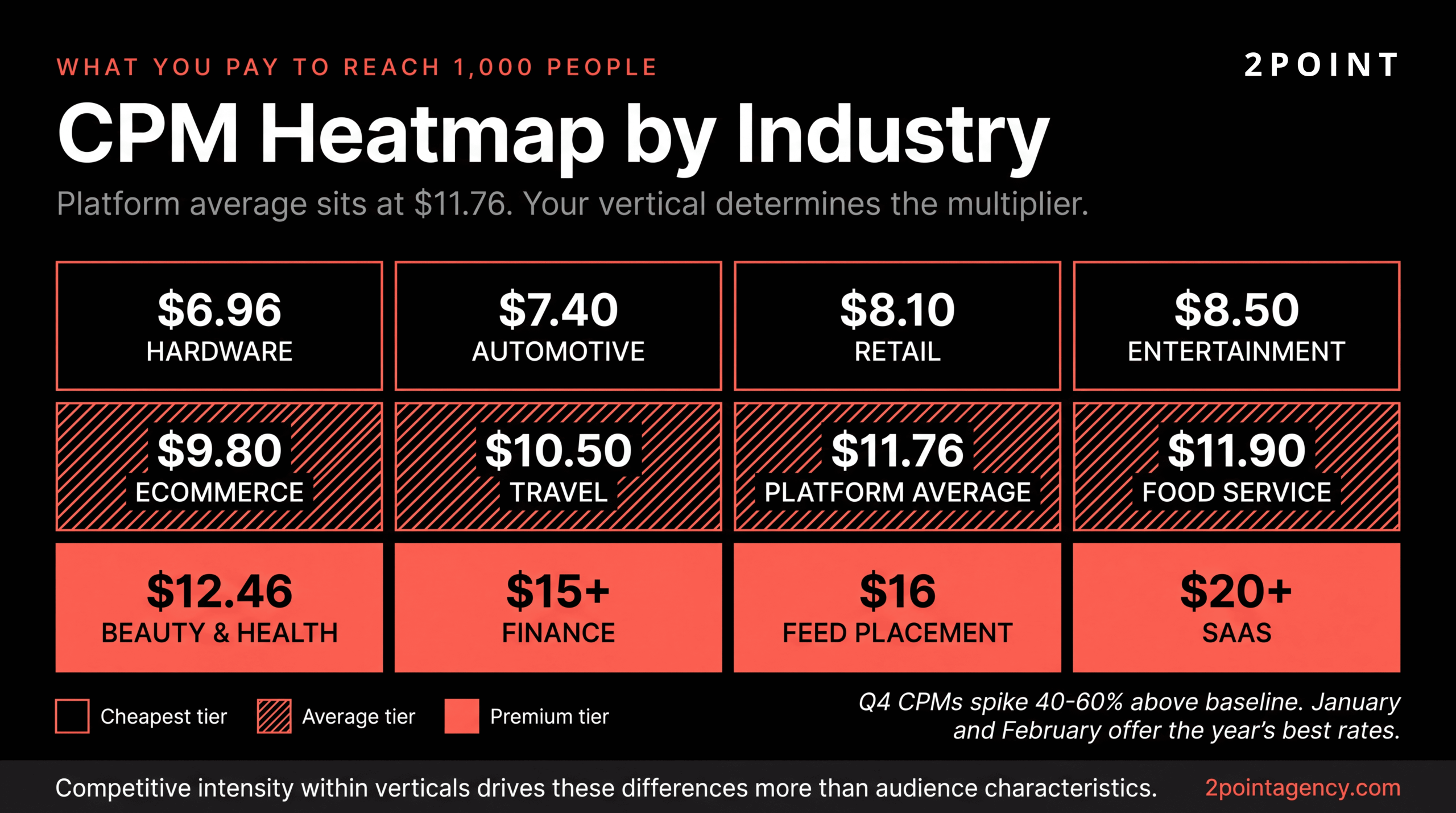
User adoption patterns vary significantly by demographic, with younger generations leading adoption. 3 in 4 American respondents search with AI weekly, making it a mainstream behavior rather than early-adopter phenomenon. Top use cases include quick facts, shopping research, and health information, though AI search increasingly serves complex informational needs as platforms mature.

AI search share trajectory: from 12-15% of global search market at end of 2025 to a projected 25-30% by late 2026.
12 to 30%. AI search’s market share climb.

Google AI Mode and AI Overviews Market Position

Google maintains dominant market share overall but faces meaningful competition from AI-native platforms. The company’s response includes AI Mode and AI Overviews, which now appear in 57% of Google search results. This high appearance rate means more than half of Google searches now include AI-generated content above traditional blue links.

Google AI Mode reached 75 million users by early 2026, demonstrating rapid adoption of AI features within Google’s ecosystem. Users access AI Mode to receive conversational, multi-turn interactions rather than simple query-result exchanges. This creates opportunities for content to appear across longer user sessions as conversations develop.

Ads alongside AI Overviews grew from approximately 3% in January 2025 to 40% in November 2025, indicating Google’s monetization infrastructure for AI search is maturing rapidly. This commercial framework will influence how brands balance organic visibility with paid placement in AI-generated responses.

Google AI Overviews differ from traditional featured snippets in several ways. Featured snippets pull directly from single sources with clear attribution. AI Overviews synthesize information from multiple sources, sometimes without direct links. This synthesis creates both opportunities and challenges for brand visibility and traffic generation.

ChatGPT Search Growth and Characteristics

ChatGPT referral traffic growth: outbound referrals from ChatGPT to publishers grew 206% in 2025.
206%. ChatGPT is sending real traffic now.

ChatGPT’s evolution from pure chatbot to search-capable platform represents one of the most significant developments in AI search. Outbound referral traffic from ChatGPT grew 206% in 2025, though from a small base. This explosive growth rate suggests ChatGPT will become a major traffic source for websites optimized for its unique crawling and citation patterns.

ChatGPT relies on Bing 92% of the time: agents query the Bing Search API instead of crawling sites directly.
92% Bing. Optimize for both.

ChatGPT agents exhibit distinctive technical behaviors that affect content visibility. 92% of the time, ChatGPT agents rely on Bing Search API rather than crawling websites directly. This dependency means optimizing for Bing indexation and ranking indirectly influences ChatGPT visibility, creating interesting cross-platform optimization opportunities.

When ChatGPT does crawl websites directly, 46% of visits begin in reading mode, loading plain HTML without CSS, JavaScript, or images. This technical constraint means content must be accessible and understandable in its most basic form. Sites that depend on JavaScript rendering for core content risk invisibility in ChatGPT responses.

Perhaps most concerning for website owners, 63% of ChatGPT agents leave pages immediately. Common bounce triggers include HTTP errors (4XX and 5XX responses), 301 redirects to unexpected URLs, slow load times, CAPTCHAs, and bot blocking. Addressing these technical issues becomes critical for ChatGPT visibility.

ChatGPT’s Instant Checkout feature allows users to complete purchases without leaving the platform. However, Walmart found purchases via ChatGPT Instant Checkout are 3× lower than click-throughs to their website. This pattern suggests users prefer familiar e-commerce environments for completing transactions, even when AI platforms offer convenience features.

Perplexity AI and Citation-Backed Responses

Perplexity distinguishes itself through transparent citation practices and real-time data access. Every response includes numbered citations linking to source material, making it easier for users to verify information and explore deeper. This citation-first approach creates clear optimization targets for brands seeking visibility.

Perplexity’s user base skews toward research-intensive queries and users who value source transparency. This makes it particularly important for YMYL (Your Money or Your Life) topics like health, finance, and legal information where accurate attribution matters significantly.

The platform’s real-time data capabilities mean it can incorporate recently published content into responses faster than platforms that rely primarily on training data. Brands that publish timely, authoritative content on developing topics have stronger opportunities for Perplexity citations than on platforms with longer update cycles.

Microsoft Copilot and Claude Adoption Patterns

Microsoft Copilot benefits from deep integration with workplace tools like Office 365, Teams, and Windows. This embedded presence drives adoption among business users and knowledge workers. Copilot experienced 25.2× growth in usage, reflecting both Microsoft’s distribution advantages and genuine utility for professional tasks.

Copilot’s workplace focus means it often serves different queries than consumer-oriented platforms. Content optimization for Copilot should consider professional contexts, B2B topics, and workplace-relevant information. Technical documentation, business resources, and professional development content perform particularly well.

Claude achieved 12.8× growth despite having less distribution muscle than Microsoft or Google. This growth reflects Claude’s reputation for nuanced understanding and thoughtful responses. Users often turn to Claude for complex analysis, ethical considerations, and queries requiring careful reasoning rather than simple fact retrieval.

Industry-Specific Adoption Patterns

AI search adoption varies dramatically by industry, with YMYL sectors showing particularly strong growth. Legal industry AI adoption increased 11.9×, far outpacing other sectors. This reflects both the research-intensive nature of legal work and the high value of accurate, comprehensive information.

Finance and health industries both saw 2.9× growth in AI search adoption. These sectors deal with complex, consequential decisions where users benefit from synthesized information from multiple authoritative sources. The stakes involved in financial and health choices drive users toward AI platforms that can provide comprehensive, balanced perspectives.

Consumer packaged goods, retail, and e-commerce show different adoption patterns, with users employing AI search for product research, comparisons, and shopping decisions. Shopping research ranks among the top use cases for AI search, making product content optimization critical for retail brands.

What Is the Source Diversity Challenge in AI Search?

One of the most significant differences between traditional SEO and AI search engine optimization lies in source diversity. Traditional SEO allowed brands to focus optimization primarily on owned properties. AI search requires a fundamentally different approach because AI systems pull information from across the entire web, not just your website.

Brand-owned sites comprise only 5-10% of sources AI search platforms reference when generating responses. The remaining 90-95% comes from third-party publishers, affiliate sites, user-generated content platforms, review sites, forums, social media, and countless other sources beyond direct brand control.

This distribution means controlling your website’s content, no matter how well optimized, influences only a small fraction of your brand’s AI search presence. Comprehensive AI search optimization requires understanding and influencing content across the entire ecosystem where your brand appears or gets discussed.

The Multi-Source Citation Ecosystem

Trusted voices: 65% of AI-cited sources are publishers, user-generated content, and affiliate sites, not owned brand content.
65% of citations come from voices you don’t own.

AI systems synthesize responses by drawing from diverse content types across the web. For consumer packaged goods and financial services brands, 65%+ of sources are publishers, user-generated content, and affiliate sites. This overwhelming majority of non-owned sources means traditional content control strategies prove insufficient for AI search optimization.

The sources AI platforms cite vary by large language model, geographic location, product category, and specific question type. A query about your brand’s sustainability practices might pull from environmental NGO reports, news articles, and LinkedIn posts. A query about product features might cite tech review sites, Reddit discussions, and YouTube videos. A query about company culture might reference Glassdoor reviews, employee LinkedIn profiles, and news coverage.

This diversity creates both challenges and opportunities. The challenge lies in monitoring and influencing content you don’t control. The opportunity lies in leveraging the broader ecosystem to amplify your message and reach audiences through trusted third-party voices.

Owned Content Optimization Remains Essential

Owned site vs external AI citation share: only 5 to 10% of AI citations come from owned content, the rest from external sources.
5-10% owned. The rest is the wider web.

Despite representing only 5-10% of cited sources, owned content plays a disproportionately important role in AI search optimization. Your website often serves as the authoritative source for brand-specific information, product details, company policies, and official positions. AI systems typically weight official sources heavily when synthesizing responses about your brand.

Well-optimized owned content establishes the foundation that AI systems reference when evaluating third-party claims. If your website clearly states your return policy, AI systems use that information to verify or correct claims found elsewhere. If your about page articulates your mission and values, AI platforms incorporate that framing into responses about your company.

Owned content also demonstrates expertise and authority that influences how AI systems evaluate your brand across all contexts. A comprehensive resource library signals expertise. Detailed product documentation indicates quality. Transparent communication builds trust. These signals affect not just citations of your own content but how AI systems weight other sources about your brand.

Earned Media and Publisher Relationships

Traditional public relations focused on earning media coverage for awareness and credibility. AI search elevates the importance of earned media because AI platforms frequently cite established publishers as authoritative sources. A single article in a respected publication can influence thousands of AI-generated responses over months or years.

Strategic PR programs should now explicitly target publications and topics that AI platforms favor. Analysis of which sources AI systems cite most frequently for your industry reveals where to focus outreach efforts. Building relationships with journalists and publications that AI platforms trust creates compound returns as their coverage influences countless AI responses.

The content of earned media matters as much as the placement itself. Working with journalists to ensure accurate, comprehensive coverage of your brand, products, and expertise creates more valuable AI citation opportunities. Providing detailed backgrounders, data, and expert commentary helps journalists create the kind of thorough, well-sourced content AI platforms preferentially cite.

User-Generated Content Strategy

User-generated content cited by AI: Reddit, Quora, and review sites carry outsized weight in AI search citations.
Reddit. Quora. Reviews. The UGC stack AI quotes.

User-generated content platforms like Reddit, Quora, YouTube, and review sites play increasingly important roles in AI search results. AI systems recognize these platforms contain authentic user perspectives and experiences that complement official brand messaging.

AI pulls from user-generated content to provide balanced perspectives that include both brand claims and customer experiences. A user asking about product reliability wants to hear from actual users, not just marketing copy. AI platforms fulfill this need by synthesizing review content, forum discussions, and social media commentary.

Smart brands develop strategies to encourage and curate UGC that accurately represents their products and values. This doesn’t mean fake reviews or astroturfing, which AI systems increasingly detect and discount. Rather, it means making it easy for satisfied customers to share experiences, responding to feedback publicly, and engaging in communities where your products get discussed.

Some specific UGC strategies include creating dedicated community forums where customers can help each other, encouraging video reviews and unboxing content, maintaining active Reddit presence in relevant subreddits, and responding thoughtfully to Quora questions about your product category.

Affiliate and Partner Content Coordination

Affiliate sites and partner content represent another major source category in AI search results. These sites often create detailed product comparisons, buying guides, and educational content that AI platforms find valuable for answering user queries.

While you can’t control affiliate content, you can influence it through affiliate program policies, content guidelines, and resource provision. Providing affiliates with accurate product information, high-quality images, detailed specifications, and unique insights helps them create better content that AI platforms are more likely to cite.

Some brands develop preferred affiliate partnerships with content creators who consistently produce high-quality, accurate content. These relationships create alignment between affiliate commercial interests and brand representation quality. Regular communication with top affiliates about product updates, positioning, and messaging ensures their content reflects current brand strategy.

How Should Content Be Structured for AI Search?

Content structure and clarity matter more in AI search engine optimization than they did in traditional SEO. AI systems parse content to extract specific information for synthesizing responses. Content that makes extraction easy through clear structure and self-contained explanations performs better than content requiring context or interpretation.

AI systems tend to pull individual passages, not entire pages, making passage-level optimization critical. Each section, paragraph, or explanation should stand independently and deliver complete information without requiring surrounding context. This approach helps AI systems extract accurate information regardless of where they start reading.

The shift from page-level to passage-level optimization affects content planning fundamentally. Instead of structuring content for linear reading, structure it for random access. Any passage might become an AI citation, so every passage must be clear, accurate, and self-sufficient.

Clarity and Directness as Core Principles

Content must be easy for AI to retrieve, understand, and reuse. This fundamental principle should guide every content decision. Complexity, jargon, and indirect explanation work against AI extractability. Simplicity, plain language, and direct explanation maximize AI citation potential.

Direct, clear language improves the AI citation rate: AI systems extract from declarative statements better than from indirect copy.
Say it straight. Get cited.

Consider the difference between these two approaches to explaining a concept:

Indirect approach: “When considering the implementation of our platform, various factors come into play that organizations should evaluate carefully during their decision-making process.”

Direct approach: “Three factors determine if our platform fits your needs: team size, data volume, and integration requirements.”

The direct approach tells AI systems exactly what information follows, making extraction straightforward. The indirect approach requires interpretation to understand what factors it might discuss. AI systems prefer content that states information clearly over content that alludes to it.

This doesn’t mean dumbing down content or avoiding sophisticated topics. Technical subjects can be explained clearly. Complex ideas can be articulated directly. The goal is removing unnecessary obstacles to understanding, not reducing depth or nuance.

Self-Contained Explanations Without Context Dependence

Every explanation, definition, or instruction should work independently. AI systems extract passages without surrounding context, so passages that depend on earlier information fail when cited in isolation.

Context-dependent: “As mentioned above, this approach offers several advantages over traditional methods.”

Self-contained: “Cloud-based deployment offers three advantages over on-premise installation: lower upfront costs, automatic updates, and easier scaling.”

The self-contained version works perfectly as an AI citation because it includes all necessary information. The context-dependent version requires readers to know what “this approach” refers to and what got “mentioned above.”

This principle affects how you use pronouns, references, and transitions. Replace pronouns with specific nouns. Convert references to earlier content into complete restatements. Make transitions that establish context rather than assuming it.

Question-Based Content Architecture

Content strategy used to begin with keyword mapping. Today, effective AI search optimization involves mapping actual questions customers ask. This shift reflects how users interact with AI platforms through natural language queries rather than keyword searches.

Structure content around specific questions at multiple levels. Primary questions become article topics or main sections. Secondary questions become subsections. Tertiary questions become individual paragraphs or FAQ entries. This hierarchical question structure creates content that naturally aligns with user queries.

Question-based architecture also improves content clarity. When you frame sections as answers to specific questions, you maintain focus and avoid tangential information. Each section has a clear purpose: answering its question completely and thoroughly.

Phrases that work well for question-based content include:

  • “What is the best way to…” for procedural content
  • “How do I…” for instructional content
  • “What happens when…” for cause-and-effect content
  • “Which option works for…” for decision-support content
  • “Why does…” for explanatory content

These natural question formats mirror how people ask AI platforms for information, improving your content’s alignment with actual queries.

FAQ Schema and Structured Q&A

FAQ content is ideal for both traditional search and AI-driven platforms. The question-answer format provides exactly the kind of extractable, standalone content AI systems favor. Schema markup around FAQs gives AI platforms additional structure and context for understanding and citing your content.

Schema markup adoption: 64.2% of brands now use structured data to improve their AI search visibility.
64.2% of brands now mark up for AI.

64.20% of brands now use schema markup to improve AI-driven search visibility. FAQ schema ranks among the most valuable types because it explicitly identifies questions and answers, making extraction trivial for AI systems.

Following FAQ schema best practices , effective FAQ sections address questions at varying levels of specificity. Include obvious questions beginners ask, nuanced questions experts raise, and comparison questions users consider during decision-making. Each answer should be 2-4 sentences maximum, providing complete but concise information.

FAQ schema implementation involves adding structured data to your HTML that identifies question and answer pairs. See these FAQ and how-to schema examples for working JSON-LD snippets. This schema doesn’t change visible content but provides machine-readable structure that AI platforms can parse reliably. While schema provides no guarantees of inclusion in AI responses, it removes technical barriers that might otherwise prevent citations.

Conversational Tone and Natural Language

Content mirroring how people actually ask questions performs better in generative responses. This means writing in conversational tone using natural language patterns rather than formal, corporate voice.

Conversational content doesn’t mean unprofessional content. It means using active voice, contractions, and sentence structures that sound natural when read aloud. It means addressing readers directly as “you” rather than referring to “users” or “customers” in third person. It means explaining concepts as if speaking to an intelligent colleague rather than writing for an academic journal.

Natural language processing, the technology underlying AI search, evolved by training on human conversation and writing. Content that uses natural language patterns gets processed more accurately than content using stilted or artificial language. This creates a direct connection between conversational writing and AI search performance.

Headings as Structured Signposts

Headings serve dual purposes in AI-optimized content. They provide structure for human readers while offering semantic signals to AI systems about content organization and topic coverage. Well-crafted headings improve both user experience and AI extractability.

Specific headings help AI search citations: keyword-bearing H2s and H3s signal exactly what content follows.
Specific headings. Specific citations.

Every H2 heading should contain keywords or clearly signal topic relevance. Vague headings like “Overview” or “Background” waste opportunities to communicate content subject to AI systems. Specific headings like “How ChatGPT Evaluates Content Quality” or “Five Requirements for AI Citations” tell AI systems exactly what information follows.

H3 headings should directly answer or subdivide the question posed in the parent H2. This creates clear information hierarchy that AI systems can follow when parsing content. If an H2 asks “What Makes Content Citable in AI Search?”, H3s might address “Clear Topic Sentences,” “Self-Contained Explanations,” and “Structured Data Markup.”

What Technical Factors Affect AI Search Visibility?

Technical implementation affects AI search engine optimization as significantly as content quality. AI systems must first access, crawl, and process content before evaluating it for citation in responses. Technical barriers that prevent these fundamental steps eliminate content from consideration regardless of its quality.

Traditional technical SEO focused primarily on helping search engines discover, crawl, and index content efficiently. AI search adds new technical considerations around bot management, JavaScript rendering, structured data, and extractability. While baseline technical SEO standards apply, AI optimization requires additional technical capabilities.

Crawlability for AI Bots

AI platforms deploy specialized bots to discover and evaluate content across the web. These bots have different characteristics than traditional search crawlers, requiring specific consideration in technical planning. Claudebot represented 3.6% desktop and 3.4% mobile traffic in 2025, up from 1.9% desktop and 1.6% mobile in 2024. This growth demonstrates AI bot traffic becoming a significant portion of total web requests.

Different AI platforms use different bots with varying behaviors. ChatGPT uses specialized agents that often rely on Bing Search API rather than direct crawling. Google’s AI systems leverage Googlebot infrastructure. Perplexity and Claude deploy their own crawlers with unique characteristics. Comprehensive AI optimization requires accommodating this diverse ecosystem.

Robots.txt remains the clearest method for managing crawler access. However, decisions about blocking or allowing AI bots involve strategic tradeoffs. Blocking AI crawlers prevents your content from appearing in AI responses, sacrificing visibility. Allowing all AI crawlers might strain server resources or violate licensing preferences. Most brands choose selective allowance based on platform importance and bot behavior.

Some considerations for bot management include:

  • Identifying which AI bots represent strategically important platforms
  • Monitoring bot traffic volume and resource consumption
  • Setting crawl rate limits for resource-intensive bots
  • Allowing preferential access to high-value content
  • Blocking malicious or abusive crawlers regardless of claimed purpose

Businesses that don’t meaningfully manage crawlers will start feeling pressure to do so as AI bot traffic continues growing. Proactive bot management prevents problems while maintaining visibility in important AI platforms.

Understanding ChatGPT Agent Behavior

ChatGPT’s agents exhibit unique technical behaviors that significantly affect content accessibility. 92% of the time, ChatGPT agents rely on Bing Search API rather than crawling websites directly. This dependency means Bing indexation and ranking indirectly influence ChatGPT visibility.

When ChatGPT does crawl directly, 46% of visits begin in reading mode, which loads plain HTML without CSS, JavaScript, images, or schema markup. Content must be accessible and understandable in its most stripped-down form. Sites that render critical content through JavaScript face invisibility in ChatGPT reading mode.
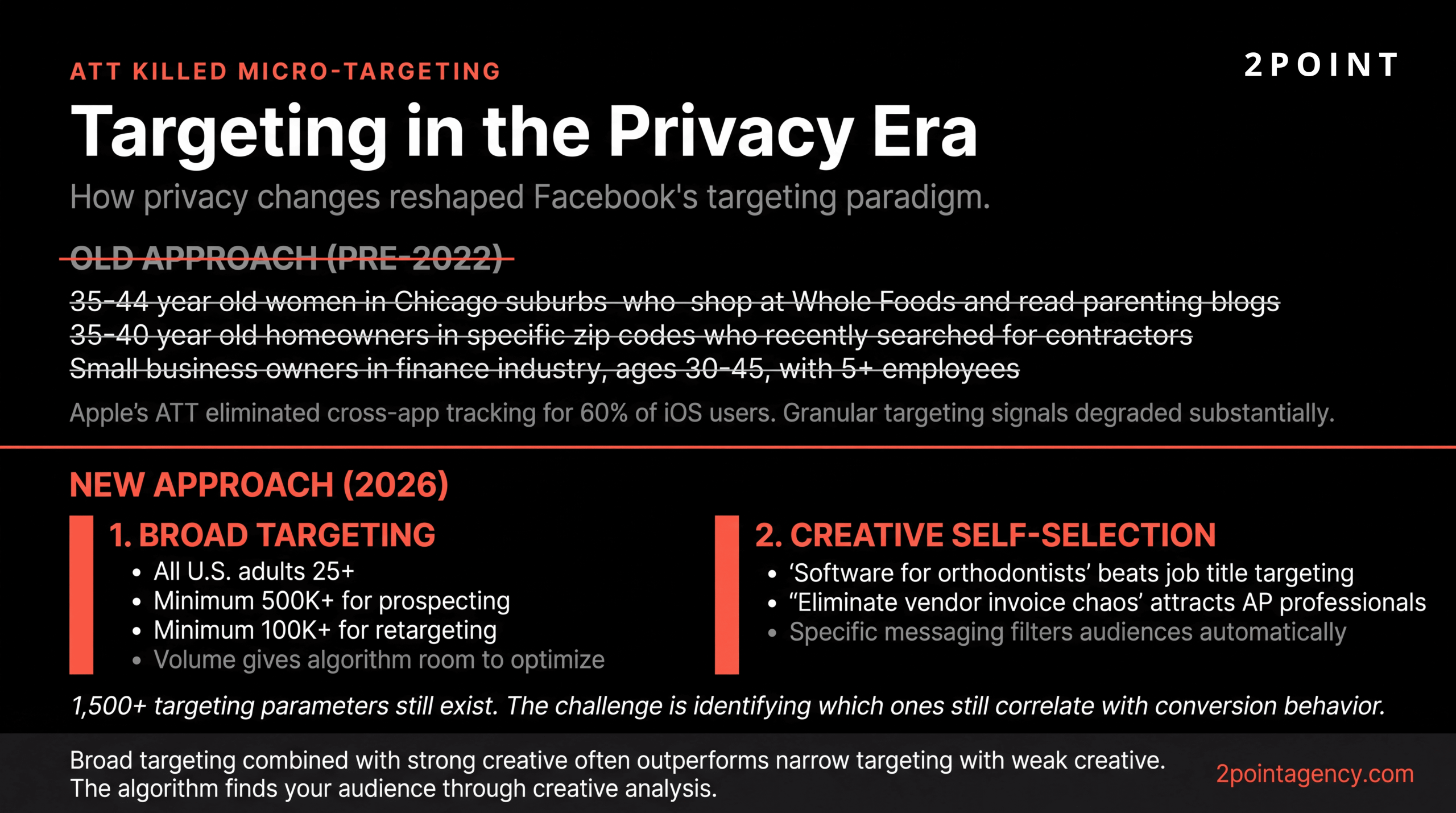
Perhaps most concerning, 63% of ChatGPT agents leave pages immediately. Common bounce triggers include:

  • HTTP errors (4XX and 5XX response codes)
  • 301 redirects to unexpected URLs
  • Slow page load times
  • CAPTCHA challenges
  • Bot detection and blocking
  • Complex JavaScript requirements for content rendering
  • Paywall or login requirements without accessible content

Addressing these bounce triggers requires technical audit specifically focused on bot experience. Many sites work perfectly for human users while creating insurmountable barriers for AI agents. Testing your site with bot user agents reveals issues invisible in standard QA processes.
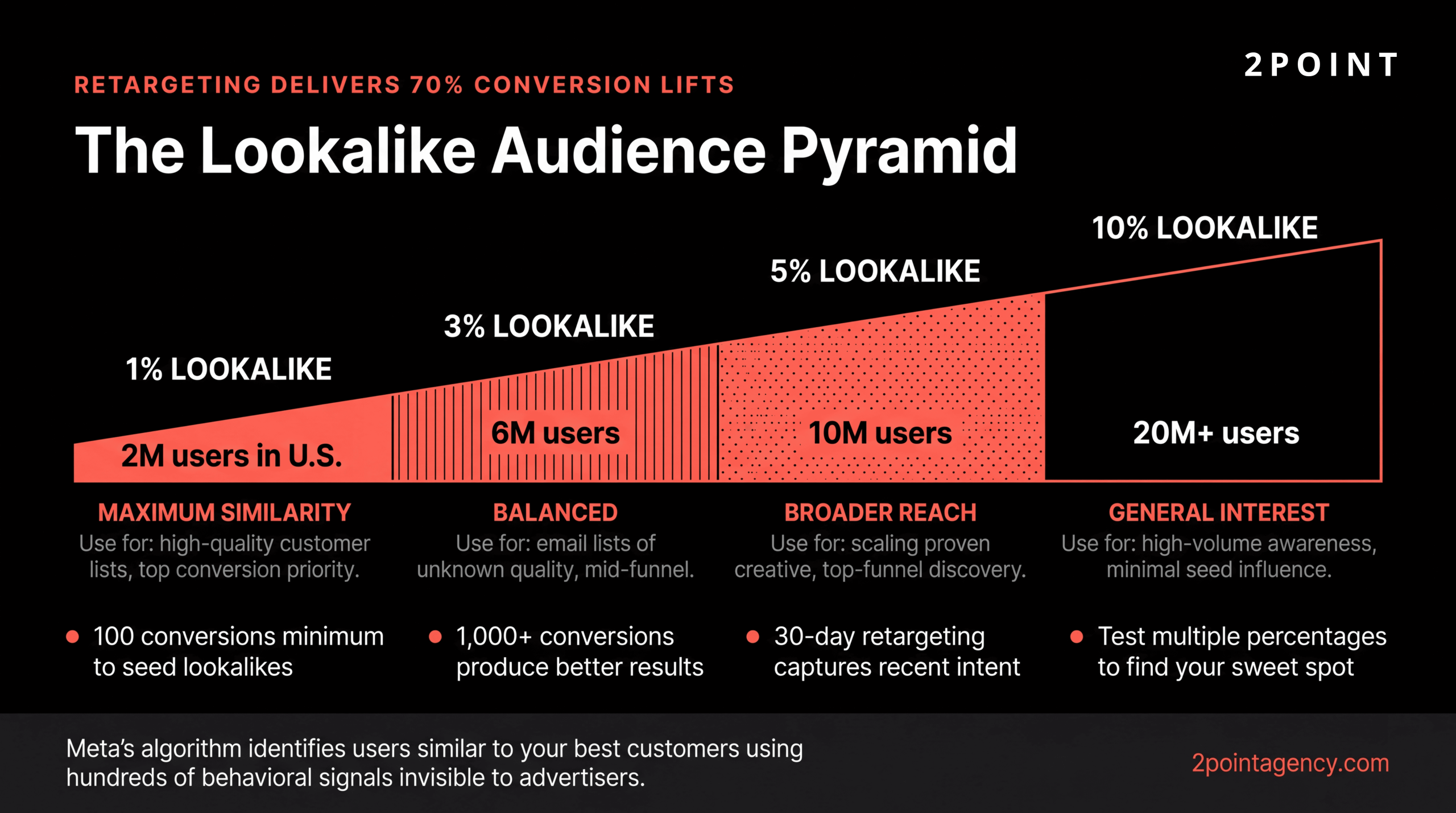
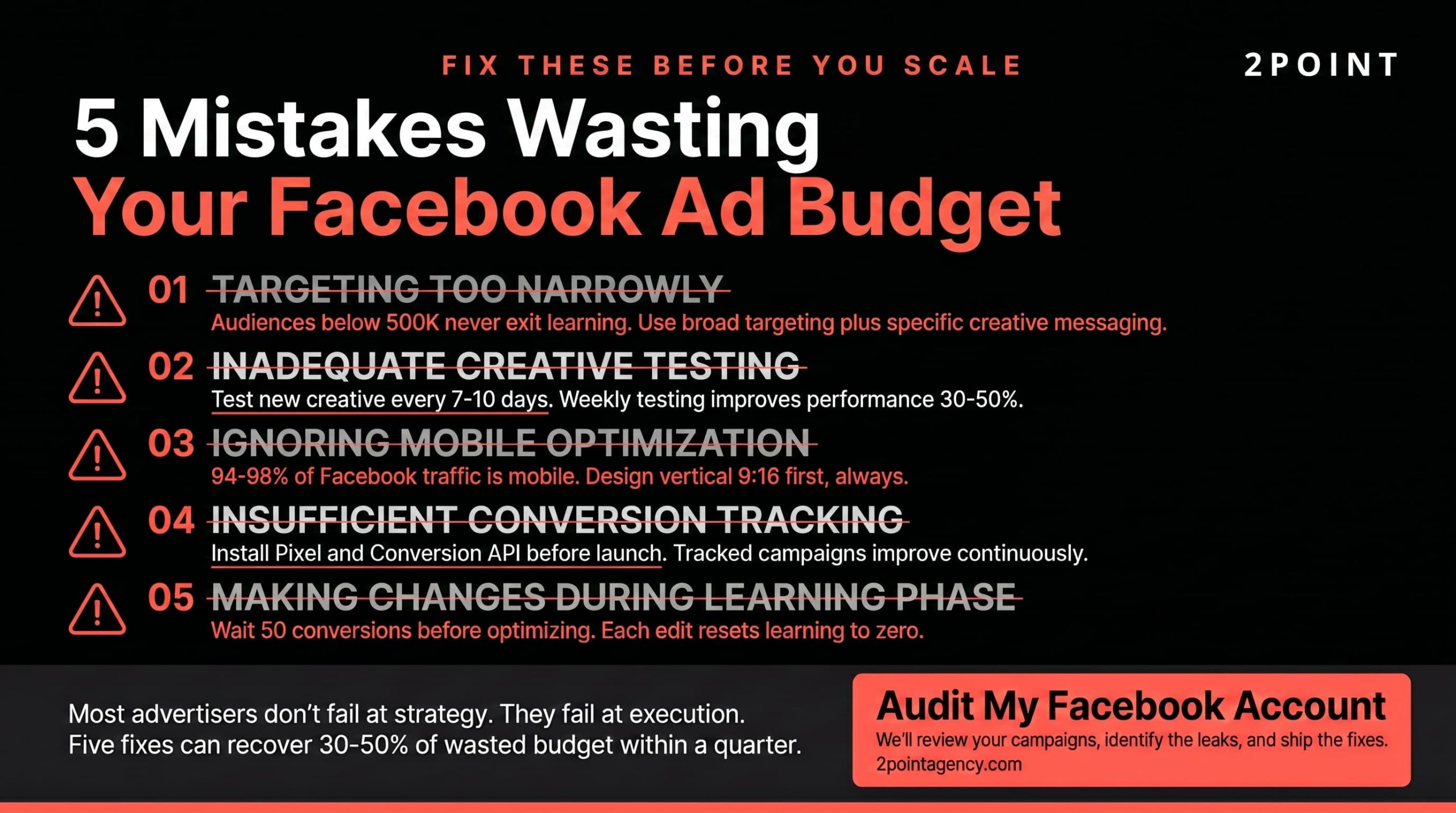
JavaScript Rendering and AI Crawlers

Most AI crawlers don’t execute JavaScript when accessing websites. This technical limitation means content rendered client-side through JavaScript frameworks may be invisible to AI platforms. While Google’s crawlers execute JavaScript through its rendering service, specialized AI bots typically lack similar capabilities. Following JavaScript SEO best practices helps keep content visible to these bots.

Sites built with JavaScript frameworks like React, Angular, or Vue must implement server-side rendering or pre-rendering to ensure content accessibility. The specific implementation approach depends on your framework and hosting infrastructure, but the goal remains consistent: deliver fully-rendered HTML to bots. These are core JavaScript SEO fundamentals for any modern stack.

Progressive enhancement provides a reliable approach: deliver functional HTML content by default, then enhance it with JavaScript for human users. This ensures AI bots receive accessible content while maintaining rich interactive experiences for users.

Testing JavaScript-heavy sites requires using curl or wget to retrieve pages as bots see them. If critical content doesn’t appear in these tool outputs, AI crawlers likely can’t access it either. View-source in browsers shows rendered HTML after JavaScript execution, not what crawlers receive, making it unsuitable for bot accessibility testing.

Technical SEO Baseline Standards

Core technical SEO standards provide the foundation for AI search optimization. While AI introduces new requirements, traditional technical SEO best practices remain essential. HTTPS adoption reached 91%+ across the web, making SSL encryption a universal standard rather than competitive advantage.

Title tag adoption reached nearly 99%, while viewport meta tags achieved over 93% adoption. These high implementation rates mean technical SEO fundamentals have become table stakes. Sites lacking these basics face not just ranking penalties but potential exclusion from AI consideration.

Canonical tag adoption rose from 65% in 2024 to 67%+ in 2025, indicating ongoing improvements in technical implementation. Canonical tags help AI systems understand content relationships and avoid citing duplicate content multiple times.

Core Web Vitals and page experience signals influence AI crawl efficiency even if they don’t directly affect citation decisions. Slow sites consume more bot resources and receive less frequent crawling. Fast, efficient sites enable more thorough content evaluation.

Mobile-first indexing affects AI search as AI platforms increasingly crawl mobile versions of sites as primary content sources. Mobile content must match desktop content in depth and quality, not just responsive layout. Mobile-only content gaps create AI search visibility gaps.

Structured Data Implementation

64.20% of brands use schema markup to improve AI-driven search visibility. Structured data provides machine-readable information about content meaning and relationships, helping AI systems understand context and relevance. These benefits of schema markup for SEO extend from traditional rankings into AI citation visibility.

Priority schema markup types for AI search include:

  • FAQ schema for question-answer content pairs
  • How-to schema for procedural instructions
  • Article schema for news and blog content
  • Product schema for e-commerce items
  • Organization schema for company information
  • Review schema for ratings and testimonials
  • Event schema for conferences and webinars

Schema markup doesn’t guarantee inclusion in AI responses, but it removes ambiguity about content meaning. Schema types support inclusion in AI Overviews, though content quality remains the more important signal.

Implementation approaches include JSON-LD (recommended), Microdata, or RDFa. JSON-LD offers the most flexibility and maintainability, keeping structured data separate from content HTML. Google’s Structured Data Testing Tool validates implementation and identifies errors. Several structured data testing tools beyond Google’s offer additional validation coverage.

How Can AI Search Performance Be Measured?

Measuring AI search engine optimization performance requires frameworks different from traditional SEO metrics. Page rankings and keyword positions become less meaningful when content appears in synthesized responses rather than ranked links. New metrics around citations, mentions, and brand representation provide better indicators of AI search success.

You need both traditional SEO metrics and AI visibility metrics to understand complete organic search presence. Traditional metrics show performance in conventional search, while AI visibility metrics reveal performance in generative platforms. Together, these create comprehensive search visibility measurement.

The measurement framework should balance quantitative metrics with qualitative assessment. Counting citations matters, but understanding citation context, sentiment, and accuracy matters more. Being mentioned 100 times means little if those mentions contain inaccurate or negative information.

AI Citation and Mention Tracking

Citation tracking forms the foundation of AI search measurement. This involves monitoring how often AI platforms mention your brand, products, or content when responding to relevant queries. Citation frequency indicates the breadth of your AI search visibility.

Tools like Semrush’s Enterprise AIO monitor visibility across ChatGPT, Google AI Mode, and Perplexity, providing granular tracking of mentions, sentiment, share of voice, and competitive benchmarking. These enterprise tools automate citation monitoring that would otherwise require extensive manual testing.

Manual citation tracking remains valuable for brands without enterprise tool budgets. Create a list of key queries where you want AI visibility. These might include product category searches, comparison queries, how-to questions, or brand-specific information requests. Test these queries regularly across major AI platforms, documenting which brands get cited and in what context.

Citation quality matters as much as quantity. A single citation as the primary source for authoritative information often generates more value than ten passing mentions. Analyze not just whether you’re cited but how you’re positioned relative to competitors and what specific information AI platforms extract from your content.

Share of Voice in AI Responses

Share of voice measures what percentage of AI citations in your category mention your brand compared to competitors. This metric provides relative performance context beyond absolute citation counts. Growing absolute citations matters less if competitors grow faster.

Calculate share of voice by testing relevant queries and tracking how often each brand gets mentioned. For example, if testing 50 retirement planning queries results in 30 mentions of competitor A, 20 mentions of your brand, and 10 mentions of competitor B, your share of voice is 33% (20 out of 60 total mentions).

Share of voice varies by query type and platform. You might have strong share of voice for product comparison queries but weak share for general category education queries. You might perform well in Google AI Mode but poorly in ChatGPT. Granular share of voice analysis reveals specific optimization opportunities.

Track share of voice over time to measure optimization impact. Successful AI SEO should increase your share of voice in important query categories. Declining share of voice signals that competitors are out-optimizing you, requiring strategy adjustment.

AI Referral Traffic Analysis

About 84% of overall website traffic comes from SEO vs. AI-driven search engines, but this distribution will shift as AI search adoption grows. Currently, about half of respondents say ChatGPT drives highest traffic among generative AI platforms.

Set up GA4 to track referral traffic from AI platforms specifically. Create custom channel groupings or segments for traffic from chatgpt.com, perplexity.ai, and other AI search domains. This enables performance tracking separate from traditional search traffic.

Analyze which content receives AI referral traffic to understand what topics and formats AI platforms preferentially link to. Often, detailed how-to guides, comprehensive resource pages, and original research receive disproportionate AI referrals. This insight guides content development priorities.

Compare conversion rates between AI referral traffic and traditional search traffic. Some businesses find AI-referred visitors have higher intent and conversion rates because AI pre-qualified them through its response. Others find lower conversion rates if AI responses answered questions without requiring deep engagement. These patterns inform strategy around when to optimize for AI citations versus traditional search visibility.

Attribution and Conversion Tracking

Attribution becomes complex when users discover brands through AI platforms but convert through other channels. Someone learning about your software in a ChatGPT response might visit your website days later through direct navigation or branded search. Traditional last-click attribution misses the AI search influence entirely.

Implement survey questions asking new customers how they first learned about your company. Include AI search platforms among response options. This qualitative data reveals AI search influence that quantitative analytics miss.

UTM parameters on links within AI responses enable better tracking, though many AI platforms strip UTMs or don’t include clickable links consistently. For platforms that support linked citations, use platform-specific UTMs to track traffic and conversions.

Consider the full customer journey when evaluating AI search impact. AI platforms often serve awareness and education stages rather than conversion stages. A user might discover your category through AI search, research options through traditional search, and convert through direct navigation. All three touchpoints contributed to the conversion, though last-click attribution credits only the final step.

Content Performance Indicators

Beyond traffic and citations, analyze which content characteristics correlate with AI visibility. This analysis reveals patterns to replicate in future content creation. Questions to investigate include:

  • What content length gets cited most frequently?
  • Which formats (listicles, how-tos, definitions, comparisons) perform best?
  • Do FAQ sections generate more citations than narrative content?
  • Does schema markup correlate with citation rates?
  • Which topics have highest AI search visibility?
  • What reading level performs best?

Use tools like aHrefs or Semrush to identify which specific pages appear in AI Overviews. Pages that already earn AI visibility reveal successful optimization patterns. Analyze these pages for common characteristics you can apply more broadly.

Create a content scoring system that predicts AI citation potential. Factors might include clarity scores, question-answer format, schema implementation, external linking, author credentials, and update recency. Score existing content to prioritize optimization efforts on high-potential pages.

What AI Tools Support Search Engine Optimization?

The AI search engine optimization technology stack includes platforms for monitoring visibility, creating content, analyzing competition, and implementing technical optimization. While some traditional SEO tools have added AI search features, purpose-built AI search optimization tools provide more comprehensive capabilities.

65% of businesses report better SEO results due to AI integration, while 68% realize higher content marketing ROI through AI. These improvements come partly from AI search visibility but also from AI tools making optimization processes more efficient and effective.

Tool selection should balance capability, cost, and learning curve. Enterprise platforms offer comprehensive features but require significant investment and training. Focused tools address specific needs at lower cost but require integrating multiple platforms. Most organizations benefit from a mix of enterprise and specialized tools.

AI Search Monitoring Platforms

Semrush’s Enterprise AIO provides dedicated monitoring across ChatGPT, Google AI Mode, and Perplexity. The platform tracks brand mentions, sentiment, share of voice, and competitive positioning. Custom alerts notify teams when brand representation changes significantly or competitors gain share of voice.

aHrefs recently added features for tracking AI Overview inclusion, showing which pages appear in Google’s AI-generated responses. The platform identifies opportunities by revealing queries where competitors appear in AI Overviews but your content doesn’t.

Several startups focus specifically on AI search optimization monitoring. These platforms typically offer query testing at scale, automated citation tracking, and competitive intelligence about AI search performance. While less established than Semrush or aHrefs, specialized platforms often provide more granular AI search data.

Custom monitoring solutions work for brands with technical resources and specific requirements. Building internal tools allows precise alignment with business metrics and proprietary data integration. The investment makes sense for large brands where AI search represents significant commercial opportunity.

Content Creation and Optimization Tools

Jasper and Grammarly help create and refine content for AI search optimization. Jasper generates content based on prompts and brand voice guidelines, useful for scaling content production. Grammarly ensures clarity and readability, both important for AI extractability.

These tools work best when guided by human expertise. AI-generated content requires fact-checking, accuracy verification, and brand voice refinement. More than half of respondents cite ensuring accuracy in AI-generated content as the most challenging aspect. Human oversight addresses this challenge while capturing efficiency benefits.

Frase.io analyzes real-time SERP data to generate content briefs aligned with search intent. The platform identifies questions users ask, topics competitors cover, and content gaps your material should address. This intelligence helps create content optimized for both traditional search and AI citations.

MarketMuse uses NLP to generate content briefs focused on building topical authority. The platform identifies related concepts to cover, internal linking opportunities, and gaps in existing content. Critical signals for AI summaries come from comprehensive topic coverage, which MarketMuse helps achieve systematically.

Using AI Platforms for Research and Testing

ChatGPT serves as a research tool for understanding how AI systems synthesize information about your topics. Test queries a potential customer might ask, analyze which sources ChatGPT cites, and evaluate how your brand gets represented if mentioned at all.

This research reveals optimization opportunities and competitive intelligence. If ChatGPT consistently cites competitors for queries where you have relevant content, your content likely lacks clarity or authority signals AI systems value. If ChatGPT mentions your brand inaccurately, you need to improve authoritative source content that corrects misconceptions.

Perplexity’s citation-backed approach makes it particularly valuable for research. The numbered citations show exactly which sources influenced each response. Analyze patterns in which sources Perplexity favors for your industry. This reveals target publications for PR efforts and content characteristics that earn citations.

Google AI Mode testing should form part of regular SEO monitoring. Search for key queries in AI Mode and analyze whether your content appears in AI Overviews. Document what information Google extracts and how it’s positioned relative to competitors.

What Business Impact Does AI Search Optimization Create?

The business case for AI search engine optimization rests on measurable improvements in visibility, traffic, efficiency, and revenue. Organizations that implemented AI search strategies report substantial returns across multiple dimensions, though results vary based on implementation quality and market conditions.

65% of businesses report better SEO results due to AI integration, indicating that AI search optimization complements rather than cannibalizes traditional search performance. 67% observe boosted content quality through AI, while 68% realize higher content marketing ROI. These statistics demonstrate broad-based benefits beyond just AI search visibility.

Brands using AI-driven segmentation report ROI boosts up to 20%, showing that AI applications extend beyond just search optimization to broader marketing efficiency.

Efficiency and Productivity Gains

AI tools dramatically reduce time required for content creation, research, and optimization. One tech company achieved 40% reduction in content creation time while simultaneously improving SEO metrics. This demonstrates that AI tools don’t just accelerate production but often improve quality.

The productivity gains free resources for higher-value activities. Content teams spend less time on first drafts and more time on strategy, expertise development, and quality refinement. SEO specialists spend less time on routine audits and more time on competitive analysis and strategic planning.

Efficiency improvements also enable scaling that would be impossible with purely human resources. Organizations can target more keywords, create content for more query variations, and maintain more comprehensive topic coverage. This scale creates compound benefits as broader content libraries generate more AI citations and backlinks.

Traffic and Visibility Growth

While 84% of website traffic still comes from traditional SEO, AI referral traffic grows rapidly from a small base. Outbound referral traffic from ChatGPT grew 206% in 2025, suggesting it will become a major traffic source for well-optimized sites.

Beyond direct referrals, AI search creates indirect traffic benefits. Users who discover brands through AI search often return through direct navigation, branded search, or social channels. This multi-touch journey means AI search influences more conversions than referral traffic alone suggests.

AI Overviews appearing in 57% of Google search results means traditional search increasingly resembles AI search. Optimization for AI extractability improves performance in both AI Overviews and traditional featured snippets, creating visibility across search result types.

Conversion Pattern Changes

Conversion patterns from AI referral traffic differ from traditional search traffic. Walmart found purchases made directly in ChatGPT’s Instant Checkout are 3× lower than click-throughs to their website. This pattern suggests users prefer familiar e-commerce environments for completing transactions.

However, AI-referred traffic that does click through often shows higher intent and engagement. AI pre-qualification means referred users already understand product fit and benefits. They visit websites for confirmation and completion rather than initial research.

B2B and high-consideration purchases show different patterns. AI search helps users research options, understand features, and narrow choices. The actual purchase occurs after additional evaluation, often involving multiple stakeholders. AI search influences the opportunity pipeline rather than immediate conversion.

Long-Term Brand Equity

Perhaps the most important business impact involves long-term brand positioning. If AI misconstrues your brand, potential customers, investors, and media may receive misleading information. As the next generation grows up relying more on AI, accurate brand representation in AI platforms becomes one of the most impactful aspects of online brand strategy.

Brands consistently cited as authoritative sources build credibility that compounds over time. Being the reference AI platforms cite for industry information establishes thought leadership more effectively than traditional content marketing. This positioning influences not just customer decisions but also investor perception, partnership opportunities, and talent attraction.

The relationship between AI search visibility and overall brand equity will strengthen as AI adoption continues. Brands invisible in AI search face systematic disadvantage as AI becomes the primary research tool for increasingly important demographics.

What Are the Key Challenges in AI Search Optimization?

Despite significant opportunities, AI search engine optimization presents substantial challenges that organizations must address for successful implementation. Understanding these challenges helps set realistic expectations and develop strategies to overcome them.

About half of respondents struggle to measure ROI from AI-driven search tactics, highlighting that measurement frameworks remain immature. The lack of established methodologies creates uncertainty about resource allocation and performance evaluation.

Measurement and Attribution Complexity

Marketers can’t pinpoint exactly where visitors come from or how AI search behaviors impact the bottom line. Traditional analytics platforms weren’t designed for AI search attribution, creating blind spots in understanding customer journeys.

AI platforms don’t always provide clickable links in citations, making direct traffic tracking impossible. When links exist, UTM parameters often get stripped or don’t survive platform processing. This technical reality means some AI search influence remains permanently invisible to standard analytics.

Multi-touch attribution becomes more complex when AI search serves early-stage awareness while other channels drive conversion. Survey data helps but introduces sampling bias and recall issues. Organizations need multiple measurement approaches to triangulate true AI search impact.

The measurement challenge affects investment decisions. Without clear ROI metrics, securing budget for AI search optimization becomes difficult. Organizations must make strategic bets based on market trends and competitive positioning rather than proven returns from their own data.

Content Accuracy and Quality Control

For more than half of respondents, ensuring accuracy and factual correctness in AI-generated content is the most challenging aspect. AI content tools can generate plausible-sounding content that contains subtle errors, outdated information, or logical inconsistencies.

Quality control processes must evolve to catch AI-specific content problems. Traditional editing focuses on grammar, style, and readability. AI content requires additional fact-checking, source verification, and logical coherence review. This expanded scope increases editing workload even as AI tools reduce initial writing time.

Brands in YMYL (Your Money or Your Life) industries face particularly acute accuracy challenges. Incorrect health, financial, or legal information creates liability and damages trust. These industries require more rigorous review processes and often need expert review of AI-assisted content before publication.

The accuracy challenge extends beyond owned content to third-party content influencing AI search results. You can control your website content but not what Reddit users, bloggers, or journalists write about your brand. When AI platforms synthesize inaccurate third-party content into responses, you must work to correct it through authoritative source content and direct platform engagement.

Brand Representation Risk

If AI misconstrues your brand, potential customers, investors, and media may receive misleading information. This risk stems from AI systems synthesizing information from diverse sources without human judgment about accuracy or relevance.

AI platforms might combine outdated information, satirical content, or competitor claims into responses about your brand. The synthesis process sometimes creates novel inaccuracies that appear in no single source but emerge from how AI systems combine multiple pieces of information.

Monitoring brand representation requires ongoing vigilance across multiple AI platforms. Manual testing catches obvious problems but misses long-tail queries where misrepresentation might occur. Automated monitoring helps but can’t evaluate representation nuance and context.

Correction strategies vary by platform and problem severity. Sometimes, publishing authoritative content on your own website corrects misrepresentation over time as AI systems incorporate updated information. Other cases require contacting platforms directly to report factual errors, though platforms have varying responsiveness to such requests.

Technical Implementation Barriers

Many organizations lack technical expertise for advanced AI search optimization. Implementing schema markup, managing bot access, optimizing JavaScript rendering, and troubleshooting crawl issues require technical SEO skills that not all marketing teams possess.

Resource constraints affect implementation even when expertise exists. Small teams struggle to execute comprehensive optimization across owned content, technical infrastructure, and third-party content ecosystem. Prioritization becomes critical but difficult without proven frameworks for where to focus first.

Legacy systems create technical debt that complicates AI optimization. Content management systems that don’t support schema markup easily, slow page performance, or complex JavaScript architectures create barriers to AI crawlability. Addressing these issues might require development resources allocated to other priorities.

The pace of AI platform evolution creates moving targets for optimization. Best practices established for ChatGPT 4 might need adjustment for ChatGPT 5. Google AI Mode features and behaviors evolve continuously. Staying current requires dedicated attention to platform updates and industry research.

Strategic Uncertainty

Lack of clear guidelines for AI-driven optimization is the biggest concern for many practitioners. Unlike traditional SEO with decades of documented best practices, AI search optimization remains relatively new with emerging and sometimes conflicting recommendations.

Strategic decisions about resource allocation lack clear frameworks. Should you invest more in owned content optimization or third-party content influence? How much technical debt should you address before pursuing content improvements? Which AI platforms deserve optimization priority? These questions lack obvious answers.

The commercial model for AI search remains uncertain. Ads alongside AI Overviews grew from 3% to 40% in 2025, indicating rapid commercialization. How paid and organic visibility interact in AI search, and whether paid placement becomes necessary for visibility, remains unclear.

Organizations must make strategic commitments despite uncertainty. Waiting for complete clarity means falling behind competitors who act despite ambiguity. The challenge lies in making informed bets that remain flexible enough to adjust as the landscape evolves.

How Should Organizations Adapt to AI Search?

Successful adaptation to AI search engine optimization requires systematic approaches that balance immediate actions with long-term strategy. Organizations that thrive in AI search implement comprehensive programs rather than isolated tactics.

64.20% of brands are using schema markup and updating site structure and metadata as foundational steps. 59.26% create specialized content for AI-generated overviews including Q&A and listicles. 50.62% optimize for voice and conversational AI queries. These statistics reveal common starting points for AI search adaptation.

Current Implementation Tactics

Organizations currently implementing AI search optimization focus on several proven tactics. These represent quick wins that build momentum while more comprehensive strategies develop.

Schema markup implementation provides structured data that helps AI systems understand content. FAQ, How-to, and Article schema rank as highest priorities. Implementation involves adding JSON-LD code to relevant pages, validating through testing tools, and monitoring for errors. While schema doesn’t guarantee AI citations, it removes technical barriers.

Conversational content reformatting involves rewriting existing content to mirror natural language queries. This means using question-based headings, direct answers, and self-contained explanations. The reformatting process often improves content quality for both human readers and AI systems.

FAQ section additions provide extractable question-answer pairs that AI systems easily cite. Comprehensive FAQ sections addressing customer questions at varying levels of sophistication create multiple citation opportunities. Implementing FAQ schema markup around these sections further enhances AI visibility.

Technical crawlability audits identify and fix issues preventing AI bot access. This includes reviewing robots.txt for problematic blocks, ensuring critical content renders without JavaScript, fixing slow page loads, and removing CAPTCHA challenges from informational content.

Content Strategy Evolution

Content strategy for AI search differs fundamentally from traditional SEO content strategy. The shift from keyword mapping to question mapping represents the core strategic change.

Content strategy used to begin with keyword mapping. Today, effective approaches involve mapping real questions customers ask. This research occurs through customer interviews, support ticket analysis, community forum monitoring, and AI platform testing.

Question mapping creates content calendars organized around user information needs rather than search volume metrics. High-volume keywords matter less than questions with clear answers and strong user intent. Questions that AI platforms currently answer poorly represent particular opportunities.

Natural language optimization means writing content as if answering questions verbally. Active voice, conversational tone, and direct explanations replace formal corporate language. Jargon gets replaced with plain terms or thoroughly explained when technical accuracy requires specific terminology.

Comprehensive topic coverage becomes more important than keyword density. AI systems prefer content demonstrating depth and expertise across related concepts rather than content optimizing narrowly for specific keyword variants. Building topical authority in SEO requires interconnected content that thoroughly addresses subject domains.

Multi-Channel Content Presence

Adjust investments into and strategies for content to address the breadth of content types that AI-powered search answers are built on, including owned content, third-party content, and communities.

Owned content optimization provides the foundation but addresses only 5-10% of AI citations. Comprehensive strategy requires third-party content influence through PR, partnerships, and community engagement.

Strategic PR programs target publications AI platforms frequently cite as authoritative sources. Analysis reveals which publishers AI systems trust for your industry. Focused outreach to these publications creates high-value coverage that influences numerous AI responses.

Community engagement on platforms like Reddit, Quora, and industry forums builds presence where authentic user discussions occur. AI systems increasingly reference community content for user perspective and experience. Thoughtful participation positions your brand as helpful resource.

Partnership content with complementary brands, industry associations, and educational institutions creates additional authoritative sources. Co-created research reports, joint webinars, and collaborative resources often earn citations from AI platforms seeking comprehensive information.

Building AI-Ready Content Teams

Team capabilities determine execution quality regardless of strategy sophistication. Building AI-ready content teams requires skill development, process evolution, and cultural adaptation.

Training programs should cover AI search fundamentals, platform-specific optimization tactics, and content creation best practices for AI visibility. Team members need to understand not just what to do but why specific approaches work better in AI search environments.

Style guides should evolve to encode AI search best practices. Guidelines about heading structure, question-based formatting, self-contained explanations, and schema markup ensure consistency as teams scale content production.

Quality assurance processes need checkpoints specifically for AI extractability. Beyond traditional editing for accuracy and readability, review should assess whether passages stand alone, whether headings clearly signal content, and whether answers directly address likely questions.

Cross-functional collaboration between content, technical SEO, and PR teams becomes essential. AI search optimization requires coordinating owned content, technical implementation, and third-party content influence. Siloed teams struggle to execute comprehensive strategies.

What Industry-Specific Strategies Work for AI Search?

AI search engine optimization tactics vary by industry based on user behavior, content types, and regulatory requirements. Understanding industry-specific patterns helps prioritize optimization efforts for maximum impact.

E-commerce and Retail Optimization

Shopping research ranks among top use cases for AI search, making e-commerce optimization particularly important. Users ask AI platforms for product recommendations, feature comparisons, and purchase advice, creating numerous citation opportunities.

Product information optimization requires comprehensive, structured data about features, specifications, pricing, and availability. Schema markup for ecommerce and rich snippets becomes especially valuable here, helping AI systems understand product details for accurate recommendations.

Visual search integration matters increasingly as AI platforms add multimodal capabilities. High-quality product images with descriptive alt text help AI systems understand products visually. Google’s multimodal search already combines photos with written questions, requiring visual optimization alongside traditional SEO.

Review and UGC leverage provides authentic user perspectives that AI platforms value. Encouraging customer reviews, featuring user-generated photos, and maintaining transparent Q&A sections create content AI systems cite for balanced product recommendations.

Multimodal product content combines written descriptions, high-quality images, video demonstrations, and user reviews into comprehensive resources. Content with images, videos, and audio is interpretable by AI systems, creating multiple citation opportunities from single products.

YMYL Industry Requirements

Your Money or Your Life industries face enhanced scrutiny from both AI platforms and users. Legal industry AI adoption increased 11.9×, while finance and health both saw 2.9× growth, making optimization critical despite higher difficulty.

Enhanced E-E-A-T requirements mean YMYL content needs stronger signals of experience, expertise, authoritativeness, and trustworthiness. Expert author credentials, clear attribution, and transparent sourcing become essential rather than optional.

Regulatory compliance considerations affect what can be claimed and how information gets presented. Health claims require disclaimers. Financial advice needs qualifications. Legal information must clarify it doesn’t constitute specific legal counsel. These requirements must be incorporated without undermining content clarity.

Expert credential highlighting through detailed author bios, credentials, certifications, and professional affiliations helps AI systems recognize content authority. Schema markup for medical professionals, lawyers, and financial advisors provides machine-readable credential data.

Citation and source attribution throughout content demonstrates rigor and builds trust. Linking to peer-reviewed research, regulatory guidelines, and authoritative sources shows content basis in legitimate expertise rather than marketing claims.

B2B and Professional Services

B2B optimization focuses on demonstrating thought leadership and technical expertise. Purchase cycles are longer, involving multiple stakeholders and extensive research. AI search influence manifests across extended customer journeys.

Thought leadership content addressing industry challenges, emerging trends, and strategic considerations positions brands as experts. AI platforms cite this content when synthesizing responses about industry topics, building awareness among potential customers before they actively shop.

Technical content optimization requires balancing depth with accessibility. B2B content needs sufficient technical detail for expert audiences while remaining clear enough for AI extraction. This often means providing executive summaries, detailed technical sections, and visual diagrams that serve different audience levels.

White papers and research reports create high-value citation opportunities. Original research, industry surveys, and comprehensive analyses become reference sources AI platforms cite repeatedly. These assets provide compound returns as they influence AI responses over months or years.

Case study formatting should follow extractable patterns that clearly explain customer challenges, implemented solutions, and quantified results. AI systems can then cite specific outcomes when synthesizing responses about solution effectiveness.

Local Business Optimization

Local businesses face unique AI search optimization challenges and opportunities. Location-based queries represent significant search volume, while local competition often lacks sophisticated optimization.

Local AI search strategies emphasize geographic relevance signals through consistent NAP (name, address, phone) information across all platforms. AI systems synthesize location information from your website, Google Business Profile, directory listings, and citation sources.

Review and reputation in AI responses often comes from platforms like Google Reviews, Yelp, and industry-specific review sites. Encouraging satisfied customers to leave detailed, specific reviews creates content AI systems cite when recommending local businesses.

Community presence on local forums, community social media groups, and local news sites builds local authority. AI platforms recognize strong local presence as credibility signal for location-based recommendations.

Maps and local pack integration requires optimized Google Business Profile with complete information, regular updates, photos, and active review management. While this represents traditional local SEO, it directly affects local AI search visibility.

What Does the Future Hold for AI Search Optimization?

The trajectory of AI search engine optimization through 2026 and beyond suggests accelerating change rather than stabilization. Organizations should prepare for continued evolution in platforms, user behavior, and optimization requirements.

By 2026, AI optimization will be as critical as SEO. This prediction reflects not just current trends but fundamental shifts in how people discover information. 2025 served as the year AI search became measurably mainstream. 2026 represents the year performance gaps between adapted and non-adapted brands become visible in business results.

Near-Term Evolution Through 2027

The next 18 months will see several predictable developments. AI search market share will continue growing, potentially reaching 25-30% of total search activity. Platform features will mature as Google, OpenAI, Perplexity, and others invest in improving response quality and user experience.

Agentic AI represents a coming wave where AI systems take actions on behalf of users rather than simply providing information. Your agentic AI strategy will determine whether your brand is the one those agents recommend. These AI agents will research options, make recommendations, and potentially complete transactions. This shift toward agentic commerce reshapes how purchases happen. Optimization for agentic AI requires making information not just discoverable but actionable.

The performance gap between AI-optimized and traditional-only SEO strategies will widen measurably. Early adopters who invested in comprehensive optimization during 2024-2025 will capture disproportionate visibility and citations. Brands that delayed optimization will face increasingly difficult catch-up scenarios.

When AI optimization becomes table stakes rather than competitive advantage remains unclear, but current trends suggest 2027-2028. Organizations investing now build positions difficult to challenge. Those waiting risk permanent disadvantage in AI search visibility.

Advertising and Monetization

Ads alongside AI Overviews grew from approximately 3% to 40% during 2025, indicating rapid commercial infrastructure development. This trajectory suggests fully mature advertising ecosystems will exist across major AI search platforms by 2027.

The relationship between organic and paid visibility in AI search remains unclear. Will paid placement become necessary for visibility, or will organic citations remain viable? Traditional search saw paid ads take premium positions while organic results remained valuable. AI search might follow similar patterns or develop entirely different commercial dynamics.

Budget allocation decisions must account for potential paid requirements alongside organic optimization. Organizations should monitor platform monetization developments and experiment with early-stage advertising products to understand effectiveness before market saturation.

The Enduring Value of Quality

Quality content amplified by AI: one well-built source can be cited and re-surfaced across endless AI responses.
One source. Endless reach.

Generative search doesn’t eliminate the need for quality content; it amplifies it. AI systems that scan thousands of pages to synthesize responses reward comprehensive, accurate, well-structured content more than keyword-stuffed pages ever did.

The amplification effect means quality content now influences visibility across potentially millions of queries rather than the narrow keyword set traditional SEO targeted. A single well-researched, clearly written article can inform AI responses across countless related queries.

Your SEO skills aren’t becoming obsolete; they’re becoming more valuable as companies need experts who can navigate both traditional rankings and AI-generated responses. The fundamentals of understanding user intent, creating valuable content, and building authority remain essential.

Expertise becomes more valuable, not less, in AI search environments. AI systems can generate content but can’t replace deep subject matter expertise, original research, or unique perspectives. Human expertise creates the differentiated content AI platforms cite as authoritative sources.

Emerging Technologies

Multimodal AI advancement will enable increasingly sophisticated visual, voice, and video search capabilities. Current platforms focus primarily on text, but future AI search will seamlessly incorporate images, video, and audio. Content optimization must evolve to address these modalities.

Voice and visual search convergence means users will soon ask questions while showing images or videos to AI platforms. “What’s wrong with this plant?” accompanied by a photo represents the kind of multimodal query becoming common. Optimization requires content addressing visual+textual query combinations. Strong voice search optimization strategies remain a core part of this evolution.

Personalization at scale will enable AI platforms to tailor responses based on user context, preferences, and history. Generic optimization targeting average users will become less effective. Understanding audience segments and creating content for specific user contexts will matter more.

Real-time content generation by AI systems will blur lines between cached and fresh information. AI platforms increasingly access live data rather than relying purely on training data. This real-time capability rewards frequently updated content over static resources.

How Can Organizations Start Optimizing for AI Search Today?

Implementing AI search engine optimization doesn’t require complete website overhauls or massive budgets. Strategic, phased approaches allow organizations to start seeing results while building toward comprehensive optimization.

The implementation roadmap balances quick wins that demonstrate value with foundational work that enables long-term success. Organizations should pursue both tracks simultaneously rather than waiting to complete foundation before pursuing visible results.

Immediate Actions Within 30 Days

Several high-impact actions can begin immediately and show results within weeks.

Content audit for AI citation potential involves reviewing existing content with fresh perspective on AI extractability. Start with a traditional on-page SEO audit , then evaluate whether headings clearly signal content, whether passages stand independently, and whether content directly answers common questions. Document high-potential pages needing optimization and low-quality pages requiring refresh or removal.

FAQ schema implementation on high-value pages provides quick technical wins. Identify pages that currently include question-answer content. Add FAQ schema markup around these sections using JSON-LD format. Test implementation with Google’s Rich Results Test. Monitor whether implementation increases appearance in AI Overviews and traditional featured snippets.

AI referral traffic tracking setup in GA4 enables measurement of current AI search impact. Create custom channel grouping or segment for AI platform referrals. Set baseline metrics for current traffic and conversion rates. This measurement foundation enables tracking optimization impact over time.

Brand mention monitoring across AI platforms reveals current visibility and representation. Test key queries across ChatGPT, Google AI Mode, and Perplexity. Document when your brand appears, what information gets cited, and how you’re positioned relative to competitors. Identify misrepresentation requiring correction.

Crawlability verification for AI bots prevents technical issues blocking visibility. Review robots.txt for blocks affecting ChatGPT-User, GPTBot, or other AI crawlers. Test critical pages with curl to ensure content renders without JavaScript. Resolve redirect chains, slow load times, and bot detection that might trigger bounces.

Short-Term Actions Within 90 Days

After immediate foundations, focus on content and structure improvements that enhance AI visibility.

Question-based content mapping realigns content strategy with AI search behavior. Research actual customer questions through support analysis, community monitoring, and AI platform testing. Map questions to content opportunities. Develop content calendar prioritizing high-intent questions currently answered poorly.

Topic cluster development demonstrates comprehensive expertise that AI systems value. Identify core topic areas central to your business. Create pillar content addressing topics comprehensively. Develop cluster content addressing related sub-topics in detail. A solid internal linking strategy for SEO between pillars and clusters establishes topical authority.

Multimodal element additions to existing content enhance AI extractability. Write descriptive alt text for images explaining what they show and why they’re relevant. Add transcripts to video content. Implement captions for audio content. These additions improve accessibility while providing additional content for AI systems to process.

Conversational pattern optimization involves rewriting content to match natural language queries. Replace formal headings with question-based alternatives. Convert dense paragraphs into scannable lists. Add direct answers to questions at section starts. This reformatting often improves human readability while enhancing AI extractability.

Extractable passage structuring ensures content works in isolation. Review content for context dependencies. Replace pronouns with specific nouns. Convert references to earlier content into complete restatements. Ensure every section makes sense without reading prior sections.

Long-Term Strategy Beyond 90 Days

Sustainable AI search optimization requires an ongoing SEO strategy framework rather than one-time projects.

Cross-platform content presence building addresses the reality that owned sites represent only 5-10% of AI citations. Develop third-party content strategy including PR outreach, community engagement, and partnership content. Build publisher relationships targeting outlets AI platforms cite frequently. Coordinate messaging across owned and earned channels.

Comprehensive E-E-A-T signals demonstrate expertise, experience, authoritativeness, and trustworthiness. Develop author credential programs highlighting expert backgrounds. Strong author pages for SEO best practices reinforce these signals. Create citation and attribution systems that demonstrate content basis in authoritative sources. Implement trust signals like certifications, awards, and third-party validations.

Bot management strategy development balances visibility goals with resource management. Create policies about which bots receive access to which content. Implement selective crawl rate limiting for resource-intensive bots. Monitor bot traffic patterns and adjust policies based on platform importance and behavior.

AI visibility measurement framework tracks success across multiple dimensions. Define KPIs combining citation frequency, sentiment, share of voice, referral traffic, and brand representation accuracy. Build executive dashboards showing AI search performance alongside traditional SEO metrics. Establish competitive benchmarks and track relative performance.

AI-first content team training builds organizational capabilities for sustained optimization. Develop internal training covering AI search fundamentals and platform-specific tactics. Create style guides encoding AI optimization best practices. Build quality assurance processes checking AI extractability. Foster cross-functional collaboration between content, technical SEO, and PR teams.

Continuous Optimization Cycles

AI search optimization requires ongoing attention rather than set-and-forget implementation. Platform algorithms evolve, competitor tactics change, and user behavior shifts. Continuous optimization maintains and builds visibility over time.

Regular content audits identify pages underperforming in AI search. Analysis reveals patterns in what content types, topics, and structures earn citations. These insights guide content refresh priorities and new content development strategies.

Platform algorithm monitoring tracks changes in how AI systems evaluate and cite content. Industry publications, platform documentation, and testing reveal important changes requiring strategy adjustment. Early awareness of algorithm changes enables proactive adaptation rather than reactive recovery.

Competitive intelligence about AI search performance reveals relative positioning and identifies vulnerability. Monitor competitor citation frequency, share of voice trends, and representation changes. Competitive losses signal need for strategy intensification or differentiation.

Regular testing of key queries shows how AI platforms answer important questions over time. Documentation of results enables tracking trends in your brand’s visibility, citation context, and competitive positioning. This ongoing monitoring catches emerging issues before they significantly impact business results. For teams without in-house bandwidth, experienced search engine optimization services keep the cycle running.

AI search strategy: own the answer with citations, structured content, and a continuous optimization loop.
Own the answer. Don’t just rank.

Frequently Asked Questions About AI Search Engine Optimization

What is AI search engine optimization?

AI search engine optimization is the practice of structuring content so AI systems like ChatGPT, Google AI Overviews, and Perplexity cite it as a source when answering user questions.

Unlike traditional SEO, which optimizes for blue-link rankings, AI SEO focuses on citations and accurate brand mentions within AI-generated answers. Success is measured in quotes, citation share, and referral traffic from AI assistants, not just position-one rankings.

How does AI SEO differ from traditional SEO?

Traditional SEO optimizes pages to rank in blue-link results; AI SEO optimizes passages to be cited inside AI-generated answers.

The currency shifts from clicks to quotes. Traditional SEO emphasizes keywords, page-level authority, and SERP position. AI SEO emphasizes contextual relevance, passage-level extractability, structured data, and entity associations so language models can pull self-contained, attributable sentences from your content.

Do I still need traditional SEO if I optimize for AI search?

Yes, traditional SEO remains the foundation. AI search engines crawl, rank, and retrieve from the same indexed web that Google does, so technical SEO, indexability, and authority signals still gate your visibility.

Treat AI SEO as an additive layer, not a replacement. Strong fundamentals (fast pages, clean schema, internal linking, E-E-A-T, and topical authority) are exactly what AI systems reward when selecting sources to cite.

Can AI do search engine optimization?

Yes, AI can handle many aspects of SEO, including keyword research, content briefs, on-page optimization, internal linking, schema generation, and SERP analysis, but it still needs a human strategist to set goals, validate outputs, and protect the brand voice.

In practice, AI handles the volume of work: clustering keywords, drafting meta descriptions, generating FAQ schema, auditing 10,000-page sites, and spotting decay.

Humans handle judgment work: editorial standards, expert review, original insights, and the topical authority signals AI search systems actually reward.

What is the 10-20-70 rule for AI?

The 10-20-70 rule, popularized by BCG, says successful AI adoption is 10% algorithms, 20% technology and data, and 70% people and process.

The model is rarely the constraint; change management is. Applied to AI SEO, this means most teams over-invest in tools (the 30%) and under-invest in workflows, training, and editorial governance (the 70%).

The agencies winning AI search visibility today have rebuilt content QA, briefing, and measurement processes, not just bought new software.

Is SEO going to be replaced by AI?

No. SEO is not being replaced by AI; it is being absorbed into AI.

The discipline is shifting from optimizing for ten blue links to optimizing for citations inside AI-generated answers, but the underlying work of making content discoverable, trustworthy, and well-structured is more valuable than ever.

AI Overviews, ChatGPT Search, and Perplexity all retrieve from the indexed web.

They reward the same fundamentals SEO has always rewarded: clean technical foundations, structured data, topical authority, and E-E-A-T, just with citations as the new success metric.

Which AI is best for SEO?

There is no single “best” AI for SEO; the right tool depends on the task. For content optimization, Surfer and Frase lead the way.

For agentic SEO workflows, SEO.ai and Gumloop. For citation tracking inside AI answers, Profound, Otterly, and SE Ranking’s AI Overview Tracker.

Most mature programs combine three layers: a research stack (Semrush, Ahrefs, or SE Ranking) for keyword and backlink intelligence; a content stack (Surfer, Frase, MarketMuse) for on-page optimization; and an AI-visibility stack (Profound, Peec, Otterly) for tracking brand mentions in ChatGPT, Perplexity, and Google AI Overviews. Pick one from each, then layer ChatGPT or Claude for ad-hoc analysis.

How do I optimize content for AI search engines?

Optimize content for AI search by structuring information into self-contained, citation-ready passages: a direct answer in the first sentence, a 30-60-word expansion, and supporting evidence in the next paragraph.

Add FAQ, Article, and Organization schema, and reinforce entities with consistent naming. AI systems extract the smallest unit that fully answers a query, typically a single paragraph. Lead with the answer, follow with context, cite original data, and keep sentences short and declarative.

Pair this with a strong author bio, internal linking from topical pillars, and crawl-friendly server-side rendering so AI crawlers can read everything without executing JavaScript.

How does generative AI assist in search engine optimization?

Generative AI assists SEO by automating the time-consuming, pattern-based parts of the workflow (keyword clustering, content briefs, meta descriptions, schema generation, internal-link suggestions, and SERP analysis) at a scale and speed humans cannot match. The biggest gains come in research and structuring: a model can analyze the top 50 ranking URLs, extract entity coverage gaps, and produce a brief in minutes.

The boundary remains editorial judgment, original research, and expert validation, which AI cannot fabricate with trustworthiness.

What is the difference between SEO, AEO, and GEO?

SEO optimizes web pages to rank in traditional search results.

AEO (Answer Engine Optimization) optimizes content to be selected as the direct answer in featured snippets and voice assistants. GEO (Generative Engine Optimization) optimizes content for citation in AI-generated answers from ChatGPT, Perplexity, and Google AI Overviews.

Think of them as concentric circles: SEO gets you indexed and ranked, AEO gets you extracted as a direct answer, GEO gets you quoted inside generative responses. A modern strategy covers all three because the same content can earn rankings, snippets, and AI citations when structured correctly.

How do I get cited by ChatGPT and Perplexity?

To be cited by ChatGPT and Perplexity, publish authoritative, well-structured content on a crawlable site, earn third-party brand mentions, and verify your domain isn’t blocked from AI crawlers like OAI-SearchBot, PerplexityBot, and ClaudeBot in robots.txt.

Both systems prefer sources that are high-authority, frequently cited elsewhere, and structured for passage extraction.

Increase your odds by publishing original data, getting referenced on Reddit and Wikipedia (both heavily weighted), maintaining strong entity SEO across your About, Author, and Organization pages, and building out FAQ and How-To schema on key pages.

How long does AI SEO take to show results?

AI SEO typically shows initial citation pickup in 4-8 weeks for well-optimized pages on authoritative domains, with meaningful AI-referral traffic visible by month 3-6.

Established sites move faster than new ones. Speed depends on three factors: how often AI systems re-crawl the source (Perplexity refreshes faster than ChatGPT), how authoritative the domain already is, and how citation-friendly the content structure is.

Sites that publish original data and maintain strong entity SEO tend to be cited within their first crawl cycle.

Can AI Overviews hurt my organic traffic?

Yes, AI Overviews can reduce clicks on informational queries by 15-40%, especially when the AI Overview fully answers the question.

Commercial and transactional queries are largely unaffected because users still need to click through to act.

The defense is two-part: optimize informational content to be the source quoted inside the AI Overview (so you keep brand visibility even without the click), and shift more of your content investment toward bottom-funnel queries (comparison pages, pricing, product reviews, and use-case content) where users still click.

What schema markup is best for AI search?

The most impactful schema for AI search is FAQPage, Article, Organization, and Author. These four cover the entities, claims, and authorship signals AI systems use to validate and cite content.

Add Product, Review, and HowTo schema where they apply, and link entities consistently using sameAs properties pointing to Wikipedia, Wikidata, LinkedIn, and Crunchbase. Validate every implementation in Google’s Rich Results Test and Schema.org Validator before pushing live, and re-audit after any template change.

How do I track AI search visibility?

Track AI search visibility by monitoring three things: brand mentions inside AI-generated answers (using Profound, Otterly, or Peec), AI-referral traffic in GA4 (filtered to chatgpt.com, perplexity.ai, gemini.google.com, copilot.microsoft.com), and citation share-of-voice across the queries that matter to your business.

Set up a custom GA4 segment for AI referrers, build a citation tracker that polls your top 50 queries weekly across ChatGPT, Perplexity, and Google AI Mode, and benchmark against 2-3 competitors. Watch for citation drift after content updates to see which edits help or hurt visibility.