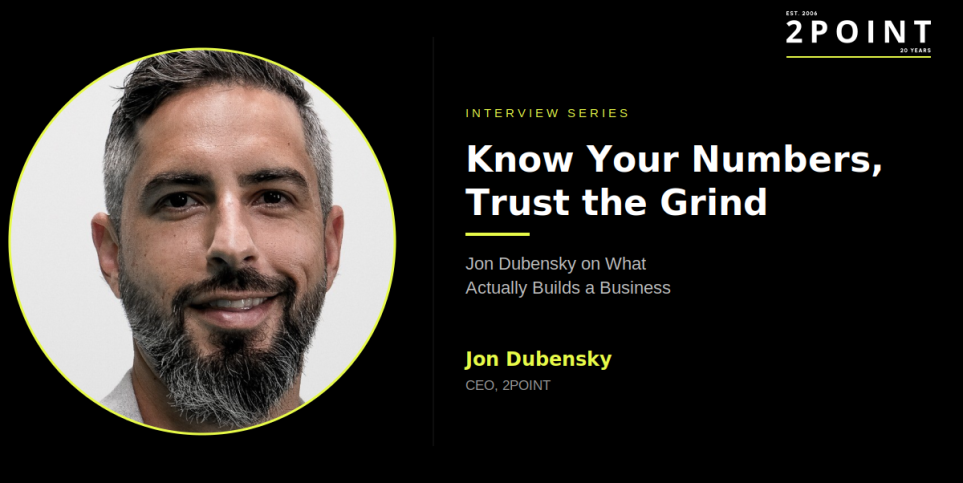
Jon Dubensky has built 2POINT from the ground up, and along the way he has developed a set of convictions about business, leadership, and marketing that cut against a lot of the noise.
Digital Lab Saturdays
Join 1000+ business owners and marketing managers getting digital marketing tips.
As CMO of 2POINT, he has spent years stress-testing ideas across channels, clients, and categories. In the process, he’s developed views that cut against the prevailing wisdom.
A shopper asks Gemini for the best option for their need and gets one synthesized answer, right inside the app they already use for email, docs, and their Android phone. No ten blue links. No ten open tabs. Just a recommendation with a few sources attached.
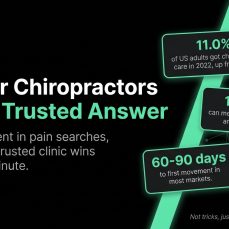
A new patient wakes with lower-back pain, reaches for their phone, and types "chiropractor near me." They scan the map pack, skim a few reviews, and book the clinic that looks close, trusted, and open. The whole decision takes under a minute.
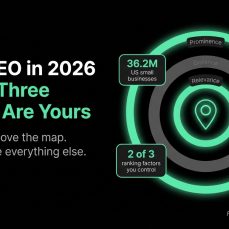
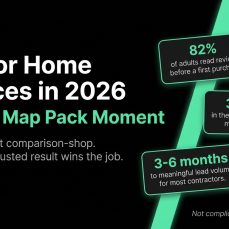
It is 7 pm on a Sunday when a homeowner hears water running behind a wall. They type "emergency plumber near me" and call the first business in the map pack, often before the results finish loading.
A buyer comparing vendors no longer opens ten tabs. They ask Perplexity for the best option and read one sourced answer. In that moment, the shortlist is written.
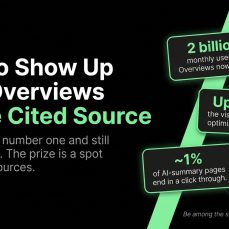
You can rank number one and still lose the click, because an AI Overview answered the question before anyone scrolled to you. The prize has changed. It is no longer the blue link, but a spot among the sources Google's AI summary cites.
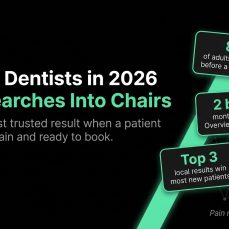
It is 2 am, and someone in your town wakes with a cracked molar. They grab their phone, search "emergency dentist near me," and book the closest practice that looks trustworthy. If that is not yours, you lost a patient who never knew your name.
It is the first real heatwave of July. A homeowner's AC quits, the house is already past 85 degrees, and patience runs out fast. They grab their phone, type "AC repair near me," and call the first company in the map pack.


 let’s connect













 book a consultation




