

 let’s connect
Water Treatment
Ken Christopher
Rayne Water
National SEO
National SEO by 2POINT is a done-for-you organic ranking program for brands that need buyers finding them before they compare vendors. We combine technical SEO, Hub and Spoke content, landing pages, backlinks, and monthly execution into one managed system.
 Google rankings

A full managed SEO program: technical on-page cleanup, keyword-specific landing pages, Hub and Spoke content, backlinks, videos, blogs, and reporting.
Audit and keyword selection first. Then team assembly, quarterly maps, technical fixes, content production, backlinks, and monthly optimization.
A healthier multi-channel sales engine with organic traffic that keeps working after the month ends.
Book a strategy call. We will show you where organic search can become a real revenue channel.
National SEO is not a blog calendar with a rankings report attached. It is a managed growth program that makes your website easier for Google to trust and easier for buyers to find. Every engagement includes:


A startup driven to compete with the likes of FedEx and UPS was struggling to build organic lead flow. When 2POINT started work in January of 2022, they only had 5,000 visitors on their site each month. After 12 months of our SEO program, they scaled to over 100,000 monthly visitors from organic search alone.

A single page wins because the whole site supports it. That is why national SEO needs structure, depth, technical health, and authority working together instead of scattered one-off content.
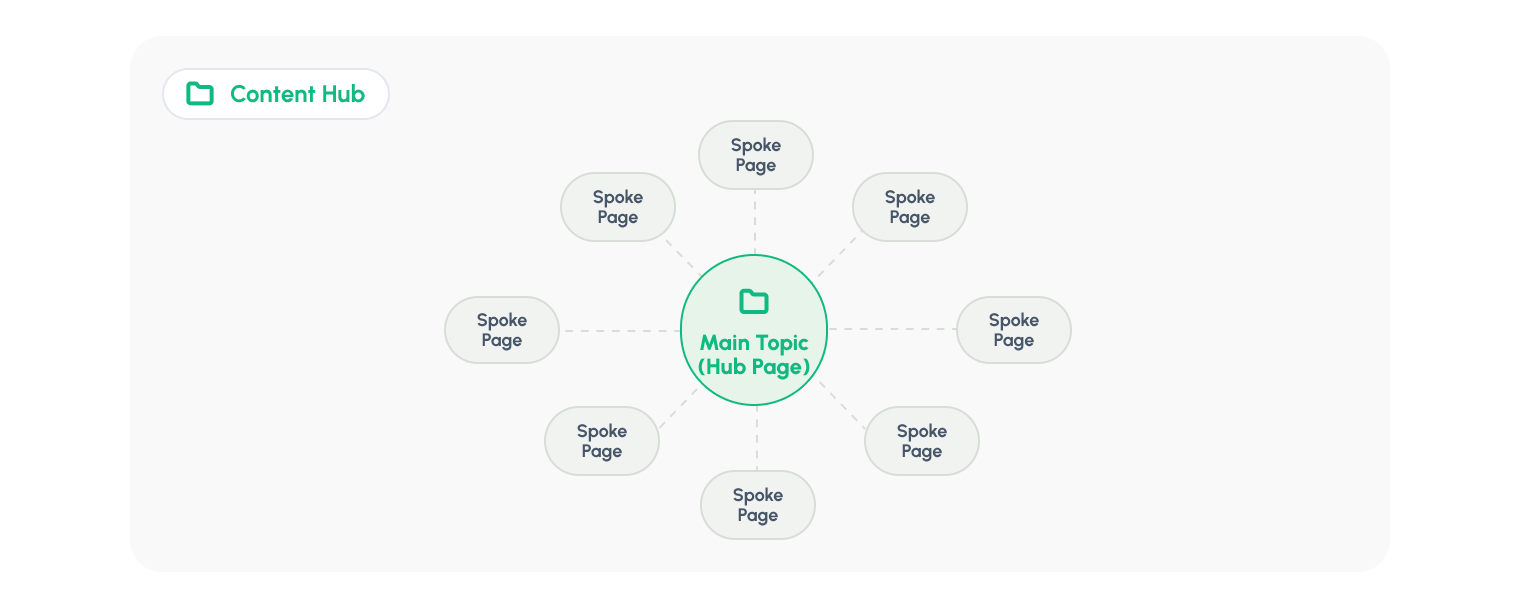
Hubs and spokes create a rich network of content around the topics you need to own.
Technical cleanup, internal links, and authority signals make it easier for Google to understand why you deserve the ranking.
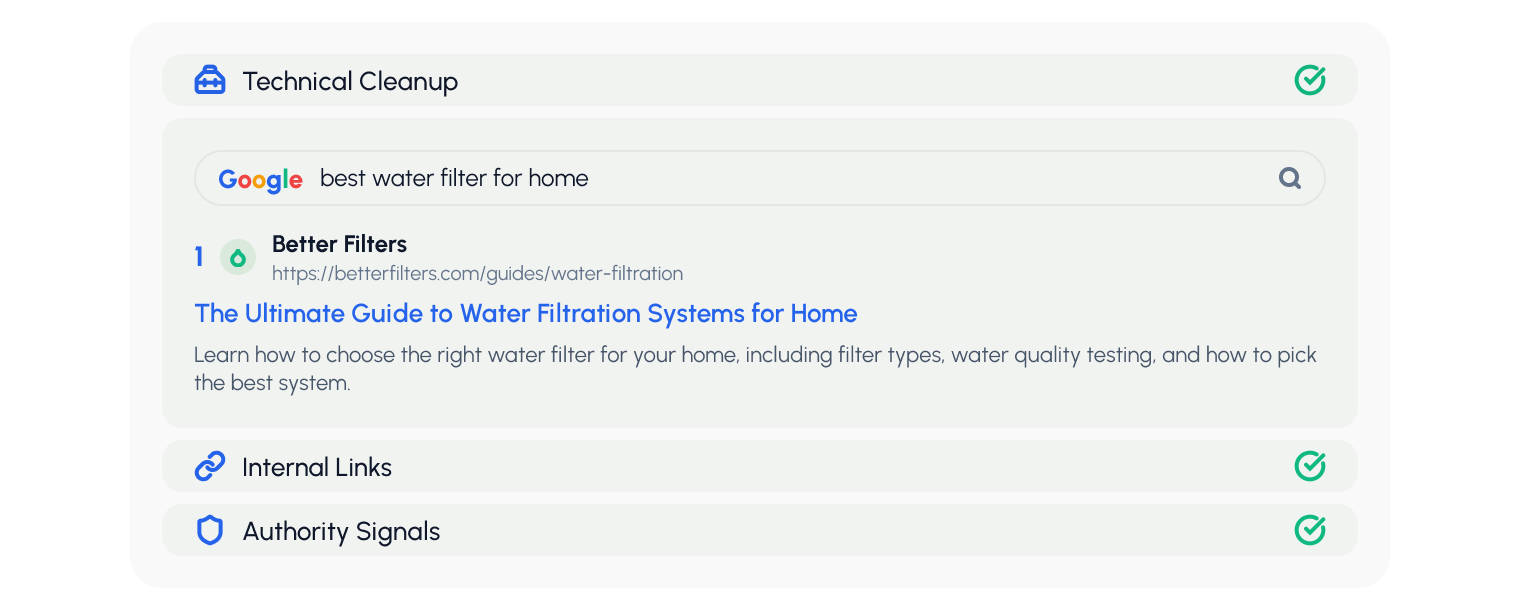
Each new page can rank on its own while also strengthening the pages around it.
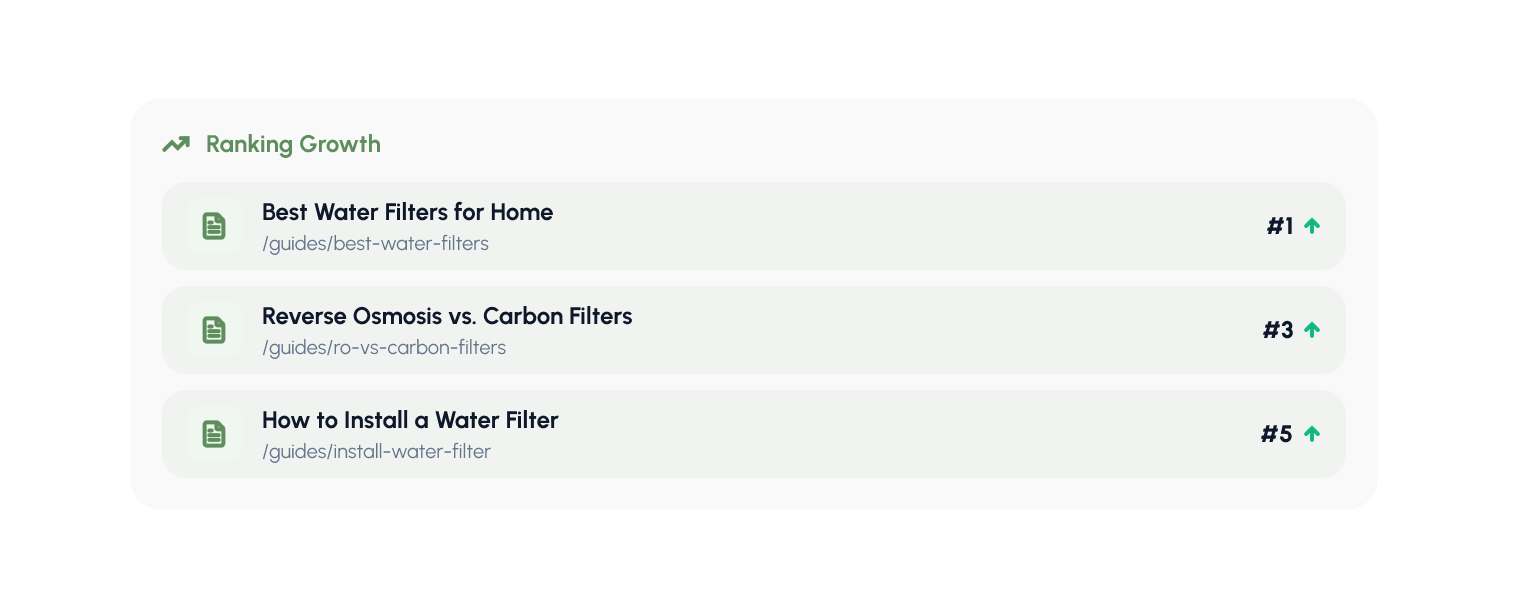
Counter to what most people believe about SEO, Google does not rank pages individually. It analyzes clusters of information across your site, then decides which page deserves the top result.
The Lexicon engine reads the data, studies, and market reports no human team could cover at this price, and drafts a guide with research-paper depth.
A hub is built to rank for a highly desirable keyword with strong search volume, high competition, and real buying intent. It is the deep, definitive page your category needs.
 Top ranking



A site supplying industrial equipment to manufacturers, mechanics, and machinery operators around the globe needed to scale organic revenue generation. During the engagement, the business moved from relying fully on advertising to having a healthier multi-channel flow of sales.
$1 - 5 Million
Top 3 Keyword Rankings
+140% Growth
Every campaign runs through a clear operating rhythm. You get senior strategy, a specialist team, and a Marketing Manager keeping the work moving.
We audit your site, surface technical blockers, and choose the keywords that can create the most valuable organic demand.
Your Marketing Manager coordinates the SEO, content, design, and development specialists needed to execute the campaign.
We plan content quarterly so the strategy has long-term structure while still adapting to business priorities.
We fix the site, publish new assets, update existing pages, add authority, and keep improving what is already moving.
2POINT worked with this brand since 2019 on multiple website projects. Starting in 2023, we took over all digital marketing channels from Power Digital Marketing, the previous agency. With a focus on location landing pages and blogs, the brand saw tremendous organic growth in 2023.


Custom volume and multi-site deployments for teams scaling content across brands. Ideal for multiple domains or higher daily output.
2POINT worked with this brand since 2019 on multiple website projects. Starting in 2020, we took over all digital marketing channels and turned organic search into a measurable revenue driver for the business.
$50-100 Million
5,000 monthly visitors
100,000+ monthly visitors
SEO gets vague fast. These are the questions buyers usually ask before they trust an agency with a national organic growth program.
Search Engine Optimization (SEO) is the practice of building your website, content, and code-base to support search engines processes for indexing and distributing pages. The most common search engine being Google, most SEO is focused on adhering to Google's ongoing algorithm adjustments to appear higher on the Search Engine Ranking Page (SERP).
On-Page SEO refers to optimizations done to a pages content. These could be changes related to text, images, layout, links, and more. Off-Page SEO refers to optimizations done outside of the primary website. This could refer to backlink generation campaigns such as PR mentions, directory listings, and other forms of digital partnerships.
Historically SEO has always been regarded as taking a long time. Common timelines provided by SEO agencies is 6-12 months to show growth. However in our experience at 2POINT we measure in quarters and expect to see client results in the first 90 days. For websites that don't have a history of optimization we can often see growth in the first 45 days.
We recommend taking your agency hiring decisions very seriously. An agency is a partner for your business that will accelerate or hinder growth if you don't have the right one. Vet them carefully, read reviews, read content that they've published, see how long they've been in the industry, and evaluate pricing. Be cautious about cheap work, great experts are expensive.
SEO costs can vary widely and are mostly impacted by your goals. In general we price our services with the goal that you recieve 3-4x your investment in the short term and an uncalculatable ROI in the long term. With a small investment between $3000-$5000/month you can expect steady growth in search rankings, to hit large and agressive goals you will likely be recommended a custom pricing structure. Hit let's connect on this page to get a custom quote based on your goals!
IN THEIR WORDS
Book a strategy call and walk away knowing exactly what this channel can do for your brand, and what it takes to get there.

“Great customer service! They are very patient even when needing to make a change back and forth getting to exactly the right look.”
“Excellent creative work.”
“Everyone at 2POINT is wonderful to work with.”
“The entire service was very professional, efficient and friendly.”
“I have worked with 2POINT at two different startup companies and they did a fantastic job with both web-design and managed all of our marketing initiatives. ”
“We’ve been with 2POINT for about a year and a half now, and couldn’t be happier.”
“Simply the best.”
“I’m really happy that I have asked this company to work on my marketing needs. They did a great job so far and I will definitely work with them again!”
“The team was amazing! Their communication and final delivery of my animated logo was top notch. I highly suggest 2POINT.”
“The 2POINT team I worked with was professional, prompt, and eager to meet our specific needs. I can highly recommend them. They definitely delivered! ”
“Excellent communication, and product we were very happy with the work they did for us.”
“We have worked with their team for almost a decade and hope to continue partnering with them.”
“Everybody on the team was very engaged, communicative and creative throughout the entire process.”
“The attention they give to my business has helped it grow. I really appreciate them!”
“Love working with 2POINT Digital Marketing Agency! ”
“2POINT is amazing! I get compliments on our website all the time!”
“I would definitely work with these guys again, they were able to take my visions and bring it to light. Extremely excited to use my animations on all my projects.”
“The design they came up with is absolutely stunning, and I've already received numerous compliments on the site's clean, modern look.”
“Great group of people, always willing to listen and work together to collaborate on the best ideas for our company!”
“Working with 2POINT on our custom animations was just delightful!”